New York Gardeners Should Divide These 10 Perennials Before September Ends
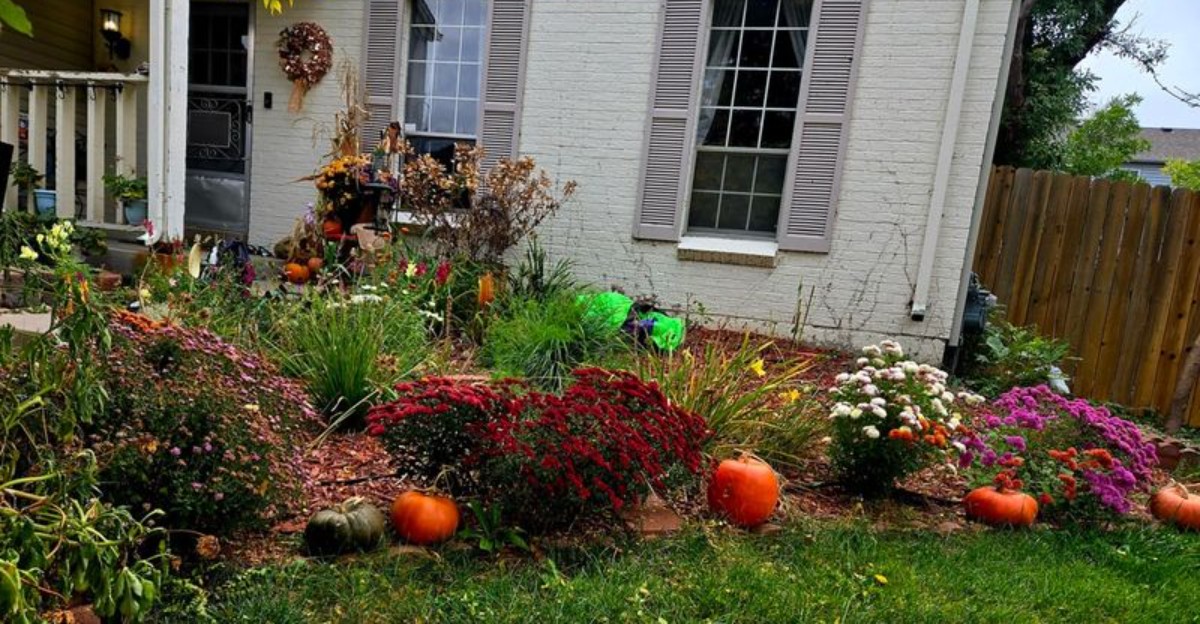
The first cool evening in September smells like wet leaves and cut grass, and that’s your signal to grab a garden fork.
Right now, while the soil still holds summer warmth, roots are quietly stretching out and settling in. That combination of warm ground and cooler air makes early fall one of the friendliest windows for splitting up crowded perennials across New York.
Wait too long and those fresh divisions won’t have enough time to anchor themselves before the ground stiffens up. Move now, and you get stronger clumps, better blooms next June, and a pile of free plants to tuck into bare corners or hand off to a neighbor.
1. Peonies Benefit From A September Refresh Before Winter Arrives
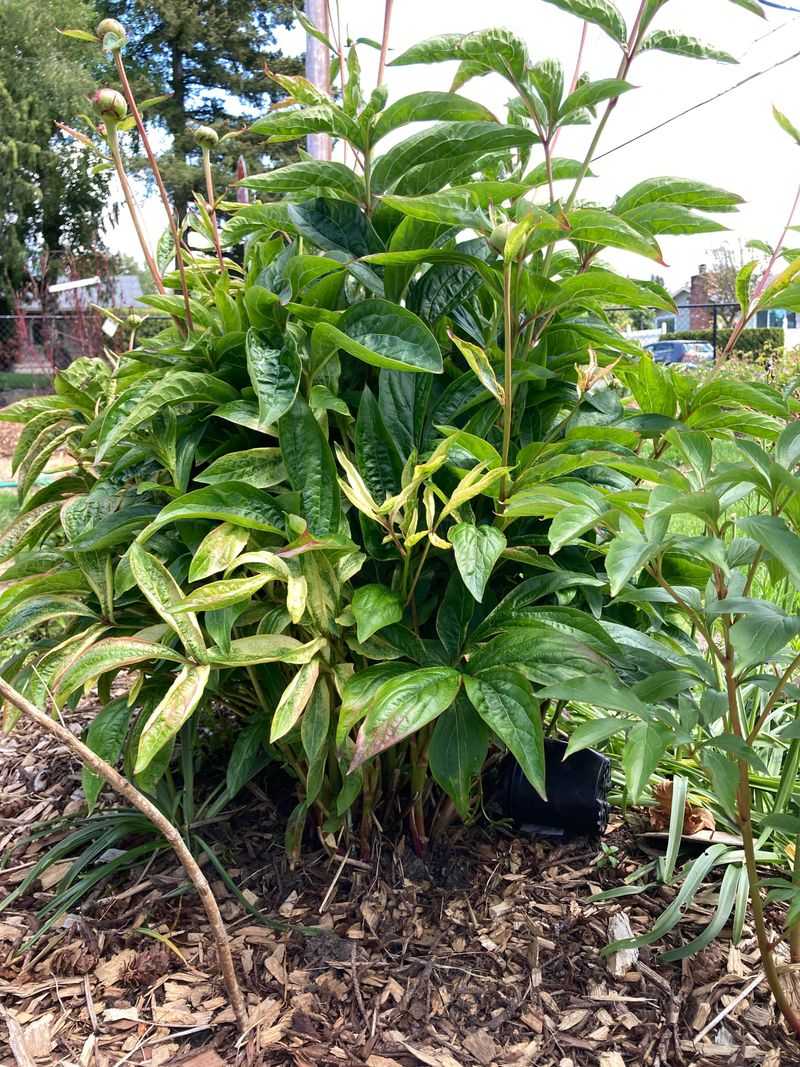
Grandmothers have guarded peony clumps for decades, and for good reason. These plants can outlive the people who planted them, but they still appreciate a refresh.
Early fall is an excellent time for splitting herbaceous peonies in New York, provided there are still several weeks before the ground freezes. Roots settle into warm soil and get established well before the ground freezes.
Start by cutting all the foliage back close to the ground so you can see what you’re working with. Then loosen the soil in a wide circle and lift the root mass with a garden fork rather than a shovel.
Rinse the roots with a hose so the pink buds, called eyes, become visible. Those eyes are where next spring’s stems will emerge, so protect them.
With a sharp knife or spade, cut the clump into pieces that each carry three to five eyes plus a solid chunk of fleshy root. Smaller pieces will grow, but they sulk for a few extra seasons.
Replant in a sunny spot with the eyes about one to two inches below the surface. Planting too deeply is a common reason peonies fail to flower well.
Burying them deeper is the number one reason peonies refuse to flower.
Water the new divisions deeply to settle the soil around them. A light mulch after the first hard frost helps them ride out the winter comfortably.
2. Crowded Hostas Can Get A Fresh Start Before Fall Ends
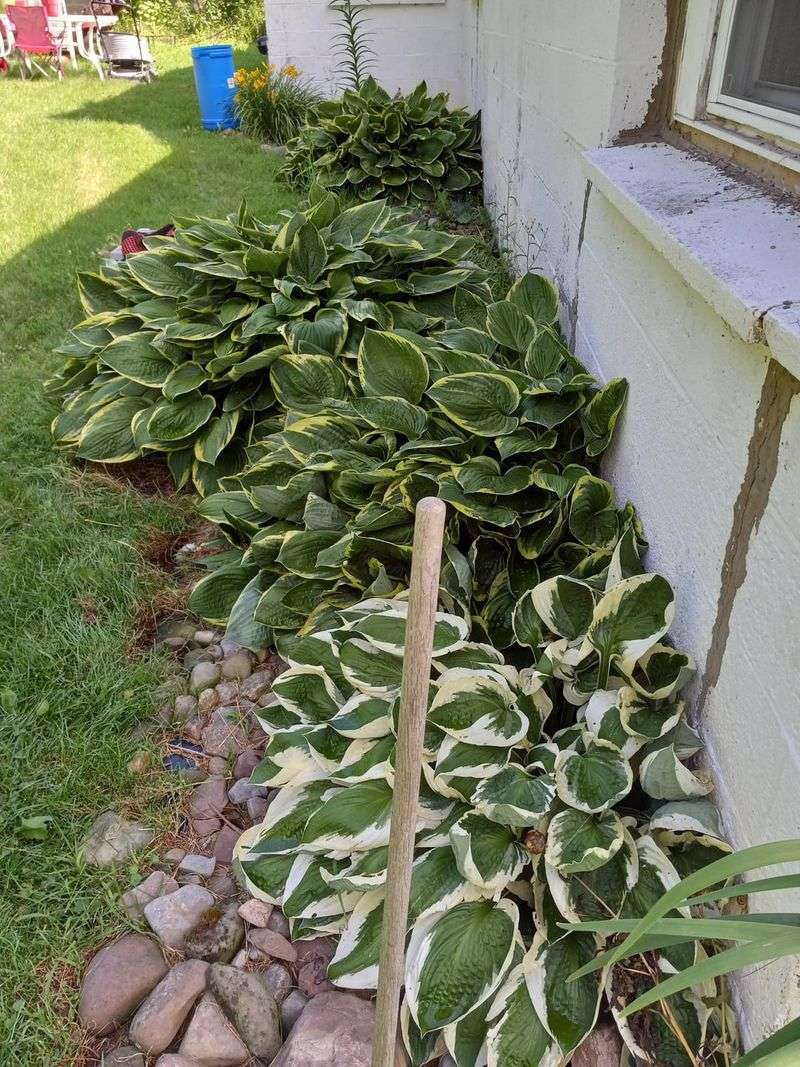
You know the look: a hosta that’s gone bald in the middle, like a doughnut of leaves with nothing in the center. That hollow spot is the plant asking for elbow room.
Hostas are famously tough, which makes them a forgiving place to practice your dividing skills. Early fall in northern gardens gives them time to push new roots before cold weather arrives.
A day or two ahead, soak the plant well. Moist soil slides off roots more easily and the whole job gets less messy.
Dig a wide circle around the clump, then lever it out with a spade or fork. Set it on a tarp so you can see the crown clearly.
Slice the clump into sections with a sharp knife, giving each piece several healthy roots and at least two or three leaf buds. Bigger divisions fill in faster if you want an instant look.
Your New York Garden Changes Every Week. Your Plan Should Too.
Gardening in New York changes quickly throughout the season. Every Friday you’ll receive a simple weekly plan showing exactly what to plant, prune, fertilize, harvest, and protect so you never miss the right timing.
Replant at the same depth the original sat, never deeper, and leave room for the mature spread listed on the tag. Crowding again in two years defeats the purpose.
Soak the new divisions generously. Shady yards dry out more than people expect in autumn, so check the soil weekly until frost.
3. Daylilies Thrive After A Timely Fall Garden Makeover
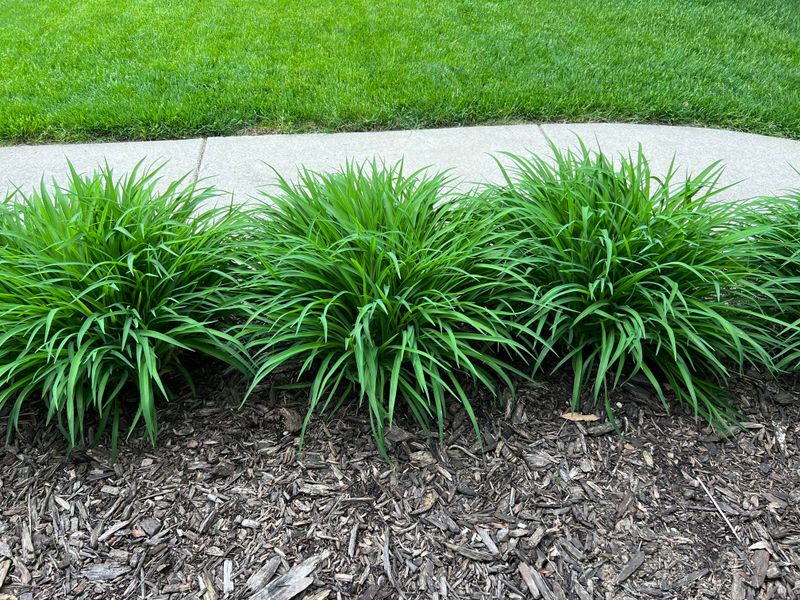
Daylilies are the workhorses of roadside beds and front walkways, blooming through heat with barely a complaint. Even so, a clump left alone for six or seven years starts producing fewer flowers.
September and October suit them beautifully, especially upstate where nights cool off early. Blooming has finished, so the plant can pour its energy into roots.
Slide a sturdy fork under the clump and rock it loose. The roots are thick and fleshy, so the clumps are generally easier to divide than many fine-rooted perennials.
Some clumps pull apart by hand with a twist. Older, denser ones may need two forks back to back or a clean cut with a spade.
Aim for divisions holding a fan of leaves and a decent bundle of roots. Trimming the foliage down to roughly five to eight inches makes the pieces easier to handle and cuts down on wilting.
Replant quickly, setting the crown right at soil level. Sinking it too low invites soggy trouble over a wet winter.
Finish with a slow, deep watering. Leftover divisions make excellent gifts, and they travel fine in a paper bag for a day or two.
4. Bearded Irises Need Attention Before Cooler Weather Sets In
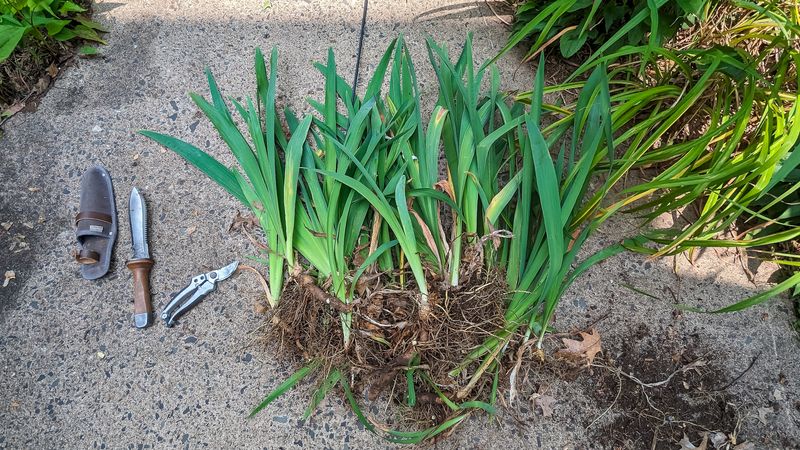
Bearded irises grow sideways, creeping across a bed until the rhizomes pile on top of each other like logs. Once they’re stacked, flowering drops off fast.
Late summer into early fall is the window, well before the ground stiffens up. Newly separated rhizomes want a few warm weeks to grow fresh feeder roots.
Lift the whole clump with a fork and knock or rinse away the soil. Look for firm, plump rhizomes and toss anything soft, hollow, or smelling sour.
Trim the leaves back to about one third of their height, shaping them into a fan. Less foliage means less moisture loss while roots rebuild.
Cut sections with a clean, sharp knife so each piece has one leaf fan and some healthy roots attached. Wiping the blade between plants keeps problems from spreading.
Planting depth matters enormously here. The top of the rhizome should sit at the surface or barely covered, almost like a potato half buried on a sunny beach.
Spread the roots downward in the hole, firm the soil, and water once. Skip heavy mulch over the rhizomes, since they prefer sun on their backs.
5. Black Eyed Susans Stay Healthier With More Room To Grow
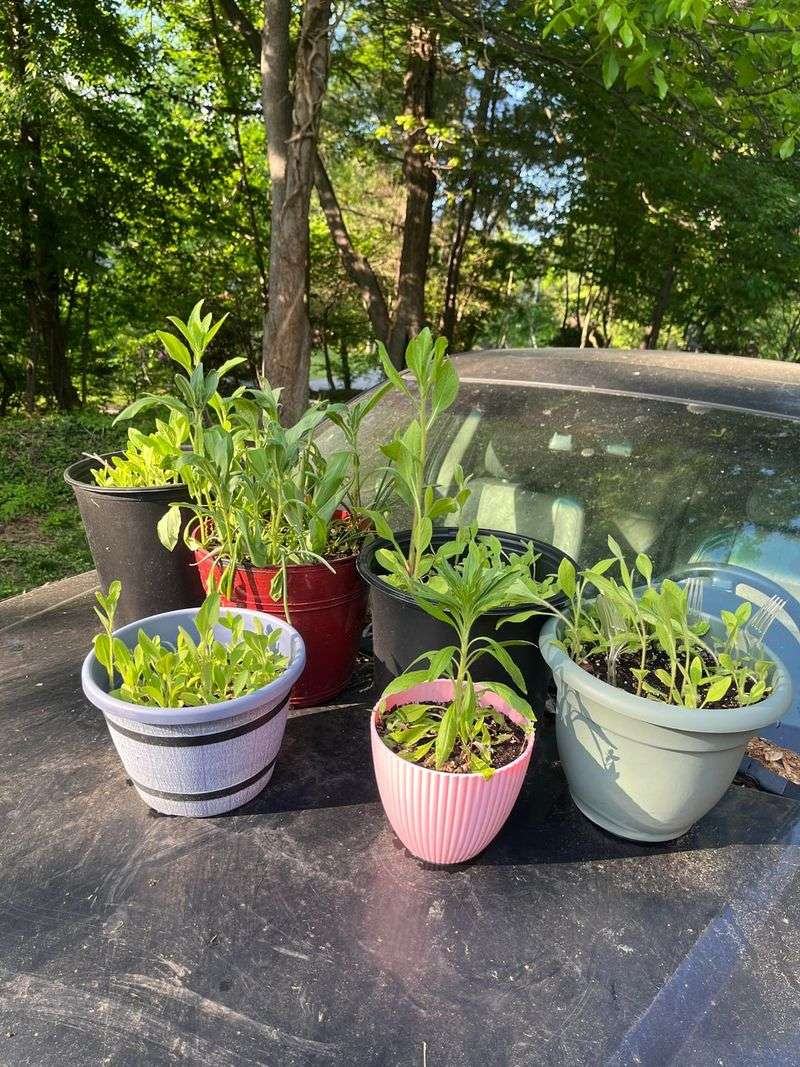
Give a rudbeckia an inch and it takes the whole border. Cheerful? Absolutely. Polite? Not especially.
Those spreading habits are exactly why gardeners split them every few years. Crowded clumps trap humid air, invite leaf spots, and produce fewer of those golden daisies.
The stretch after the first cool nights, while soil still holds warmth, is ideal timing in New York. Roots keep growing underground long after the tops slow down.
Work a fork deeply around the plant to loosen everything before lifting. Try to keep as much of the fibrous root system intact as you can.
Chop the clump into smaller root balls with a spade or knife, each carrying roots and a bit of foliage. Discard the woody middle if it looks spent.
Set the divisions back at their original depth and press the soil to close air pockets. Space them wider than feels natural, because they’ll fill in by midsummer.
A deep soak finishes the job. Leave a few seed heads standing through winter, since goldfinches work them over on cold mornings and the dark cones look striking under frost.
6. Coneflowers Gain New Energy After A Careful Fall Separation

Aim to give coneflowers several weeks to establish new roots before the ground freezes, which is why mid-September through mid-October can work well in cooler parts of New York.
Echinacea clumps grow thick and congested over time, and the center often thins while the edges keep pushing outward. Splitting restores vigor and brings back a fuller flush of blooms.
Water thoroughly a day or two before you dig. Hydrated roots snap less and bounce back quicker.
Lift the entire root mass and shake off enough soil to see how the crown is built. Coneflower roots are thicker and more carrot-like than fibrous, so take a good look before cutting.
Use a sharp spade or a sturdy knife for dense clumps, aiming for sections with solid roots and several visible growth points. Two or three good divisions beat six weak ones.
Replant right away at the same level, spacing them about eighteen inches apart for airflow. Sitting out of the ground too long stresses them unnecessarily.
Water deeply after transplanting, then let the seed heads on nearby plants stand. They feed birds and add winter texture to the beds.
7. Garden Phlox Performs Better When Overcrowded Clumps Are Addressed
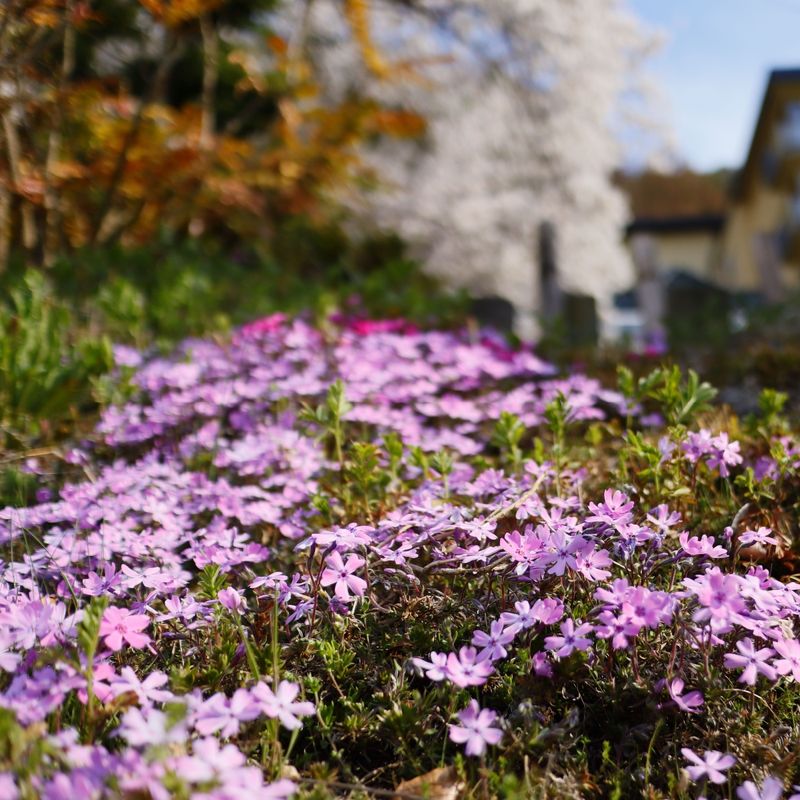
If your phlox spent August wearing a dusty gray coating, crowding is likely part of the story. Powdery mildew loves still, stuffy air trapped between too many stems.
Thinning the clump improves airflow and can reduce conditions that favor powdery mildew, sometimes reducing the need for additional treatment. It also renews plants that have been flowering less each summer.
Once bloom season wraps up, phlox takes division well. Fall splitting sets up stronger, bushier growth and heavier flower heads the following year.
Soak the plant a day or two ahead, then dig a generous circle to save as many roots as possible. Phlox roots run wider than the stems suggest.
Pull the clump apart by hand where it wants to separate, or slice it with a spade if it resists. Each piece should have healthy roots and a few stems or buds.
Replant into loosened soil enriched with compost, leaving eighteen to twenty-four inches between plants. Generous spacing is the whole point.
Water well so they settle before the chill arrives. Cutting old stems to the ground and removing the debris also clears out any lingering mildew for next season.
8. Astilbes Get A Boost When Older Plants Receive Extra Space
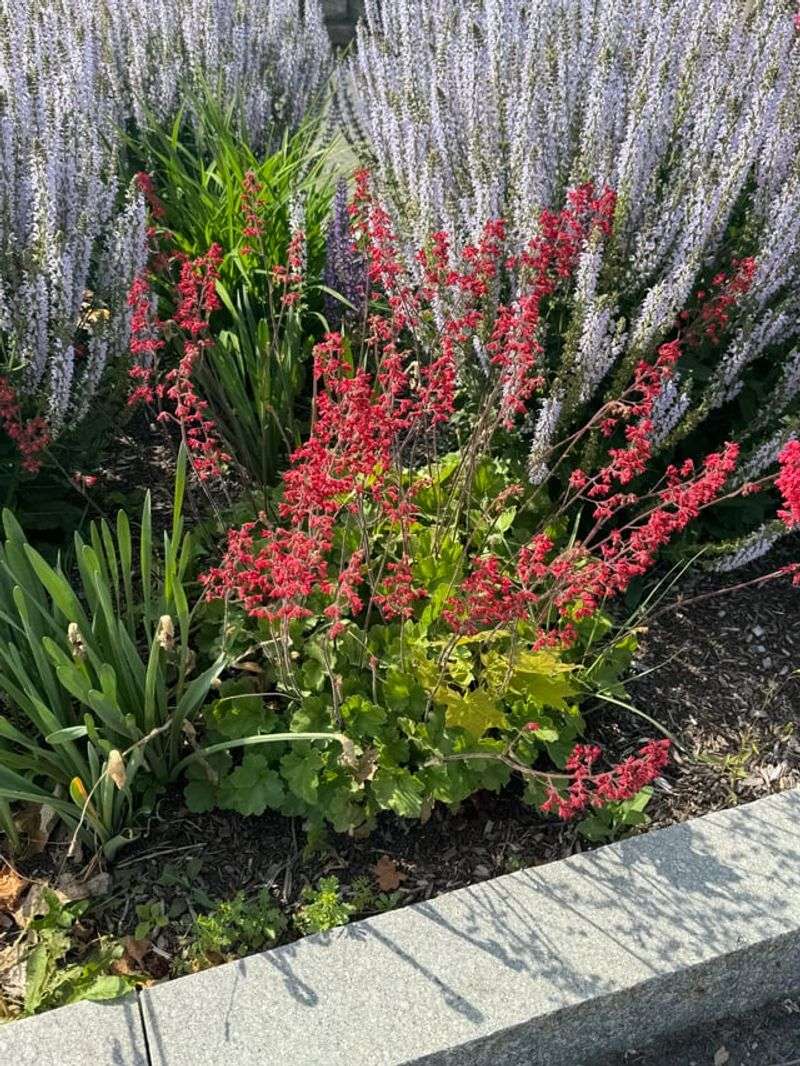
Notice a knobby, woody bump rising above the soil where your astilbe used to sit flat? That’s the rhizome lifting itself out of the ground, and it leaves the plant exposed to harsh winter weather.
Splitting solves it. Every two to four years keeps these shade lovers full, feathery, and blooming well in woodland beds.
Early autumn suits them because the soil stays warm and moist, two things astilbes adore. Roots take hold quickly before the first hard frosts.
Water the day before, then dig the whole clump and shake the soil loose. Natural break points usually show themselves once the crown is clean.
Cut sections with a sharp spade or knife, giving each division three to five healthy shoots along with a solid root chunk. The centers of very old plants are often tough and worth discarding.
Set divisions at the same depth as before, burying that woody rhizome properly this time. Space them far enough apart for air to move between the leaves.
Water generously and keep them from drying out through fall. A two-inch layer of shredded leaf mulch holds moisture and mimics the forest floor they came from.
9. Shasta Daisies Create Fuller Displays After Fall Maintenance
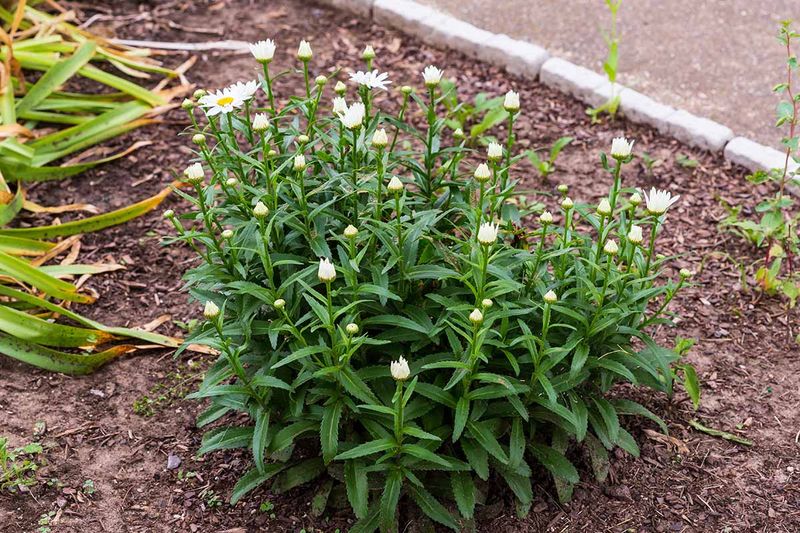
A tired Shasta daisy tells on itself. The middle goes sparse and woody while a ring of leaves circles the outside, and flower counts drop noticeably.
Splitting every two to five years fixes that hollow center and brings back the thick white display everyone plants them for. September conditions in the state are close to perfect for the job.
Pick a cool, overcast day if you can. Cloud cover reduces wilting and makes the whole project more pleasant for you too.
Dig up the full clump and set it on a tarp where you can see the root structure. Shallow, fibrous roots mean this one is easier than most.
Tease the sections apart with your hands, or cut through with a knife if the crown is stubborn. Each piece needs a fistful of roots and several shoots.
Toss the woody core and replant only the vigorous outer chunks, spacing them twelve to eighteen inches apart. Good airflow keeps foliage cleaner all season.
Water deeply after planting and check them weekly until the ground cools. Come June, you’ll have twice the daisies for cutting and hauling indoors in a jar.
10. Coral Bells Stay Strong When Garden Beds Become Less Crowded
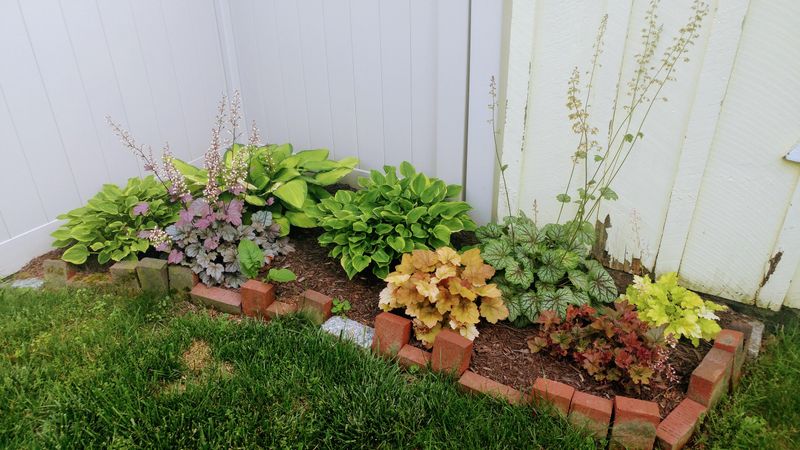
Heuchera grows upward as it ages, pushing its crown higher until the plant sits on a woody little stump. Leaves shrink, color fades, and the whole thing looks wobbly.
Dividing and replanting corrects the posture problem while making free plants at the same time. Fall works nicely in New York, since warm soil encourages fast root growth before serious cold arrives.
Lift the clump carefully with a hand fork. Coral bells have modest root systems, so this rarely takes much muscle.
Inspect the crown closely. Anything old, hollow, or corky can be cut away and composted without guilt.
Separate the younger, leafy portions so each piece carries roots and a rosette of active foliage. Small divisions establish surprisingly well with these plants.
Replant so the crown sits level with the soil, deep enough to cover the bare woody stem but not so deep that leaves are buried. Getting that height right prevents rot.
Water thoroughly and add mulch around, not over, the crown. Frost heaving can shove new divisions right out of the ground during a freeze-and-thaw winter, so press them back down if you spot any lifting in March.