8 Cucumber Companion Plants That Can Help Support Your Harvest
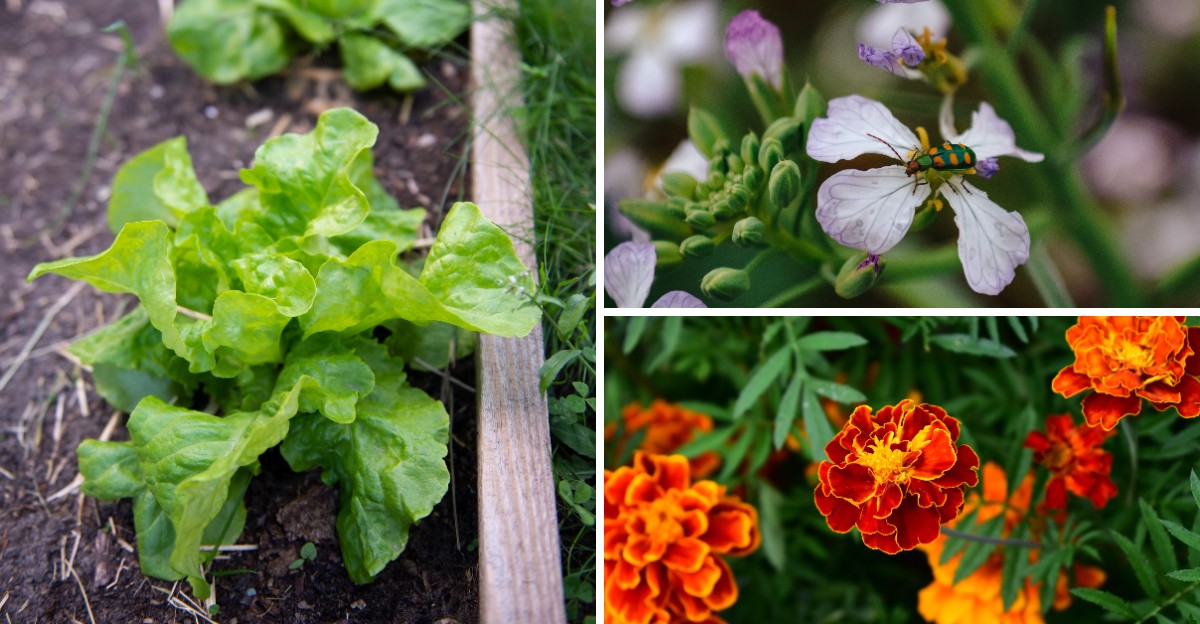
Striped beetles can nibble your cucumber leaves by midsummer. Yellow blossoms fall from your vines, and poor pollination can leave your stems fruitless.
You can change that outcome without sprays. Pungent herbs may blur scent signals beetles use to find your crop.
Nasturtiums lure aphids away from your vines like decoys. Dill and borage draw hoverflies and bees to your blooms.
Pollinators improve fruit set, so you may harvest heavier baskets. Radishes tucked beside your vines may distract cucumber beetles.
French marigolds release compounds that deter nematodes below your plants. Corn gives your tendrils a tall trellis and casts welcome afternoon shade.
Bush beans enrich soil, lettuce shades roots, and you water less. Plant your companions beside seedlings and you may notice changes within weeks. Imagine you pull a crisp, heavy, fresh cucumber from a healthy vine this coming summer.
1. Nasturtiums Act As A Trap Crop For Aphids
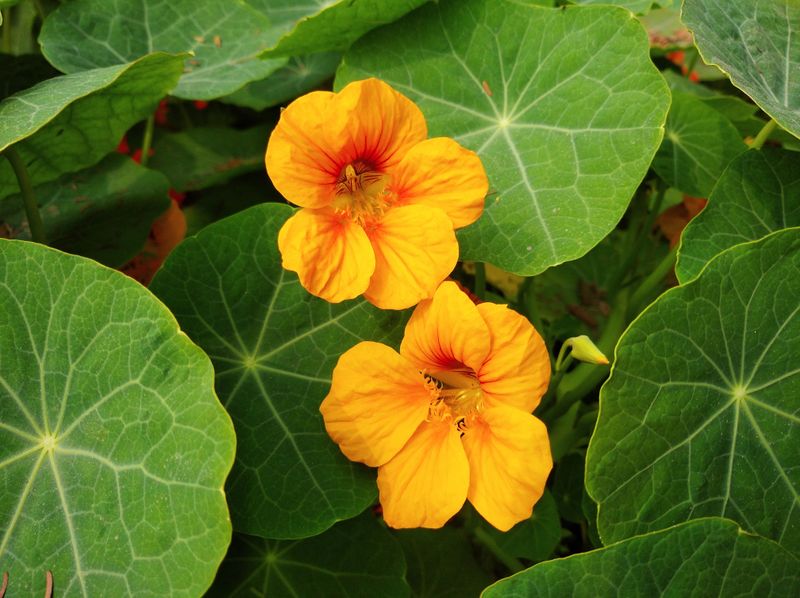
Bright orange nasturtiums look like they belong on a birthday cake, not in a vegetable patch. Yet these peppery flowers can help draw pests away from your cucumber vines.
Aphids are attracted to nasturtiums and often settle there first. Gardeners call this a trap crop, because it pulls pests away from your main harvest.
Plant a few nasturtium seeds about a foot or two from the cucumber bed. That gap gives bugs a decoy without putting them right on top of your vines.
Check the nasturtium leaves every few days, especially the shady undersides where aphids like to cluster. When you spot a crowd, snip off the leaf and toss it in the trash.
Some types also give off a smell that seems to confuse squash bugs and whiteflies. Fewer pests means your cucumber plants can spend their energy making fruit instead of fighting.
Nasturtiums like poor, sandy soil and only need a little water once they settle in. Rich compost actually makes them grow lots of leaves and fewer flowers.
Both the leaves and petals are edible, with a spicy kick that tastes a bit like radish. Toss a few into a cucumber salad for color and a fun peppery bite.
When you plan your next season, save seeds from this year’s plants or order fresh packets. Sow them outside after your last spring frost, right alongside your cucumber seeds.
A packet of seeds is an inexpensive way to start. Your pickle jar may look fuller by next August.
2. Dill Welcomes Pollinators And Helpful Predators
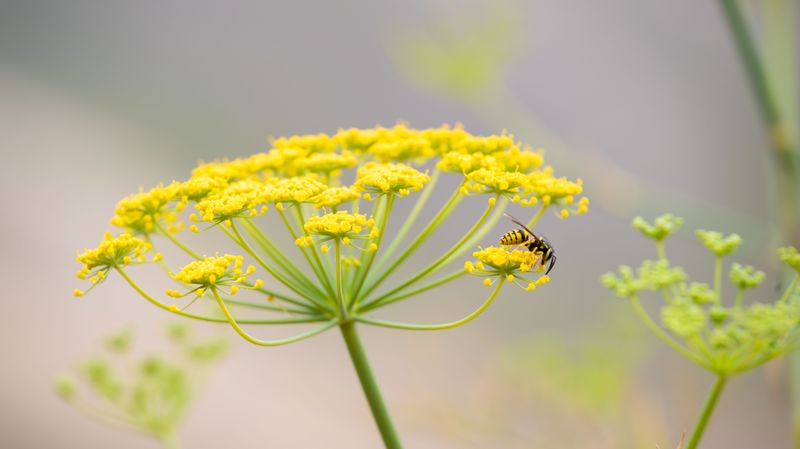
Dill has feathery green foliage, and it acts like a welcome sign for beneficial insects. Its flat yellow flower heads draw in ladybugs, lacewings, and tiny parasitic wasps.
Those beneficial insects feed on aphids, spider mites, and caterpillars that damage cucumber leaves. Think of dill as a restaurant that only serves your garden’s security guards.
Bees and hoverflies visit dill blooms too, and most field-grown cucumbers need lots of pollinator visits. Each female flower must get pollen many times to grow a straight, full fruit.
Crooked or skinny cucumbers can signal poor pollination, though water and nutrient stress also cause them. A patch of flowering dill nearby can help improve pollination.
Sow dill seeds right in the ground, because the long taproot does not like being moved. Space plants about a foot apart in a sunny spot near the cucumber trellis.
Let a handful of dill plants bloom instead of picking every single leaf for the kitchen. You need those umbrella-shaped flowers to bring in the helpful insects.
Plant a new row every three weeks so fresh blooms keep showing up all season. That timing works nicely with cucumbers, which keep flowering from early summer into fall.
Pickle makers love this pairing for an obvious reason. You can pick cucumbers and dill heads on the same afternoon and start a crunchy batch right away.
Many gardeners let late dill drop its seeds on purpose. Next spring, little volunteer seedlings often pop up for free.
3. Bush Beans Add Nitrogen To The Soil
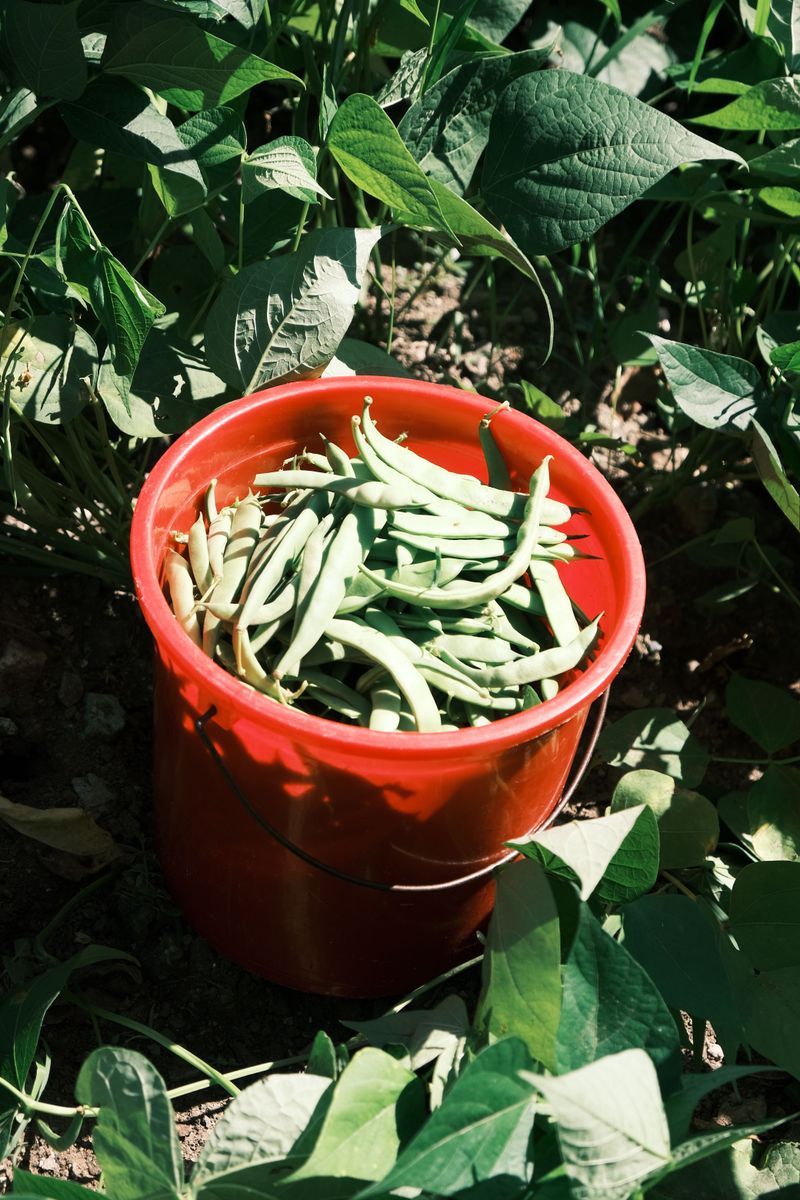
Bean plants carry tiny nitrogen-fixing factories underground. Special bacteria live in bumps on the roots and pull nitrogen from the air.
Much of that nitrogen reaches the soil after the plants break down, where nearby plants can use it. Cucumbers are heavy feeders, so a little extra help goes a long way.
Bush beans make better partners than pole beans for most cucumber beds. They stay short and compact, so they will not fight your vines for trellis space.
Plant bean seeds in a row about eighteen inches from your cucumber hills. Both crops love warm soil, so wait until the ground feels warm to your hand.
The bean leaves also shade the soil a bit, which helps it hold moisture on hot days. Cucumbers are mostly water, so steady moisture leads to sweeter and less bitter fruit.
Once your beans finish producing, cut the plants off at the soil line. Leave the roots in the ground so those nitrogen bumps can break down and feed the bed.
Some gardeners let a few radishes flower in the hope that the blooms keep attracting beetles, though research on this is limited. Either way, you get two harvests from one small patch of ground.
The off-season is a smart time to plan this pairing for next year. Sketch your garden now and mark where the beans and cucumbers will share space.
A bag of bean seeds also lasts for a few years if you store it somewhere cool. Pick up a packet when seed racks are well stocked.
4. Plant French Marigolds To Suppress Nematodes
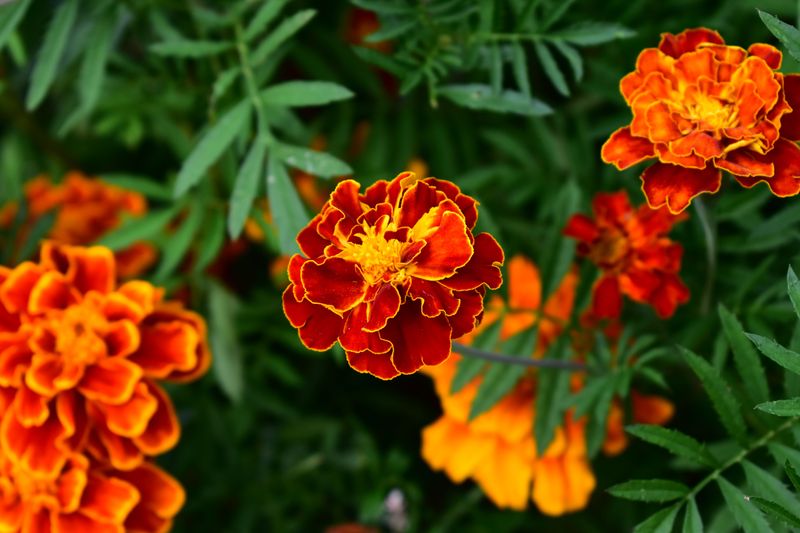
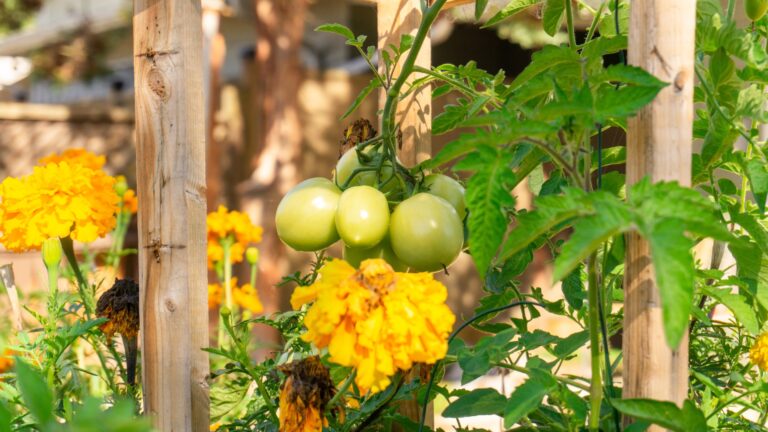
Grandparents have tucked marigolds around vegetable gardens for decades, and they had good reasons. Those cheerful orange and gold blooms do more than make a garden look happy.
French marigolds release a natural chemical from their roots that can suppress root-knot nematodes. Nematodes are tiny soil worms that cause lumpy roots and weak, stunted cucumber plants.
The effect works best when marigolds grow thickly for a full season. For nematode control, grow a dense stand of French marigolds in the bed for a full season, then till them in before planting cucumbers there.
Some gardeners plant a whole bed of them one year, then grow cucumbers there the next.
Above ground, the strong scent seems to confuse whiteflies and some beetles. Bugs that cannot find your cucumbers easily may move on.
Single-flowered marigolds also bring in hoverflies, whose larvae feed on many aphids. One hoverfly larva can eat hundreds of aphids before it grows up.
Tuck marigold plants along the edges of your cucumber bed or between each hill. Keep them low and bushy so they do not block sunlight from young vines.
Look for French marigold varieties labeled Tagetes patula, such as Tangerine. Skip signet marigolds, which can host nematodes and make the problem worse. African marigolds can be less consistent against nematodes, depending on the variety.
Marigolds are easy to start from seed and forgive a lot of mistakes. Even young kids can grow them on a sunny kitchen windowsill in early spring.
At the end of the season, pull a few dried flower heads from the garden and crack them open. Those skinny black seeds can fill next year’s cucumber bed with bright little guards.
5. Radishes Can Distract Cucumber Beetles
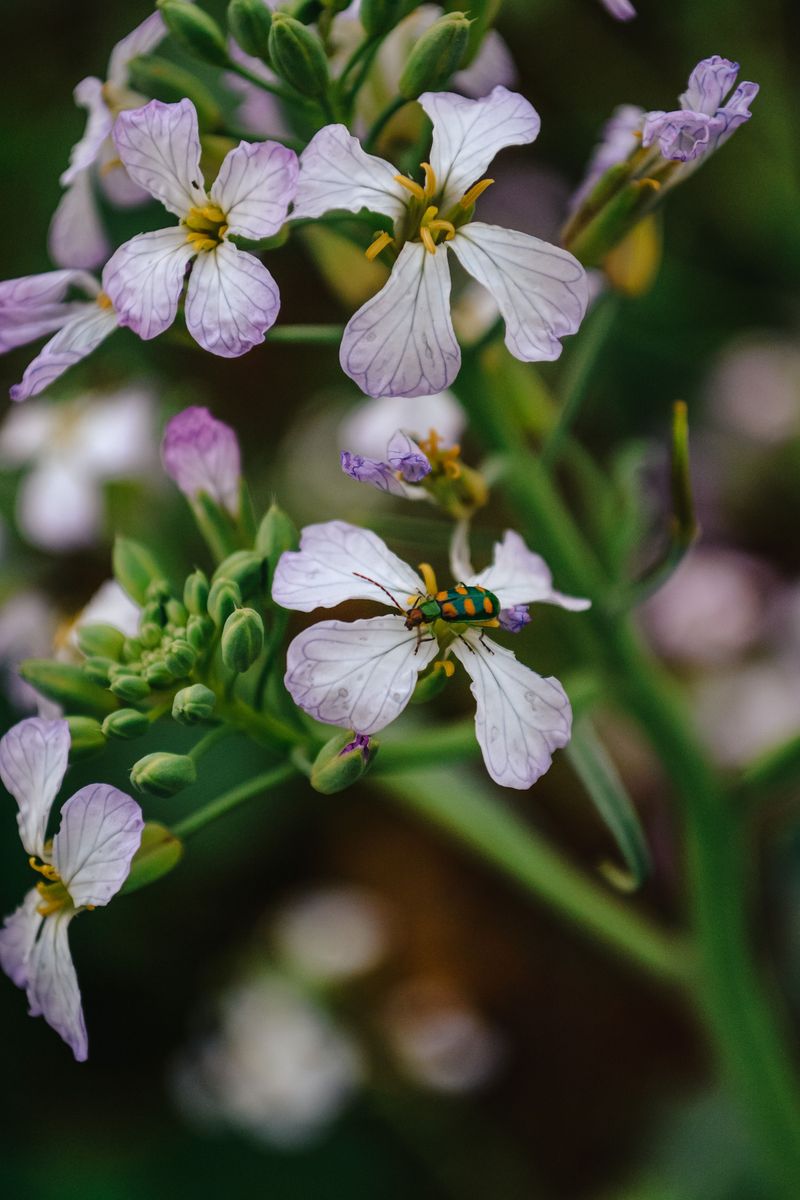
Radishes are the speedy little decoys of the vegetable world. While cucumbers take their sweet time, radishes pop up in just a few days.
Cucumber beetles often go after young seedlings, chewing leaves and spreading bacterial wilt. A ring of radishes can pull some of that attention away from your tender vines.
Sow radishes in cool spring soil a few weeks before your cucumber seedlings go out, in a ring around each hill.
Heat turns radishes woody, so sow a fresh batch if the weather warms. Their sharp scent and quick leaves create a busy, confusing zone for hungry bugs.
Some gardeners let a few radishes go to flower instead of pulling them. The tall stalks and pungent leaves keep working as a lure through early summer.
Larger-rooted types such as daikon can also help loosen the soil. Cucumber roots spread easily through soil that feels crumbly and soft.
Best of all, you get a bonus crop while you wait for cucumbers to grow up. Most radish types are ready to pull in about three to four weeks.
Pick them when the roots are about an inch wide for the crunchiest bite. Older radishes turn woody and hot, which is great for bugs but bad for snacks.
Flea beetles love radish leaves, so expect a few small holes. They are a different pest from cucumber beetles, so do not count them as proof the decoy works.
In many areas, you can also sow a quick fall batch. Watch how fast they grow, then plan your spring cucumber ring with confidence.
6. Let Corn Double As A Natural Trellis
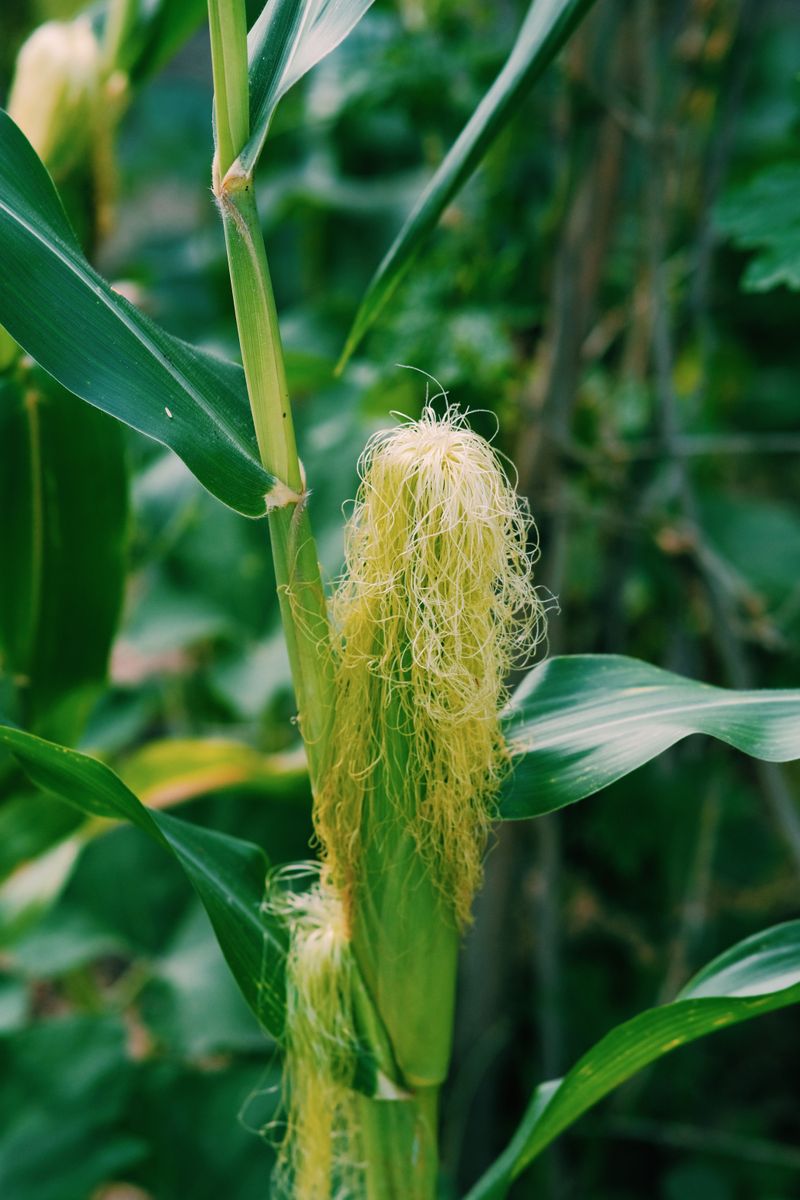
Indigenous farmers across the Americas grew corn, beans, and squash together, and the same approach can work for cucumbers. It is a smart old method that still works in backyards today.
Corn stalks give cucumber vines something sturdy to climb as they reach for sunlight. Fruit grown off the ground stays cleaner and is less likely to rot.
Cucumbers also enjoy a bit of afternoon shade during the hottest part of summer. Tall corn leaves block some intense sunlight while still letting plenty of sun through.
Timing matters a lot with this pairing. Plant corn first and give it about two to three weeks of head start.
Once the stalks are knee-high, sow cucumber seeds near their base. The vines will grow upward as the corn shoots toward the sky.
Plant corn in a block of several short rows instead of one line so the ears pollinate well. Choose a sturdy field or sweet corn variety with thick stalks.
Heavy slicing cucumbers can bend thin stalks, so smaller pickling types often work better here.
Both plants are hungry, so mix plenty of compost into the soil before planting. Water deeply once or twice a week instead of giving short sprinkles every day.
Gently guide the cucumber tendrils onto the stalks for the first week or so. After that, the tendrils may grab hold on their own, though string ties help on thin stalks.
As cornstalks turn golden and dry, look at where your corn grew best this year. That sunny spot could become next summer’s cucumber-and-corn tower garden.
Kids love searching for hidden cucumbers tangled up in the leafy stalks. It feels like a small treasure hunt each morning.
In warm regions, spotted cucumber beetle larvae feed on corn roots, so watch for beetles if you garden in the South.
7. Borage Brings In The Bees
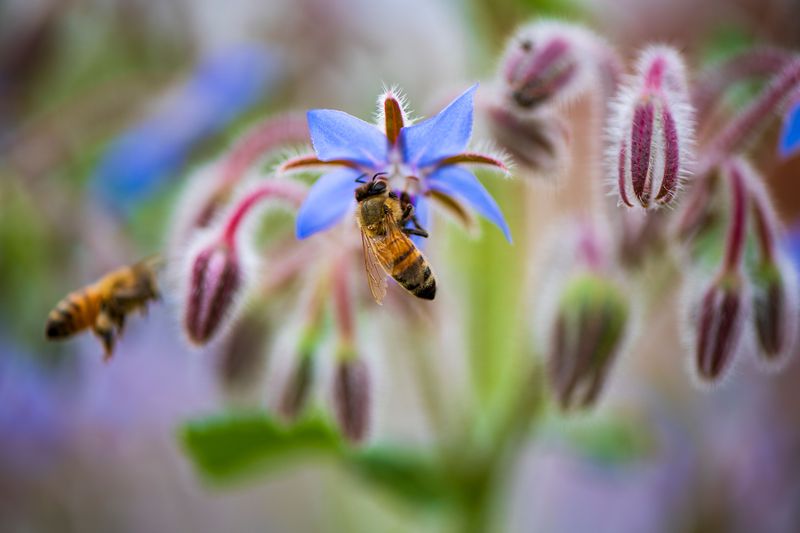
Stand near blooming borage on a summer morning, and you will hear the buzzing first. Bees gather on its star-shaped blue flowers like kids around an ice cream truck.
Many cucumber varieties rely on bees to move pollen from male flowers to female ones. More bee traffic often means more fruit, plus straighter, fuller, and better-shaped cucumbers.
Borage refills its flowers with nectar quickly, so bees keep coming back all day. Your cucumber blossoms just happen to sit right on their busy flight path.
Its fuzzy leaves and stems also seem to discourage some pests from settling in. Gardeners also notice borage pulls in predator insects that snack on aphids.
Plant borage seeds directly in the soil at the end of your cucumber row. Give each plant about two feet of room, because it gets big and floppy.
Borage grows easily in average soil and handles dry spells pretty well. Once it blooms, it drops seeds and often returns on its own next year.
The blue flowers taste mildly like cucumber, which feels like a cute garden joke. Freeze them in ice cubes or sprinkle them on lemonade for a pretty summer treat.
Borage contains pyrrolizidine alkaloids, so eat the flowers only occasionally and in small amounts, and skip them if you are pregnant or have liver concerns.
Borage leaves can also be chopped and added to compost as a nutrient boost. They break down fast and may add potassium, which helps fruiting plants like cucumbers.
In milder gardens, borage may still be blooming in autumn. Shake a few seeds into an envelope, label it, and store it for spring planting.
8. Lettuce Works As A Living Mulch
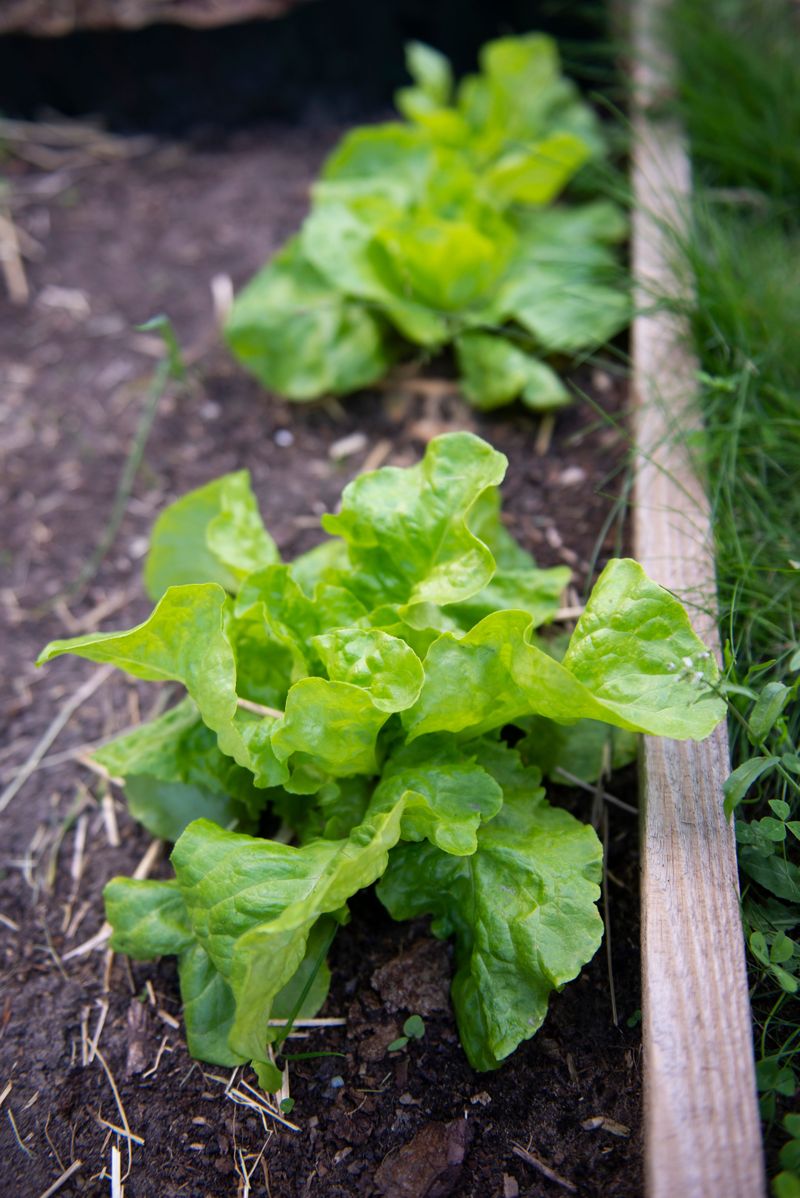
Uncovered soil between cucumber plants lets weeds take hold. Lettuce fills that gap like a soft green carpet.
Gardeners call this a living mulch, because the leafy plants cover and protect the ground. Shaded soil stays cooler and holds water longer during hot afternoons.
Cucumbers have shallow roots that stay near the surface. A low cover of lettuce helps keep those roots from drying out between waterings.
Lettuce roots are short too, and they compete only lightly for nutrients when you water regularly. The two crops share the bed without stepping on each other’s toes.
Here’s a neat trick for summer heat. Plant lettuce on the shady side of a cucumber trellis, where the vines protect it from bolting.
Bolting happens when lettuce gets too hot and sends up a bitter flower stalk. Under the cool shade of cucumber leaves, your salad greens stay sweet much longer.
Weeds struggle to sprout when lettuce already covers the dirt. That means less pulling for you and fewer weeds using water your cucumbers need.
Choose loose-leaf types like Black Seeded Simpson or Red Sails for this job. You can snip outer leaves often, and the plants keep growing back.
Both crops even end up in the same salad bowl. A cool cucumber and crisp lettuce salad tastes even better when everything came from one bed.
Many gardeners plant a final fall lettuce crop in autumn. Notice how it behaves in your soil, then use that lesson for next summer’s cucumber bed.