Can October Really Be California’s New Year For Native Gardening?
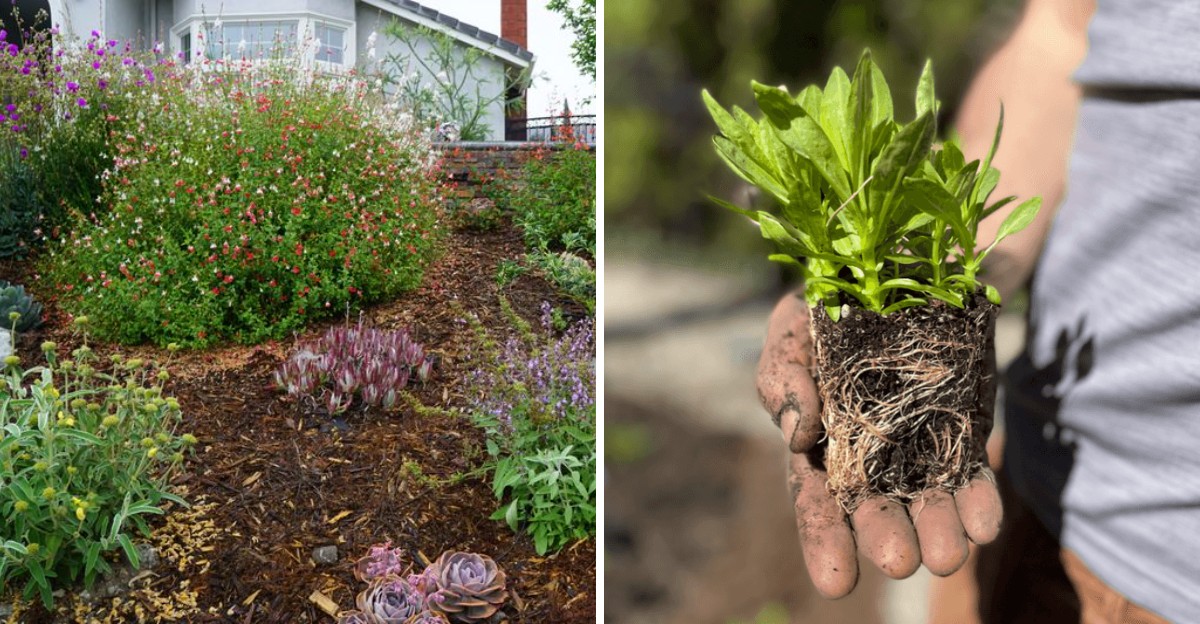
Spring gets all the glory when it comes to gardening, and honestly the hype is a little undeserved. At least here in California.
Because while everyone else is waiting for April to roll around, native plant gardeners across the state are already outside in October with their shovels out and their plant lists ready, and they are onto something genuinely brilliant.
Fall is not the end of the gardening season.
For native plants specifically, it is arguably the best possible time to start one. The soil is still warm, the brutal heat has finally backed off, and winter rain is on its way to do a serious amount of free watering.
Plants put in the ground now spend all winter building the kind of root system that laughs in the face of next summer’s heat. October is the real new year out here.
1. Why California Native Plants Love The Fall Rains
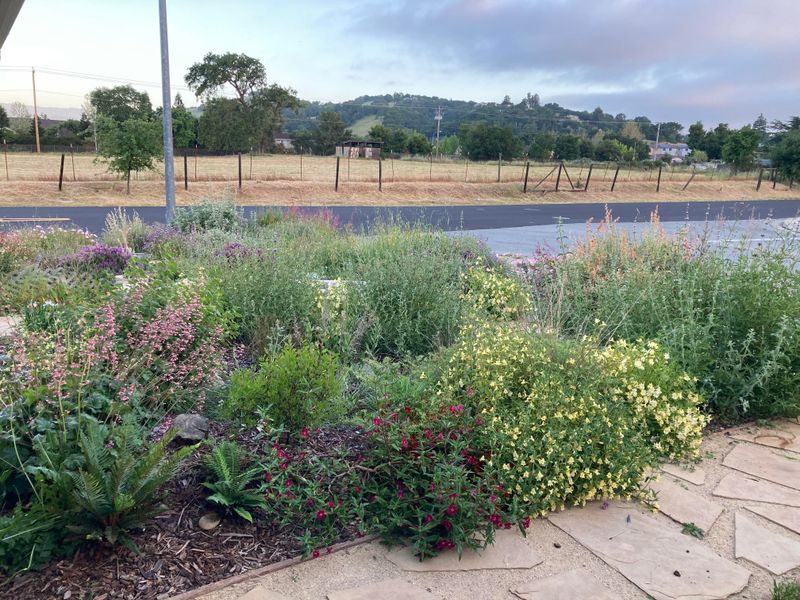
Long before sprinklers existed, native plants in California set their clocks by the clouds. The first fall rains told them it was time to wake up and grow roots.
Our state has a Mediterranean climate, which means wet, mild winters and hot, dry summers. Native plants evolved to do most of their growing during the cool, rainy months.
When you plant in October, you line up with that natural rhythm instead of fighting it.
Spring planting can feel exciting, but it gives young plants only a few weeks before summer heat arrives. Those plants often struggle because their roots are still shallow.
A fall planting gets a whole winter of free water and cool air to settle in.
Think of it like starting a new school year with a long, easy first semester. Plants have time to learn the ground, stretch their roots, and get comfortable.
By the time summer shows up, they are ready for it.
Here is a simple tip to try. Watch your local weather in early October and plan to plant just before a predicted rain.
Nature will handle much of the watering for you, which saves time and money.
Many experienced native gardeners call this season their favorite. Once you see how happily plants respond, you might start feeling the same way about autumn.
2. Warm Soil Gives Roots A Head Start
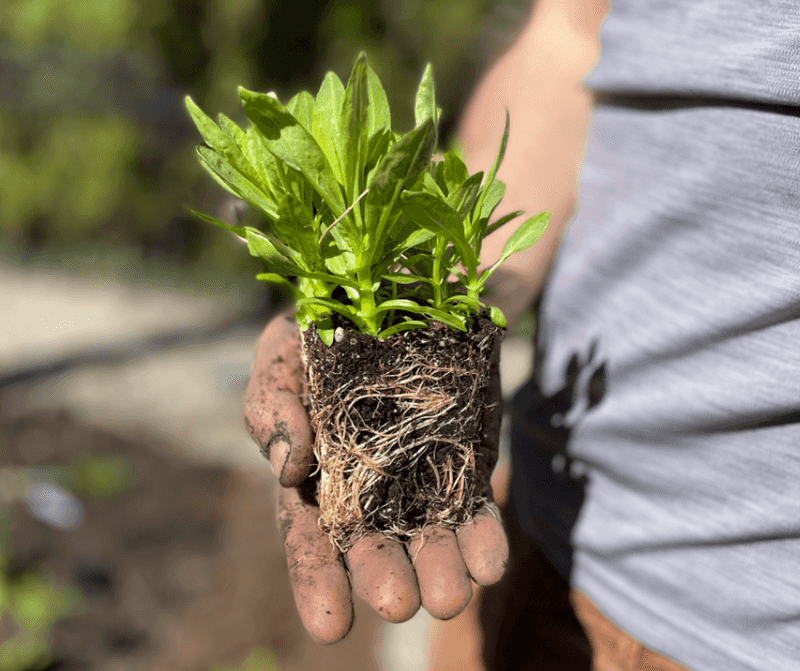
Dig your hand into the ground in October and you may be surprised. The soil still holds a cozy warmth from the long summer days.
That leftover heat is a gift for new plants. Roots grow faster in warm soil, even when the air above is getting cooler.
In many parts of California, the ground stays pleasant for weeks after temperatures drop.
Meanwhile, the leaves and stems are not working as hard. Cooler air means less water loss through the leaves, so plants can put their energy underground.
That is exactly where you want young natives to focus.
Gardeners sometimes compare it to building a house. You want a strong foundation before adding walls and a roof.
Fall gives plants a chance to pour that foundation without stress.
Your California Garden Changes Every Week. Your Plan Should Too.
Gardening in California changes quickly throughout the season. Every Friday you’ll receive a simple weekly plan showing exactly what to plant, prune, fertilize, harvest, and protect so you never miss the right timing.
To make the most of this, plant on a cloudy morning or late afternoon. Water each new plant deeply right after it goes in the ground.
A deep soak helps settle the soil around the roots and removes air pockets.
Skip the fertilizer for most natives, since they are adapted to lean soils. Too much food can make them grow weak, floppy stems.
A light layer of mulch is a better friend.
Check the soil with your finger every few days. If it feels dry two inches down and no rain is coming, give a gentle drink.
3. Picking The Right Natives For Your Yard
A friend of mine once bought a gorgeous plant on a whim, only to watch it sulk in her shady yard. The lesson stuck with her, and it can help you too.
Not every native plant fits every garden. California has deserts, coastal fog belts, mountains, and valleys, each with its own favorite plants.
Start by noticing how much sun your space gets and whether your soil is sandy or full of clay.
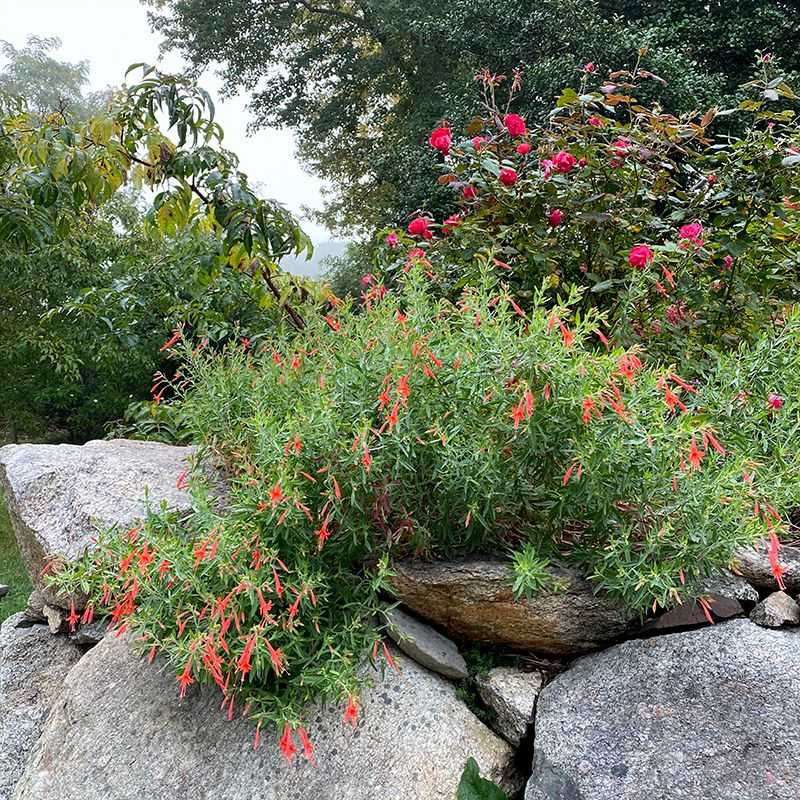
For sunny spots, many gardeners enjoy sages, buckwheat, and California fuchsia. Shadier corners often welcome coffeeberry, hummingbird sage, and native currants.
Coastal gardens can grow plants that would struggle in hot inland valleys.
A local native plant nursery is a treasure chest of advice. Staff members usually know which plants thrive in your neighborhood.
Many nurseries also hold big fall plant sales, which makes October a fun time to shop.
Bring a few notes with you when you go. Write down your sun hours, your soil type, and how big you want plants to grow.
These details help you choose wisely and avoid crowding.
The California poppy became the state flower in 1903. Its seeds sprout well when scattered in fall, so it makes a cheerful first choice.
Mixing heights, colors, and bloom times keeps your garden interesting all year. Pollinators will thank you with constant visits.
4. California Wildflower Seeds Belong In The Ground Now
Scattering seeds feels a little like making a wish. In October, those wishes have a real shot at coming true.
Many California wildflowers are annuals, meaning they sprout, bloom, and set seed in one year. In the wild, their seeds drop in summer and wait for fall rain to wake them.
Sowing in autumn copies that natural plan.
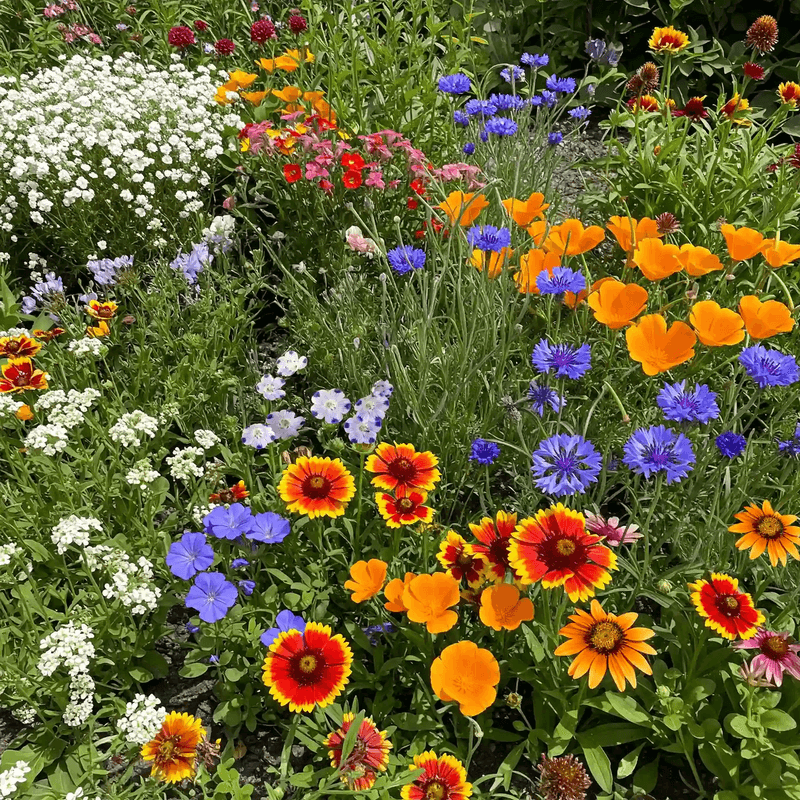
Popular choices include poppies, lupines, baby blue eyes, tidy tips, and clarkia. Seed mixes made for your region are an easy way to start.
Look for packets from native seed companies rather than generic blends.
Preparation matters more than people expect. Clear away weeds and rake the soil lightly so seeds can touch the dirt.
Mixing tiny seeds with sand helps you spread them more evenly.
After scattering, press the seeds gently with your feet or a board. You do not need to bury them deeply, since many need light to sprout.
A light watering helps if rain is still far away.
Birds may snack on a few seeds, so sow a little extra. Some gardeners lay a thin sheet of row cover on top for the first couple of weeks.
By late winter, tiny green leaves will pop up everywhere. Come spring, your yard could glow with color that started with a simple handful in fall.
5. Saving Water The Smart Way
Water bills can sting, especially after a scorching summer. Planting natives in fall is one of the smartest ways to soften that bite.
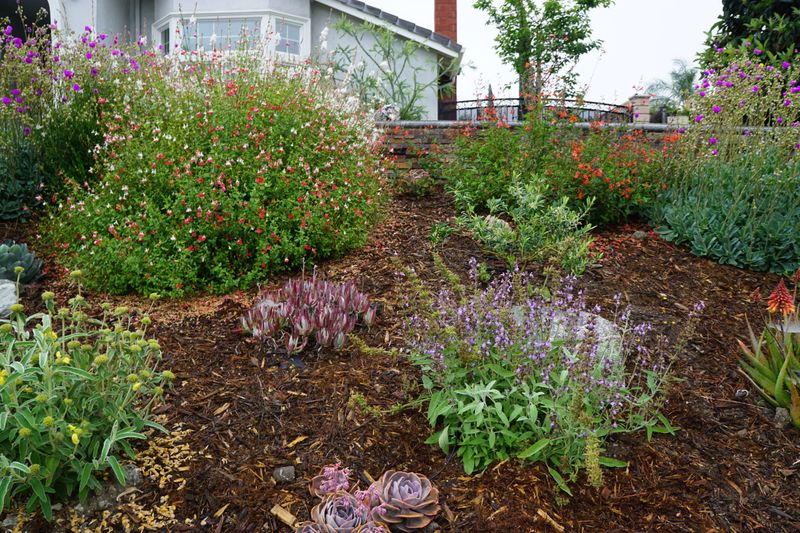
Because winter rains do much of the early watering, you use far less from the hose. Once established, many natives need only occasional summer drinks.
Some need almost none after their second year.
That matters a lot in California, where droughts come and go. Many cities even offer rebates for replacing thirsty lawns with water-wise plants.
Check your local water district website to see if you qualify.
Good habits make the savings even bigger. Group plants with similar water needs together so you do not overwater some while underwatering others.
Gardeners call this hydrozoning, and it works wonders.
Drip irrigation is another helpful tool. It sends water straight to the roots instead of spraying sidewalks.
Setting it on a timer keeps things simple during the first dry season.
Mulch is the quiet hero here. A two or three inch layer of wood chips keeps soil cool and slows evaporation.
Leave a little gap around each stem so the plant can breathe.
Here is a handy rule of thumb. Water deeply but less often, which trains roots to dig down where moisture lasts longer.
Over time, your garden becomes tougher and more self-reliant.
6. Welcoming Wildlife To Your Garden
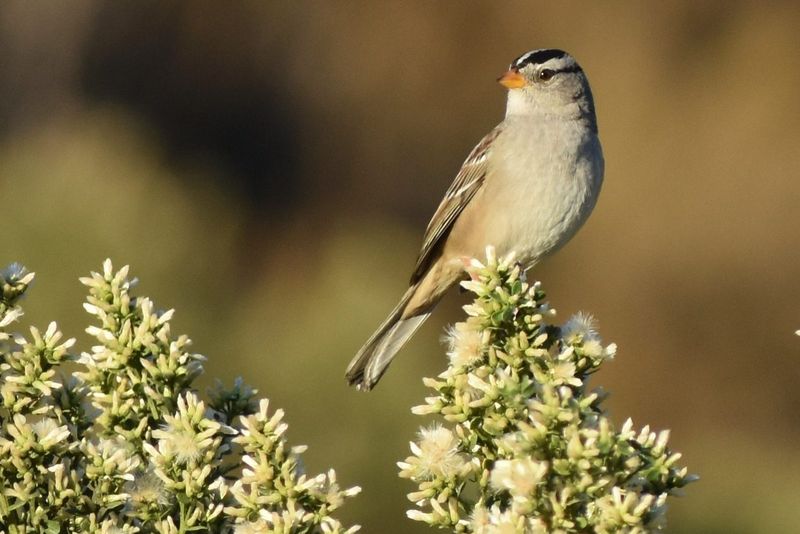
Hummingbirds zip by like tiny jets, and suddenly your garden feels alive. Native plants are the best invitation you can send them.
Local birds, bees, and butterflies grew up alongside these plants over thousands of years. They know exactly how to use them for food and shelter.
California has more than 1,600 kinds of native bees, and many depend on native flowers.
Planting in fall means your garden will be ready for the spring rush of hungry visitors. Early blooming plants like manzanita and currant feed hummingbirds in late winter.
Later bloomers keep the snack bar open through summer.
Monarch butterflies need native milkweed for their caterpillars. Choose a type that grows naturally in your area for the best results.
Your local nursery can point you to the right one.
A few easy extras make a big difference. A shallow dish of water with pebbles gives bees a safe place to drink.
Leaving some bare soil helps ground-nesting bees build homes.
Try to skip chemical sprays, since they can harm the very creatures you want to attract. A few chewed leaves usually mean your garden is doing its job.
Birds often handle pests for you.
Grab a notebook and record the visitors you spot each week. Kids especially love turning the garden into a living nature show.
7. Getting Your California Beds Ready For Planting
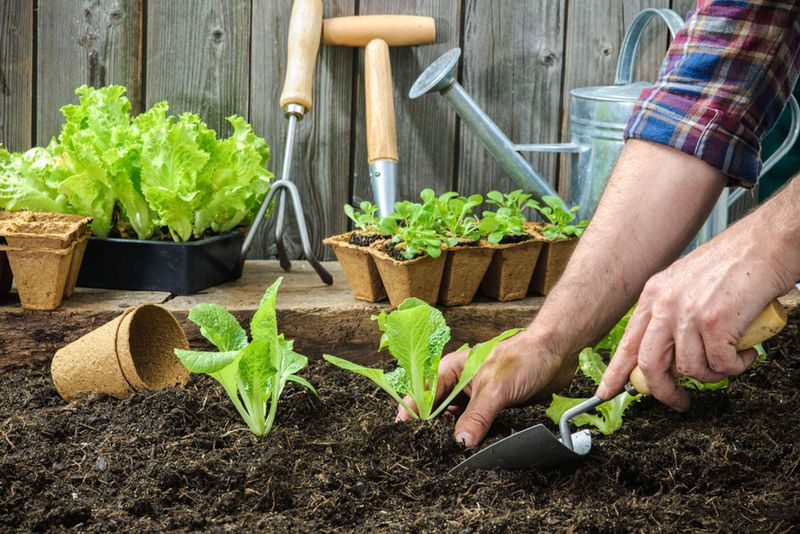
Every great season starts with a little cleanup. Think of early October as the moment you sweep the stage before the show.
Begin by pulling weeds while they are still small. Weeds compete with young plants for water and light.
Removing them now saves you hours of frustration later.
If you want to replace a lawn, sheet mulching is a popular method. Lay down plain cardboard, soak it, and cover it with wood chips.
Over a few months, the grass beneath breaks down and the soil gets richer.
Many native plants prefer soil that drains well. Test yours by digging a hole about a foot deep and filling it with water.
If the water lingers for many hours, choose plants that handle clay or build gentle mounds.
Skip heavy compost and rich potting mixes for most natives. They usually like the soil you already have, especially in California where they are at home.
Loosening the planting hole is often enough.
Sketch a quick map of your space before shopping. Mark sunny areas, shady spots, and paths so you know where everything will go.
Leave enough room for each plant to reach its full size.
Finally, gather your tools in one place. A sharp shovel, gloves, a hose, and a bucket of mulch will make planting day feel easy and fun.
8. Easy Care Through Winter
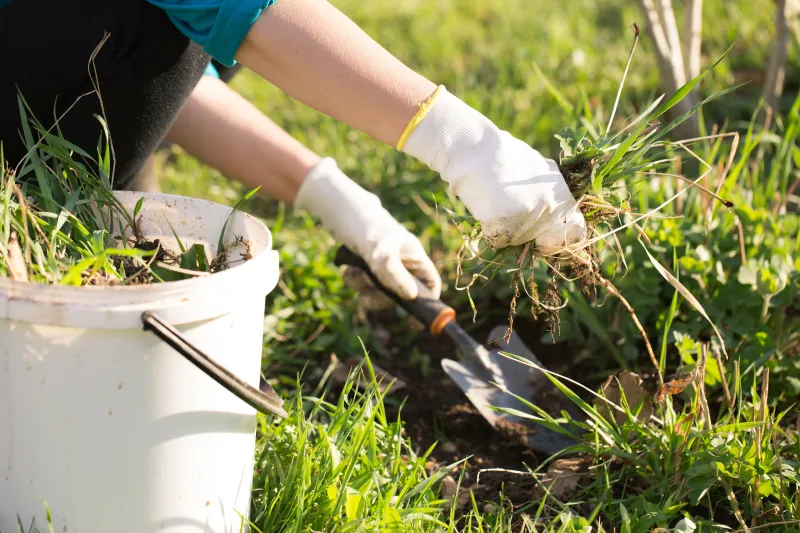
Good news for busy people: winter care for natives is pleasantly light. Most of the hard work happens on planting day.
Once rain starts, you can often put the hose away. Still, dry spells happen, even in the middle of winter.
If two or three weeks pass without rain, give new plants a deep drink.
Frost can be a concern in some inland valleys and mountain areas of California. Most native plants handle chilly nights well.
Very young seedlings may appreciate a light frost cloth on the coldest evenings.
Keep an eye on weeds, which sprout eagerly after rain. Pulling them when the soil is damp makes the job much easier.
Ten minutes a week can keep your beds tidy.
Snails and slugs sometimes show up in wet weather. Check plants in the early morning or evening and remove them by hand.
A flashlight walk can feel like a fun little adventure.
Resist the urge to prune heavily during winter. Many natives are building buds for spring flowers.
Light trimming of broken branches is fine.
Above all, be patient with your new plants. Some may look quiet on top while their roots are busy below.
Gardeners often say the first year they sleep, the second they creep, and the third they leap.
9. The Spring Payoff For California Fall Planters
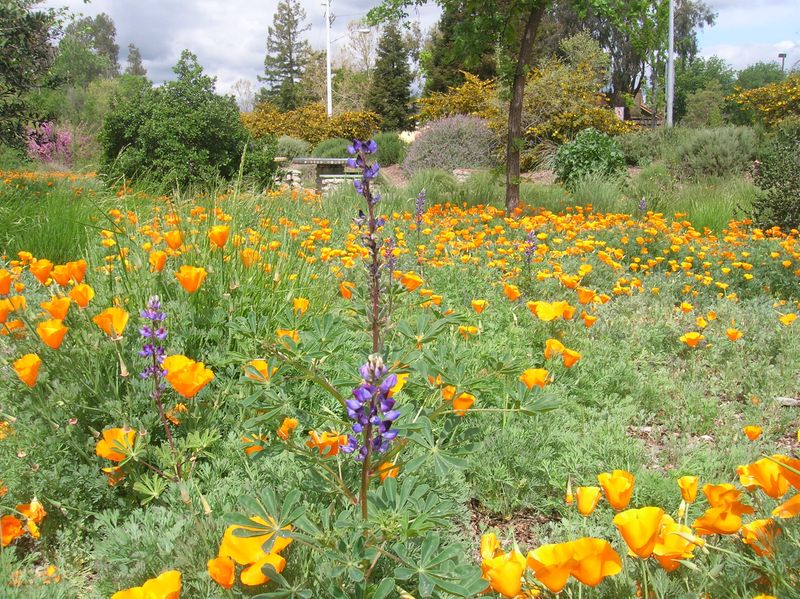
Spring arrives, and suddenly your patience pays off in bright color. Neighbors slow down on their walks just to look.
Plants that went in the ground last October now have strong roots and fresh growth. Ceanothus may burst into clouds of blue blossoms.
Poppies and lupines can paint the yard orange and purple.
Compare that to spring plantings, which are often still adjusting when the heat returns. Fall plants enter summer with confidence and need less babysitting.
Many gardeners notice fewer losses and healthier growth overall.
Use spring as a time to learn from your garden. Take photos, jot down which plants thrived, and note any empty spots.
Those notes become your plan for next October.
Gently reduce watering as plants mature. Many natives prefer to rest in summer, and too much water can cause trouble.
Following their natural cycle keeps them happy for years.
Collect seeds from your favorite wildflowers once they dry. Store them in paper envelopes in a cool place.
You can scatter them again when fall returns.
So, can October really be the start of the gardening year in California? For native plants, the evidence looks pretty convincing.
Mark your calendar, gather your tools, and get ready to celebrate a new kind of New Year.