Plant These Georgia Native Flowers In Fall And Spring Brings The Payoff
Coneflowers and black-eyed Susans bought in spring often spend their first summer just trying to survive the heat.
Planting natives in fall instead flips that timeline in the plants’ favor.
Cooler air eases stress on the leaves while warm soil keeps roots growing well into winter. By the time spring arrives, the plants have had months to settle in.
Many native flowers also need a cold period to bloom or germinate well, which fall planting naturally provides. Seeds and young plants put in now can be ready to take off as soon as the days lengthen.
Pollinators tend to notice these plants quickly once they start flowering in your yard.
Choosing the right natives for your corner of Georgia can mean a bed that keeps coming back with little help.
1. Eastern Red Columbine Brings Red And Yellow Blooms In Spring
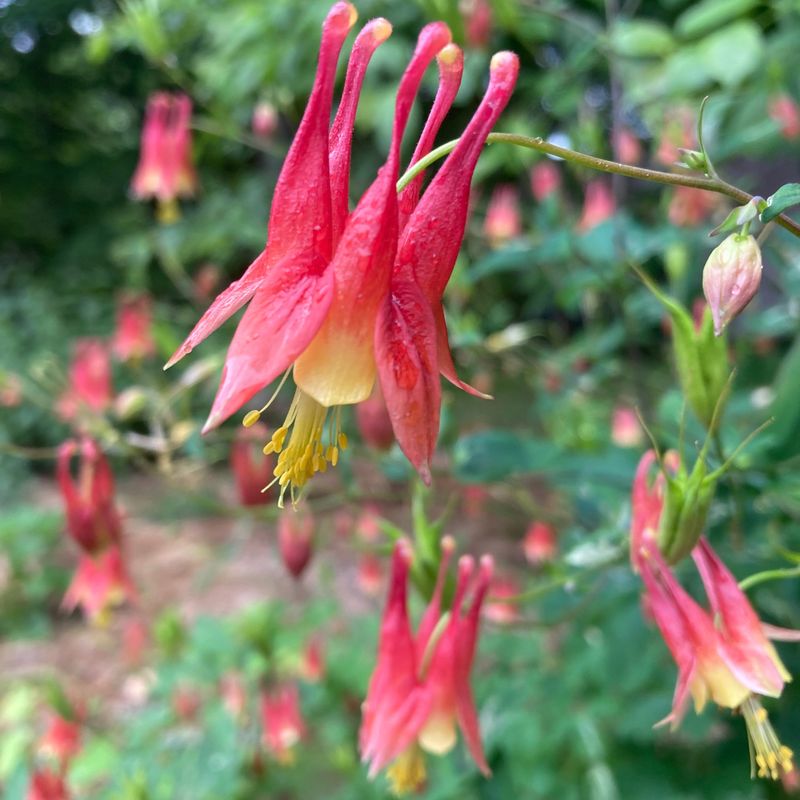
Hummingbirds seem to find red columbine before most people even notice the buds. Its nodding flowers hang like little lanterns, red on the outside and yellow at the tips.
Bloom time usually falls in early to mid spring, which lines up with ruby-throated hummingbirds returning to Georgia.
Columbine handles partial shade well and tends to like soil that drains quickly. Rocky slopes, raised beds, and the edges of wooded areas often suit it nicely.
Heavy clay that stays soggy can rot the roots over time.
Planting small potted plants in fall gives roots a few cool months to settle in. You can also scatter fresh seed in autumn, since the seeds generally need a cold period before sprouting.
Individual plants are often short-lived, sometimes lasting only a few years.
Letting some seed pods ripen and drop helps keep a patch going, because new seedlings tend to pop up nearby. Over time, a small planting can wander gently around a bed.
Leaf miners sometimes leave pale squiggly trails on the foliage.
Those marks look odd but rarely cause serious harm to the plant. If they bother you, trim the worst leaves after flowering and fresh growth will usually follow.
2. Foamflower Produces Delicate White Flowers In Shady Gardens
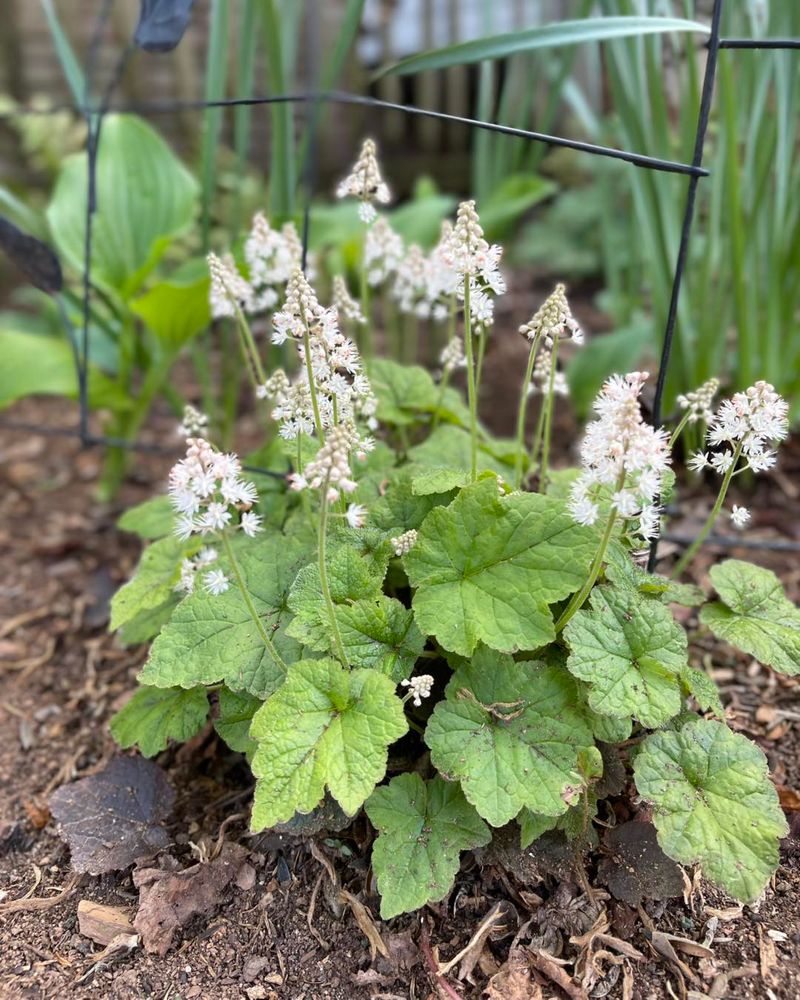
Shade gardens get a bad reputation for being dull, and foamflower quietly proves otherwise. Its fuzzy white spikes rise above the leaves in spring like tiny bottle brushes.
Native populations in Georgia mostly grow in the northern mountains and Piedmont woods.
Gardeners farther south can still try it, though hot summers may stress the plants. Afternoon shade and steady moisture help a lot in warmer areas.
Rich, crumbly soil with plenty of leaf litter makes foamflower feel at home.
Fall planting works well because the ground stays workable and rain often returns. Water new plants during dry spells until winter sets in, then let nature handle most of it.
Leaves tend to stay green through mild winters, and some types pick up bronze or reddish tones in cold weather.
Some forms spread by runners and slowly knit into a low groundcover. Others stay in neat clumps, so check the plant tag if you want one habit over the other.
Your Georgia Garden Changes Every Week. Your Plan Should Too.
Gardening in Georgia changes quickly throughout the season. Every Friday you’ll receive a simple weekly plan showing exactly what to plant, prune, fertilize, harvest, and protect so you never miss the right timing.
Small bees and other pollinators visit the flowers during spring bloom.
Skip heavy fertilizer, since rich feeding can lead to floppy growth. A light layer of shredded leaves each autumn usually provides what the plant needs.
3. Golden Ragwort Brightens Woodland Beds With Yellow Spring Blooms
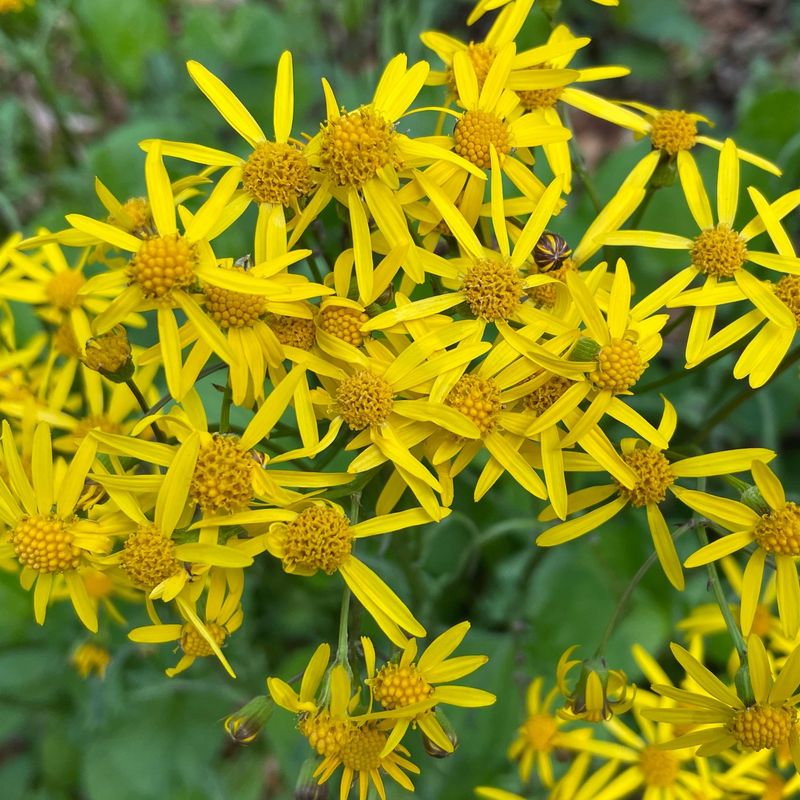
Bright yellow in early spring can lift a gloomy corner faster than almost anything. Golden ragwort delivers that color while most shade plants are still waking up.
Flat clusters of small daisy-like blooms rise on stems above a low mat of rounded leaves.
Moist spots are where this plant really shines. Stream banks, low areas, and shady beds that stay damp tend to suit it best.
Gardeners across Georgia often use it as a groundcover under trees.
It spreads by short underground stems and can fill space fairly quickly in good conditions. That makes it handy for covering bare soil, but it may crowd out small, delicate neighbors.
Fall is a smart time to set out divisions or potted plants.
Many plants keep their basal leaves through winter in milder areas, which helps hold soil in place. Some leaves may turn purplish when the weather gets cold, and that is normal.
Once flowering ends, the stems produce fluffy seed heads.
Cutting those back before they open limits spreading by seed if you want tighter control. Keep in mind that all parts of the plant are considered toxic if eaten, so plant it away from areas where pets or kids might nibble.
4. Wild Blue Phlox Creates Soft Blue Color Beneath Trees
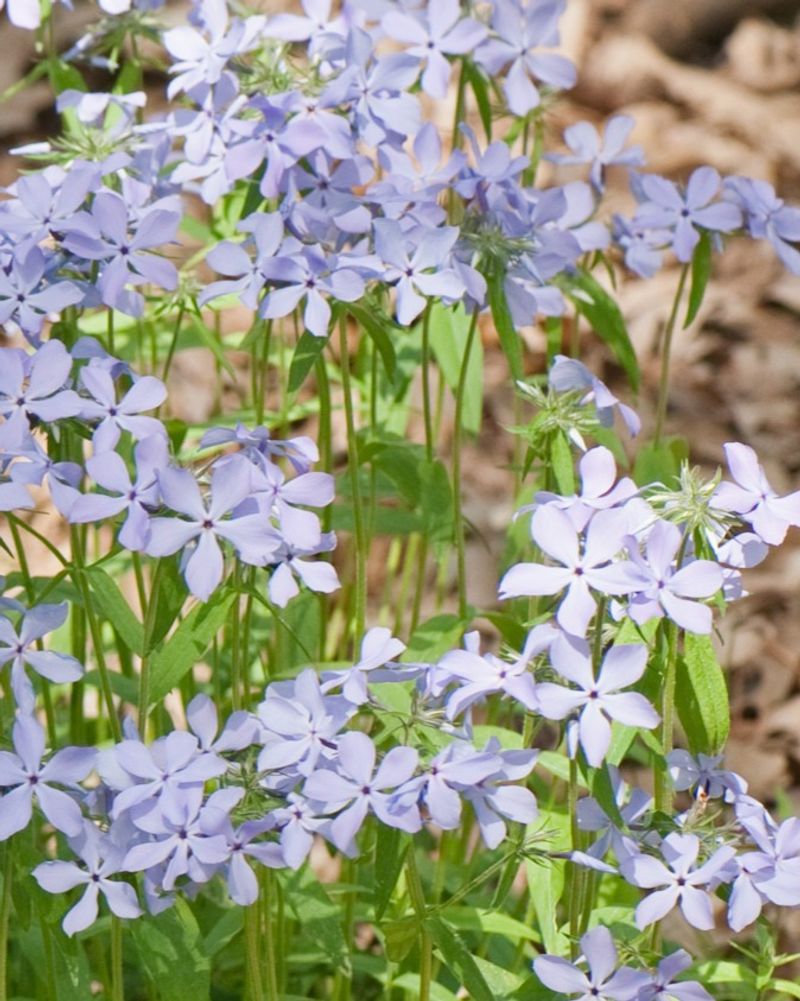
Walk past a patch of wild blue phlox on a warm spring afternoon and you may catch its sweet scent first. The flowers range from pale blue to soft lavender, depending on the plant.
Clusters of five-petaled blooms sit atop stems roughly a foot tall.
Light shade under deciduous trees suits this phlox well. It enjoys the bright spring sun before the canopy closes, then rests in cooler summer shade.
Moist, rich soil with good drainage helps it spread into loose drifts.
Planting in fall lets the creeping stems root before spring growth begins. Space plants a little apart, since they tend to fill gaps on their own over a few seasons.
Butterflies and long-tongued bees visit the flowers, and in Georgia it often blooms alongside early spring wildflowers.
Powdery mildew can show up in humid weather, especially where air does not move much. Giving plants some room and avoiding overhead watering late in the day may reduce problems.
After bloom, the leafy stems stay low and green for much of the year.
Trim spent flower stems if they look messy. Pairing phlox with ferns or foamflower creates a layered woodland look that holds interest after the blue fades.
5. Virginia Bluebells Bring Beautiful Blue Flowers To Moist Woodland Gardens
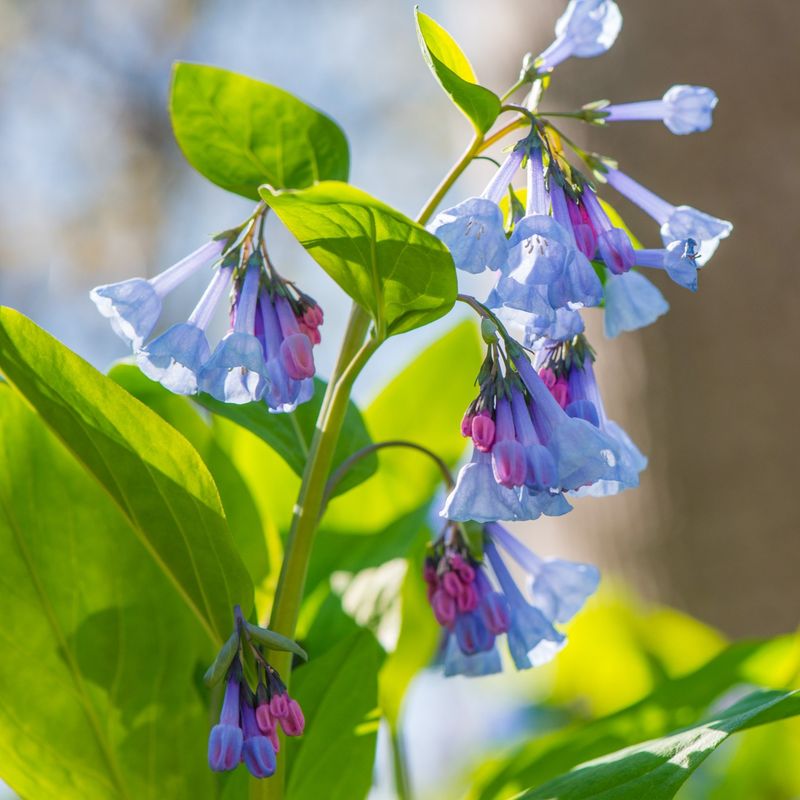
Pink buds that open into sky-blue bells make Virginia bluebells a real crowd-pleaser. The color shift happens right before your eyes over a week or so.
Natural populations in Georgia are limited and mostly found in the northern part of the state.
That matters for gardeners in hotter areas. Bluebells tend to perform best where winters get reliably chilly and the soil stays moist and rich.
Flood plains and shaded creek sides are classic spots for them.
Here is the part that catches people off guard. By early summer, the leaves yellow and the whole plant disappears underground until next spring.
Marking the spot helps prevent digging into dormant roots by accident.
Planting ferns, hostas, or wild ginger nearby can fill the gap once the bluebells go dormant. Those companions grow in as the bluebell foliage fades.
Fall is a good season to plant dormant roots or potted plants.
Set them in soil loosened with compost or leaf mold and water well. Bumblebees are frequent visitors to the flowers, and established clumps can slowly expand by seed where conditions suit them.
Choose a sheltered spot where the soil does not dry out too quickly, especially during spring growth. Once established, Virginia bluebells usually need little attention in a suitable woodland garden.
6. Bloodroot Opens White Flowers Before The Trees Fully Leaf Out
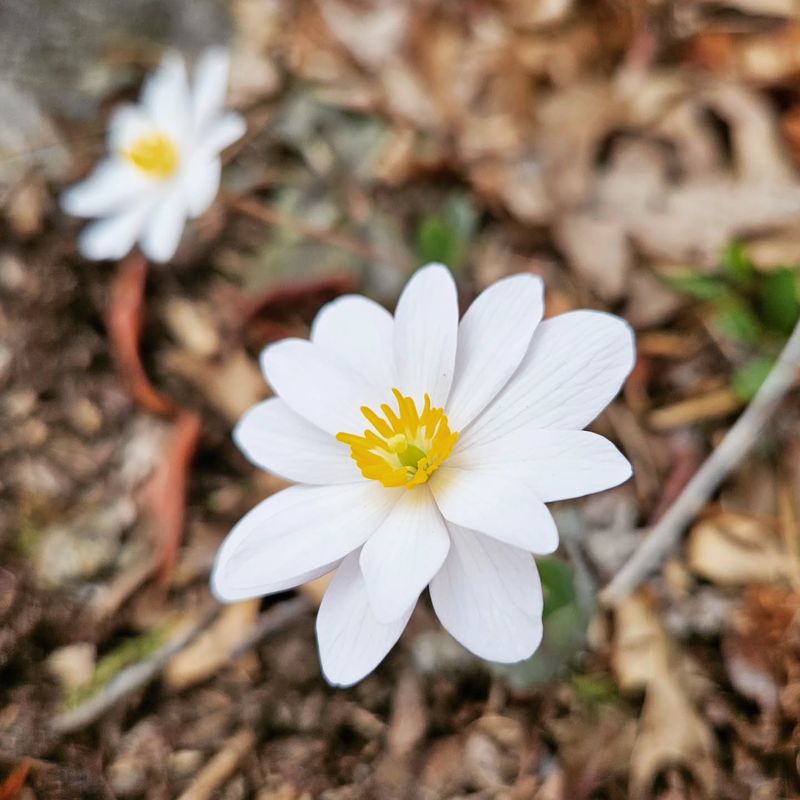
Blink and you might miss bloodroot in flower. Its clean white blooms often last only a few days, opening in late winter or early spring while branches overhead are still bare.
Each flower rises with a single lobed leaf wrapped around its stem like a cloak.
Cool, cloudy weather can stretch the show a bit, while warm days tend to shorten it. Flowers usually open in sunshine and close in the evening or on gloomy days.
After bloom, the leaf unfurls and stays through much of the season.
Bloodroot grows wild in woods across much of Georgia, especially on rich, shaded slopes. In a home garden, it likes loose, humus-rich soil and light to medium shade.
Fall planting of rhizomes or potted plants gives roots time to anchor.
Set rhizomes shallowly and mulch with shredded leaves. Ants carry the seeds and may help plants appear in new spots over the years.
The name comes from the red-orange sap in the roots and stems.
That sap can irritate skin, so gloves are a smart idea when dividing plants. The plant is also considered toxic if eaten, which is worth remembering around curious pets.
7. Trillium Produces Distinctive Three Petaled Flowers In Spring
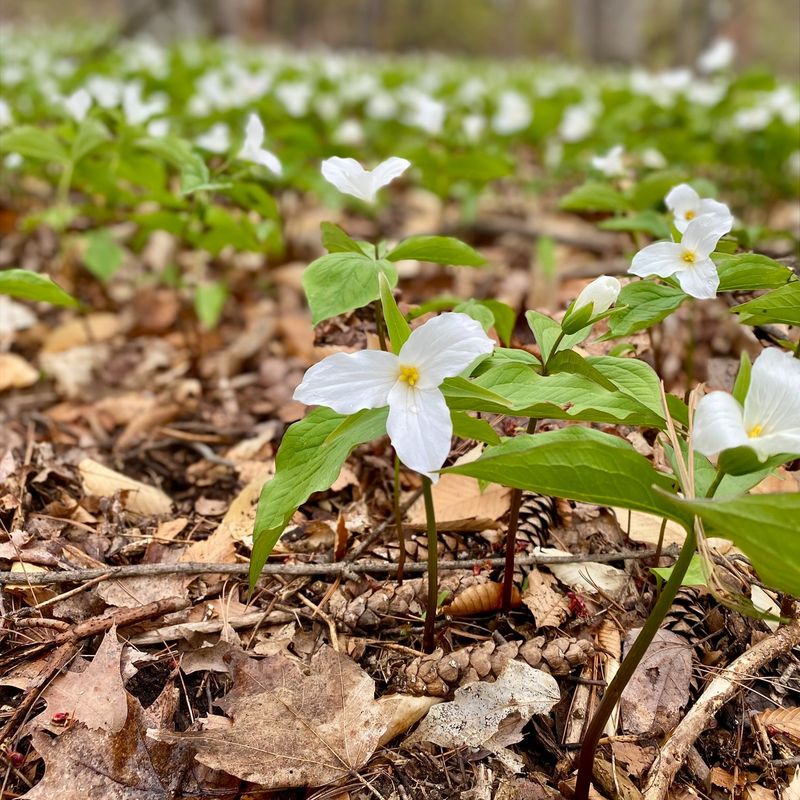
Count anything on a trillium and you will likely land on three. It has three leaves, three petals, and three sepals, which makes it one of the easiest wildflowers to recognize.
Georgia is home to several trillium species, and some are rare or protected.
Flower colors vary by type, including white, maroon, yellowish, and greenish. Some species also show mottled leaves that look striking even without blooms.
Patience is part of the deal with this plant.
Trilliums grow slowly, and plants started from seed may take several years to flower. Buying larger, nursery-propagated plants can shorten the wait.
Never dig trilliums from the wild, since removal can harm native populations and may break local rules.
Ask sellers whether plants were grown from seed or divisions in a nursery. Reputable native plant sales are a good place to start that conversation.
Fall works well for planting dormant rhizomes in rich, moist, well-drained soil.
Choose a shaded spot under deciduous trees with plenty of leaf litter. Many species go dormant by summer, so mark the location and avoid disturbing the soil once the foliage fades.
A layer of fallen leaves can help protect the shallow rhizomes and maintain soil moisture through winter.
Leave the planting area undisturbed so the trilliums can return naturally each spring.
8. Spring Beauty Forms Carpets Of Small Pink And White Flowers
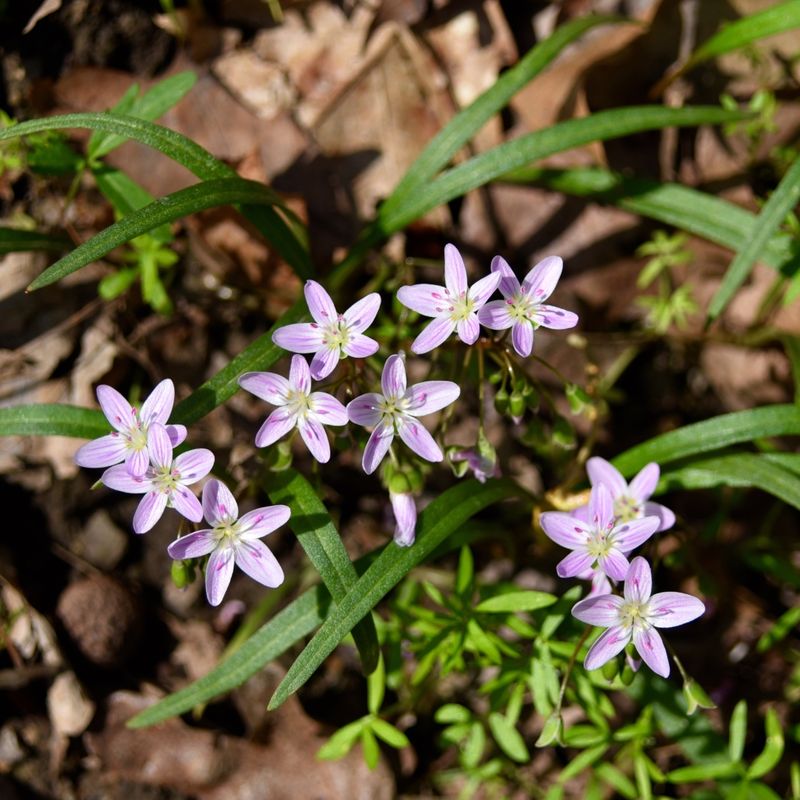
Tiny does not mean forgettable. Spring beauty flowers are small, but a large patch can turn a lawn edge or woodland floor pale pink almost overnight.
Look closely and you will see fine pink stripes running down each white or pinkish petal.
Plants grow from small underground tubers called corms. Leaves are narrow and grass-like, so they can blend into turf until the flowers open.
Bloom usually comes in late winter to early spring across much of Georgia, depending on the year.
Small native bees visit the flowers for early pollen and nectar. That early food source can matter when little else is blooming nearby.
By late spring, the foliage withers and the plant rests underground.
Fall is a good time to plant corms an inch or two deep in rich, moist soil. Sun to part shade usually suits them, especially under trees that leaf out later.
Skipping early spring mowing in areas with spring beauty lets the patch bloom and set seed.
Over several years, colonies can slowly widen. Avoid using lawn chemicals in those areas, since many products can harm small wildflowers mixed into the grass.
9. Wild Geranium Adds Soft Pink Purple Blooms To Woodland Borders
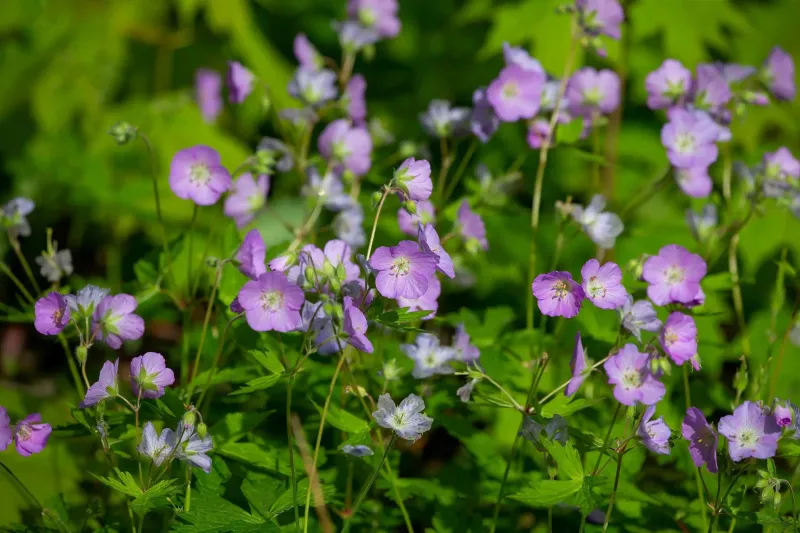
Few native perennials are as easygoing in a shady border as wild geranium. Soft pink to lavender flowers open in mid spring above deeply cut, hand-shaped leaves.
Clumps typically reach one to two feet tall.
Part shade is ideal, though it can handle more sun if the soil stays reasonably moist. In the hotter parts of Georgia, afternoon shade usually helps it look better through summer.
Well-drained soil with some organic matter keeps the roots happy.
Plant divisions or potted starts in fall so they can root in before spring. A thin layer of leaf mulch helps hold moisture without smothering the crown.
Bees, including bumblebees, often work the flowers.
After bloom, the seed pods form long, beak-like tips. When ripe, they can fling seeds a short distance, so a few new plants may show up nearby.
Leaves may look a little tired by late summer, especially in dry spells.
Cutting back ragged foliage is fine and can encourage fresh growth if moisture is available. Pair wild geranium with phlox, columbine, or ferns for a woodland edge that blooms in waves through spring.
Wild geranium also spreads gradually through underground rhizomes, forming attractive patches without needing frequent division.
Give established clumps enough room to expand naturally beneath trees and shrubs.