Why Frogfruit Is Gaining Attention As A Lawn Alternative In American Yards
Why does your neighbor’s lawn stay emerald while yours browns under a July sun? You suspect hidden irrigation, but you would find no sprinkler head anywhere.
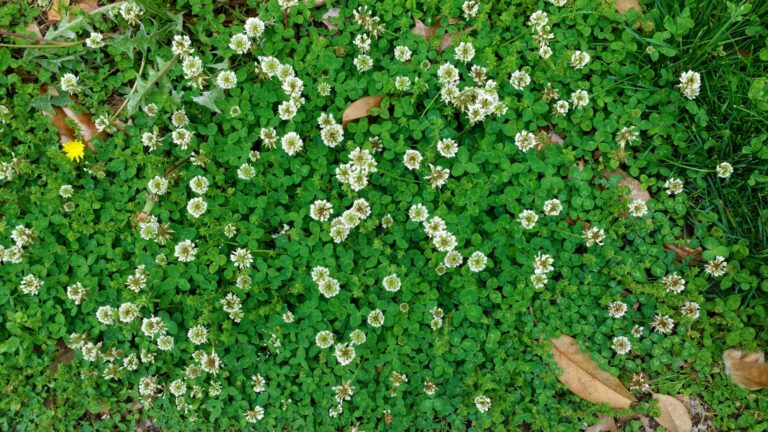
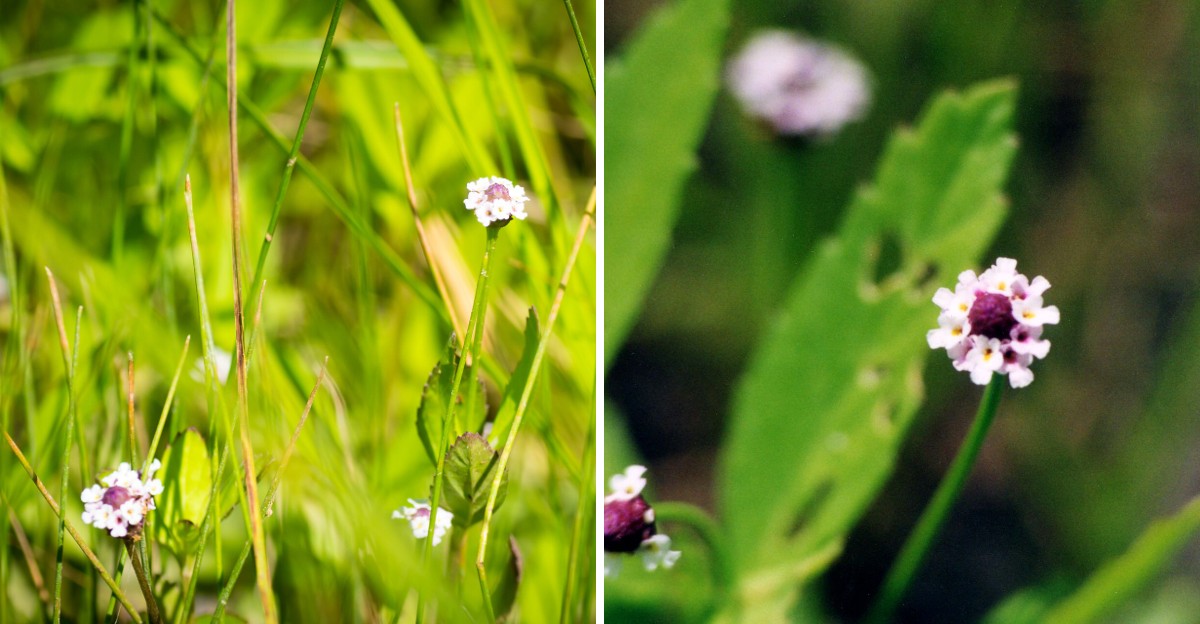
Look closer and you spot tiny white blooms scattered among the blades. Meet frogfruit, the native plant you can grow instead of thirsty turf.
Its stems root wherever they touch soil, so you fill bare patches without costly reseeding. Bees crowd its blossoms, and you gain a pollinator buffet without planting a border.
Tough stems spring back when you run barefoot across them. Skip fertilizer and herbicide sprays, and you protect both your budget and pollinators.
Heat slows it only slightly, so your water bill and mowing schedule both shrink. Southern blooms linger into October, long after you expect the show to end. Imagine reclaiming those saved hours and spending them wherever you choose.
1. Uses Less Water Than Traditional Lawn Grass
The EPA’s WaterSense program estimates that outdoor watering makes up roughly 30 percent of household water use nationwide. Frogfruit, on the other hand, typically needs far less supplemental water once its roots settle in.
Its secret lives underground, where roots and rooting stems find moisture that shallow turf roots can miss. During dry spells, the plant slows its growth instead of turning brown as quickly as turf.
Water the new plants every few days for the first month or two. After that, many yards need extra water only during extended droughts.
That shift can shrink a summer water bill in a way your wallet will notice. Towns with watering limits make this plant even more appealing, since it stays green with little help.
Water-wise gardeners in Texas have praised it for years. Gardeners in Georgia, Florida, and the Carolinas, where it grows natively, are taking notice too.
Keep in mind that short floods are fine, but constant saturation from daily sprinkler runs is not. Overwatering can invite weeds and fungus, so let the soil dry a bit between drinks.
In warm regions, planting in October gives roots cool, gentle weather to grow before summer heat returns. Fall rain often handles much of the watering for you.
Smart sprinkler controllers pair nicely with it if you want extra peace of mind. Set them to run deep and infrequent, not short and daily.
Think of it as a camel in plant form, patient and tough. Your hose can finally enjoy a long vacation coiled up by the porch.
2. Feeds Butterflies And Busy Bees
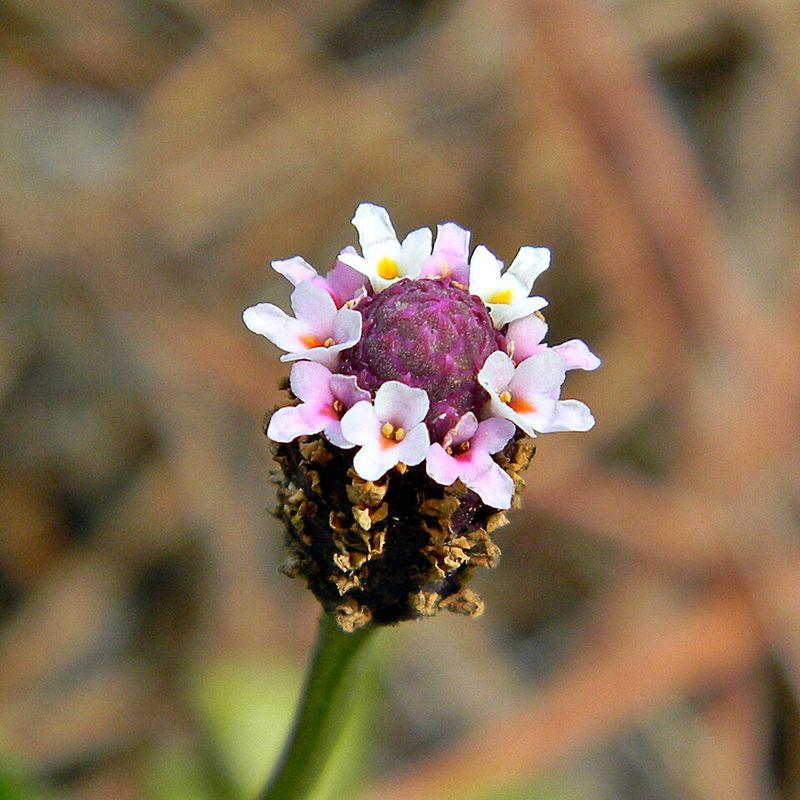
Step outside on a sunny afternoon and watch the tiny white blooms start to wiggle. Look closer, and you will spot bees, small butterflies, and wasps sipping from every flower head.
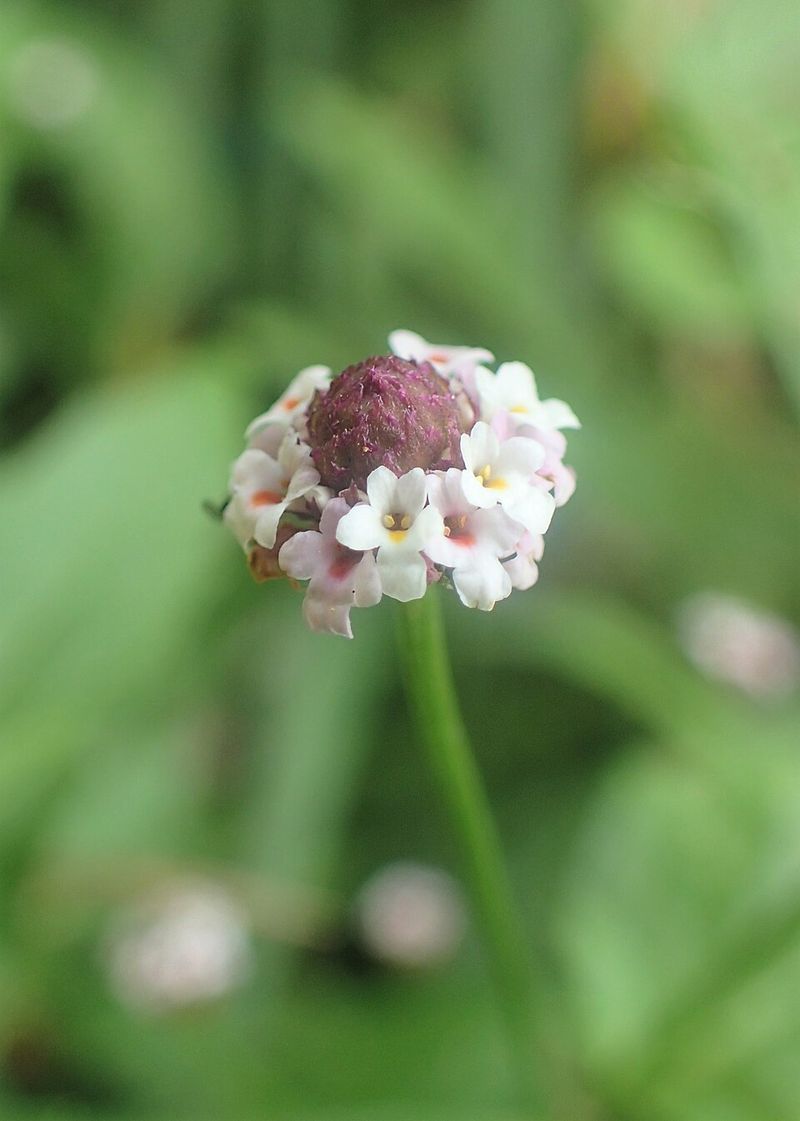
Each bloom looks like a little matchstick topped with a ring of white and pink petals. Some folks call the plant turkey tangle, and pollinators visit it from spring until frost.
In Texas, frogfruit serves as a host plant for the phaon crescent, white peacock, and common buckeye butterflies. Their caterpillars munch the leaves, then grow into winged visitors that brighten the whole yard.
A plain grass lawn offers almost nothing to these insects. Turf offers little nectar or pollen for pollinators, since regular mowing keeps it from blooming.
Swapping even part of your yard can make a real difference for local bees. Native bees, many of which nest in the ground, find both food and shelter nearby.
Skip pesticide sprays if you want this buzzing buffet to work. Chemicals that target pests can harm the helpful insects you are trying to invite.
Worried about stings while walking barefoot? Most visitors stay calm and busy, but sandals during peak bloom are a smart idea.
In October, the flowers keep going in warmer regions, feeding migrating monarchs and late-season bees. That fall nectar source matters for pollinators.
Your yard becomes a small wildlife refuge with little extra effort. Plus, watching butterflies drift across the lawn beats staring at plain green blades.
3. Tolerates Moderate Foot Traffic
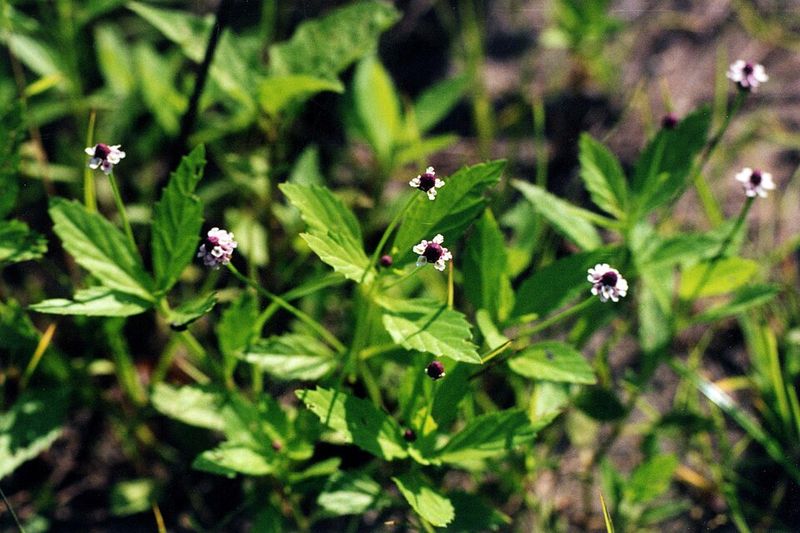
Tag games, backyard cookouts, and a golden retriever doing zoomies can wear down a delicate lawn quickly. Frogfruit tolerates that kind of activity and usually recovers within a few weeks.
The plant creeps along the ground with sturdy stems that root wherever they touch soil. When one patch gets flattened, nearby runners quickly fill in the gap.
It usually stays only three to six inches tall, forming a dense, springy mat. Walking on it feels a bit like stepping on a soft, slightly bumpy rug.
Moderate traffic is where it shines, like paths to the garden or play areas. A busy football field, though, is asking a bit much from any ground cover.
For heavy-use spots, many homeowners add flat stepping stones through the planting. The stones take the daily wear while the green mat softens everything around them.
Dog owners in particular like how it handles pet traffic. Urine spots can still stress it, so rinsing the area with water helps.
Give new plantings a few months to knit together before letting kids run wild. In warm regions, planting in October means a sturdier carpet by late spring.
Gardeners in Florida often use it along sidewalks and around patios for exactly this reason. It hugs the edges neatly and survives the occasional stray bicycle tire.
Picture lazy summer evenings with bare toes resting in cool green leaves. That simple pleasure comes without the prickly burs some grasses produce.
4. Cuts Down On Weekly Mowing
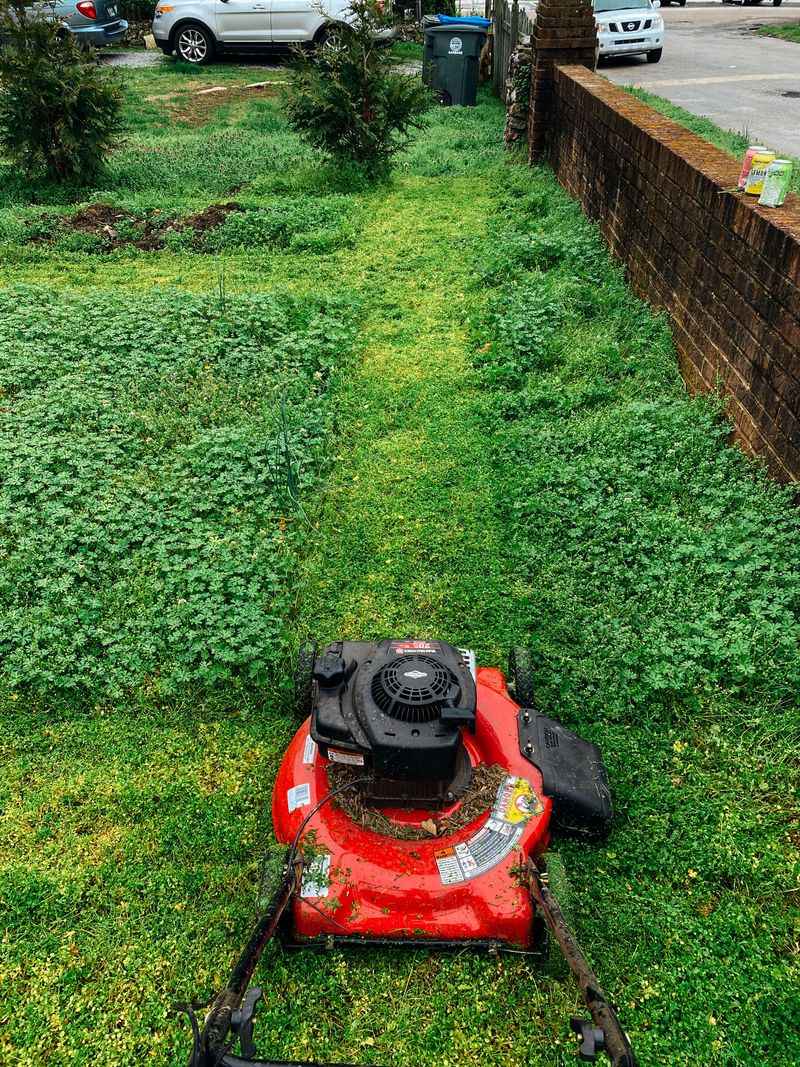
Saturday mornings used to belong to the lawn mower in millions of American households. Frogfruit gives those mornings back, since it grows low and spreads sideways instead of shooting upward.
Most yards with this ground cover need mowing only a few times per year, if at all. Some gardeners trim once in spring to tidy things up and encourage fresh growth.
Set the mower blade high, around four inches, when you do cut. A quick pass removes old stems and wakes the plant up for another season.
Gas-powered mowers produce notable emissions for their size, according to the California Air Resources Board.
Less mowing also means less noise rattling your windows on weekend mornings. Neighbors trying to sleep in will quietly thank you.
Then there is the money side of things. Fuel, oil changes, blade sharpening, and repairs add up quickly over a single season.
Many homeowners keep a small electric trimmer around just for edges. Others sell the mower and put that garage space to better use.
If you prefer a manicured look, an occasional trim keeps the planting neat. Leaving it natural creates a softer, meadow-style feel that many people find relaxing.
Think about what you could do with the extra hours each year. Fishing, napping, or finally reading that book on your nightstand all sound pretty good.
In warm regions, October is a smart month to start cutting back on mowing. Cool weather helps new plugs root before winter, and spring growth comes quickly.
5. Spreads Fast To Fill Bare Spots
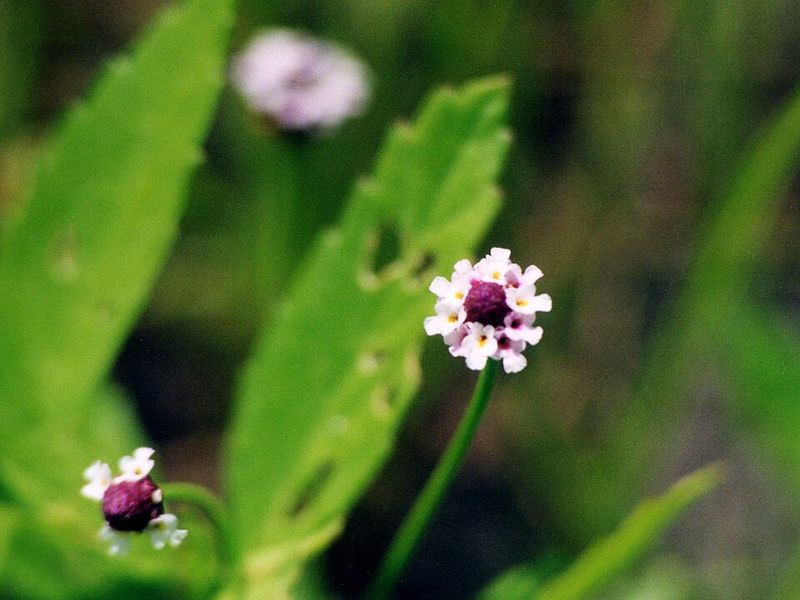
Many yards have a stubborn bald patch where grass struggles to grow. Frogfruit treats those spots like an open invitation and creeps right in.
Its runners can stretch a few feet in a single growing season under good conditions. Each runner roots at the joints, building a wider mat with every passing month.
Plant small plugs about twelve to eighteen inches apart for steady coverage. Closer spacing fills faster but costs more upfront, so balance speed with your budget.
Many nurseries sell it in flats, while some homeowners start from cuttings shared by friends. A single healthy plant can be divided into several new pieces with a sharp spade.
Sunny spots give the quickest results, though it tolerates some light shade. Deep shade under thick, leafy trees slows it down noticeably.
That fast spread does come with one small warning attached. It may wander into flower beds, so edging or a simple border keeps it in place. Check local invasive species lists before planting outside its native range.
Weeds often move into thin turf, but a thick mat of frogfruit crowds many of them out. Pull any intruders during the first year while the carpet is still filling in.
Slopes and hillsides benefit too, since the dense mat helps protect soil during heavy rain. Erosion problems on banks can shrink noticeably once the plant settles.
In warm regions, starting in October lets the runners get established before winter slows growth. By the following summer, those bald patches may be little more than a memory.
6. Grows Native Across Many States
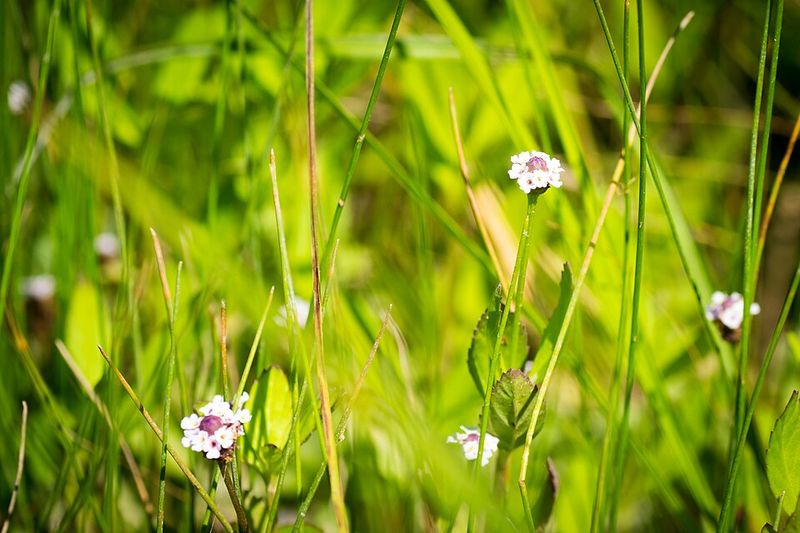
Long before suburban lawns existed, frogfruit was already carpeting riverbanks and prairies across the southern United States. It has been part of these landscapes for a very long time.
Two species get most of the attention, Phyla nodiflora and Phyla lanceolata. The first thrives in warm southern states, while the second ranges much farther north.
Lanceleaf frogfruit grows wild in places like Ohio and Illinois. That wide range surprises many people who assume it only belongs in Florida.
Native plants matter because local wildlife evolved alongside them over thousands of years. Insects, and the birds that feed on them, depend on these plants for food and shelter.
Most lawn grasses, on the other hand, came from Europe, Asia, or Africa. Kentucky bluegrass, despite its name, originally hails from Europe and northern Asia.
Choosing a native ground cover also fits with growing interest in eco-friendly yards. Many cities and water districts now offer rebates for replacing turf with native plantings.
Check with your local extension office to learn which species suits your region. Buying from native plant nurseries helps ensure you get the right type.
Northern gardeners should expect the plant to go dormant and brown in winter. Green growth returns in spring once the soil warms back up.
October plant sales at native nurseries are great places to find healthy starts. Ask the staff for tips, since they usually know local soil quirks well.
Growing something that truly belongs here feels a little like restoring a missing puzzle piece. Your yard becomes part of the larger local landscape again.
7. Needs Little Fertilizer Or Spraying
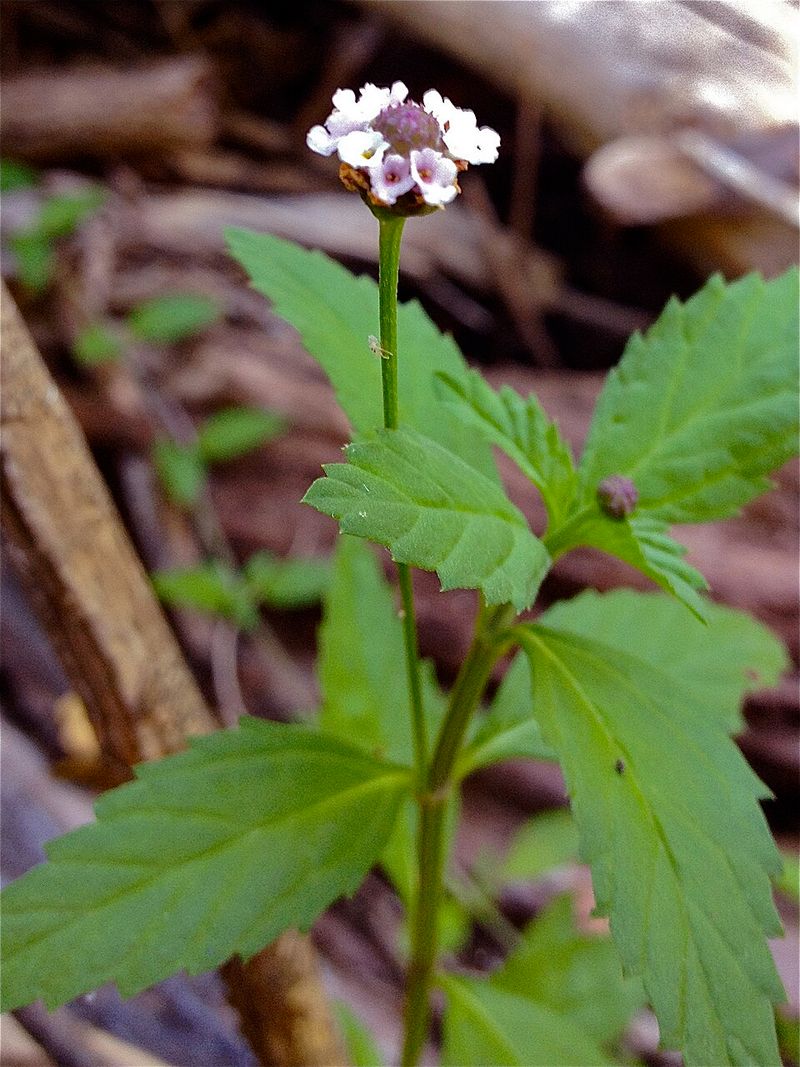
Lawn care aisles at big box stores overflow with bags, bottles, and confusing spray nozzles. Frogfruit lets you stroll right past all of it.
This tough plant evolved to handle poor, sandy, or clay soils without extra feeding. Extra fertilizer can encourage leggy growth and weeds, so little is needed.
Skipping fertilizer protects more than your budget. Runoff from lawn fertilizer can contribute to algae blooms in streams, ponds, and coastal waters.
Pests seldom cause serious trouble for this ground cover. Occasional nibbling from caterpillars is a good sign, since those leaf munchers become butterflies later.
Herbicides need extra caution around this plant. Broadleaf sprays used on lawns can harm it badly, so avoid weed-and-feed products.
Families with toddlers and pets appreciate a yard free of chemical residue. Kids can roll around, and dogs can sniff around with fewer chemical concerns.
A thin layer of compost at planting time is plenty for most yards. After that, the plant feeds itself with help from fallen leaves and natural soil life.
In October, you can rake light leaf litter right into the planting instead of bagging it. Those leaves break down slowly and gently enrich the soil over winter.
Some homeowners report spending less each year after ditching their old lawn routine. That money can go toward bird feeders, garden tools, or a well-earned pizza night.
Fewer chemicals also mean fewer warning flags stuck in your grass. Your yard grows, blooms, and stays pleasant with little fuss.
8. Tolerates Heat, Salt, And Short Floods
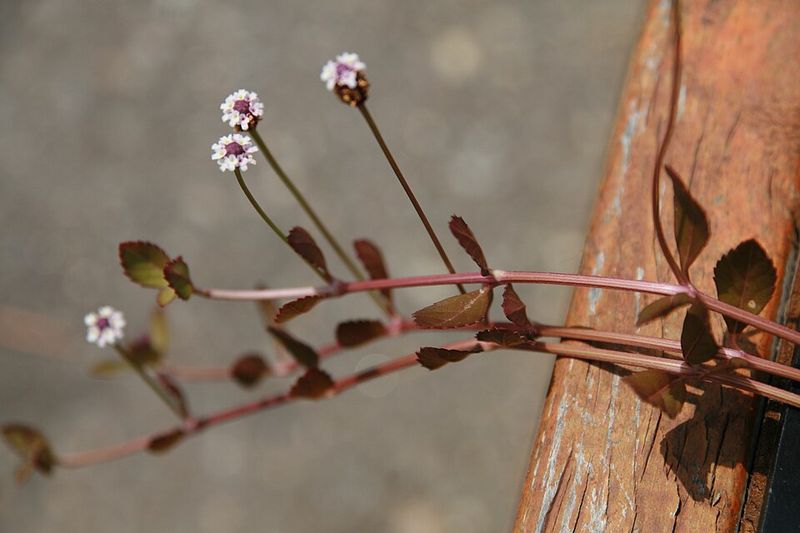
Hurricane season along the Texas coast can leave lawns soaked and salt-affected. Frogfruit often tolerates those conditions and typically recovers once the weather settles.
The plant naturally grows along riverbanks, ditches, and coastal edges where water levels rise and fall. Short floods seldom bother it much.
Salt tolerance makes it a strong choice for beach houses and coastal yards. Where winter roads are salted, confirm that your local species is hardy there.
Summer heat is another area where it outshines traditional turf. Temperatures above one hundred degrees slow it slightly, but it keeps its color far longer than cool-season grass.
Rain gardens love it too, since it can sit wet after storms and then dry out. It helps slow runoff and lets water soak back into the ground.
Tough as it is, frogfruit still has limits worth knowing. Hard freezes in colder zones send it into winter dormancy, and standing water for weeks can damage roots.
Pair it with good drainage in low spots that stay soggy for long stretches. A little planning keeps the carpet healthy no matter what the sky throws down.
As weather swings grow, gardeners want plants that tolerate varied conditions. This humble ground cover fits that job description nicely.
So while your neighbor may replant sod after some storms, your yard can often recover on its own. That kind of resilience feels like a small victory each season.