Tiny Green Seedlings Sprouting In Alabama Lawns This Week Could Fill Your Yard By Spring
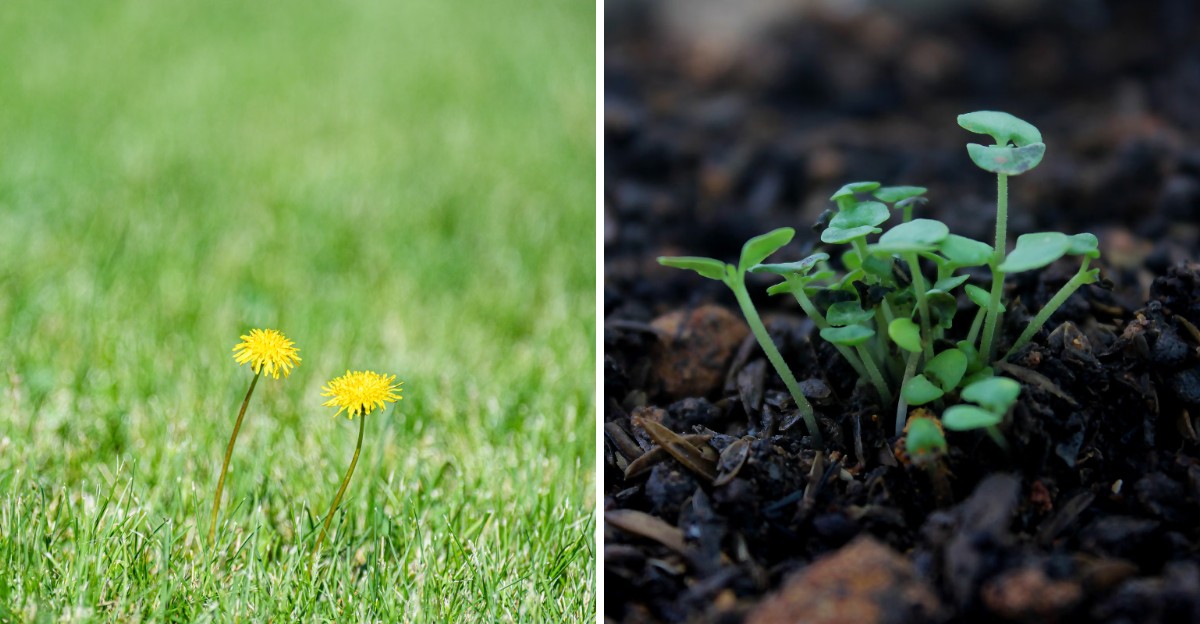
Skip hunting for brown patches, because the real story looks healthy. Henbit seedlings are germinating across Alabama right now, and you can spot them.
Crouch low and you will see ruffled leaves hugging square stems. Tug a seedling now and the roots slip out easily.
Wait until spring, and you will face purple blooms, tall clumps, and seeds. Those seeds will scatter across your lawn and return next winter, more numerous.
Cool nights and moist soil give you a narrow window to act. Mow your turf slightly taller, since dense grass shades out eager seedlings.
Plan preemergent herbicide for next September, since it misses seedlings already up. Treat stragglers with a broadleaf product labeled safe for your turfgrass type.
Alabama winters stay mild enough that these plants keep growing while you wait. Act now, and spring belongs to you.
Winter Annual Weeds Are Behind The Fall Sprouts
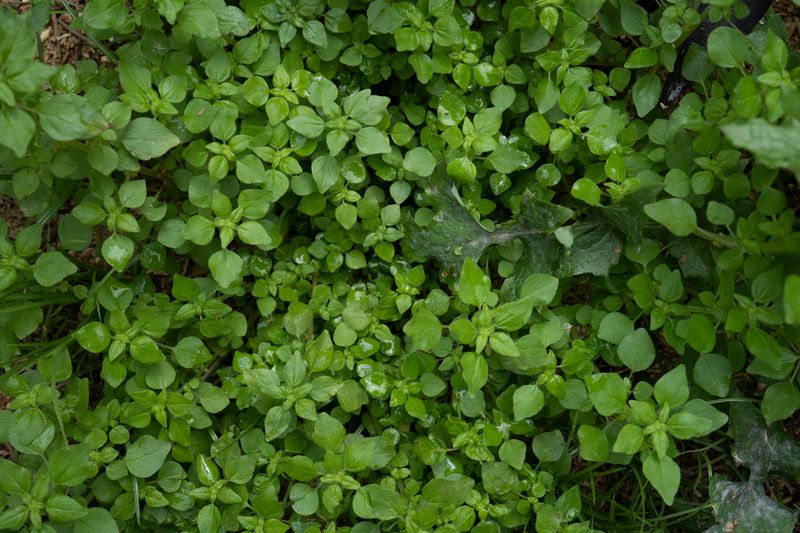
Those little green dots are winter annual weeds, and they keep a schedule opposite from your grass. They sprout in fall, rest through winter, then bloom and seed in spring.
In Alabama, the usual crew includes henbit, chickweed, annual bluegrass, and corn speedwell. Lawn burweed and wild geranium join the group too.
Broadleaf weeds start as a tiny pair of seed leaves close to the soil. At this size, they look harmless, almost cute, like baby clovers.
Warm-season grasses like bermuda, zoysia, and centipede slow down as nights cool. That leaves open space and sunlight for weeds to use.
Think of it like an empty classroom after the bell rings. The weeds quietly move in and settle into the best seats.
Through winter, they grow roots underground while staying small above. You may barely notice them until the weather warms up in February.
Then they shoot up fast, flower, and drop hundreds of seeds or more. Those seeds wait in the soil to repeat the cycle next October.
Spotting them now gives you a real head start. A quick walk across your yard this week can tell you what you are facing.
Kneel down and look near sidewalks, bare patches, and thin areas. Those spots tend to show the first sprouts.
Compare seedlings against photos from your county Extension office, since correct identification decides which herbicide is safe for your grass.
Cool October Soil Sets The Starting Signal

Picture a starting gun at a race, except the signal is soil temperature. Once Alabama soil drops below about 70 degrees, weed seeds start waking up.
That shift usually happens from late September through October. North Alabama cools first, while the Gulf Coast lags a couple weeks behind.
Rain helps the process too. A good fall shower after a dry spell can trigger a burst of fresh sprouts within days.
Not every seed sprouts at once, which makes things tricky. New waves keep coming through November and sometimes into early winter.
A cheap soil thermometer can take out the guesswork. Push it about four inches deep each morning and track the average over several days.
Your Alabama Garden Changes Every Week. Your Plan Should Too.
Gardening in Alabama changes quickly throughout the season. Every Friday you’ll receive a simple weekly plan showing exactly what to plant, prune, fertilize, harvest, and protect so you never miss the right timing.
Many gardeners watch for other clues instead. When nighttime air dips into the 50s for several days, seeds are likely stirring.
Another clue comes from the season. Some folks use seasonal cues too, though a thermometer is more reliable.
Timing matters with this tool. In Alabama, apply it in September, just before soil temperatures drop below 70 degrees, so check your local Extension office for your region’s date.
Keep a little notebook or phone note about when sprouts appear. Next year, you will know your yard’s exact starting signal ahead of time. That small habit turns guessing into planning. Your lawn will thank you come spring.
Why Waiting Until Spring Blooms Makes Control Harder
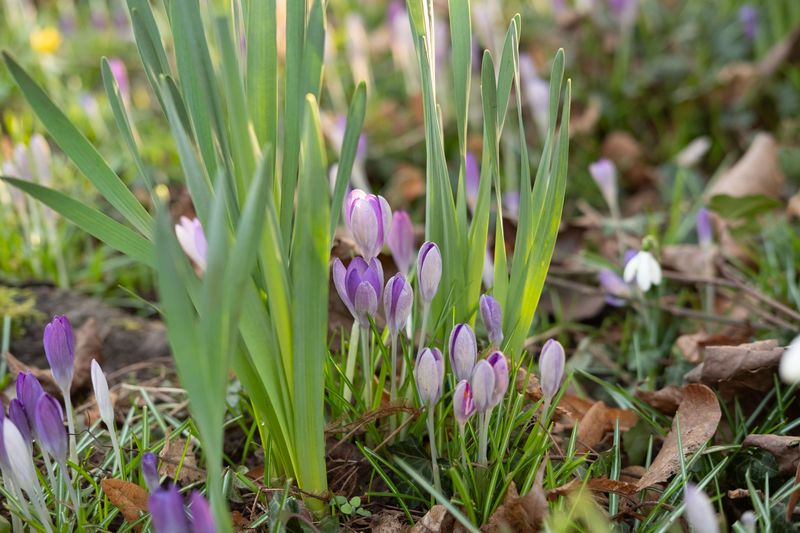
Plenty of homeowners wait until March, when purple flowers cover the yard. By then, the weeds are well established.
Spring weeds are mature plants with dense growth and thicker leaf coverage. Sprays struggle to soak through, and pulling them gets messy fast.
Worse, many are already making seeds when they bloom. Spraying a flowering henbit patch is less effective, since seed production has already started.
Another mistake is mowing them low and hoping they disappear. Some winter weeds, like chickweed, hug the ground and keep flowering below the mower blade.
Some people also grab the wrong product in a hurry. Certain herbicides can injure centipede or St. Augustine grass if misapplied.
Spraying while your warm-season grass greens up is risky too. Tender new grass can get stressed by chemicals in that spring transition.
Lawn burweed is the most overlooked example. Left alone, it produces spiny burs by April that can be painful underfoot.
Burs can be uncomfortable for kids and pets. Even one barefoot walk across a burweed lawn can be unpleasant.
The smarter move is acting in fall or early winter. Small weeds and sleeping grass make the safest, easiest target.
So resist the urge to put this chore off. Future you will be glad you tackled it while sweater weather was just starting.
Smart Fall Fixes For Seedlings Already Showing
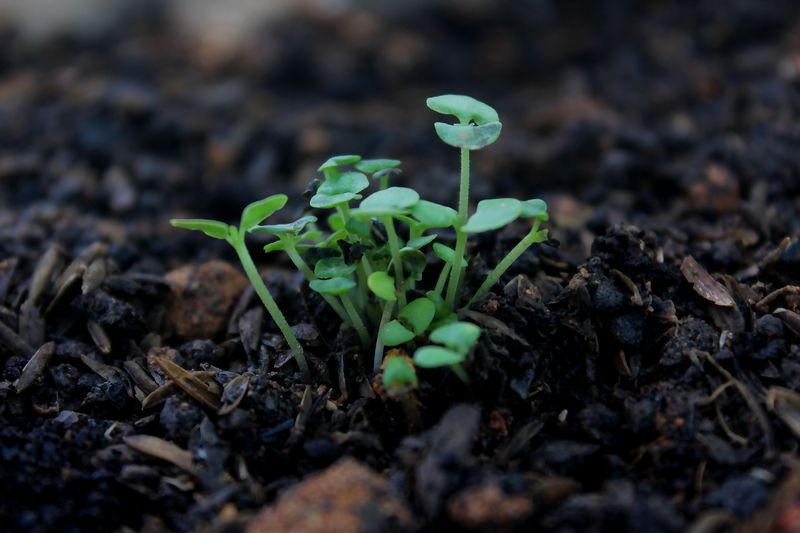
Grab a cup of coffee and a pump sprayer, because fall is prime time. Young weeds are tender and easy to handle right now.
For broadleaf weeds like henbit and chickweed, a post-emergent herbicide works well. Look for one labeled safe for your exact grass type.
Products with 2,4-D, dicamba, and mecoprop are common choices. Dicamba and 2,4-D can injure St. Augustine and centipede, and can affect nearby trees and ornamentals, so read the label first.
Spray on a calm day when temperatures sit above 50 degrees. Weeds absorb chemicals better when they are actively growing.
Spot spraying beats blanket coverage in most yards. You use less product and protect the grass that is doing fine.
Annual bluegrass needs a different plan. It is a grass itself, so regular broadleaf sprays will not touch it.
Small patches in flower beds can simply be pulled by hand. Damp soil after rain makes roots slide out easily.
A hoe works great in garden rows too. Slice just under the soil surface to cut seedlings off cleanly.
Stay patient after spraying. Results can take two to four weeks in cool weather, so wait before reapplying and follow label intervals.
Keep an eye out for new sprouts through December. If the label allows, a second light treatment can catch late arrivals before they settle in.
A Spring Lawn Shaped By October Choices
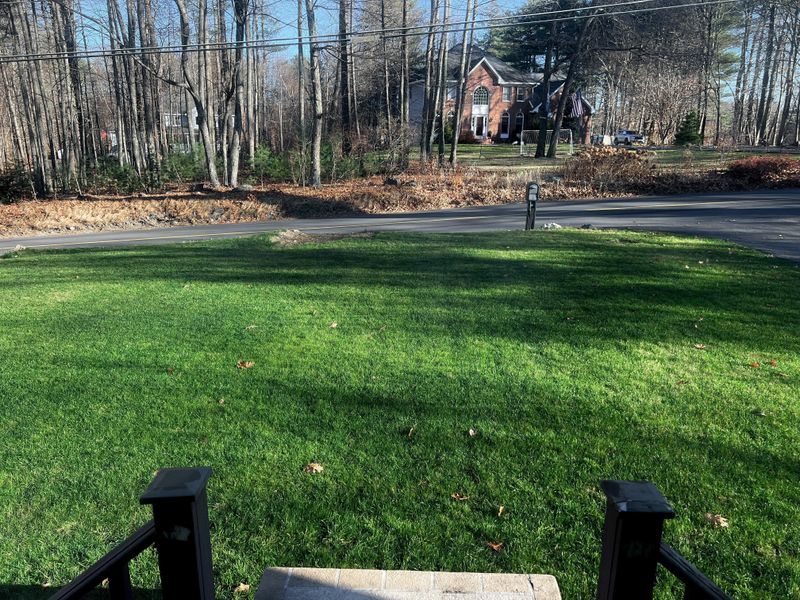
Imagine two neighbors on the same street next April. One yard is smooth and green, while the other looks like a patchy purple quilt.
The difference often comes down to a few hours spent this fall. Small actions now ripple forward for months.
When winter weeds take over, they compete with your grass for water and nutrients. They also block sunlight just as the lawn tries to wake up.
Once the weeds fade in late spring, they leave bare brown spots behind. Summer weeds like crabgrass happily move into those empty spaces.
So one weedy season can set up the next. It becomes a cycle that is hard to break without a plan.
On the flip side, a clean fall lawn can green up faster in spring. Your grass gets more sun and fertilizer for itself.
There is a bonus for your wallet too. Fewer weeds can mean fewer products to buy and less time spent fixing problems.
Even pollinators can benefit if you plan wisely. Some folks leave a small wild corner for bees while keeping the main lawn tidy.
Each weed you remove now prevents many future seeds. One henbit plant can produce hundreds of seeds or more.
That number puts things in perspective. A little October effort works like money in a savings account for your yard.
Pre-Emergent Protection And Thick Turf For Next Year
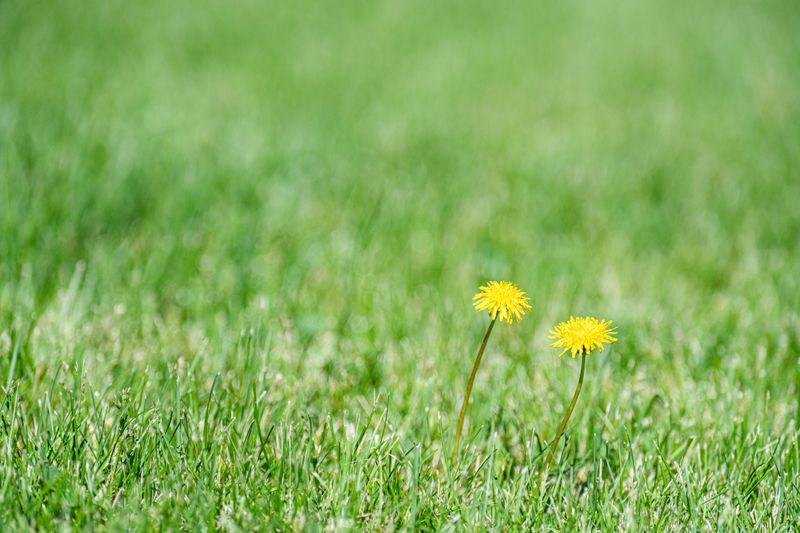
The best weed is one that does not sprout at all. That is the idea behind pre-emergent herbicides, which stop seeds before they grow.
These products form a thin barrier near the soil surface. Seeds try to sprout, hit the barrier, and fail to get established.
Timing matters with this tool. In Alabama, apply it as soil temperatures approach 70 degrees, which varies by region, so check your local Extension office.
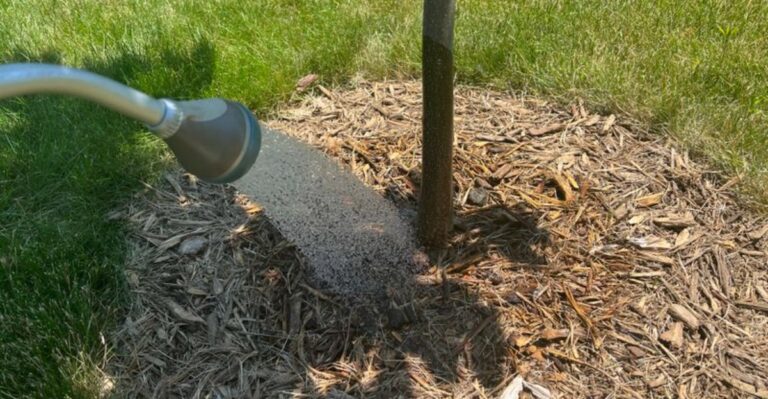
Water it in with about half an inch of rain or sprinkler water. That activates the barrier and spreads it evenly.
A second application in late fall can stretch protection through winter. Check product labels for exact rates and spacing.
Skip pre-emergents if you plan to overseed with ryegrass. The barrier blocks good grass seeds just like it blocks weeds.
Thick, healthy turf is another useful tool. Dense grass shades the soil, leaving little room for weed seeds to grab hold.
Mow at the right height for your grass type. Taller grass usually means deeper roots and fewer bare spots.
Fill thin areas in late spring with sod or seed. Feed warm-season grass in summer, not fall, to avoid feeding winter weeds.
A soil test from the Alabama Cooperative Extension can guide you. It is affordable and shows soil pH and nutrient needs, though it does not measure weed pressure.