Should A California Christmas Cactus Come Indoors Before October Nights Cool Down?
California fall has a very specific kind of personality. Afternoons are still warm enough to make you question your sweater choice, and then the sun goes down and suddenly it feels like a completely different season.
Your porch plants are picking up on all of it, and most of them are handling the shift just fine.
But that Christmas cactus sitting on your patio right now?
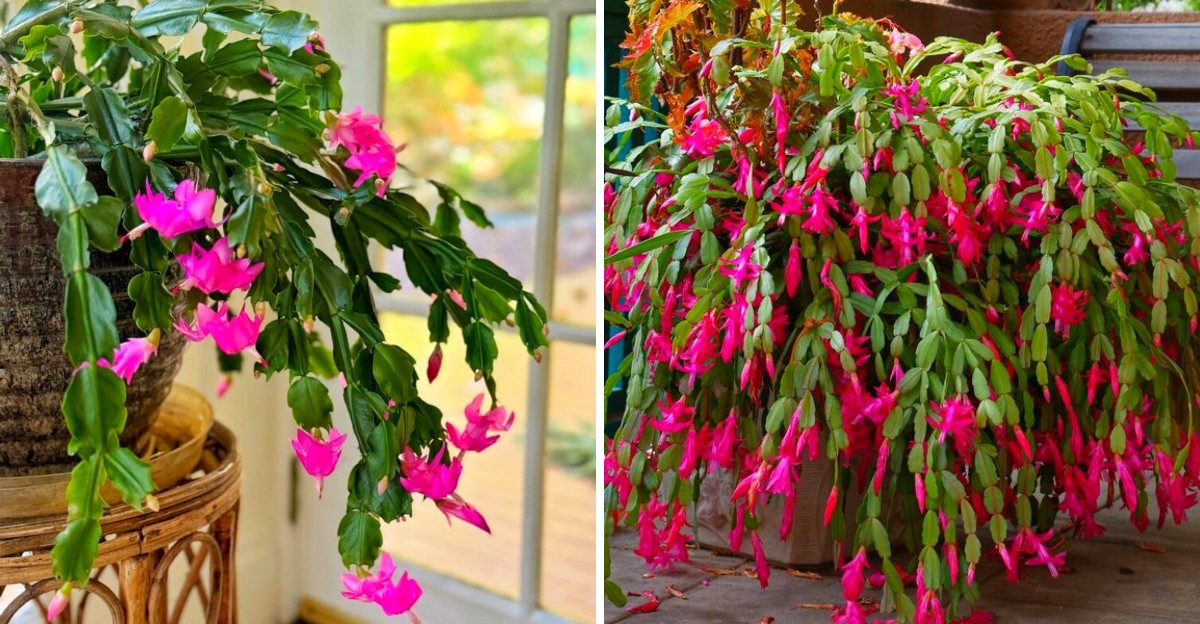
It is doing something genuinely interesting. It is counting the dark hours, storing energy, and quietly getting ready to put on the best show it has all year.
The timing of when you bring it indoors matters more than most people realize. Move it inside too early and you could accidentally cancel the whole blooming process.
Wait a little too long and a cold snap makes the decision for you. Let’s get the timing right.
1. Why Cool California Nights Help Your Christmas Cactus Bloom
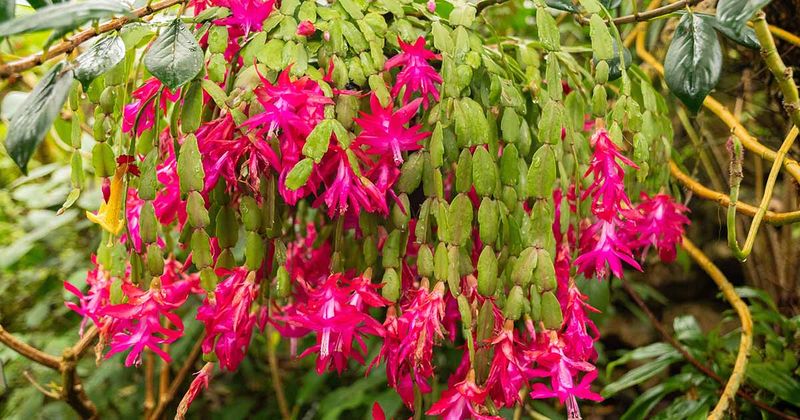
Here is a secret most growers learn by accident. A Christmas cactus sets buds when nights turn cool and long, usually between 50 and 60 degrees.
In much of California, early fall delivers that chill naturally. Your plant reads those crisp evenings as a signal that the holiday season is close.
Rushing it indoors in September can cancel that message. Your living room stays warm and bright at night, so the plant may keep growing leaves instead of flowers.
Think of outdoor fall nights as a free bloom booster. Many gardeners in coastal areas leave their plants out until mid-October for this exact reason.
The cooler air also slows the plant down in a healthy way. It rests, stores energy, and gets ready to push out those bright tubular blossoms.
A simple thermometer on your patio helps a lot here. Check the overnight low each morning for a week or two.
When lows hover in the 50s, your cactus is happy outside. That window is where the magic quietly happens.
Fun fact: these plants come from the misty mountain forests of Brazil. They grow on tree branches there, not in deserts, which explains why they love cool, damp nights more than blazing heat.
So before you haul that pot inside, give it a few weeks of fresh fall air. Your reward might be a plant covered in color by December.
2. The Magic Temperature Line For California Christmas Cactus Care
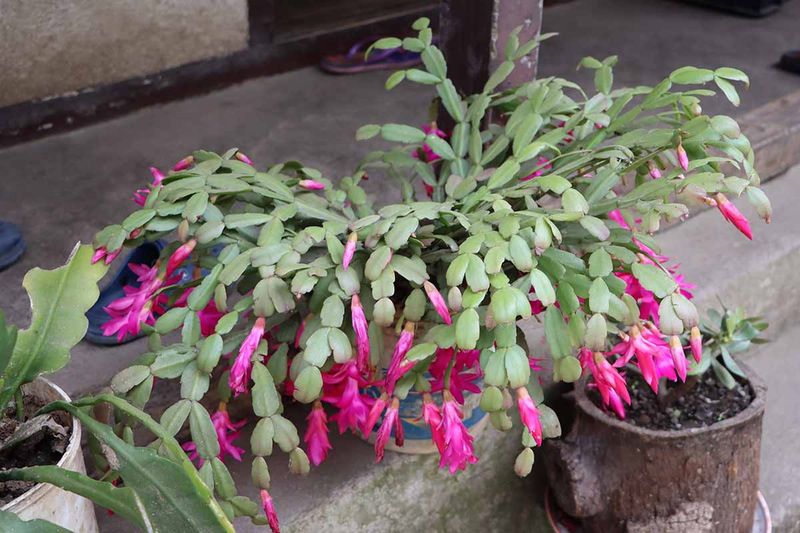
Forty-five degrees. Write that number on a sticky note and slap it on your fridge, because it matters more than any calendar date.
Christmas cacti handle cool air nicely, but they get grumpy below about 45 degrees. Frost can damage the flat green segments and turn them mushy.
Once forecasts show lows dipping toward that mark, it is time to move the pot. Before then, the plant is usually fine outside.
California has wild temperature swings by region. A night in Fresno can feel very different from one in Santa Monica.
Inland valleys often cool faster in October. Coastal neighborhoods may stay mild well into November, giving plants extra outdoor time.
Your California Garden Changes Every Week. Your Plan Should Too.
Gardening in California changes quickly throughout the season. Every Friday you’ll receive a simple weekly plan showing exactly what to plant, prune, fertilize, harvest, and protect so you never miss the right timing.
A weather app with hourly lows makes this easy. Set an alert for 45 degrees so you get a nudge on your phone.
Some gardeners use a cheap wireless sensor near their plants. It shows the real temperature on the patio, which can differ from the official forecast by several degrees.
Covered porches stay a bit warmer than open yards. Cold air also settles in low spots, so a pot at the bottom of a slope may chill faster.
Pay attention to those little details around your home. The best decision comes from watching your own backyard, not just the news report.
3. Coastal Versus Inland Timing For Your Christmas Cactus
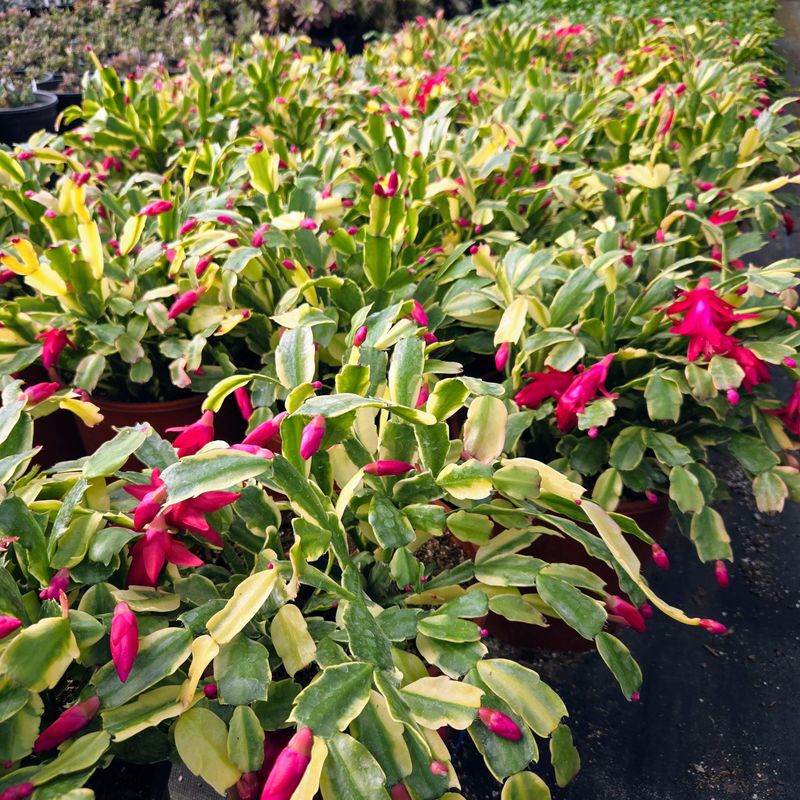
Ask two neighbors from different parts of the state about this, and you will get two very different answers. Both could be right.
Along the coast, ocean air keeps nights steady and mild. Places like San Diego, Santa Barbara, and the Bay Area rarely drop below 45 degrees in October.
Growers there can often leave plants outside until Thanksgiving. Some even keep them on shaded patios all year with just a little winter cover.
Inland areas play by different rules. The Central Valley, the Inland Empire, and the foothills can see sharp drops after sunset.
Daytime might feel toasty at 85 degrees, then nights fall into the low 40s. That swing can surprise a plant and stress it fast.
Mountain towns in Northern California cool off even sooner. Folks near Tahoe or Redding often bring plants in by early October.
Desert spots like Palm Springs bring their own twist. Nights cool nicely, but daytime sun can still scorch leaves in early fall.
Knowing your microclimate is the real trick. Check your USDA zone and compare local weather history for October.
A quick chat with staff at a nearby garden center helps too. They know exactly when local plants start feeling the chill.
4. Darkness Matters As Much As Chill For A California Christmas Cactus
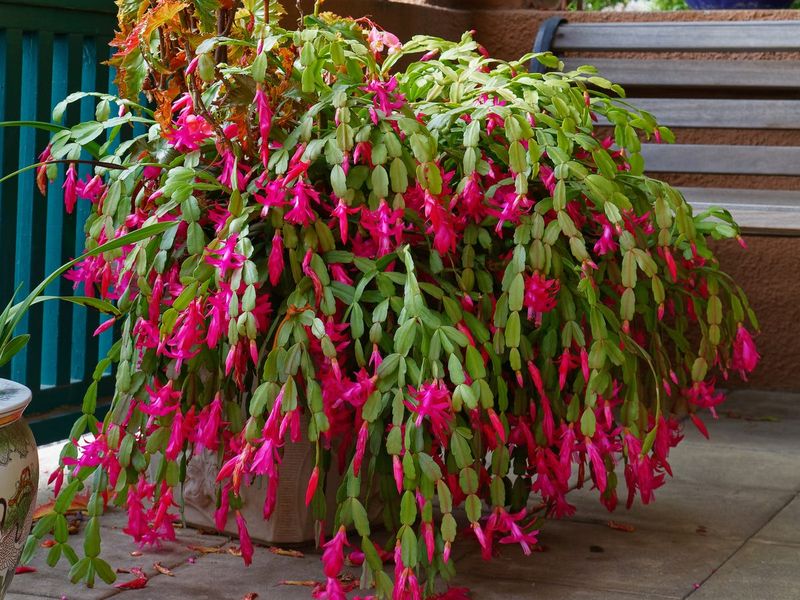
Lights out, little plant. Believe it or not, darkness is one of the biggest triggers for holiday flowers.
A Christmas cactus needs around 12 to 14 hours of steady darkness each night to form buds. That rhythm starts naturally as fall days grow shorter.
Outdoors, your plant gets those dark hours without any help. Inside, though, lamps, TVs, and porch lights can mess things up.
Even a few minutes of light at night may confuse it. The plant thinks the day is longer and holds back on blooming.
Many California homes have open layouts with lights glowing until late. That makes indoor timing trickier than many people expect.
If you move your cactus inside early, find a quiet spare room. A guest bedroom or laundry room with the door closed works great.
Another option is covering the plant with a cardboard box each evening around 6 p.m. Take it off in the morning so it still gets daylight.
Keep this routine for about six weeks. You should spot tiny pink or red nubs at the tips of the segments.
Once buds appear, you can relax the schedule. Move the plant to a spot where you can enjoy watching it bloom.
5. Watching The Weather Forecast Each October
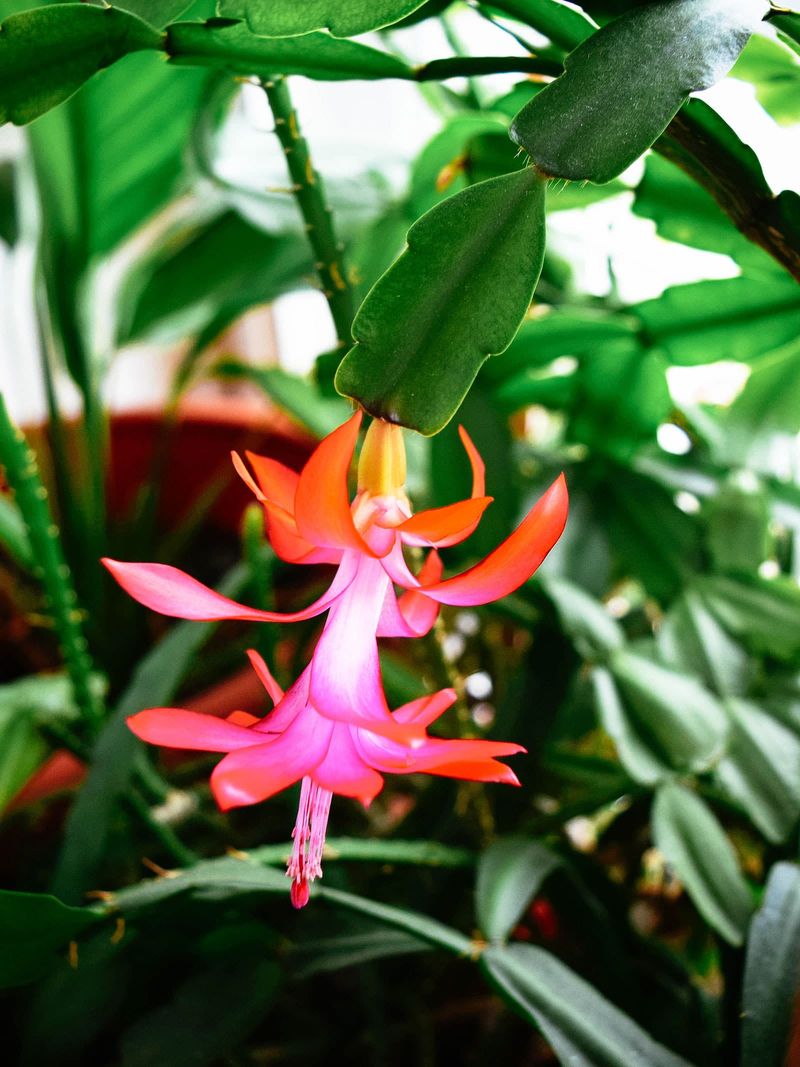
My grandmother used to tap her old barometer every fall morning before deciding anything about her plants. Today, a phone does the same job faster.
October weather can flip quickly. A warm week might suddenly turn into a chilly stretch when a storm rolls in from the Pacific.
Checking the 10-day forecast each Sunday is a smart habit. Look closely at the overnight lows, not just the daytime highs.
Santa Ana winds can also cause trouble in Southern California. They bring hot, dry gusts that dry out soil and stress delicate segments.
During those wind events, sheltering your plant helps. Tuck it against a wall or bring it in for a few days.
Northern California sees early rain in some years. Heavy downpours can soak pots and leave roots sitting in soggy soil.
Soggy roots lead to rot, which is a common problem with these plants. Move pots under an overhang when big storms are coming.
Keep a little plant journal if you like tracking things. Note the date buds appear and when you moved the pot inside.
After a year or two, you will have your own local guide. That record beats any general advice you can find online.
6. Easing The Move Indoors For Your Christmas Cactus
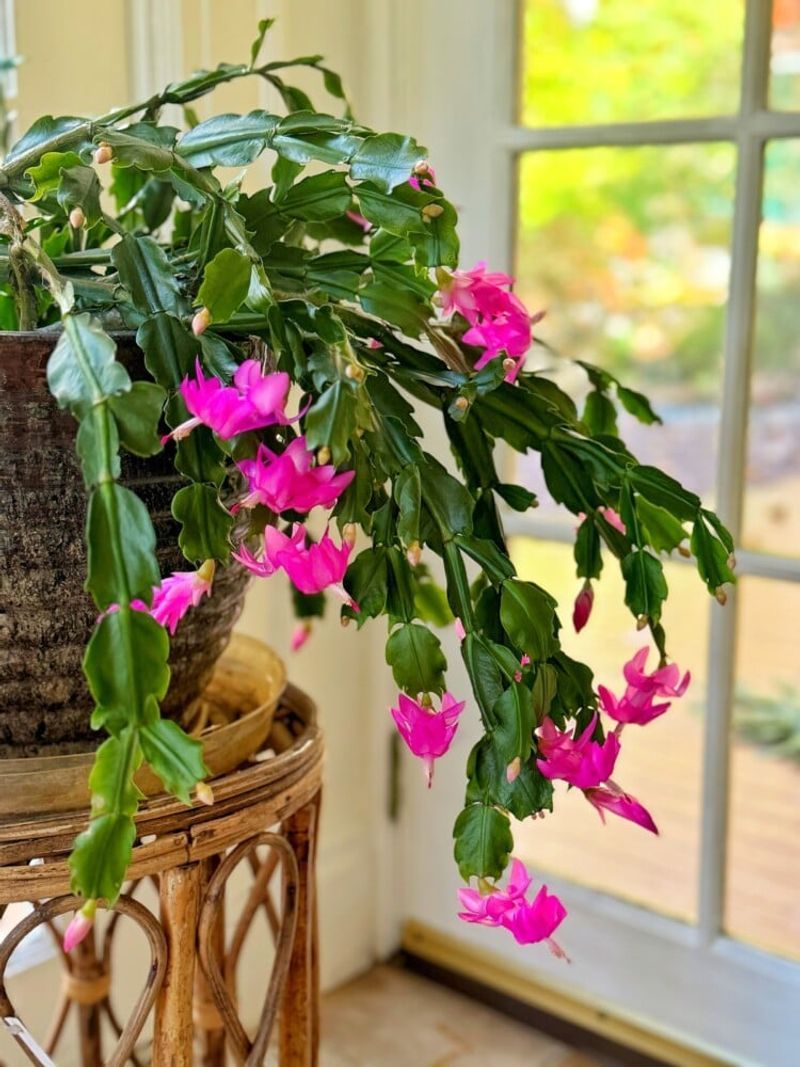
Nobody enjoys being yanked from a cozy spot without warning, and plants feel the same way. A sudden move can cause buds to drop.
Bud drop is the most common complaint from holiday cactus owners. It often happens when temperature, light, or humidity changes too fast.
A slow transition helps a lot. Start by moving the pot to a shadier, more sheltered area outside for several days.
Next, bring it indoors for a few hours each evening. After about a week, let it stay inside full time.
Pick an indoor spot with bright, indirect light. An east-facing window is ideal in most California homes.
Keep it away from heater vents and drafty doors. Hot, dry blasts from a furnace can shrivel buds overnight.
Before moving, check carefully for hitchhikers. Look under segments and around the soil for tiny bugs or webbing.
A gentle rinse with lukewarm water can clear away dust and pests. Let the pot drain well before bringing it inside.
Once settled, try not to shift it around. Turning or relocating a budding plant often leads to dropped flowers.
Patience pays off here. A calm, steady routine keeps those buds locked in place until they burst open.
7. Smart Watering Changes For California Christmas Cactus In Fall
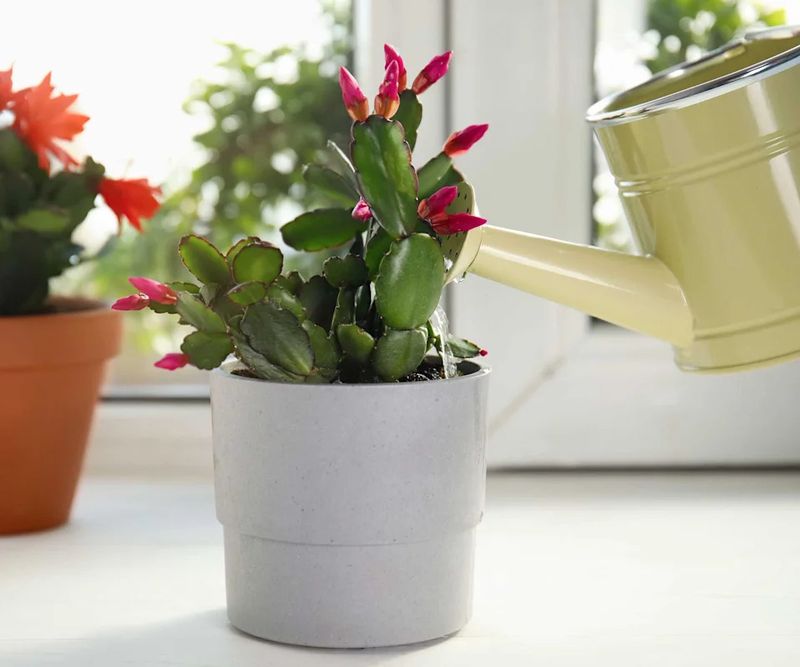
Less is more once autumn arrives. Cutting back on water is a simple step that helps your cactus prepare for blooming.
During summer, these plants drink more because they are actively growing. In fall, they slow down and need less moisture.
Let the top inch of soil dry before watering. Stick your finger in to check, which works better than any schedule.
Outdoor pots in dry California air may still need water weekly. Indoor pots often go 10 to 14 days between drinks.
Overwatering is a major cause of root rot. Soft, droopy segments usually mean the roots are sitting in too much water.
Use a pot with drainage holes, every time. Empty the saucer after watering so roots never sit in a puddle.
Hard tap water is common in many parts of the state. It can leave white crusty buildup on soil over time.
Using rainwater or filtered water now and then helps. Flushing the pot thoroughly every few months also clears out salts.
Stop fertilizing around early October too. Feeding pushes leafy growth, which competes with flower buds.
Once buds show color, you can water a bit more regularly. Steady moisture keeps blossoms full and long-lasting.
8. Warning Signs Your Christmas Cactus Got Too Cold
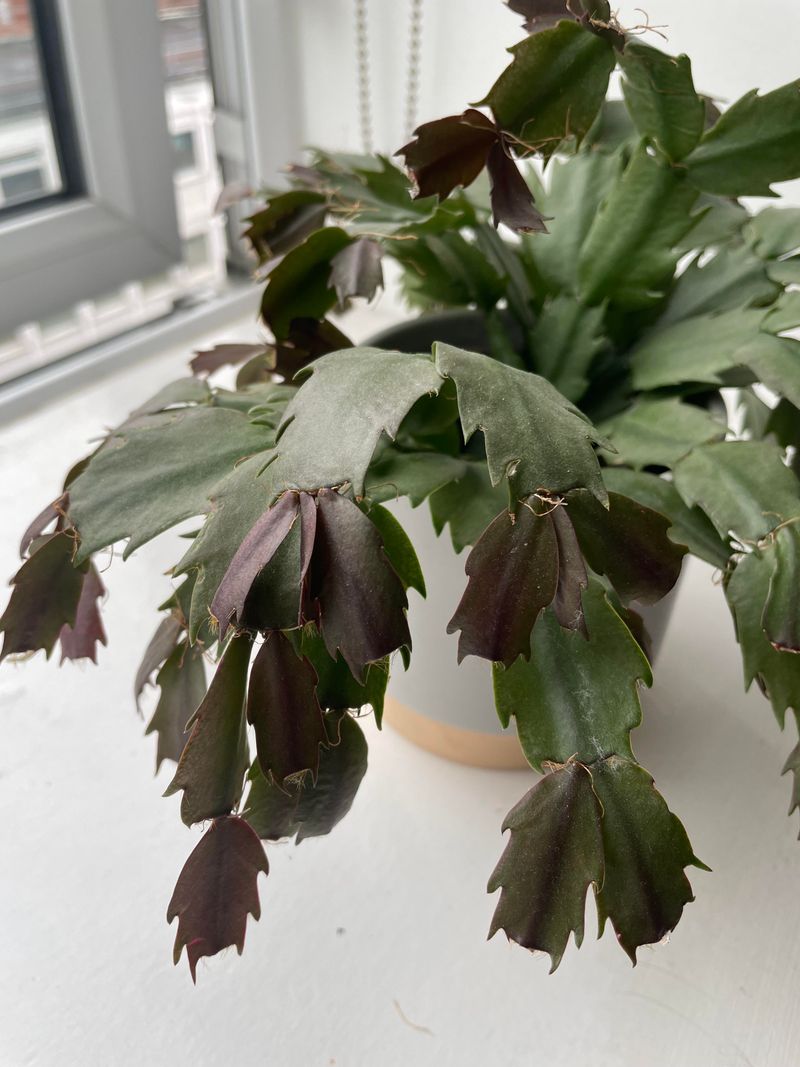
Reddish or purple segments can look pretty, but they are often a quiet cry for help. Your plant might be telling you it got a little too chilly.
Mild color changes happen with cool nights and bright sun. That alone is not a big worry and often fades later.
Watch for softer warning signs too. Limp, wrinkled, or translucent segments suggest cold stress or frost damage.
Brown patches that feel mushy are more serious. Trim them off with clean scissors to keep rot from spreading.
Buds falling off right after a cold night is another clue. The plant drops them to save energy for itself.
If you notice any of these signs, bring it inside right away. Place it somewhere bright and comfortably cool, not hot.
Skip watering for a few days while it recovers. Damaged roots and stems absorb water slowly and can rot easily.
Most Christmas cacti bounce back well. They are tougher than they look and can regrow new segments in spring.
Desert gardeners in California often learn this the hard way. Clear desert skies let heat escape fast at night, causing surprise chills.
Keeping an old bedsheet handy is a clever backup plan. Toss it over the plant if a cold night sneaks up on you.
9. The Best Answer For When To Bring It Inside
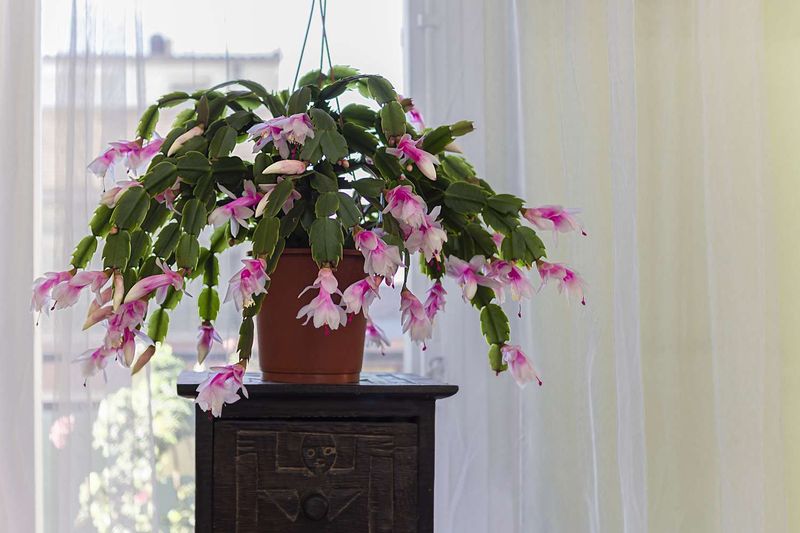
So what is the final verdict? For most gardeners, the answer is no, you do not need to rush.
Leaving your cactus outside through early October often leads to better blooms. Those cool, dark nights do the heavy lifting for you.
The real deadline is temperature, not a date. Bring it in once lows approach 45 degrees or frost shows up in the forecast.
For coastal areas, that could mean November or later. Inland and mountain regions usually hit that mark sometime in October.
Here is a simple plan you can follow. Watch the forecast, cut back water, and stop feeding in early fall.
Give the plant long, dark nights either outside or in a quiet room. Move it indoors slowly when cold weather gets close.
After that, keep it in bright, indirect light and avoid moving it. Within weeks, you should see buds swelling with color.
Many California families pass these plants down for generations. Some cacti have been blooming for over 50 years in the same household.
With a little timing and care, yours could become a holiday tradition too. Nothing beats seeing those cheerful flowers right when the season feels festive.
Trust your plant, trust your weather, and enjoy the show.