8 Early Signs Of Rats In Your North Carolina Yard Before They Head Indoors
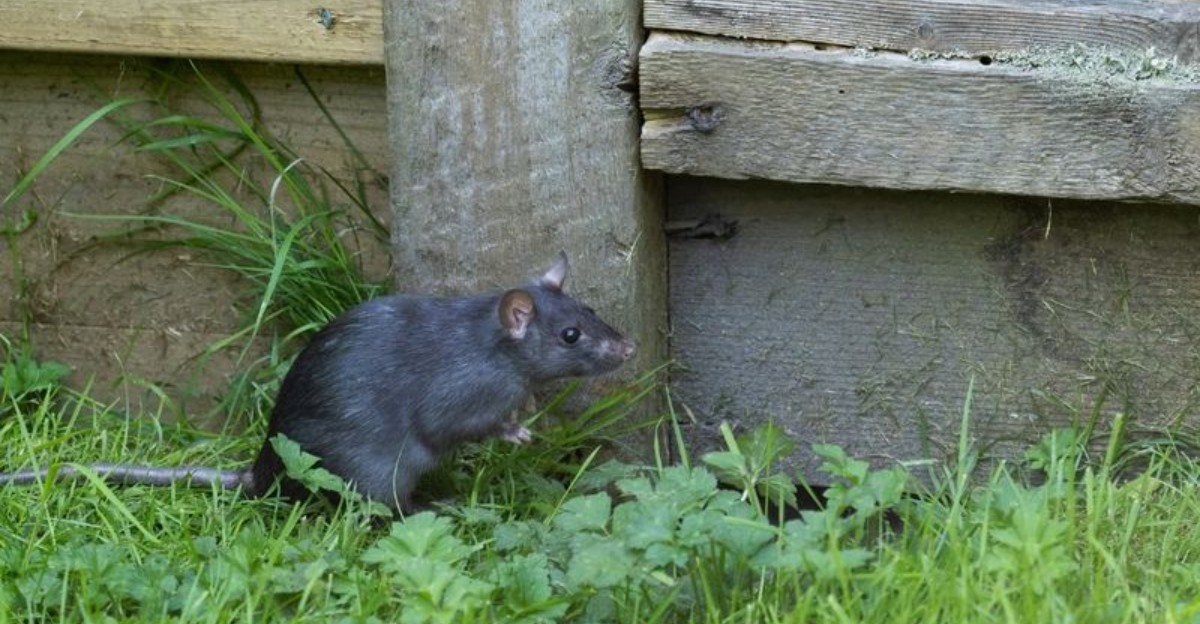
Rats rarely announce themselves. They work at night, stay close to cover, and leave only small clues behind. Fall is when those clues matter most.
Cooler weather pushes rats to look for warm, safe places, and your house is a perfect target. Catching them in the yard gives you time to act before they find a way inside. Look for droppings near sheds and bird feeders.
Check for gnawed fruit, burrows along fences, and greasy rub marks on walls. Chewed wires and nests in quiet corners tell the same story.
North Carolina’s mild climate lets rats stay active late into the year. Eight early signs help you spot trouble while it is still outside and still easy to fix.
1. Droppings Near Food Sources
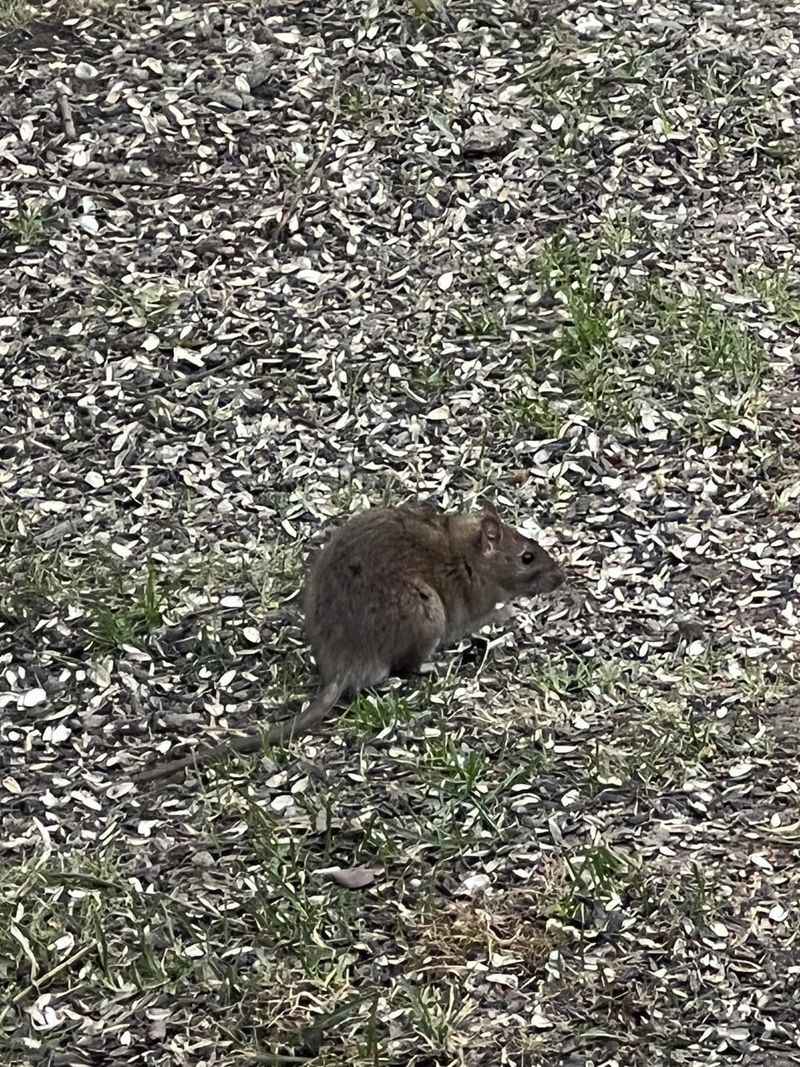
Nobody enjoys finding them, but rat droppings are often the very first clue that you have unwanted guests. Rats leave them along the routes they travel every night, and they tend to pile up wherever food is easy to grab.
The size and shape can actually tell you which rat is visiting. Norway rats leave larger droppings with blunt, rounded ends, about three-quarters of an inch long. Roof rats leave smaller ones with pointed ends, closer to half an inch long.
Fresh droppings look dark and shiny, while older ones turn dry, gray, and crumbly. If you keep finding new, moist pellets, rats are still active nearby. That small detail can help you decide how quickly you need to act.
Start your search in the spots rats love most. Check under bird feeders, around compost bins, near outdoor pet food bowls, and along the floors of garages and sheds. Corners, shelves, and the space behind stored items are worth a look too.
Cleaning up takes a little care. Always wear rubber or disposable gloves, and never sweep or vacuum dry droppings, because that can stir up dust carrying germs.
Instead, spray the droppings with a disinfectant or a bleach and water mix, let them soak for about five minutes, then wipe them up with paper towels and bag them tightly.
Here in North Carolina, both Norway rats and roof rats are common around homes, from city neighborhoods to rural farms.
Knowing which type you have helps you choose the right next steps. Norway rats usually stay low and dig, while roof rats prefer to climb, so your plan will look a little different for each one.
2. Burrows Along Foundations And Fences
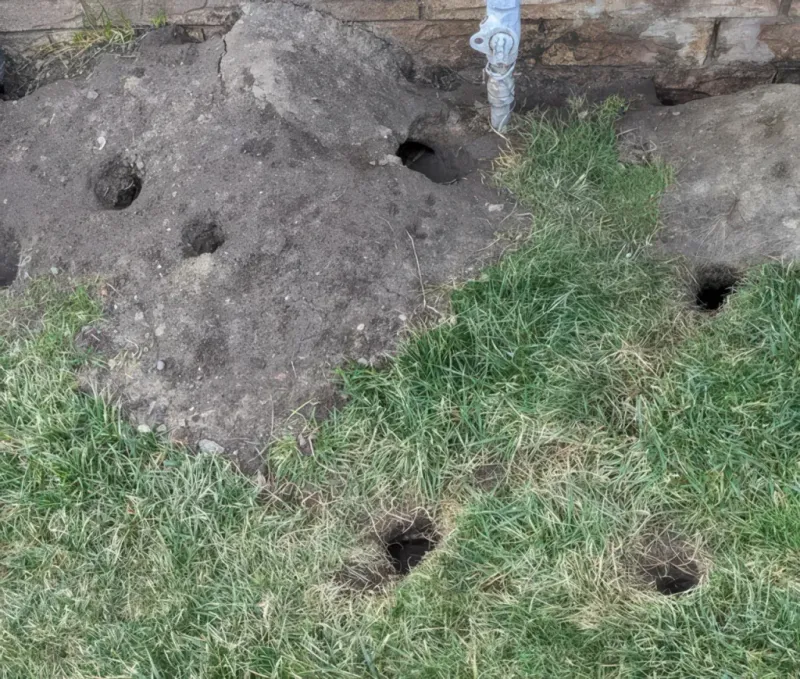
A small hole in the dirt may not seem like a big deal. Yet to a Norway rat, that hole is home sweet home, complete with tunnels, nesting rooms, and a few back exits for quick escapes.
Norway rats are skilled diggers. They build burrows close to food and shelter, so finding one means rats are not just passing through. They are living on your property, and an active burrow can stretch under your foundation, shed, or deck.
So what does a rat burrow look like? Most holes measure about 2 to 4 inches wide. The edges look smooth and packed down from constant use, and you will often see loose soil scattered around the opening, almost like someone swept dirt out the front door.
Your North Carolina Garden Changes Every Week. Your Plan Should Too.
Gardening in North Carolina changes quickly throughout the season. Every Friday you’ll receive a simple weekly plan showing exactly what to plant, prune, fertilize, harvest, and protect so you never miss the right timing.
Check the usual hiding places first. Walk along your foundation, follow your fence lines, and peek under woodpiles and thick shrubs. Rats like burrows that sit near cover, so open lawn areas are less likely spots.
Not sure if a hole is still in use? Try a simple test. Fill the opening loosely with soil or crumpled newspaper, then check back the next day.
If the hole has been dug open again, you have active rats, and it is time to take action. Across North Carolina, Norway rats commonly burrow in yards, vegetable gardens, and around outbuildings like barns and sheds.
Our soft garden soil and heavy clay both work well for tunneling. Catching burrows early gives you a much better chance of stopping rats before their tunnels lead them right under your home.
3. Worn Paths Through Grass And Mulch
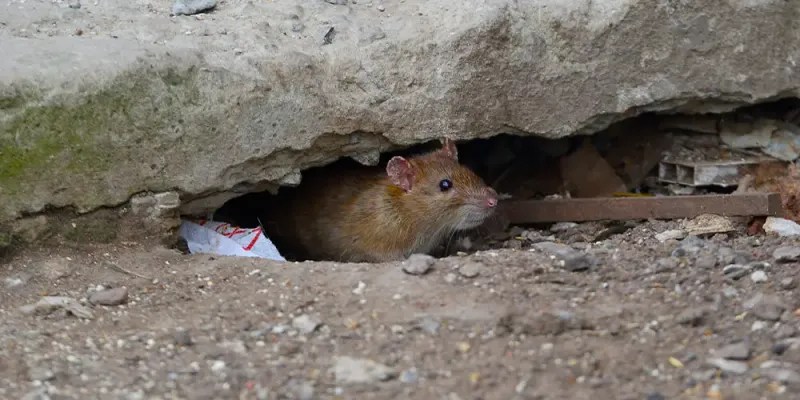
Rats are creatures of habit, much like a person who drives the same way to work every day. Night after night, they follow the same routes between food, water, and their hiding spots.
All that traffic adds up. Over time, little feet wear down grass, mulch, and soil into narrow trails called runways.
Rats feel safest moving with something solid beside them, so these paths usually hug walls, fences, and other cover instead of crossing wide open spaces.
Spotting a runway is easier than you might think. Look for packed trails just a few inches wide, especially along fence lines, foundation walls, and the edges of garden beds.
The grass may look flattened or bare, and pine straw or mulch might be pushed aside in a clear line.
Try following the path with your eyes. Runways often connect a food source, like a bird feeder or compost pile, to a hiding place, like a woodpile or dense shrub. That map tells you a lot about how rats are using your yard.
Runways also make great spots for traps. Place snap traps along these routes inside covered bait stations, which protect kids, pets, and birds from getting hurt. Set the trap so the trigger sits right on the path where rats naturally run.
For North Carolina homeowners, runways are especially helpful because they show exactly where rats travel before they find a way inside.
A trail that ends at your foundation or crawl space vent is a warning sign worth taking seriously. Block that spot, and you may stop an invasion before it starts.
4. Greasy Rub Marks On Surfaces
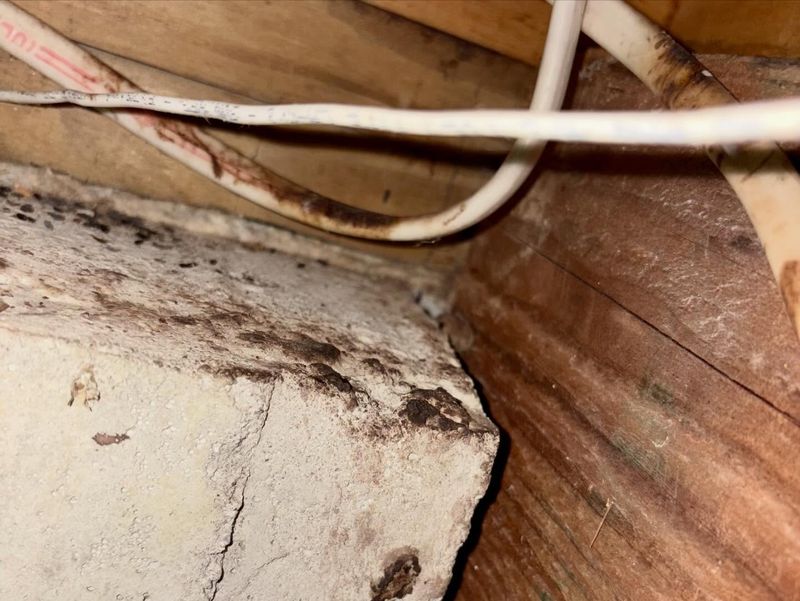
Some clues are sneaky, and greasy rub marks are one of them. They look like someone dragged a dirty thumb along your wall, and most people never give them a second thought.
Rats have oily fur that picks up dirt as they travel. Because they like to stay close to surfaces, they brush against walls, pipes, beams, and openings over and over again. Little by little, the oil and grime build up into dark smears that mark their favorite routes.
Fresh marks feel slightly greasy and smudge when you touch them. Older marks become dry and flaky. If you see both, rats have likely been using that path for quite a while.
Grab a flashlight and take a slow walk around your house. Check the lower edges of foundation walls, the gaps under siding, and the corners where pipes enter the home.
Inside sheds and garages, look along beams, rafters, and pipes that rats might use like highways.
Pay extra attention to the area around holes. A dark ring around an opening is a strong hint that rats are squeezing through it. Rats can slip through surprisingly tight spaces, so even a small gap can serve as a doorway.
Once you find rub marks near an opening, seal it up. Hardware cloth, metal flashing, or steel wool packed with caulk all work well. Wood and plastic alone will not hold up against busy teeth.
In North Carolina, many homes sit on crawl spaces, and rub marks around foundations and crawl space vents often show exactly where rats are trying to get in. Catch those smudges early, and you can shut the door before they move in.
5. Gnaw Marks On Wood, Hoses, And Bins
Imagine if your teeth never stopped growing. That is daily life for a rat, and it explains why they chew on almost everything in sight.
Rat front teeth grow constantly, all through their lives. To keep them from getting too long, rats gnaw on wood, plastic, rubber, and even soft metals. Chewing also helps them break into food containers and carve out cozy hiding spots.
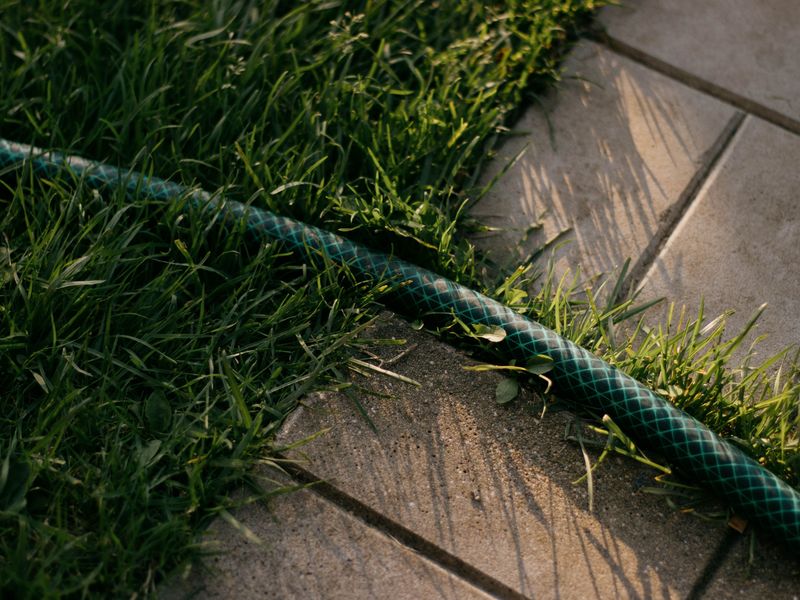
The damage shows up in plenty of places around the yard. Check garbage cans, compost bins, garden hoses, drip irrigation lines, shed doors, and wooden structures like decks and raised beds. Rats often chew along edges and corners where they can get a good grip.
Here is a handy trick for telling old damage from new. Fresh gnaw marks look lighter in color and have rough, sharp edges. Older marks darken over time as they weather. Bright, clean chew spots mean rats were busy very recently.
Your trash and compost bins deserve special attention because they are like an all-you-can-eat buffet.
Swap out chewed or flimsy bins for sturdy metal cans or heavy plastic containers with tight-fitting lids. Keep lids closed at all times, even if you are only stepping away for a minute.
For hoses and irrigation lines, look for small holes, leaks, or sudden drops in water pressure. A simple leak might actually be a rat looking for a drink during dry spells.
Across North Carolina, rats chewing on irrigation systems, outdoor wiring, and yard equipment can lead to costly repairs. A quick weekly check of your gear can save money and warn you about rats long before they reach your house.
6. Damaged Fruit And Vegetables In The Garden

You waited all summer for that perfect tomato. Then one morning you find it hollowed out with a jagged hole in the side, and the culprit is long gone.
Rats love a home garden just as much as you do. They go after fruits, vegetables, nuts, and seeds, and they rarely finish the whole thing. Instead, they take a few bites and move on, leaving half-eaten produce behind as a calling card.
Knowing what rat damage looks like helps you figure out who is raiding your crops. Look for tomatoes, squash, melons, and figs with gnawed holes, often near the bottom or the side facing the ground. Fallen fruit with small bite marks is another giveaway.
Missing or chewed pecans and other nuts can point to rats too, especially in fall.
Birds peck, and squirrels usually carry food away. Rats tend to gnaw neat, deep holes and leave the rest sitting right where they found it. Droppings near the damage make the case even stronger.
The best defense is simple and free. Harvest ripe produce promptly instead of letting it sit on the vine. Walk your garden every day and pick up fallen fruit, nuts, and spilled seeds.
A tidy garden offers far less food, which means fewer reasons for rats to stick around. Here in North Carolina, our long growing season keeps gardens and fruit trees producing for much of the year.
Figs, pecans, persimmons, and late summer vegetables give rats a steady food supply. Keeping up with harvest and cleanup can make your yard a lot less appealing to hungry visitors.
7. Nests In Dense Plants And Climbing Vines
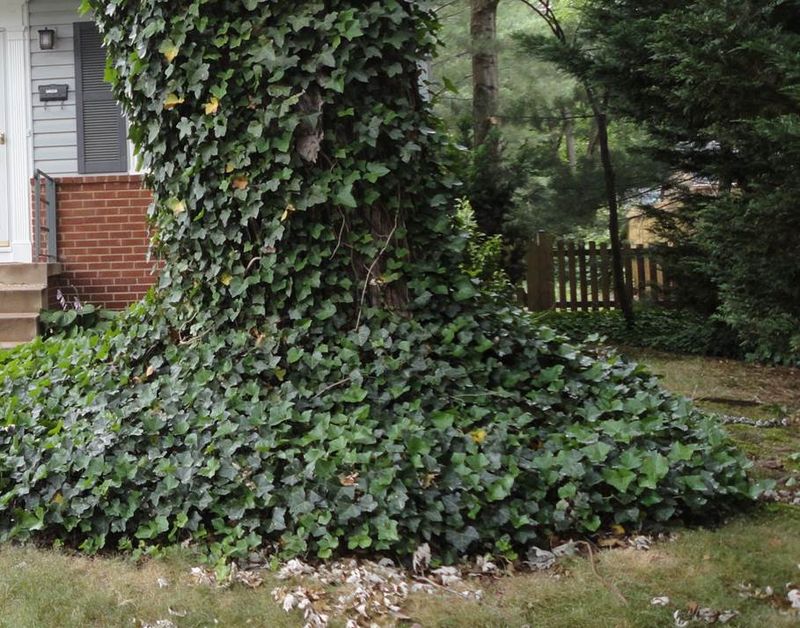
Not every rat lives underground. Roof rats are the acrobats of the rat world, and they would much rather sleep high above your yard than dig a hole in it.
These slim, agile climbers often build nests in dense shrubs, thick ivy, overgrown vines, and trees. From there, they scamper along branches, fences, and utility lines like tiny tightrope walkers. That skill makes it easy for them to reach your roof and slip into the attic.
Thick groundcovers like English ivy are a big draw. Ivy creates a shady, protected mat where roof rats can hide, nest, and even find snails and seeds to eat. Thinning it out or replacing it with lower plants removes a favorite hideout.
Next, look up. Trim tree branches back at least 3 feet from your roof so rats cannot hop across. Keep vines off the walls of your house, since they work like ladders. Prune dense shrubs near the foundation so you can see underneath them.
Timing helps too. Around dusk, step outside and quietly watch your fence tops, power lines, and tree limbs. Roof rats often start their evening travels right as the sun goes down, and a few minutes of watching can reveal their favorite routes.
Roof rats are common across North Carolina, especially in the Coastal Plain and Piedmont, where warm weather and plenty of greenery suit them well.
A yard full of tangled vines and overhanging branches can work like an open invitation. With a little pruning, you can cut off their sky-high highway and keep your attic rat-free.
8. Scratching And Rustling Sounds At Night
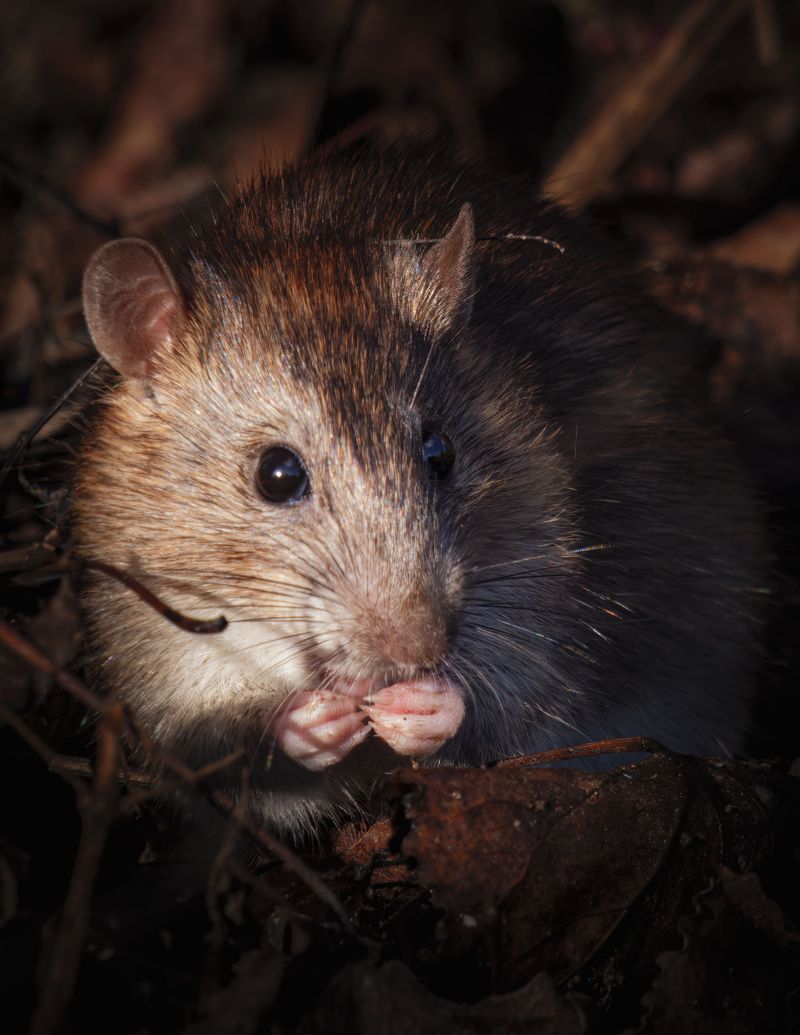
Late at night, the yard goes quiet. Then comes a faint scratch, a rustle in the bushes, and a quick patter across the roof. Rats are often heard long before anyone actually sees one.
Rats do most of their work after dark. As they move through shrubs, woodpiles, trees, and along rooftops, they create scratching, rustling, and scurrying sounds. Indoors, you might hear similar noises in attics, garages, and inside walls.
Spend a few evenings listening. Step outside at dusk and pay attention to the shrubs and woodpile. Later, listen near the attic hatch or garage wall.
Noises that show up at the same time each night usually point to rats on a regular schedule.
Once you suspect activity, remove what draws them in. Clean up spilled bird seed, bring pet food inside at night, and use a closed compost bin instead of an open pile. Less food means fewer reasons to visit.
Sealing gaps matters just as much. Rats can squeeze through openings larger than about half an inch, so cover them with hardware cloth, metal flashing, or steel wool and caulk. Check around pipes, vents, and the bottom edges of garage doors.
For control, use snap traps inside covered stations rather than poison baits. Poison can harm pets and wildlife like owls, hawks, and foxes that eat poisoned rats, so traps are a safer choice for your whole neighborhood.
In North Carolina, rats often move indoors as temperatures drop in fall. Hearing those first sounds in late summer or early autumn gives you time to act. Quick steps now can mean a peaceful, quiet house all winter long.