Why More California Homeowners Keep Ceanothus Near Their Front Door
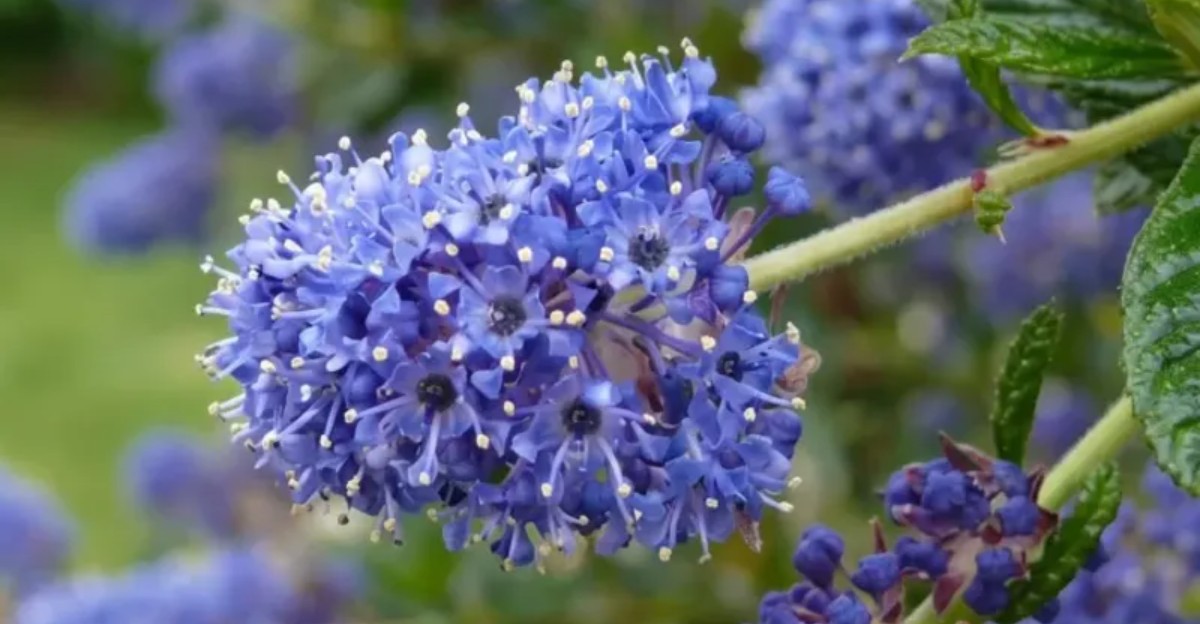
Some front entries feel like a warm handshake before anyone reaches the door. Color spills along the path, a soft hum fills the air, and the whole scene seems to say welcome.
One native shrub has a special talent for creating that effect. It stays dressed in green through every season and asks for surprisingly little once it settles in.
Its spring display rivals plants that demand far more water and fuss.
There’s a twist, though. Changing fire rules in California mean placement now matters as much as beauty, especially close to the house.
A little planning turns a lovely idea into a smart one.
The right spot can give an entry both a show-stopping welcome and a safer future.
Spring Blue Blooms Greet Every Visitor
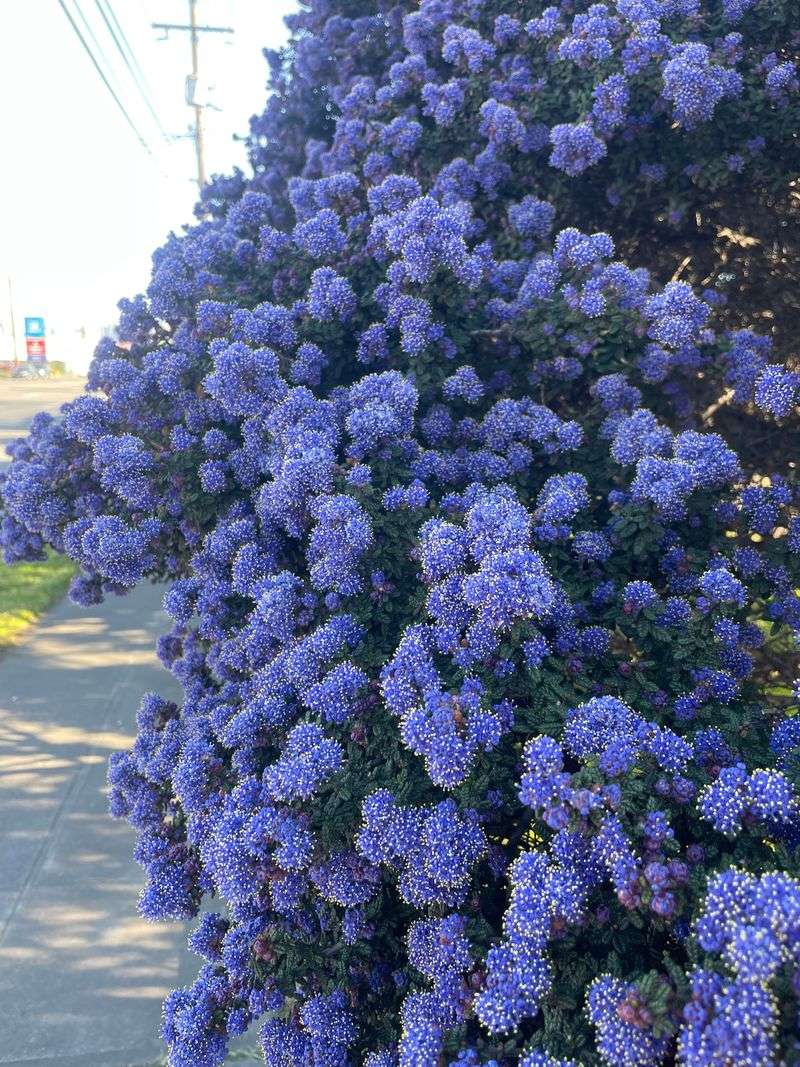
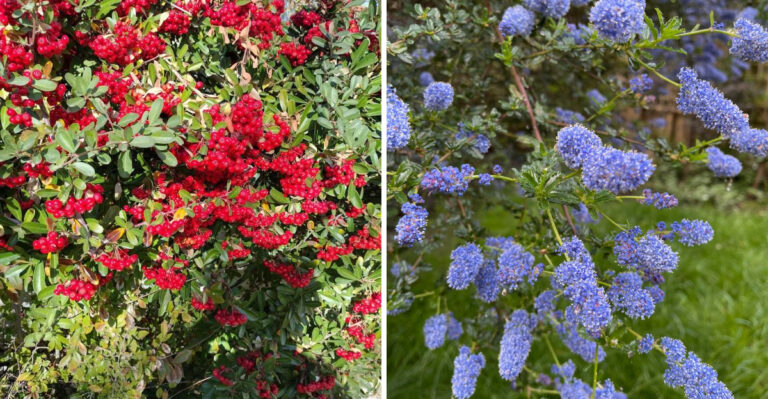
Delivery drivers and neighbors alike tend to pause on the path when this shrub bursts open in spring. Tiny flowers pack together in fluffy clusters, so the whole plant glows with color.
Shades run from pale powder blue to deep cobalt and rich violet. Some selections lean toward white or soft lavender.
Most bloom from late winter into spring, often peaking around March and April. Exact timing depends on the type and local weather.
Blue stays rare in gardens, which adds to the magic. Plenty of shrubs offer pink, red, or yellow, yet few match the cool, sky-like haze of a California lilac.
It pairs beautifully with orange California poppies or yellow flowers. That bold contrast catches the eye from the street.
Up close, a light, sweet scent often drifts from the blooms. Crushed flowers can even make a soapy lather in water.
Native Californians used the blossoms this way long ago, earning the plant nicknames like soap bush.
Plenty of sun brings the best show. Most ceanothus bloom heaviest in full sun, though coastal gardens can handle a bit of afternoon shade.
Heavy fertilizer is best skipped, since native soils usually suit these shrubs fine. Too much feeding pushes leafy growth instead of flowers.
A happy plant in the right spot puts on a spring show that neighbors remember all year. Few native shrubs announce the season quite so cheerfully.
Evergreen Leaves Hold Color All Year
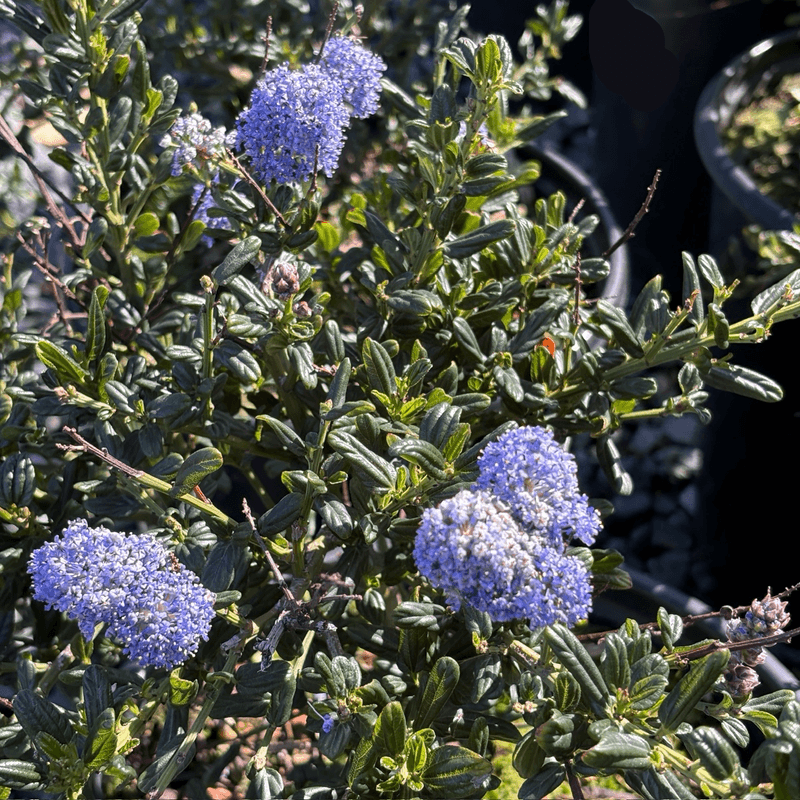
January can make a yard look tired. Deciduous trees stand bare and summer flowers have faded, yet this shrub keeps going, wearing its green leaves through every month.
As an evergreen, it holds its foliage all year instead of dropping it in fall. The leaves usually stay small and dark green.
Many carry a glossy shine, and some show tiny ridges or crinkles. On certain types, leaves look almost like little holly leaves with toothed edges.
That steady green gives an entry structure. Designers call this the bones of a garden.
While other plants come and go, an evergreen shrub keeps planting beds looking defined and neat. A home appears cared for even in the off season.
Small leaves also help the plant conserve water. Less leaf surface means less moisture lost on hot days.
Your California Garden Changes Every Week. Your Plan Should Too.
Gardening in California changes quickly throughout the season. Every Friday you’ll receive a simple weekly plan showing exactly what to plant, prune, fertilize, harvest, and protect so you never miss the right timing.
Some species carry fuzzy or waxy undersides that add protection from sun and wind.
Silver or gray neighbors, such as sage or buckwheat, show off the foliage beautifully. That contrast makes the green look richer.
Light-colored gravel or decomposed granite around the base helps the leaves pop, too. It also keeps the crown drier than bark mulch.
Heavy pruning to force a tight box shape works against this plant. Its natural form looks best, and light tip pruning right after bloom keeps it tidy.
Large cuts into old wood may not sprout back.
Pollinators Visit The Flowers
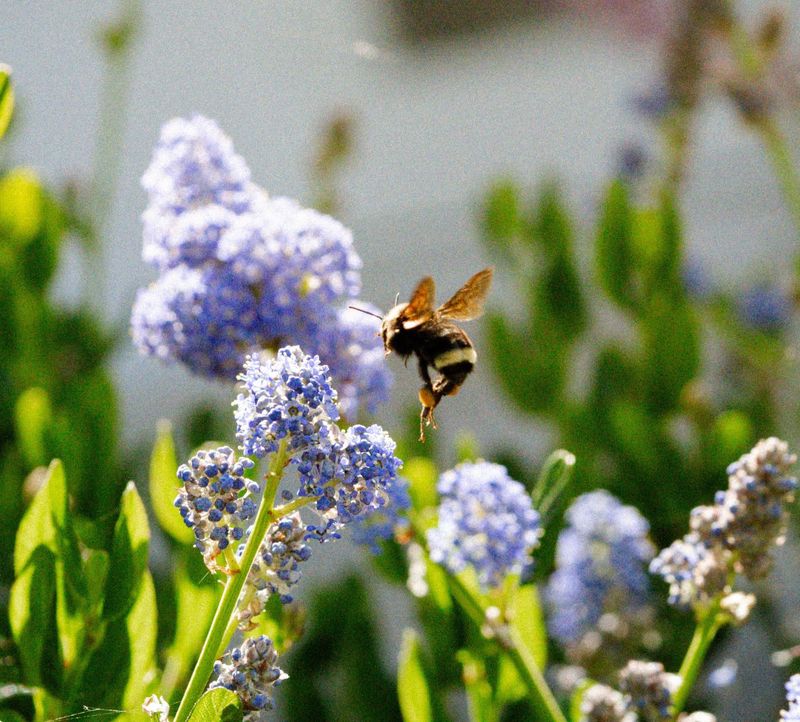
A quiet moment beside a blooming shrub often reveals a soft buzz coming from the whole plant. Bees love these flowers and show up in big numbers.
The blooms offer both nectar and pollen. Bumblebees and many small solitary bees visit often, and honeybees join the party, too.
Hoverflies and other helpful insects drift in for a sip. The shrub becomes a busy hub on sunny spring days.
Butterflies rely on ceanothus in another way. Several California butterflies and moths use the leaves as food for their caterpillars, including the pale swallowtail and some hairstreaks.
The big, striking ceanothus silk moth even carries the plant in its name. Few gardeners realize how many species depend on this one shrub.
Birds benefit as well, snacking on insects that gather on the branches. Later in the season, some birds pick at the small seed capsules.
An entry planting becomes a tiny wildlife stop right on the street. That role adds value far beyond good looks.
Bees busy collecting food rarely bother people who leave them alone. Even so, placing the shrub a few steps away from the main walkway gives everyone breathing room.
That space also supports fire safety, which comes up later.
Pesticides on and around the plant are best avoided, since many sprays can harm bees and caterpillars. A few chewed leaves simply show the garden doing its job.
Low Water Needs Suit Dry Summers
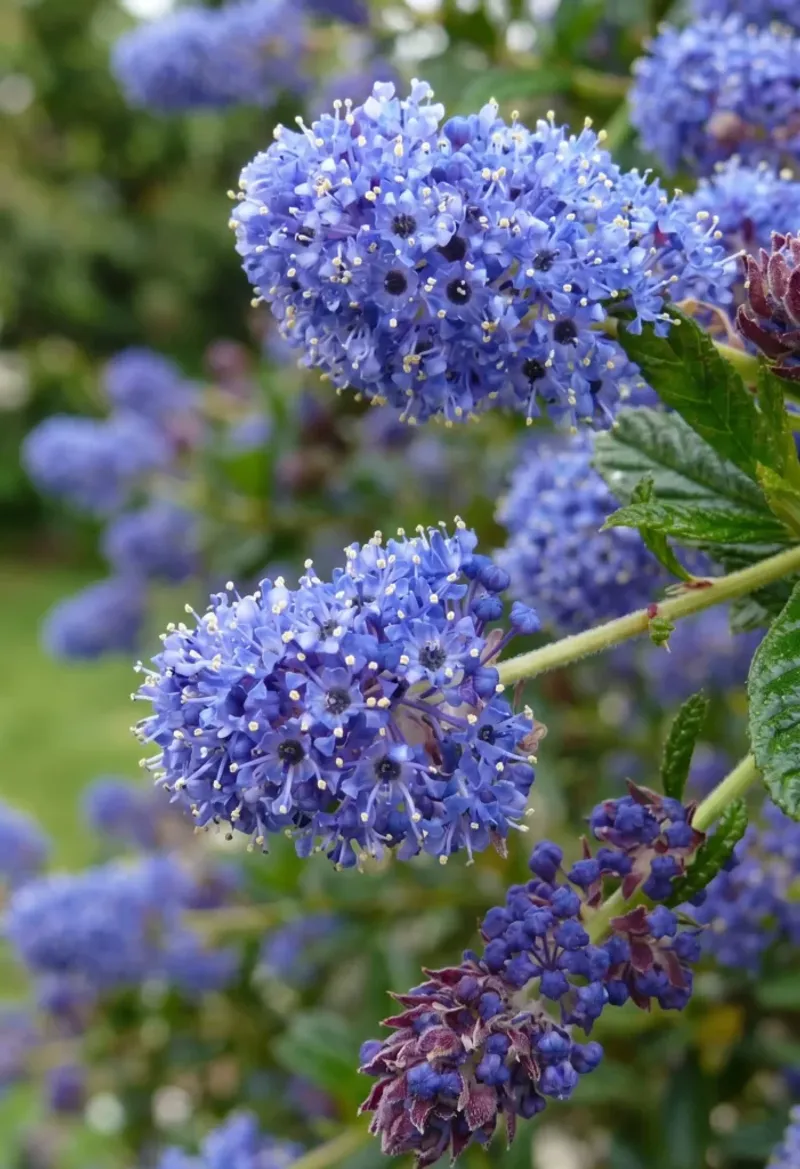
A common mistake catches many new owners. A freshly planted shrub gets watered every day in July, and with this plant, that kindness can backfire fast.
California lilac evolved with the state’s dry summers. In the wild, it gets rain in winter and almost none from late spring to fall, and its roots expect that pattern.
Once established, most types need little or no summer water. Wet, warm soil poses the real danger.
Too much water in warm weather can lead to root rot and other fungal problems. Many gardeners lose these shrubs by loving them too much with a hose.
The first year or two works differently. Young plants need regular deep watering while roots grow.
A deep soak followed by letting the soil dry a bit before the next round works best. Summer watering, when needed, goes on during cool morning hours.
Gradually stretching the time between waterings helps the plant mature. By the third year, many need very little help.
Local conditions shape the routine after that. Coastal gardens with fog may need no extra water, while hot inland yards might benefit from an occasional deep soak during a long heat wave.
Drip emitters are best kept away from the trunk. The payoff is real: water saved, bills lowered, and less time spent tending.
A shrub that thrives on rainfall makes a smart neighbor in drought-prone California.
Compact Selections Fit Small Entries
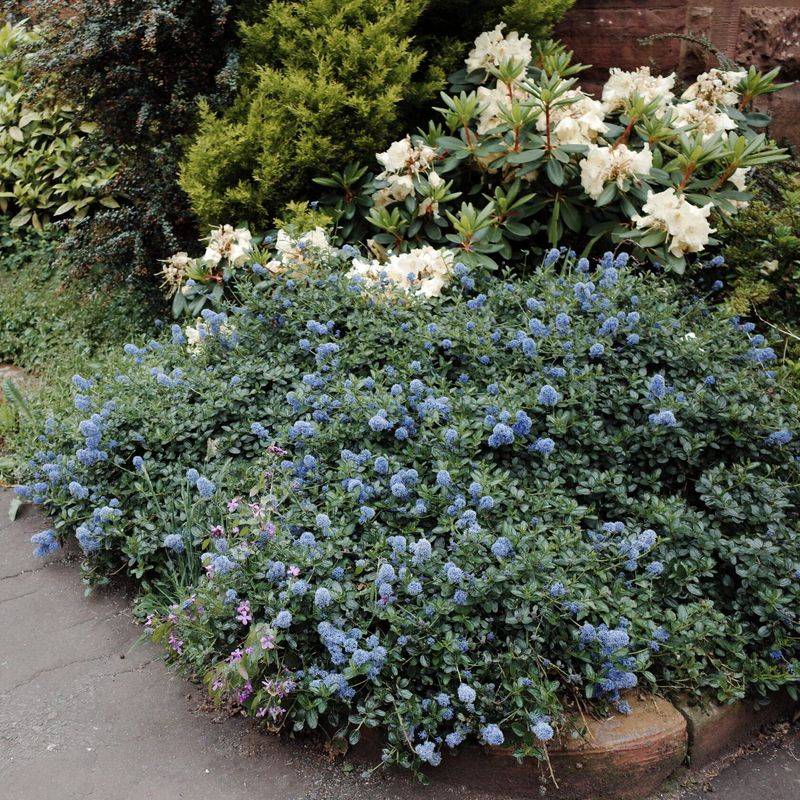
Certain selections grow into small trees taller than a garage. One of those planted in a tiny entry bed means endless pruning, so choosing the right size from the start saves plenty of trouble.
Many compact selections stay low and tidy. ‘Yankee Point’ forms a spreading mound a few feet tall, while ‘Centennial’ hugs the ground with deep blue flowers.
‘Concha’ grows larger but stays rounded, with dark blue blooms opening from reddish buds. ‘Dark Star’ offers small leaves and rich cobalt color on a medium frame.
Plant tags list mature height and width, and those numbers deserve respect. A plant labeled six feet wide will reach six feet wide, regardless of its size in the pot.
Spacing shrubs so they can grow without crowding walls, windows, or each other keeps them healthier. Good air flow reduces disease.
Calscape, run by the California Native Plant Society, makes a great tool for picking the right type. An address search reveals which ceanothus suit a specific area.
Local native plant nurseries can also point toward varieties that thrive nearby. Their staff often know which selections handle local soils best.
Smaller plants bring another benefit, since they mean less woody fuel near the house. A low, open shrub stays easier to keep clean underneath.
A size that fits the space naturally means more time enjoying blooms and less time snipping. That match makes all the difference in a narrow entry bed.
Fall Planting Gives Roots A Head Start
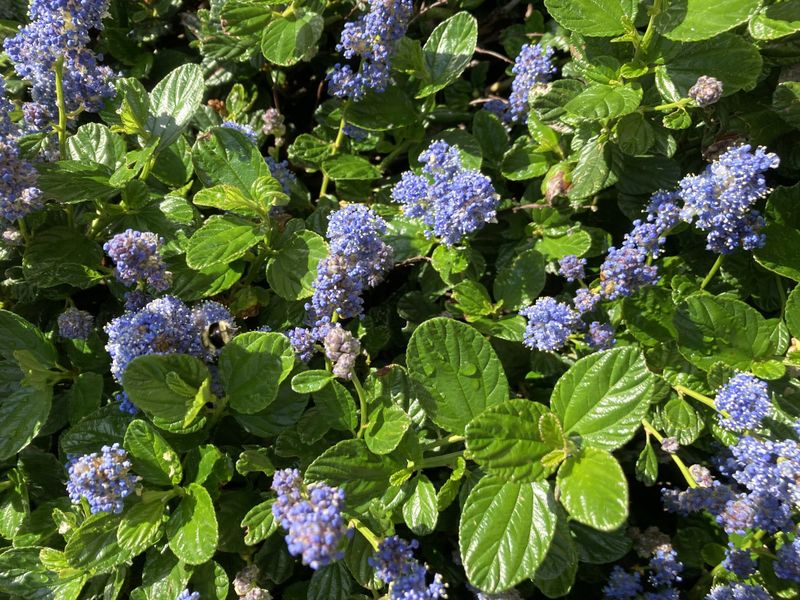
Autumn marks native plant season in California, and this shrub fits right in. Many gardeners rush to plant in spring, which often arrives too late for the best results.
Fall planting lines up with nature’s calendar. Cooler days and coming winter rains help roots spread before summer heat returns.
While the top of the plant looks quiet, roots stay busy underground. By spring, the shrub has a stronger base for blooming and growing.
October through December makes the ideal window in most areas, which makes right now a perfect time. A dry day with moist but not soggy soil suits the job.
A hole about as deep as the root ball and wider than the pot works well. The top of the root ball sits level with or slightly above the ground, keeping the stem from being buried.
A thorough watering right after planting settles everything. Winter storms then take over much of the work.
Long dry spells in winter call for a deep drink. Mulch helps, kept a few inches away from the trunk.
Fertilizer and rich compost in the planting hole are best skipped, since ceanothus prefers lean soil. Its roots team up with helpful soil microbes that pull nitrogen from the air.
A fall start lets this natural partnership settle in before warm weather arrives. The shrub then faces its first summer feeling well rooted and ready.
Plant It Beyond The Five Foot Ember Zone
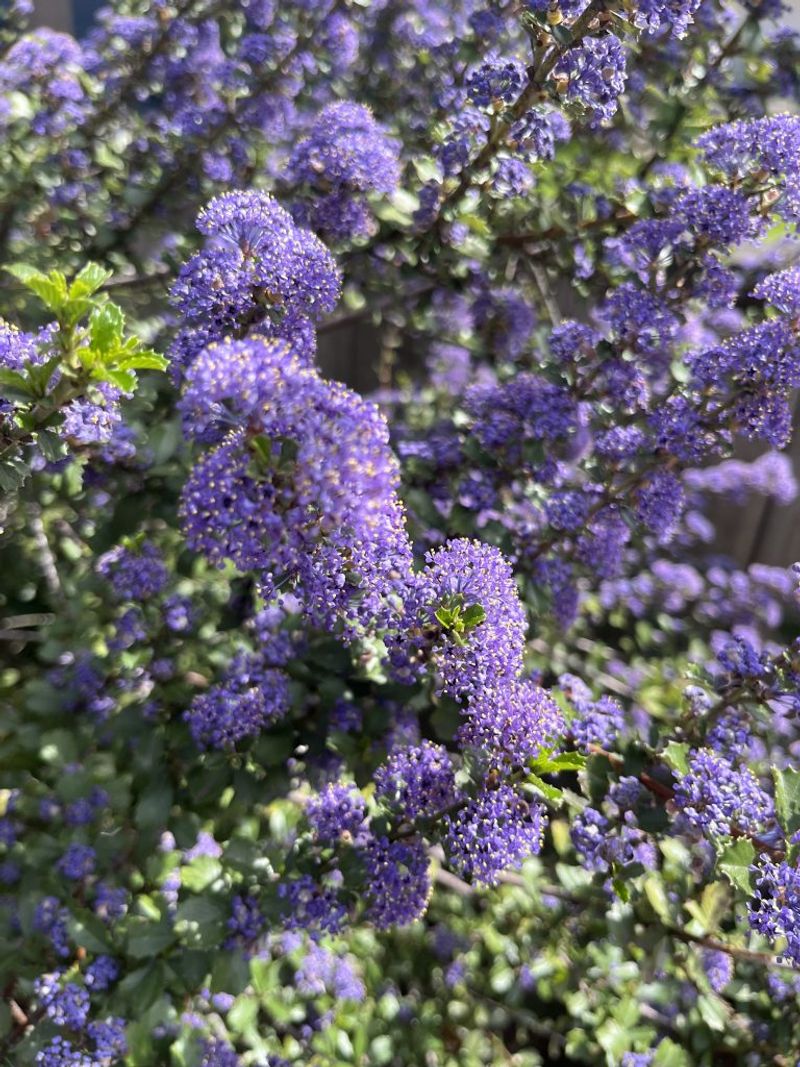
Wildfire embers can travel far ahead of the flames, landing in corners, gutters, and plants beside a house. That risk explains California’s focus on the first five feet around homes, known as Zone 0 or the ember-resistant zone.
In August 2026, the Board of Forestry and Fire Protection approved Zone 0 regulations, with a final state review required before they take effect. The rules apply in State Responsibility Areas and very high fire hazard severity zones.
Within that strip, a plant-free safety zone sits right against walls and under eaves. Beyond it, only small, well-maintained, nonwoody plants and low groundcovers fit the rules.
Ceanothus is a woody shrub, so it belongs outside the five-foot zone in covered areas. Gravel, pavers, or other noncombustible materials suit the space nearest the walls, since bark and wood chip mulch are also ruled out there.
California lilac can then frame the walkway from farther out.
Spacing matters beyond Zone 0, too. Gaps between shrubs make it harder for fire to jump from plant to plant.
Windows, eaves, and vents deserve clearance as well. Branches trimmed back from the house add another layer of protection.
Regular cleanup makes a real difference. Fallen leaves, brittle twigs, and dry flowers collecting under the shrub are best raked out, especially in summer and fall.
A healthy, well-tended plant holds more moisture than a neglected one. CAL FIRE and local fire agencies can confirm current rules and timelines for a specific property.