Can You Be Fined For Overwatering Your Yard In California?
A few everyday yard habits carry more weight than most people realize. Something as routine as a sprinkler schedule can quietly cross a line many homeowners didn’t know existed.
California treats water as a precious shared resource, and local rules reflect that reality in ways that often surprise new residents.
Some of those rules stay on the books year after year, through wet seasons and dry ones alike.
Consequences tend to arrive gradually, starting with gentle reminders before anything more serious.
The good news is that staying in the clear usually takes only a little attention and a few inexpensive fixes.
A well-tuned yard can save water, trim the monthly bill, and keep unwelcome notices off the front door.
1. Water Waste Can Bring A Fine
A small door hanger reading Water Waste Notice is the last thing anyone wants to find. Thousands of Californians have discovered one over the years, because wasteful outdoor watering really can lead to a fine.
The rules come from two directions. During drought emergencies, the State Water Resources Control Board has adopted statewide water waste prohibitions under Water Code Section 1058.5.
Cities and water agencies also pass their own ordinances. Those local codes often add watering days, time limits, and penalties of their own.
Several habits commonly appear on the list. Sprinklers that send water onto sidewalks or streets count as waste, and so does watering during or shortly after measurable rain.
Washing a car with a hose that lacks a shutoff nozzle and hosing off driveways also make most lists.
Some people assume these rules matter only during droughts. State emergency rules do come and go with dry spells, but many local bans stay in effect all year.
California swings between wet and dry years quickly, so a rainy winter rarely erases a city’s water code. Many agencies made drought-era prohibitions permanent for exactly that reason.
The answer to the big question is a clear yes. Fines are possible, though also easy to avoid.
Once the definition of waste becomes clear, staying on the right side of the rules mostly comes down to a well-tuned sprinkler, a smart timer, and a few simple habits around the house and yard.
2. Runoff Onto Streets Is The Top Violation
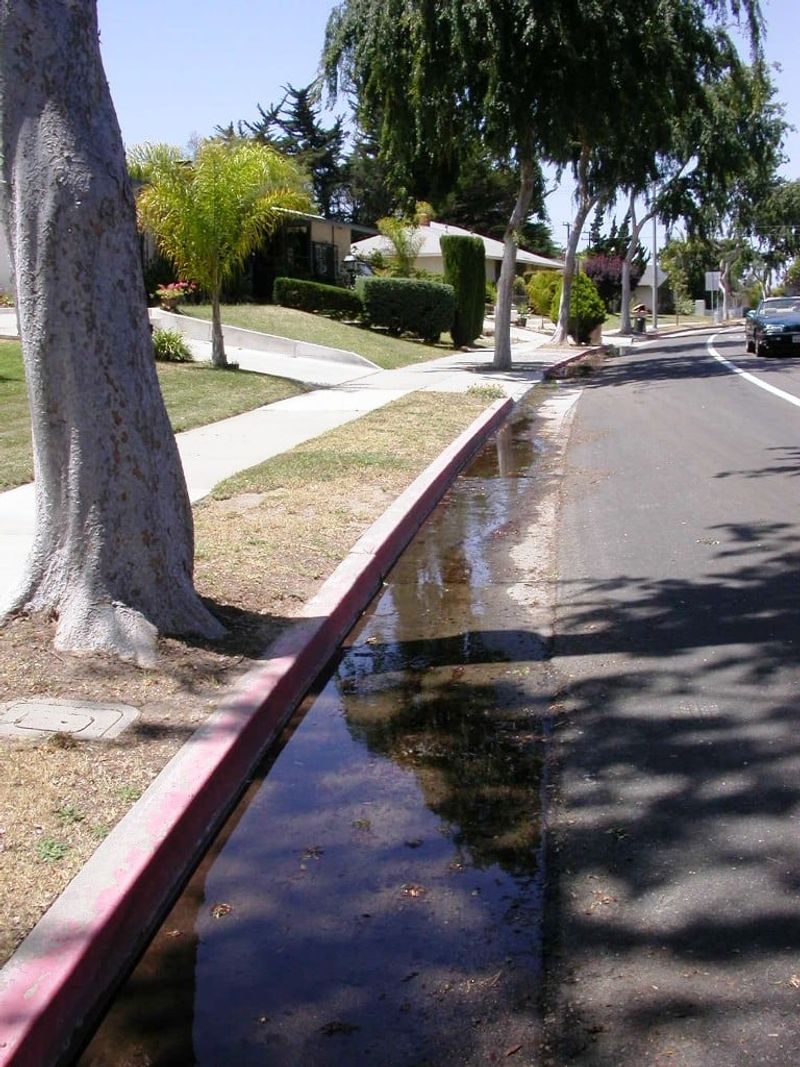
A thin stream trickling along the curb on a sunny morning gives the game away to anyone walking by. Enforcement staff often spot it before anything else, which makes runoff one of the most common water waste complaints.
The typical rule is simple. Irrigation that sends runoff onto sidewalks, walkways, driveways, streets, parking lots, or a neighbor’s property counts as waste.
The source doesn’t matter. A sprinkler, a drip line, or a handheld hose can all cause a violation.
Agencies care for good reason. Runoff is wasted water that fails to reach plant roots.
Along the way, it picks up fertilizer, pet waste, and pesticides. Most California storm drains flow to creeks and the ocean without treatment.
Common causes are easy to fix once spotted. Sprinkler heads get knocked sideways by mowers or foot traffic, and spray patterns can hit pavement instead of grass.
Your California Garden Changes Every Week. Your Plan Should Too.
Gardening in California changes quickly throughout the season. Every Friday you’ll receive a simple weekly plan showing exactly what to plant, prune, fertilize, harvest, and protect so you never miss the right timing.
Slopes and hard clay soil also struggle to absorb water as fast as sprinklers pour it out.
A quick check reveals a lot. Running each zone for a few minutes while watching where water lands shows exactly when puddles start creeping off the edge.
When runoff begins after, say, six minutes, splitting that zone into two shorter cycles with a break between them helps. This trick, called cycle and soak, lets the lawn drink more and the gutter less, a habit worth carrying into fall.
3. Watering Right After Rain Breaks The Rules
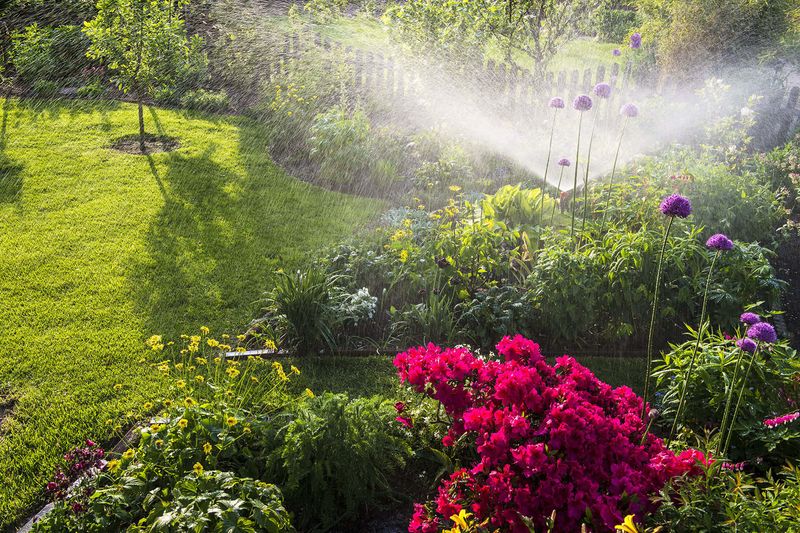
Rain gauges cost little, and in California they can save real money. A storm rolls through overnight, the soil soaks up plenty, and then the timer clicks on at 6 a.m. as if nothing happened.
Neighbors notice, and so do water agencies. State emergency rules and many local codes ban outdoor irrigation during and within 48 hours after measurable rainfall.
Definitions of measurable rain vary, commonly ranging from about a tenth of an inch to a quarter inch. A local agency’s own wording settles the question.
Watering right after a storm adds nothing plants need. Wet soil can hold little more, so the extra drains away or runs into the street.
Roots sitting in soggy ground can also rot, and lawns grow mushrooms and fungus faster.
Keeping track is easier than it sounds. A phone reminder to pause the controller whenever the forecast calls for a real storm works well, especially as October brings the first fall systems.
Many smart controllers check local weather and skip cycles automatically, and some water districts offer rebates to help cover the cost.
A simple rain sensor offers another solid fix. The small device mounts on a fence or roof edge and signals the controller to stop when it gets wet.
After the 48 hours pass, a screwdriver pushed a few inches into the soil provides a final check. When it slides in easily, waiting even longer makes sense, letting the clouds handle the watering for a while.
4. Hoses Need A Shutoff Nozzle
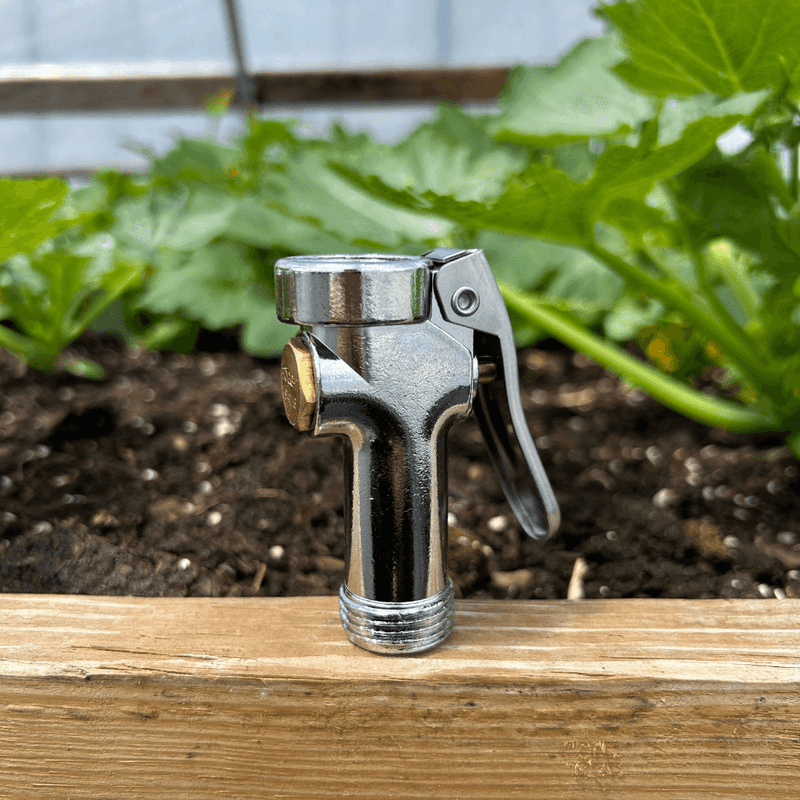
A Saturday car wash in the driveway, hose lying on the ground, water gushing while someone scrubs the tires, feels like a classic American scene. Under California water waste rules, that open hose creates a problem.
Washing a motor vehicle with a hose is commonly prohibited unless the hose has a shutoff nozzle or similar device that stops the flow when released.
Many cities apply the same idea to any hose used outdoors, so local code deserves a quick look. The fix costs only a few dollars at a hardware store.
Numbers explain the rule. A standard garden hose can pour out several gallons every minute.
A hose left running through a 20-minute wash could send well over 100 gallons down the driveway, most of it straight into the storm drain.
A nozzle that snaps shut automatically when the trigger releases works best. Pistol grips and thumb-control models both do the job, and metal versions tend to outlast cheap plastic ones that crack after a summer in the sun.
A few habits help, too. A bucket of soapy water handles the scrubbing, leaving the hose for rinsing only.
Parking on the lawn, where cities allow it, lets rinse water soak into the grass rather than the gutter.
Commercial car washes that recycle water offer another route, and many use far less per car than a typical home wash. The car comes out clean either way, and the water bill stays a little lighter.
5. Hosing Down Hard Surfaces Is Off Limits
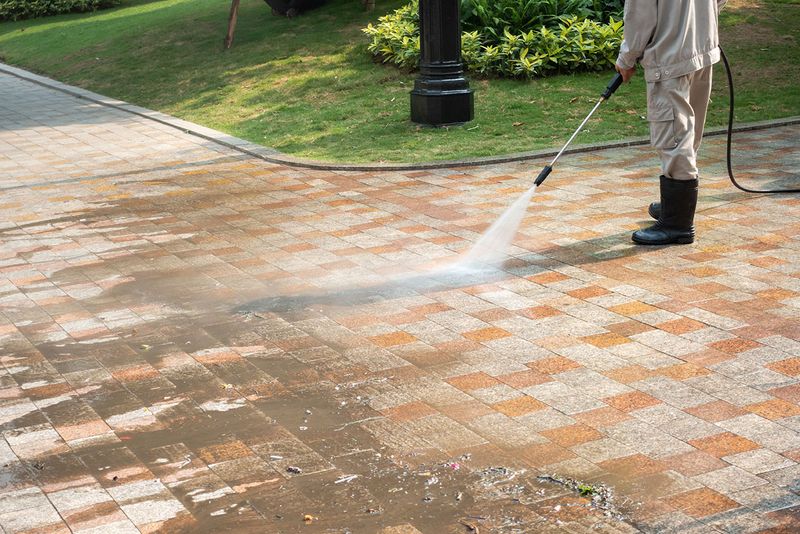
Leaves on the patio, dust on the walkway, and a few sticky spots from last weekend’s barbecue make reaching for the hose feel natural. In California, though, using a hose to wash down driveways, sidewalks, and other hard surfaces is commonly banned under water waste rules.
Concrete and asphalt don’t need water, and everything sprayed simply flows to the gutter and storm drain.
Some rules carve out exceptions for health and safety, such as cleaning up a spill or animal waste. The local ordinance spells out exactly which exceptions apply.
A broom serves as the real hero here. Sweeping takes about as long as hosing and uses no water at all.
A leaf blower handles larger areas, though some cities restrict gas-powered models, so a quick check before buying helps. Fall leaf drop makes these tools especially handy.
Stubborn stains respond to a scrub brush, a bucket of water, and a little cleaner. Oil spots on driveways often lift with cat litter or baking soda left overnight and swept up the next day.
Sticky spills come up with a damp mop.
Pressure washing falls into a gray area in many cities. Some allow it for prep work before painting or for safety, while others treat it as hosing down a hard surface.
Low-flow pressure washers use less water than a garden hose, but a call to the water agency beforehand is wise. A quick question costs nothing, while a fine could cost far more.
6. Fines Can Reach Five Hundred Dollars A Day
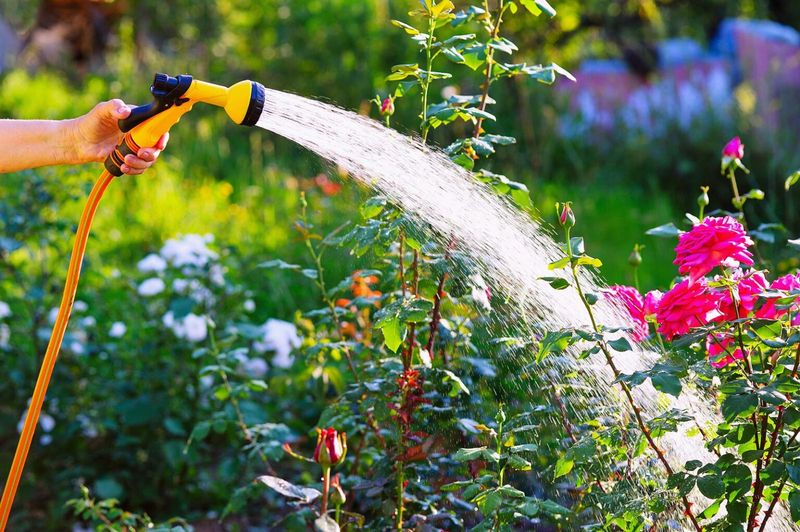
Five hundred dollars buys a lot of mulch. During drought emergencies, the State Water Board’s regulations have also set that amount as the top penalty for water waste.
Under those emergency rules, a violation counts as an infraction punishable by a fine of up to $500 for each day it continues. Those state rules come and go with declared emergencies, so local ordinances often matter more day to day.
The phrases “up to” and “each day” both matter. The $500 figure serves as a ceiling, not an automatic charge.
Still, a broken sprinkler flooding the street for a week could, in theory, stack into a painful bill when an agency chooses to push hard.
Local agencies set their own penalties, too. Some charge a flat fee for a first violation and higher amounts for repeats.
Others add surcharges to the water bill, install flow restrictors for repeat offenders, or charge for staff time spent responding.
Amounts shift over time. Agencies have raised penalties during severe droughts and relaxed them when supplies improve, so older news stories may not match current rules.
A water provider’s conservation page or customer service line offers the most reliable answers. Allowed watering days and hours, what counts as a violation, and what each offense costs make three useful questions.
This article offers general information rather than legal advice. A sticky note with the answers, placed beside the sprinkler controller, keeps the whole household on the same page.
7. Fix Sprinklers And Timers To Stay Safe
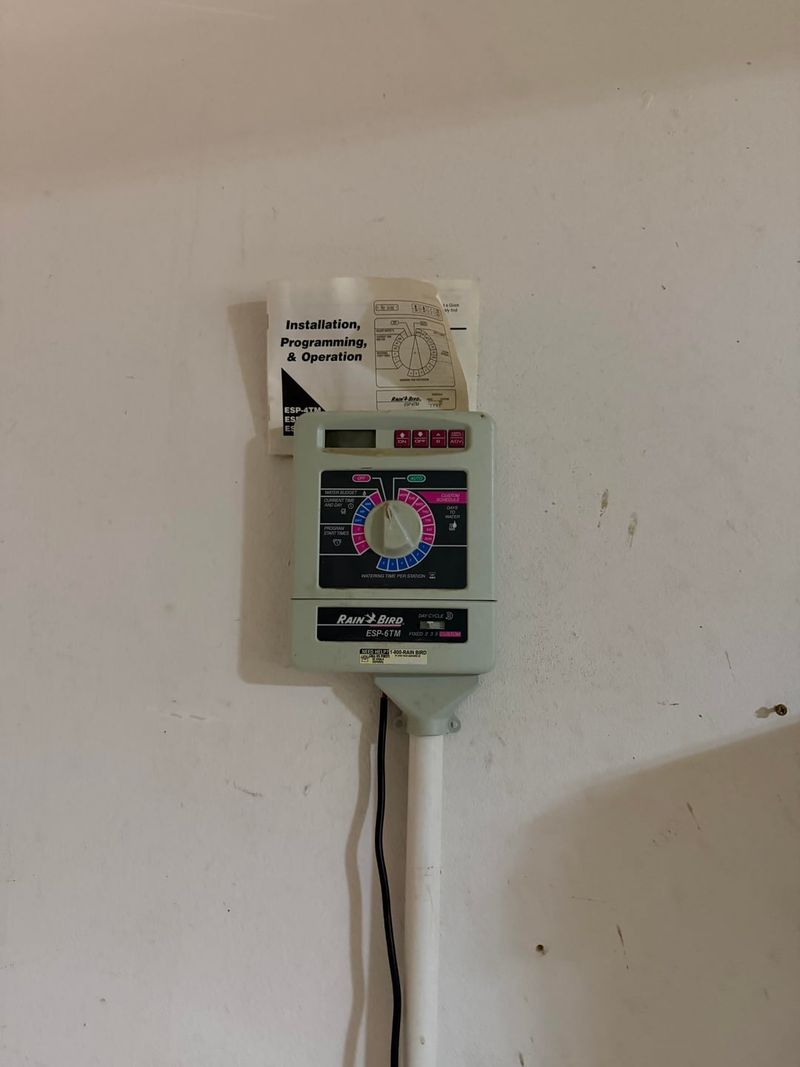
A screwdriver, a couple of small flags, and fifteen minutes on a Saturday morning can prevent most water waste violations before they start. Watching each zone while it runs reveals geysers, puddles, and spray hitting pavement.
Broken or tilted heads cause most trouble. Replacing cracked heads, straightening crooked ones, and clearing dirt from clogged nozzles solves many problems quickly.
An adjusted spray arc keeps water on plants rather than the sidewalk. High-efficiency rotating nozzles, which apply water more slowly, also reduce runoff.
The timer comes next. Settings that match the agency’s allowed days and hours, often early morning or evening, keep the household within the rules.
Seasonal updates matter, too, since a lawn needs far less water in December than in July. October marks the perfect moment to dial schedules back.
Deep, infrequent watering works best. Longer, less frequent soaks push roots deeper, so plants handle heat better and need help less often.
On slopes or clay soil, splitting long run times into short cycles stops runoff before it starts.
A rain sensor or weather-based smart controller adds the final layer, pausing the system automatically when storms arrive. Many agencies offer rebates that help cover the cost.
A tuned-up system saves water, trims the bill, and keeps a household’s name off the violation list. That small Saturday project tends to pay for itself well before the next dry summer arrives.