These California Yard Mistakes Can Attract More Scorpions To Your Home
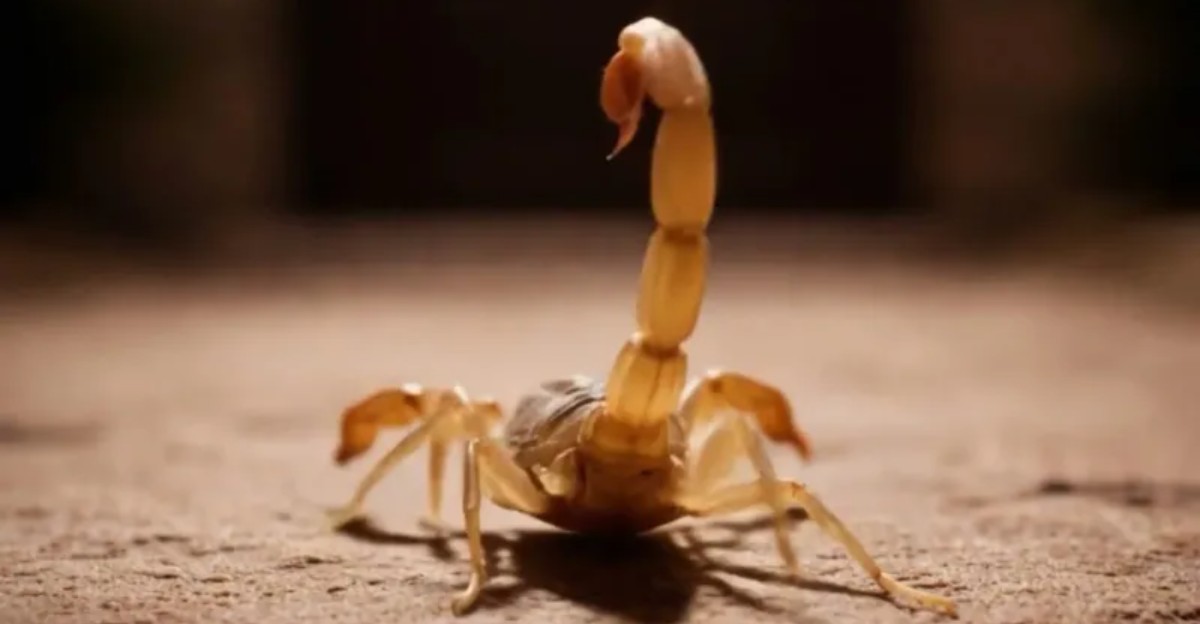
Some backyard visitors keep a very low profile. They spend sunny hours tucked out of sight and wait for darkness before venturing out, rarely noticed until an unexpected encounter.
Across Southern California and the desert regions, warm evenings bring these quiet hunters out in larger numbers than many people realize.
A surprising amount of their behavior depends on what the yard offers.
Certain everyday habits, most of them well intended, can roll out a welcome mat without anyone meaning to.
Small changes, on the other hand, often make a property far less inviting in a hurry.
With a few smart adjustments, the only thing tucked inside a slipper each morning will be a sleepy foot.
1. Stacking Firewood Against The House
Winter evenings by the fire feel cozy. Trouble often starts weeks earlier, when a cord of oak gets stacked right against the stucco to stay handy and dry.
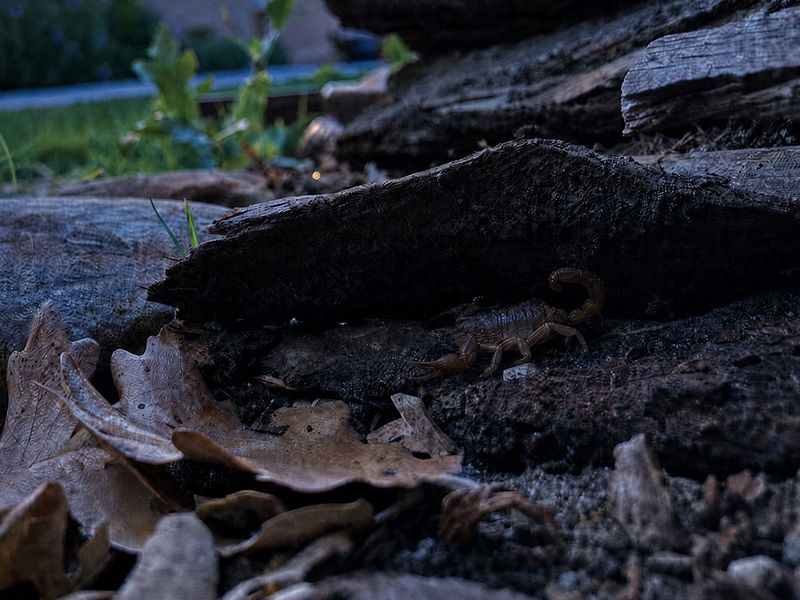
A woodpile works like a luxury apartment for scorpions. Gaps between logs stay cool and shaded through hot days.
Beetles, crickets, and other insects move in, too, so meals arrive right at the door. UC IPM lists woodpiles among the top daytime hiding spots for scorpions in California yards.
Location makes matters worse. A pile touching the house leaves only a few steps to a weep screed, a garage door gap, or a crack near a window.
That arrangement creates a hallway into the living room. October, when many households restock firewood, makes an ideal time to rethink placement.
Firewood stacked well away from the house, out in the open yard rather than against any wall or fence, offers far fewer shortcuts.
A metal rack that raises the pile off the ground lets air flow underneath and discourages critters from settling in. New Zone 0 fire rules also call for keeping firewood outside the first five feet around the home.
Scorpions often hide on the undersides of logs, so sturdy leather gloves work far better than bare hands. Each piece shaken out before it comes inside adds another layer of caution.
Bringing in only what will burn that day, rather than stockpiling logs beside the fireplace, keeps a cozy evening from turning into a stinging surprise.
2. Piling Rocks Bricks And Boards Near Walls
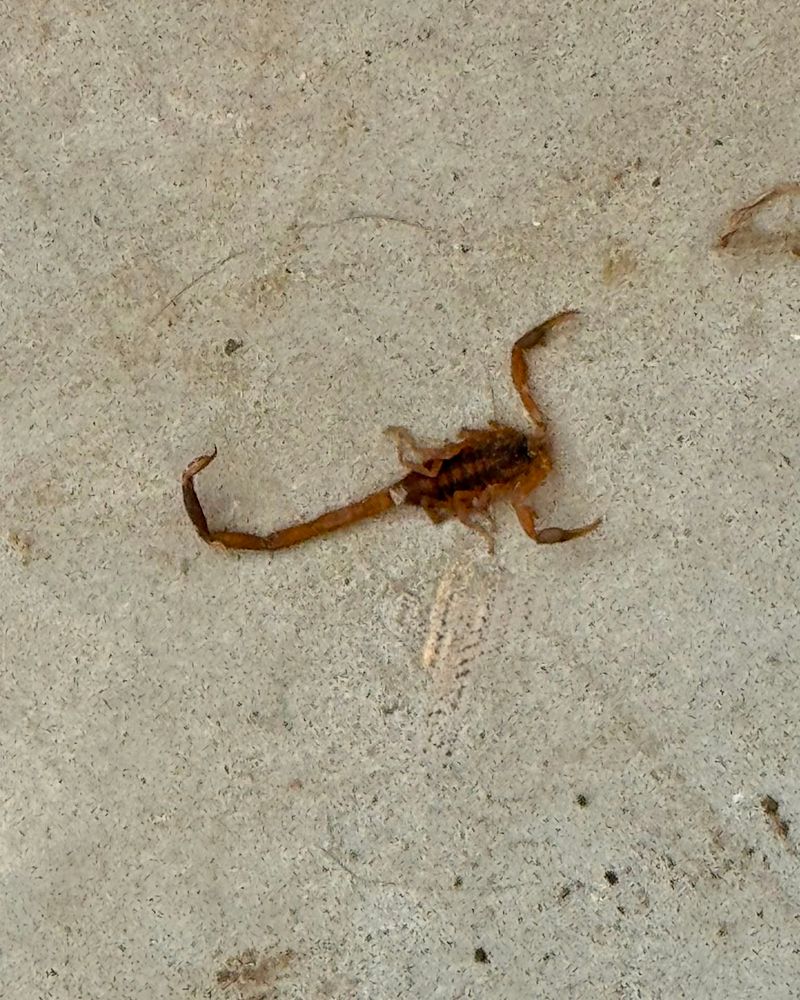
A flat stone lifted in a desert yard may reveal a quick flash of tan scuttling away. Leftover pavers, spare bricks, and old lumber look harmless, yet they create some of the best hiding spots a scorpion could want.
Scorpions are flat for a reason. Their low bodies slide easily into thin spaces, such as the gap beneath a board lying on dirt.
Underneath, the soil stays cooler and slightly damp, even on a scorching afternoon. Pill bugs, earwigs, and crickets gather there, too, turning each pile into a snack bar.
Location worsens the problem. A stack of bricks leaning against the foundation offers shelter just inches from the home.
When night falls, scorpions wander out to hunt and sometimes find a way inside instead.
Your California Garden Changes Every Week. Your Plan Should Too.
Gardening in California changes quickly throughout the season. Every Friday you’ll receive a simple weekly plan showing exactly what to plant, prune, fertilize, harvest, and protect so you never miss the right timing.
UC IPM suggests clearing trash, logs, boards, stones, and bricks from around the foundation. A weekend cleanup makes a strong start.
Building leftovers with no future use can be hauled away, recycled, or donated. Materials saved for a later project belong on a raised shelf in a shed or well away from the house.
Decorative rock borders can stay, as long as they don’t form deep, loose piles against the walls. A smooth band of gravel works better than stacked stones.
Gloves and a shovel or pry bar make moving long-settled materials much safer. Fingers stay out of hidden gaps, and any scorpion underneath has room to retreat.
3. Letting Branches Touch The Roof

A scraping sound across the roof on a windy night usually means a tree has grown long enough to rest on the tiles. That contact does more than make noise.
Scorpions climb well. They can scale tree trunks, crawl along limbs, and step onto the roof wherever a branch touches it.
From there, small openings near eaves, vents, and roof tiles can lead into the attic. Bark scorpions are especially known for climbing, though other species happily use a free bridge, too.
Overhanging limbs create a bonus problem. Shade and leaf litter on the roof hold moisture, which attracts insects.
More insects mean more food for any scorpion that wanders up. Rats and other pests also love these leafy highways, so trimming solves several issues at once.
UC IPM recommends pruning branches away from the house. A clear gap of a few feet between leaves and the roof, walls, and gutters makes a good goal.
Small branches respond well to loppers or a pole pruner. Larger limbs near power lines or high overhead call for a certified arborist rather than a wobbly ladder.
Fire safety adds another reason. Zone 0 rules approved this year call for branches trimmed five feet above roofs and kept out from under eaves.
California trees grow fast once spring warms, so a seasonal recheck helps. Shrubs and vines climbing the walls deserve the same trim, leaving scorpions no shortcut and the roof far cleaner.
4. Running Irrigation Against The Foundation
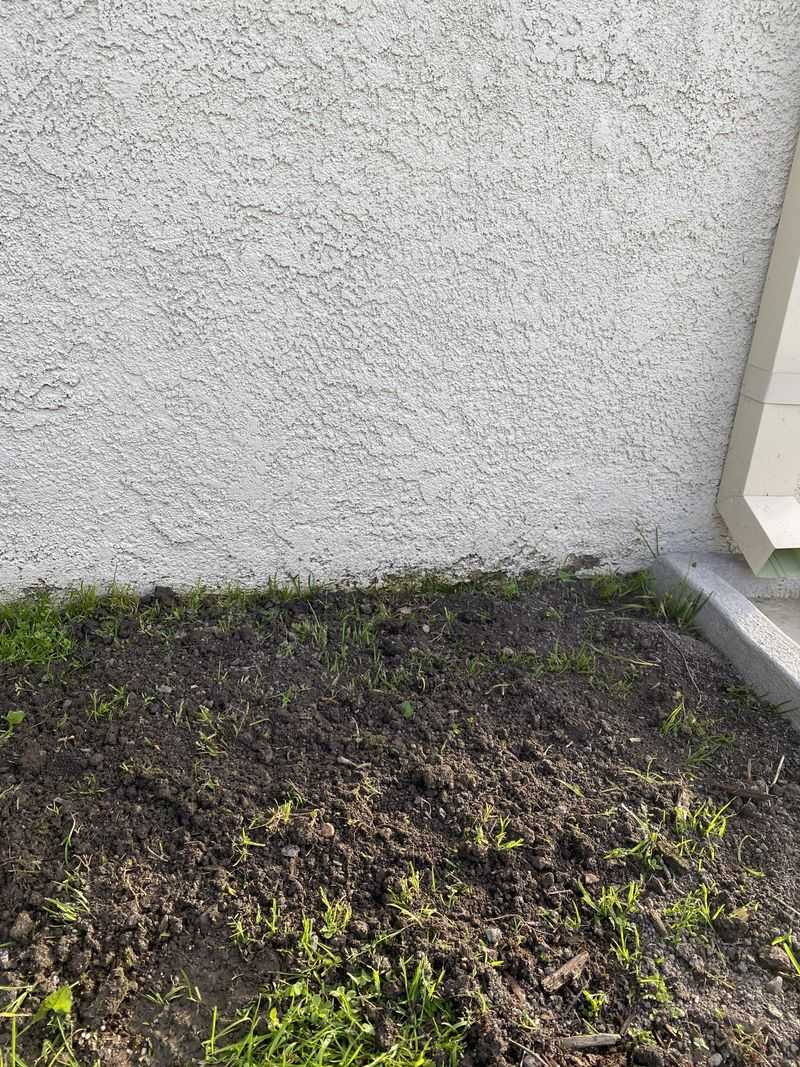
Dark, wet stains along the bottom of a stucco wall tell a revealing story. Sprinklers may be watering the house as much as the garden, and scorpions notice.
Even in dry country, scorpions need moisture. UC IPM notes that irrigated areas draw them, especially during hot, dry months.
A damp strip of soil along the foundation feels like an oasis. It also pulls in crickets, roaches, earwigs, and other insects that love wet ground, delivering water and a meal in one spot.
Thirsty flower beds planted right against the walls add to the problem. Thick plants hold moisture and shade, creating a jungle where prey multiplies.
Leaky hose bibs and dripping air conditioner lines do the same thing on a smaller scale.
Adjusting the spray pattern makes a good first step. Sprinkler heads aimed away from the house, or swapped for drip irrigation, put water at plant roots instead of across walls and walkways.
Early morning watering lets the surface dry during the day. Fall offers a good chance to reset timers as temperatures drop and plants need less.
A dry buffer adds lasting protection. A strip of about one to two feet beside the foundation, free of thirsty plants and filled with gravel or bare, packed soil, keeps the edge drier.
Repaired faucets and condensate lines routed away from the wall finish the job. A drier edge means fewer bugs, and fewer bugs mean fewer hungry hunters near the door.
5. Leaving Bright White Lights On All Night
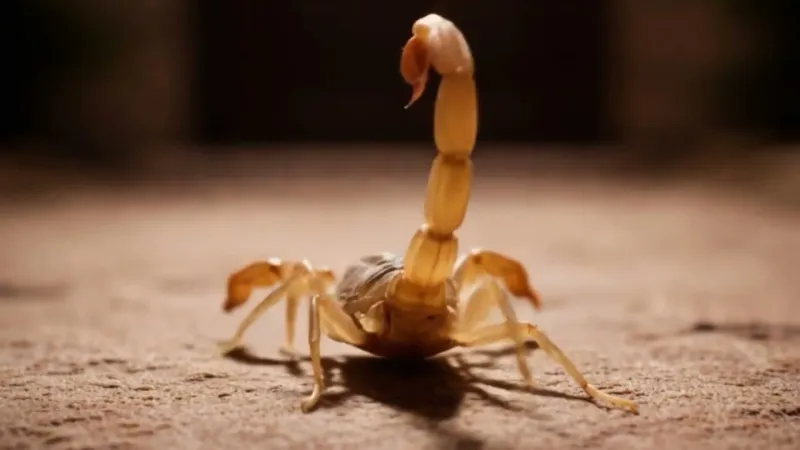
Moths, beetles, and gnats swirl around a summer porch light like fans at a concert. Somewhere below, a scorpion may be waiting for the show to end.
Scorpions care little about the light itself. They care about the buffet it creates.
UC IPM explains that outdoor lights attract insects, and scorpions come to feed on them. A bright bulb near the front door can turn an entry into the busiest hunting ground on the block.
White and bluish bulbs pull in the most bugs. Leaving them on from sunset to sunrise keeps the party going for hours.
Fallen insects pile up on porches and patios, so scorpions can wander right up to the threshold looking for leftovers.
Switching colors makes an easy upgrade. UC IPM recommends yellow outdoor lighting because it draws fewer insects.
Yellow LED bulbs labeled as bug lights use little energy and last a long time. Doors, garages, and patios make the best places to swap first.
Timing helps, too. Motion sensors or timers let lights shine only when someone needs them.
Warm October evenings keep insects active, so the change pays off right away.
Fixtures pointed down toward walkways, rather than out into the yard, cut stray glow. Decorative lights placed away from the house draw any gathering bugs far from the doors, and fewer moths add up to a much less inviting evening for scorpions.
6. Leaving Cracks And Gaps Unsealed
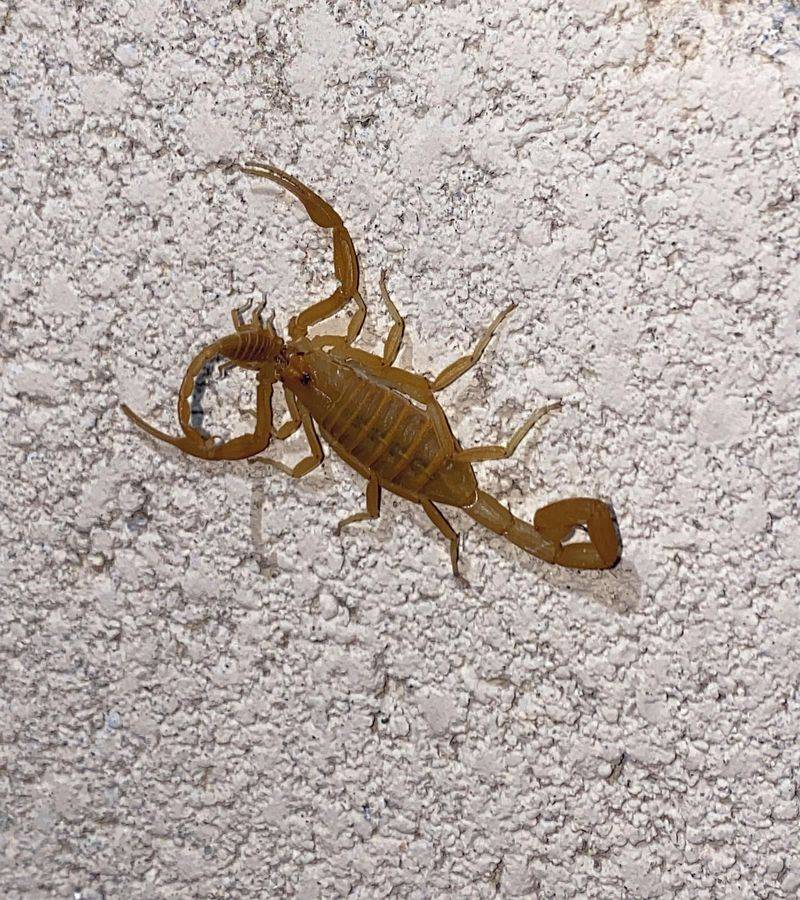
A credit card slipped under the front door offers a quick test. When it slides through with room to spare, a scorpion can likely fit as well.
Scorpions squeeze through openings about as thin as a credit card. Gaps under doors, cracks in stucco, loose window screens, and spaces around pipes and wires all serve as entry points.
Once inside, they tend to hide in closets, under furniture, in shoes, or in piles of laundry on the floor.
Older California homes often have settling cracks along the foundation and around window frames. Dryer vents and holes where cable lines enter can stand wide open, too, while weep screeds need careful screening rather than caulk so they can still drain.
UC IPM recommends weatherstripping and caulking to keep scorpions out. A slow walk around the house with a flashlight reveals most trouble spots.
Cracks in walls and around windows seal well with a quality outdoor silicone or acrylic caulk. Holes around pipes and wires take caulk or expanding foam.
Doors deserve extra attention. Sweeps on the bottoms of exterior doors and the door between the garage and house close a major gap, while fresh weatherstripping along the sides and top finishes the seal.
Indoors, a quick habit adds protection. Shoes and clothes left on the floor, especially in the garage, benefit from a shake before use. An afternoon of sealing pays off for years.
7. Ignoring Crickets And Roaches
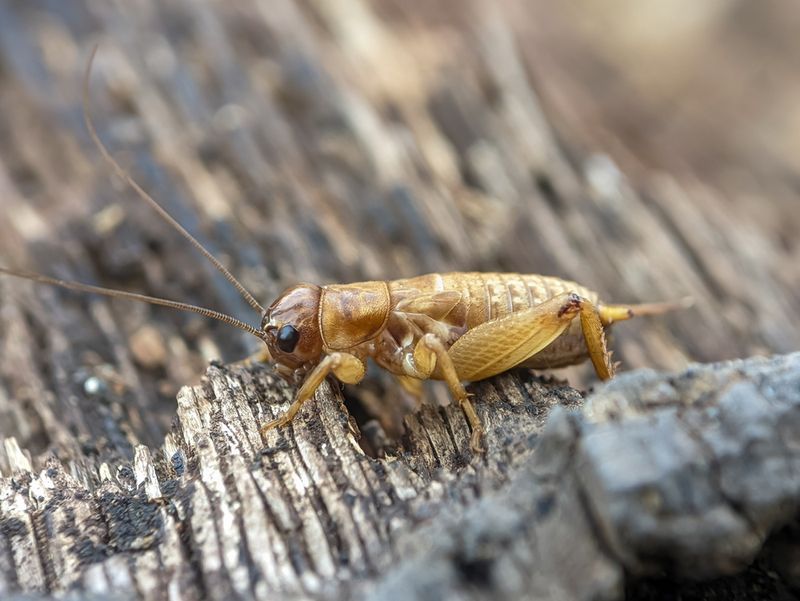
Chirp, chirp, chirp. That cheerful sound outside a bedroom window may seem like summer music, but to a scorpion it rings like a dinner bell.
Scorpions are predators that feed on crickets, cockroaches, spiders, and other small insects. A yard full of easy prey keeps them well fed and happy to linger.
Cutting the food supply makes a property far less appealing. Several other mistakes on this list feed directly into this one.
Wet soil, bright lights, clutter, and leaf piles all help insects thrive. Fortunately, the fixes overlap, and each change shrinks the menu.
The basics make a solid foundation. Pet food belongs in sealed containers, and outdoor bowls are best brought in before dark.
Garbage and recycling bins stay closed tight and benefit from an occasional rinse. Fallen fruit, leaf piles, and lawn clippings raked up near the house remove more insect hideouts, which matters as autumn leaves start to drop.
Indoors, wiped-up crumbs, repaired leaks under sinks, and a tidy garage all help. Cardboard boxes stacked on the floor make roach and cricket hotels, so lidded plastic bins work better.
Sticky traps placed along garage walls reveal where insects enter. That information helps target the next round of sealing.
Roaches or crickets that keep appearing in large numbers call for a licensed pest professional. Once the snacks disappear, scorpions usually move on to search for better hunting grounds elsewhere.
8. Leaving Palm Skirts And Bark Mulch Near Walls
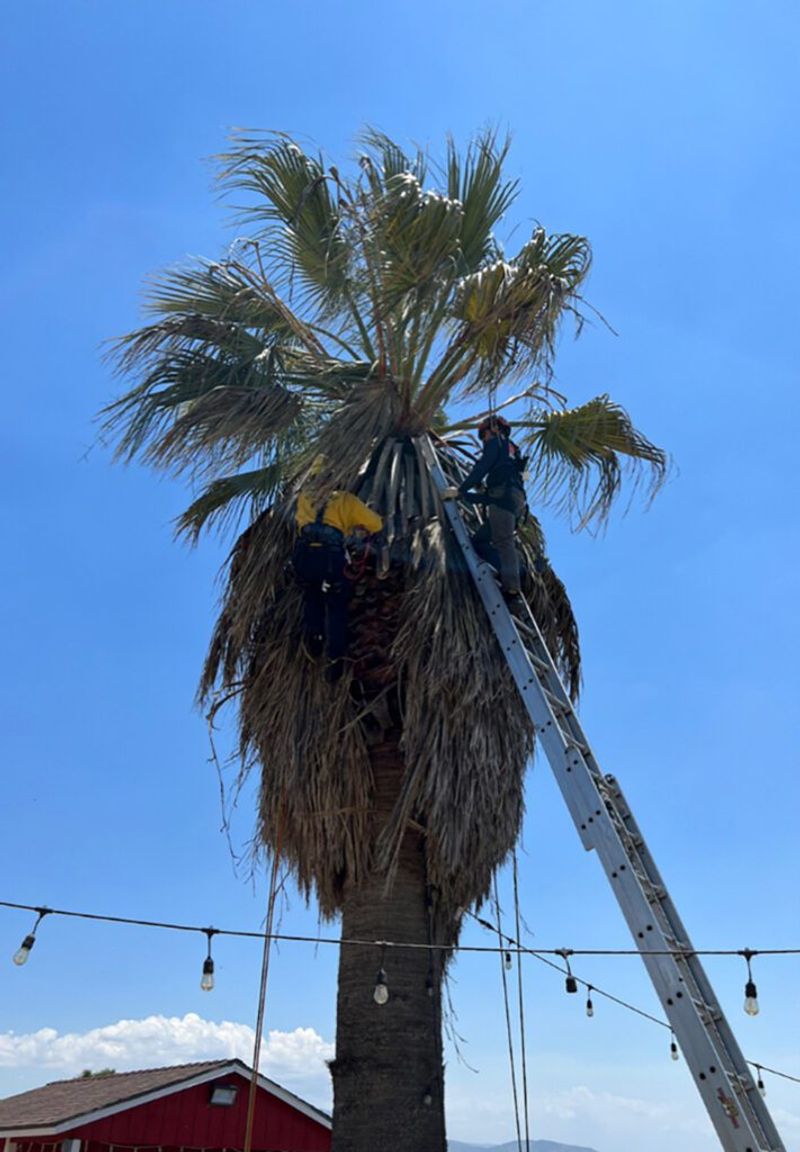
Shaggy brown skirts on fan palms give many Southern California streets a classic look. A peek inside one, however, may reveal a crowd of scorpions enjoying the shade.
UC IPM lists palm trees and decorative bark among favorite daytime hiding places. Old, brown fronds hanging down the trunk trap cool air, moisture, and plenty of insects.
Thick bark mulch does the same at ground level, staying damp and loose enough for scorpions to burrow just beneath the surface.
Trouble grows when these features sit right beside the house. A palm planted close to the wall, with fronds brushing the roof, works as both shelter and ladder.
Regular removal of old fronds keeps the skirt from building up, and palms are best kept clear of roofs and walls. Tall palms call for a trained tree care professional, since climbing them is risky.
Mulch deserves a rethink, too. Approved Zone 0 rules exclude bark mulch within five feet of homes in designated fire hazard areas, and gravel or decomposed granite makes a drier, less cozy border everywhere.
Gloves stay essential when handling fronds or digging in mulch.
A sting, should one happen, calls for washing the area with soap and water and applying a cool compress. Poison Control at 1-800-222-1222 can advise on symptoms.
The bark scorpion, found mainly near the Colorado River, is the only California species considered dangerous. Stung children or anyone with severe symptoms need prompt medical care.