Grow These Carnivorous Plants On Your Windowsill
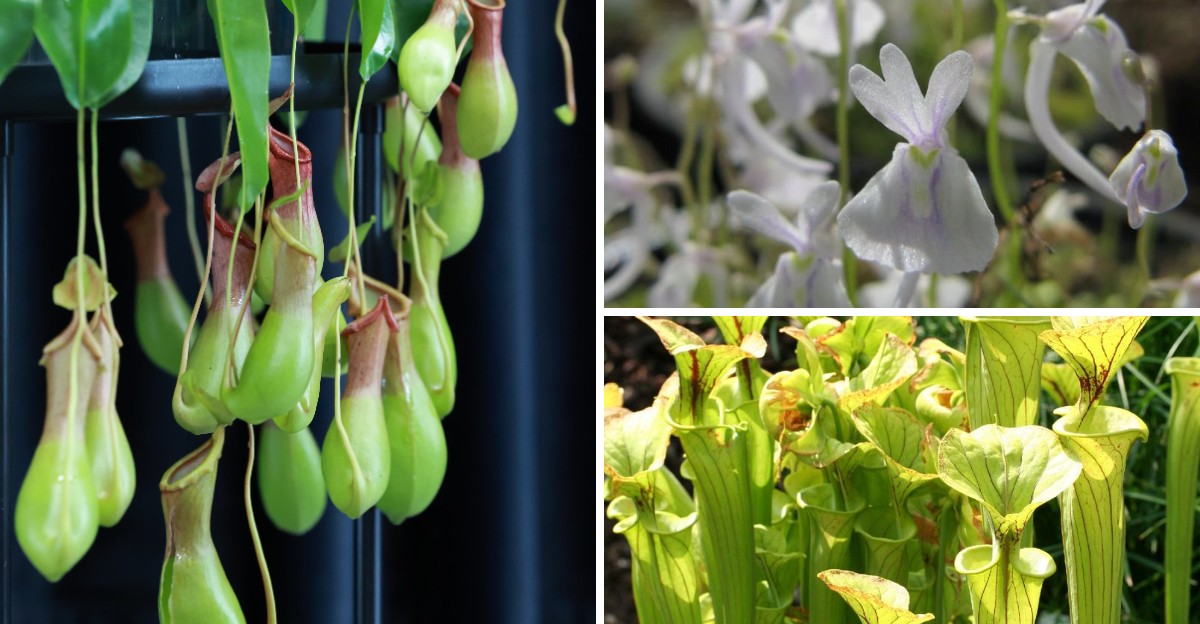
Your windowsill could soon host a predator that digests flies. You will watch a fly land, sip sweetness, and lose its freedom.
Sundews give you glittering leaves coated in sticky droplets that grip gnats. Pitcher plants offer you slippery cups that send insects sliding into digestive fluid.
Flytraps snap shut within about a blink, sealing prey inside. October gives you shopping time as cooler air pushes gardeners inside.
Sunny glass becomes premium real estate for your new hunters. Offer them bright light and you earn vigorous growth.
Water them with rainwater or distilled water since tap minerals damage roots. Skip fertilizer, because you want insects supplying the nutrients.
Fruit flies and gnats start sticking to leaves within days. Trim spent traps with clean scissors to keep mold away. Landlords demand rent, but you collect fewer pests and a cleaner counter.
1. Venus Flytrap Snaps Shut Fast
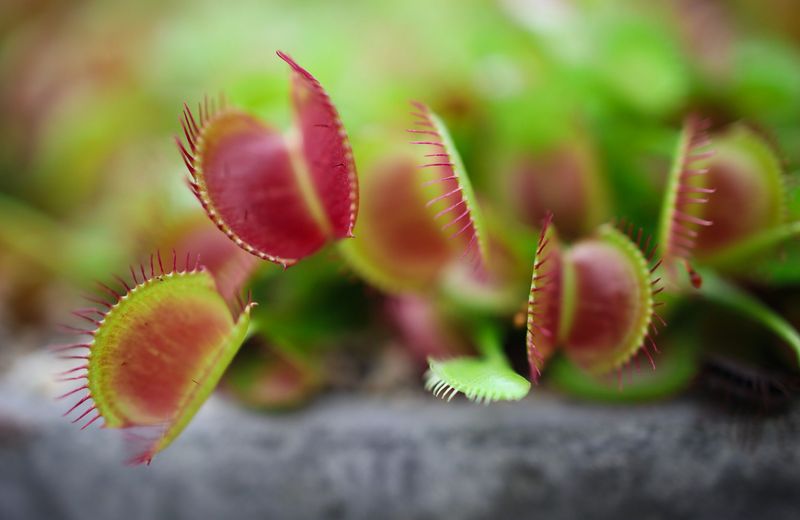
Few things at home feel as thrilling as watching a leaf snap shut on a buzzing fly in about a tenth of a second.
Charles Darwin called the Venus flytrap one of the most wonderful plants in the world, and it grows wild only within about 75 miles of Wilmington, North Carolina.
Each trap has tiny trigger hairs inside its pink mouth. A bug must touch two hairs within about twenty seconds before the leaf snaps shut.
That clever trick stops raindrops from causing false alarms. It also means you should resist poking the traps just to watch them move.
Every snap uses lots of energy, and a trap can only close a handful of times. After that, it turns black and falls off, which is normal.
Give your flytrap the sunniest window in your home, ideally one facing south. At least four to six hours of direct light keeps the traps red and strong.
Water it with rainwater or distilled water from the store. Tap water carries minerals that slowly stress the roots of this sensitive little hunter.
Set the pot in a tray with an inch of water so the soil stays damp. Use a mix of peat moss and perlite, not regular potting soil.
October is when things get sleepy, because flytraps need a winter rest. As days shorten, growth slows, and the plant will look a bit tired.
Move it to a cool spot around 40 degrees, like an unheated porch window, until spring. Skipping this nap can weaken the plant within a year or two.
2. Cape Sundew Glitters And Grips
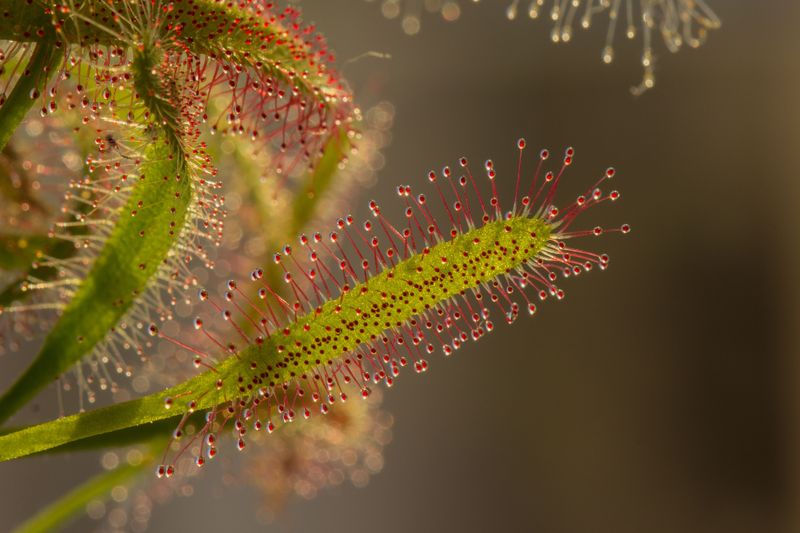
Glittering like it just came from a party, the Cape sundew sparkles in morning light. Those shiny drops look like dew, yet they work more like superglue.
Each long leaf is covered in red hairs tipped with sticky goo. When a gnat lands, it gets stuck, and the leaf slowly curls around it.
Watching that curl happen over a few hours is oddly relaxing. It feels a little like seeing a slow-motion hug with a very unlucky guest.
Originally from South Africa, this sundew is one of the easiest carnivorous plants for beginners. It forgives small mistakes and grows quickly once it settles in.
Unlike the flytrap, it does not need a winter nap. That makes it a perfect year-round windowsill buddy, even in chilly October.
Bright light is the secret to keeping those drops plump and shiny. A sunny windowsill works, but a small grow light helps on cloudy days.
Keep the soil wet at all times by setting the pot in a shallow saucer of water. Rainwater or distilled water is a must, since minerals cause brown leaf tips.
If fungus gnats bug your other houseplants, place a sundew nearby. Within days, you may spot tiny black specks stuck on its leaves.
Be warned, though, that this plant loves to share. It drops seeds into nearby pots, so baby sundews may pop up all over your collection.
Many growers see that as a bonus, and extra seedlings make cheerful gifts. Check local rules before planting outdoors, since it has spread beyond its native range.
3. Mexican Butterwort Fools Its Visitors
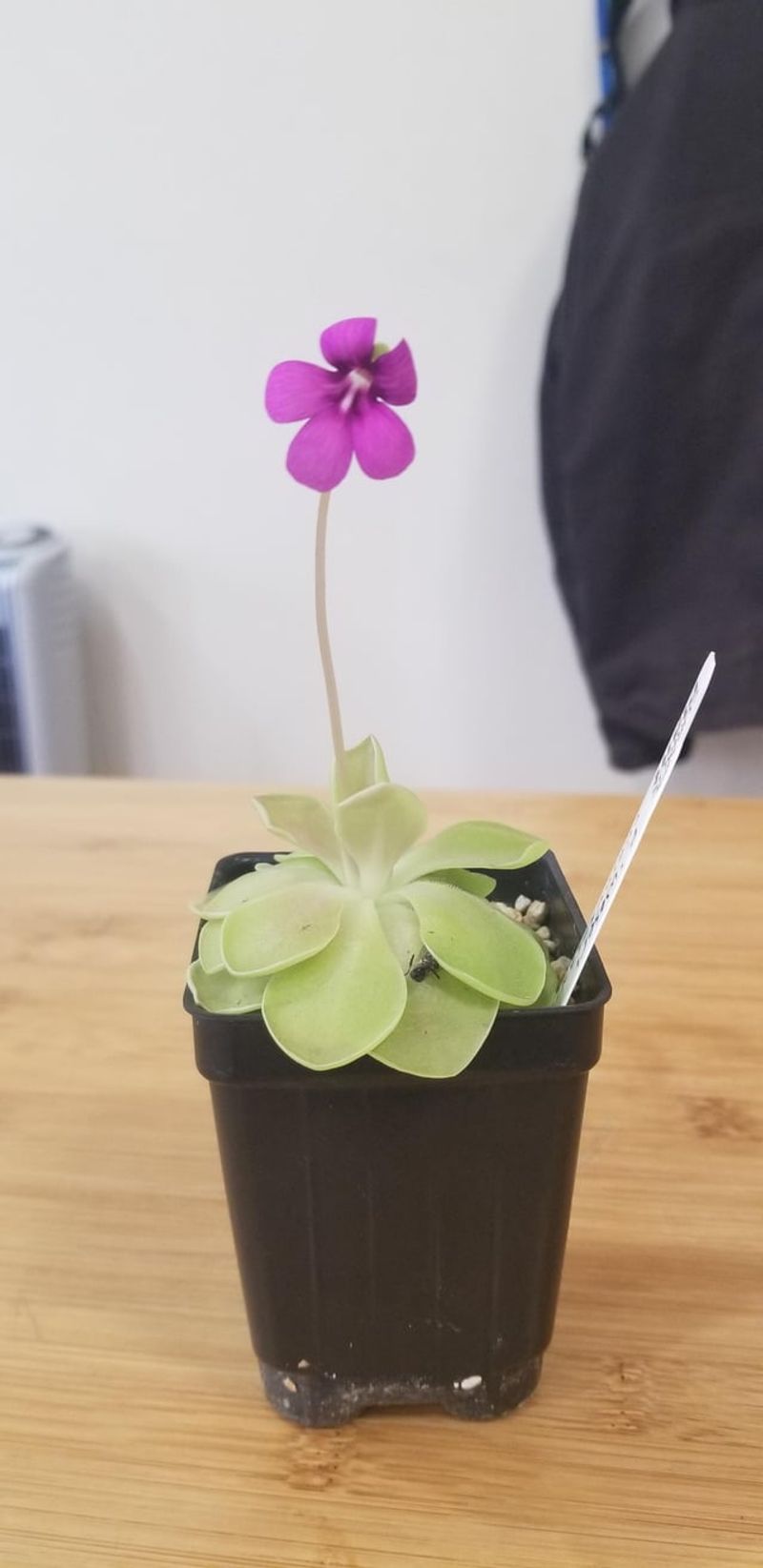
Imagine a flat green rosette that looks more like a succulent than a bug catcher. Mexican butterworts are easy to mistake for succulents, and insects land on them anyway.
Their leaves feel greasy, almost like butter, which is how they got the name. That slick coating is actually a thin layer of sticky glue.
Gnats and fruit flies land, get stuck, and slowly break down as the leaf digests them. The leaf edges sometimes roll up a little to keep the meal from sliding away.
Kitchen windowsills are a great home for these plants. They grab the fruit flies that buzz around your banana bowl like tiny bouncers.
Butterworts also produce stunning flowers in pink, purple, or white on tall thin stems. Many people buy them for the blooms and only later notice the bug-catching.
Care is a little different from most carnivorous plants. In winter, many Mexican types switch to small, tight leaves and prefer drier soil.
When you see that change in October or November, cut back on watering. Let the soil get almost dry before giving it another drink.
During summer, keep the soil lightly moist but not soggy. A mix of perlite, sand, and a little peat drains well and keeps roots happy.
Bright, indirect light from an east or west window suits them nicely. Too much hot afternoon sun can scorch those soft, buttery leaves.
Pick one up for the beauty, and keep it for the pest control. Fungus gnats and fruit flies may thin out near it, though the effect is modest.
4. Tropical Pitcher Plant Dangles Jungle Lanterns
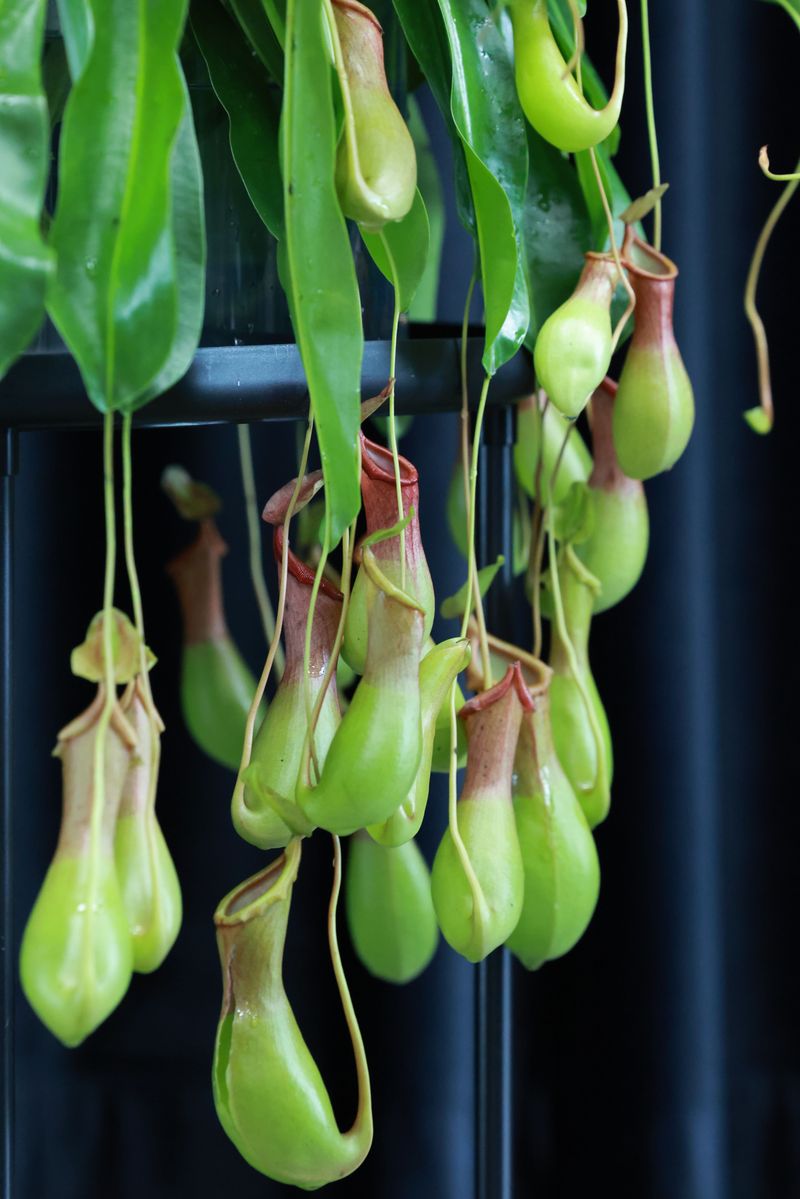
Hanging cups dangle from the leaf tips like tiny jungle lanterns. Tropical pitcher plants, called Nepenthes, come mainly from tropical Asia, from steamy lowlands to cool, misty highlands.
Each pitcher forms at the end of a thin tendril that grows from a leaf. Over a few weeks, it swells, opens its lid, and gets ready for business.
Inside, a slippery rim and sweet nectar lure ants, flies, and even small beetles. Once they slip in, a pool of digestive juice waits at the bottom.
Some giant species in the wild hold up to about three and a half liters of liquid, nearly four quarts. Rats have even been found inside a few of the biggest pitchers.
Thankfully, the windowsill varieties stay much smaller and a lot friendlier. Hybrids like Nepenthes ventrata are tough, cheap, and great for first-time growers.
Grow yours in a hanging basket near a bright east or south window. The pitchers look amazing when they spill over the sides.
Humidity helps these plants form pitchers. During dry winter months, a small humidifier near the pot works better than misting.
Use a loose mix of sphagnum moss, orchid bark, and perlite. Water with distilled water and let the top stay lightly damp, not soaking.
As October heating kicks on, indoor air gets dry quickly. If new leaves stop making pitchers, low humidity or weak light is usually the cause.
Many growers avoid pouring water into the pitchers, since it can dilute their digestive fluid. Let the plant handle its own snacks while you enjoy the view.
5. Purple Pitcher Plant Catches The Rain
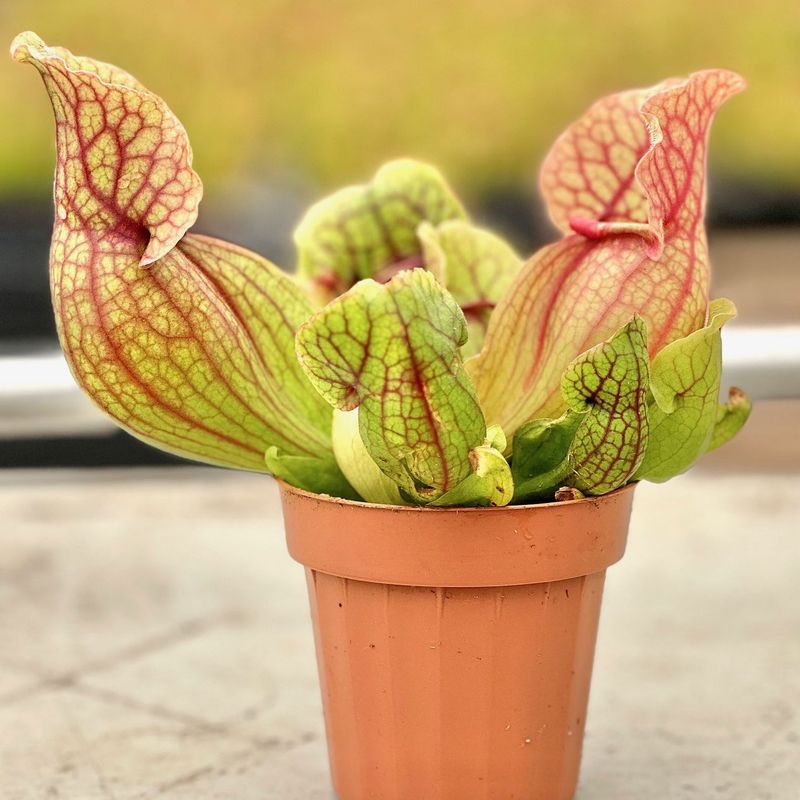
Long before houseplants were trendy, Indigenous peoples in Canada used the purple pitcher plant as medicine. Today it is the official flower of Newfoundland and Labrador, which reflects its cold hardiness.
Its pitchers sit low and chunky, shaped like plump green and burgundy horns. Unlike many tall pitcher types, it has no hood over the opening, so rain pours straight in.
Rainwater collects inside, and tiny organisms help break down the meals. Insects tumble in, and downward-pointing hairs stop them from climbing out.
Tiny mosquito larvae and midges actually live inside the pitchers without harm. They form a whole miniature ecosystem right on your windowsill.
Full sun is essential for this sturdy grower. A south-facing window gives the best color, turning leaves deep wine red.
Keep it sitting in a tray of distilled or rainwater all summer long. Soil should feel like a soaked sponge most of the growing season.
October signals rest time, much like the flytrap. Purple pitchers need three to four months of cold winter dormancy to stay healthy.
An unheated garage window, chilly porch, or even a fridge can work. Keep the soil slightly damp and check on it every few weeks.
Some leaves may brown during winter, and that is perfectly normal. Trim them off in early spring as fresh pitchers start to push up.
Fans of tough plants will love how hardy this one is, provided it gets strong sun. Give it sun, wet feet, and a cold nap, and it will reward you for years.
6. Albany Pitcher Plant Surprises With Tiny Cups
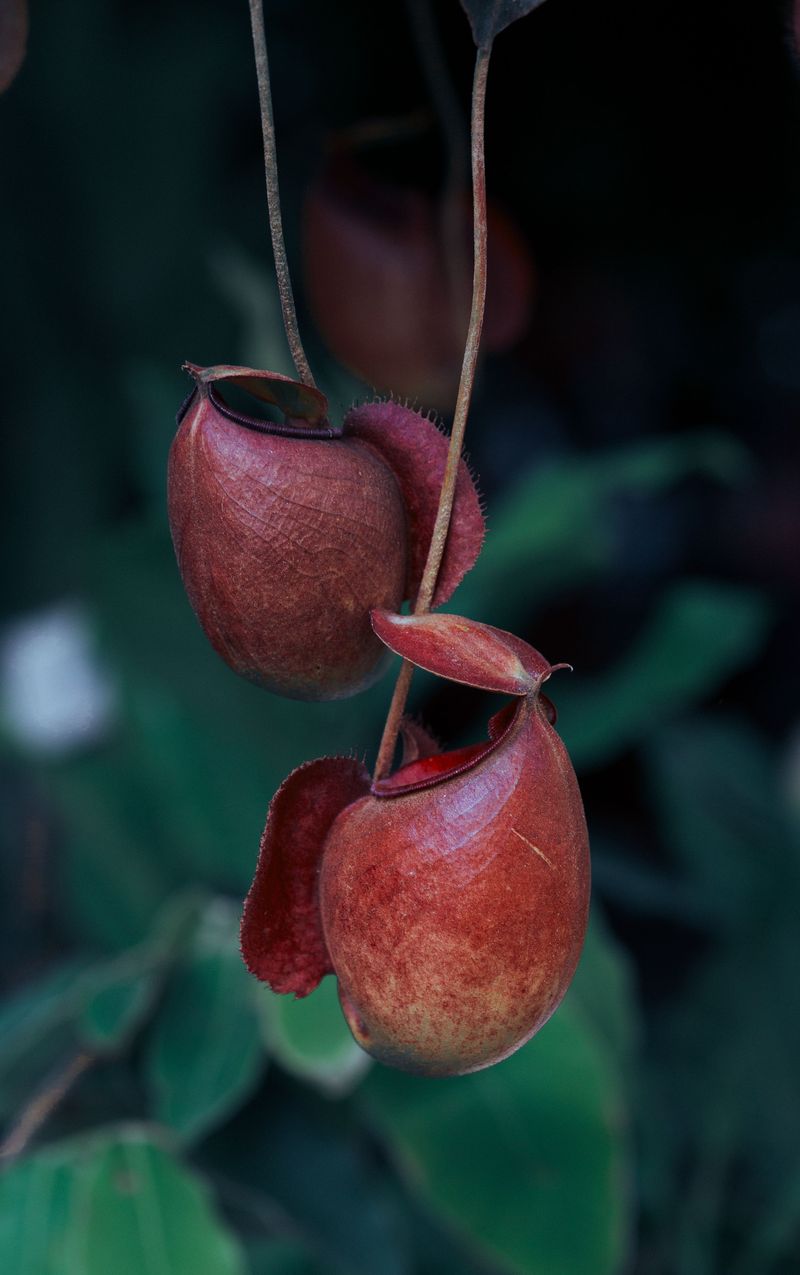
Chubby, fuzzy, and only about the size of a thumb, these pitchers look like little cartoon slippers. They grow in one small corner of the world, southwestern Australia.
Scientists call it Cephalotus follicularis, and it is the only member of its plant family. That makes it a true oddball and a prized gem for collectors.
Each pitcher has a ribbed lid with see-through patches that may confuse bugs. Bugs that bump around under the lid can drop into the juice below.
The rim is lined with sharp, inward-pointing teeth that help stop escapes. Up close, it looks like a tiny smiling mouth waiting for dinner.
Growing one takes a bit more patience than the others on this list. It grows slowly, so a single new pitcher can feel like a celebration.
Bright light brings out deep red and purple colors on the pitchers. In lower light, they stay green and grow a little larger.
Keep the soil damp but not swampy, unlike the bog-loving pitcher plants. A mix of peat, perlite, and sand helps water drain nicely.
Roots dislike being disturbed, so repot only when truly needed. A tall, deep pot gives those long roots room to stretch.
Cooler winter nights in October and November actually suit this plant well. A mild rest between about 40 and 60 degrees keeps it happy.
Show it off to guests and watch their faces light up. Many people have no idea something this small can be so sneaky.
7. Terrestrial Bladderwort Hunts Underground
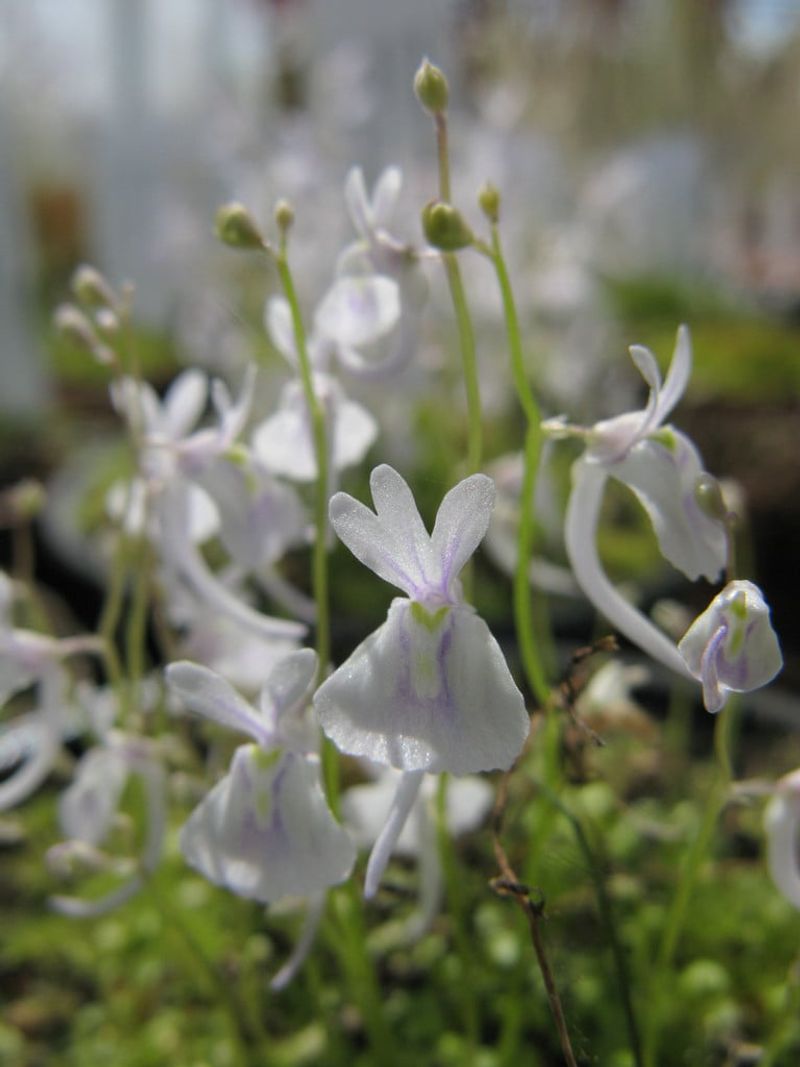
Delicate purple flowers bob above the pot like tiny dancing fairies. Meanwhile, under the soil, a much stranger show is happening.
Bladderworts hide their traps underground on thin, root-like stems you will probably not notice. Each trap is a tiny bubble smaller than a grain of rice.
When a microscopic critter brushes a trigger hair, the bubble’s door pops open in a flash. Water rushes in and draws the prey inside faster than you can blink.
Scientists have measured bladderwort traps closing in just a few thousandths of a second. That makes it one of the fastest movements in the whole plant kingdom.
Because the action happens out of sight, many people grow them just for the flowers. Varieties like Utricularia sandersonii bloom with blossoms that look like little bunnies.
That cute rabbit shape often appeals to younger growers. Blooms can appear for months at a time when the plant is happy.
Keep the soil soaking wet by sitting the pot in a tray of water. Many growers let the water level rise almost to the soil surface.
Use pure peat or a peat and sand mix with no added fertilizer. As usual, stick with rainwater or distilled water only.
A bright windowsill with some direct morning sun works nicely. These plants spread quickly and can fill a small pot within a season.
October is a great time to grab a starter pot from a carnivorous plant shop. Small and steady, it brings a sneaky surprise hidden in plain sight.
8. Yellow Trumpet Pitcher Towers Over The Windowsill
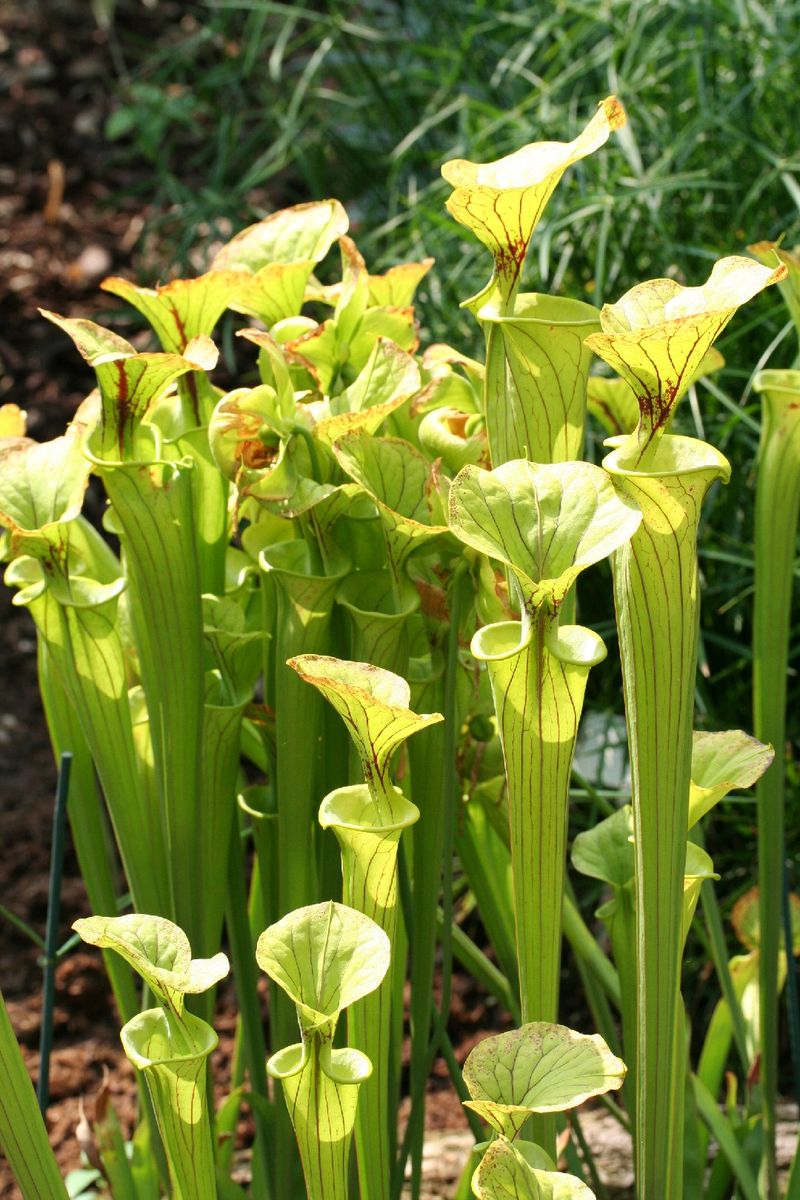
Tall, bright yellow tubes rising from a pot can look like a row of tiny trumpets. Sarracenia flava, the yellow trumpet pitcher, brings drama to a sunny window.
Native to the bogs of the southeastern United States, it can reach two to three feet outdoors. Indoors, it usually stays shorter but still makes a bold statement.
Each tube has a lid that keeps rain out and a rim dripping with sweet nectar. Wasps, flies, and moths visit for a sip and slide straight down.
Some studies suggest the nectar contains coniine, a compound that can sedate insects. Once they fall, slippery walls keep them from climbing back up.
Give this one the brightest spot in your home, with six or more hours of sun, or add a strong grow light if your window falls short. Weak light leads to floppy, pale tubes that tip over easily.
Water needs mirror the other pitcher plants. Keep the pot standing in rainwater or distilled water during spring and summer.
In October, you may notice new tubes looking flat and sword-like instead. That is a normal signal that winter dormancy is on the way.
Move the plant to a cold, bright spot between 35 and 50 degrees until early spring. Trim any brown tubes once fresh growth starts poking through.
Spring often brings a big surprise, with large yellow flowers hanging like little umbrellas. They bloom before the new pitchers appear, adding a sunny bonus.
Grow one, and your windowsill turns into a mini bog garden. Neighbors walking by might even stop to ask what on earth is in your window.