That Garlic Clove You Plant In New Jersey This Month Pays Off When Summer Arrives
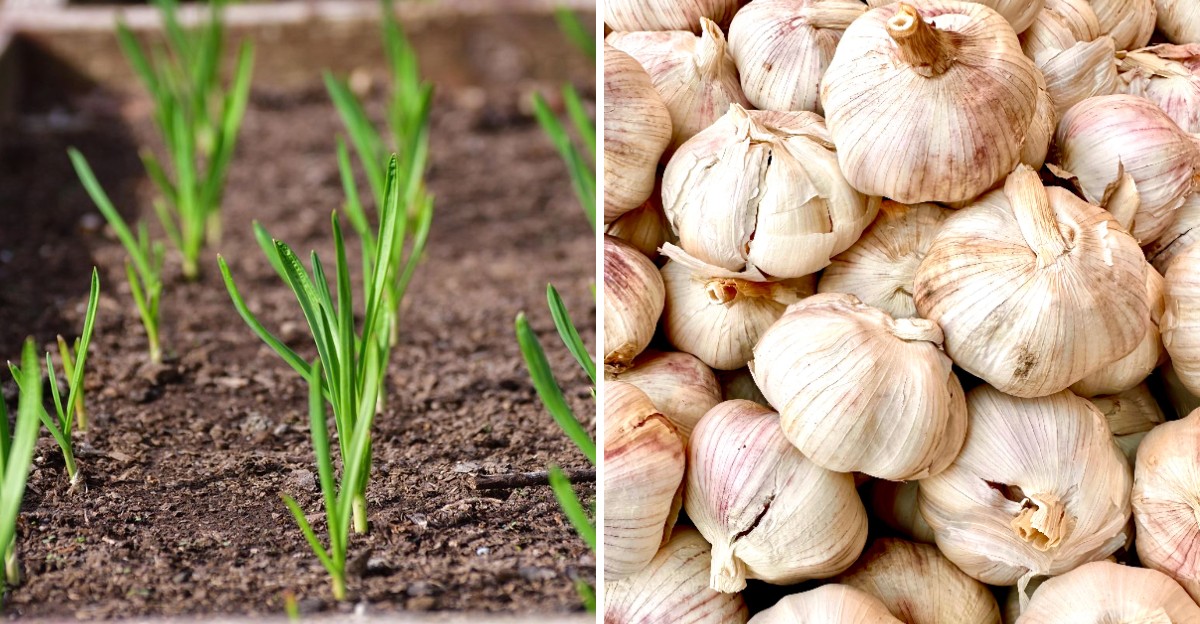
Why would you tuck a papery clove into cool soil right now? You can join New Jersey gardeners who plant garlic in October and harvest fatter bulbs.
Place each clove pointed end up in loose soil, then blanket it with straw. Frost arrives, and you stay inside while roots keep working below.
Winter chill actually helps you, because it prompts each clove to swell into a bulb. Snow piles up, and you leave the bed untouched.
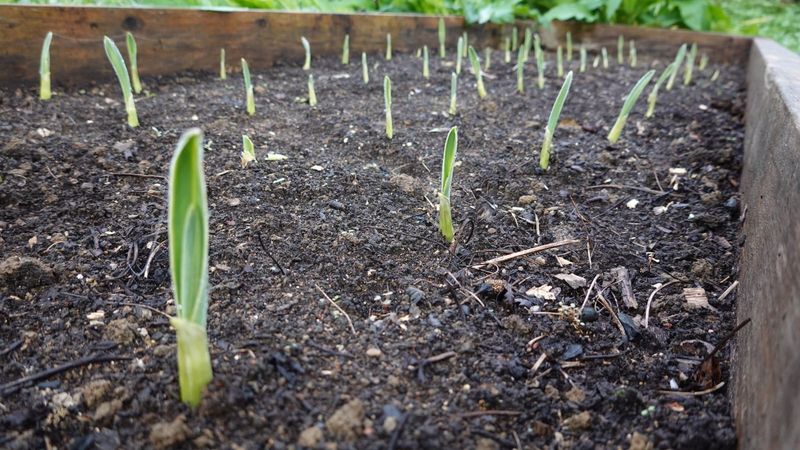
Green shoots surface in March, and you gather curly scapes in June for pesto. July rewards you with fat, fragrant bulbs ready to cure on a shaded rack.
Your roasted cloves turn sweet and spreadable, and sautéed ones perfume your whole kitchen. Neighbors will catch that aroma from the sidewalk and suddenly miss your company. New Jersey winters give you the chill garlic craves.
A Cold Winter Rest Builds Bigger Summer Bulbs
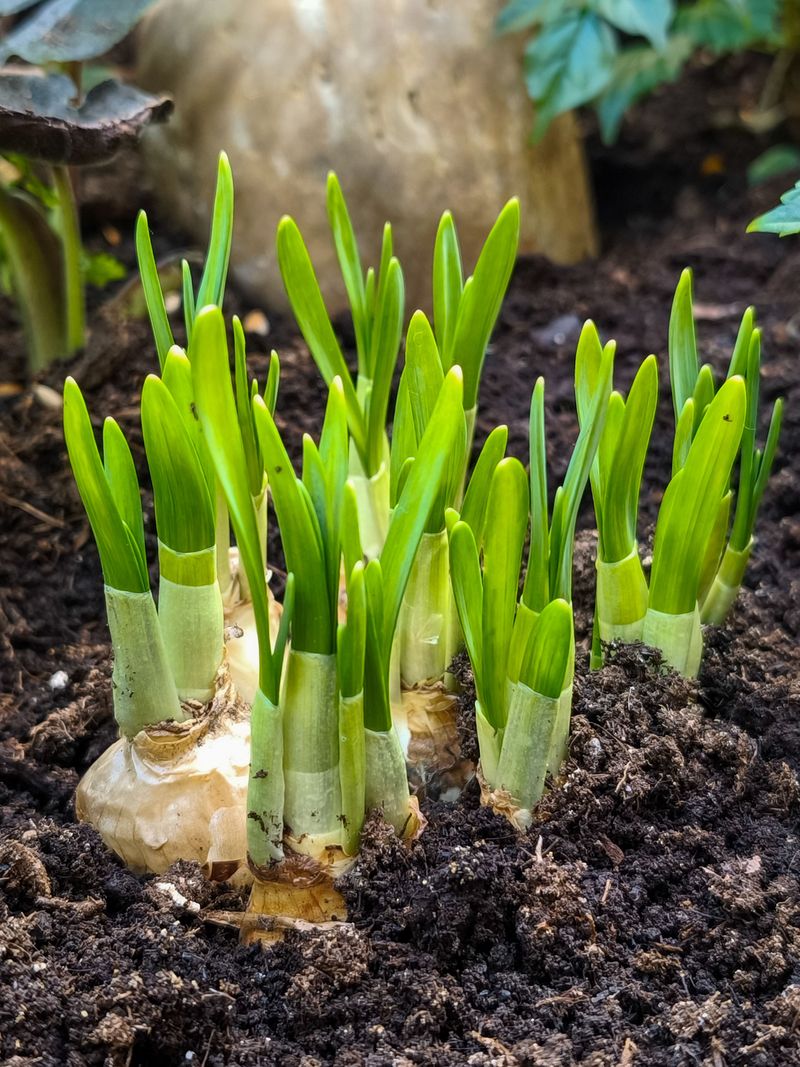
Think of a garlic clove as a plant that needs a long cold rest. Without it, the plant may form a smaller, less developed bulb.
Garlic needs several weeks of chilly weather, usually below 45°F, to trigger bulb splitting. Gardeners call this process vernalization, and New Jersey winters handle it for free.
Planting in fall also gives each clove time to grow roots before the ground freezes. Those roots anchor the plant and soak up moisture all winter long.
Come March, a fall-planted clove is ready to sprint while spring-planted ones are still waking up. That early start means more leaves, and more leaves feed a bigger bulb.
Each green leaf above ground matches one papery wrapper around the bulb below. So a plant with ten healthy leaves often has thicker layers protecting its cloves.
Spring planting can work in a pinch, but the results are often small and single unless you chill the cloves for several weeks first. Many times you get a round bulb with no separate cloves at all.
Garden Staters have a real advantage here, since New Jersey winters are cold but not severe. The soil freezes, thaws, and freezes again, giving garlic the cold period it needs.
So that cold stretch from December to February plays the key role. Your job is to plant on time and let winter handle the rest.
It may be one of the lowest-effort crops in the vegetable garden. Few crops need so little work for such a reward.
The Sweet Spot On The New Jersey Calendar
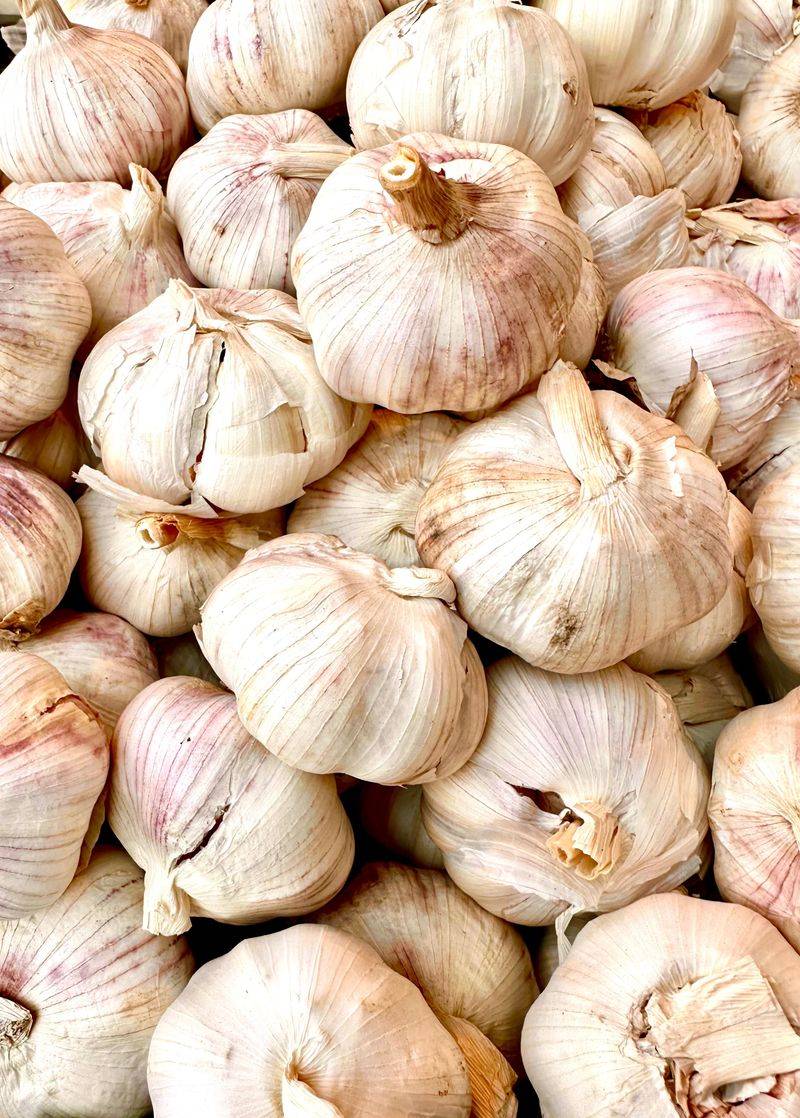
Mark your calendar for mid-October through early November if you garden anywhere in New Jersey. That window lets roots settle in roughly four to six weeks before the ground freezes.
North Jersey gardeners in Sussex or Warren County should aim for the earlier side. Folks down in Cape May or Atlantic County can often plant until mid-November.
A simple test helps when you feel unsure about timing. Stick a soil thermometer about four inches deep and look for readings near 50°F.
Plant too early, like in September, and the cloves may sprout tall green tops before winter. Those tender leaves may show frost damage, using energy the bulb needed.
Your New Jersey Garden Changes Every Week. Your Plan Should Too.
Gardening in New Jersey changes quickly throughout the season. Every Friday you’ll receive a simple weekly plan showing exactly what to plant, prune, fertilize, harvest, and protect so you never miss the right timing.
Plant too late, and the roots may not have enough time to grab hold. Frost heaving can then push the cloves right up out of the soil.
Some local growers use a mid-October weekend as a handy reminder. Others wait until after the first light frost has damaged the basil and peppers.
Weather matters more than the exact date, so keep an eye on the forecast. A warm, rainy October might push your planting day back by a week or two.
For most New Jersey gardeners, mid-October is just about perfect timing for planting garlic. Secure your seed garlic soon, as supplies can run low, and plant while the soil is workable.
Future you, standing in a July garden, will be very thankful. Planting on time gives your garlic the strongest start.
Why Grocery Store Garlic Is Risky For Planting
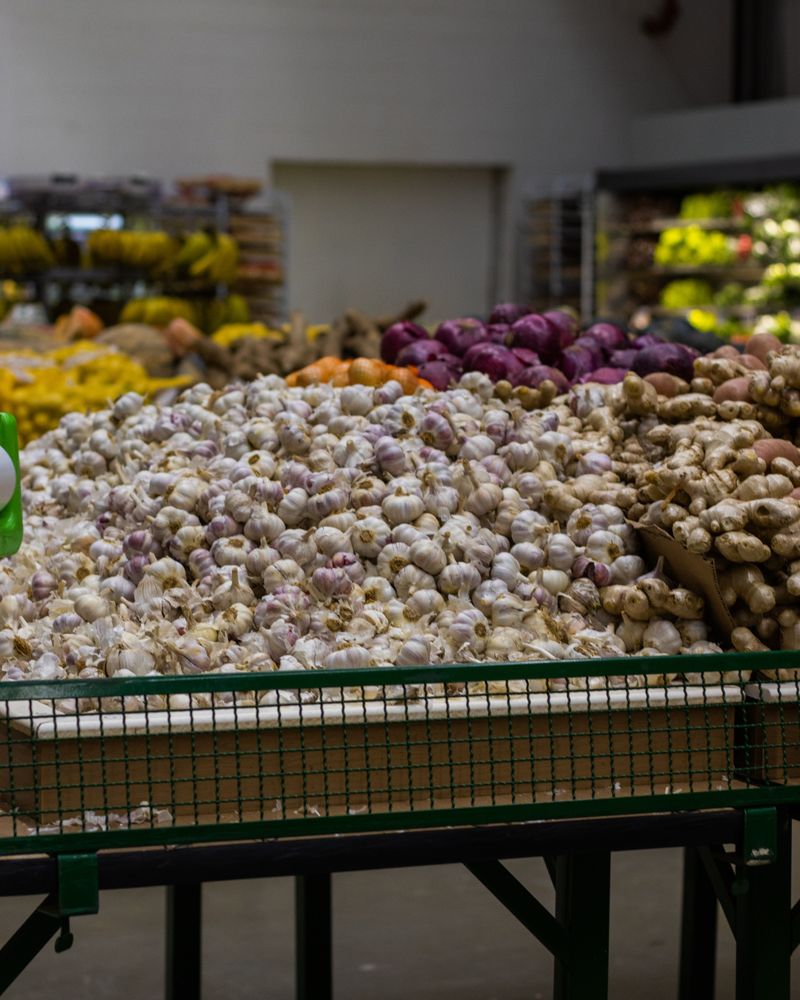
Picture this scene from countless backyards every fall across the state. Someone grabs a bulb from the supermarket, breaks it apart, and plants it with big hopes.
Unfortunately, store-bought garlic is often imported or grown in warmer regions and may not suit New Jersey winters. Some of it is also treated with a sprout inhibitor to keep it fresh on shelves.
Those cloves may not sprout at all, or they might produce small bulbs. In addition, they can carry diseases that linger in your soil for years.
A much better choice is seed garlic from a local farm, garden center, or trusted catalog. Seed garlic is garlic grown and selected for planting, often tested for disease.
Hardneck types like Music, German White, and Chesnok Red tolerate New Jersey winters well. They also grow a curly flower stalk called a scape, which has a mild, fresh garlic flavor.
Softneck types store longer, but many prefer milder winters farther south. If you want to braid your garlic, choose a cold-tolerant softneck like Inchelium Red.
Another common slip is planting the tiny inner cloves along with the big ones. Small cloves grow small bulbs, so save those little guys for the kitchen.
Planting cloves upside down is another goof, though garlic often corrects itself slowly. Point the flat root end down and the pointy tip up toward the sky.
Finally, separate the cloves only a day or two before planting. Doing it too early can dry them out and weaken their roots.
Smart Soil, Proper Depth, And A Cozy Mulch Blanket
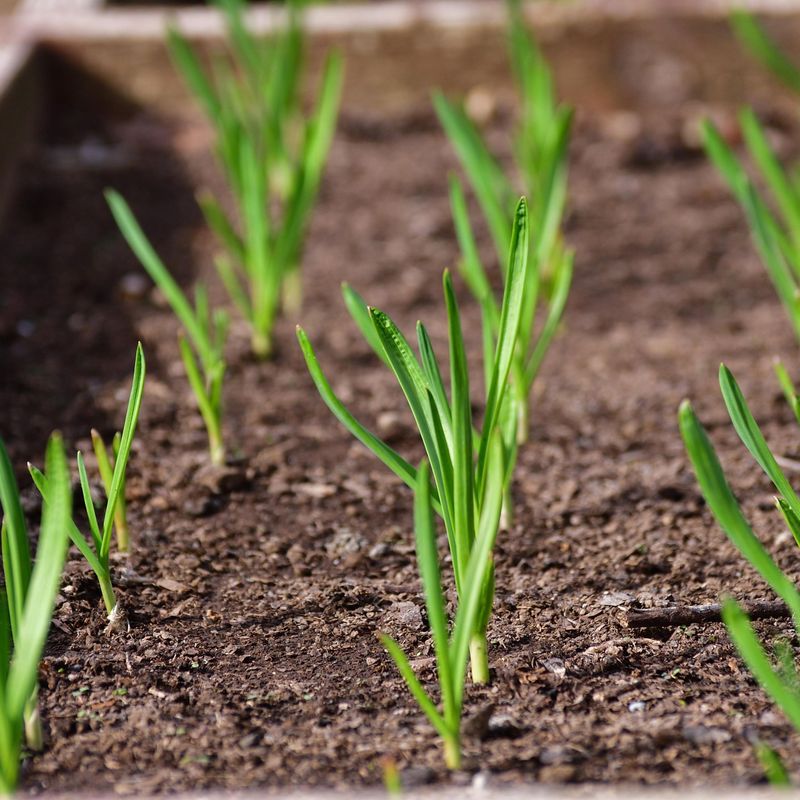
Good garlic starts with loose, crumbly soil that drains well after a hard rain. Heavy clay, found in several parts of New Jersey, can rot cloves before spring arrives.
Mix in two or three inches of compost to lighten the soil and feed it. Raised beds also help if your yard tends to stay soggy.
Choose a sunny spot that gets at least six hours of direct light each day. Garlic grows poorly in shade and forms smaller bulbs as a result.
Push each clove about two inches deep with the pointy end facing up. Space them six inches apart in rows roughly one foot from each other.
After planting, water the bed once so the soil settles snugly around each clove. Then wait until the ground gets cold before adding mulch on top.
A four to six inch layer of straw or shredded leaves works like a fluffy winter quilt. It keeps soil temperatures steadier and helps reduce freeze-thaw heaving of cloves.
Avoid hay if you can, because it often carries weed seeds into your bed. Straw is cleaner and easy to find at farm stands this time of year.
In early spring, pull back some mulch so green shoots can reach the sunlight easily. Feed the plants with a little fish emulsion or blood meal in April, and stop by late May.
A tidy setup in fall saves you plenty of fussing later. Your garlic bed will look neat and well established by May.
A July Harvest Worth The Long Wait
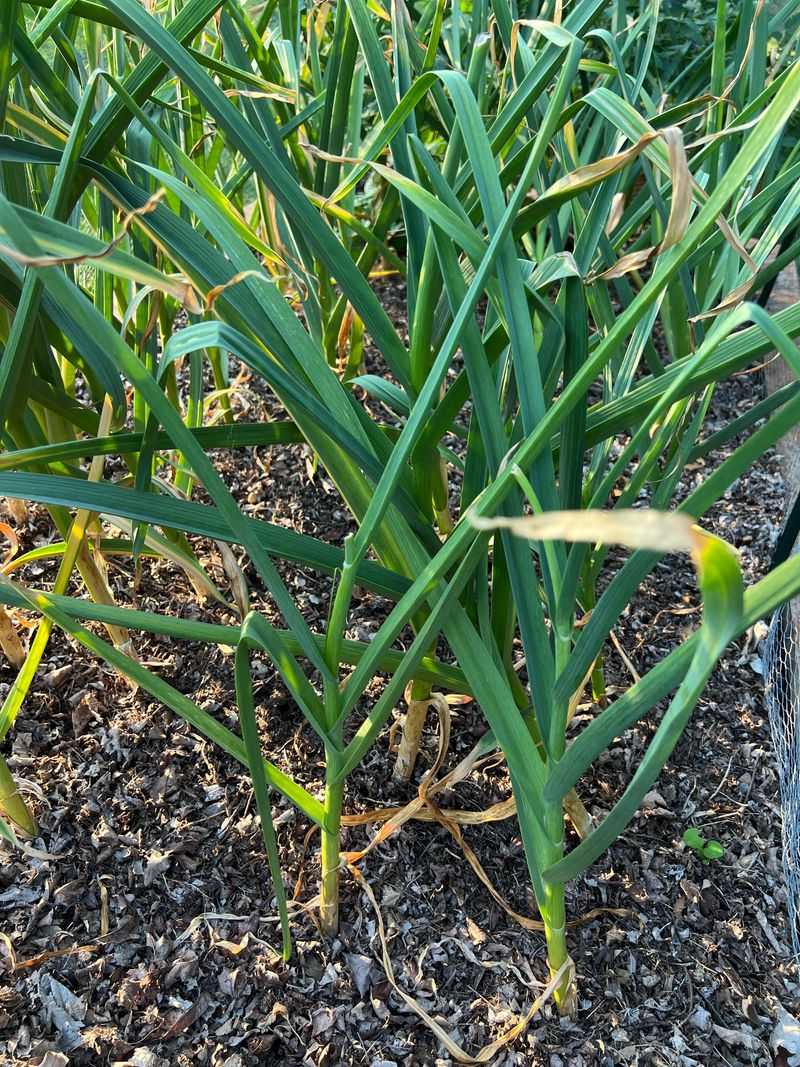
There is a special kind of joy in pulling a fat garlic bulb from summer soil. It feels a little like finding buried treasure in your own backyard.
The payoff starts in June, when hardneck plants send up curly green scapes. Snip them off so the plant sends energy back to the bulb underground.
Scapes taste like a mild mix of garlic and green onion. Toss them into homemade pesto, stir-fries, or scrambled eggs for a bright, fresh flavor.
Much New Jersey garlic is ready to harvest from late June through mid-July. Watch the leaves, and dig once the bottom three or four turn brown.
Loosen the soil with a garden fork instead of pulling plants by the stems. Bruised bulbs spoil quickly, so handle each one gently like a fresh egg.
Next comes curing, which simply means drying the bulbs in a shady, breezy spot. Hang them in bunches in a garage or porch for about three weeks.
Once the wrappers feel papery, trim the roots and cut the stems short. Store the bulbs in a cool, dry place with good airflow, not the fridge.
One clove planted in October can turn into a bulb with four to seven cloves or more, depending on the variety. That means a single pound of seed garlic might give you several pounds back.
Save your biggest, best bulbs to plant again next fall. Over a few years, your garlic will slowly adapt to the quirks of your exact yard.
Crop Rotation And Clean Habits For Healthy Beds
Garlic is vulnerable to a few pests and diseases, and many of them live in the soil. White rot, onion maggots, and fungal problems love beds that grow the same crop yearly.
The simplest defense is crop rotation, which means moving your garlic to a new spot. Wait at least three or four years before planting onion family crops there again, and much longer if white rot has appeared, since it can persist for many years.
That family includes onions, leeks, shallots, and chives, so keep track of all of them. A simple garden notebook or phone photo each season makes rotation easy to remember.
Weeds cause trouble too, since garlic competes poorly with weeds for water and nutrients. Thick mulch blocks most weeds, and hand pulling handles the rest each week.
Watering wisely also keeps bulbs healthy through the spring growing season. Give about one inch per week, then stop watering two weeks before harvest.
Soggy soil near harvest time can stain wrappers and invite mold during storage. Dry soil in those final weeks helps bulbs firm up and store longer.
Clean tools matter more than many people think. Scrub and disinfect your fork and trowel after working in a bed with any diseased plants.
Remove any yellow, stunted, or moldy plants promptly and place them in the trash. Keep them out of the compost pile, where germs can spread around the yard.
Little habits like these protect next year’s crop before it is even planted. A healthy garlic bed supports good harvests season after season.