Want Your Ohio Poinsettia Red By Christmas? Start This Now

Green leaves on Christmas morning are the plant world’s version of a coal stocking, and Ohio gardeners hand them out every year without meaning to.
Poinsettias don’t turn red on their own schedule. Store-bought ones arrive already dressed for the holidays, which fools plenty of owners.
They assume the color just sticks around. A plant carried over from last year plays by different rules.
It needs a signal from you, and the window for that signal closes sooner than most people realize.
Miss it and the bracts stay a dull green or settle for a sad pink. Hit it right and the color comes in deep and bold, right on cue.
The routine is simple, but it takes discipline every single evening for weeks.
Count backward from December 25 tonight. The calendar already has a head start on you.
1. Poinsettias Bloom When Nights Get Long
Back in Mexico, where poinsettias grow wild, the plants watch the calendar in a clever way. They count the hours of darkness instead of the hours of sun.
Scientists call this trick photoperiodism, but you can just think of it as a built-in night timer. Poinsettias are short-day plants, which means long nights tell them winter is coming.
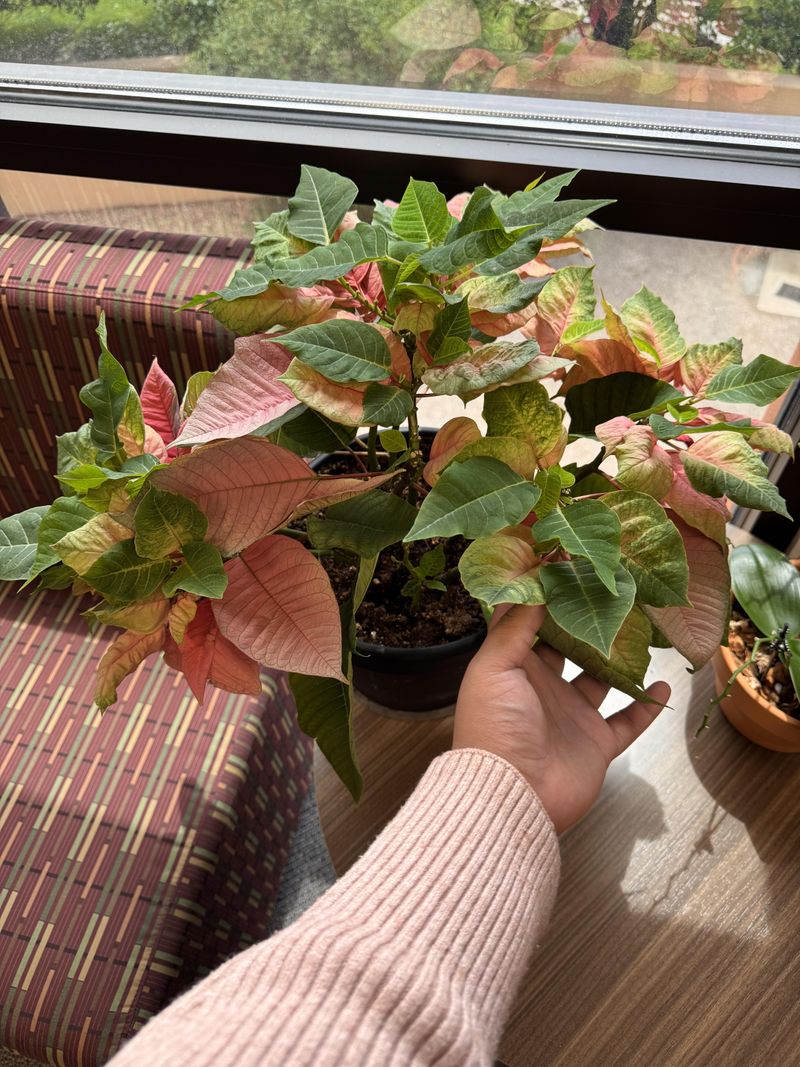
Once the nights stretch out enough, the plant starts making color. Those bright red parts are not flowers, by the way.
They are special leaves called bracts, and the real flowers are the tiny yellow buttons in the center.
In Ohio, the problem is that our homes stay bright at night. Lamps, TVs, and porch lights fool the plant into thinking it is still summer.
So your poinsettia keeps growing green leaves and skips the party outfit. That is why so many saved plants from last year look plain by December.
The good news is that you can copy nature with a little effort. By giving the plant longer, darker nights on purpose, you send the same message the Mexican hillsides send.
Fun fact: the plant is named after Joel Poinsett, the first U.S. minister to Mexico. He brought cuttings home to South Carolina in the 1820s, and the holiday craze took off from there.
2. Give It 14 Hours Of Total Darkness Every Night

Fourteen hours sounds like a lot of beauty sleep, right? Your poinsettia would agree, and it wants every minute of it.
Experts suggest about 14 to 15 hours of steady darkness each night. That means if you tuck your plant away at 5 p.m., you should not let it out until around 7 or 8 the next morning.
A simple schedule makes this easy. Pick a start time that fits your life, like right when you get home from school or work.
Then set a phone alarm for bedtime and another for wake-up time. Many families stick a sticky note on the fridge as a reminder too.
The darkness has to be unbroken. If you peek at the plant halfway through the night, the timer inside it may reset, and you lose that night of progress.
Your Ohio Garden Changes Every Week. Your Plan Should Too.
Gardening in Ohio changes quickly throughout the season. Every Friday you’ll receive a simple weekly plan showing exactly what to plant, prune, fertilize, harvest, and protect so you never miss the right timing.
Try to keep the same hours every day, including weekends. Plants like routine even more than kids at bedtime.
If you travel for a night or two, ask a neighbor or family member to help. You can also leave the plant in a dark spot for the whole trip, as long as it gets light again soon after you return.
Getting the timing right is the heart of the whole project.
3. A Closet Or Cardboard Box Does The Job
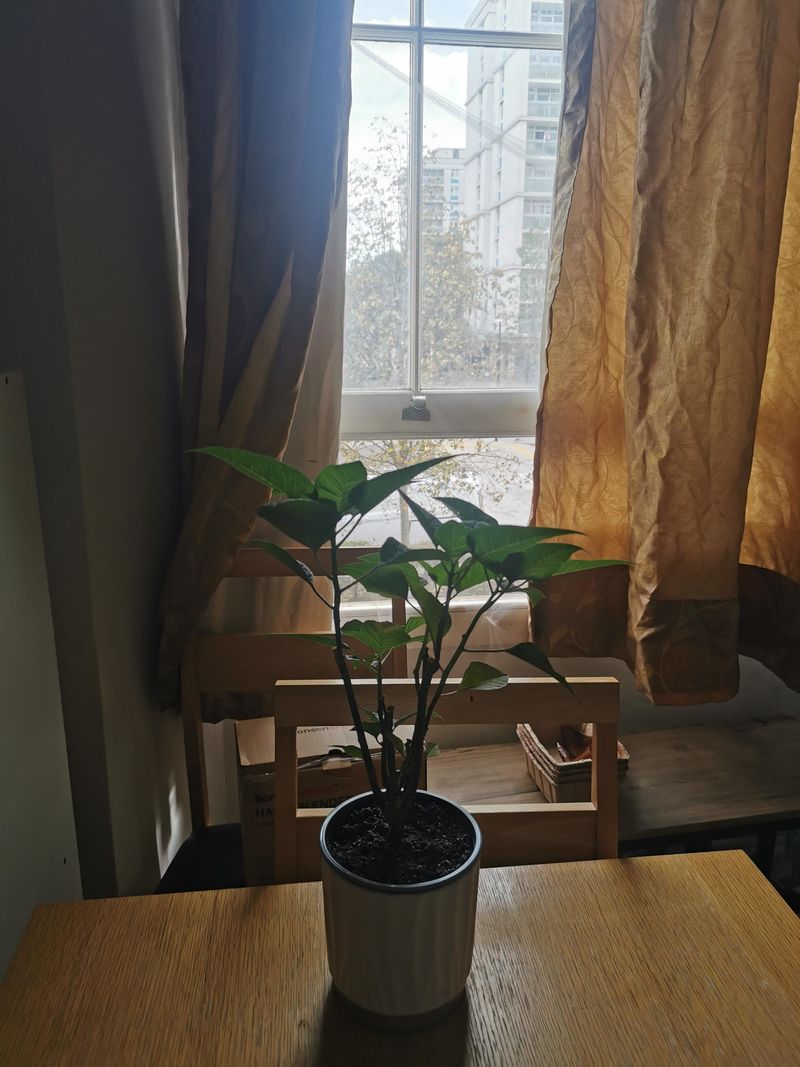
No fancy grow tent needed here. Your poinsettia is happy with a spare closet or a plain cardboard box from your last online order.
A closet works well if it has no window and the door shuts tight. Check for light sneaking under the door, and roll up a towel along the bottom if you see a glow.
A box is even easier for many people. Just choose one tall and wide enough that it does not squish the leaves.
Hold the box up to a lamp before you use it. If you see pinholes of light, tape over them with duct tape or cover the box with a dark blanket.
Some gardeners use a thick black trash bag instead. That can work, but be gentle so the leaves do not bend or snap.
Here is a handy tip from Ohio growers. An unused bathroom cabinet or basement storage room often stays dark and cool, which the plant enjoys.
Whatever you choose, make sure the spot is easy to reach. If it is a hassle, you are more likely to forget a night, and that slows everything down.
Simple tools, used every single evening, beat fancy setups that sit unused. Your plant only cares about one thing, and that is darkness.
4. Even A Little Stray Light Can Stop The Color
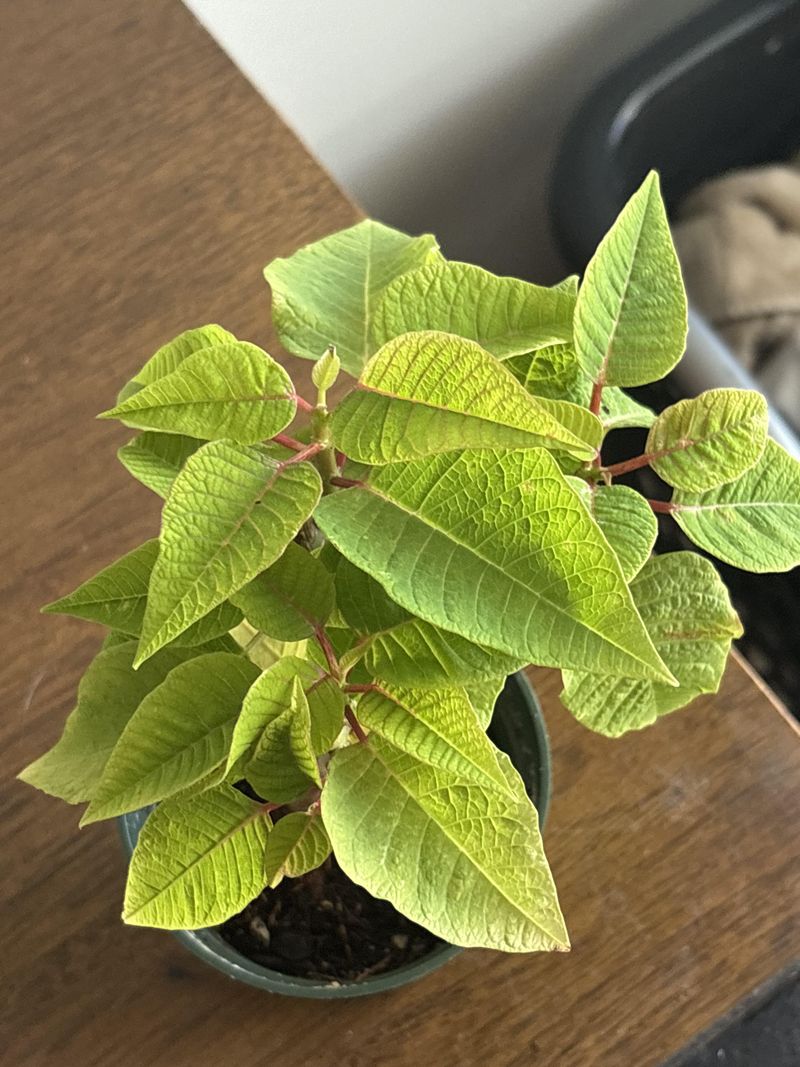
Imagine trying to sleep while someone flicks the hall light on and off. Your poinsettia feels the same way about stray light.
Even a small glow can confuse the plant. A night-light, a phone screen, or a streetlight shining through the curtains may be enough to delay color.
This is the step where many careful gardeners slip up. They do everything right, then open the closet for a coat at 9 p.m. and flood the plant with light.
To avoid that, pick a spot nobody uses at night. Tell your family that the plant is off-limits after dark, and maybe hang a funny sign that says Do Not Disturb.
Check for sneaky light sources too. Digital clocks, charging lights, and glowing power strips can shine more than you think in a dark room.
Car headlights passing a window can also matter if the plant sits near the street. A box over the pot solves that problem fast.
If you do slip up once, do not panic. One mistake will not ruin the season, but several in a row can push the color past Christmas.
Think of yourself as a light detective. Hunting down every tiny glow is a little silly, but the red bracts will be worth it.
5. Move It Back Into Bright Light Each Day
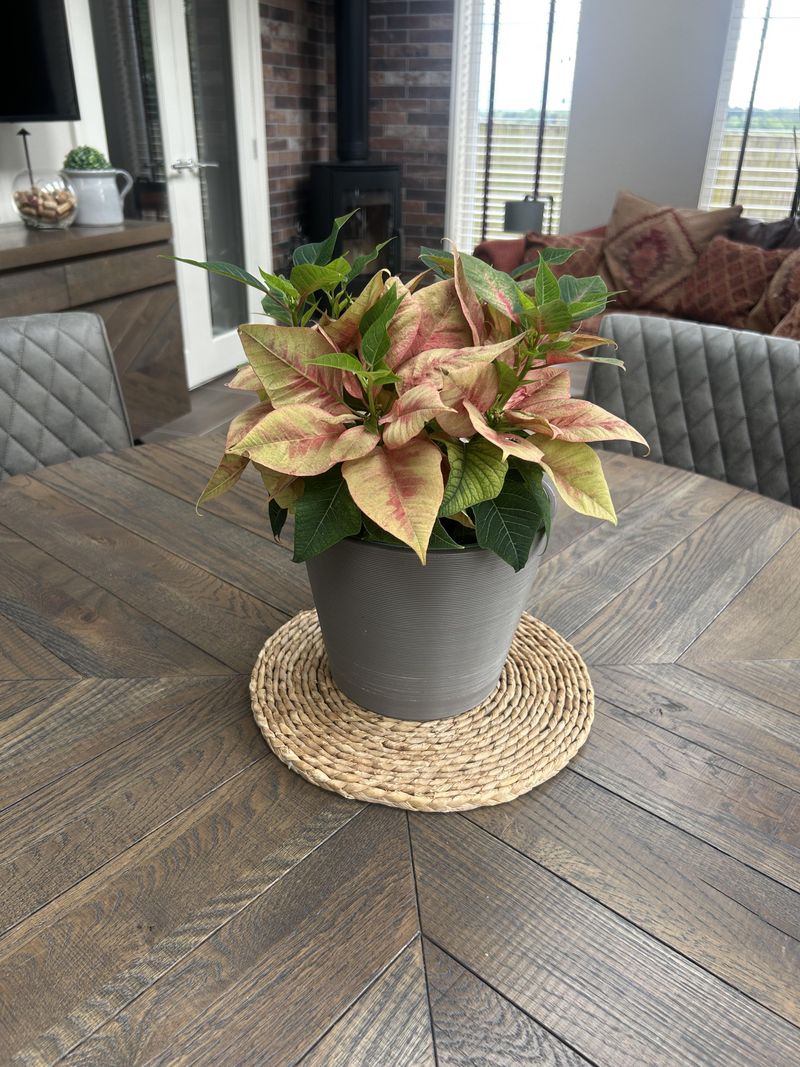
Morning arrives, and your plant is ready for breakfast. For a poinsettia, breakfast is bright sunshine.
After its long night, move the plant back to a sunny spot for about 6 to 8 hours or more. Bright, indirect light from a south, east, or west window works great.
Why does this matter so much? Sunlight is how the plant makes food, and a well-fed plant has the energy to build rich color.
Ohio autumns can be gray and cloudy, so pick your brightest window. If your home is dim, a simple LED grow light during the daytime hours can help.
Just be sure that light shuts off before dark time begins. A plug-in timer makes this job easy and keeps you from forgetting.
Keep the leaves from touching cold window glass. On chilly mornings, the glass can feel almost like ice, and that can harm the foliage.
Water when the top inch of soil feels dry. Empty any water that collects in the saucer so the roots do not sit soggy.
A light dose of houseplant fertilizer every few weeks keeps growth strong. Stop feeding once the color shows, since the plant needs less then.
Day and night work together like two halves of a team.
6. Keep Nights Between 60 And 70 Degrees

Goldilocks would make a fine poinsettia grower. These plants want their nights not too hot and not too cold, but just right.
The sweet spot is about 60 to 70 degrees Fahrenheit at night. Daytime temperatures between 65 and 75 degrees keep the plant comfortable too.
If nights run too warm, color can show up late or look faded. If they get too cold, leaves may turn yellow and drop.
In Ohio, October can surprise us with frosty nights. Keep your plant away from drafty doors, chilly basements, and windows that leak cold air.
Heat can be a problem too. Furnace vents, radiators, and space heaters dry the plant out fast, so give it some breathing room.
A cheap indoor thermometer is a smart buy. Set it near your dark spot and check it for a few nights to see how steady the temperature stays.
Garages and porches might seem dark and handy, but they often drop below 50 degrees. Poinsettias come from warm places, so they dislike that chill.
Steady comfort helps the plant focus on making those bold bracts. A happy, cozy poinsettia puts its energy into color instead of just trying to cope.
7. Expect Color In About 8 To 10 Weeks

Patience is the secret ingredient here. Most poinsettias need about 8 to 10 weeks of steady dark nights and bright days to color up fully.
For the first few weeks, you may see nothing new. That can feel frustrating, but changes are happening inside the plant where you cannot see them.
Around week four, look closely at the top leaves. You might spot a blush of red, pink, or creamy white starting at the tips.
From there, things speed up. Each week, the bracts grow larger and the color gets deeper, like a slow sunrise.
Some plants color faster than others. Variety, light levels, and temperature all play a part, so a few extra days are perfectly normal.
Here is a fun idea for families. Snap a photo of your plant every Sunday and make a little time-lapse by Christmas.
Kids especially love seeing the changes side by side. It turns a chore into a science project that the whole house can enjoy.
Mark your calendar with the date you start. Counting forward helps you know when to expect the big reveal, and it keeps you motivated on nights when you would rather skip.
8. October 1 Is The Usual Start Date, So Don’t Wait Any Longer

Grab a calendar and count backward from Christmas. Ten weeks before December 25 lands right around the start of October.
That is why many growers pick late September or October 1 as their starting line. Beginning then gives your plant enough time to show full color for holiday gatherings.
If you are reading this in early October, you are right on track. Start tonight instead of tomorrow, because each night counts.
Running a little behind? You can still begin in mid-October and likely see color by late December, though it may be a touch less vivid.
Before you start, give your plant a quick checkup. Trim any long, leggy stems and remove yellow leaves so it looks tidy.
Check that the pot drains well and that no bugs are hiding under the leaves. A healthy plant handles the routine much better.
Ohio gardeners often bring plants inside in September anyway, before the first frost. That makes October 1 a natural next step in the yearly rhythm.
Think of it as a fall tradition, like apple picking or carving pumpkins. Set the date, gather your box, and get going while there is still time.
9. Keep Up The Routine Until The Bracts Show Color

Week six can feel like mile 20 of a marathon. You are tired of the box, tired of the alarms, and tempted to quit early.
Hang in there! Stopping too soon can leave the bracts half colored, with green streaks where red should be.
Keep the dark nights and bright days going until the top bracts are fully colored. For most plants, that happens in late November or early December.
Once the color looks rich and even, you can end the darkness routine. Let the plant enjoy normal room light and show off in your best spot.
Care stays simple from here. Water when the soil feels dry, keep it away from drafts, and give it plenty of indirect light.
Warm, steady conditions help the color last for weeks. Many well-kept poinsettias stay bright well into January.
Take a moment to feel proud. You did something many people think only greenhouses can do.
Share the story with guests when they admire your plant. Telling them about the cardboard box and nightly alarms makes a great holiday conversation starter.
And who knows? You might be inspired to try again next fall with an even bigger plant.