Florida Panhandle Trees After Isaias: Which Ones To Save And Which To Remove
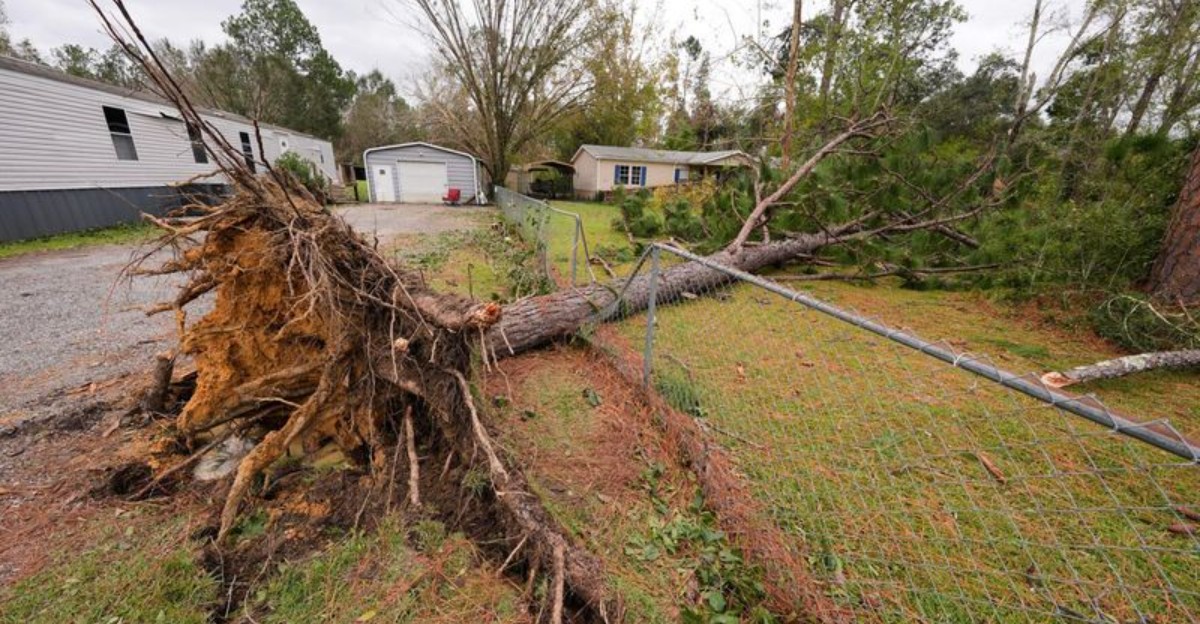
Hurricane Isaias left parts of Florida’s Panhandle with more than a few branches to pick up. When powerful winds get hold of mature trees, the damage can run much deeper than a broken limb.
A tree that still stands tall may have a cracked trunk, weakened roots, or a dangerous lean that wasn’t there before the storm.
And that’s where things get tricky. Cutting down a tree that could recover wastes a valuable part of your landscape, but giving a badly damaged tree the benefit of the doubt can put your home and family at risk.
Sometimes, what looks like a close call is a warning you shouldn’t brush aside.
So, how do you tell which trees have a fighting chance and which ones have become a hazard? The clues lie in the roots, trunk, and major branches, and knowing what to look for can make all the difference.
1. Check Your Trees As Soon As It’s Safe
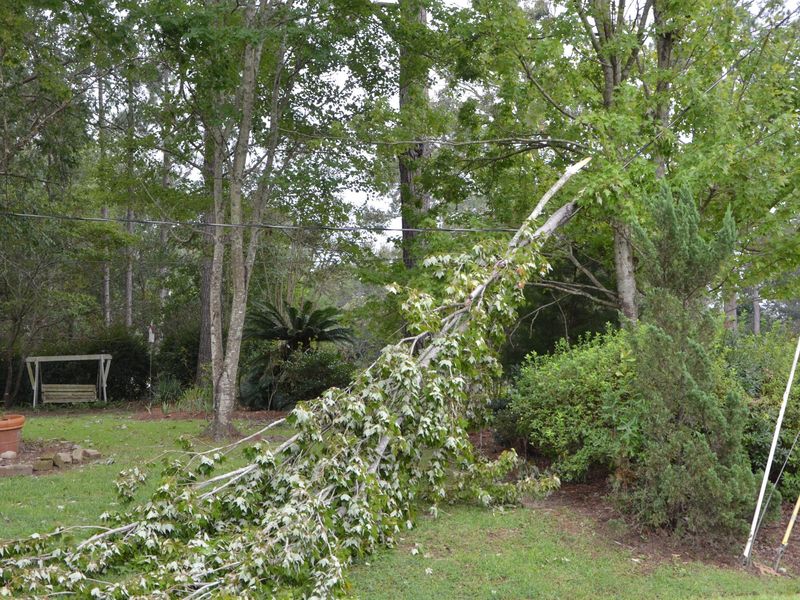
Picture yourself stepping outside after the storm with a flashlight and a cup of coffee. Your first job is not to fix anything, just to look carefully from a safe spot.
Hurricane hazards can hide in plain sight. A limb might be hanging by a thread, and a trunk might be shifting slowly in soggy soil.
Start by scanning your yard from a distance before you walk closer. Watch for downed power lines, which can carry live current even when they look harmless.
Treat every fallen wire as dangerous and call the power company right away.
Wildlife can also be a surprise. Snakes, raccoons, and even startled squirrels may have moved into brush piles or tangled branches.
Put safety risks first on your list. Trees or limbs blocking roads, leaning over driveways, or resting on roofs need help before anything else.
Resist the urge to push a large tree back upright by yourself. Big, mature trees with lifted roots weigh far more than they seem, and they can shift without warning.
A certified arborist can judge these trees much better. They know how to spot hidden cracks and root trouble that most of us would miss.
Take photos of everything for your insurance company. Pictures taken early will help tell the full story later on.
2. Don’t Rush To Remove Every Tree
Here is some good news that many folks forget in the post-storm panic. Plenty of trees can recover with the right care, even when they look rough.
A messy tree is not the same as a hopeless tree. Torn leaves and a few broken twigs often heal over one growing season.
Smaller, recently planted trees have a better chance of recovery than large, established trees, but a tree that has shifted in a storm still needs a careful assessment.
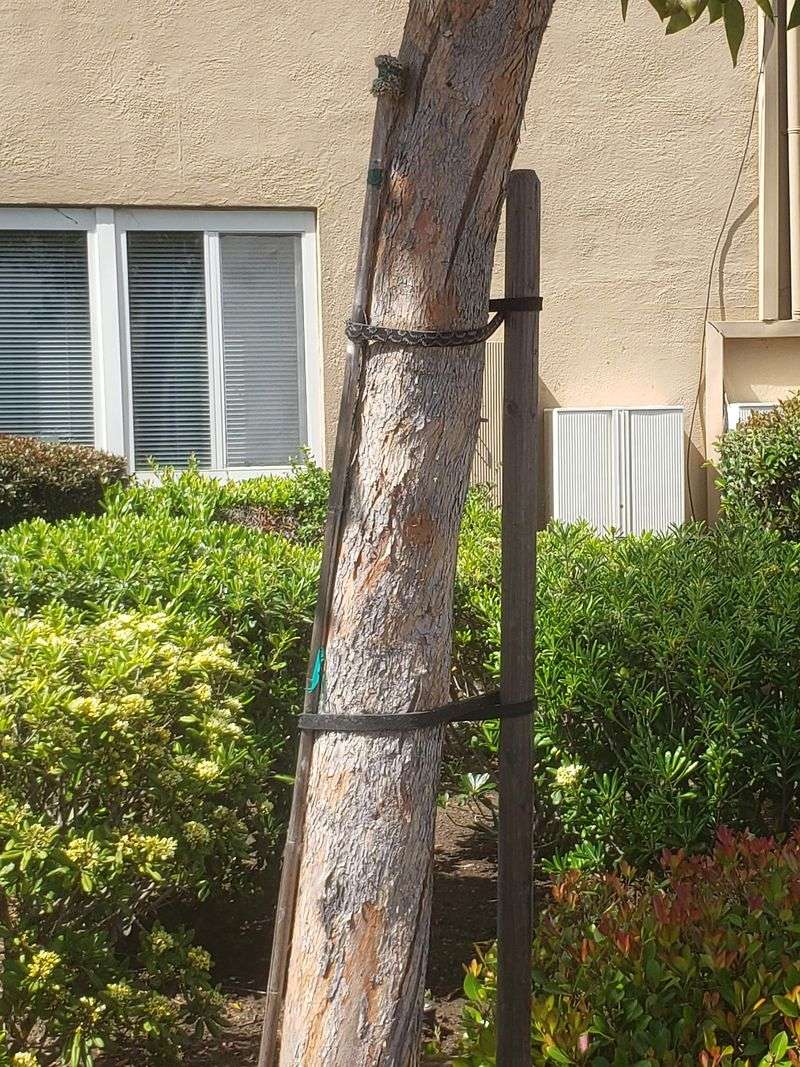
Very small trees may be possible to stand upright and stake, but larger trees can have broken roots even when they look salvageable. Don’t try to pull a substantial tree upright yourself.
Your Florida Garden Changes Every Week. Your Plan Should Too.
Gardening in Florida changes quickly throughout the season. Every Friday you’ll receive a simple weekly plan showing exactly what to plant, prune, fertilize, harvest, and protect so you never miss the right timing.
Ask a certified arborist to assess the root system and determine whether resetting is appropriate.
Once a tree has been safely restored, follow the arborist’s advice on staking, watering, and mulch.
Patience matters a lot. How a tree looks the week after a hurricane does not always predict how it will look next spring.
Some problems show up much later. Root damage, for example, can take months before you see thinning leaves or bare branches.
Keep a simple notebook or photo log for each tree you are watching. Look for decline at the branch tips, mushrooms near the trunk, insect holes, or new leaning.
Checking in every few weeks helps you catch changes early. That way, your decision to keep or remove is based on facts, not fear.
3. Live Oak And Sabal Palm Usually Ride Out Storms
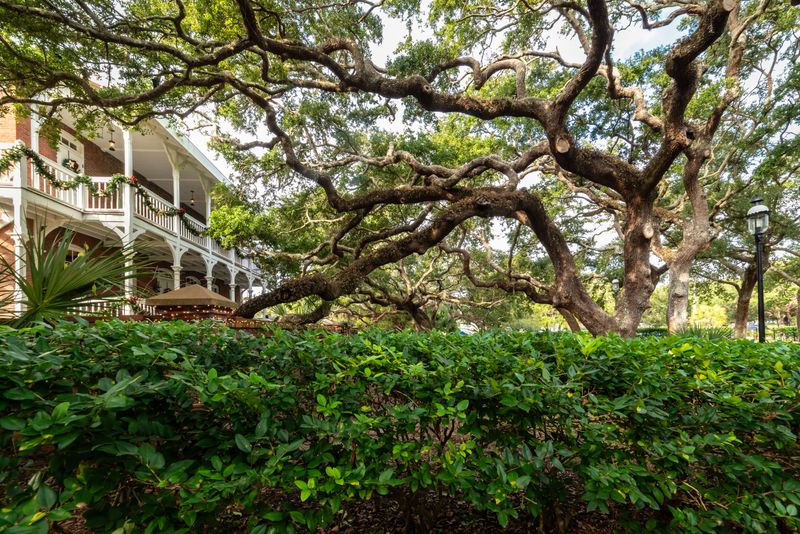
Some trees seem to shrug at hurricanes like old sailors at a stiff breeze. In the Panhandle, the live oak and the sabal palm are two of the toughest characters around.
Live oaks are among the better choices for hurricane-prone Florida landscapes. Their strong structure and proven wind resistance often help them fare better than less wind-resistant species.
Still, no tree is storm-proof. Even a live oak can lose major limbs or become unstable if its roots are damaged, its trunk is cracked, or it has existing decay.
Judge the individual tree by its condition after the storm, not just by its species.
Did you know the sabal palm is Florida’s state tree? It earned that honor partly by being so good at handling wild weather.
Its trunk is flexible, so it bends in strong gusts rather than snapping. Its fronds can also tear away in extreme winds, which lowers the pull on the trunk.
If your sabal palm lost a bunch of fronds, try not to worry too much. As long as the bud at the top is healthy, new fronds should appear in the coming months.
For live oaks, have broken limbs cleanly pruned back to a healthy branch. Skip the urge to over-trim, because those remaining leaves are feeding the tree’s recovery.
4. Southern Magnolia, Dogwood And Sand Live Oak Hold Up Well Too
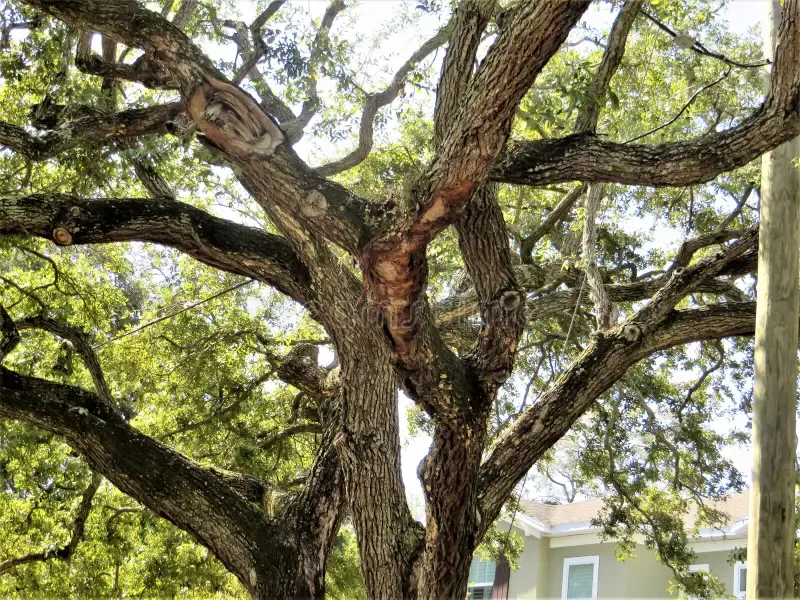
Grandma’s big magnolia by the porch may be tougher than you think. That glossy-leaved giant has a sturdy build that handles high winds surprisingly well.
Southern magnolias grow deep roots and strong branches. They may drop leaves and a few limbs, but they often stay standing when flimsier trees topple.
Flowering dogwoods are another pleasant surprise. These smaller, graceful trees tend to tolerate hurricane winds well, partly because they stay under the canopy of taller neighbors.
Then there is the sand live oak, a scrappy cousin of the classic live oak. It thrives in sandy coastal soils across the Panhandle.
Sand live oaks have deep, wide-spreading roots and sturdy limbs. Their compact shape lets wind slide past instead of grabbing hold.
If you have any of these trees, your cleanup plan may be simple. Remove broken branches, rake up debris, and give the roots a deep drink during dry spells.
Planning to replant after the storm? These three trees make smart choices for Panhandle yards that face hurricane season every year.
Mixing them with live oaks and sabal palms builds a tougher, more storm-ready landscape. Your future self will thank you the next time the wind howls.
5. Mature Laurel Oaks Often Belong On The Removal List
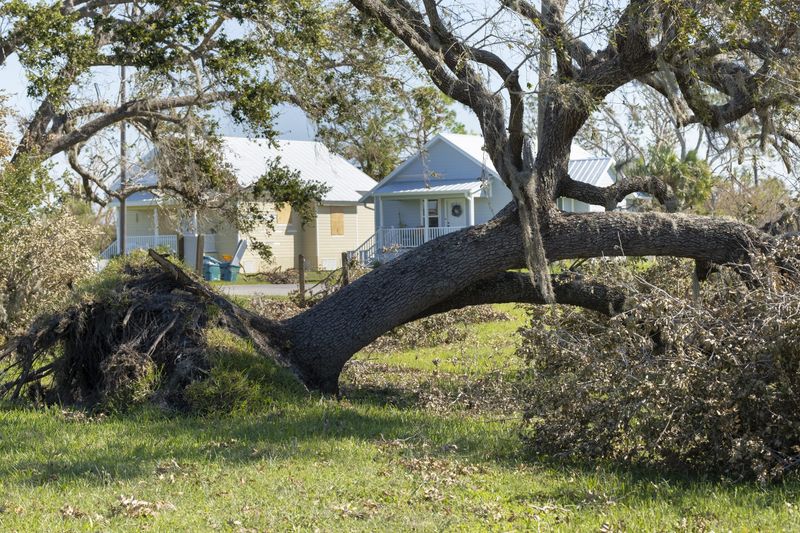
Let’s be honest about the laurel oak. It grows fast, gives great shade, and then sometimes lets you down at the worst moment.
Compared to other oaks, laurel oaks are less wind resistant. They are more likely to uproot during strong storms, especially in soggy ground.
The bigger issue is hidden decay. Older laurel oaks often rot from the inside, and the outside bark can look perfectly normal.
Many laurel oaks start to decline after about 50 years. By then, weak wood and hollow spots can make them risky near homes, cars, and play areas.
So how do you know if yours is a problem? Watch for mushrooms at the base, hollow sounds when tapped, oozing wounds, or large broken limbs after the storm.
An arborist can use special tools to check how solid the inside of the trunk is. That test can save you from guessing on a tree that could cost thousands in damage.
Removing a big laurel oak can feel sad, especially if it shaded your childhood yard. Still, swapping it for a live oak or magnolia gives your property a sturdier future.
Think of it as trading a sprinter for a marathon runner. Both are nice, but only one goes the distance.
6. A Cracked Lower Trunk Usually Means Removal
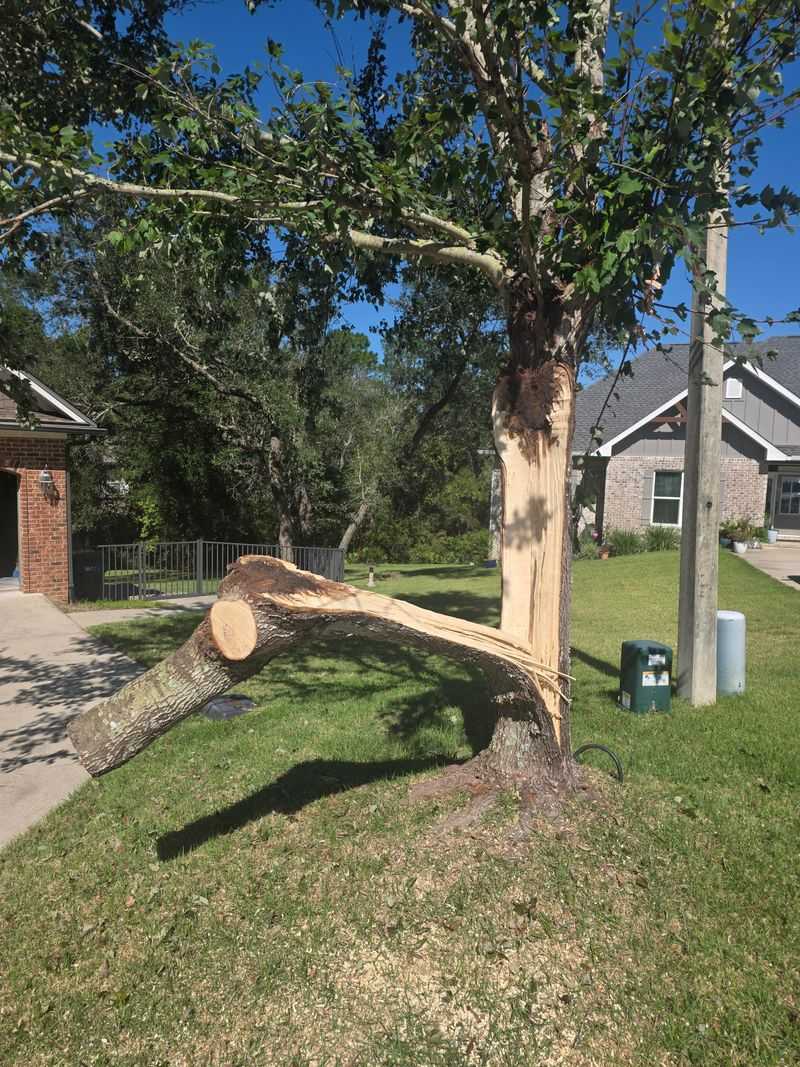
A tree’s lower trunk is like the foundation of a house. When that foundation cracks, everything above it becomes shaky.
After a hurricane, walk around each tree and look closely at the bottom few feet of the trunk. Long vertical splits, deep seams, or bark peeling away in strips are serious warning signs.
Why does this area matter so much? The lower trunk carries the weight of the whole tree, plus every push and pull from the wind.
A crack here means the tree’s strength has been badly reduced. The next storm, or even a gusty afternoon, could finish the job.
Also look at the ground around the base. Soil that is heaving up, roots poking out, or a mound on one side can signal the root plate has shifted.
When you see a cracked lower trunk along with lifted roots, call an arborist quickly. In most of these cases, prompt removal is the safest choice.
Do not try to brace or bolt a split trunk yourself. Cabling systems need professional installation and work best on limbs, not on badly cracked trunks.
Keep kids and pets away from the tree until it has been checked. A little caution now can prevent a much bigger mess later.
7. A Tree Leaning Toward Your House Needs Attention
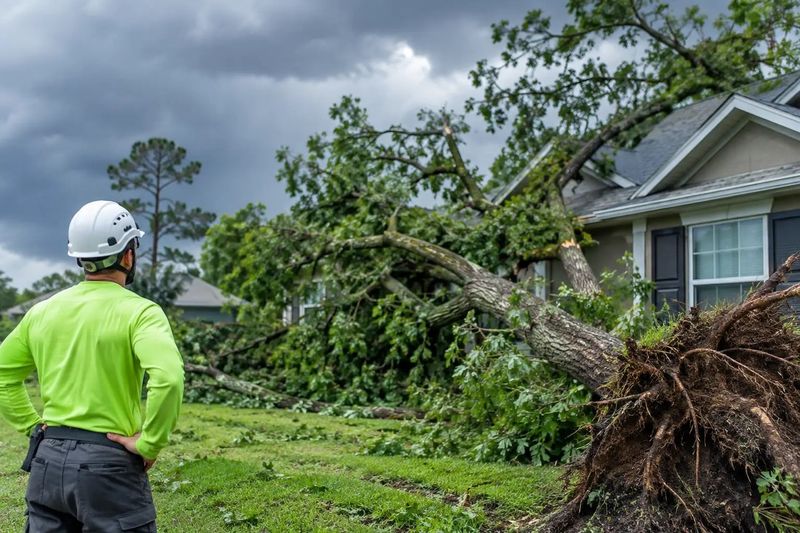
Nothing makes your stomach drop quite like seeing a tree tilting toward your bedroom window. That lean deserves a closer look, and soon.
Any tree leaning toward a house, garage, or power line should get a professional check right away. Even a medium tree can do big damage if it falls the wrong way.
There isn’t a reliable degree measurement that tells you whether a leaning tree should be removed. What matters most is whether the lean is new, whether roots have lifted or broken, and whether the tree has trunk cracks or other structural damage.
A tree that suddenly leans toward a house, road, or other target needs prompt professional assessment. Keep people and pets away while you arrange help, especially if the ground around the roots has shifted.
Arborists have several tools for rescuing a leaning tree. They may use staking, cabling, careful pruning to lighten the load, and soil care to help roots regrow.
One quick test you can do yourself is to check the soil. If the ground on the opposite side of the lean is cracked or raised, the roots have likely pulled loose.
Also notice whether the lean is new. A tree that has grown at a slant for years is different from one that suddenly tipped during Isaias.
Snap a photo from the same spot each week. If the angle changes, call for help immediately.
8. Watch Damaged Pines Before Deciding
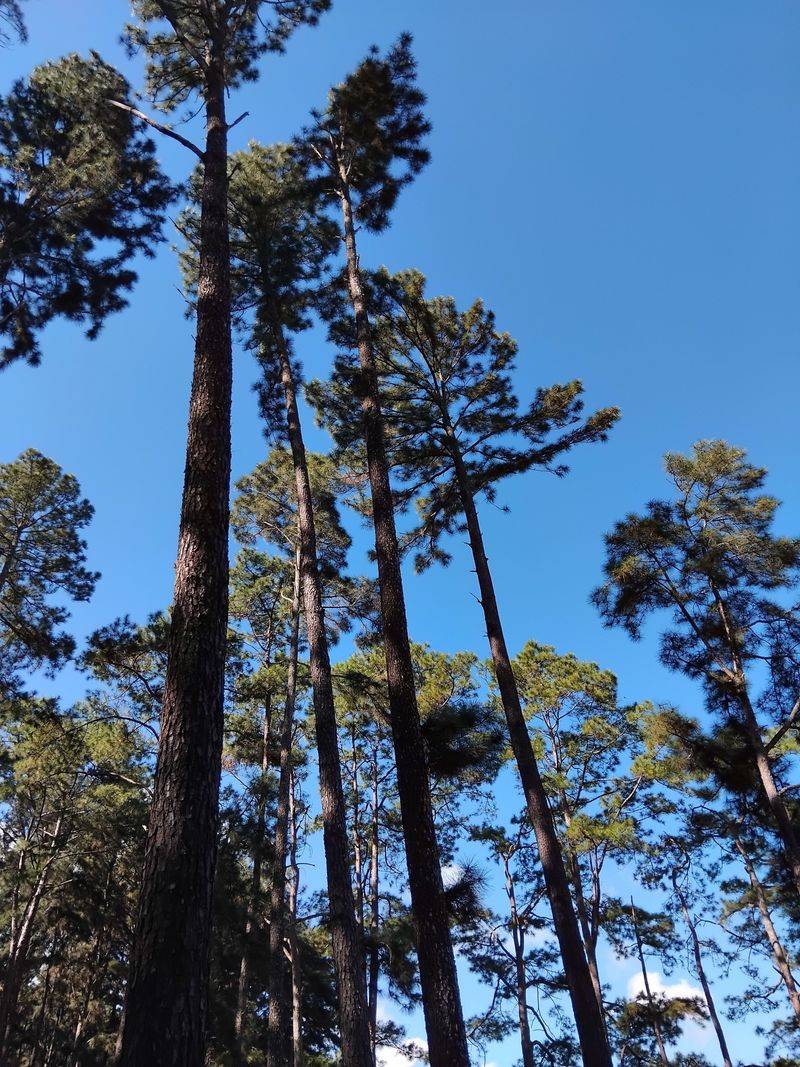
Pines are the tricky friends of the Panhandle tree world. They can look fine after a storm and then surprise you months later.
Tall and slender, pines are sensitive to wind. They may snap, uproot, or lean, and even ones left standing can carry hidden injuries inside.
Damaged pines deserve continued attention after a hurricane because some decline later, even if they initially remain standing. Watch for changes in needle color, withered branches, bark damage, and signs of insects.
Don’t rely on a fixed waiting period if the tree is leaning, has a damaged trunk, or stands where it could hit a house, road, or power line. Have a potentially hazardous pine assessed promptly rather than waiting for symptoms to appear.
Hurricanes also invite unwanted guests. Bark beetles, ambrosia beetles, and certain fungi love stressed pines and can move in fast.
Look for tiny holes in the bark, sawdust near the base, or small blobs of sap called pitch tubes. Spotting these early gives you time to act before pests spread to nearby pines.
A browning pine near your home should be removed fairly quickly. Dry pine wood can become brittle and drop limbs without much warning.
Keep stressed pines watered during dry spells and avoid piling soil or debris around their roots. A little attention may help a healthy-looking pine stay that way.
9. Heavy Canopy Loss Can Put A Tree Beyond Recovery
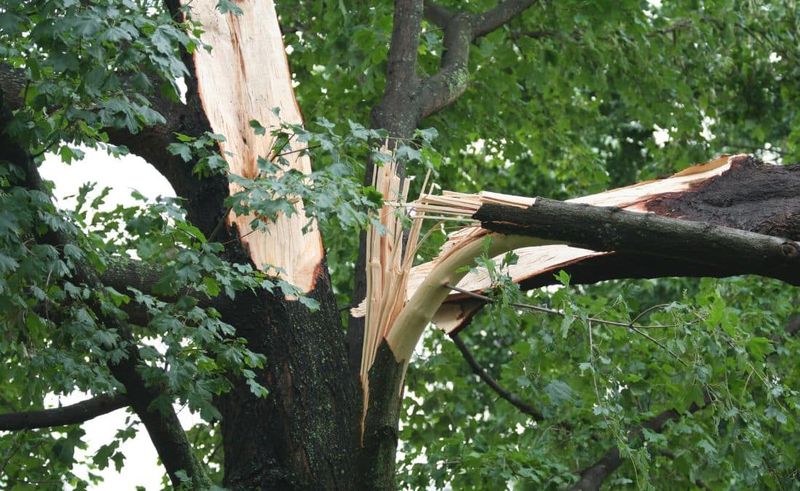
Think of a tree’s canopy as its kitchen. The leaves make food from sunlight, and without enough of them, the whole tree goes hungry.
After Isaias, some trees lost only a few twigs. Others had their crowns ripped apart, leaving big, bare stubs pointing at the sky.
The amount of canopy lost, the size and location of broken limbs, and the tree’s species all matter when judging storm damage. Large breaks can create substantial wounds and increase the risk of decay, but branch diameter alone doesn’t determine whether a tree can recover.
Trees that lose a large share of their canopy – especially when major limbs or the main trunk are damaged – need careful assessment. The recovery outlook differs by species, so an arborist can help determine whether pruning is enough or removal is the safer option.
When a tree loses most of its crown along with several large limbs, it is often beyond recovery. Removal tends to be the safer, smarter move in those cases.
For trees with lighter damage, proper pruning can make a real difference. An arborist will cut broken limbs back to healthy wood and shape the tree for better balance.
Avoid topping, which means chopping off the top of a tree. It creates weak new sprouts that break easily in the next storm.
Give recovering trees some time, water, and a layer of mulch. A tree that pushes out fresh leaves by next spring is a hopeful sign.