Solar-Panel Shade Boosted Two Crops in One Arizona Trial
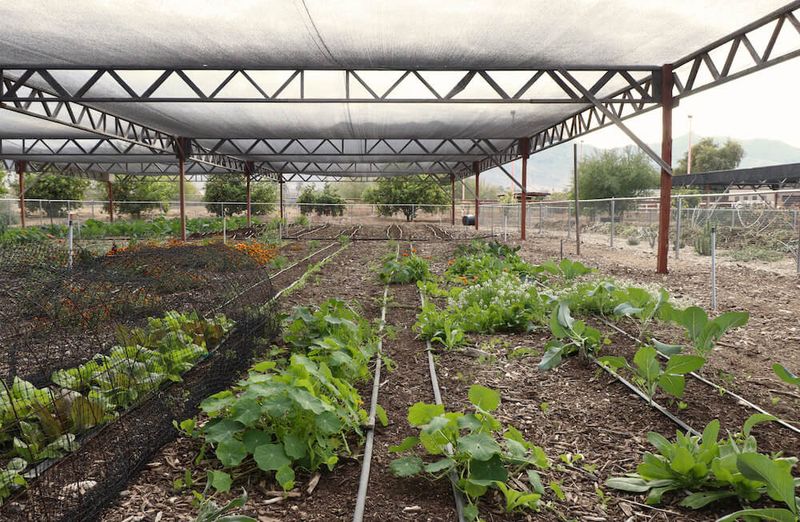
Summer in the low desert can leave a vegetable garden looking tired by July. Plants wilt, fruit gets scorched, and hard work seems to vanish.
One Arizona experiment found that shade helped some crops produce more fruit than they did in open sun. Before you cover the whole garden, it helps to know what that test showed and what it left out.
Extreme heat stresses plants, but full sun still matters
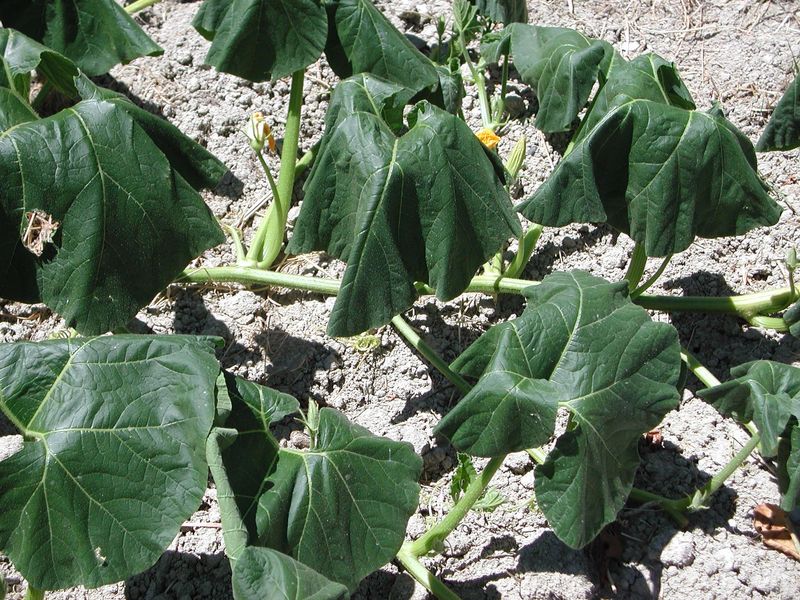
Desert summers push plants hard. University of Arizona Extension lists long stretches of high day and night temperatures, low humidity, and intense solar radiation as stresses for plants in Maricopa County.
That does not mean sunshine is the enemy of every vegetable. Many crops, especially fruiting ones, still need plenty of direct light to make a harvest.
The trouble starts when heat and radiation go past what a plant can handle.
Timing matters too. Spring and fall are the two optimal planting and growing seasons in the county.
Shade can help you stretch a crop into a hotter stretch, but it does not erase those seasonal limits. A tomato seedling set out in July under cloth is still fighting the calendar.
Think of shade as a tool for specific heat problems, not a rule for the whole garden.
One Arizona trial found gains in two crops, not three
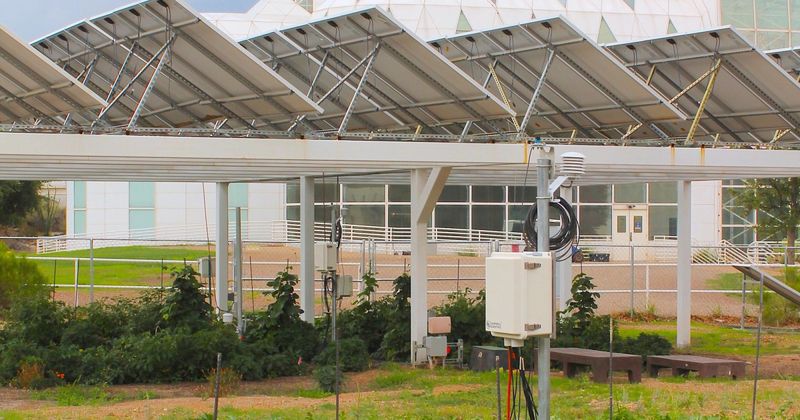
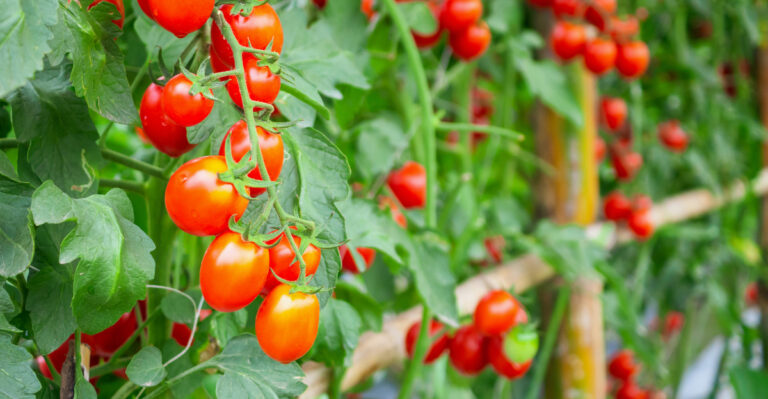
A University of Arizona summer experiment at Biosphere 2 compared plants growing beneath solar panels with plants under open sky. The university’s report says chiltepin fruit production was three times higher under the panels, and cherry tomato production was twice as high.
Jalapeño production was similar in both settings. So the trial found gains in two crops and no clear change in the third.
The scope is narrow. The test ran for three summer months and covered only chiltepin, jalapeño, and cherry tomato.
Solar panels supplied the shade, which is different from a home garden’s shade cloth, a tree canopy, or deep permanent shade.
Treat the result as a promising clue about heat protection for certain crops. It is not a promise that your backyard setup will match it.
The water-loss finding was not an irrigation-savings result
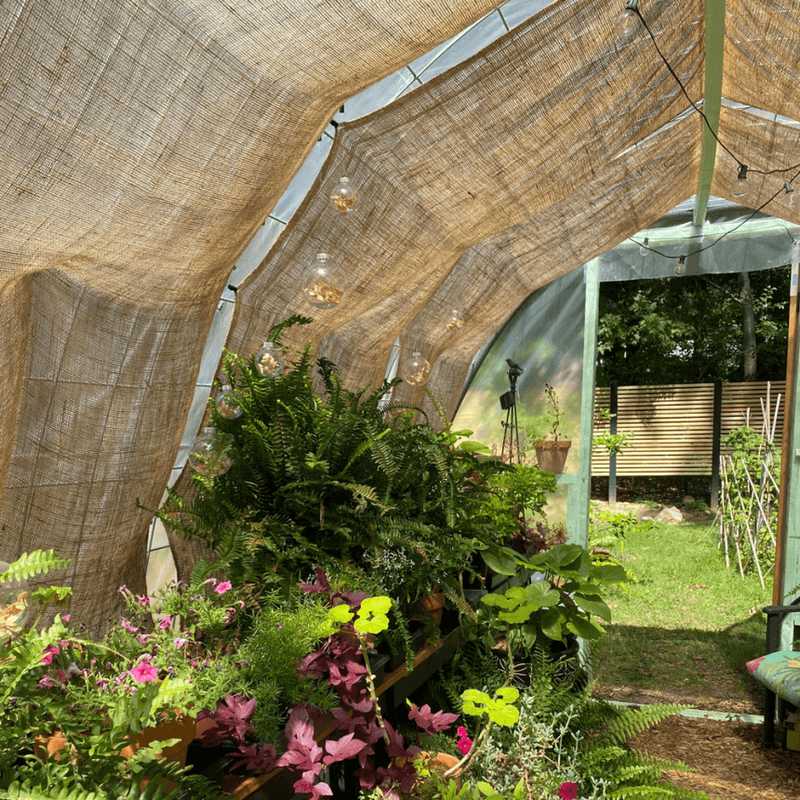
You may see the number 65% attached to this trial. It refers to jalapeño plants losing 65% less water through transpiration under the panels, according to the same university report.
Transpiration is water a plant releases through its leaves. It is not the water you run through a hose or drip line.
Researchers gave both treatments equal irrigation, so the trial never measured a 65% cut in water applied.
The researchers suggested irrigation might be reduced in future setups, but that is something still to be tested. It is not a saving anyone has measured for a household garden.
So keep your watering schedule steady, and watch your soil and plants rather than counting on a smaller water bill.
Shade level and crop determine the yield response
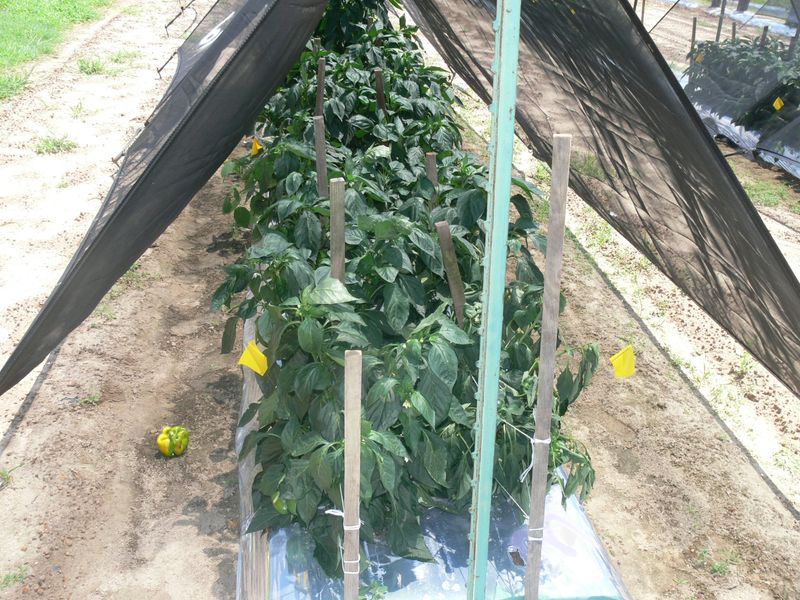
More shade is not always better. In a Georgia field study, researchers working with bell peppers found the highest marketable yield at 30% shade among the levels tested.
Your Arizona Garden Changes Every Week. Your Plan Should Too.
Gardening in Arizona changes quickly throughout the season. Every Friday you’ll receive a simple weekly plan showing exactly what to plant, prune, fertilize, harvest, and protect so you never miss the right timing.
Heavier shade cut total yield because light became the limit.
A Texas study on tomato and chili pepper tells a similar story. That work found reduced yields at 70% shade, while results at 50% depended on the crop.
Neither study was done in Arizona, so neither gives a precise recipe for your yard. What they show is a pattern: light shade may help a crop, deep shade can hurt it, and the sweet spot changes from plant to plant.
A dense cover that makes you feel cooler could be starving your peppers of light.
Match heat protection to the crop
Start with the part of the plant you eat. Arizona Extension’s container guide lists leaf lettuce and mustard greens as partial-shade vegetables.
Tomatoes, peppers, squash, and cucumbers are on its full-sun list.
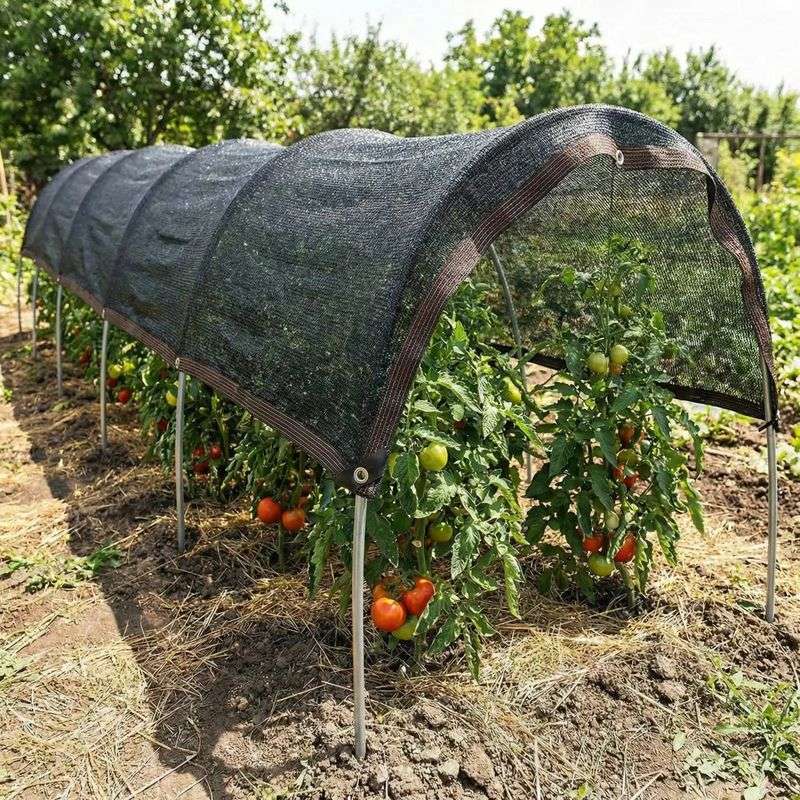
Tomatoes sit in the middle of a tug of war. Extension tomato guidance says they need 6 to 8 hours of full sun for best production, yet intense sun can sunburn fruit.
Its suggestion is 20 to 40% shade, or covering just the plant or fruit during the hottest part of the day if that is enough. Those are options, not guarantees of a bigger harvest.
A practical move is to look for pale, papery patches on fruit facing west. That clue says protection may be worth adding there, while the rest of the plant keeps its sun.
Keep irrigation and local growing seasons in view
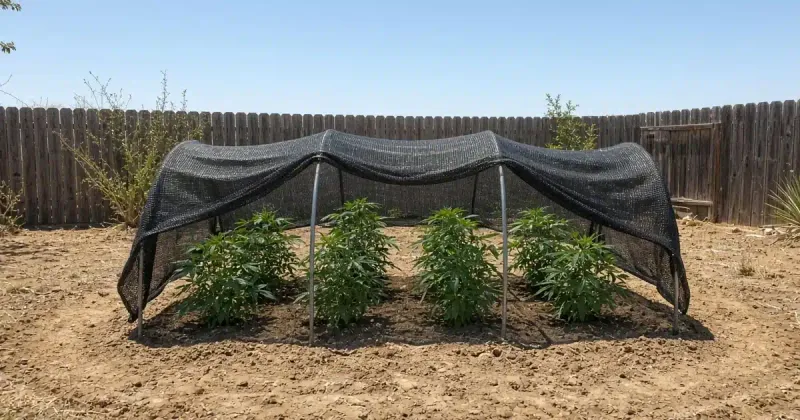
Shade never replaces water. Rain is limited and uncertain here, so Extension advice on vegetable gardens treats irrigation as necessary.
Steady watering also helps tomatoes and peppers avoid blossom-end rot, that dark, sunken spot on the bottom of fruit.
For summer in the low desert, Pima County Extension suggests checking plants for water stress and sunburn. If needed, it points to 30 to 40% shade cloth.
The same guide notes that vegetable gardens may become less productive once temperatures stay above 95°F. Shade may soften the blow, but it does not promise a reliable summer harvest.
Try a simple routine: check soil moisture in the morning, look for scorched leaves in the afternoon, and plan the big plantings for spring and fall.
Choose a setup that can handle monsoon conditions
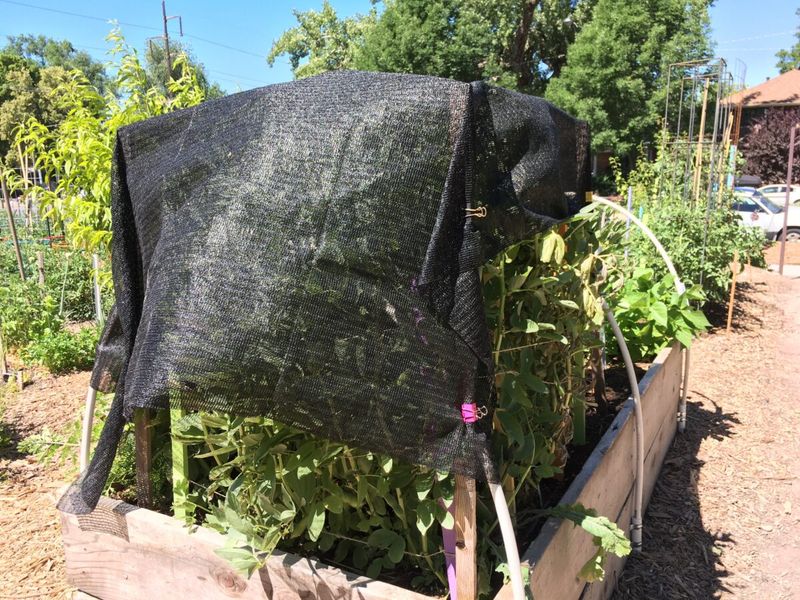
Arizona’s monsoon season runs from June 15 through September 30. Sudden gusts can turn a loose sheet of cloth into a sail.
A fixed structure needs a design suited to local wind. Scottsdale’s shade-structure guidelines call for designs that can withstand regional high winds and monsoon gusts.
That points to two safe choices: build something secure and locally appropriate, or use a removable setup you can take down before a storm. A cloth tied up with whatever was in the garage is not a plan.
Before you buy anything, weigh the crop, the heat stress you see, the shade percentage, the water needs, the season, and how safe the structure will be in a storm. Good shade is only as good as its anchors.