9 Arizona Fruits And Berries You Still Have Time To Plant This Fall For A Spring Harvest
Fall is the real planting season in the Arizona low desert, even if the calendar says otherwise. Cooler soil and milder days give young fruit plants a few calm months to grow strong roots before summer heat returns.
Get them in the ground now, and many will reward you with sweet fruit by spring or early summer. Here are nine smart picks that handle our heat, feed local pollinators, and make your yard work harder for you.
1. Citrus
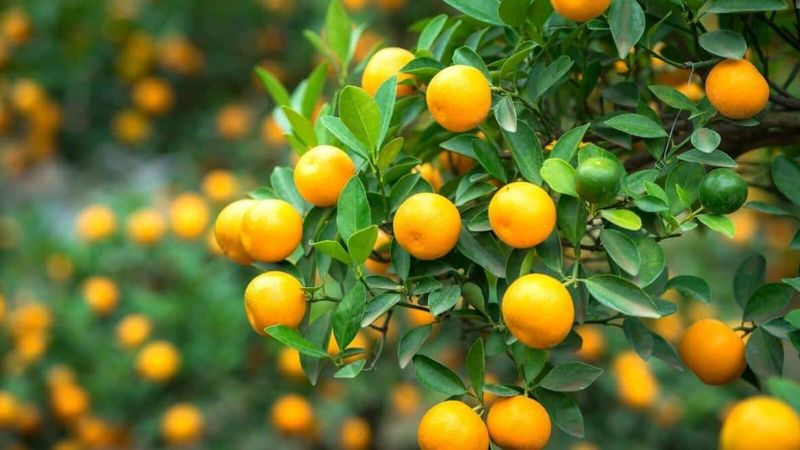
Ask any longtime Phoenix gardener what grows best here, and citrus usually comes up first. Our long, warm seasons feel like home to oranges, lemons, limes, and grapefruit.
Planting from October through December gives roots a cool head start before June arrives.
The payoff stretches out over months. Navel oranges, Eureka or Lisbon lemons, Mexican limes, and Rio Red grapefruit ripen from late fall into early spring.
That means fresh juice on hand right when most of the country is buying fruit shipped from far away.
Every spring, citrus blossoms fill the air with a sweet scent that pulls in honeybees and native bees. A blooming tree can buzz loudly on a warm March morning.
Glossy evergreen leaves also add year-round shade and color to an otherwise brown yard.
For best results, pick a spot with full sun but some shelter from harsh western afternoon rays on young trunks. Wrap or paint exposed bark with diluted white latex paint to prevent sunburn.
Water deeply and slowly, soaking out to the edge of the canopy rather than near the trunk.
Once established, citrus handles our dry air surprisingly well with infrequent deep watering, making it a water-smart backyard staple.
2. Pakistan Mulberry
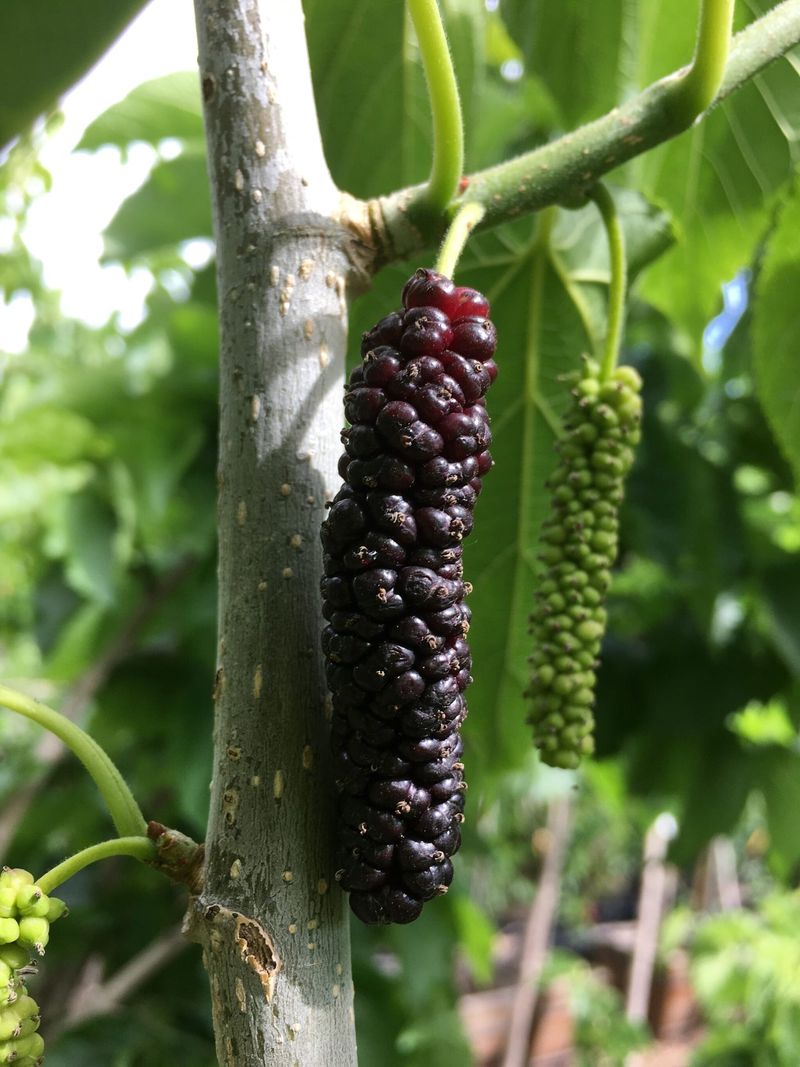
Picture berries as long as your finger, dripping with sweet purple juice in April. Pakistan mulberry delivers exactly that, and it grows fast enough to feel like a small miracle in desert soil.
Fall planting in late September or October lets this tough tree settle in before summer. Mulberries shrug off alkaline ground and blazing sun, and once established they handle dry spells better than many fruit trees.
By spring, you may already spot the first ripening fruit from April into June.
Here is where it shines for a habitat yard. Birds love mulberries, from mockingbirds to thrashers and finches.
Planting one tree can turn a quiet corner into a busy feeding station, and those birds may also snack on insects around your garden.
Quick shade is another bonus. A healthy mulberry can cast cooling shadow across a patio within a few seasons, helping lower surface temperatures on brutal July afternoons.
One tip from experience: keep it away from driveways and light-colored walkways, since dropped fruit can stain. Choose fruiting varieties like Pakistan or Black mulberry, not fruitless types, if you want the harvest.
Share the extras with the birds, and everyone wins.
3. Loquat
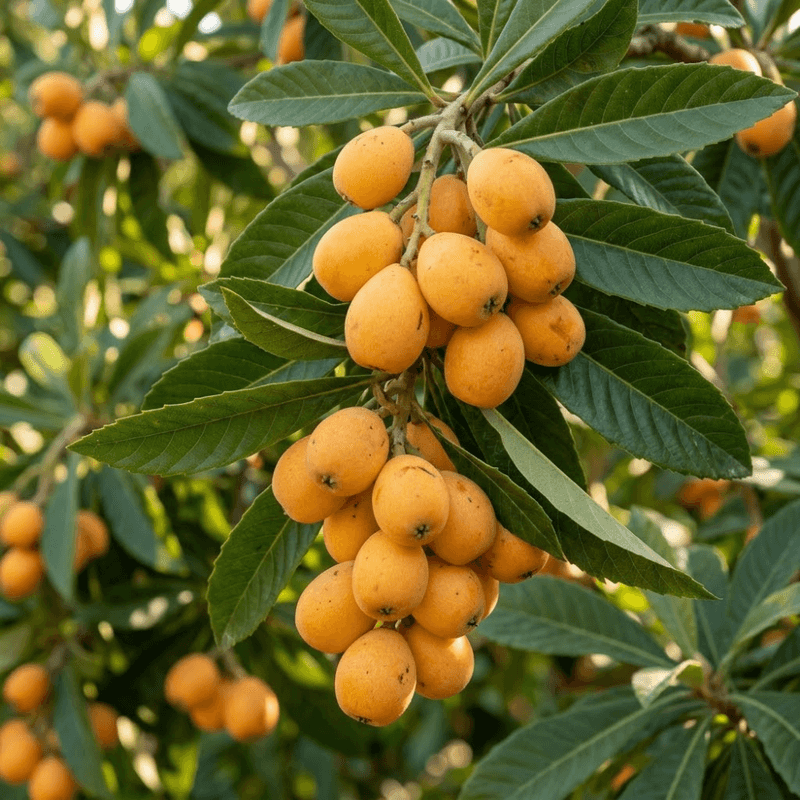
While most fruit trees nap through winter, the loquat does the opposite. It blooms in late fall and ripens golden fruit in early spring, filling a gap when little else is ready to eat.
Your Arizona Garden Changes Every Week. Your Plan Should Too.
Gardening in Arizona changes quickly throughout the season. Every Friday you’ll receive a simple weekly plan showing exactly what to plant, prune, fertilize, harvest, and protect so you never miss the right timing.
October is the sweet spot for planting in the low desert. Cooler months give the roots time to spread out and grip the soil.
Varieties like Big Jim and Bradenton often ripen in late April or May, with tangy-sweet flavor that tastes like a cross between a peach and an apricot.
Loquat flowers open when few other plants are blooming, offering a welcome snack for bees on mild winter days. Its big, leathery leaves form a dense evergreen screen, perfect for blocking a neighbor’s view or breaking wind for tender plants nearby.
Young trees do need a little babying. Give them morning sun and some afternoon shade, perhaps on the east side of the house, for the first couple of summers.
After that, loquats become fairly drought tolerant and rarely struggle with pests.
Fun fact: loquats have been grown in China for over a thousand years. Now they feel right at home in Arizona backyards, too.
4. Strawberries
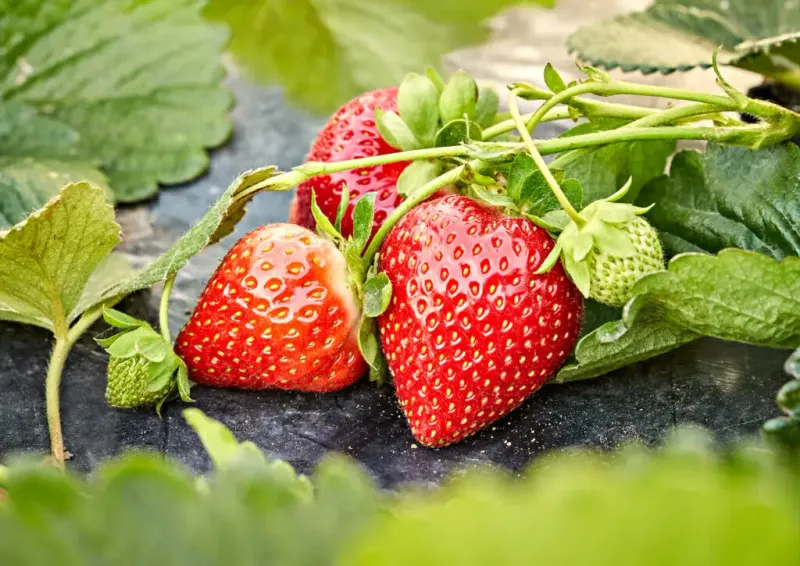
Strawberries in the desert? Absolutely, as long as you flip your thinking.
Here, they act as a cool-season crop, not a summer one.
Set plants out in late September through October, and they will grow quietly all winter. By February and March, flowers appear, followed by juicy berries through spring.
Varieties like Camarosa and Chandler handle our mild winters especially well.
Kids tend to love this one most. There is something magical about walking outside in March and picking a warm, ripe berry straight off the plant.
It turns a backyard into a snack bar.
Strawberry flowers also draw in small native bees and other pollinators, which helps nearby vegetables and fruit trees set fruit. Grown as a low groundcover, the plants shade soil and reduce moisture loss.
A few desert tweaks help a lot. Use raised beds or containers filled with rich, well-draining mix, since caliche and alkaline soil can stunt them.
Run drip irrigation and add straw mulch to keep berries off the ground and roots cool.
When summer heat hits hard, many plants will fade. Treat them like a seasonal treat and replant fresh each fall for the sweetest results.
5. Flame Seedless Grapes
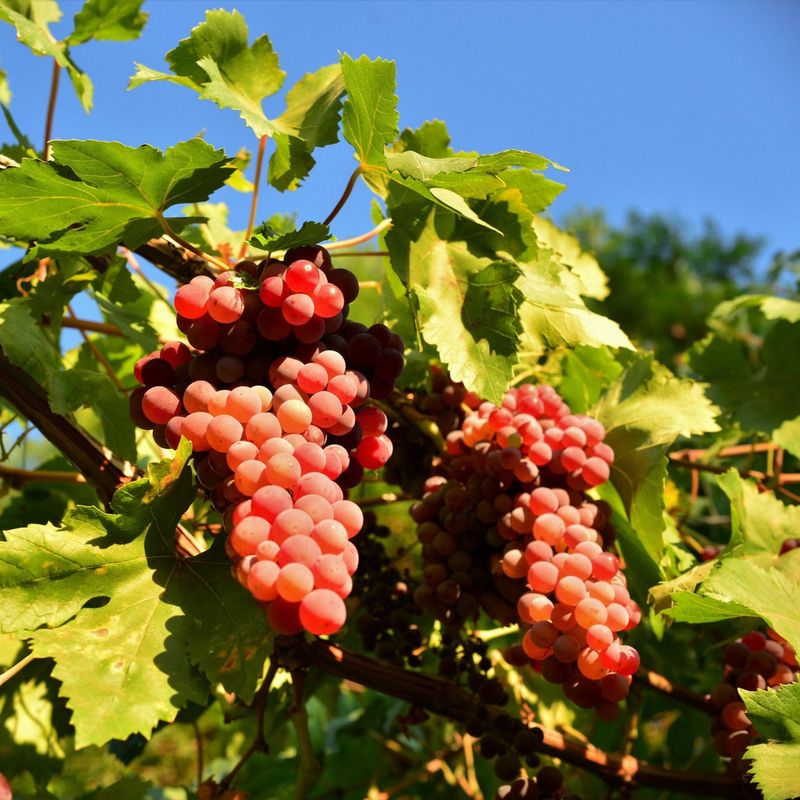
Imagine sitting under a leafy arbor in June, reaching up to pluck a cluster of crisp red grapes. That scene is completely doable in the Valley with the right variety.
European grapes love intense sunshine, and Flame Seedless is one of the earliest to ripen, often by mid-June. Thompson Seedless follows a bit later.
Fall planting of container-grown vines works well in our mild winters, provided the soil drains freely.
Grapes pull double duty in a functional yard. Train them over a pergola or trellis on the south or west side of a patio, and they create living shade in summer.
In winter, leaves drop so warm sunlight can reach your windows again.
Spring blossoms bring in pollinators, and birds will eagerly check out ripening fruit. A bit of netting helps if you want to save the harvest for yourself.
Established vines grow deep roots and prefer a long, slow soak every week or two instead of daily sips. That habit makes them a smart pick for water-conscious homeowners.
Prune hard each winter to encourage strong fruiting wood. With patience, one vine can supply grapes for years.
6. Barbados Cherry
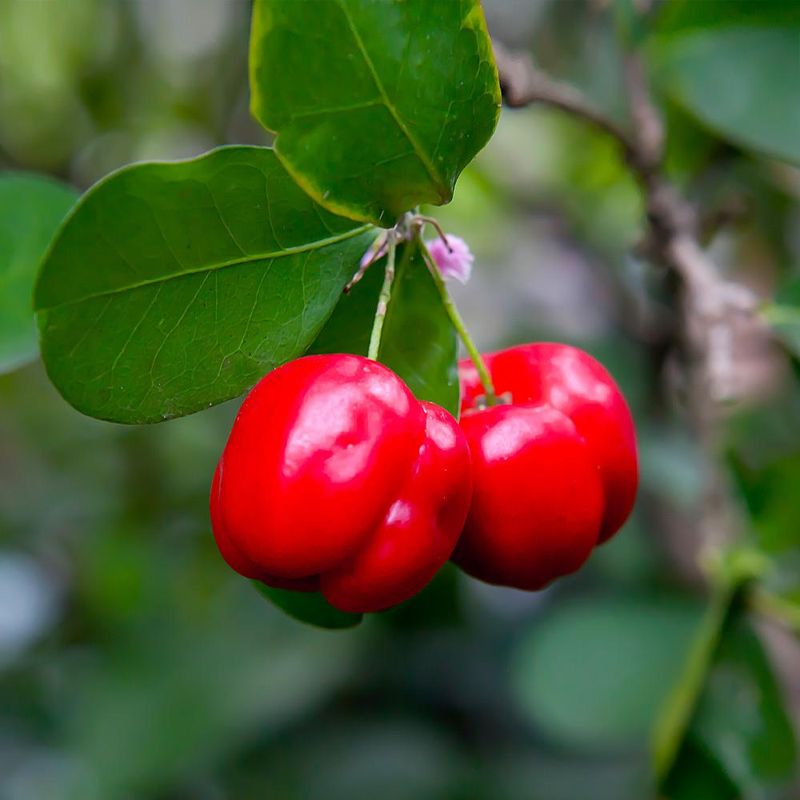
Small but mighty might be the best way to describe Barbados cherry. One tiny red fruit can pack more vitamin C than an entire orange.
Also called acerola, this compact shrub loves heat and full sun. Planting in early fall gives its roots time to establish before cooler nights arrive.
It handles a range of soils as long as water drains well, and it stays evergreen during mild Arizona winters.
Harvest time comes again and again. After each bloom cycle, fruit ripens in about 30 days, so you can pick from late spring well into fall.
The cherries taste bright and tart, perfect for smoothies, jams, or snacking off the bush.
Pretty pink flowers attract bees throughout the warm season, keeping your yard buzzing with pollinators. Because it is self-pollinating, you only need one plant to get fruit, a handy perk for smaller yards and patios.
Keep it in a protected spot near a warm wall, since hard frost can damage it. Covering on chilly nights helps.
Container growing works nicely too.
For gardeners short on space but hungry for a steady harvest, this little shrub delivers big.
7. Low-Chill Plums
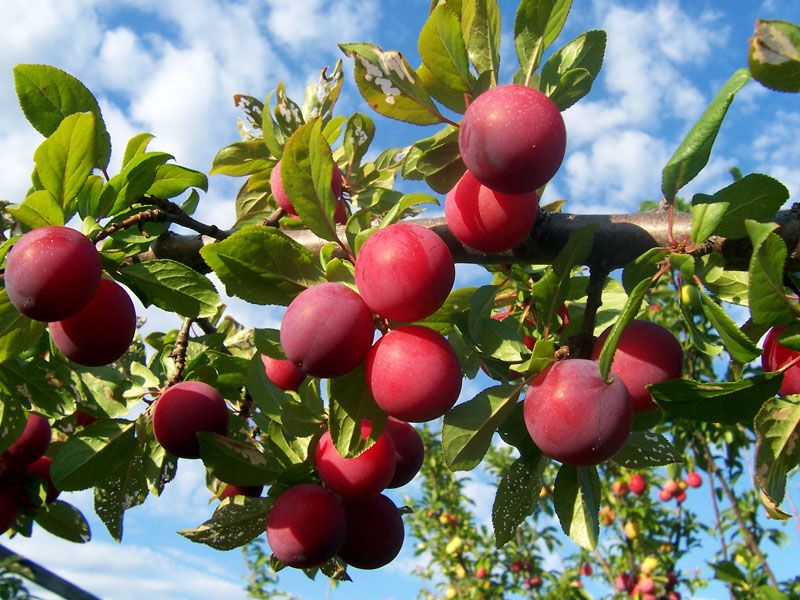
Plenty of folks assume plums need snowy winters. The secret lies in choosing low-chill varieties bred for places where cold snaps are rare.
Santa Rosa, Beauty, and Methley all thrive in the low desert. Container trees can go in the ground this fall, giving them months of mild weather to grow roots.
Come May and June, branches sag with sweet, juicy fruit.
Early spring brings a cloud of white blossoms that feed bees just as they become active. Many gardeners notice a surge in pollinator activity around plum trees, which can help the rest of the garden too.
As the tree matures, its canopy adds welcome shade to a hot yard. Plant on the east side of the house for cooler mornings and some relief from punishing afternoon sun.
A few practical steps help plums succeed. Build a watering basin around the trunk and soak deeply, then let the soil dry slightly between waterings.
Mulch generously to protect roots and hold moisture.
Thin the young fruit in spring so remaining plums grow larger and branches do not snap. Methley pairs well with Santa Rosa for better pollination and an even heavier crop.
8. Anna and Dorsett Golden Apples
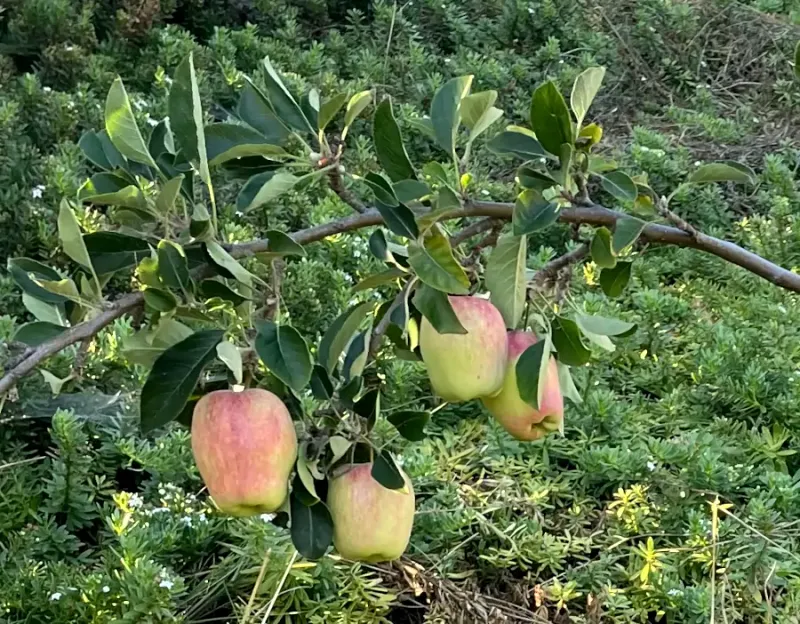
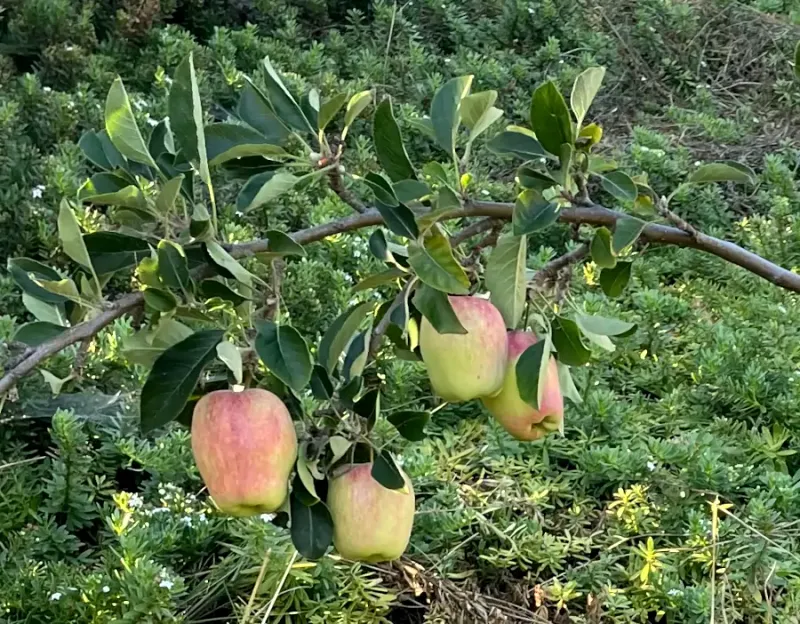
Homegrown apples in Phoenix sound like a tall tale. Yet Anna and Dorsett Golden prove it can happen, no snow required.
Both were bred to need very few chill hours, which suits our short, gentle winters. Planting container trees in fall sets them up for a strong start.
Anna often begins ripening in early summer, with crisp, sweet-tart fruit that is great for eating fresh or baking pies.
Plant these two together. They bloom at the same time and pollinate each other, leading to much better fruit set than a lone tree.
Their pink-white spring flowers become a pollinator party, drawing bees from all around.
Over time, apple trees grow into nice shade providers. A well-placed tree can cool a patio or protect more sensitive plants underneath from harsh afternoon light.
Desert care matters here. Paint trunks white to prevent sunscald, use thick mulch over the root zone, and water deeply during dry spring weeks when fruit is forming.
Watch for sunburn on apples in midsummer and consider shade cloth during heat waves.
Biting into a crunchy apple you grew in Arizona feels pretty special. These two varieties make it realistic.
9. Blackberries
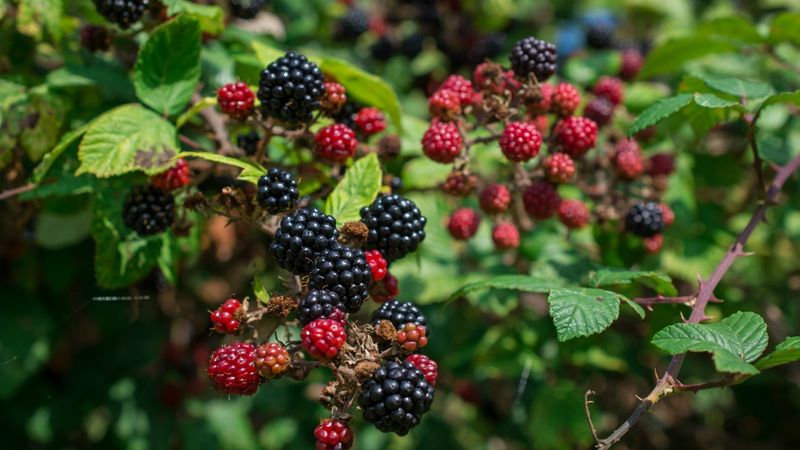
Nothing says summer is coming quite like purple-stained fingers from a fresh blackberry patch. Thanks to fall planting, that treat can arrive by late spring.
Getting canes in the ground this fall lets them build sturdy roots before heat sets in. Look for varieties suited to warm climates, such as Arapaho or other thornless types that handle desert conditions.
Many produce ripe berries around May and June.
For habitat lovers, blackberries are a gem. Dense canes create shelter for small birds and lizards, and the flowers attract plenty of pollinators.
Birds will happily sample ripe berries, so you may want to share or add light netting.
Placement makes a huge difference. Choose a spot with morning sun and afternoon shade, like the east side of a fence or wall.
Mix compost into the planting area to loosen tough caliche soil.
Water deeply and keep a layer of mulch over the roots to hold moisture during hot spells. After canes finish fruiting in early summer, cut them back to the ground to make room for new growth.
With a little care, a small patch can provide berries every single year.