The Arizona Plants That Keep Pack Rats From Nesting Under Your Car And Shed
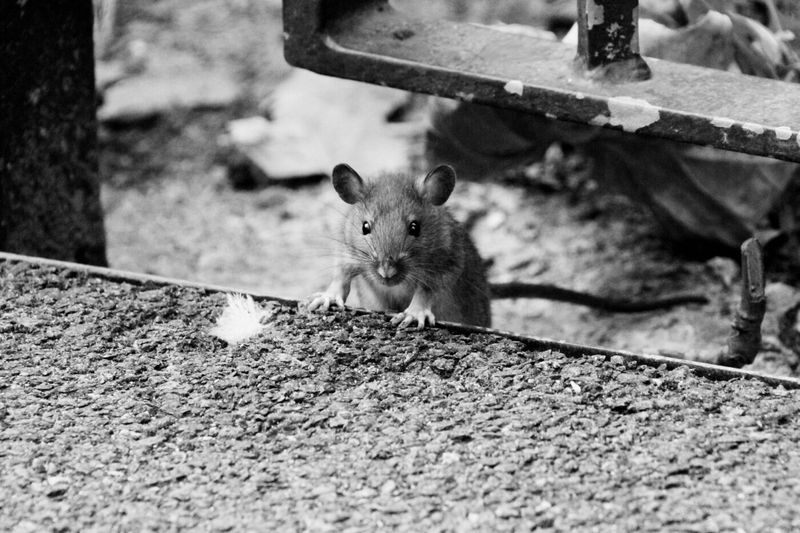
You pop the hood one morning and find a messy pile of sticks, cactus bits, and chewed wires where your engine should be spotless. Pack rats are a real headache across Phoenix and Tucson, and they love dark, quiet spots like carports and sheds.
The good news is that some tough, strongly scented plants can make those areas far less cozy for them. Here are eight smart picks that handle desert heat, sip little water, and help your yard work for you.
1. Rosemary
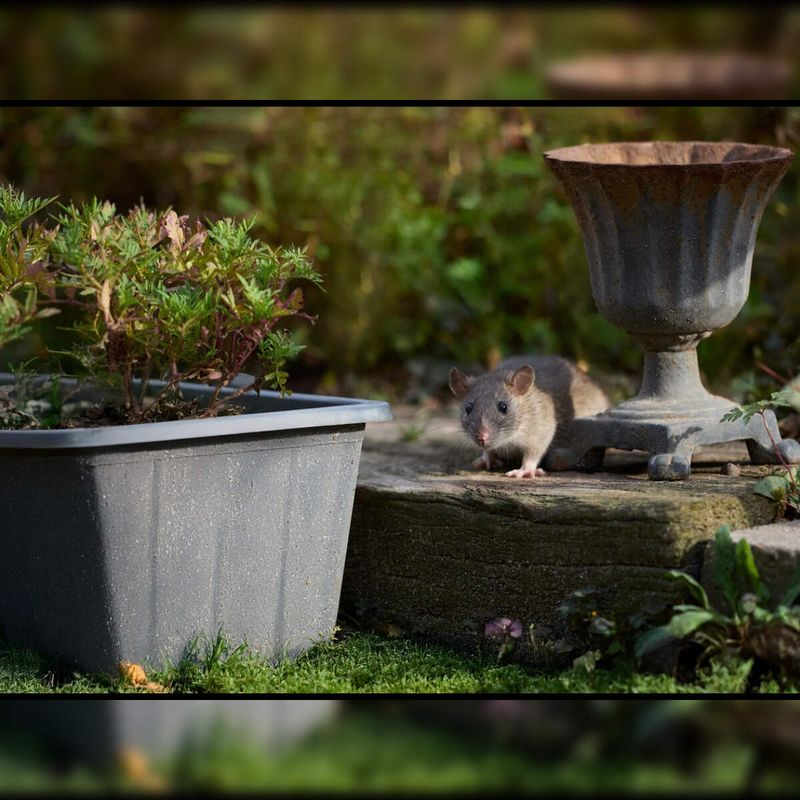
Brush your hand across a rosemary bush and the piney smell clings to your skin for an hour. That same punchy aroma is exactly why rosemary shows up on so many pack rat lists.
Rodents rely heavily on their noses, and a yard full of sharp scent may feel confusing and uninviting to them.
Rosemary is also a low-desert champ. It shrugs off 110 degree afternoons, grows happily in alkaline soil, and needs only occasional deep watering once established.
Trailing types work nicely along carport edges, while upright varieties can line the sunny side of a shed.
Here is a key trick, though. Avoid planting rosemary in one big, thick mass, because a dense mound can actually turn into a shady hideout.
Space plants a couple of feet apart so you can see the ground beneath them and air can move freely.
Fall is the sweet spot for planting, ideally October or November, so roots settle in before summer returns. Early spring works too.
Trim older woody stems each year to keep the base open. As a bonus, bees adore the tiny blue flowers in late winter, so you get pollinator traffic along with a less rat-friendly carport.
2. Lavender
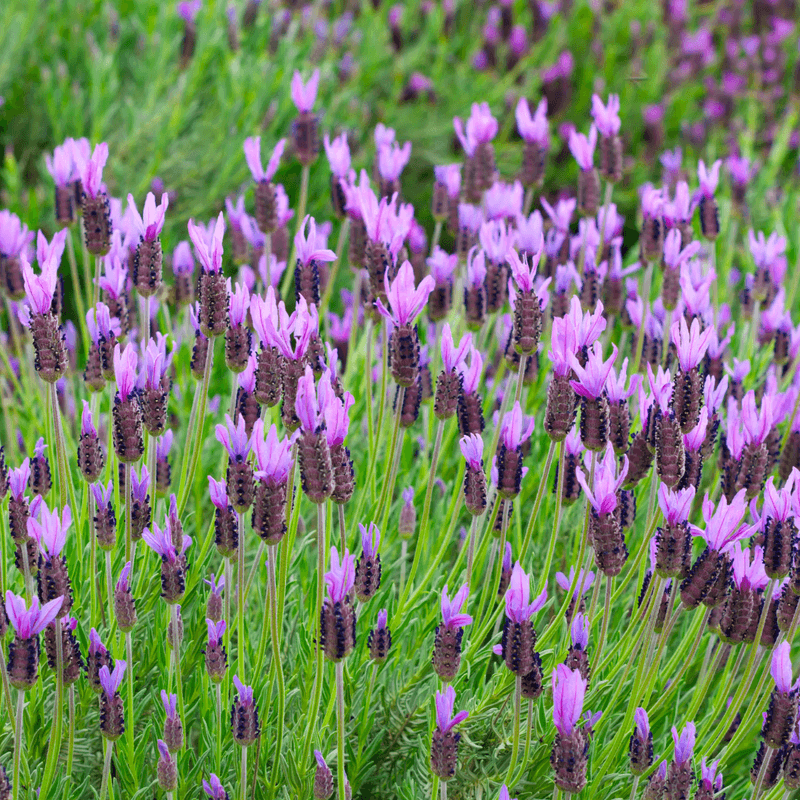
People pay good money for lavender soap, yet many rodents seem to want nothing to do with the real plant. Its oily, floral fragrance is strong enough that rats tend to steer around it, which makes it a lovely border plant near storage areas.
Not every lavender loves Arizona, so choose wisely. Spanish lavender and fernleaf lavender handle low-desert heat better than the classic English types.
Give them full morning sun with a little afternoon shelter, and plant in soil that drains fast. Soggy roots are the quickest way to lose a lavender here.
Picture a tidy row running along the front of your shed doors. The scent hits anything that wanders through, and the plants stay compact enough that they never create a dark tunnel underneath.
Keep a few inches of open gravel between each one.
Water deeply but rarely, maybe once a week in summer after the plants are established. Skip heavy fertilizer, since lean soil actually boosts the fragrant oils.
Shear spent flower spikes after blooming to keep things neat. You end up with a purple, sweet-smelling barrier that butterflies love and pack rats may simply decide to skip.
3. Garden Sage
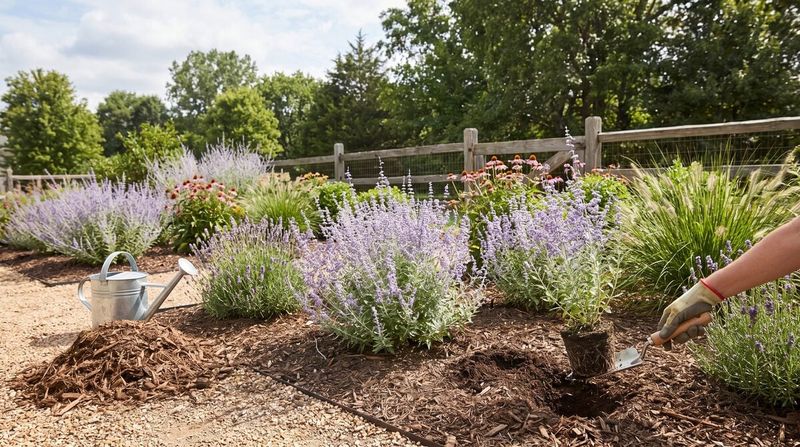
Grandma probably kept sage for stuffing, but your driveway might benefit from it even more. Garden sage carries a musky, earthy aroma that comes on strong when the sun heats its fuzzy leaves.
Your Arizona Garden Changes Every Week. Your Plan Should Too.
Gardening in Arizona changes quickly throughout the season. Every Friday you’ll receive a simple weekly plan showing exactly what to plant, prune, fertilize, harvest, and protect so you never miss the right timing.
In Arizona, that happens almost every day.
Sage is one of the tougher culinary herbs for desert gardens. Its gray-green leaves reflect light and hold moisture well, helping it cope with dry spells.
Plant it where it gets morning sun and some shade after 2 p.m. for the happiest results.
Why include it along with rosemary and lavender? Variety matters.
Mixing several strong scents may keep rodents from getting used to any single smell, and sage fills a different height and texture in your planting bed.
Try a few clumps flanking the driveway right where your car parks overnight. Keep the base clear of fallen leaves, since leaf litter is prime nesting material for pack rats.
Snip leaves often for cooking, which keeps plants bushy instead of leggy.
Fall or late February planting gives the best start. With a drip emitter and a layer of gravel mulch, sage can be a low-fuss, kitchen-friendly guard post right outside your garage.
4. Mexican Marigold
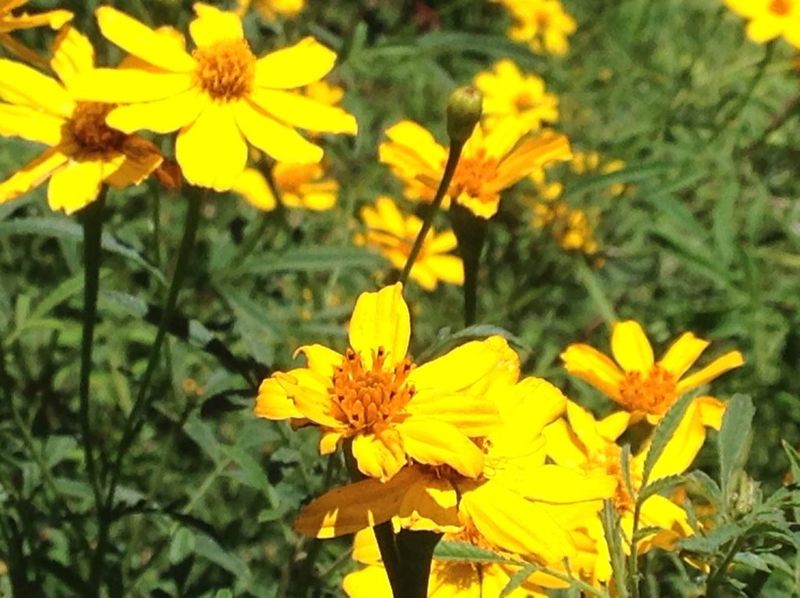
Crush one leaf of Mexican marigold and you will never forget it. The smell is a wild mix of citrus, mint, and something sharp, and gardeners either love it or wrinkle their noses.
Many critters fall into the second group.
Copper Canyon daisy, also called Mount Lemmon marigold, is a Southwest native shrub that thrives in Phoenix and Tucson yards. It handles heat, needs modest water, and explodes with golden blooms in fall and spring.
Few plants offer this much color with so little effort.
Its powerful leaf oils are the main draw for our purposes. Planted near a garage entrance or along a fence line, it adds a scent layer that may make the area less appealing for rats scouting a new home.
Annual marigolds can work too, tucked into pots near the carport during cooler months.
One caution: this shrub gets big, often four feet wide. Prune it hard in early summer so it does not form a thick skirt touching the ground.
Keeping the lower stems open is just as important as the smell itself.
Pollinators flock to the flowers, so your pest-wary border doubles as a butterfly stop.
5. Peppermint in Pots
Peppermint is a bit of a rebel. Plant it in the ground and it will try to take over your whole yard, popping up everywhere with its spreading roots.
So keep it in pots, where it becomes a handy, movable rodent nuisance.
The menthol scent of peppermint is famous among pest-fighting homeowners. Many people already use peppermint oil on cotton balls under the hood.
Growing the live plant gives you a fresh, renewable source of that same smell.
Here is the fun part about pots: you can move them. Set a few large containers right at the edges of your carport, near the front tires, or beside shed corners.
Shift them around every few weeks so the area never feels predictable.
Mint is thirstier than our other picks, so it needs some care in the desert. Give it afternoon shade, water often in summer, and use glazed pots to slow evaporation.
Grouping containers together also helps them stay cooler during brutal July days.
Pinch the tips regularly to release scent and keep growth full. Toss a sprig in your iced tea while you are at it.
A plant that helps your carport and your drink is hard to beat.
6. Desert Lavender
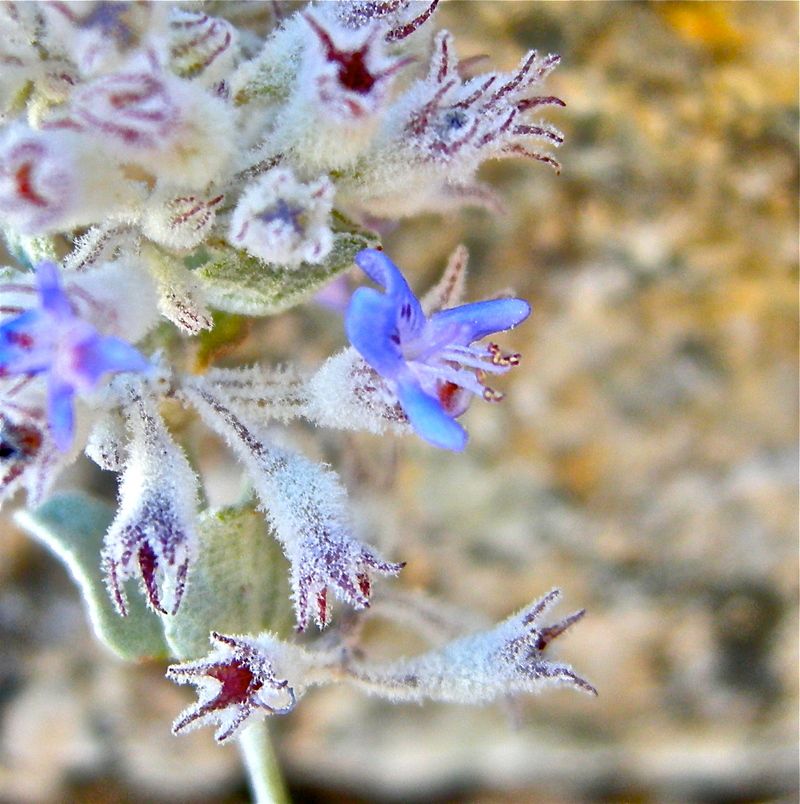
Hike a desert wash near Tucson in spring and you might smell desert lavender before you spot it. Despite the name, it is not a true lavender at all.
It is a native Sonoran shrub with fuzzy gray leaves that release a sweet, minty perfume when touched.
For homeowners who prefer true natives, this is a standout. It handles full sun, poor rocky soil, and very little water once settled in.
It even blooms during cooler months when not much else is flowering.
That strong-smelling foliage brings the same idea as rosemary and sage, but with a plant born for this exact climate. Placed along a back fence or behind a shed, it can add scent while also feeding native bees and hummingbirds.
Size is something to plan for, since it can reach six feet tall. Give it a few feet of breathing room away from walls and rooflines so branches never act as a ladder for climbing rats.
Raise the canopy by trimming lower limbs, leaving the ground below open and visible.
Plant in October or November and water every week or two the first summer. After that, it mostly takes care of itself.
7. Creosote Bush
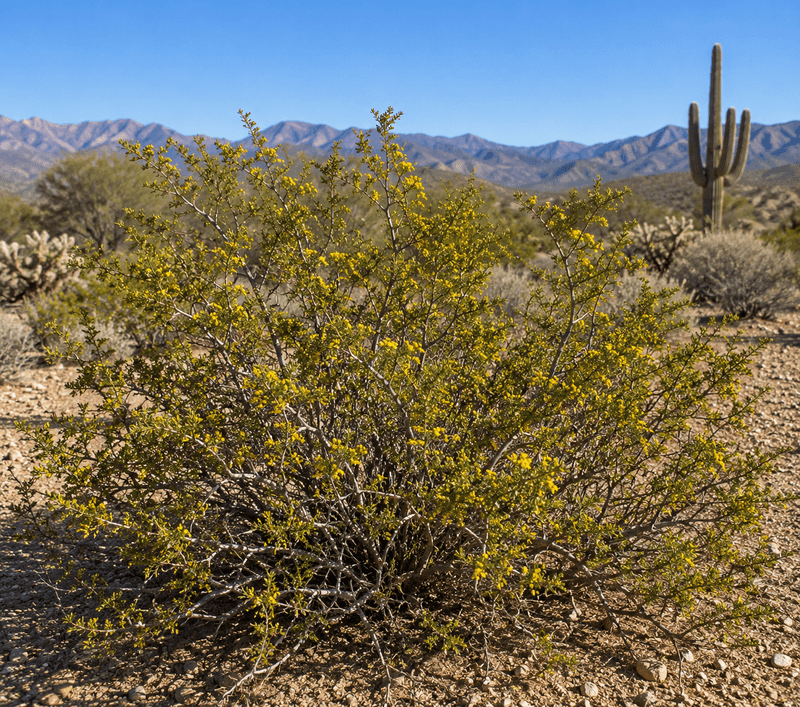
Ever notice that rain smell in the desert after a monsoon storm? That earthy scent comes largely from creosote bush, one of the most iconic plants of the Sonoran Desert.
Creosote leaves are coated in a sticky, bitter resin that most animals avoid eating. That resin is part of why many critters leave it alone, and its strong aroma adds another layer to a scent-based strategy near outbuildings.
Shape is another advantage. A healthy creosote has an open, airy form with thin branches, so it does not create the thick, shaded mound pack rats crave.
You can see right through it to the ground below, which means fewer hidden corners.
Watering is almost a non-issue. Once established, this shrub can survive on rainfall alone in most of the low desert, which makes it a smart pick for the far edges of your property where hoses rarely reach.
Plant small nursery stock in fall and resist the urge to overwater. Too much water makes it leggy and dense.
Lightly thin interior branches every year or two. Fair warning: pack rats sometimes still nest near creosote in wild areas, so treat it as one helper, not a magic wall.
8. Thinned-Out Agave and Yucca
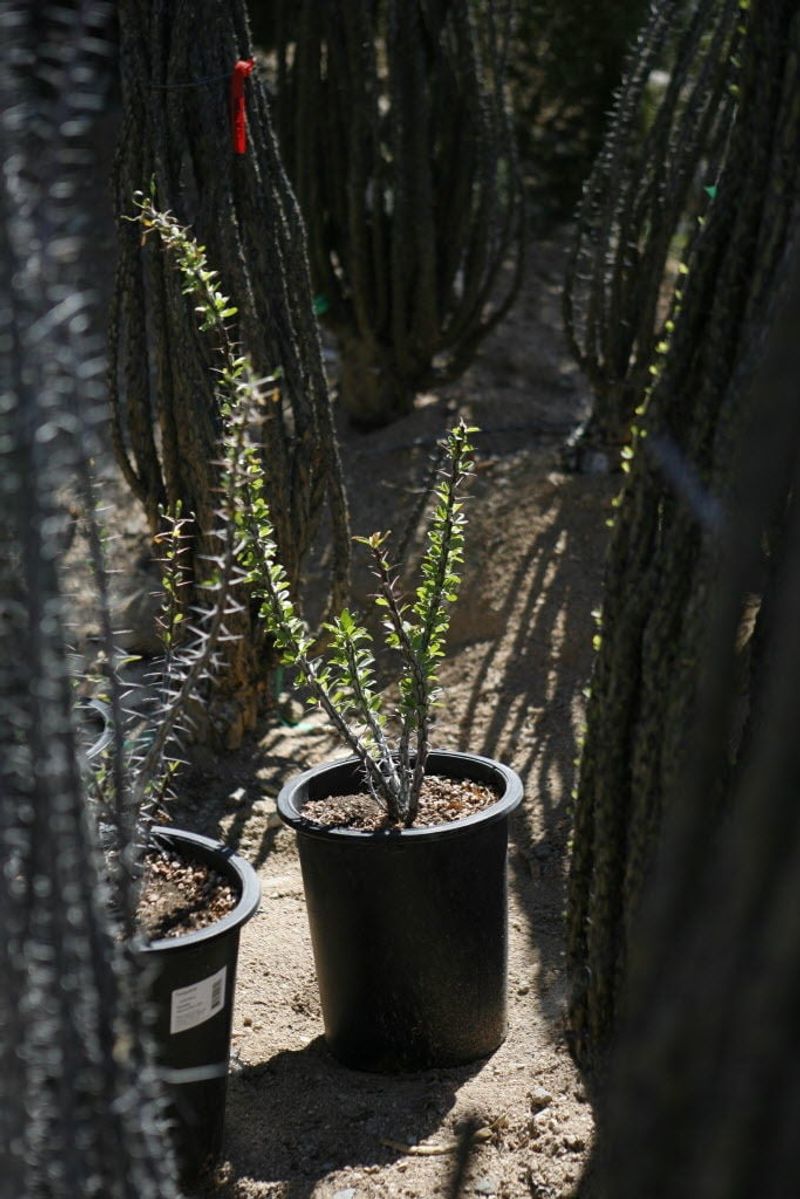
Sometimes the best plant strategy is about what you take away. Agaves, yuccas, and dense cactus clusters are desert favorites, but crowded plantings can turn into pack rat condos.
Prickly pear is especially risky, since rats eat the pads and use spines to armor their nests.
You do not need to rip everything out. Instead, space out your succulents and remove the dried skirt of old leaves around yucca trunks.
Pull dead lower agave leaves and rake out debris tucked between plants.
Think of it as opening the blinds. When light and air reach the soil, those dark, protected pockets disappear.
Rats feel exposed, and exposed rats tend to move along.
Keep prickly pear and cholla well away from your car and shed, ideally at the far side of the yard if you grow them at all. Near structures, choose single specimen plants with clear ground around them.
Pair this tidy approach with your scented plants for the best effect. Also clear stored clutter from the carport, seal shed gaps, and pick up fallen fruit or pet food.
Plants help, but a clean, open yard is what truly tells pack rats there is no vacancy here.