This Ohio Native Tree’s Muscle-Like Bark Is Its Best Winter Feature
Strip the leaves off most trees and you get a gray, forgettable stick. Not this one.
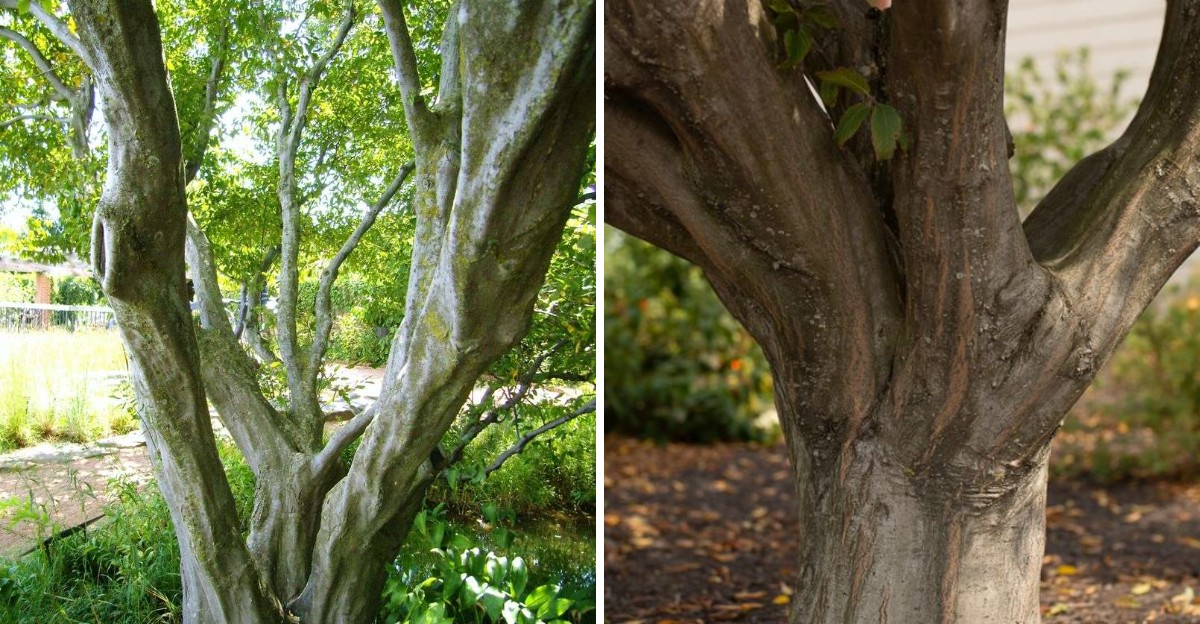
Run your hand along the trunk of a certain Ohio native in January and you’ll swear you’ve grabbed a flexed arm. Smooth, blue-gray, and rippled with ridges that look like sinew pulled tight.
Hikers stop in their tracks. Kids poke it and laugh.
Fall color gets the glory in most yards. This tree saves its best trick for the dullest months, when everything around it looks flat and tired.
Landscapers who know it rarely stop at planting just one.
It stays small, handles shade, and feeds a surprising list of wildlife. Few nurseries put it front and center, which keeps it a quiet favorite.
Look at the bark before you look at the branches. One squeeze of that trunk and you’ll understand the nickname.
1. Meet Musclewood, Also Known As American Hornbeam
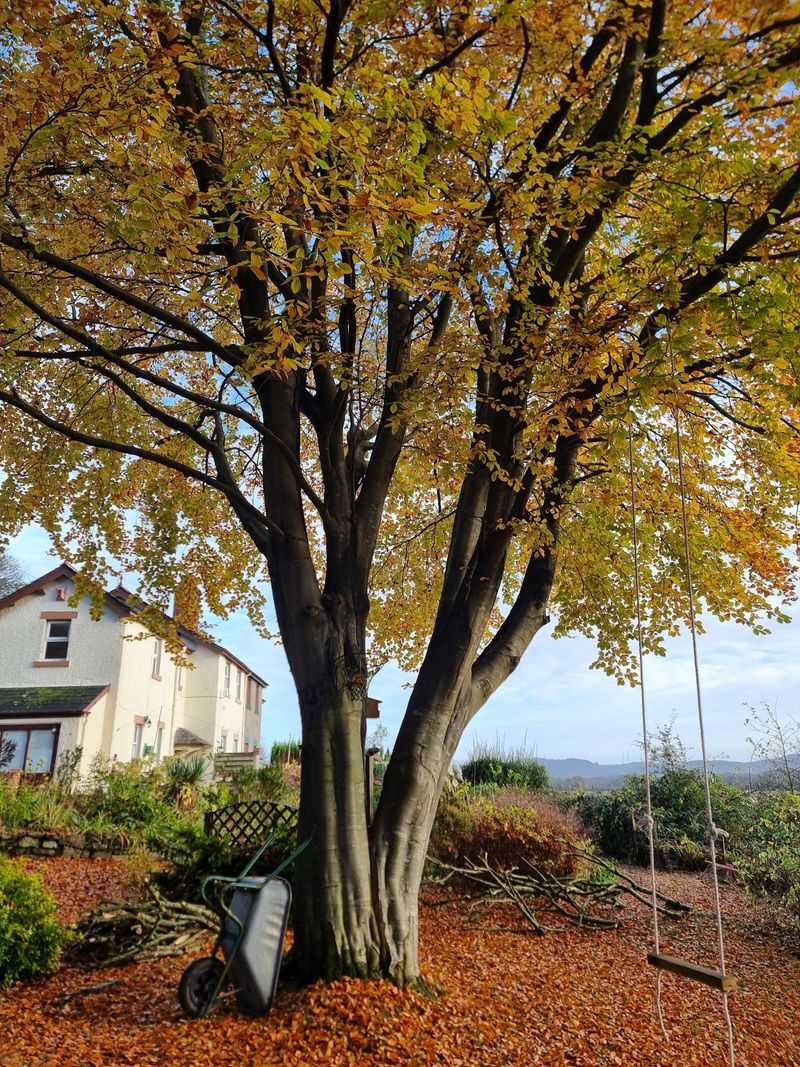
Picture a quiet creek bank in Ohio on a snowy morning. Among the taller oaks and maples stands a smaller tree with a trunk that seems to bulge and ripple.
Say hello to Musclewood, a tree scientists call Carpinus caroliniana. Most garden books list it as American Hornbeam, but folks have given it plenty of nicknames over the years.
You might hear people call it Ironwood, Blue Beech, or Water Beech too.
American Hornbeam is native to Ohio and much of the eastern United States. It loses its leaves each fall, which makes it a deciduous tree.
In the wild, it likes to grow in the shade of bigger trees, often near streams and moist bottomlands.
Size is one of its friendliest traits. It usually reaches about 20 to 35 feet tall, so it fits nicely in most backyards.
That makes it a smart pick if you want a native tree that will not tower over your house.
Here is a fun fact about the name Ironwood. The wood is so hard and tough that early settlers used it for tool handles and mallets.
Some even say it could dull an axe blade quickly.
Once you learn to spot this tree, you may notice it in parks, nature preserves, and quiet forest trails all over the state.
2. Its Trunk Ripples Like Flexed Muscles
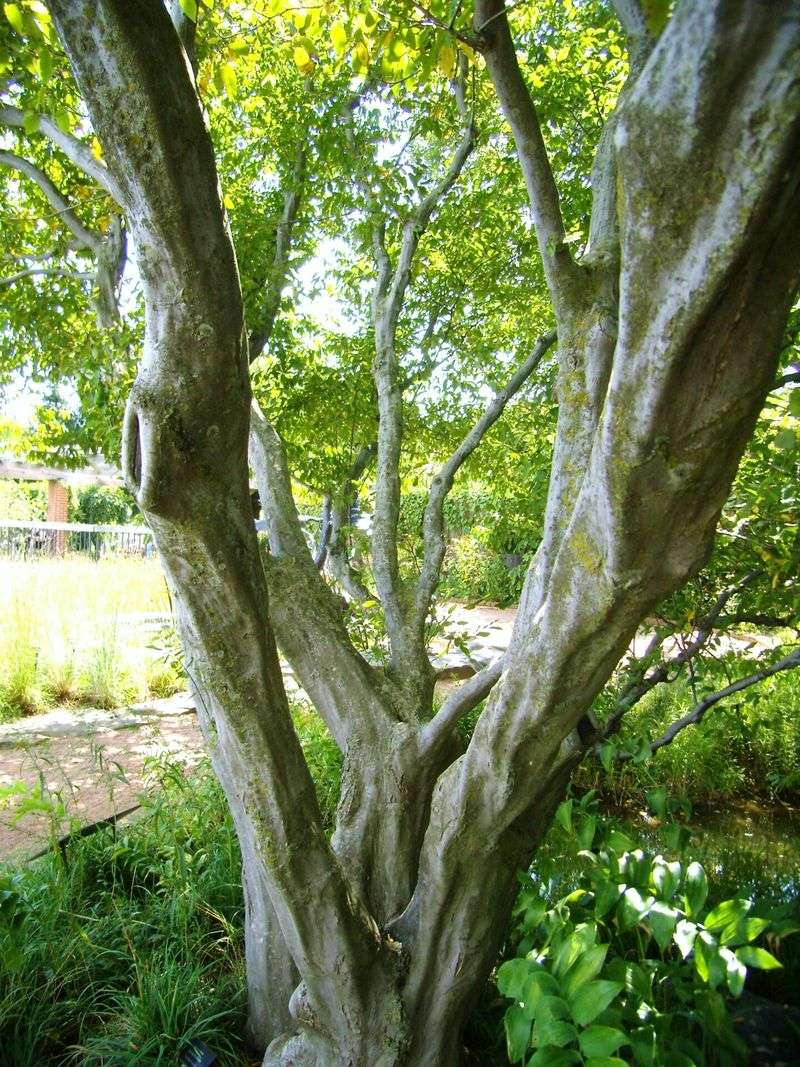
Ever flexed your arm in a mirror to check for muscles? American Hornbeam does that all year long, and it does not even need to lift weights.
The trunk has a fluted, ridged shape that twists and rolls along its length. Instead of being round like a pole, it looks like bundles of cords pressed together.
Many people say it reminds them of a bodybuilder’s arm or the leg of a racehorse.
That sinewy look is where the name Musclewood comes from. Kids on nature walks often love it right away because it feels like the tree is showing off.
Some even like to pose next to it for silly strong-arm photos.
The ridges can wander up the trunk in wavy lines. On some trees, they are gentle and soft looking.
Your Ohio Garden Changes Every Week. Your Plan Should Too.
Gardening in Ohio changes quickly throughout the season. Every Friday you’ll receive a simple weekly plan showing exactly what to plant, prune, fertilize, harvest, and protect so you never miss the right timing.
On others, they are deep and bold, almost like a sculpture.
Want to try a simple activity? Next time you find one, close your eyes and slowly run your fingers along the bark.
You will feel bumps and dips that seem almost alive.
Bring a sketchbook too. Drawing the curvy trunk is a great way to train your eye.
You will start to notice how no two Musclewood trees have exactly the same pattern of ridges.
3. The Bark Takes Center Stage Once The Leaves Drop
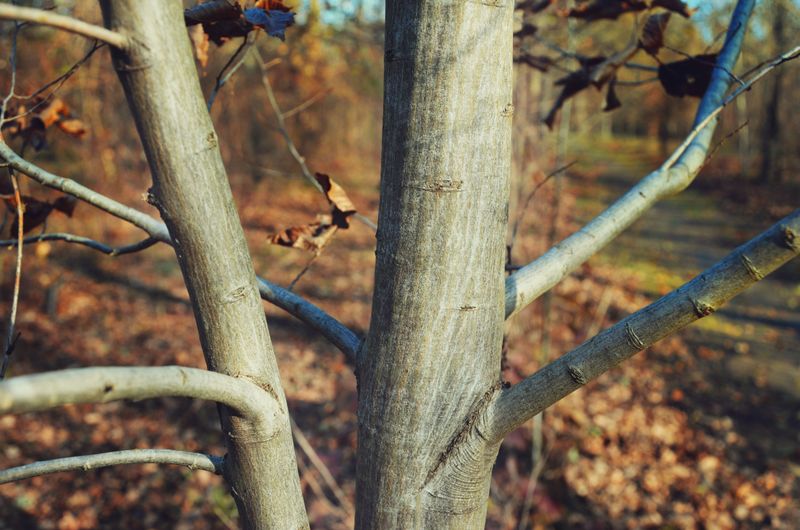
Summer hides a secret. When American Hornbeam is full of green leaves, most people walk right past it without a second glance.
Then autumn arrives. The leaves turn shades of yellow, orange, and red before they drift to the ground.
Suddenly the trunk is out in the open, and the show begins.
Winter is when this tree truly shines. With nothing blocking the view, the smooth gray ridges catch the low winter sun.
Snow and frost add even more drama, outlining every curve like a pencil drawing.
Garden designers love trees with what they call winter interest. That means a plant still looks good after the flowers and leaves are gone.
American Hornbeam is one of the best native choices for this job in Ohio yards.
Think about where you look most often in winter. Maybe it is the view from your kitchen window or the path to your front door.
Planting a hornbeam there gives you something lovely to enjoy on gloomy days.
Pair it with evergreens like native junipers or holly for extra contrast. The dark green leaves make the pale bark pop.
A dusting of fresh snow turns the whole scene into a winter postcard right outside your home.
4. Look For Bluish-Gray Bark With Pale And Dark Patches
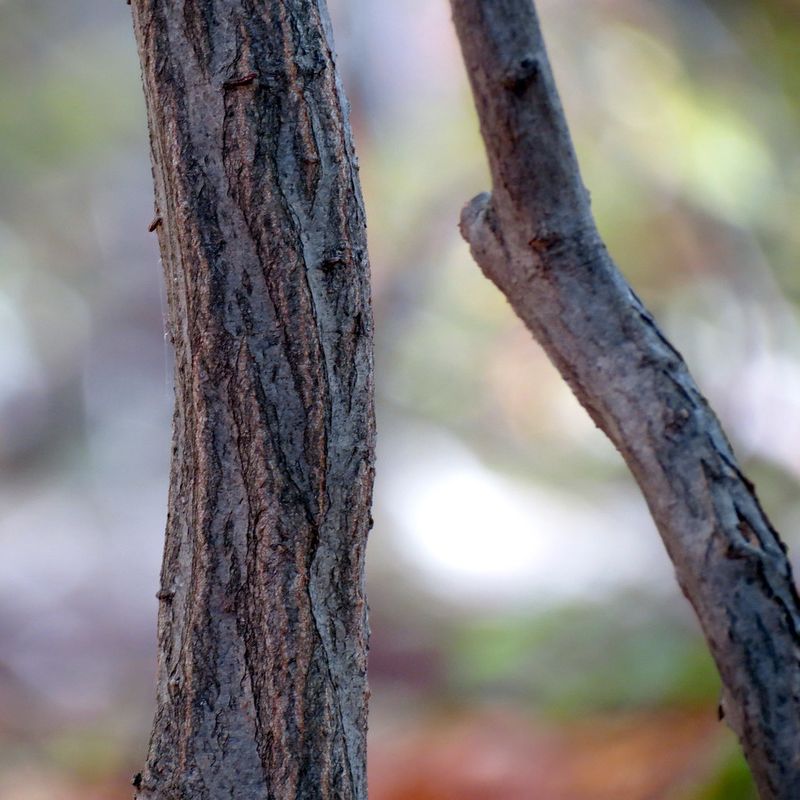
Color can be your best clue. If you want to pick out American Hornbeam from other trees, start by studying the shade of the bark.
Most trunks are light gray to bluish-gray. On a cloudy day, that blue tint can look soft and almost silvery.
In bright sunlight, the gray may seem lighter, like a smooth river stone.
Look a little closer and you may see patches. Some areas are pale, while others are darker, giving the bark a mottled or camouflage look.
These patterns can make the trunk seem even more muscular, like light and shadow on a statue.
Here is a handy tip for your next hike. Combine the color with the shape.
A bluish-gray trunk plus wavy, ridged lines is a strong sign you have found a hornbeam.
Lichens and moss sometimes grow on the bark too. They can add spots of green, white, or pale yellow.
Do not worry, because they are usually harmless and simply share space on the trunk.
Try taking photos of the same tree in different weather. Wet bark after rain often looks darker and richer.
Dry bark on a cold, sunny day may look pale and chalky, so each visit feels a little different.
5. The Bark Stays Smooth As The Tree Ages
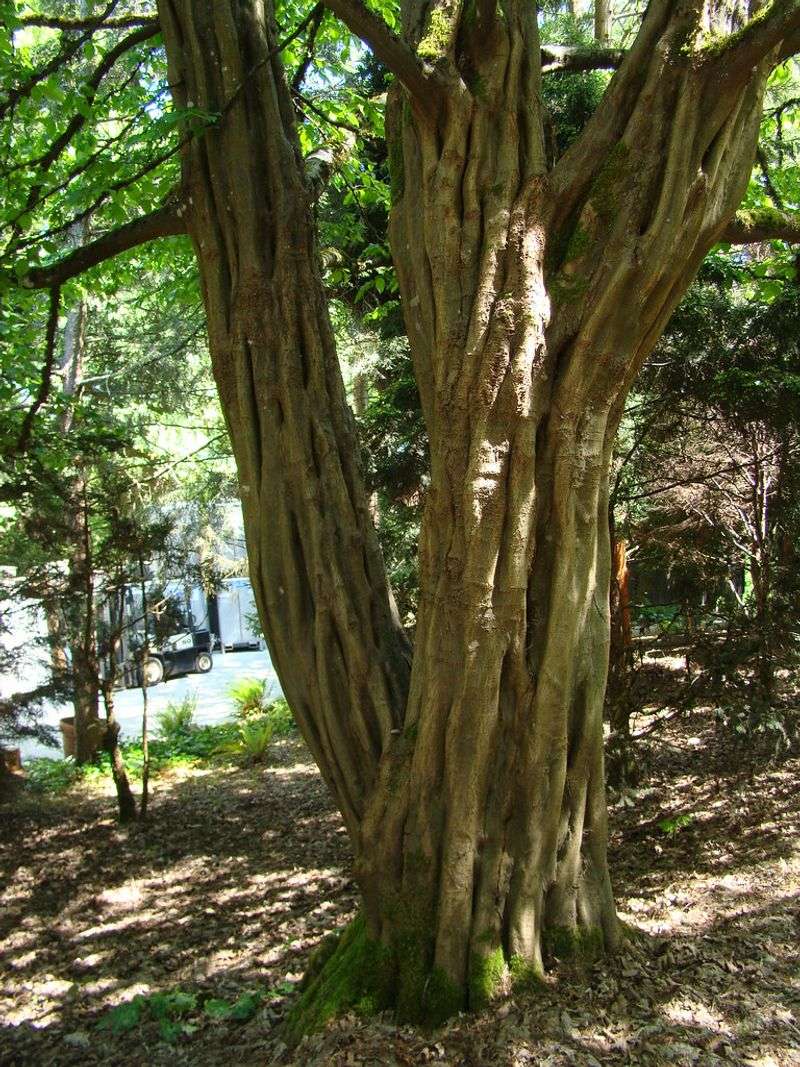
Grandparents often get wrinkles, and so do many trees. Oaks, maples, and walnuts usually grow thick, rough, cracked bark as the years go by.
American Hornbeam plays by different rules. Its bark tends to stay smooth for its whole life, even on older trees.
That means the muscle-like ridges remain easy to see and touch for decades.
Why does this matter to you? A smooth trunk keeps looking neat and sculpted year after year.
You will not lose that sleek look as your tree matures.
Compare it the next time you visit a park. Find a big oak with deep, chunky bark and then find a hornbeam nearby.
The difference is so clear it almost looks like they come from different planets.
Smooth bark does come with one small downside. It can show scrapes and bumps more easily than rough bark.
Be careful with lawn mowers and string trimmers near the base of the trunk.
A simple ring of mulch around the tree can help. Keep the mulch a few inches away from the trunk itself, in a flat donut shape rather than a pile.
This protects the bark from equipment and helps the roots hold moisture during dry summer weeks.
6. Its Beech-Like Bark Earned It The Name Blue Beech
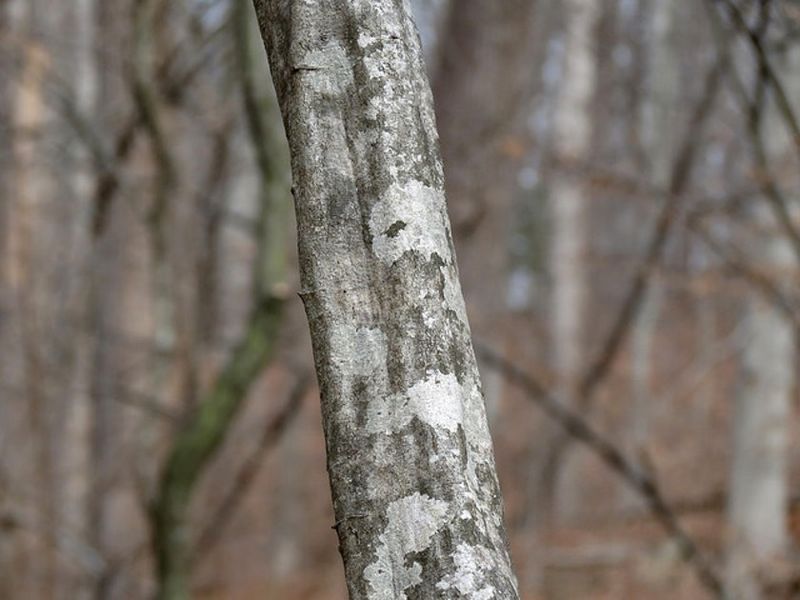
Names can tell stories, and Blue Beech has a good one. Long ago, people walking through eastern forests noticed that this tree looked a lot like another famous neighbor.
That neighbor is the American Beech. Beech trees have smooth, gray bark that many people admire.
American Hornbeam shares that smooth gray look, but often with a cool bluish tint, so the nickname Blue Beech stuck.
Still, these two trees are not twins. Beech trunks are usually round and grow much bigger, sometimes reaching over 60 feet tall.
Hornbeam trunks are smaller and have those twisty, muscle-like ridges.
Here is a quick way to tell them apart in winter. Beech trees often hold onto papery, tan leaves until spring.
Their buds are also long and pointy, like tiny cigars.
Hornbeam buds are much shorter and smaller. Its trunk shape is the biggest giveaway, since beech bark looks more like a smooth elephant leg.
Hornbeam looks more like a flexed arm.
Did you know? Despite the look-alike bark, they belong to different families.
Hornbeam is a member of the birch family, while beech belongs to the oak family. Learning their differences is a fun brain game for young nature detectives.
Bring a field guide and see how many of each you can find.
7. Multi-Trunk Trees Show Off Even More Bark
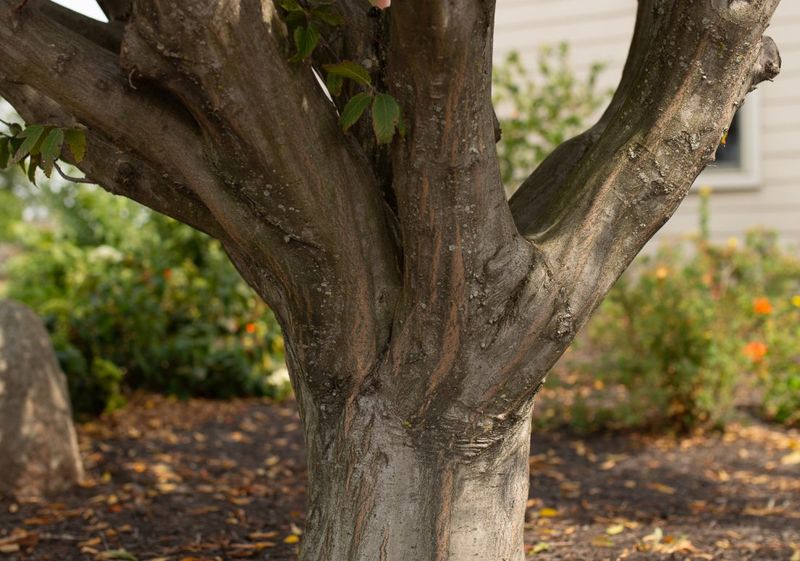
One trunk is impressive, but three or four? That is like having a whole team of bodybuilders standing together in your yard.
American Hornbeam often grows with multiple trunks rising from the same base. Each stem has its own ridges and curves.
Together they create a living sculpture that looks great from every angle.
More trunks mean more bark to admire in winter. The stems may lean slightly outward, letting light hit each one differently.
On a frosty morning, the whole cluster can sparkle.
When shopping at a nursery, ask if they carry multi-stem hornbeams. Some are trained to have a single trunk, while others are grown in clumps.
Pick the style that fits your space and your taste.
Multi-trunk trees work well in natural gardens and near patios. They feel cozy and wild, like a piece of the forest moved into your yard.
Underplant them with native ferns or spring wildflowers for a woodland feel.
Pruning is simple too. Remove any branches that rub against each other or cross through the middle.
Late winter is a good time for this because you can clearly see the tree’s shape without leaves in the way. A little care keeps every trunk looking its best.
8. Protect Young Trunks From Hungry Rabbits

Cute little bunnies can turn into tiny troublemakers in winter. When snow covers the grass and plants, rabbits go looking for something else to munch.
Young American Hornbeam trunks are a tasty target. Rabbits and mice chew through the outer layer to reach the soft inner bark.
If they chew all the way around the trunk, it is called girdling, and it can seriously harm or even end a young tree’s life.
The good news is that protection is easy and cheap. Wrap the lower trunk with hardware cloth or screen wire.
Make a loose tube that stands a little away from the bark so the trunk can still grow.
Height matters here. Rabbits can stand on deep snow to reach higher, so make your guard about 18 to 24 inches tall or more.
Push the bottom an inch or two into the soil to stop mice from sneaking underneath.
Check the guards a few times each winter. Look for tracks, chewed spots, or snow piled against the wire.
Brush away snow drifts that could give critters a boost.
Once the tree grows thicker bark after several years, the guard may no longer be needed. Until then, think of it as a cozy winter coat for your future muscle tree.