Do This To Ohio Fruit Trees Once A Year That Most Ohio Gardeners Completely Skip
Most Ohio orchard owners treat pruning like an optional chore, something to squeeze in when the weather cooperates. That mindset costs them pounds of fruit every single season.
One targeted cut at the right time of year does more for an apple or peach tree than any fertilizer bag ever will. Skip it, and branches crowd each other while sunlight barely reaches the center.
Disease finds plenty of shady, damp spots to settle into a tangled canopy. The fix takes root in late summer, before the tree pulls energy back for winter.
A pair of sharp loppers and forty-five minutes are often all it takes. Come next season, those branches carry heavier, sweeter fruit instead of stretching thin trying to feed a crowded mess.
This Simple Step Matters More Than Most People Realize
Your fruit trees are quietly begging for attention. Most gardeners in the Buckeye State spend money on sprays and fertilizers but forget the one annual task that changes everything.
That task is late-summer pruning, and it is the one most backyards never get around to. Skipping it year after year leads to crowded branches, poor air circulation, and smaller fruit.
Think of your tree like a haircut. A good trim at the right time keeps it shaped, healthy, and ready to perform next season.
Ohio fruit trees, especially stone fruits like peaches and cherries, respond dramatically to this once-a-year reset. Gardeners who do this consistently report fuller harvests and far fewer disease problems.
The science behind it is straightforward. Removing select branches allows sunlight to reach the interior canopy, which improves fruit size and sugar content.
It also reduces the hiding spots for insects and fungal spores. One simple step handles multiple problems at once, making it one of the most effective tasks for your fruit trees.
Many people assume pruning is only a spring job. That assumption costs them fruit every single year without them even realizing it.
Once you understand why timing and technique matter, you will want to add this annual step to your routine for good. Your trees will make sure you notice the difference come harvest time.
Late Summer Is The Right Time To Prune Stone Fruit Trees In Ohio
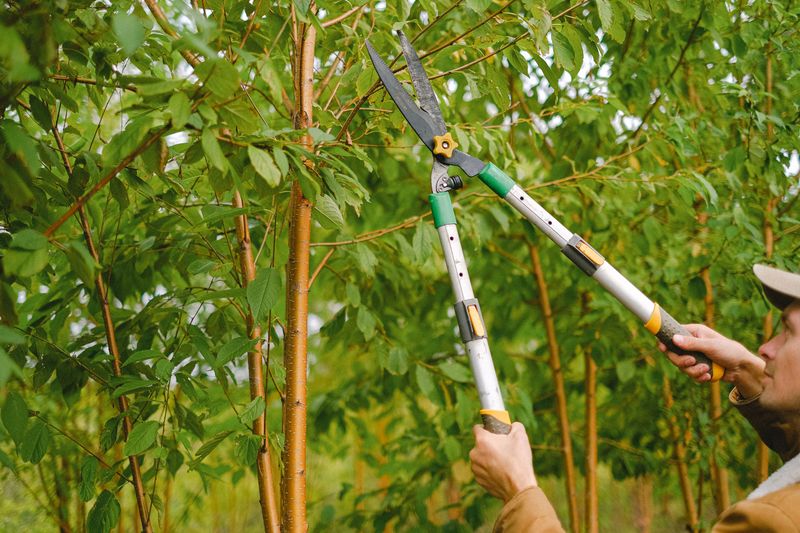
Timing is everything in the garden. Pruning stone fruit trees in late summer, specifically August into early September, gives Ohio gardeners a real advantage over spring-only pruners.
Stone fruits like peaches, plums, and cherries are vulnerable to a fungal disease called cytospora canker. Pruning during dry, warm weather lowers the risk of infection entering fresh cuts.
Spring pruning sounds logical, but the wet Ohio springs create perfect conditions for fungal spores to invade open wounds. Late summer cuts heal faster and seal before the cold arrives.
There is also a growth benefit. Pruning after the tree has finished its main growth push means you are not accidentally stimulating a burst of weak new shoots before winter.
Those tender new shoots would suffer in Ohio’s cold winters and create more problems than they solve. Cutting at the right moment keeps the tree focused on storing energy instead of growing.
Your Ohio Garden Changes Every Week. Your Plan Should Too.
Gardening in Ohio changes quickly throughout the season. Every Friday you’ll receive a simple weekly plan showing exactly what to plant, prune, fertilize, harvest, and protect so you never miss the right timing.
Late summer also gives you the clearest view of which branches are productive and which are just taking up space. With leaves still on, you can see how light moves through the canopy.
Branches that are shading each other become obvious. The ones blocking airflow stand out immediately when you are standing beneath the tree on a sunny afternoon.
Choosing this window for your annual fruit tree care routine is one of the smartest moves you can make. It is specific, strategic, and most Ohio gardeners have no idea it exists.
This Is What Happens To Your Trees When This Step Gets Skipped
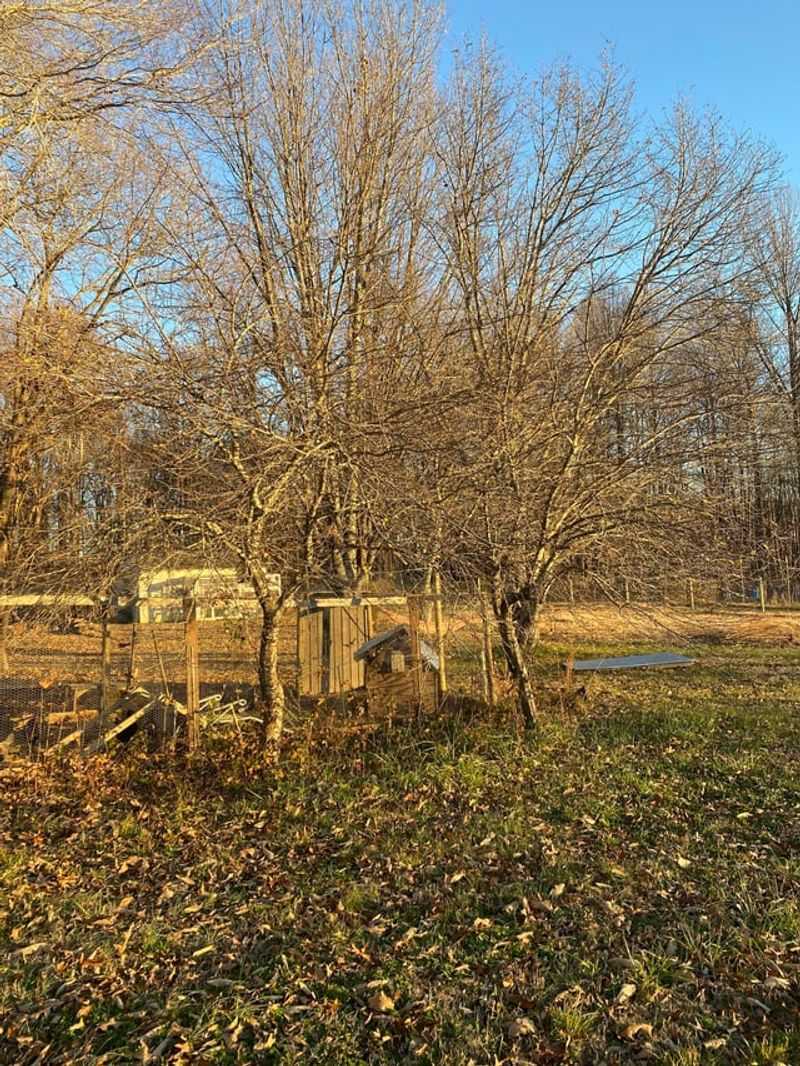
Neglected fruit trees tell a story. Crossed branches, shaded interiors, and clusters of tiny fruit are all signs that annual pruning has been missing from the routine.
When branches crowd each other, air stops moving freely through the canopy. Stagnant, humid air inside the tree is a breeding ground for fungal diseases like brown rot and powdery mildew.
Ohio summers are already humid enough without adding a dense canopy to the problem. Gardeners who skip pruning often end up spending more on fungicides trying to fight problems that pruning would have prevented.
Fruit size also suffers noticeably. A tree with too many branches puts its energy into maintaining wood rather than developing large, flavorful fruit.
You end up with dozens of small, underwhelming apples or peaches instead of a smaller number of impressive ones. Thinning the canopy redirects that energy exactly where you want it.
Pest pressure increases too. Dense, unpruned trees give aphids, scale insects, and borers more places to hide and overwinter.
Come spring, those populations explode before you even notice them. A well-pruned tree is simply harder for insects to colonize because there are fewer sheltered spots.
Skipping this once-a-year task compounds over time. Each year without pruning makes the next year harder, and the tree gradually becomes less productive and more difficult to manage.
One solid pruning session can begin reversing years of neglect. Your trees are more resilient than you think.
Pruning Correctly Without Stressing The Tree
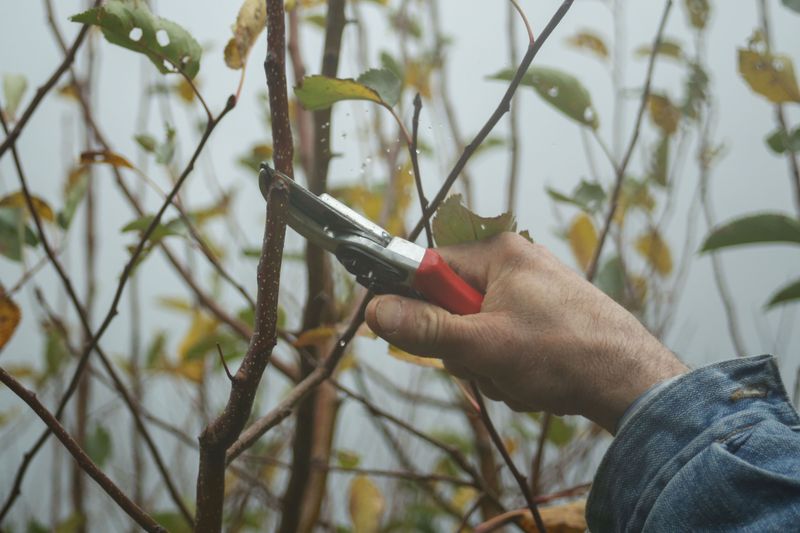
Good pruning feels almost like a conversation with your tree. You are removing what is not working and giving space to what is thriving.
Start by walking slowly around the tree before making any cuts. Look for branches that cross each other, grow inward toward the trunk, or create tight V-shaped crotches.
Those are your first targets. Crossing branches rub against each other and create wounds that invite disease into the wood.
Inward-growing branches block light from reaching the center of the tree. Removing them opens up the canopy without removing productive outer wood.
Avoid removing more than 25 percent of the canopy in a single session. Taking too much at once shocks the tree and triggers a flush of weak, fast-growing water sprouts.
Those water sprouts are the tall, straight shoots that shoot straight up from branches. They look vigorous but produce almost no fruit and should be removed whenever they appear.
Cut just outside the branch collar, which is the slightly swollen area where the branch meets the trunk or larger limb. Cutting too close or leaving a long stub both cause problems.
A proper cut seals cleanly on its own. Wound sealants and paints are no longer recommended by most horticulturists because they can actually trap moisture and slow healing.
Work methodically from the inside out, stepping back often to assess your progress. Slow and deliberate beats fast and regretful every single time in fruit tree care.
Tools Ohio Gardeners Actually Need For This Task
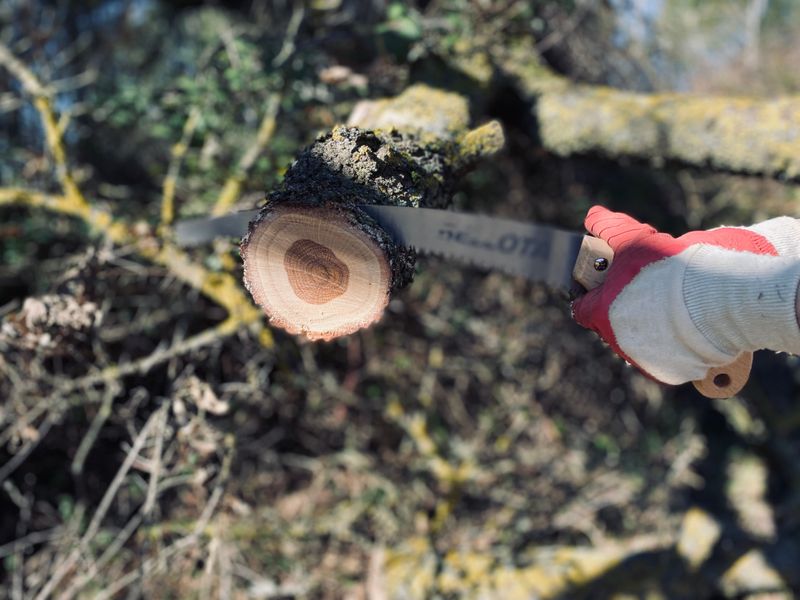
Sharp tools are not optional, they are essential. A dull blade tears wood fibers instead of slicing cleanly, and torn cuts take longer to heal and invite pathogens.
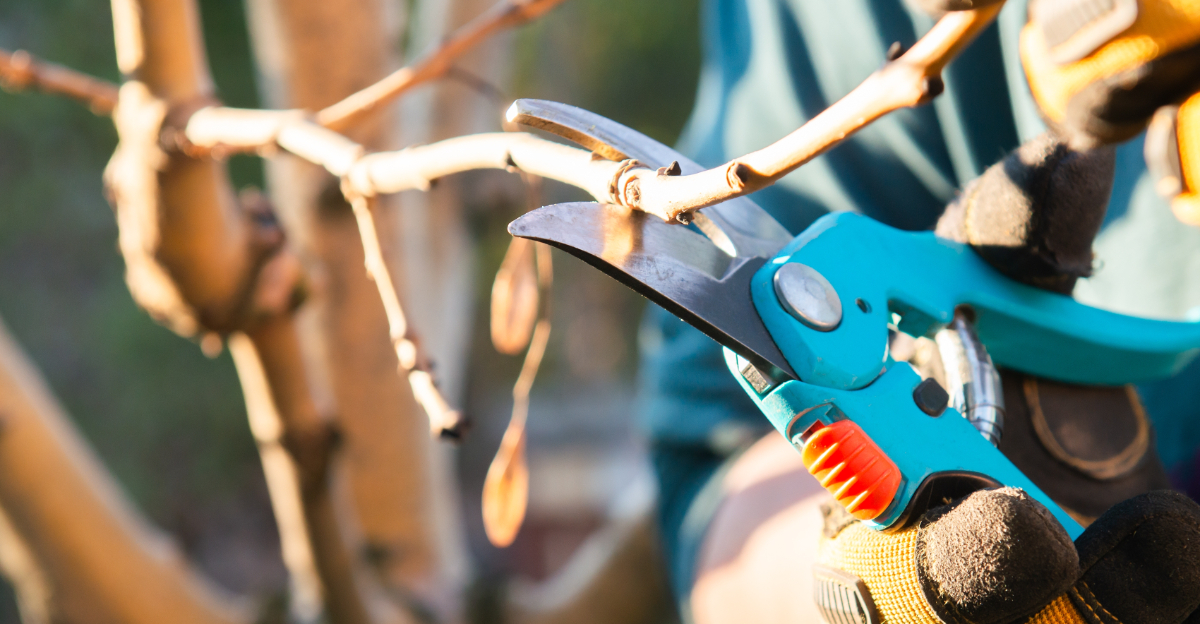
For branches under half an inch thick, a quality pair of bypass pruners is all you need. Bypass pruners cut like scissors, making a clean, precise slice through green wood.
Avoid anvil pruners for this job. They crush the branch slightly on one side, which damages tissue and slows the healing process on live wood.
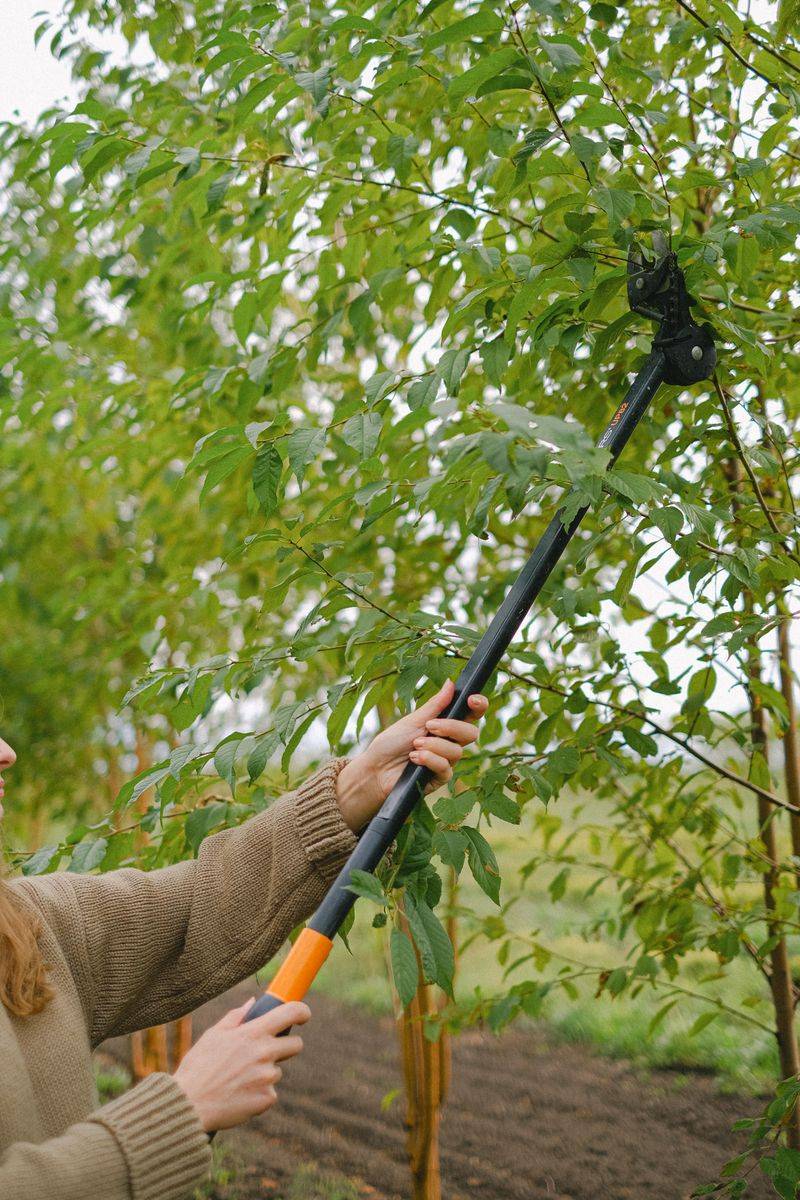
Branches between half an inch and two inches in diameter call for loppers. Long-handled loppers give you the leverage to cut cleanly without straining your hands or wrists.
For anything thicker than two inches, reach for a folding pruning saw. A good pruning saw cuts on the pull stroke and moves through wood surprisingly fast.
Sanitize all your tools before starting and between trees. A simple wipe-down with a disinfecting spray or a diluted bleach solution prevents spreading disease from one tree to another.
This step takes less than a minute and is one of the most overlooked parts of proper fruit tree care. Skipping it can spread fungal or bacterial problems across your entire orchard.
Invest in a sharpening stone or file and touch up your pruner blades at least once per season. A blade that glides through a branch cleanly is a sign of a prepared gardener.
Good tools make the job faster, safer, and more satisfying. Your trees will show the difference in how cleanly their cuts seal.
Signs Your Fruit Trees Will Thank You Next Season
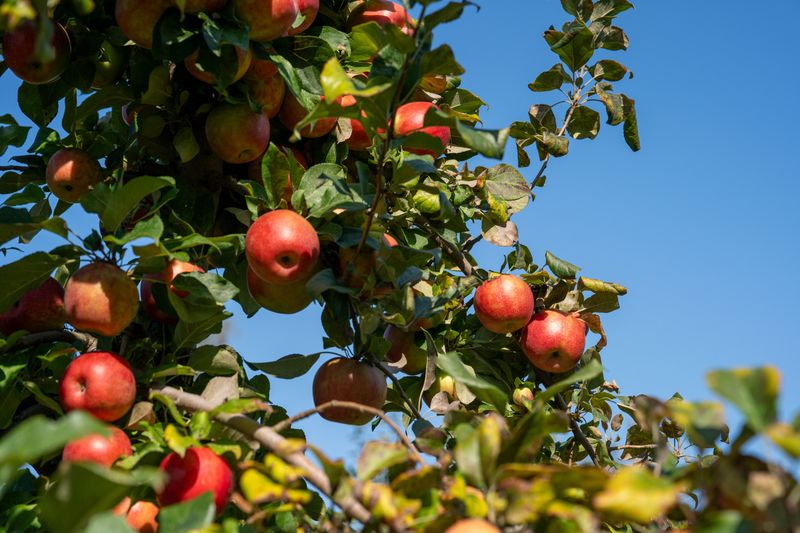
After a proper late-summer pruning, your trees send signals that something good is happening. Knowing what to look for makes the wait for next season much more rewarding.
Within a few weeks of pruning, you may notice the remaining leaves look greener and more vigorous. Better airflow and light penetration boost the overall health of the foliage still on the tree.
Come spring, watch for more evenly distributed bud break across the canopy. Trees that were pruned well tend to wake up more uniformly instead of pushing growth only at the branch tips.
Blossom density is another positive sign. A well-pruned tree channels its stored energy into flower production, which directly translates into more fruit set in late spring.
The fruit that does develop will be noticeably larger and better colored. Sunlight reaching the interior of the canopy is one of the biggest drivers of fruit quality in home orchards.
You will also likely notice fewer pest issues the following year. A cleaner, more open tree structure simply gives insects fewer places to establish themselves over winter.
Bark appearance can shift too. Healthy, well-maintained trees often show smoother, cleaner bark without the rough, scaly buildup that comes with years of neglect.
If you committed to this annual fruit tree care routine, the difference will be visible enough for neighbors to notice. The results are that visible from across the fence.
One intentional hour each late summer can reshape years of decline into seasons of abundance. That is a trade worth making every single time.