What Those Random Yellow Patches In Your California Lawn Could Be Telling You
Yellow patches rarely appear in a lawn by accident. Each one carries a message.
Some point to water that never arrives, others to something missing from the soil, and a few to visitors working out of sight.
California adds its own twists, with long dry summers, salty water, and dense clay soils that stress grass in distinctive ways.
Guessing the cause can lead to wasted money and treatments that make little difference.
A bit of detective work usually reveals far more than a quick glance from the patio.
Patterns, textures, and even the way grass responds to a gentle tug all hold clues, and gathering several before acting makes the answer clearer.
1. Dog Urine Leaves Yellow Spots With Green Rings
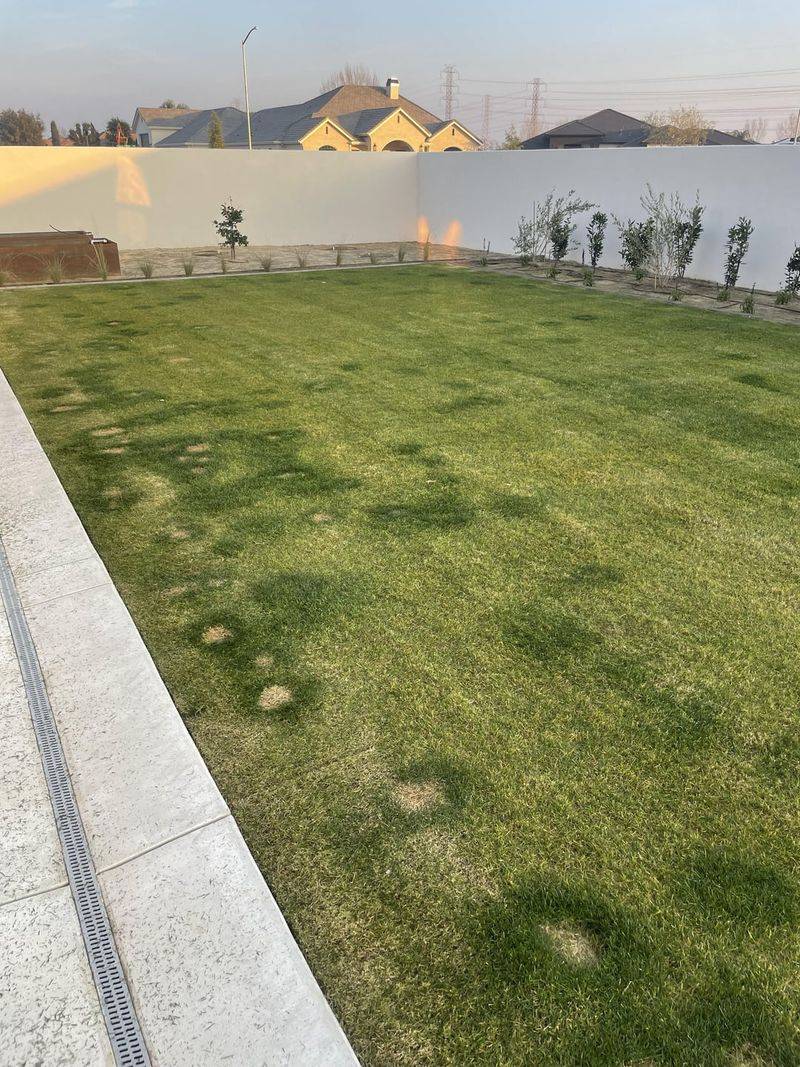
A round yellow spot near the patio, appearing a week or so after the family dog’s favorite outing, often comes with a telltale feature. A ring of extra-dark green grass hugs the edge.
That ring offers the biggest giveaway. Dog urine carries plenty of nitrogen and salts, and in the center, the dose runs strong enough to burn grass blades.
Around the edges, the urine spreads thinner and acts like fertilizer, so the grass grows darker and faster.
Female dogs and larger dogs often create bigger spots, since they release more in a single place. Supplements sold to change urine chemistry show mixed results, so a veterinarian’s input makes sense before trying them.
Quick action helps considerably. Soaking the spot with a hose soon after the dog goes, ideally within a few hours, dilutes the nitrogen and washes salts deeper into the soil, away from roots.
California soils can already hold extra salt, so that rinse matters even more here.
Spots already brown benefit from raking out spent grass and loosening the top inch of soil. Reseeding or patching with matching sod follows, with the area kept moist until new roots take hold.
Training can spare the whole lawn. A mulched or gravel corner of the yard, set aside as the dog’s spot and rewarded with treats, works better than chasing yellow spots all summer.
Fall makes an ideal time to reseed cool-season lawns, since mild weather helps new grass establish before winter.
2. Hungry Grass Turns Pale Yellow Overall
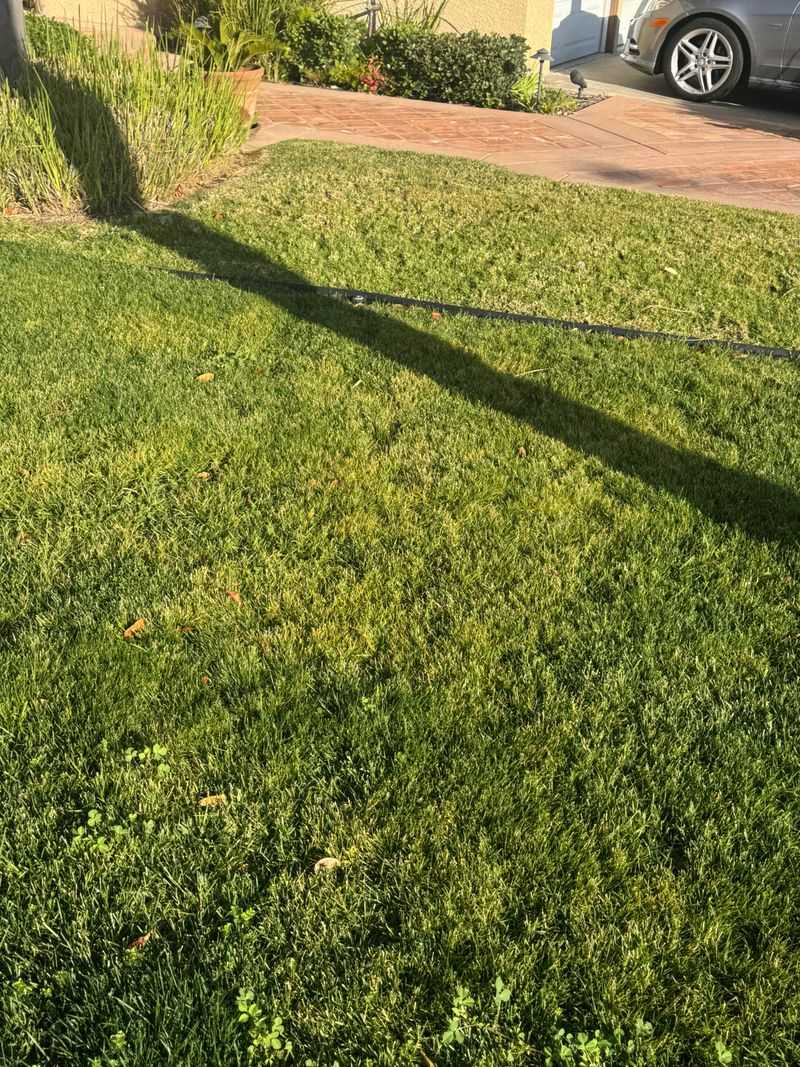
Viewed from the sidewalk, some lawns look washed out from edge to edge, like a faded T-shirt. Pale, even yellowing across large areas, rather than distinct spots, often points to a lawn running low on nitrogen.
Grass uses nitrogen to make chlorophyll, the green pigment that turns sunlight into food. Without enough, older blades lose color first and growth slows, so mowing may be needed less often than usual.
Clippings left on the lawn return some nitrogen, though many lawns still need regular feeding.
Timing depends on grass type. Cool-season grasses such as tall fescue, common across much of California, do best with feedings in fall and spring. Mid-October makes a good window for that fall feeding in many regions.
Warm-season grasses like bermudagrass and St. Augustinegrass prefer feeding from late spring through summer, while actively growing, since feeding in the wrong season can favor weeds or disease instead of turf.
Your California Garden Changes Every Week. Your Plan Should Too.
Gardening in California changes quickly throughout the season. Every Friday you’ll receive a simple weekly plan showing exactly what to plant, prune, fertilize, harvest, and protect so you never miss the right timing.
A slow-release nitrogen fertilizer applied at the label rate works best, since extra rarely helps. Too much nitrogen can burn grass, encourage disease, and wash into storm drains, so even spreading with a spreader and light watering afterward make sense.
Other suspects deserve a look before blaming nutrition. Overall pale color can also stem from overwatering, poor drainage, or a lawn heading into winter dormancy, which warm-season grasses do each fall.
Color returning within a week or two after feeding confirms the diagnosis. In that case, the lawn simply needed a meal.
3. Iron Shortage Yellows Blades With Green Veins
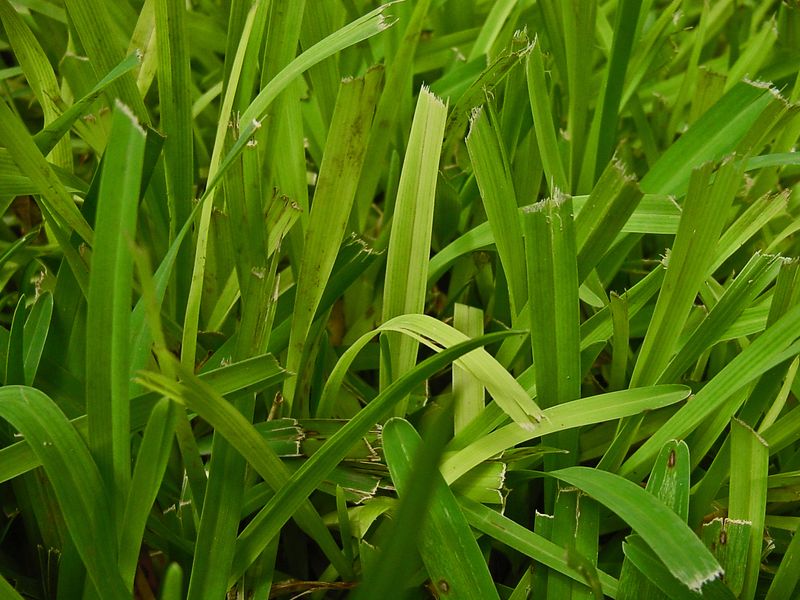
Some lawns stay yellow even after fertilizer goes down. A single blade examined closely in bright light, ideally with a magnifying glass, often reveals why.
Iron chlorosis has a striped appearance. Tissue between the veins turns yellow while the veins themselves stay green, and the newest blades usually show it first, since plants can’t easily move iron from older leaves to new ones.
Patches tend to look streaky or blotchy rather than round.
Many California lawns contain plenty of iron in the soil, yet the grass can’t reach it. Alkaline soil with a high pH locks iron up, and soggy, overwatered soil and cold spring weather worsen the problem by limiting root uptake.
Confirmation before treatment saves effort. A simple soil test reveals pH, and readings above about 7.5 make iron problems more likely. UC ANR resources and local nurseries can recommend testing labs.
Soil moisture deserves a check too, since cutting back on extra watering sometimes clears mild cases on its own.
For a quick fix, an iron product made for lawns, such as iron sulfate or chelated iron, applied according to the label, often restores green color within days, though the effect can fade.
Iron products spilled on concrete leave rusty stains that resist removal, so careful application near walkways helps.
Long-term improvement comes from good drainage, sensible watering, and steady care. With those habits in place, the stripes usually fade over time.
4. Dry Spots Point To Sprinkler Gaps
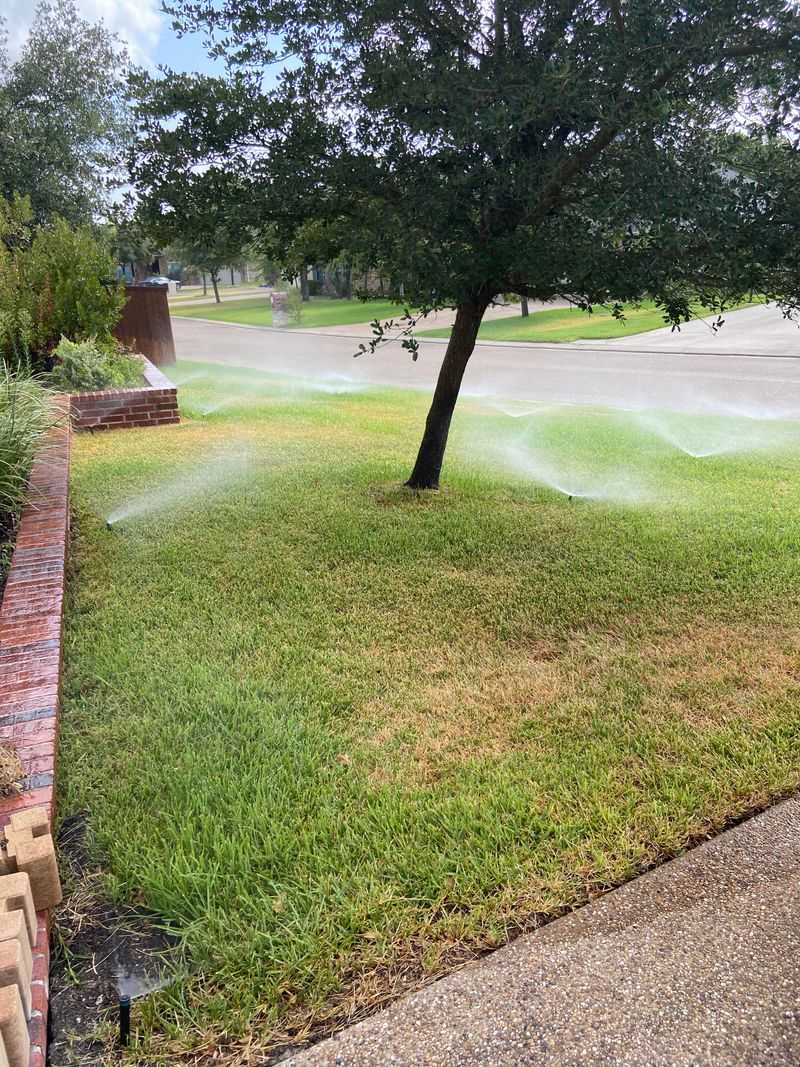
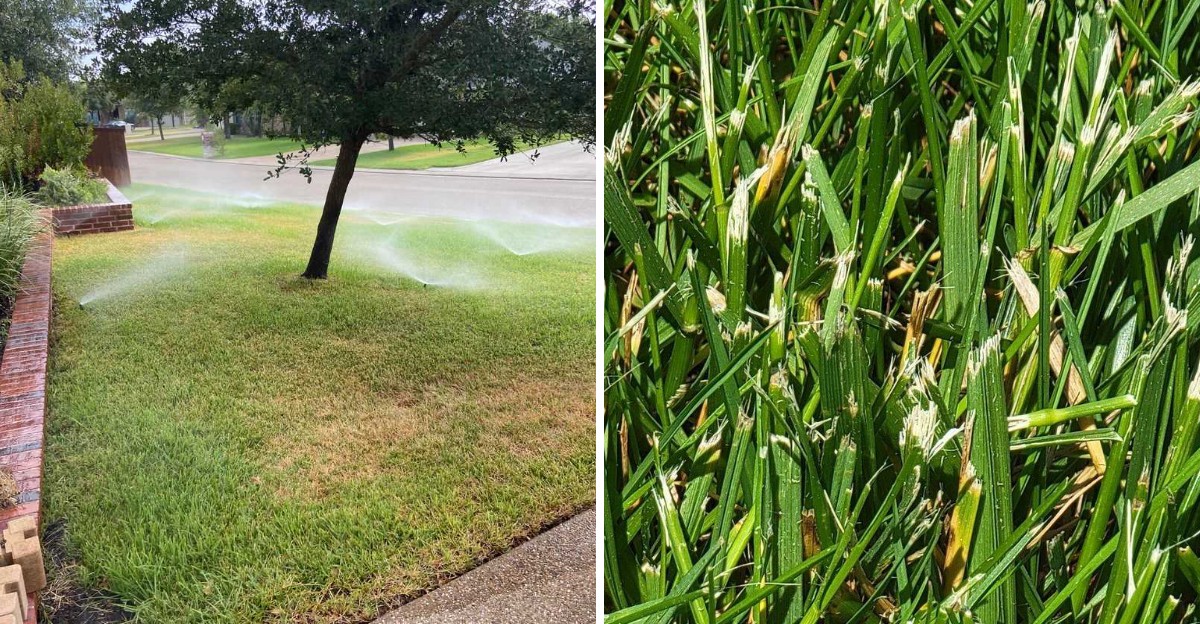
Yellow crescents that return to the same places every summer, hugging far corners or sitting between sprinkler heads, often signal irrigation that misses its mark.
A screwdriver pushed into a yellow area, then into a green one, makes a revealing comparison. Dry soil resists the screwdriver, while moist soil lets it slide in easily, so hard, dry yellow spots usually point to water.
Running each zone while walking the lawn exposes the hardware problems. Clogged nozzles, tilted heads, sunken heads blocked by grass, and broken spray patterns all show up quickly.
Each head should throw water far enough to reach the next one, and low pressure, wind, or mismatched nozzles can leave gaps.
A catch-can test offers real answers. Several straight-sided cans or cups set across the lawn, with the system run for a set time, reveal uneven amounts where coverage falls short.
Fixing the hardware works better than simply running sprinklers longer, which wastes water and oversoaks already wet areas. Rebates for efficient nozzles are also common through California water districts.
Deep, less frequent watering early in the morning serves most lawns well. Slopes and clay soils may need shorter cycles repeated a few times so water soaks in rather than running off.
Many local water agencies offer free sprinkler checkups. Fall makes a good time to fix coverage problems, since lower water demand gives the lawn a gentler season to recover before next summer’s heat.
5. Compacted Soil Starves Roots
A well-worn path across the lawn, perhaps a shortcut to the side gate or a play area, often turns thin and yellow while the rest stays green. Heavy foot traffic squeezes the soil tight, and roots pay the price.
Healthy soil contains tiny pockets that hold air and water. Compaction crushes those pockets closed, so roots can’t spread, water runs off instead of soaking in, and grass struggles for oxygen.
Clay soil, common across California, packs down especially easily.
The screwdriver test helps again, since compacted ground resists it even when moist. Puddles after watering, or thin grass with shallow roots when a piece of turf is lifted, offer further clues.
Weeds such as knotweed and annual bluegrass often move into packed areas as well.
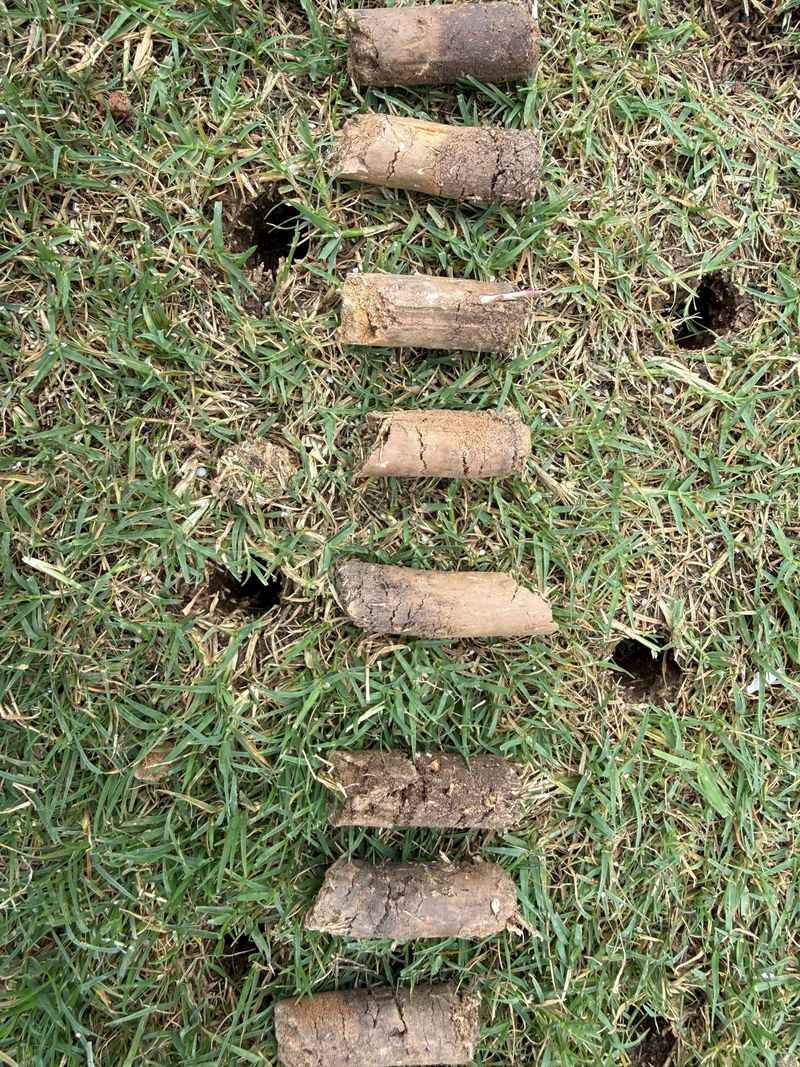
Core aeration offers the classic fix. A machine pulls small plugs of soil from the lawn, opening space for air, water, and roots, and the plugs can stay on the surface to break down.
Equipment rental shops and many lawn services offer core aerators at modest cost.
Aeration works best while grass actively grows, so it heals quickly, which means fall or spring for cool-season lawns and late spring or summer for warm-season types.
Prevention matters just as much. Stepping stones along busy paths, staying off soggy soil, and keeping vehicles off the grass all help, and a light topdressing of compost after aerating improves soil over time.
6. Fungus Leaves Straw Colored Spots
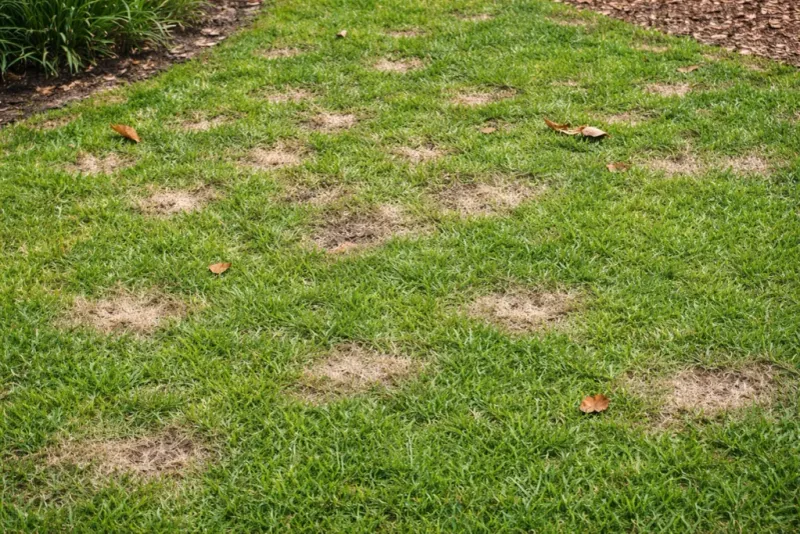
Warm nights and damp mornings can bring a sudden outbreak of tan circles, as if someone had set hot coffee cans all over the grass. Fungal diseases often leave round, straw-colored patches like these.
Different diseases leave different clues. Dollar spot creates small, sunken patches, with blades sometimes showing tan bands edged in reddish brown, while brown patch forms larger rings, sometimes a few feet wide.
Early in the morning, fine, cobweb-like threads may appear on wet grass. Fall’s dewy mornings and cooling nights can favor some of these diseases.
Fungi favor moisture and stressed turf. Night watering, mowing too short, poor drainage, and too much or too little nitrogen all roll out the welcome mat, and thick thatch holds dampness near the blades.
Cultural fixes usually work best. Early morning watering lets blades dry during the day, and deep, less frequent watering helps further. Raising the mower to the recommended height for the grass type reduces stress.
Feeding correctly matters too, since dollar spot often appears on underfed lawns while brown patch favors overfed ones.
Better airflow, from trimming nearby shrubs, and dethatching when the spongy layer exceeds about half an inch also help.
Fungicides are rarely needed on home lawns and work best as prevention rather than a cure. UC IPM’s turfgrass disease guides and local nurseries can help confirm a diagnosis, and once conditions improve, grass usually fills back in.
7. Grubs Make Patches That Peel Up Like Carpet
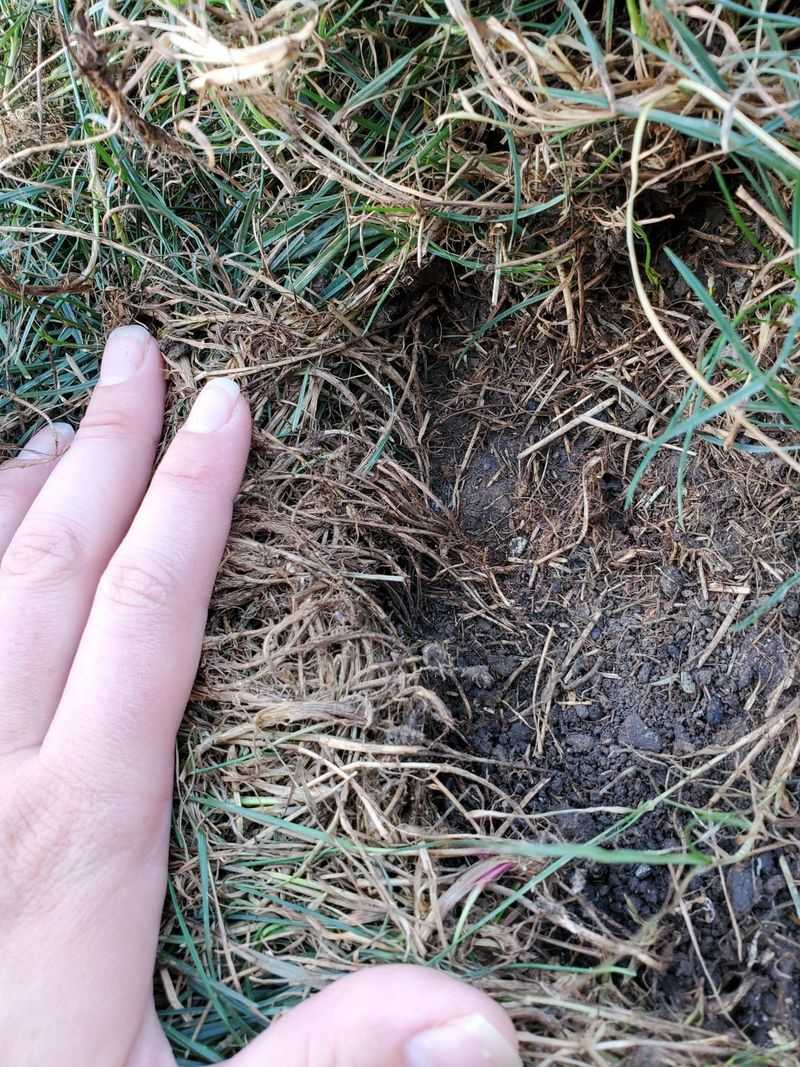
A gentle tug on a handful of grass in a yellow patch can reveal a lot. Turf that lifts right up like an old rug may be hosting uninvited guests, since white grubs feed on roots and leave grass with nothing to hold on.
Grubs are the larvae of beetles such as masked chafers and black turfgrass ataenius. They curl into a C shape, with tan heads and soft, creamy bodies.
Damage often appears in late summer and early fall, when grubs grow quickly. Patches may look dry even after watering, since few roots remain to drink.
Digging offers another sign. Skunks, raccoons, and birds relish grubs and may tear up a lawn hunting them, sometimes pointing out the problem before anyone else notices.
A simple check involves cutting three sides of a square foot of turf near the edge of a yellow patch, folding it back, and counting grubs in the top few inches of soil. The flap goes back afterward, pressed firmly and watered well.
A few grubs cause little harm in healthy turf. UC IPM notes that treatment generally makes sense only when counts climb high, with thresholds varying by species and grass type.
Healthy lawns handle grubs far better. Deep watering, proper mowing height, and moderate feeding all help, and beneficial nematodes can manage some species.
Identifying the pest first, before reaching for any product, keeps treatment targeted and protects beneficial insects living in the lawn.
8. Dull Mower Blades Fray And Yellow Tips
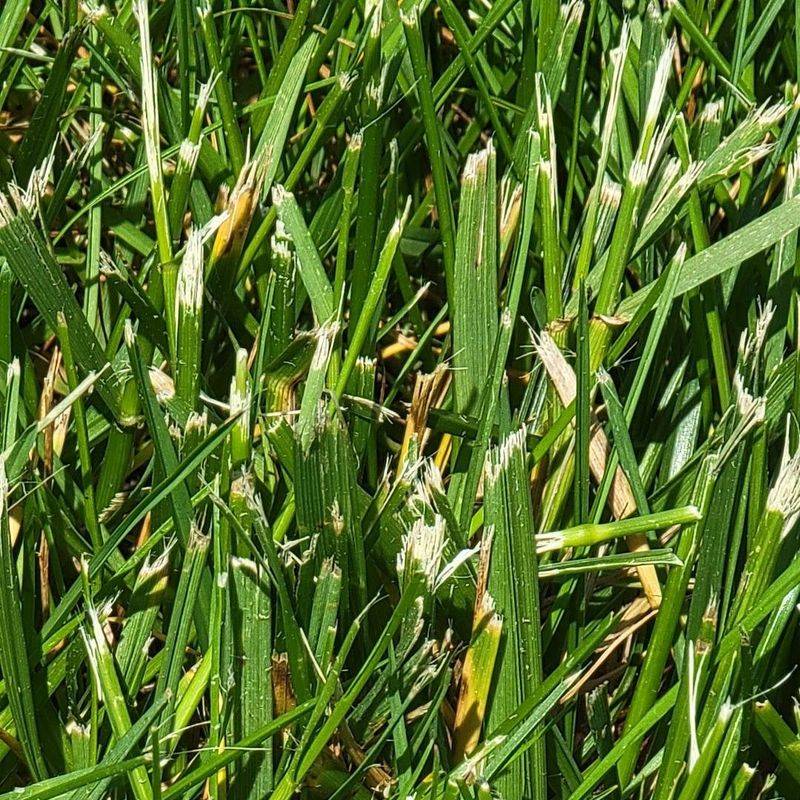
A day after mowing, a whitish or yellow haze can settle across the top of a lawn. A close look at the tips often reveals ragged, shredded ends instead of clean cuts, pointing straight at the mower blade.
Sharp blades slice grass cleanly, like scissors through paper, while dull blades rip and tear.
Torn tips lose moisture quickly and turn tan or yellow, and the damage gives disease an easy entry point while making grass work harder to recover, especially in hot, dry California summers.
The pattern helps confirm the cause. Frayed tips spread across the entire mowed area rather than forming round patches, and the color sits only at the top of each blade while the lower portion stays green.
That combination separates mower damage from fungus or drought stress.
Sharpening the blade at least once or twice a season keeps cuts clean, and many lawn experts suggest more often for large yards or sandy soil. A file does the job at home, or a hardware or small engine shop can handle it.
Disconnecting the spark plug before removing the blade prevents accidental starts, and a spare blade speeds swapping.
Mowing habits matter as well. The one-third rule, removing no more than a third of the blade height at a time, protects grass, and mowing dry grass gives cleaner cuts.
Raising the deck a notch during summer heat reduces stress, and in fall, as growth slows, mowing frequency can ease off accordingly.