8 Herbs California Gardeners Can Propagate From Cuttings Before Winter
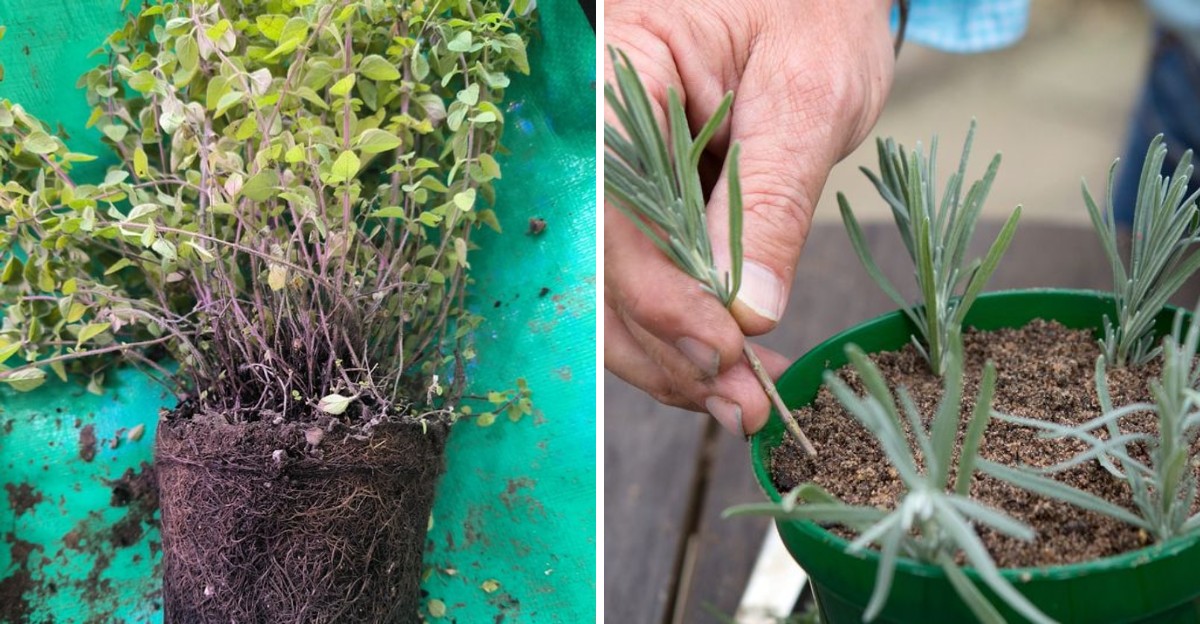
Fall trimming season often leaves a pile of fragrant stems headed for the green bin. Those leftovers hold more promise than most gardeners realize.
Tucked into each snip sits the start of a whole new plant, ready to grow with little help.
Early autumn makes a sweet window in California. Warm soil, bright days, and healthy parent plants all line up before winter arrives.
A tray of young starts also works as quiet insurance. Cold snaps, soggy weeks, or a surprise frost can’t take everything when backups wait in the wings.
Some favorites race ahead in a week or two, while others test patience for a couple of months.
Next year’s herb garden might already be sitting in today’s clippings.
1. Rosemary Roots From Four Inch Tips
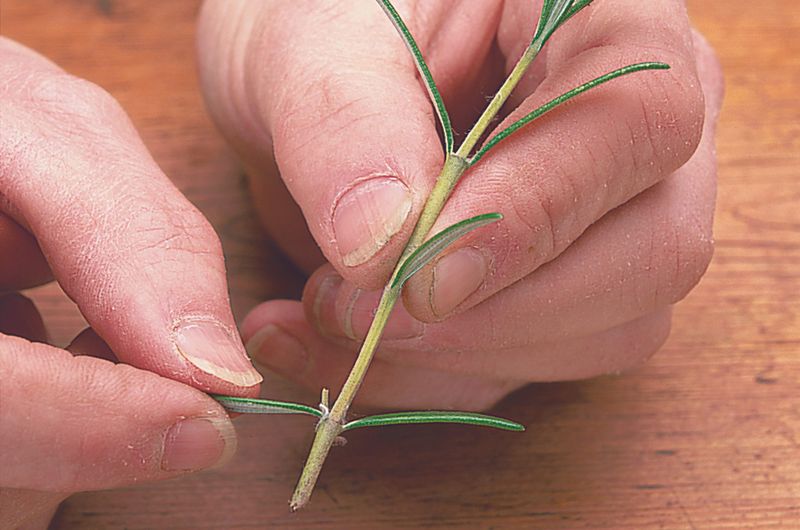
A single sprig from a sprawling hedge holds the makings of a whole future shrub. Rosemary ranks among the toughest herbs in California yards, and its tips root well with a little patience.
Fresh growth near branch ends makes the best choice. Green, flexible stems work far better than hard, brown wood.
Pieces about 3 to 4 inches long, cut just below a leaf node, give the right size. Needles come off the bottom half of each stem.
Stems carrying flowers are best skipped. Blooming shoots put energy into seeds instead of roots.
This herb dislikes wet feet, so the mix matters more than almost anything. Potting soil blended with plenty of perlite, pumice, or coarse sand creates a gritty, fast-draining home.
Each stem goes about an inch or two deep, with the mix firmed around it. A dip in rooting hormone first can boost the odds, though it remains optional.
Bright, indirect light in a warm spot suits the pot well. Watering once the top of the mix starts to dry, while keeping it from sitting soggy, prevents rot.
Roots typically take four to eight weeks, making rosemary one of the slower herbs here. A gentle tug that meets resistance confirms success.
Each rooted cutting can then move into its own small pot. In colder inland spots, young plants do best on a protected porch or sunny windowsill until spring planting.
2. Sage Roots From Soft Stem Cuttings
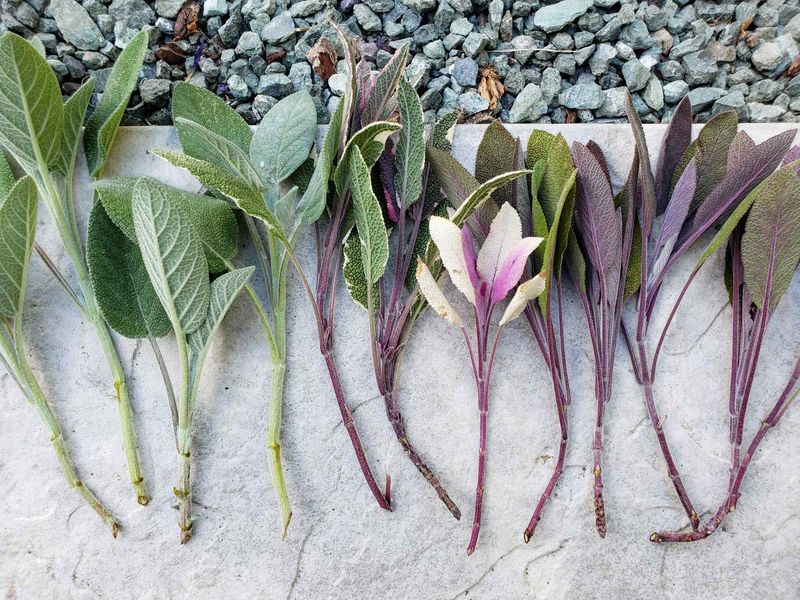
Fuzzy gray-green leaves release a savory scent at the lightest touch. That soft surface hides a secret, since young sage stems root without much fuss.
The trick lies in choosing the right part of the plant. Soft, new shoots that bend easily work best.
Older woody stems near the base root slowly, so they’re best left alone. Pieces about 3 to 4 inches long, cut just below a node where leaves join the stem, make ideal cuttings.
Lower leaves come off, leaving only a few at the top. Sage leaves are big, and too many of them lose water fast.
Some gardeners trim the remaining leaves in half to reduce wilting. Stems with flower buds are best passed over.
A light, well-draining mix with extra perlite suits these cuttings. Sage comes from dry Mediterranean hillsides, so it rots quickly in heavy, wet soil.
Your California Garden Changes Every Week. Your Plan Should Too.
Gardening in California changes quickly throughout the season. Every Friday you’ll receive a simple weekly plan showing exactly what to plant, prune, fertilize, harvest, and protect so you never miss the right timing.
One watering settles the mix. After that, letting the surface dry a little between drinks keeps roots healthy and firm.
A warm, bright spot out of harsh afternoon sun works well. A clear plastic bag tented loosely over the top holds in humidity.
Opening it every day or two lets in fresh air to prevent mold.
Roots usually show up within a few weeks. Once new leaves appear, the cutting has settled in and is ready to grow through the cool months ahead.
3. Thyme Roots From Short Sprigs
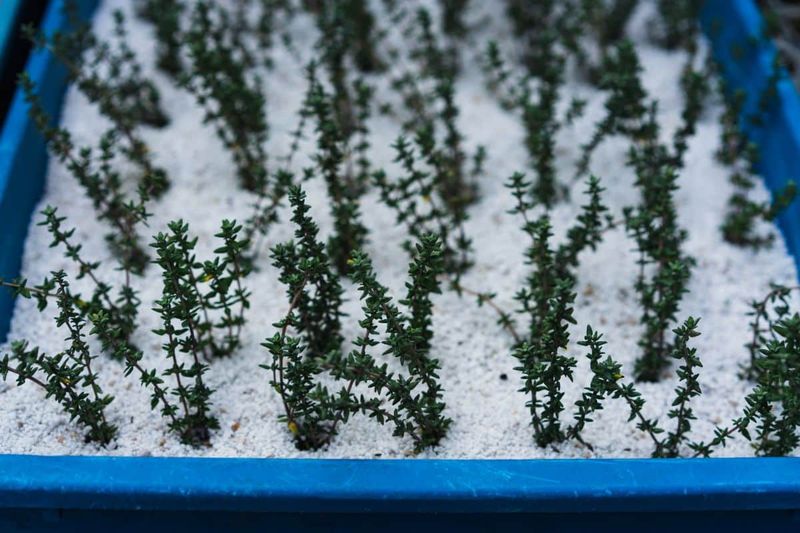
Small plant, small cuttings, big payoff. Thyme grows in tidy little mounds, and its sprigs are so short that rooting them seems unlikely at first.
Yet they do root, and a single plant can fill a whole tray with starts. That generosity makes it a favorite for sharing.
Healthy green sprigs about 2 to 3 inches long from the newest growth work best. Woody stems near the center root more slowly, so tips from the outer edges make better picks.
The tiny leaves come off the bottom inch. A quick pinch with fingernails often works better than scissors here.
Sharp drainage keeps thyme happy. A gritty mix of potting soil and perlite or coarse sand fills a shallow pot or seed tray nicely.
A pencil pokes holes so delicate stems slide in without bending. The mix then gets firmed gently around each sprig.
Light watering matters, since a heavy splash can knock tiny cuttings over or flatten them.
A spray bottle makes the job easy, and a warm, bright spot with filtered sun suits the tray.
Roots usually form within about three to six weeks. Fresh leaves at the tips offer a cheerful sign that progress is happening underground.
Rooted sprigs can move into small containers once they hold firm. Creeping thyme offers a shortcut, too, since its stems often root wherever they touch soil.
Those pieces can be snipped off and planted directly.
4. Oregano Roots In A Few Weeks
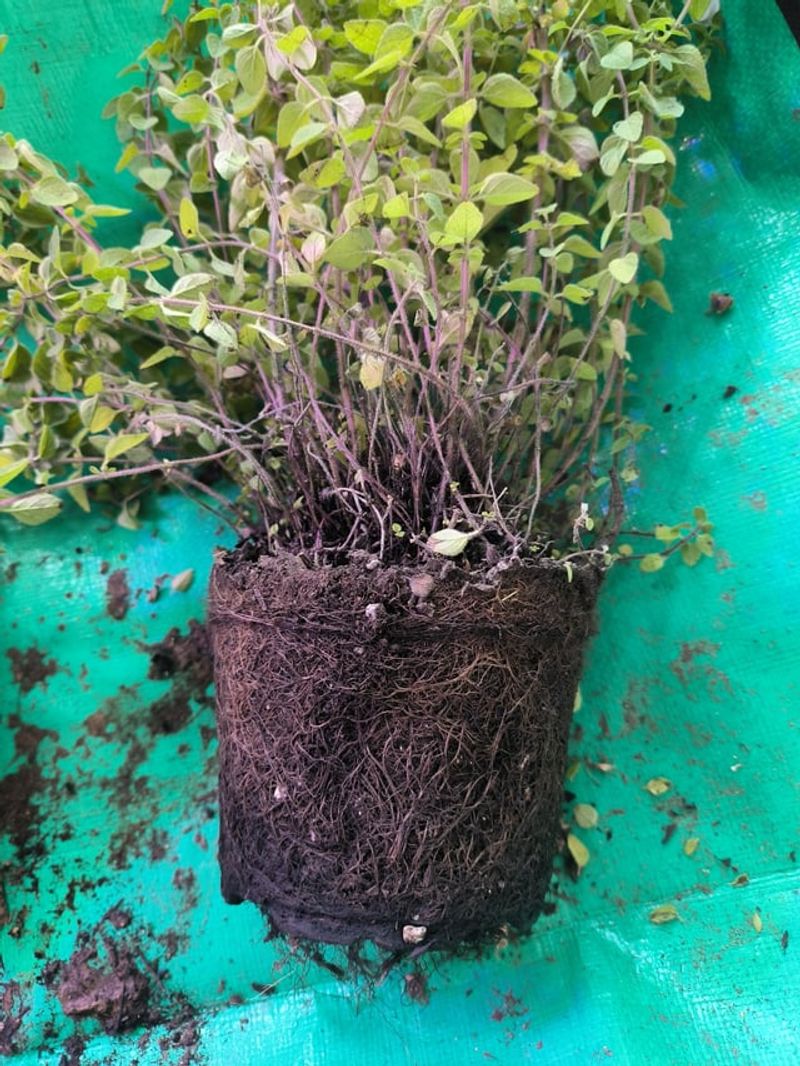
Quick wins feel especially satisfying after waiting on slower herbs. Oregano ranks among the most eager rooters in the herb patch, with many gardeners seeing roots within two to three weeks.
Morning makes the best time to gather cuttings, while the plant is full of water. Stem tips about 3 to 4 inches long, green and without flowers, work well.
By late summer, oregano often sends up tall bloom stalks. Shorter leafy stems lower on the plant make better candidates.
Leaves come off the bottom half of each cutting. From there, either a glass of water or soil can do the rooting.
Water rooting lets roots appear in plain view, which children especially enjoy watching. Soil rooting skips the transplant step and tends to produce sturdier roots.
For soil, a light, well-draining potting mix kept barely moist does the job. For water, stems in a clean glass on a bright windowsill need fresh water every few days.
Once roots reach about an inch long, water-rooted stems can move into small pots. The transition usually goes smoothly.
Oregano spreads with enthusiasm, so one pot of cuttings can turn into plenty of plants by spring. Greek oregano tends to carry the strongest flavor for cooking.
Sharing extras with neighbors can quickly earn a reputation as the most popular cook on the block. This herb rarely needs coaxing, making it a confidence booster for beginners.
5. Mint Roots In A Glass Of Water
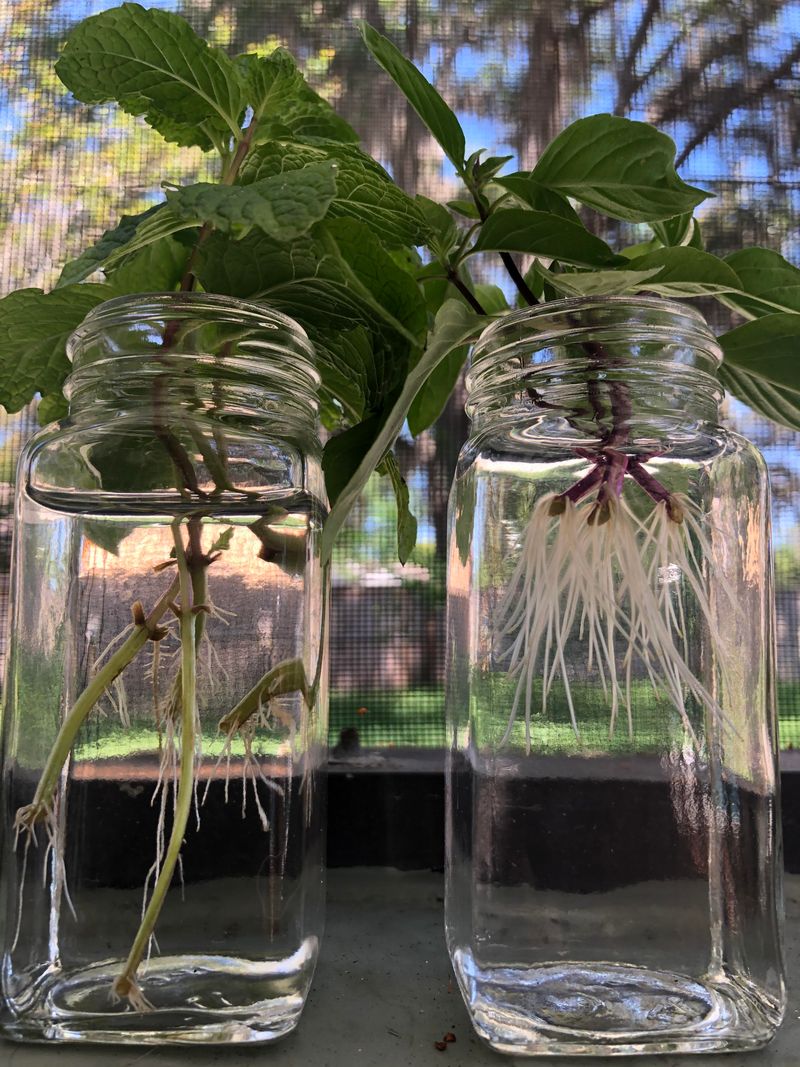
A sprig forgotten in a glass of water after a batch of iced tea can sprout roots within a week. Mint is famously easy to root, and it may be the simplest herb on this whole list.
Healthy stems about 4 to 6 inches long make good cuttings. Fresh, green growth works best, and stems without flower buds root fastest.
Leaves come off the bottom few inches so none sit underwater. Soggy leaves rot and cloud the water.
A clean glass or jar of water does the rest. A bright windowsill out of harsh direct sun makes a good home.
Fresh water every two or three days keeps things clear. That simple routine prevents slimy stems.
Small white roots often appear in about one to two weeks. Once they reach an inch or two long, each stem can go into a pot of regular potting mix.
Moist soil during the first week eases the shift from water to soil. Roots adjust quickly with that bit of care.
Mint behaves like a bit of a bully in garden beds, with runners that can take over a whole corner in one season. Containers keep new plants in line.
Peppermint, spearmint, and chocolate mint all root the same way, so a whole minty collection can start on one windowsill. Pots kept in a bright spot supply fresh leaves for tea all winter long.
6. Lavender Roots From Semi-Woody Cuttings
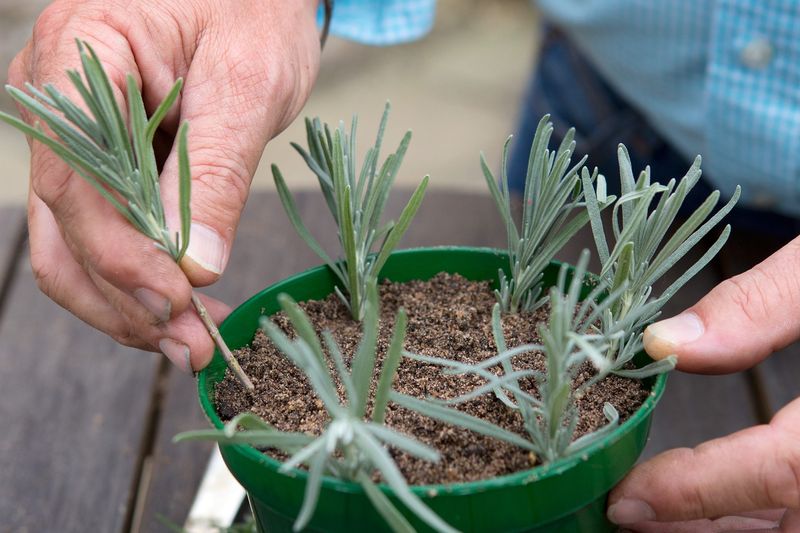
Patience serves as the secret ingredient here. Of all the herbs on this list, lavender tends to root the slowest, and many gardeners give up too soon.
Sticking with it pays off, though. A row of fragrant plants can grow from cuttings for almost nothing.
Semi-woody stems make the best choice. These feel firm and slightly brown at the base, yet stay green and bendy near the top.
Non-flowering shoots about 3 to 4 inches long work well. A side shoot gently pulled off with a small heel of older bark attached often roots especially well.
Leaves come off the lower half. Lightly scraping a bit of bark near the bottom can help roots form.
A dip in rooting hormone improves success with this slow starter. It’s worth the small extra step.
Lavender needs the grittiest mix of all. Potting soil combined with lots of perlite or coarse sand, in a pot that drains freely, gives the best results.
One watering settles the mix, and a slight drying period follows before the next. Too much moisture causes rot faster than anything else.
A bright, warm, sheltered spot suits the cuttings. Roots may take six to eight weeks or longer, and digging up a cutting to check is best avoided.
New growth and a stem that resists a soft tug signal transplant time. Each new plant matches its parent, keeping a favorite variety going strong.
7. Lemon Verbena Roots From Late Season Stems
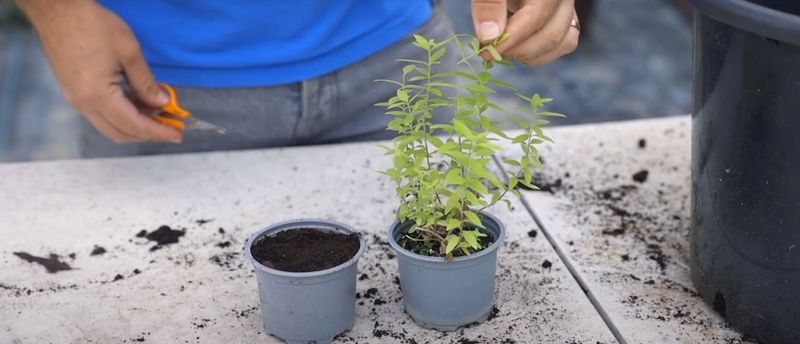
One crushed leaf can perfume fingers with a lemon-candy scent for an hour. Gardeners treasure this shrub for teas and desserts.
Lemon verbena drops its leaves in cold weather, though, and can struggle in chilly, wet winters. Cuttings make smart insurance.
Late summer or early fall, before cool nights settle in, offers the best timing. Healthy stems from this season’s growth that feel firm but flexible make good candidates.
Pieces about 4 inches long, free of flower clusters, work well. Lower leaves come off, leaving just a few at the top.
The long leaves lose moisture quickly, so trimming them in half helps the cutting hold on. A dip in rooting hormone gives these stems a helpful push.
A light, well-draining mix kept evenly moist but not soggy suits them. These cuttings appreciate humidity, so a clear bag loosely covering the pot helps, with frequent airing to prevent mold.
A warm, bright spot without direct afternoon sun completes the setup. Conditions like these encourage steady rooting.
Roots usually form in a few weeks, though some stems won’t take, even with good care. Starting several cuttings improves the odds.
Once rooted, young plants do best in a sheltered spot or indoors in frost-prone areas. Planted out in full sun come spring, they can supply lemony tea all summer.
That makes this one of the most rewarding comebacks in the herb garden.
8. Basil Roots Quickly On A Warm Sill
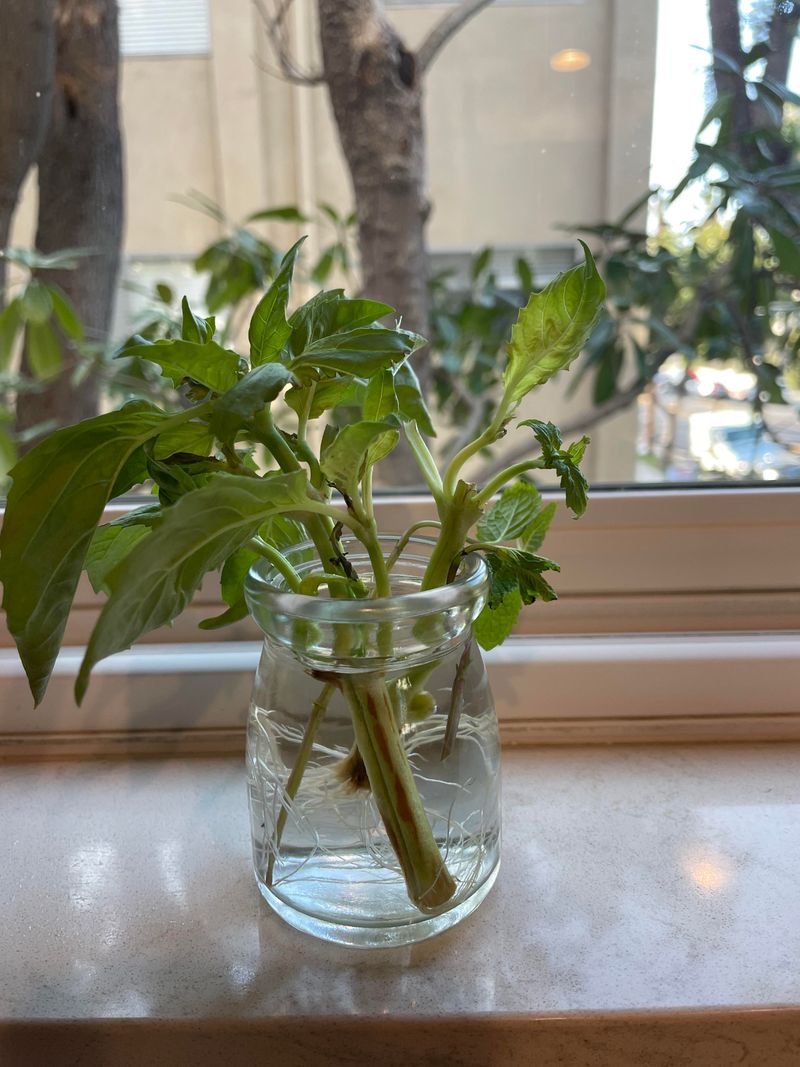
As fall nights cool, summer’s leafy favorite starts to fade. Saving a few stems before the plant turns woody or floppy carries its flavor well past the first chilly evening.
Basil roots remarkably fast. Healthy stems about 4 inches long, cut just below a leaf node, make ideal cuttings.
Shoots without flower spikes work best, since blooming basil roots slowly and tastes bitter. Lower leaves get pinched off so only the top few pairs remain.
Two easy options exist. Stems can go into a glass of water or straight into moist potting mix, and both work well.
Water rooting is fun to watch, while soil rooting saves a transplant step later. Either route leads to new plants.
Warmth is basil’s best friend. A bright, sunny sill that stays cozy makes the ideal spot.
Cold drafts and chilly nights slow rooting and can turn leaves black. Fresh water every few days keeps glass-rooted stems healthy, while soil-rooted ones need mix kept lightly moist.
Roots often appear in about one to two weeks. Once water roots reach an inch or two, each stem can move into a small pot.
Pinching the tops as plants grow keeps them bushy.
Indoor basil won’t grow as large as summer plants, but it keeps handing over fresh leaves. A few sprigs on pasta in January feel like a small, delicious victory over winter.