Mid-30s Nights Are Here In Indiana, So When Should You Pick Jalapeños?
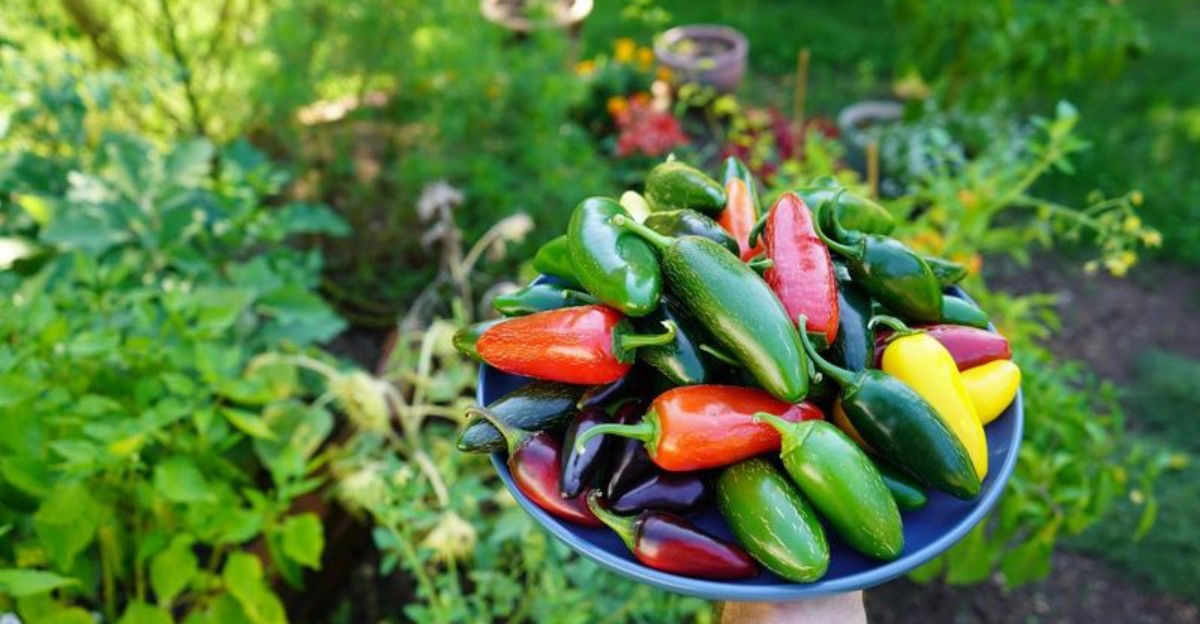
A clear October sky can drop leaf temperatures below freezing even when your porch thermometer still reads 35 degrees. Plenty of gardeners learn that the hard way, staring at limp, darkened plants that looked fine at sunset.
Here in Indiana, those chilly mid-30s nights tend to sneak in right when the garden is most generous. You can almost smell the change in the air, that crisp scent of fallen leaves and cool soil.
My favorite spicy plant was still loaded with glossy green fruit last fall, and I panicked a little. Should I pick everything that night, or gamble on one more week of warm afternoon sunshine for flavor?
Most gardeners feel that same pull between patience and caution on chilly October evenings. Purdue Extension and other university experts offer clear clues, and they are easier to follow than you expect.
You’re in for a surprise, because even tiny fruit and stubborn green ones still have useful jobs ahead. So how do Indiana gardeners know the exact moment to grab their baskets before the cold settles in?
1. Picking Everything Before The Cold Night Is The Safer Move
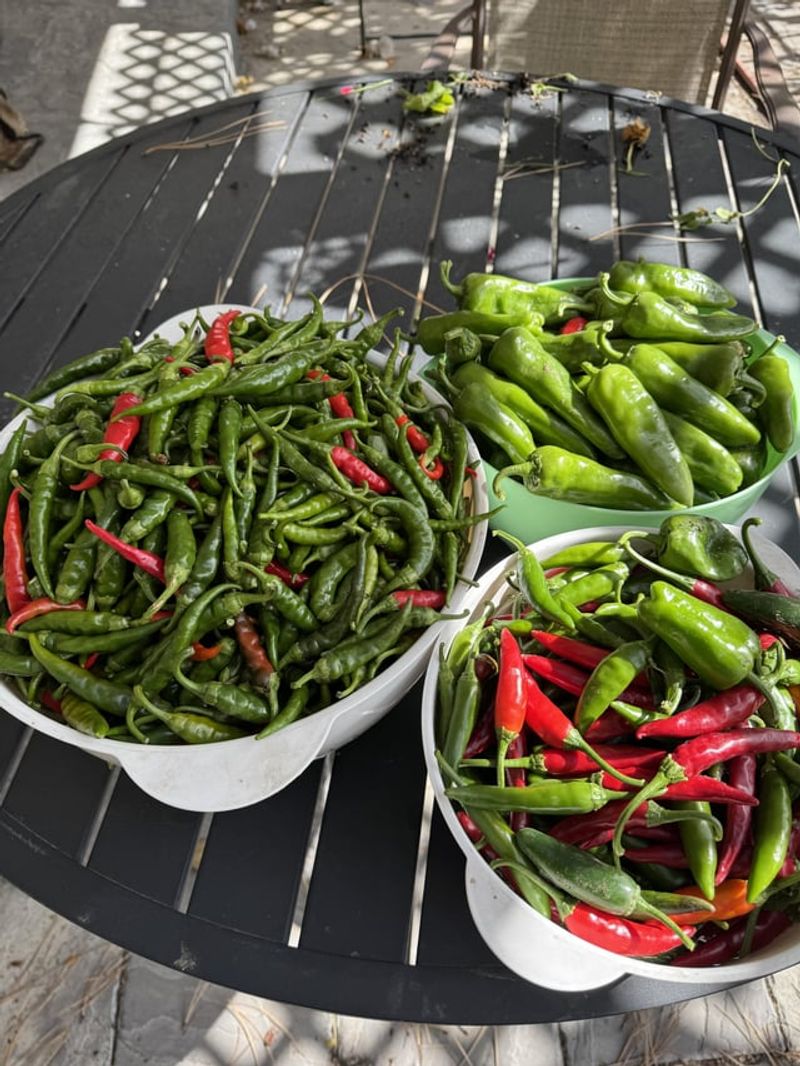
Weather apps love to tease us with a forecast of 36 degrees, then the real low lands two notches colder. When Indiana nights dip into the mid-30s, harvesting every usable pepper beforehand is the calmer, smarter choice.
Peppers are warm-season plants, and university extension services note they struggle once temperatures slide below 50 degrees. Growth slows down, flowers often drop, and new fruit rarely sizes up during these short, chilly fall days.
In other words, waiting another week mostly buys you risk instead of bigger or spicier fruit on the plant. A single frosty night can turn firm, shiny pods soft and watery, which ruins them for fresh eating.
I like to head out in the late afternoon, when the fruit is dry and the air still feels mild. Use clean pruners or scissors, because yanking pods by hand can snap the brittle branches right off.
Leave a short piece of stem attached to each pepper, since that little cap helps slow down moisture loss. Sort your haul into piles for fresh eating, ripening, freezing, or pickling while everything is still crisp.
Covering plants with old sheets can buy a night or two, but it rarely saves the garden for long. Once the forecast shows a string of cold nights, a full harvest is usually the wiser fall plan.
Gloves are a smart idea too, since the oils from hot peppers can sting your skin and eyes. Your future salsa will taste better when you pick on your schedule instead of the weather’s harsh timeline.
2. Frost Can Form On Leaves At 34°F
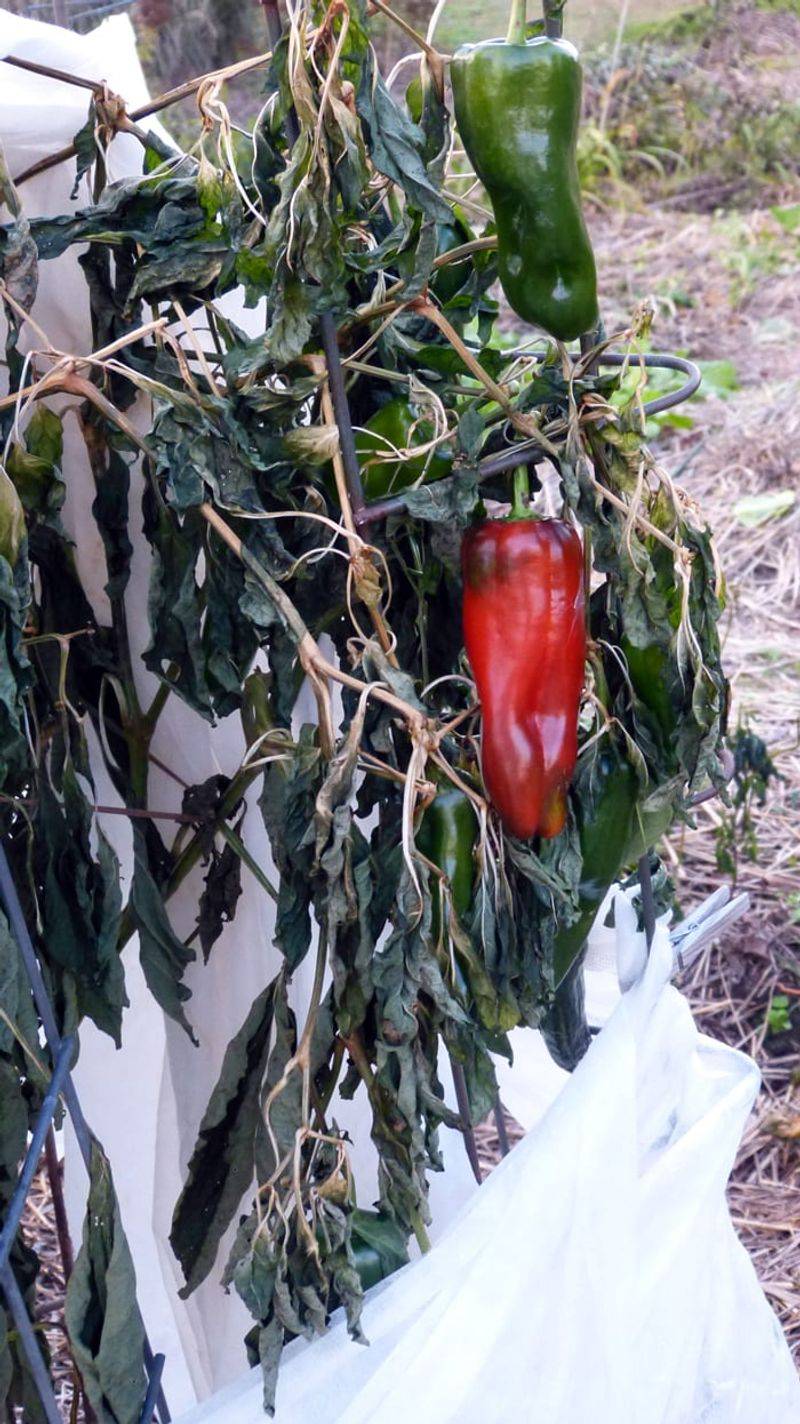
Thermometers usually hang about five feet off the ground, but your pepper leaves sit much lower and colder. On calm, clear nights, cold air settles near the soil, so plants can chill faster than the forecast suggests.
Extension specialists explain that leaves lose heat to the open sky, a process called radiational cooling. That means frost can form on foliage when the official air temperature reads 34 degrees or even slightly higher.
Your Indiana Garden Changes Every Week. Your Plan Should Too.
Gardening in Indiana changes quickly throughout the season. Every Friday you’ll receive a simple weekly plan showing exactly what to plant, prune, fertilize, harvest, and protect so you never miss the right timing.
Peppers have very little cold tolerance, so a light frost can blacken leaves and damage exposed fruit overnight. Pods hit by frost often turn mushy, darken in patches, and spoil quickly after you bring them inside.
Low spots in the yard are the first to frost, since heavy cold air drains downhill like water. Gardens near a warm brick wall or under a tree canopy may stay a few degrees warmer overnight.
Across Indiana, average first frost dates often fall in October, arriving earlier up north than down south. Averages are only rough guides, though, and a surprise frost can show up a week or two early.
I keep a cheap thermometer right at plant height, and it often reads colder than my phone’s app. Watching that little gauge on crisp mornings has taught me more than any regional weather report ever could.
So treat a forecast low of 34 to 36 degrees as a frost warning for your pepper patch. Picking the day before costs you almost nothing, while waiting one night too long can cost the whole crop.
3. Ideal Harvest Size Sits Around 3 Inches
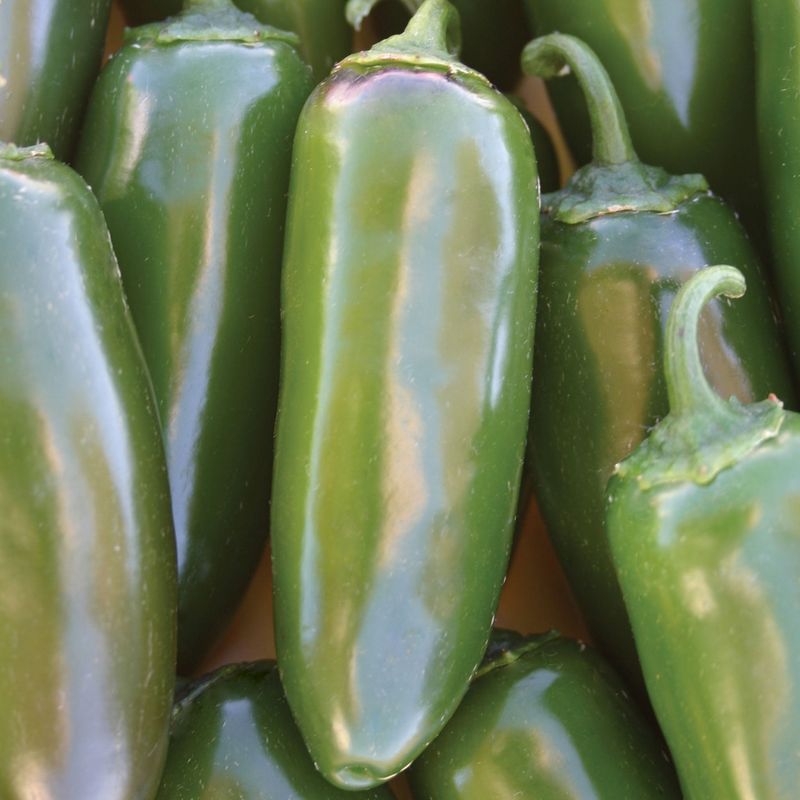
Hold a ripe jalapeño next to your thumb, and you will notice it usually measures a bit longer. Most seed companies and extension guides say mature green pods reach about three to four inches.
Size is only one clue, so give each pepper a gentle squeeze before you snip it free. A ready jalapeño feels firm and heavy for its size, with thick walls and a glossy dark skin.
Fun fact for spice fans, those thin tan lines on the skin are called corking by many growers. Corking usually shows up on older fruit, and some cooks believe those scarred pods carry a little extra heat.
In cool fall weather, pods may stall at two and a half inches and simply refuse to grow. That is normal for October in Indiana, because short days and chilly nights slow the plant’s energy production.
Pick those firm, slightly smaller pods anyway, since they will not gain much more size before frost arrives. Their flavor is often bright and grassy, which works wonderfully in fresh salsa or a quick batch of poppers.
I keep a small ruler clipped to my harvest basket, and it makes sorting surprisingly fast and fun. Bigger pods go straight to the kitchen, while smaller ones get set aside for pickling or freezing later.
Remember that different jalapeño varieties vary a bit, so check your seed packet for the expected mature length. Some compact types top out closer to two inches, while larger hybrids can stretch past four on warm years.
4. Small Jalapeños Are Still Safe To Eat
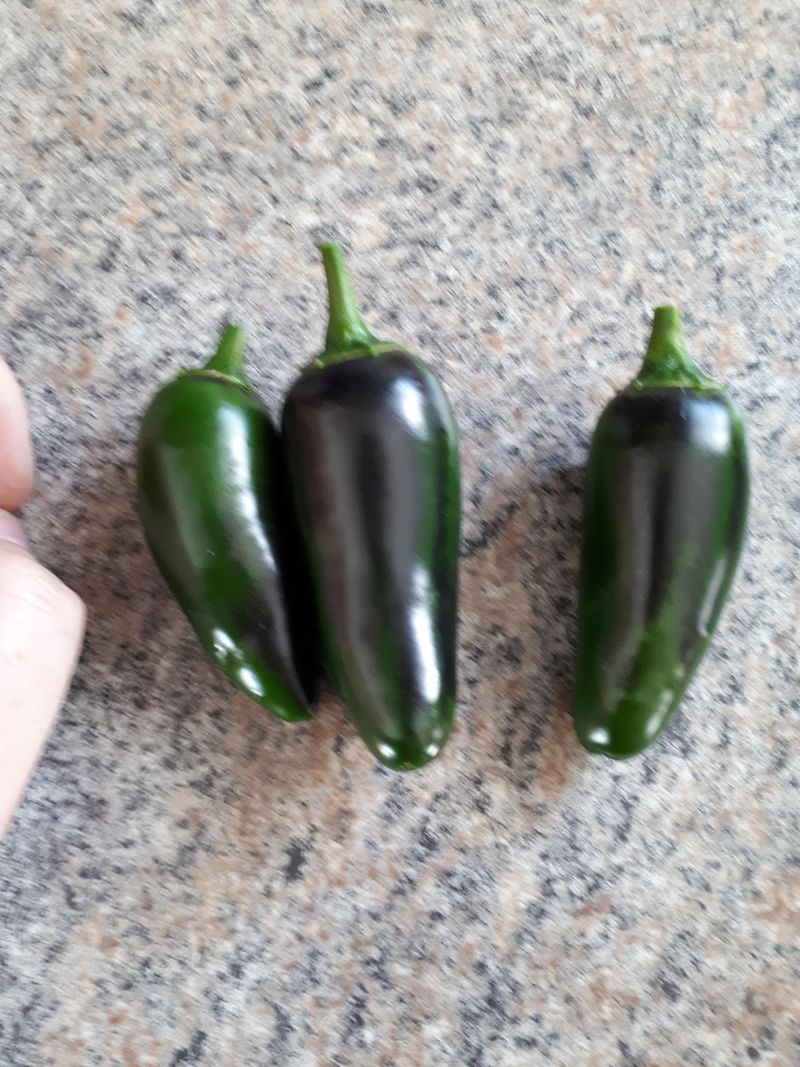
Tiny jalapeños might look a little silly on the cutting board, but they are perfectly safe to eat. Unlike green potatoes, immature peppers do not build up harmful compounds, so you can use every last one.
Flavor is where small pods differ, since they often taste milder, crisper, and a touch more vegetable-like. Capsaicin, the compound behind the burn, tends to build as fruit matures, so baby pods carry gentler heat.
That makes them a sneaky win for family members who usually push spicy food to the side of the plate. My nephew happily munched mini jalapeño slices on nachos last October and asked for seconds without complaint.
Very small pods with thin walls can be tricky to stuff, so think about other kitchen uses instead. They shine when chopped into cornbread batter, stirred into chili, or tossed whole into a jar of brine.
Quick refrigerator pickles are my favorite trick, because the vinegar softens their slightly firm, grassy bite nicely. Follow a tested recipe from a source like the National Center for Home Food Preservation for safe results.
Freezing works well too, and you do not even need to blanch peppers before tucking them in bags. Simply wash, dry, and slice them, then spread pieces on a tray so they freeze without clumping together.
Skip any pods that already feel mushy or show dark, water-soaked spots from cold damage, though. Those spoiled pieces belong in the compost pile, while the firm little peppers deserve a spot on dinner plates.
5. Mature Green Peppers Can Still Turn Red Indoors
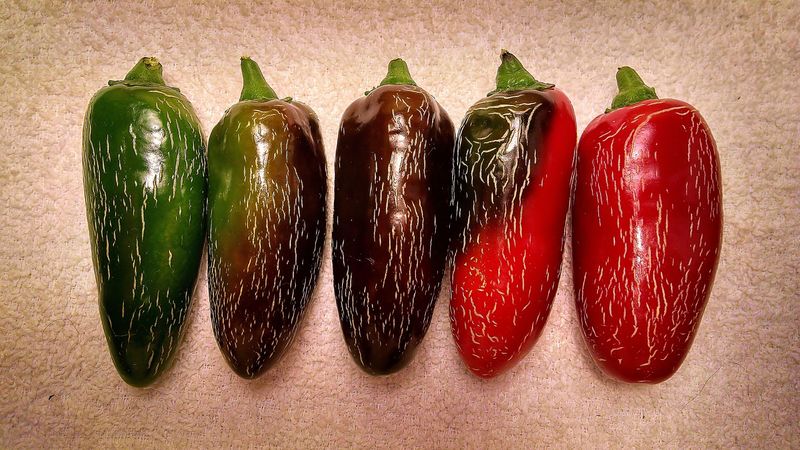
Most mature green jalapeños are really red jalapeños waiting for more time, warmth, and a bit of patience. Fully sized green pods picked before frost can often keep changing color on your kitchen counter for weeks.
The trick is choosing mature fruit, since tiny immature pods usually shrivel instead of ripening after harvest. Look for full-sized, firm peppers, and give extra attention to any showing a faint blush of darker color.
Peppers that already show a streak of red or brown ripen faster and more reliably than solid green ones. I treat those half-colored beauties like gold, setting them in a single layer where I check daily.
Room temperature around 65 to 75 degrees works best, since cooler spots slow the color change to a crawl. Avoid the refrigerator for these ripening pods, because cold storage mostly locks them at their current green stage.
Some gardeners tuck peppers into a paper bag with a ripe apple, hoping its ethylene gas speeds things up. Research suggests peppers respond weakly to ethylene, so results vary, but the experiment is cheap and fun.
Red jalapeños taste sweeter and slightly fruitier than green ones, and many cooks love them for homemade hot sauce. Smoked and dried red jalapeños become chipotles, a fun project for curious Indiana cooks on chilly weekends.
Check your counter stash every day or two, removing any pods that wrinkle heavily or develop soft spots. With a little luck, a bowl of green peppers in October becomes a cheerful pile of red by November.
6. Whole Plants Hung In A Garage For Extra Ripening
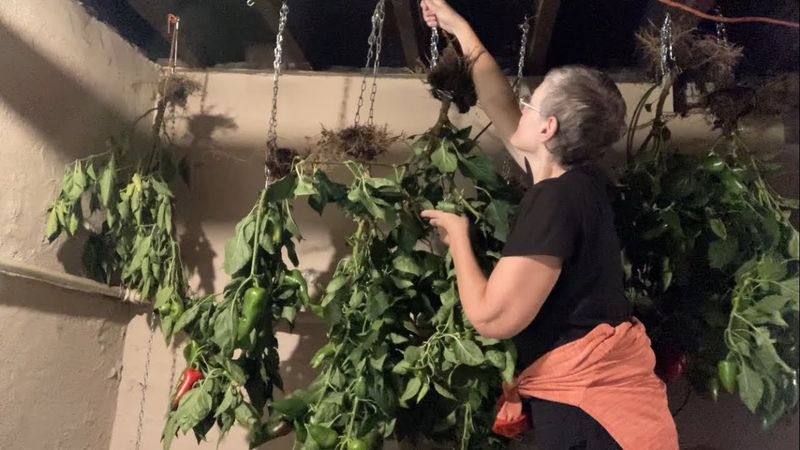
Old-time gardeners had a clever habit of yanking up entire pepper plants and hanging them upside down indoors. The idea is simple, because the stems and leaves can keep passing some of their stored energy into the fruit for a while.
Pull each plant before frost hits, shaking off loose soil so your garage floor stays reasonably clean. Tie twine around the base of the stem, then hang it from a rafter, hook, or sturdy shelf.
An attached garage in Indiana often stays warmer than the outdoors in October, which helps the slow ripening process. Keep an eye on the thermometer, though, since temperatures near freezing will damage the hanging fruit too.
Expect modest results rather than miracles, since mature pods color up best while small ones mostly stay tiny. Leaves will wilt and drop over the next week or two, so lay down cardboard to catch them.
Good airflow matters a lot, because damp, crowded plants can grow mold that spreads quickly across the pods. Space each plant a foot or so apart, and check them every few days for soft or fuzzy spots.
Last fall, I hung three bushy plants from my garage rafters and picked red peppers well into November. Walking past that quirky little pepper chandelier made me grin every single time I grabbed the recycling bin.
Once the plants turn brittle and dry, harvest any remaining usable pods and toss the stems into compost. Your garden season gets a bonus chapter, and the cold nights outside suddenly feel a lot less stressful.