Something Is Sprouting Under Your Missouri Bird Feeder And You Probably Bought It Yourself
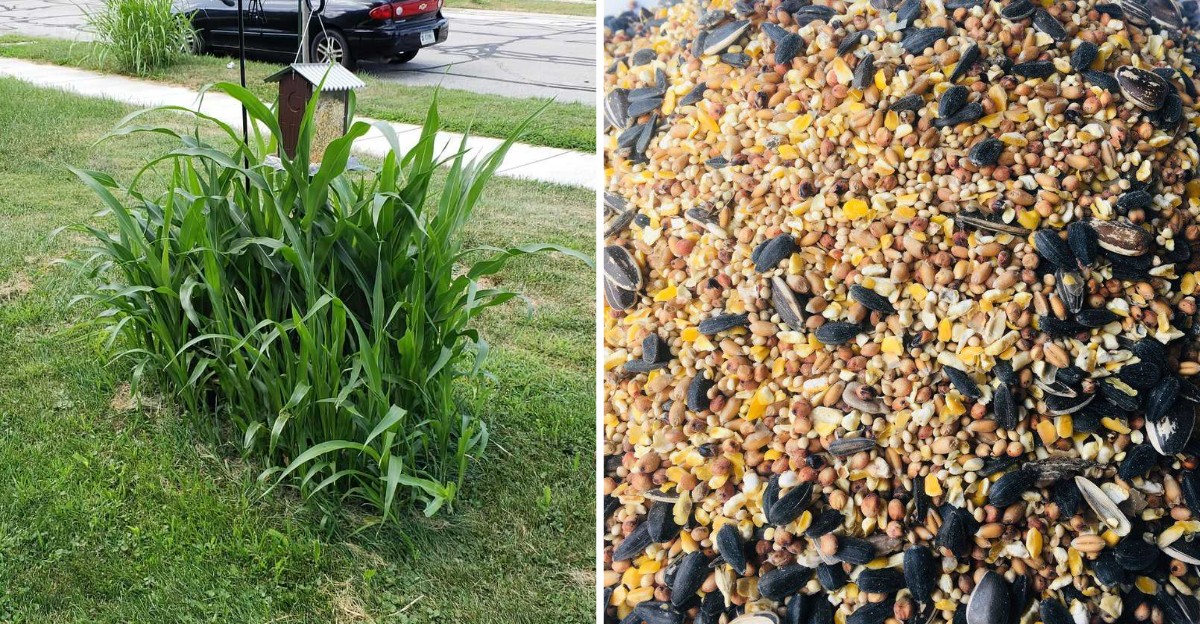
One pound of cheap wild bird food can hold thousands of tiny seeds that sprout in soil. I found that out the fun way, staring at a fuzzy green patch beneath my feeder.
Birds are messy eaters, and they toss aside plenty of seed while hunting for favorite bits. That scattered seed lands on soft ground and quietly gets to work after a good soaking rain.
Here in Missouri, warm fall afternoons can still coax those seeds into leafy stems before frost. I like how surprised people get when they realize the mystery plants came home in their own shopping cart.
You can often tell what is growing by the leaves, since grassy blades and wide leaves mean different things. Some sprouts are harmless guests, but a few can creep into garden beds if left alone.
Missouri gardeners have a few simple tricks for keeping the ground under feeders neat without giving up the birds. So which seeds in that colorful bag are secretly planning a takeover beneath your favorite backyard feeder?
Your Own Feeder Refills Are Taking Root In The Mulch
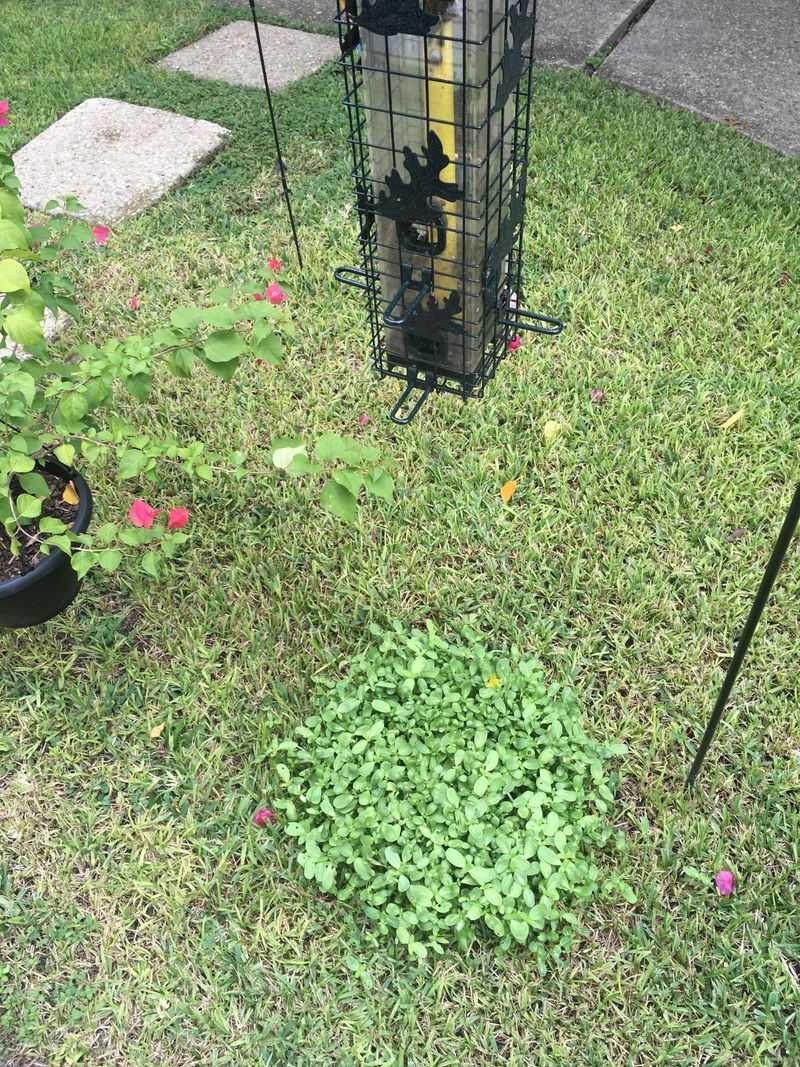
Last October I knelt under my feeder and spotted a crowd of skinny green shoots poking through the mulch. Nobody planted them on purpose, yet there they stood, lined up like they owned the place.
Those shoots almost certainly came from the seed mix I poured into the feeder a few weeks earlier. Most wild bird seed is raw and whole, so it can still grow just like garden seed.
Birds such as house finches and sparrows flick unwanted seeds aside while they search for the ones they prefer. Ground feeders like juncos and doves miss some seeds too, leaving them to settle into the soil.
University extension experts note that many bird seed blends include grains that sprout easily with a little moisture. A rainy week in Missouri can turn that scattered seed into a thin green patch within days.
The best first step is simply reading the ingredient list printed on the back of your seed bag. That list gives you a good idea of which seeds you scattered, which makes identifying the sprouts much easier later on.
Pulling the young sprouts by hand works well, since most have shallow roots that slide right out of damp soil. A quick rake under the feeder each week also clears away loose seed before it gets a chance.
Honestly, finding these surprise plants is a sign your feeder is busy, and that feels like a small win. With a little attention, you can enjoy the birds without letting their leftovers take over your yard.
Those Grassy Blades Are Likely Millet Or Milo
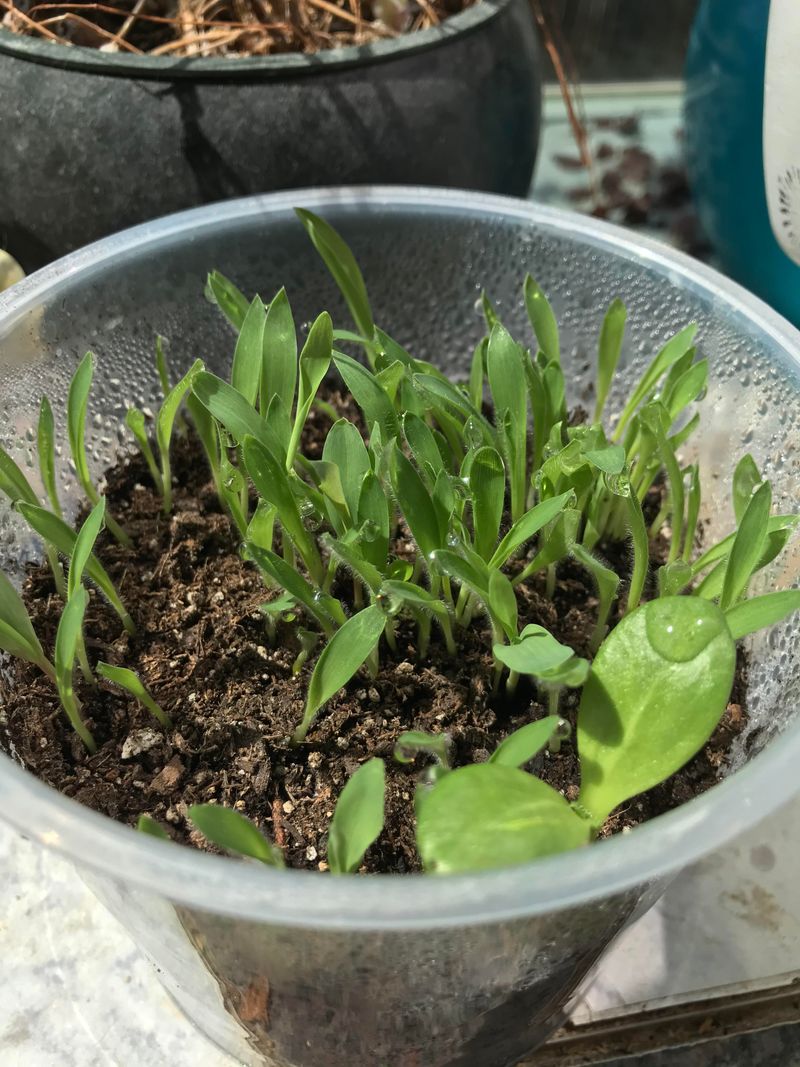
Did you know white proso millet is one of the most common fillers in budget wild bird seed? Small round seeds like these are popular with sparrows, juncos and doves that feed on the ground.
When millet sprouts, it looks a lot like grass, with thin blades and a soft, slightly hairy feel. Left alone, the plants can reach two or three feet tall and form drooping, feathery seed heads.
Your Missouri Garden Changes Every Week. Your Plan Should Too.
Gardening in Missouri changes quickly throughout the season. Every Friday you’ll receive a simple weekly plan showing exactly what to plant, prune, fertilize, harvest, and protect so you never miss the right timing.
Milo, also called grain sorghum, is the larger reddish round seed you often see in cheaper mixes. Its sprouts look like corn seedlings at first, with wider blades than millet and a sturdier stem.
Many songbirds skip milo, so it often piles up below feeders and can sprout there. Doves, quail and turkeys do eat it, which explains why it still shows up in so many bags.
A quick way to tell them apart is to gently pull one sprout and look at the root. Often the original seed is still attached, so you can match it to the seeds in your bag.
Both grasses are annuals, which means they grow, set seed and finish their life cycle in one season. That makes them easy to manage, especially if you pull them before they drop seeds of their own.
In Missouri lawns, these grassy volunteers can blend in so well that mowers handle them without much fuss. Keep an eye on mulched beds, though, since that is where they tend to stand out the most.
Big Floppy Leaves Usually Mean Sunflowers Showed Up
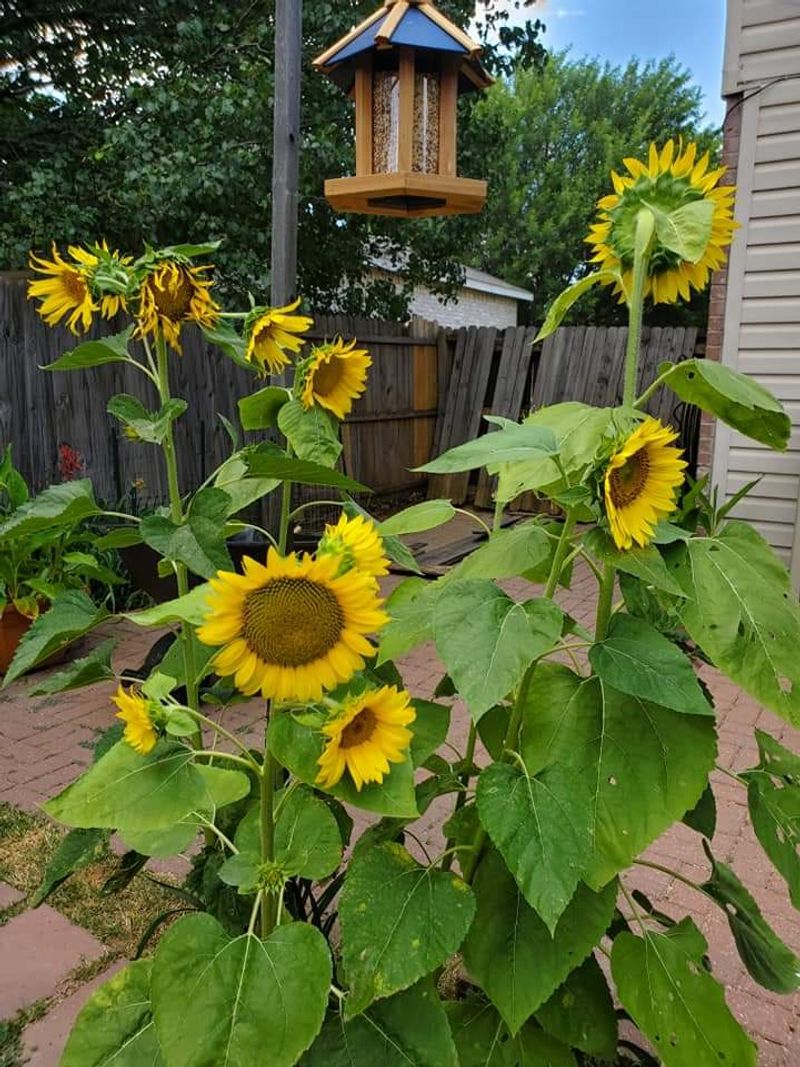
Sunflower seedlings are the show-offs of the feeder crowd, popping up with two fat, rounded leaves that look almost cartoonish. Those first leaves are called seed leaves, and the true rough leaves follow a few days later.
Black oil sunflower seed is a favorite of cardinals, chickadees and nuthatches, so it fills countless feeders. Birds crack many of the shells, but whole seeds still tumble to the ground below fairly often.
Sunflower hulls contain natural compounds that can slow the growth of some nearby plants, according to extension researchers. That may explain why grass sometimes thins out under feeders where empty shells pile up thick.
Sprouts that show up in October rarely have time to bloom before cold weather arrives in Missouri. Seeds dropped earlier in the year, though, may already be standing tall with nodding heads by now.
Those mature flower heads can become a free snack bar for goldfinches and other seed lovers this fall. I like leaving one or two standing, just to watch the birds hang upside down while they eat.
Young seedlings are easy to remove, since their thick stems give you a good grip near the soil. Squirrels and chipmunks also bury sunflower seeds, so you may find surprise sprouts far from the feeder.
Raking up hulls regularly helps protect the grass, and it keeps the area looking tidy for visitors. A small tray under the feeder catches many falling seeds before they ever reach the soil below.
Cheap Blends Often Hide Extra Grains You Did Not Expect
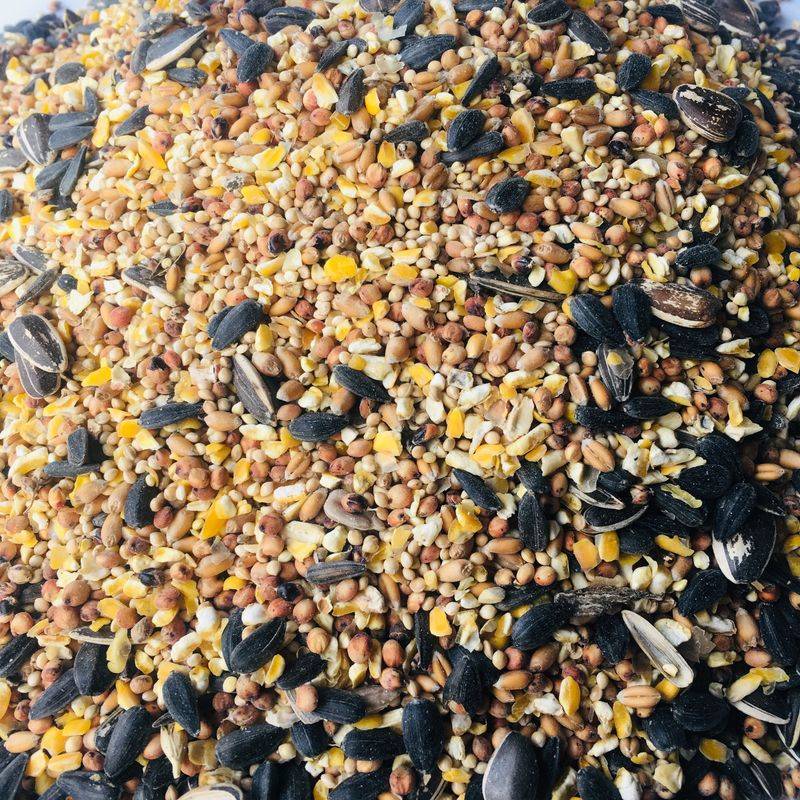
Flip over a bargain bag of bird seed and you might read wheat, oats, or cracked corn on the label. These grains bulk up the bag cheaply, but many backyard songbirds would rather pick through for something else.
Wheat and oats sprout into grassy clumps that look a lot like lawn grass, only a bit coarser. Unlike millet, they handle cool weather fairly well, so you may notice them greening up this fall.
Whole corn kernels can sprout too, sending up a single wide blade that looks like a tiny cornstalk. Cracked corn rarely grows, since breaking the kernel usually damages the part of the seed that sprouts.
Some cheaper mixes also contain red millet or flax, which birds often toss aside without a second look. Those rejected seeds become the very seeds that end up sprouting in your flower beds after rain.
Weed seeds are another concern, because some blends have historically carried small amounts of unwanted plants like ragweed. Extension services in Missouri and nearby states suggest watching feeder areas closely for unfamiliar sprouts each season.
Better quality brands often clean their seed more carefully, which reduces the chance of hitchhiking weed seeds. Paying a little more upfront can save you hours of pulling mystery plants out of your garden.
My advice is to buy blends built around the seeds your local birds actually eat, like sunflower. Your feeder visitors will waste less, and the ground beneath them will stay a lot calmer and cleaner.
Your Missouri Frost Will Handle Most Of These Sprouts
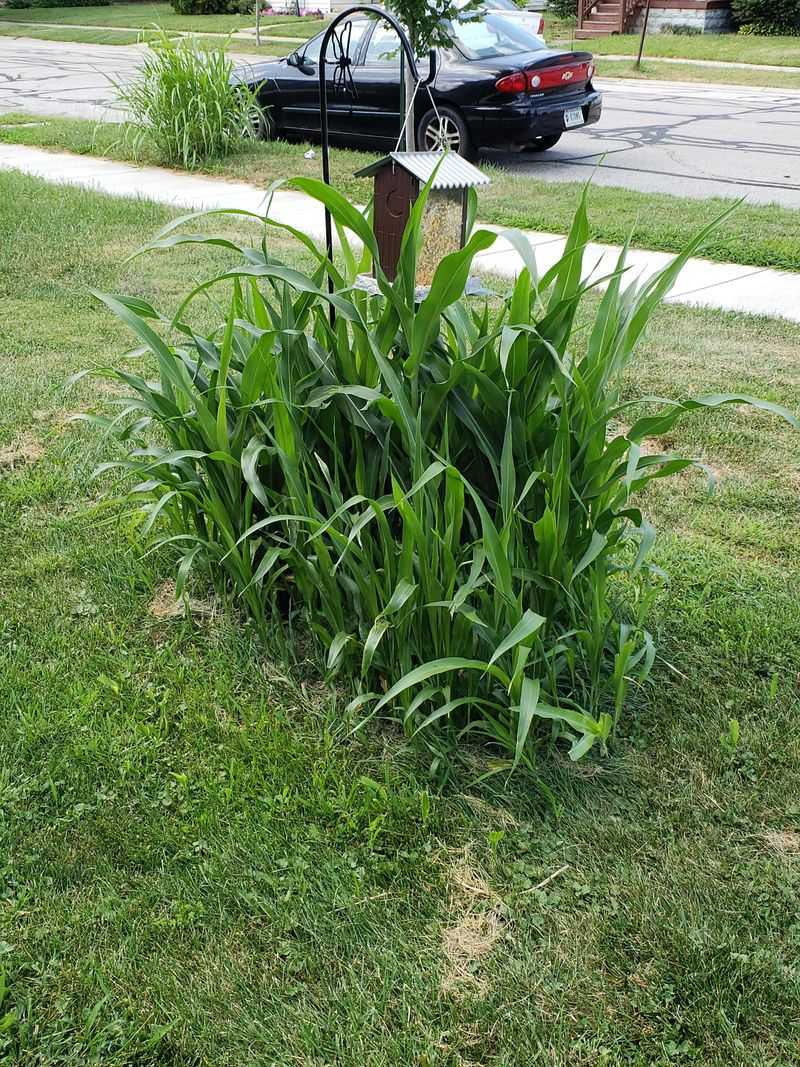
Fall weather is about to do a lot of your weeding for you, and I find that pretty satisfying. Millet, milo, sunflowers and corn are warm-season plants that struggle once temperatures drop near freezing at night.
University of Missouri Extension notes the first fall frost often arrives from mid-October into early November across the state. Northern counties tend to see cold nights a little sooner, while southern areas may wait a bit longer.
After a hard frost, these tender volunteers turn limp and brown, often within a day or two. Their seeds often cannot ripen in time, so they rarely leave behind a new crop for next year.
That means you can relax a little if a small patch of sprouts appeared under your feeder recently. Cold weather will handle most of the cleanup, leaving soft brown stems you can rake up easily.
Not every sprout gives up so quickly, though, since wheat and oats tolerate chilly weather much better. Those cool-season grasses may stay green into winter, so pulling them by hand is the simplest fix.
Brown stalks left standing can actually help wildlife, offering cover for ground birds on blustery days. Some gardeners leave them until late winter, then clear them away before new garden plans begin.
Once the frost passes, take a slow walk around the feeder and notice which plants stayed green. Those hardy survivors are the ones worth pulling now, before they settle in for the long winter.
Switch To No-Mess Blends For A Tidier Feeder Spot
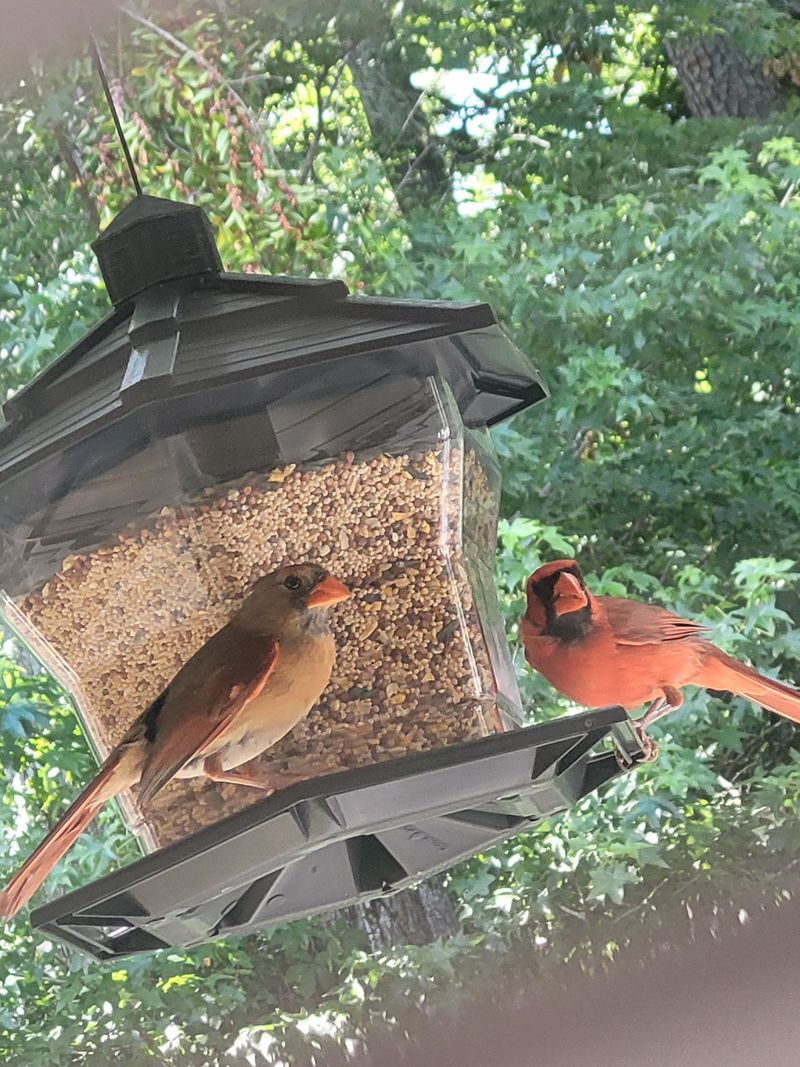
Shelled seed, often sold as no-mess or no-waste blends, is my favorite fix for a cluttered feeder spot. These mixes skip the hulls and fillers, so birds eat almost everything instead of tossing it aside.
Hulled sunflower hearts are a common base, and many brands also add chopped peanuts or tree nuts. Because the seeds are shelled and often broken into pieces, they are much less likely to sprout below.
No-mess blends do cost more per bag, which can feel painful at the checkout counter at first. Since there is no shell weight, though, you are paying for food the birds will actually eat.
Some gardeners heat seed to stop it from sprouting, but results vary and heating can scorch the seed or reduce its quality. Most people find it simpler to switch to hulled seed.
Feeder trays or seed catchers attached below the feeder catch falling bits before they reach the ground. Placing your feeder over a patio, gravel, or a paver pad also makes cleanup much easier this fall.
Missouri birds like cardinals, titmice and woodpeckers happily devour sunflower hearts during the chilly months ahead. Their energy needs climb as the nights get colder, so rich, shell-free food is a welcome treat.
Making the switch now gives you a neater yard by spring, with far fewer mystery sprouts to pull. Your birds still get a hearty meal, and you get to enjoy the view without extra weeding.