Missouri Houseplants Brought Indoors In One Step Rarely Do Well
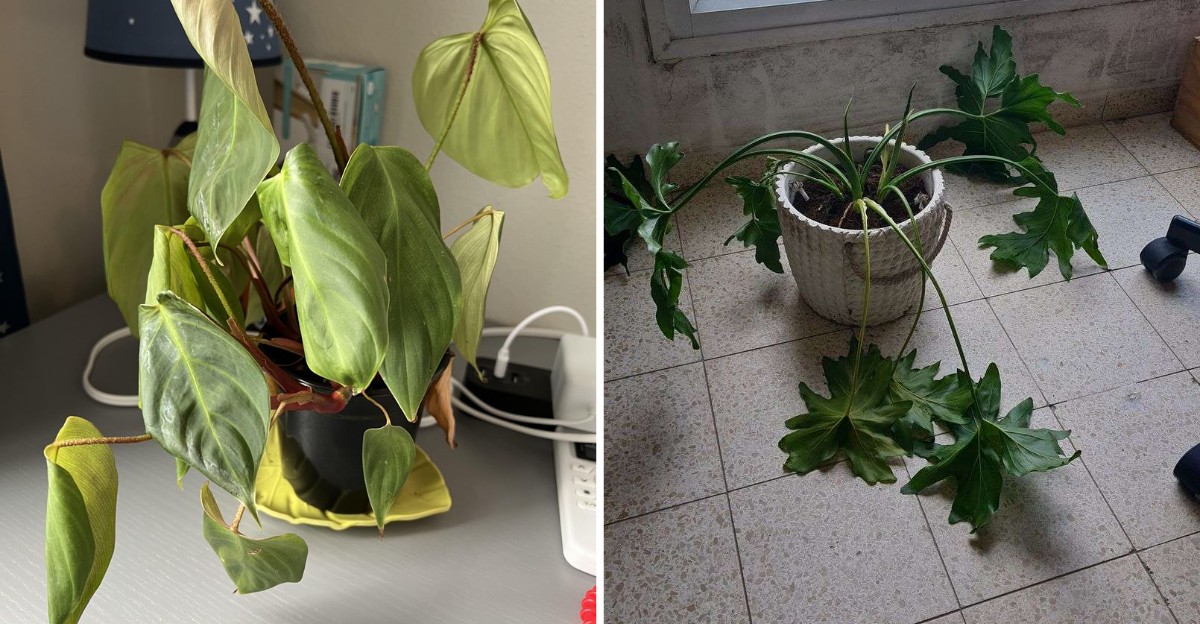
Frost sneaks into Missouri overnight and catches you mid-decision, patio pots still lined up by the door. Your neighbors already hauled everything indoors during a rushed afternoon, yet their leaves are dropping days later.
Nobody warns you about the mistake most people make before a hard freeze arrives, and it costs more than expected. Missouri weather can swing hard within a week, and your plants absorb every degree of that shift, ready or not.
Roots that thrived on your patio all summer suddenly sit in cooler soil, drinking at a slower pace than before. Every choice you make right now decides how your plants perform for the rest of winter.
Something hitches along too, tucked into leaf joints and soil nobody thinks to check first. Only you decide if it stays hidden for weeks or turns up on your favorite chair by morning.
The Shock Behind Sudden Indoor Decline
Plants keep score. Every summer day outdoors, they built leaves designed for bright light, breezy air, and swinging temperatures.
When those same leaves land in a dim living room overnight, the math stops working. A patio spot in Missouri can deliver several thousand foot-candles of light, while a spot three feet from your window offers a tiny fraction of that.
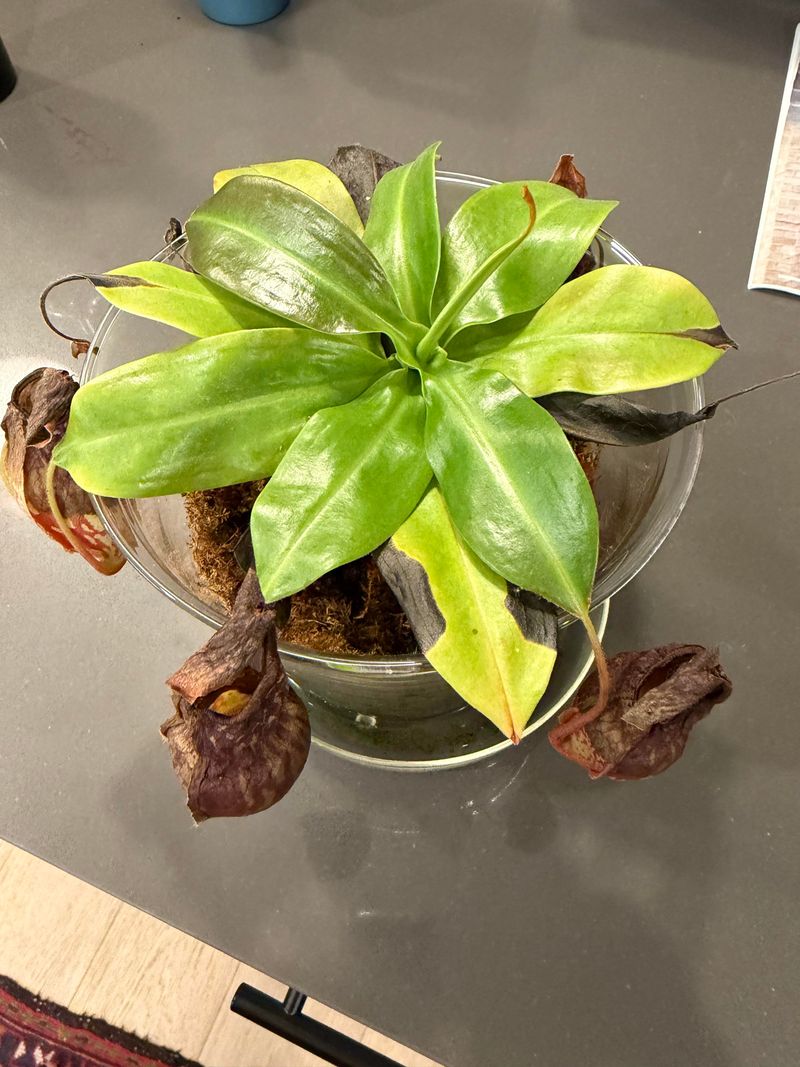
The plant suddenly has leaves it cannot afford to feed. It responds by dropping the oldest ones, which is the yellow shower you notice about a week later.
Humidity plays a part too. Outdoor air in early fall often sits above fifty percent, while a furnace-warmed room can dip into the twenties.
Leaf edges crisp, tips brown, and the soil surface dries faster than you expect. Meanwhile the roots, sitting in cooler indoor conditions with less light, drink slower than they did in August.
That mismatch confuses well-meaning owners into watering more, which waterlogs roots and invites rot. So the plant gets hit from two directions at once.
None of this means your plant can’t bounce back. It means the change came too fast for it to adjust its leaves, its water use, and its growth rate all at the same time.
Gardeners who move plants gradually give them a chance to rebuild. Those who move everything in one trip are asking a sun-grown plant to become a shade plant overnight, and few species can pull that off gracefully.
Missouri Autumn Timing And The Fifty Degree Signal
Missouri weather in October behaves like a moody friend. Eighty degrees on Tuesday, thirty-eight by Friday morning, and frost warnings by the weekend.
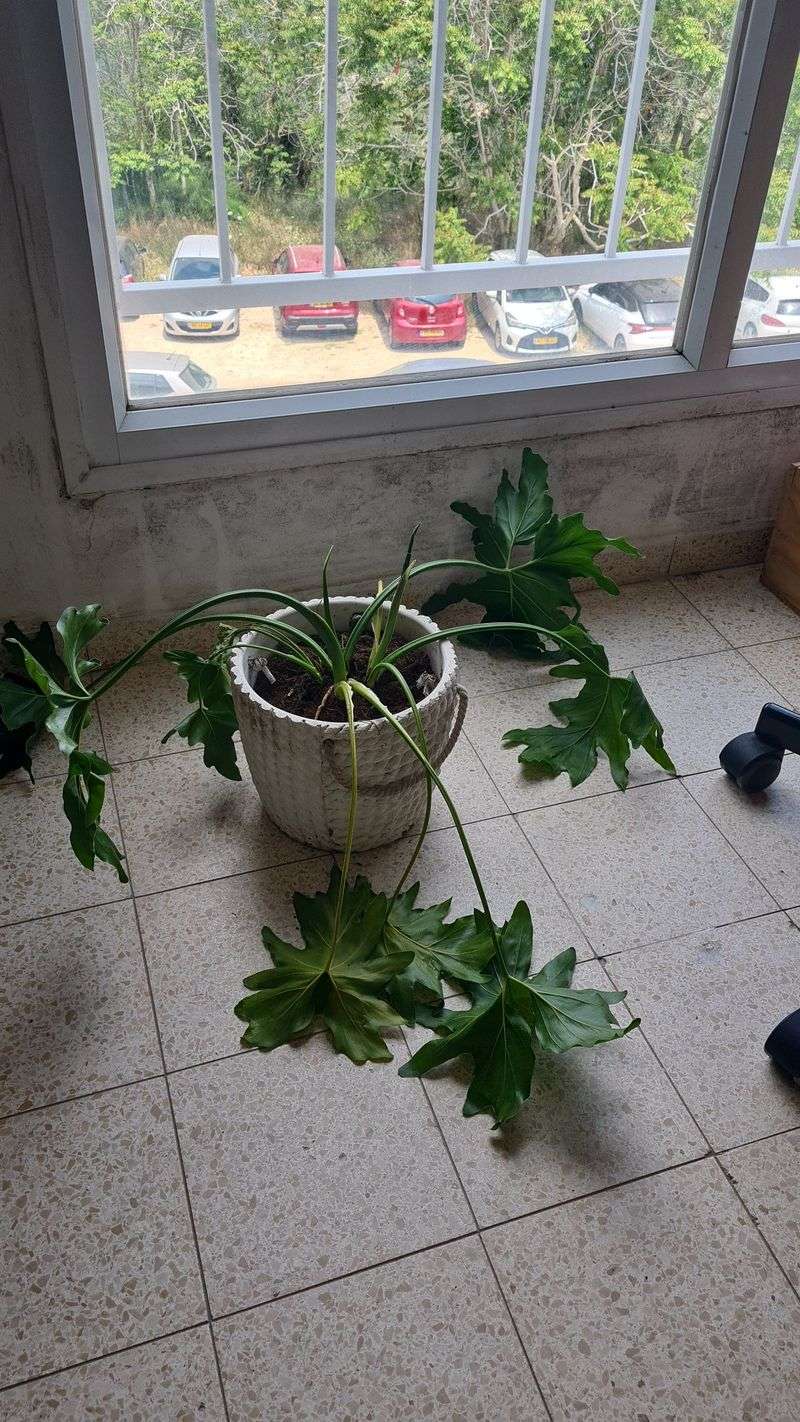
That swing is exactly why waiting for the first freeze is a rough plan. Tropical favorites such as pothos, hibiscus, croton, and philodendron start sulking once nights settle below fifty degrees, long before frost arrives.
A good rule for most of the state is to begin the indoor transition when overnight lows start touching the mid-fifties, which usually lands in late September through mid-October across Kansas City, Columbia, and the Bootheel alike.
Starting early buys you time. The whole moving process works best when stretched across ten to fourteen days, and you cannot stretch anything if a hard freeze is forecast for tomorrow night.
Your Missouri Garden Changes Every Week. Your Plan Should Too.
Gardening in Missouri changes quickly throughout the season. Every Friday you’ll receive a simple weekly plan showing exactly what to plant, prune, fertilize, harvest, and protect so you never miss the right timing.
Watch the extended forecast rather than the calendar. Missouri’s first frost date ranges from early October in the north to early November down south, so your neighbor two hours away runs on a different schedule.
There is one more reason to start ahead of schedule. Warm October afternoons make it comfortable to inspect, prune, and treat plants outside, where mess and insect spray belong.
Doing that same work in a chilly garage in November feels miserable, so corners get cut. Give yourself the pleasant weather window while it lasts, and the plants will reward that head start with steadier growth through winter.
The Overnight Move That Undoes A Summer Of Growth
Picture the classic scene. The ten o’clock news mentions frost, and suddenly the whole family is hauling pots up the steps in the dark.
Everything lands in whatever room has floor space, usually a hallway or spare bedroom with one small window. The plants survived the cold, so it feels like a win.
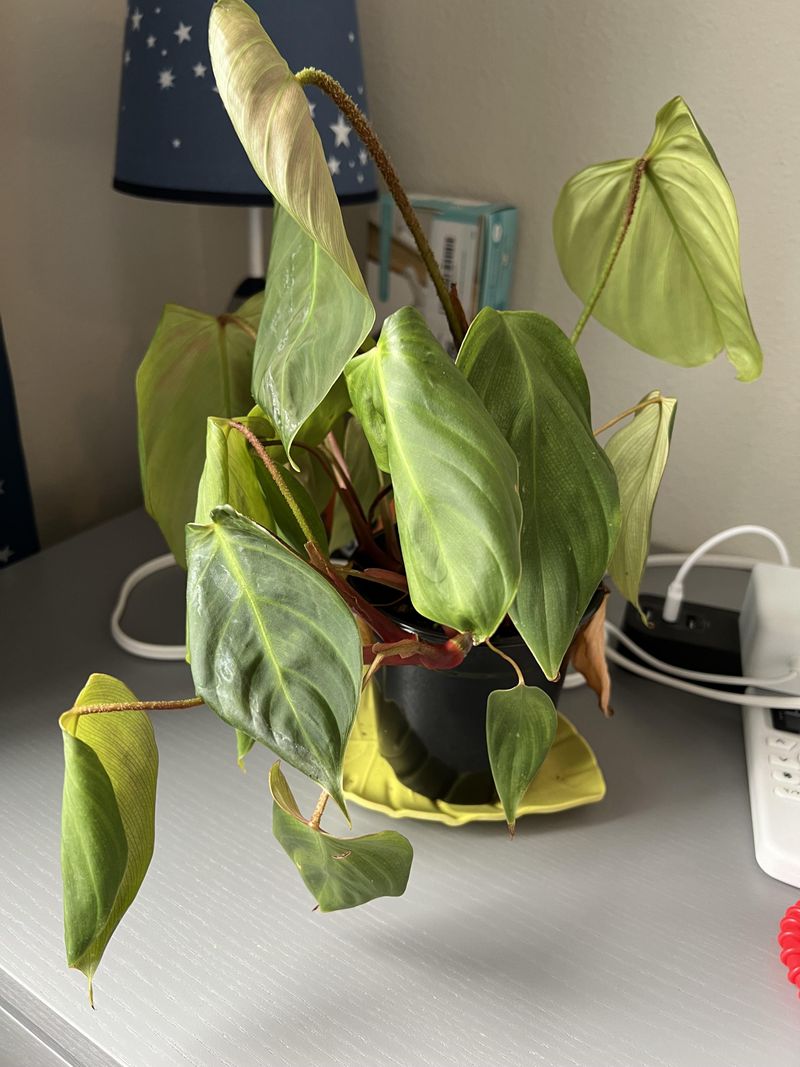
Two weeks later that win looks different. The ficus has bare branches, the begonia dropped its buds, and tiny webbing appears in the leaf joints.
Rushing skips three things that matter. There is no light adjustment, no pest check, and no chance to let the pots dry down before they sit on carpet.
Hitchhikers come along for free. Spider mites, mealybugs, aphids, scale, fungus gnats, slugs tucked under the rim, and the occasional tree frog all travel indoors when nobody inspects.
Indoors those pests have no predators, no rain to knock them off, and warm dry air that helps mites multiply fast. A small population in October becomes an infestation by Thanksgiving.
Crowding makes it worse. Plants shoved close together in a low-light room share pests easily and get poor air movement, which encourages leaf spots and mildew.
The fix is not complicated, just unhurried. Treat the move as a project with steps spread over two weeks rather than an emergency rescue mission, and most of these problems never get a foothold in your home.
A Two Week Acclimation Plan That Actually Works
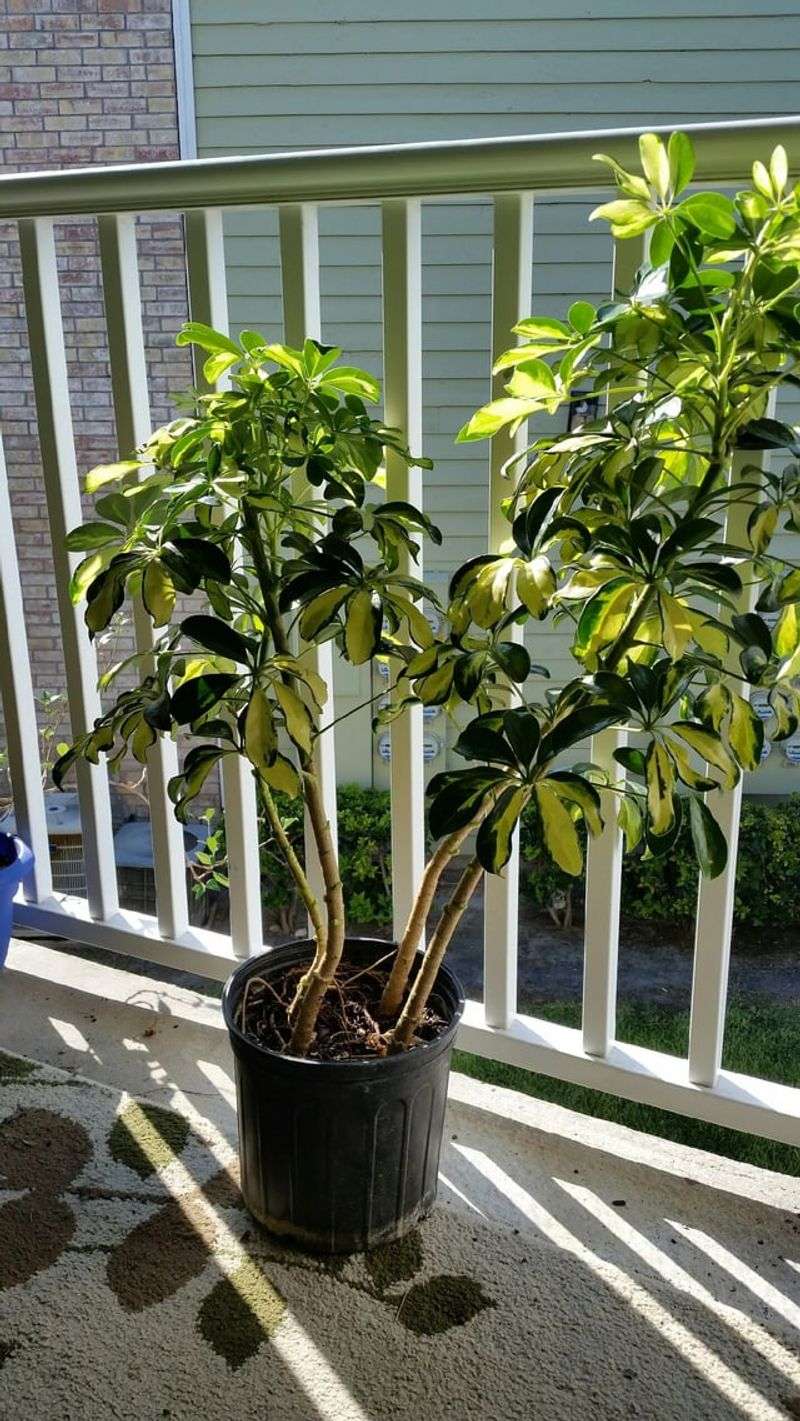
Think of it as training, not moving. The goal is to shrink the gap between outdoor conditions and indoor conditions before the plant ever crosses the threshold.
Start by shifting sun-loving pots into bright shade under a porch roof or a tall tree for four to five days. Leaves begin adjusting their internal chemistry to lower light without a shock.
Next, move them into deeper shade for another three or four days. During this stretch, cut back watering slightly so the soil is not soggy when it comes inside.
Around day eight, bring plants indoors at night and set them back outside during the day. Cool nights and warm days ease the temperature transition, and it also lets you spot pest activity early.
By day eleven or twelve, leave them inside full time near your brightest window. South and west windows work best in Missouri winters, since the sun sits low and light levels drop hard after November.
Expect some leaf drop anyway, and resist the urge to fix it with fertilizer. Feeding a plant that is trying to slow down pushes weak, floppy growth that pests love.
Hold off on repotting too. Fresh soil and a bigger pot add stress on top of stress, and roots in a cool room will not fill that extra space before spring.
Patience during these two weeks saves months of sad, sparse plants later.
Cleaning, Pruning, And Pest Checks Before The Door
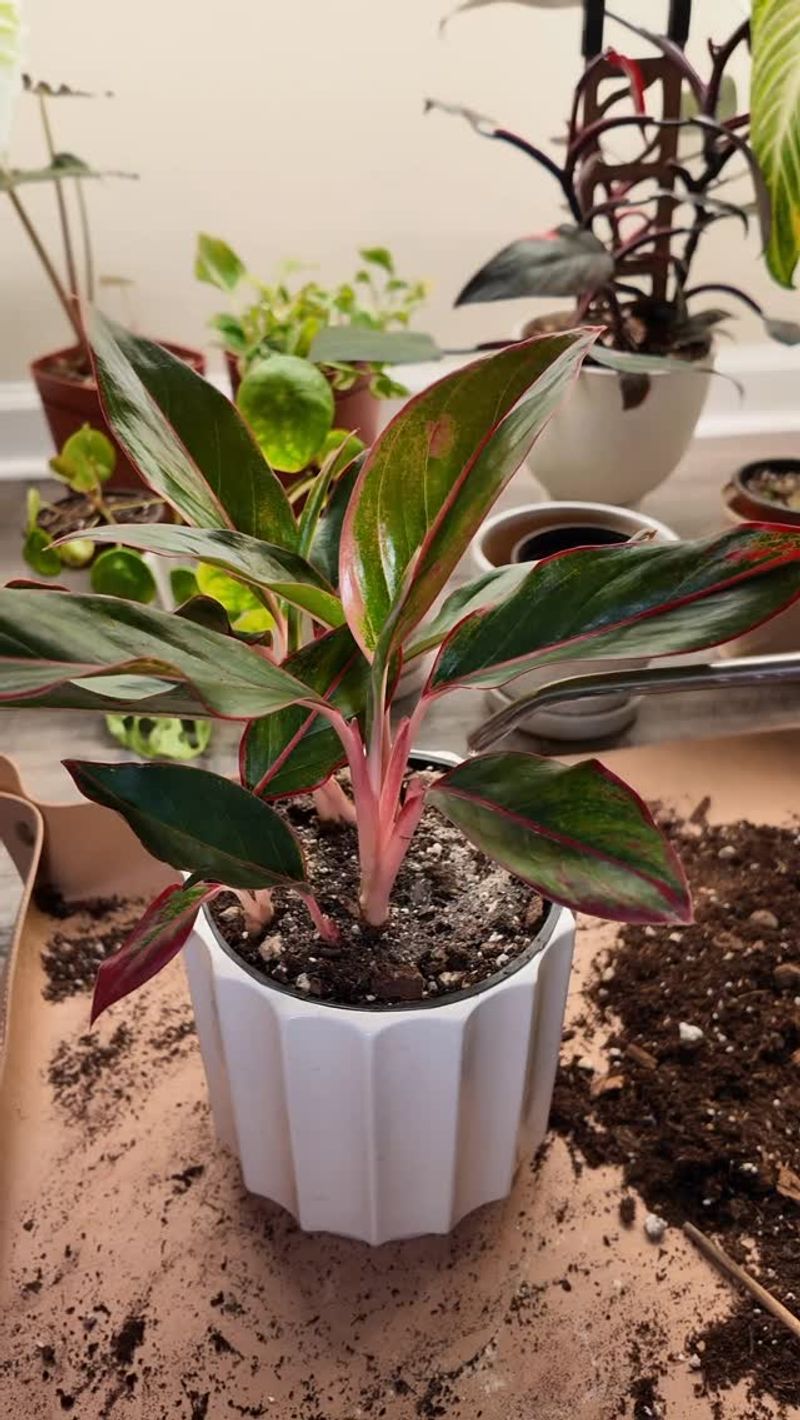
Here is where an hour outside saves a winter of frustration. Set up on the patio with a hose, a bucket, and good light so you can see what you are doing.
Flip every leaf. Undersides hide spider mites, which look like specks of pepper, and mealybugs, which look like tiny cotton smudges in leaf joints.
Rinse the whole plant with a firm spray of water, top and bottom. Then treat with insecticidal soap or a light horticultural oil, following the label, and repeat in seven days to catch newly hatched pests.
Soil deserves attention too. Submerging the pot in a tub of water for fifteen to twenty minutes floats out ants, slugs, pillbugs, and earwigs that moved in over the summer.
Wipe the outside of the pot and the drainage saucer, since eggs and algae cling there. Fresh top-dressing of clean soil helps discourage fungus gnats.
Prune while you are at it. Trimming back leggy stems by up to a third reduces the amount of foliage the plant must support in low light, and it makes plants easier to fit on a windowsill.
Remove any yellow, spotted, or chewed leaves rather than bringing them inside to decay. Those are entry points for fungal trouble.
Do all of this before the plant enters the house, not after. Cleanup on a patio is easy, and cleanup on a living room rug is not.
Steady Winter Care And Setting Up For Spring
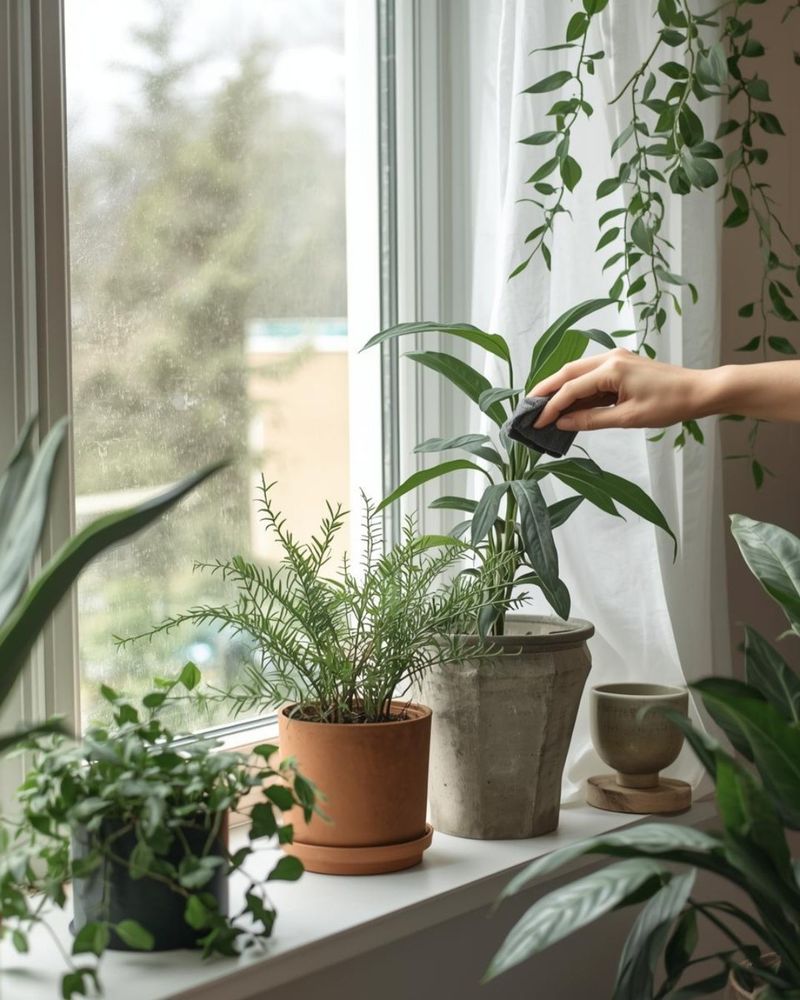
Once the plants are settled, the job shifts from moving to maintaining. Winter care is mostly about doing less, which feels wrong to enthusiastic gardeners.
Water only when the top inch or two of soil feels dry to your finger. Cool rooms and short days mean a pot may go ten days between drinks instead of two.
Fight dry furnace air with grouping and trays. Setting pots on pebble-filled saucers with water below the stones lifts humidity right around the leaves without soaking the roots.
Keep plants away from heat vents, fireplaces, and drafty exterior doors. Temperature swings in those spots cause more leaf drop than anything else in a Missouri winter.
Rotate pots a quarter turn every week or two so growth stays even. Dust the leaves monthly with a damp cloth, since a dusty leaf collects less of the weak winter light.
Skip fertilizer until late February or early March, when day length picks back up. That is also the right moment to repot anything that outgrew its container last summer.
Come May, reverse the whole process. Move plants out gradually into shade first, because sun-scorched leaves are just as real as light-starved ones.
Gardeners who handle both transitions slowly end up with the same plants year after year, growing bigger each season. The plant just wanted a little time to adjust.