How Rodent Poison Can Affect Ohio Owls And Safer Ways To Handle Mice This Fall
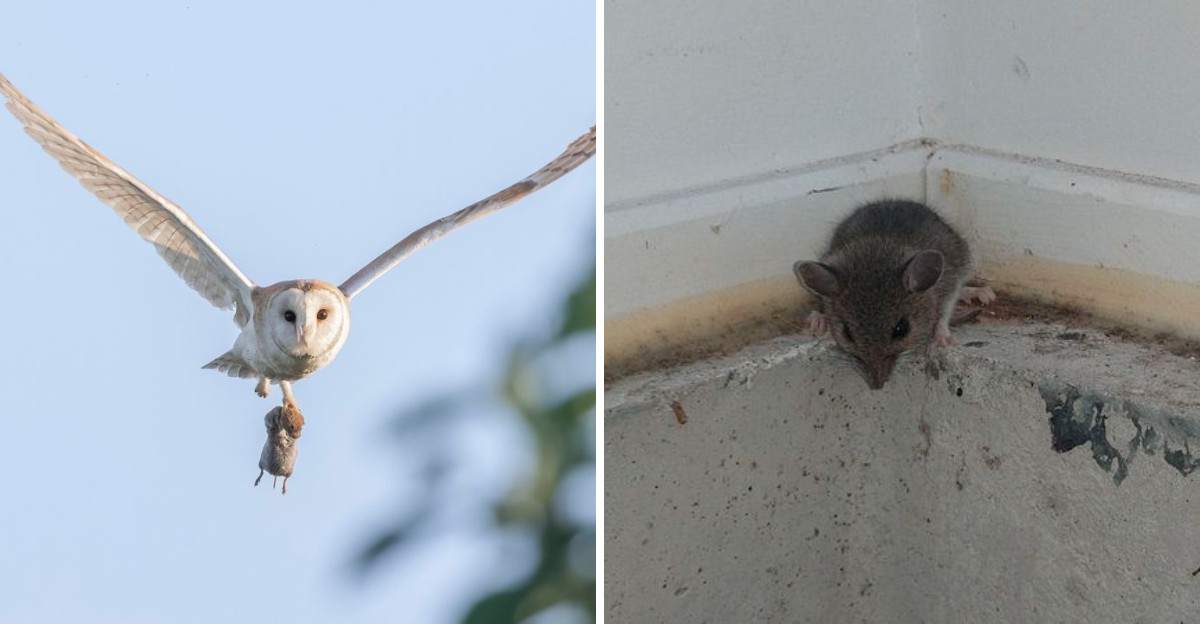
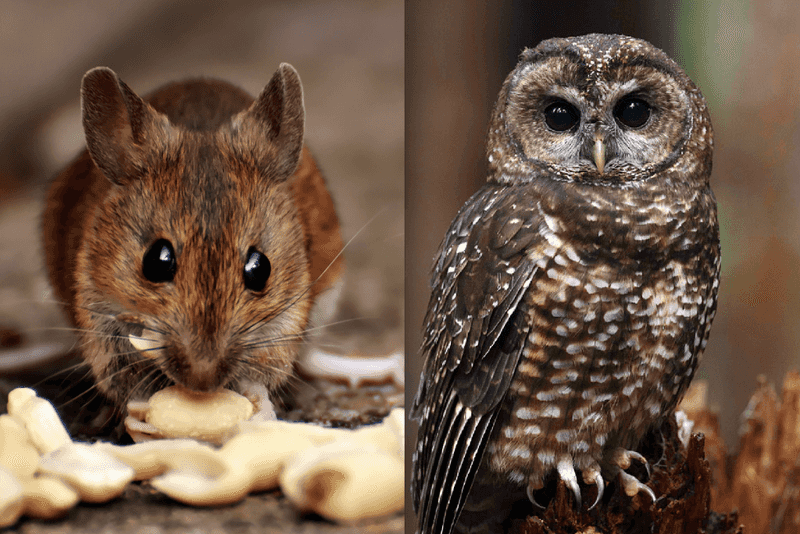
A mouse nibbles a pellet in your garage and wanders off. Hours later, an owl swoops in for dinner.
The story doesn’t end where you think it does.
Fall pushes mice toward Ohio garages, sheds, and basements, and the urge to grab a box of bait is strong. It feels quick.
It feels cheap. It also sets off a chain that most homeowners never see, and the quiet birds overhead pay the price.
The owl never touches the bait. It doesn’t have to.
What happens next stays hidden, and it can linger long after the mouse is gone.
Plenty of safer options exist, and some work better than poison anyway. A few cost less.
A few take an afternoon.
Set the box back on the shelf and read up first. Your yard’s night shift deserves better.
1. Owls Can Be Poisoned By Eating Poisoned Mice
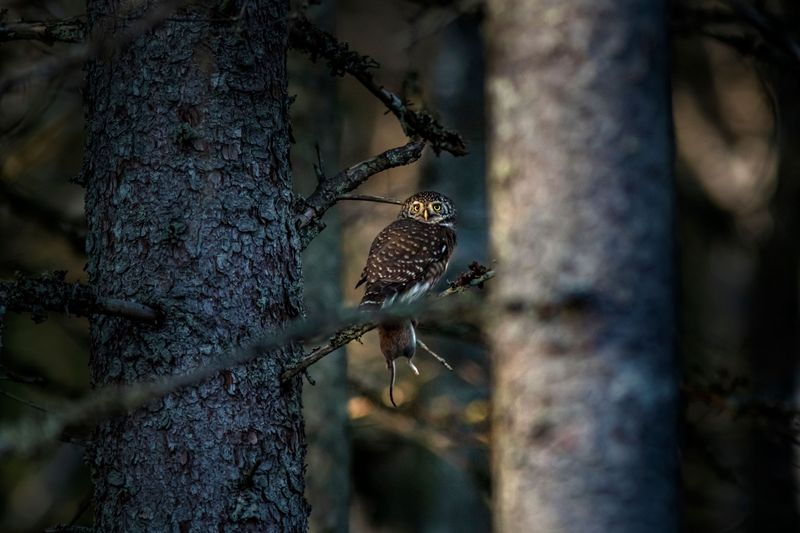
Picture a barred owl gliding over an Ohio cornfield on a chilly October night. Below, a mouse stumbles slowly through the stubble, and the owl swoops down for an easy meal.
That slow mouse might look like good luck for the owl. Sadly, it may be slow because it ate rodent bait a few days earlier.
Most common rat and mouse poisons work by stopping blood from clotting the normal way. The rodent starts bleeding inside, but the poison takes several days to finish its work.
During that time, the mouse gets weak, sleepy, and clumsy. It wanders into open spaces it would usually avoid, which makes it a perfect target for hunting birds.
When the owl eats the mouse, it swallows the poison too. Scientists call this secondary poisoning, because the owl was not the one that ate the bait first.
Owls are not alone in this problem. Hawks, eagles, foxes, and even pet cats can face the same risk when they catch a poisoned rodent.
Ohio is home to several owl species, including great horned owls, barred owls, eastern screech-owls, and barn owls. All of them rely heavily on mice, voles, and rats for food.
Fall is an especially busy time for this chain reaction. Mice move toward houses and barns looking for warmth, and many people set out bait to stop them.
Meanwhile, young owls born in spring are hunting on their own for the first time. A sluggish mouse is exactly the kind of meal a new hunter goes after.
Understanding this link is the first step toward better choices. Once you see how one box of bait connects to the owl in your backyard, safer options start to make a lot more sense.
Think of your yard as part of a big food web. What you put in it can ripple outward to every hungry hunter nearby.
2. Second-Generation Rodenticides Pose The Biggest Risk
Not every rodent poison is built the same. Some are mild by comparison, while others pack a much bigger punch.
Experts sort the blood-thinning poisons into two groups. First-generation products, like warfarin and diphacinone, usually need a rodent to eat several meals before they work.
Your Ohio Garden Changes Every Week. Your Plan Should Too.
Gardening in Ohio changes quickly throughout the season. Every Friday you’ll receive a simple weekly plan showing exactly what to plant, prune, fertilize, harvest, and protect so you never miss the right timing.
Second-generation anticoagulant rodenticides, often shortened to SGARs, are far stronger. A single feeding can deliver enough poison to stop a rodent for good.
Here is the tricky part. Even though one bite is enough, the effects still take several days to show up.
So the mouse keeps eating the bait, again and again. By the time it slows down, it may carry many times the amount needed to harm it.
That heavy load is what makes SGARs so risky for owls. A predator that eats one of these mice gets a much bigger dose than it would from a weaker poison.
SGARs also last a long time inside an animal’s body. They break down slowly in the liver, sometimes staying there for months.
If you want to spot these products, check the label for the active ingredient. The four main SGARs are brodifacoum, bromadiolone, difenacoum, and difethialone.
Fun fact: brodifacoum was developed in the 1970s because some rats had become resistant to older poisons. Scientists made it stronger, but that strength came with a price for wildlife.
If you hire a pest control company, ask them which ingredients they plan to use. A good company should answer clearly and be willing to discuss options that are friendlier to birds.
Reading labels takes only a minute at the store or on the job site. That small habit can make a real difference for the owls hunting around your neighborhood this fall.
3. These Poisons Build Up In Predators’ Bodies
Imagine filling a bucket with just a few drops of water each day. On day one it seems like nothing, but after weeks the bucket starts to overflow.
Strong rodent poisons act a lot like those drops inside an owl. Each poisoned mouse adds a little more toxin, and the body cannot clear it out quickly.
Scientists call this buildup biomagnification or bioaccumulation. It happens because SGARs break down very slowly and settle into tissues like the liver.
One mouse alone might not carry enough poison to seriously harm an owl. However, an owl can eat several mice every night, and that adds up fast.
A barn owl, for example, may eat around one thousand rodents in a single year. If even a small share of those meals carry poison, the total can grow to a dangerous level.
So a predator can end up badly sick even if every single mouse held only a small amount. The danger comes from the pileup, not from one bite.
There is another hidden problem too. Research suggests these poisons may weaken the immune system in meat-eating animals.
A weaker immune system means an owl or fox might catch other illnesses more easily. Studies on bobcats in California found links between rodenticide exposure and a skin disease called mange.
For owls in Ohio, winter is already a tough season. Cold nights and fewer prey animals mean they need every bit of strength they have.
Carrying a slow-building load of poison makes that challenge even harder. It is like trying to run a race while carrying a backpack that gets heavier each mile.
Choosing not to use strong poisons helps keep that backpack light. Your decision can help local raptors stay healthy through the coldest months.
4. Testing Has Found Rodenticides In Most Raptors Studied
Numbers can tell a powerful story, and the numbers here are eye-opening. When researchers test birds of prey, they find rat poison in a surprising number of them.
In New York City, a study of birds of prey found that 84 percent tested positive for rodenticides. That is more than eight out of every ten birds checked.
A 2020 study at the Tufts University Wildlife Clinic in Massachusetts went even further. Every one of the 43 red-tailed hawks tested carried anticoagulant rodenticides.
Similar results have shown up in many states and countries. Owls, hawks, and eagles in both cities and farm areas often show some level of exposure.
You might wonder why scientists do not just test living birds at rehab centers. The answer is that testing live birds is not very reliable yet.
Blood tests can miss poison that is stored in the liver. Because of this, most accurate results come from examining liver tissue from birds that have already passed away.
That means the real picture could be even bigger than what we know. Many exposed birds may live with low levels that go unmeasured.
Ohio wildlife rehabilitators regularly care for injured owls and hawks. Some of these patients show signs that point to rodent poison, such as unexplained bleeding or weakness.
Groups like the Ohio Wildlife Center in Columbus and the Glen Helen Raptor Center near Yellow Springs help these birds recover. They also teach the public about safer pest control.
If you find an injured raptor, do not try to handle it yourself. Call a licensed wildlife rehabilitator, who can give it the best chance.
These studies show that rodent poison is not a rare or far-off issue. It reaches the very birds soaring over our neighborhoods.
5. Many Poisoned Birds Show No Obvious Signs
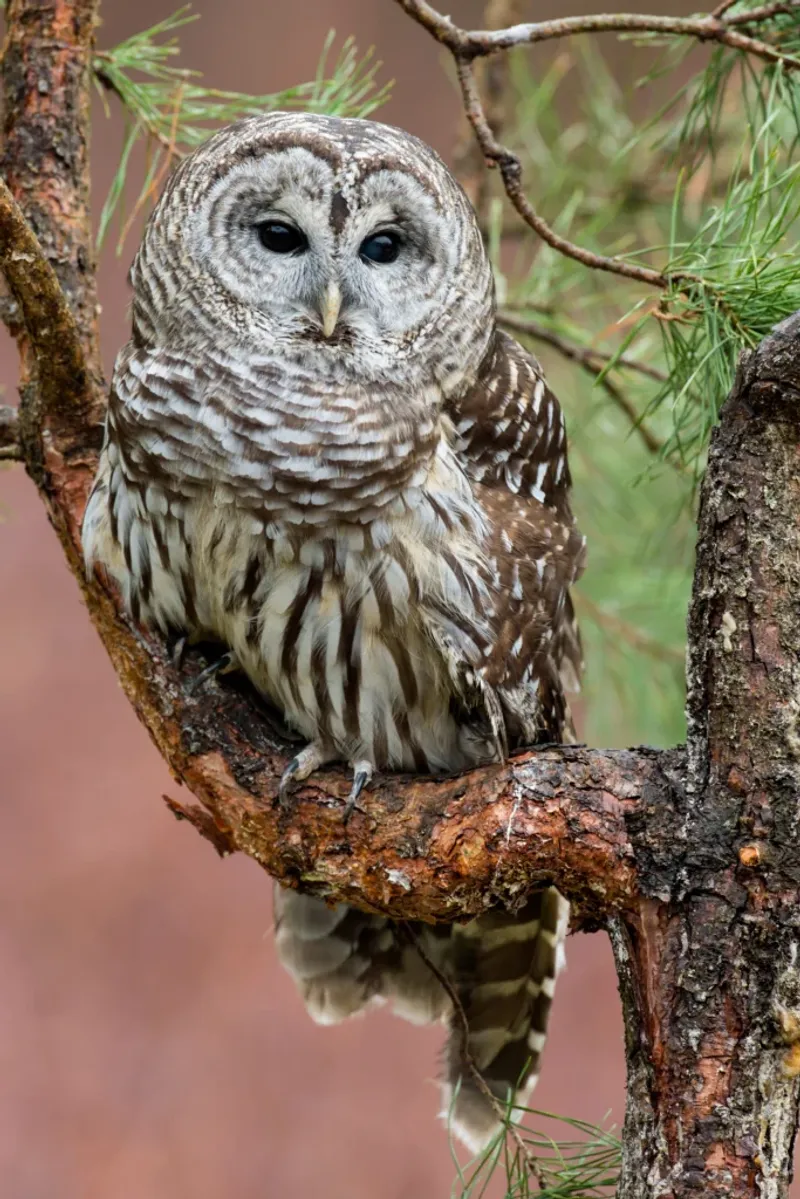
An owl sitting on a branch might look perfectly fine from the ground. Its feathers are fluffed, its eyes are open, and nothing seems wrong at all.
Inside, though, it may be carrying enough poison to affect how it feels and acts. Experts call these sublethal effects, meaning the poison is harmful even when it does not cause collapse.
Small amounts can make a bird sluggish, weak, or confused. A slower owl may react late to a passing car or a larger predator.
Collisions with vehicles are already a big danger for owls that hunt along roadsides. A little poison in the system can make that risk even greater.
Some badly affected birds simply tuck into a quiet roost and go unnoticed. Nobody sees them struggle, so the problem stays hidden.
When signs do appear, they can include bleeding from the mouth or nose. Other clues are heavy bruising, pale gums from anemia, and unusual tiredness.
Rehabbers sometimes notice that a bird bleeds much more than expected from a small injury. That can be a hint that its blood is not clotting the way it should.
Here is a helpful tip for nature lovers. If you see an owl or hawk sitting on the ground during the day and letting people walk close, something may be wrong.
Healthy raptors usually fly off when people approach. A bird that stays put could be sick, injured, or weakened by toxins.
Write down where you saw it and call a local wildlife rehabilitator right away. Quick action can help, since some poisoned birds respond well to vitamin K treatment.
Keeping an eye out is one way everyday people can help. Your observation might give a struggling owl a second chance.
6. The EPA Pulled The Strongest Poisons From Store Shelves
Back in 2008, the U.S. Environmental Protection Agency decided that the strongest rodent poisons needed tighter rules.
The goal was to protect children, pets, and wildlife from accidental harm.
The EPA took steps starting in 2008 to keep SGARs out of the consumer market. The last holdout, the maker of d-CON, stopped producing its noncompliant products by the end of 2014 and stopped shipping them to stores in March 2015.
So what can you buy at the store today? Consumer rodent baits must come in tamper-resistant bait stations, which are sturdy boxes that kids and pets cannot easily open.
These consumer products can only contain first-generation anticoagulants or non-anticoagulant poisons. Examples include bromethalin, cholecalciferol, and zinc phosphide.
That sounds like good news, and it partly is. However, these other poisons still carry risks for pets and wildlife, so they are not a perfect answer.
Bromethalin, for instance, has no simple antidote. Dogs that get into it can become very sick, which is a big worry for pet owners.
Professional pest control companies and farms can still use SGARs. They must follow rules, like placing baits in locked stations and keeping them close to buildings.
This means strong poisons can still end up around homes, businesses, and barns in Ohio. Many restaurants and apartment complexes use them through pest contracts.
As a homeowner, you have a voice here. If you hire a professional, ask whether they use SGARs and request non-poison methods when possible.
Some companies now offer bird-friendly programs focused on trapping and exclusion. Supporting those businesses helps push the whole industry in a better direction.
The EPA rules were a helpful start. Your choices at the store and with service providers can carry that progress even further.
7. Seal The Gaps Where Mice Get In
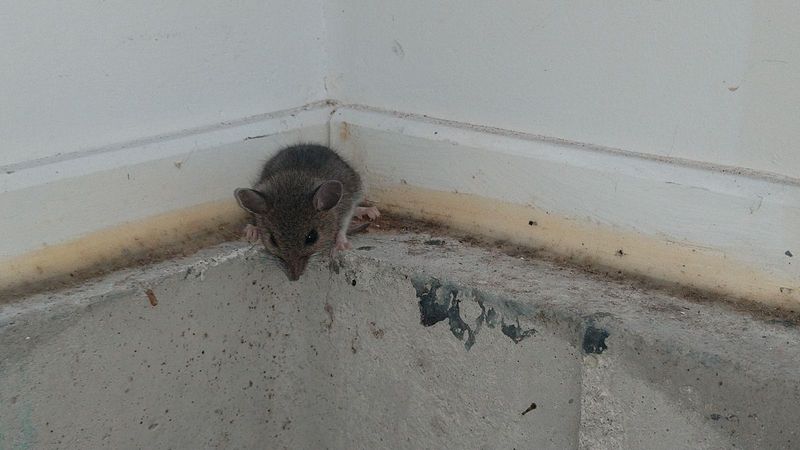
Here is a mind-blowing fact: a house mouse can squeeze through a hole about the size of a dime. If its head fits, the rest of its body usually follows.
That is why the best mouse plan starts outside, before they ever get in. Sealing entry points stops the problem at the front door, so to speak.
Grab a flashlight and take a slow walk around your home on a crisp fall afternoon. Look closely at the foundation, siding, soffits, and eaves.
Pay extra attention to spots where pipes, wires, and vents enter the house. Gaps around dryer vents and air conditioner lines are favorite mouse doorways.
Now pick the right materials for the job. Steel wool, copper mesh, and hardware cloth are tough and hard for rodents to chew.
Stuff the mesh into the hole, then seal over it with all-weather caulk. That combo blocks the opening and keeps the mesh in place.
Skip expanding foam by itself, since mice can gnaw right through it. If you do use foam, pack copper mesh in first for strength.
Doors deserve attention too. Install door sweeps on exterior doors and garage doors, and add weather stripping where you see daylight.
A bonus benefit is lower heating bills. The same gaps that let mice in also let warm air slip out during Ohio winters.
Inside, store pet food, birdseed, and pantry goods in sealed plastic or metal containers. Fewer snacks mean fewer reasons for mice to visit.
Plan to recheck your work each fall. A little yearly maintenance keeps your home snug and keeps owls safe from poisoned prey.
8. Take Away The Food And Shelter That Draw Mice In
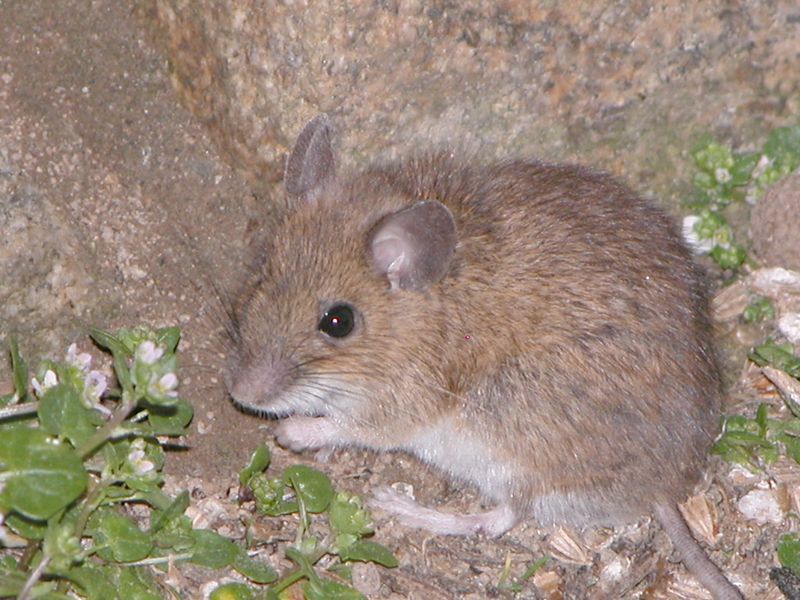
Take away those comforts, and your home becomes far less appealing. A mouse that finds nothing to eat and nowhere to nest usually moves on.
Start with food. Store birdseed, grass seed, and pet food in metal or thick plastic bins with tight lids.
A torn bag of sunflower seeds in the garage is basically a welcome sign. Even a few spilled kernels can keep mice coming back night after night.
Inside the house, keep pantry foods like cereal, crackers, and flour in sealed containers. Wipe up crumbs and don’t leave pet bowls full overnight.
Water matters too. Fix dripping faucets, leaky pipes, and condensation lines, since even small puddles help mice settle in.
Next, clear out clutter where mice like to hide and nest. Cardboard boxes, old newspapers, piles of rags, and stacks of unused fabric make perfect bedding.
Plastic storage bins with lids are a smart swap for cardboard. They keep your things neat and give mice nothing to shred.
Outdoors, keep firewood stacked well away from the house and off the ground. Trim back shrubs and tall grass that touch your foundation, since mice use them as cover.
Bird feeders deserve a look as well. Use trays to catch spilled seed, or move feeders farther from the house during fall and winter.
If mice have already settled inside, consider calling a pest control company that offers poison-free, exclusion-based service. Ask exactly which methods they use before you hire them.
A tidy, food-free home keeps mice moving along without putting anything harmful into the food web. That keeps the owls hunting over your yard safe all season.
9. Let Owls Do Some Of The Work
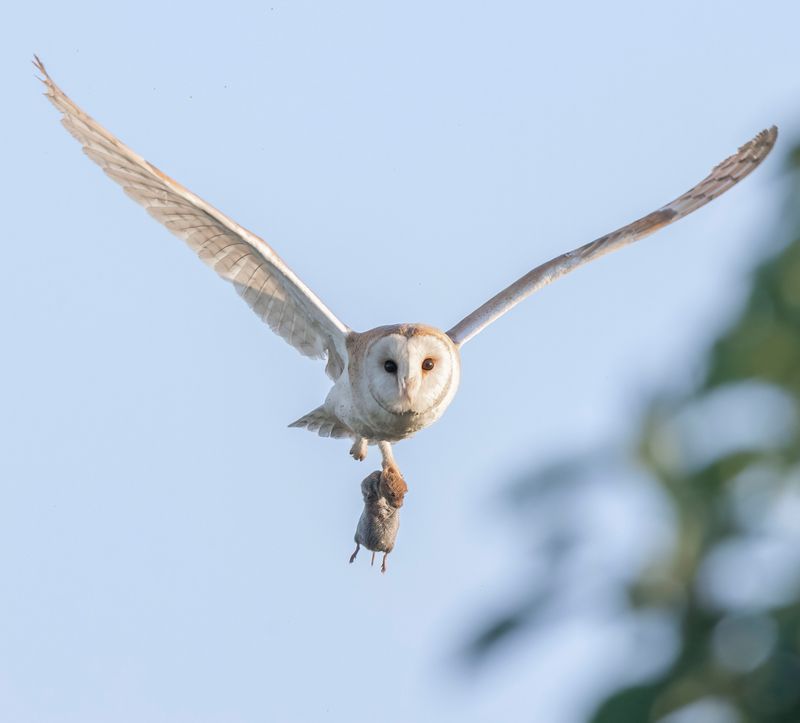
Why not hire a night-shift worker who never asks for a paycheck? Owls are some of the best mouse catchers on the planet.
A single barn owl can eat roughly one thousand rodents a year. A whole family raising chicks may go through several thousand.
In Ohio, barn owls are listed as a threatened species, so helping them is a big win. Great horned owls and screech-owls also gobble up plenty of mice and voles.
One of the easiest ways to invite owls is by putting up a nest box. Mount it at least 10 feet off the ground on a pole, tree, or barn wall.
Face the opening away from strong winds and toward an open field or meadow. Owls like a clear flight path when they leave to hunt.
Eastern screech-owls prefer smaller boxes and often nest near wooded edges in backyards. They are tiny but mighty hunters, and they even snack on insects.
Leave a patch of your yard a little wild with taller grass or brush. That area attracts mice and voles, which in turn draws owls in.
A water source, like a birdbath or small pond, can also help. Owls look for spots that offer food, shelter, and water together.
Of course, all of this works only if the mice are not full of poison. Skipping rodenticides keeps your feathered helpers healthy and coming back.
Owls will not solve an indoor mouse problem on their own. They work best as a team with sealed gaps and a tidy, food-free home.
Still, there is something magical about hearing a soft hoot on a cool fall night. It is a reminder that your yard is helping nature keep its balance.