8 Garlic Planting Mistakes In Louisiana That Can Lead To Tiny Bulbs
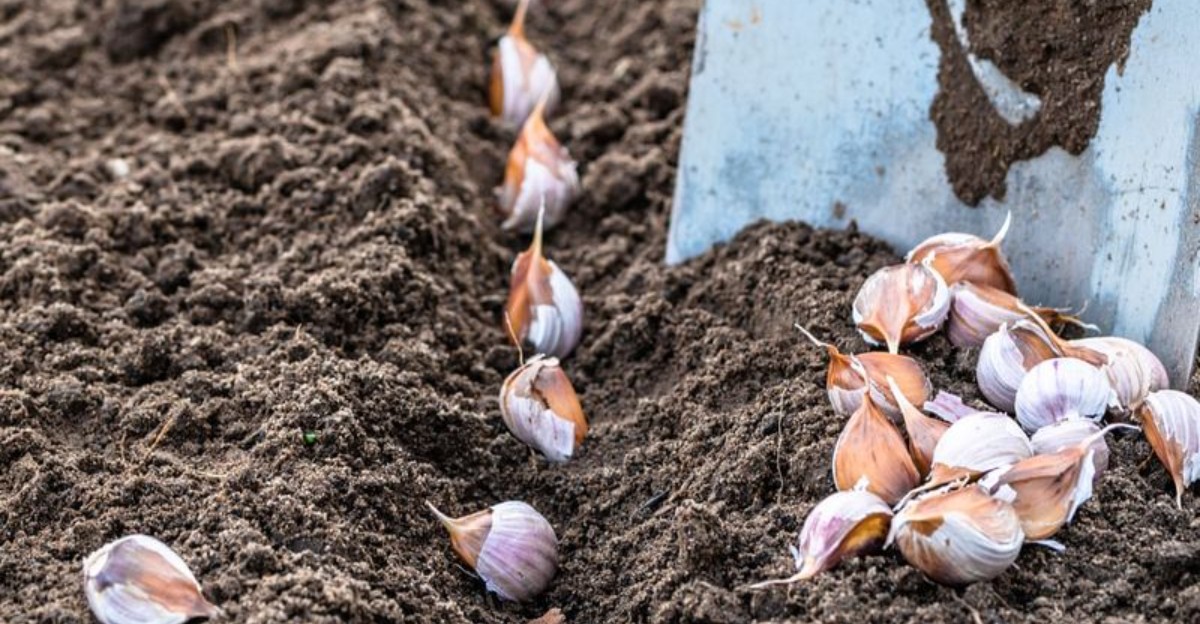
You pull a garlic bulb expecting a fist and get a marble. Louisiana rewards smart planting, yet your results stay underground until May.
Humid autumns can nudge cloves into sprouting too early. Wet winters may then weaken fragile roots before bulbs have a chance to swell.
Your October choices help set the size of your May harvest. Variety plays a big role in how well your bulbs handle this heat and humidity.
Softneck types often handle warm climates better, so you gain an early edge. Raised beds drain quickly, which spares your cloves from sitting in soggy ground.
Fertilizer timing and mulch depth also change what you pull up. Garlic rewards growers who plan before the cool fronts arrive.
Across Louisiana, you can plant from fall into November, with late October to mid-November being the sweet spot for many gardeners.
Late planting can leave bulbs on the small side, so a thoughtful calendar helps. Get the timing right, and you may braid bulbs bigger than your palm.
1. Planting Cloves Before The Soil Cools Down
October in Louisiana can feel more like a second summer than a true fall. Plenty of eager gardeners see the calendar change and rush outside with a bag of cloves.
Warm soil can send the wrong signal to a freshly planted clove. Instead of building strong roots, it may push up tall leaves that use up energy too soon.
Those leafy plants look impressive in November, but looks can be deceiving. When real growing time arrives, the plant may have used up some of its reserves, which can leave less energy for the bulb.
A simple soil thermometer solves this guessing game for just a few dollars. Push it about four inches deep in the morning and check the reading for several days.
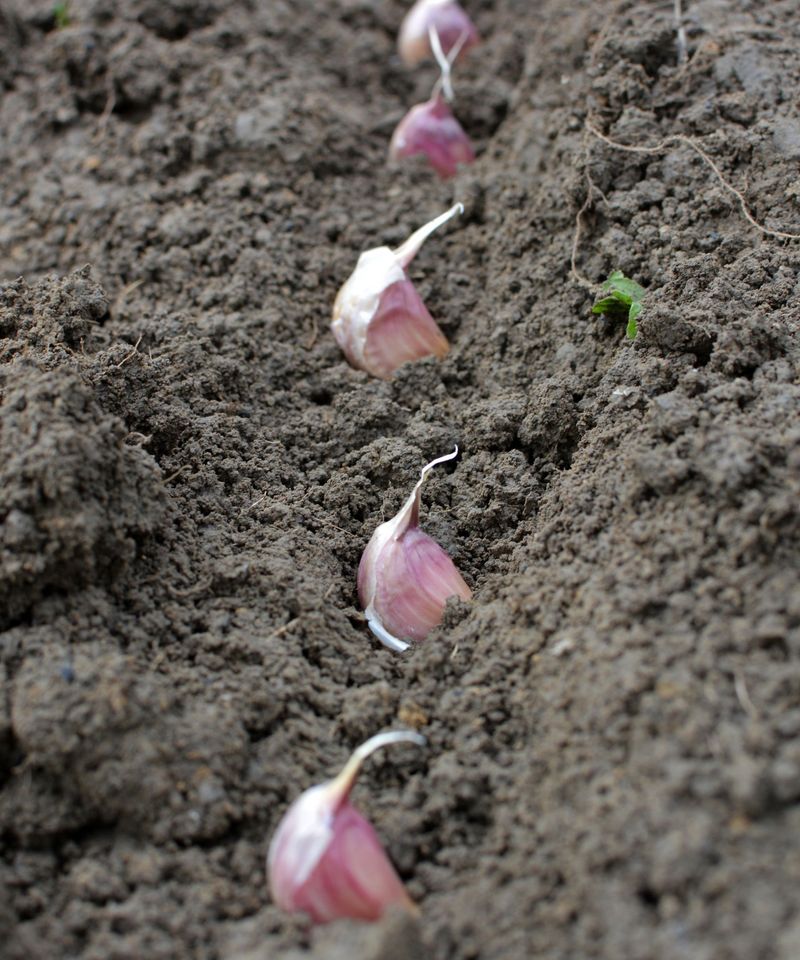
Aim to plant when the soil stays near 60 degrees or a little cooler. In most of Louisiana, that sweet spot often lands between late October and mid-November.
North Louisiana usually cools off a couple of weeks earlier than coastal parishes. Gardeners near New Orleans or Lafayette can often wait until Thanksgiving week without much trouble.
While you wait, use the extra time to prepare your beds and gather supplies. Mixing in compost now gives the soil a head start before planting day arrives.
If a warm spell stretches into November, you can simply hold the cloves a little longer and plant when the air feels crisp.
Patience feels hard when your fingers itch to dig, but it tends to pay off at harvest. Cool soil helps each clove settle in slowly, grow deep roots, and save energy for a plump, juicy bulb next spring.
2. Choosing Hardneck Varieties Without Pre-Chilling Them
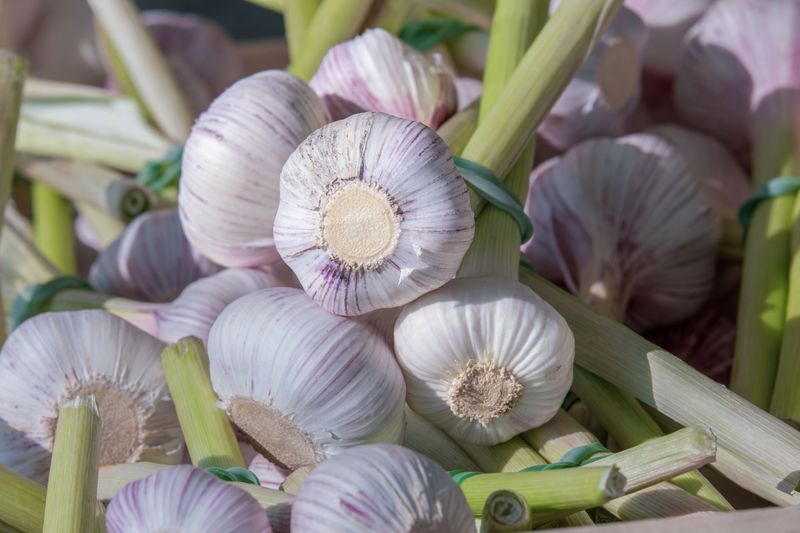
Hardneck garlic comes from cold places like Russia and the mountains of Central Asia. It expects a long, chilly winter before it decides to form a big bulb.
Many Louisiana winters are mild and short, with occasional warm spells. Planted straight from the bag, many hardneck types may not get the cold signal they need.
Your Louisiana Garden Changes Every Week. Your Plan Should Too.
Gardening in Louisiana changes quickly throughout the season. Every Friday you’ll receive a simple weekly plan showing exactly what to plant, prune, fertilize, harvest, and protect so you never miss the right timing.
The result can be a single round clove instead of a nice cluster, although stress and small seed cloves can cause this too. Some gardeners call these rounds, and they look more like onions than typical bulbs.
Your refrigerator can mimic a northern winter quite nicely. Place hardneck bulbs in a paper bag and keep them in the crisper drawer for roughly eight to twelve weeks.
Keep them away from apples and other fruit while they chill. Fruit gives off a gas that may encourage cloves to sprout or spoil early.
An easier option is choosing softneck, Creole, or Italian types, which are generally better suited to southern heat. Local extension agents and seed growers can point you to varieties that have done well in your parish.
Elephant garlic is another popular pick for Louisiana growers. It is actually closer to a leek, but it makes large, mild cloves in warm climates.
If you love hardneck flavor, try a small chilled batch beside a softneck row and compare sizes next spring.
Picking the right type can matter a great deal, much like a good watering or feeding schedule. Match your variety to the bayou climate, or give cold lovers a fridge vacation, and bigger bulbs become much more likely.
3. Buying Grocery Store Bulbs For Seed Stock
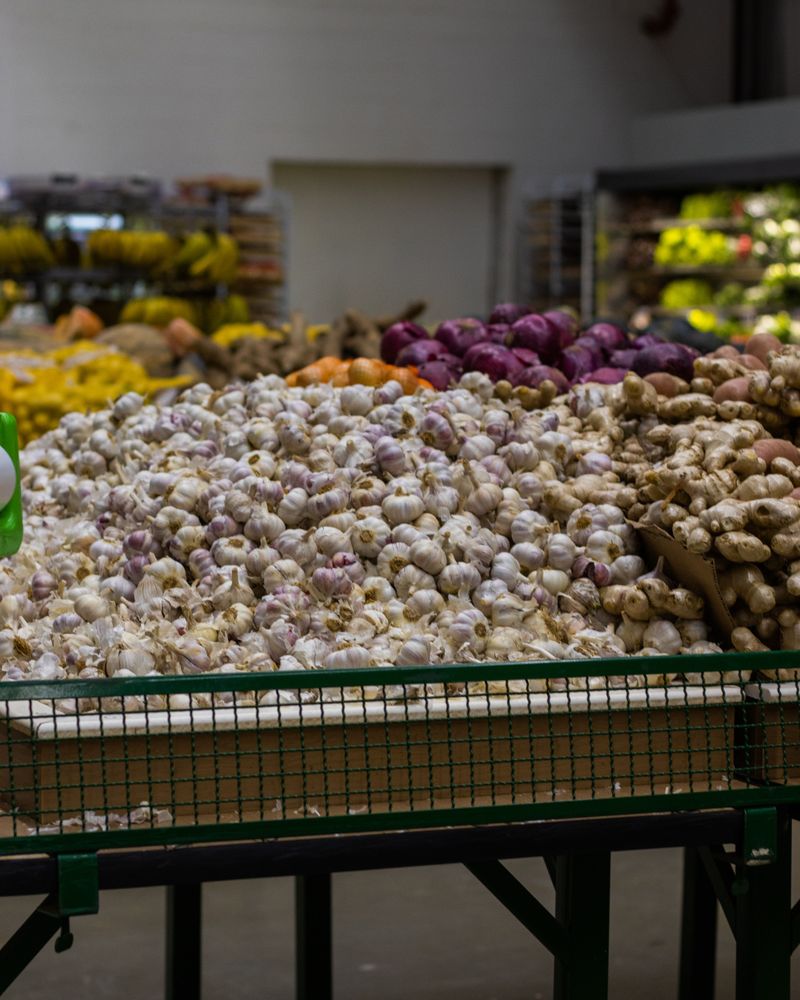
Grandma might have tucked a few kitchen cloves into the flower bed and gotten lucky. Often, though, supermarket garlic leads to smaller harvests than hoped.
Much of the garlic in big stores is grown in China or California. Those varieties were picked for long shipping trips, not for Louisiana backyards.
Some store garlic is also treated with a sprout inhibitor to extend shelf life. A treated clove may sit in the dirt for weeks and do very little.
Even untreated store bulbs may carry hidden diseases or tiny pests. Planting them can bring problems into your garden that linger for years.
Seed garlic from a trusted grower costs more, but many gardeners find it well worth the price. These bulbs are raised for planting, cleaned carefully, and often matched to certain climates.
Some southern seed companies may sell out by early fall. If you have not ordered yet, check local farmers markets or ask your parish extension office for ideas.
When your bulbs arrive, separate cloves just a day or two before planting. Pick the biggest outer cloves and save the tiny inner ones for cooking dinner.
Local growers are often happy to share which varieties have done well nearby, so a friendly market chat can help.
Big cloves tend to grow big bulbs, much like strong parents raising strong kids. Starting with quality stock gives your crop a real chance before you even pick up a trowel.
4. Setting Cloves In Soggy, Poorly Drained Beds
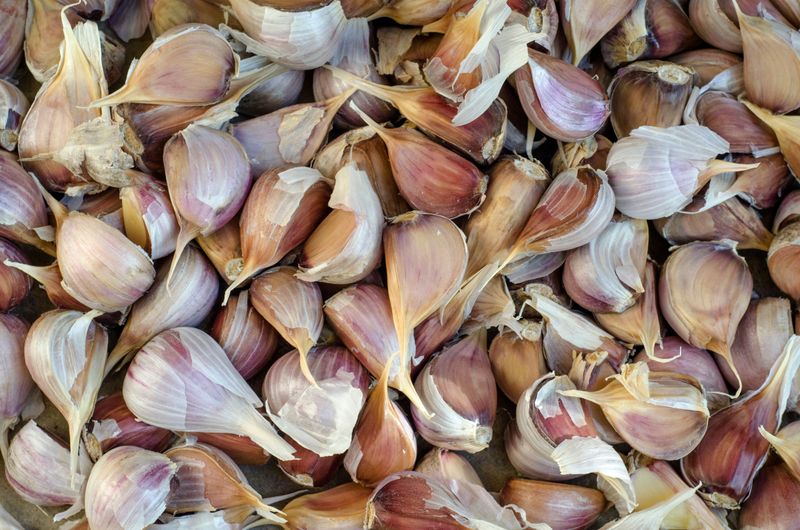
Ever stepped into your yard after a Louisiana winter storm and heard the ground squish? Your cloves notice it too, and they are not comfortable about it.
Garlic does not enjoy wet feet for days at a time. Heavy clay soil, common across much of the state, holds water like a sponge.
Soggy ground limits air to the roots and can encourage rot. Even cloves that survive may grow weak and produce noticeably small bulbs.
Raised beds are one of the easiest fixes for drainage trouble. Building them eight to twelve inches tall lifts roots above standing water after heavy rains.
No room for raised beds? Try making long mounded rows about six inches high, then plant along the top of each mound.
Mixing compost into clay helps loosen it over time. Aged pine bark fines, sold at many garden centers, also improve drainage without making the soil too sandy.
Before planting, try a quick drainage test in your chosen spot. Dig a hole a foot deep, fill it with water, and see if it empties within a few hours.
It also helps to notice where puddles form after a rain, since a spot that dries sooner makes planting easier.
If water lingers overnight, choose a different spot or build up the soil. A little shovel work in October can spare you a mushy surprise when spring harvest finally rolls around.
5. Spacing Cloves Too Close Together In Rows
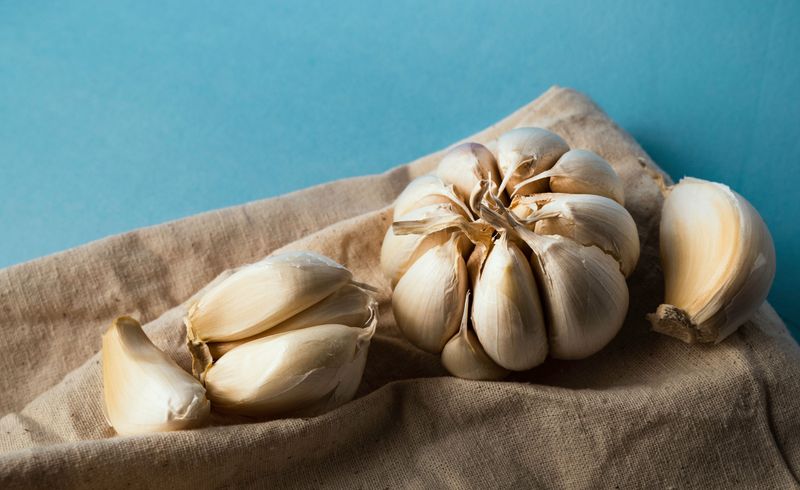
Squeezing extra cloves into a bed feels clever, like getting more pizza for the same price. Crowded garlic behaves more like kids reaching for the last slice.
Each plant needs room to spread roots and gather food. When cloves sit shoulder to shoulder, they compete for water, nutrients, and sunlight.
Some plants grow well while others stay small. Often the whole bed ends up with medium to small bulbs across the board.
A good rule is six inches between cloves in every direction. Rows should sit about twelve inches apart if you plant in long lines.
Elephant garlic needs even more room because its bulbs grow so large. Give those giants eight to ten inches between plants for best results.
Planting depth matters too, so set each clove about two inches deep. Point the flat root end down and the pointy tip toward the sky.
A handy trick is cutting a scrap board with holes six inches apart. Lay it on the soil and poke a clove through each hole for even spacing.
If space is limited, consider planting fewer cloves with extra room, since a smaller bed of large bulbs can be more rewarding.
Crowding also traps humidity, which Louisiana already has plenty of. Better airflow between plants helps reduce fungal problems and keeps leaves healthy all season long.
6. Skipping Nitrogen Feedings During Winter Growth
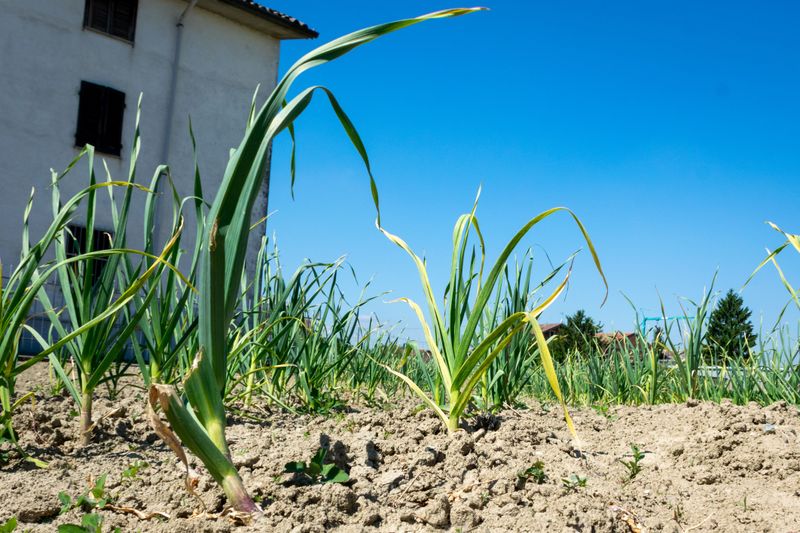
Think of garlic as a teenager who eats constantly during growth spurts. If the pantry runs empty, the growth simply slows down and stays small.
Garlic is a heavy feeder, especially when it comes to nitrogen. Nitrogen builds strong green leaves, and each leaf later becomes a wrapper layer on the bulb.
More healthy leaves usually mean a larger bulb at harvest time. Hungry plants make fewer leaves, so their bulbs tend to stay small and thin.
Heavy Louisiana rains can wash nitrogen out of the soil faster than in drier areas. A single feeding at planting time may run out long before spring.
Try a light side dressing of blood meal or a balanced fertilizer when shoots first appear, following the label rates. Feed again in mid-February and once more in early March.
Sprinkle the fertilizer beside each row and gently scratch it into the top inch of soil. Water it in so the roots can reach it quickly.
Stop feeding once bulbs start swelling, which often happens in March. Late nitrogen pushes more leaves instead of bulb growth and can lead to weaker storage.
A simple garden calendar with each feeding date jotted down makes it easy to see when your garlic is due for more.
Pale or yellow leaves in winter can be a clue your plants need nutrients, though soggy soil or other issues can cause this too. A light feeding may help them regain color within a week or two.
7. Letting Weeds Crowd The Young Shoots
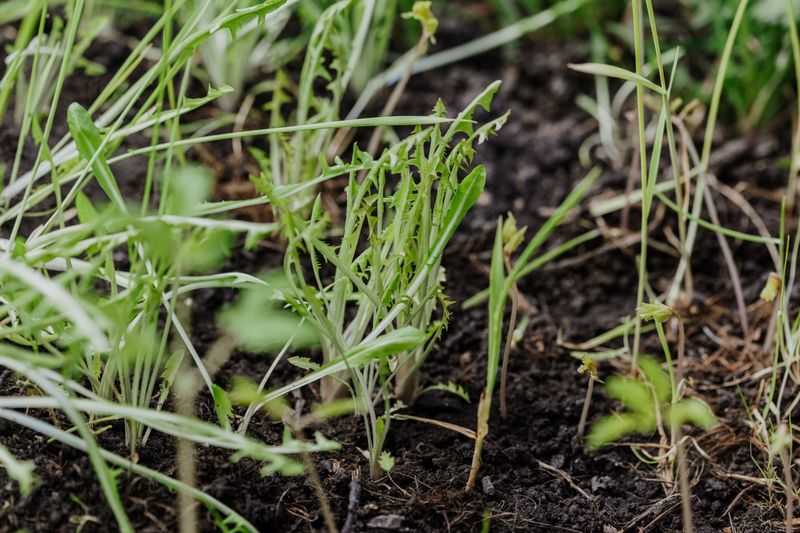
Garlic has skinny, upright leaves that cast very little shade. Weeds can take hold quickly, like unexpected guests at a crawfish boil.
Henbit, chickweed, and annual bluegrass thrive in Louisiana winters. They sprout fast in cool, damp weather and soon tower over young garlic shoots.
Weeds take water and food that could feed your bulbs. Weed pressure can reduce bulb size, since garlic is not a strong competitor.
A thick layer of mulch is very helpful here. Spread three to four inches of pine straw or shredded leaves after planting.
Pine straw is affordable and easy to find across the South. It also stays fluffy, so garlic shoots poke through with little trouble.
Weeds that sneak through are best pulled while they are still small. Pull gently by hand, since hoeing too close can nick shallow garlic roots.
Set a reminder to walk your beds once a week through winter. Ten minutes of weeding with a podcast beats an hour of work later.
A quick stroll also helps you notice color shifts or pests early, so small adjustments can keep little problems small.
Mulch brings bonus perks too, like steady moisture and cooler soil during warm spells. Your garlic stays comfortable, focused, and free to grow those big bulbs you are dreaming about.
8. Pulling Bulbs Before Enough Leaves Turn Brown
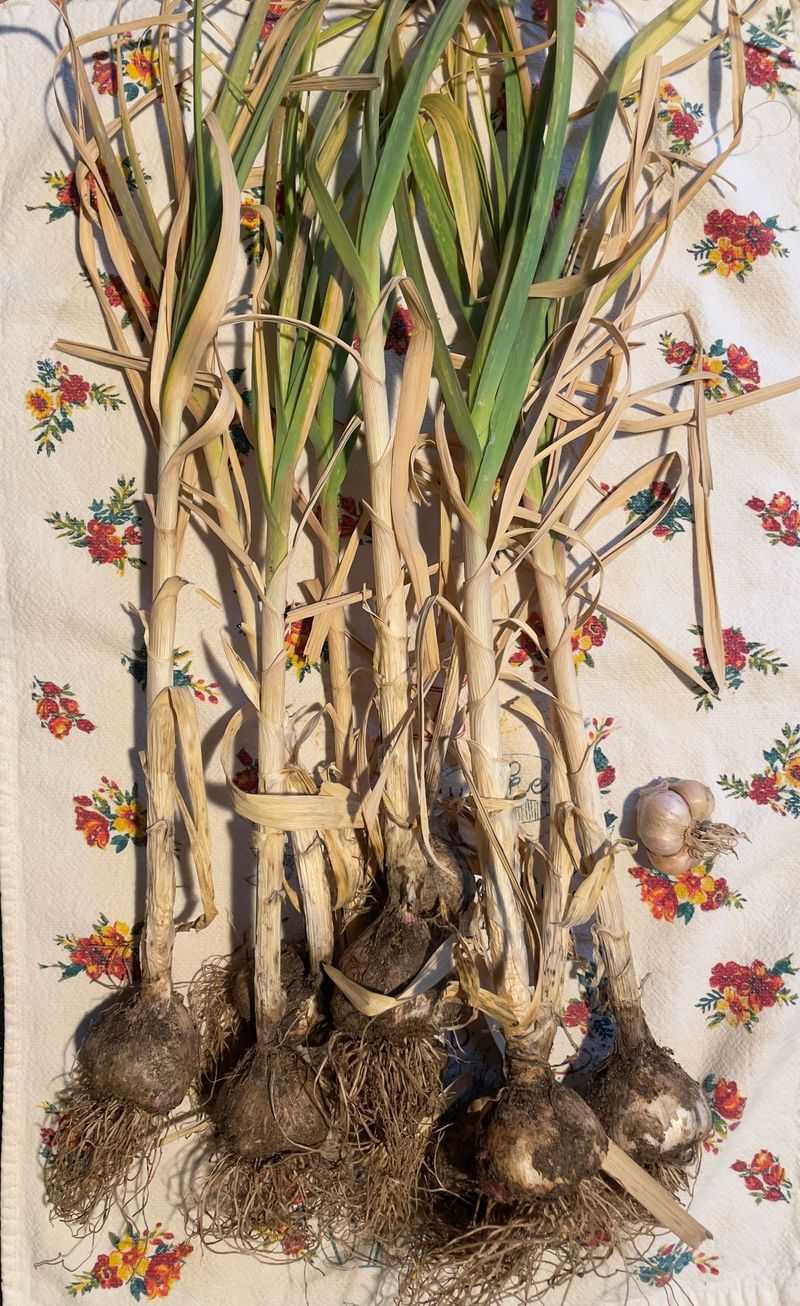
By May, curiosity gets the best of many gardeners. You tug one plant just to peek, then suddenly half the bed is lying on the porch.
Garlic does most of its bulb swelling in the final weeks. Harvesting too soon cuts that growth short and can leave you with small, soft bulbs.
Leaves are a helpful clue for timing your harvest. Wait until the bottom three or four leaves turn brown while the top five or six stay green.
Each green leaf protects one papery layer around the bulb. Those layers help bulbs store well for months in your kitchen.
In Louisiana, garlic is often ready from mid-April into early June. Warm springs can speed things up, so start checking leaves in early April.
Dig one test bulb before harvesting the whole bed. If cloves fill out the skin nicely, it is time to grab the garden fork.
Loosen the soil beside each plant instead of pulling on stems. Pulling firmly can break the stem and bruise the bulb you worked so hard to grow.
Once the bulbs are out, brush off loose soil gently and skip washing, since extra moisture can invite mold in storage.
Afterward, cure bulbs in a shady, airy spot for two to three weeks. A carport or covered porch with a fan works nicely in our humid climate.