The Pruning Mistake That’s Stunting Your Rose Bush Growth
A warm afternoon of snipping in October can trick a sleepy shrub into pushing out soft new shoots. Those tender sprouts often fail to harden before frost arrives, which can set the plant back the following year.
I learned this the hard way, standing in my yard with shiny clippers and a head full of good intentions. The following summer, my favorite bush looked tired and thin, with far fewer blooms than the year before.
You need to know that timing matters just as much as technique when you reach for those sharp blades. Garden experts at many universities agree on a surprisingly patient approach that feels odd to eager gardeners like us.
I believe most of us cut with love, but the plant reads those cuts very differently in cool weather. So what exactly happens beneath the bark when the blades come out at the wrong moment of the year?
Your Fall Snipping Habit Is The Real Culprit
Most stunted rose bushes I have seen share one surprising story, and it usually starts with fall pruning. Gardeners cut hard in October because the plants look messy, but that tidy feeling comes with a cost.
Roses are slowing down right now, moving energy and stored sugars into their roots for the cold months. A heavy cut sends a confusing signal, telling the plant to wake up and grow fresh leaves again.
Extension services from Penn State to Oregon State recommend saving major pruning for late winter or early spring. Their advice rests on simple plant biology, not old garden myths passed down through dusty seed catalogs.
Fall pruning also leaves fresh cuts open to winter injury, and dieback can travel down the cane from them. Pruning wounds that heal slowly are more exposed to cold, which can damage the buds that carry next season’s flowers.
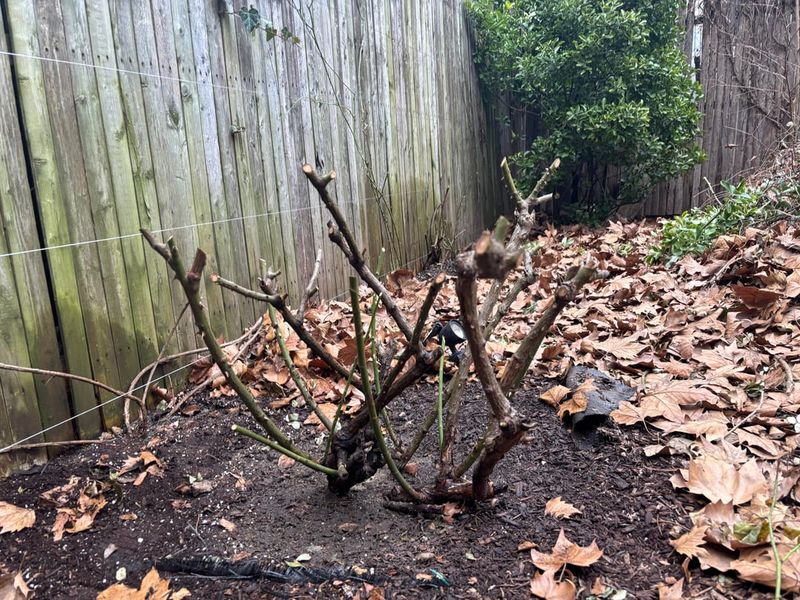
Cut those stems off now, and frost can creep deeper into the canes before winter even really begins. Come spring, you may have to remove even more damaged wood, leaving a smaller plant with weaker growth.
The research does not say one fall cut ruins a rose, since hardy shrubs often bounce back fine. Repeated heavy fall pruning, year after year, is the habit most likely to hold your plants back.
So the biggest pruning mistake is mostly about timing, not about how skilled you are with clippers. Waiting a few extra months feels hard, but your roses will thank you with fuller, healthier canes.
Fresh Shoots Freeze Before They Can Toughen Up
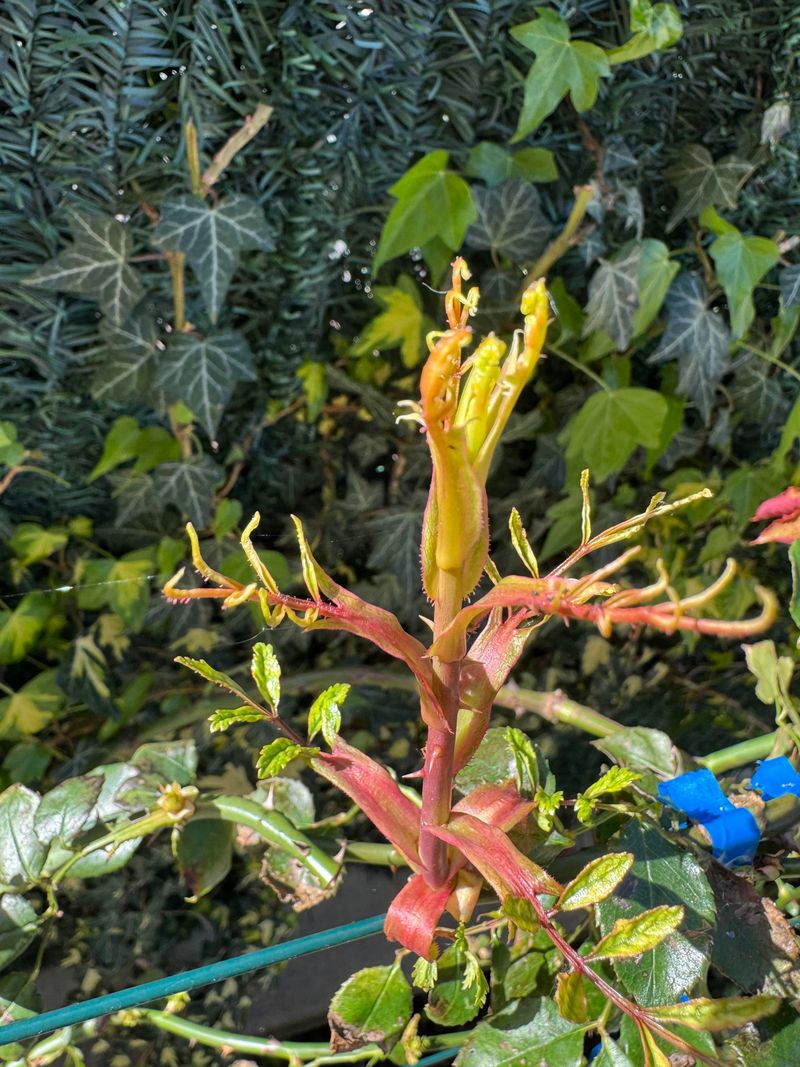
Soft green shoots that pop out after a fall trim look cheerful, but they are the weakest growth around. New stems need several weeks of steady weather to harden, building tough cell walls and protective outer bark.
Plant scientists call this process cold acclimation, and it happens gradually as days shorten and nights grow cooler. Pruning in October can interrupt that slow change, because the shrub spends energy on growth instead of protection.
When the first hard freeze arrives, those juicy young shoots can turn black and limp. Damage can travel down into older canes too, leaving brown streaks you will spot when spring finally comes.
I once counted a dozen blackened tips on one bush after an early freeze, and it looked so sad. Every one of those tips represented energy the plant had spent, with nothing to show for the effort.
Roses store carbohydrates in their roots and canes, and that stored fuel powers the big push of spring growth. Spending reserves on fall shoots that frost will damage means less fuel later, which often shows up as shorter, thinner stems.
Colder regions see the worst results, especially where winter temperatures drop well below zero for long stretches. Gardeners in mild climates may notice smaller effects, though the same basic biology still applies to their plants.
Letting your rose slow down naturally gives it the best shot at keeping those precious energy reserves safe. Think of fall as nap time for your garden, and try not to wake the sleepy shrubs early.
Late Winter Is Your Best Pruning Window
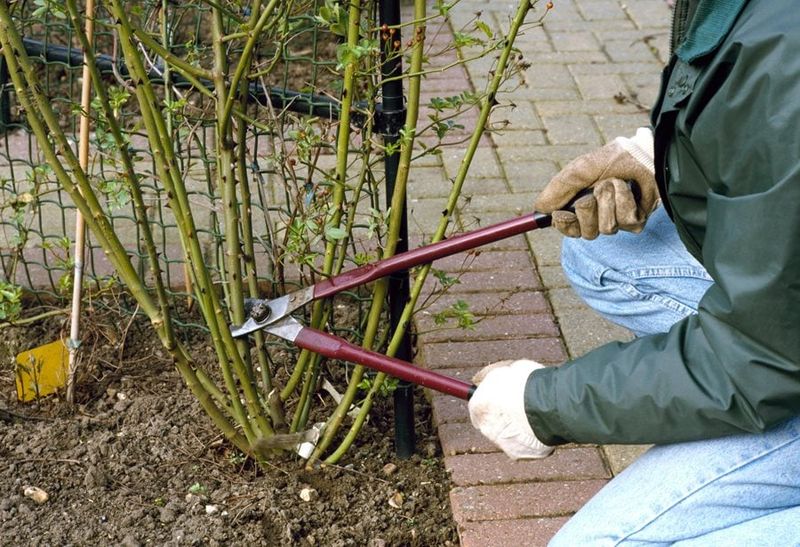
Nature hands rose growers a handy alarm clock, and it shows up as bright yellow forsythia flowers in early spring. Many university extension programs suggest pruning roses right around the time those cheerful blossoms open up nearby.
Timing shifts depending on where you live, since warm southern gardens wake up weeks before chilly northern ones. Gardeners in the Deep South might prune in January, while folks in Minnesota often wait until April arrives.
Another helpful clue comes from the buds themselves, which swell and turn reddish as the plant starts waking. Pruning at this stage lets you see exactly which canes made it through winter and which ones did not.
Healthy wood looks green or creamy white inside, while damaged wood appears brown and dry when you cut it. Keep trimming back until you reach that fresh, light center, which signals living tissue ready to grow again.
Once-blooming climbers and old garden roses follow a different rule, since they flower on last year’s woody stems. Those varieties do best with a light trim right after their spring flowers fade, rather than in late winter.
Hybrid teas, floribundas, and most modern shrub roses bloom on new growth, so late winter pruning suits them nicely. Mark a note on your calendar now, so the right moment does not sneak past you next year.
Writing down your local forsythia bloom date each year builds a personal guide that gets more accurate over time. Your future self, standing in the garden with sharp shears, will appreciate that small bit of planning.
A Light October Tidy Still Has Its Place
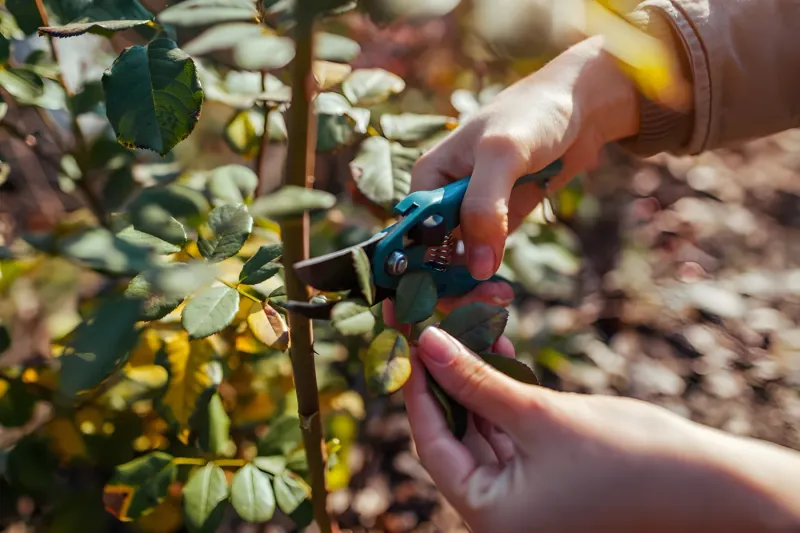
Nobody is saying you must hide your clippers until spring, because a little fall cleanup can actually help. The trick is knowing the difference between a gentle tidy and the heavy chopping that stunts next year’s growth.
Broken or diseased canes can come off anytime, since leaving them invites rot and fungal problems over winter. Cut a few inches below the damaged area, then wipe your blades with a household disinfectant afterward.
Extra tall canes that whip around in strong winds are another fair target for a modest October trim. Shortening them by about a third helps prevent wind rock, which can loosen roots and crack the crown.
Many rose experts also suggest you stop removing faded flowers in early fall, letting hips form naturally instead. Those little round fruits signal the plant to slow down, and birds enjoy snacking on them in winter.
Raking up fallen rose leaves is one of the smartest fall chores, especially if black spot showed up. Fungal spores can overwinter on that leafy litter, then splash back onto fresh leaves when spring rains arrive.
I like to bag those leaves rather than adding them to my compost pile, just to stay safe. Home compost piles rarely get hot enough to break down disease spores, according to several extension guides.
Keep your October trimming light and purposeful, focusing on safety and cleanliness instead of shaping the bush. Save the real sculpting for late winter, when your rose can handle the cuts without any extra stress.
Your Patience Pays Off With Stronger Spring Canes
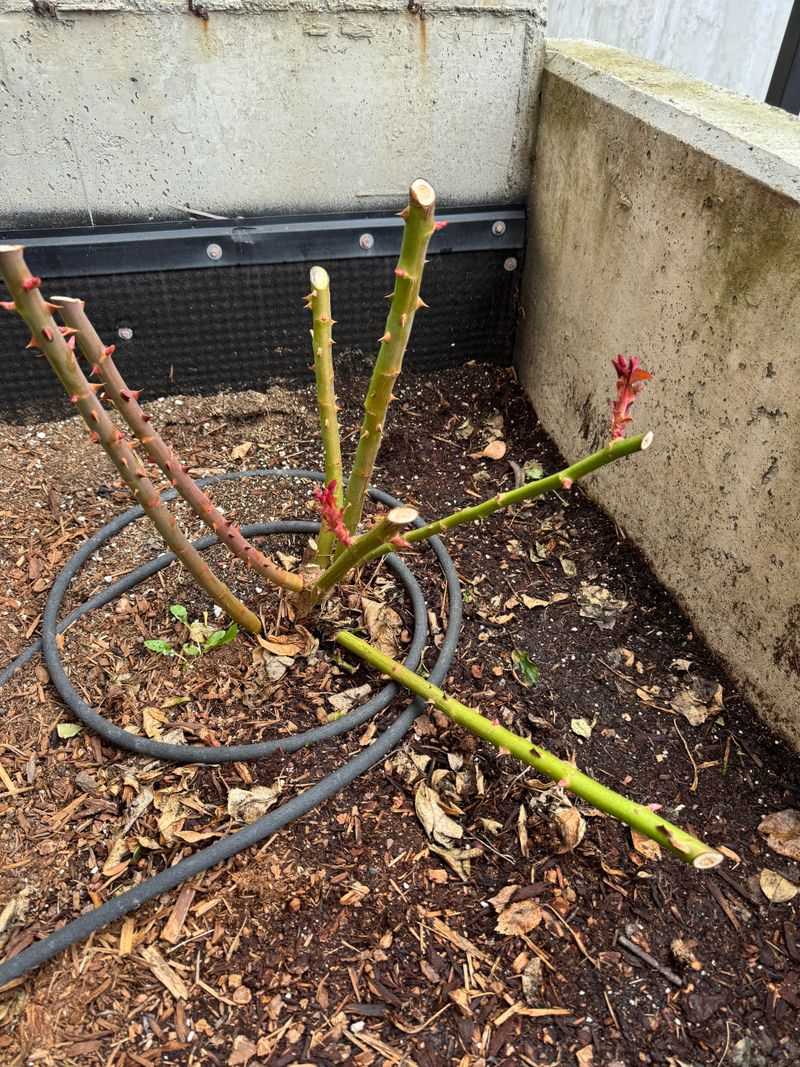
Spring rewards the patient gardener with sturdy red shoots pushing out from the buds. Roses pruned at the right time put their stored energy straight into strong canes and plenty of fresh leaves.
Healthy leaves mean more food production through photosynthesis, which fuels bigger blooms and deeper roots all season long. Gardeners who switch from fall to late winter pruning may see healthier spring growth, though results vary.
Results can vary, of course, depending on rose variety, local climate, soil quality, and how harsh the winter turns out. Still, giving your shrub its natural rest period is one of the easiest changes you can make.
Proper cuts help too, so aim for a clean slant about a quarter inch above an outward facing bud. New growth then heads away from the center, opening up the bush so air and sunlight can reach inside.
Better airflow lowers the chances of powdery mildew and black spot, two fungal troubles that weaken many roses. A sturdy, open shape also makes watering and feeding easier, since you can actually see the base.
My own rosebush looked fuller the season after I switched to early spring pruning. It was a small change, but the difference was easy to see.
Patience costs nothing, yet it may be the most valuable tool hanging in your garden shed this fall. Those spring blooms will look even sweeter knowing you helped them happen simply by holding off a little.
Simple Fall Care Protects Your Roses Until Spring
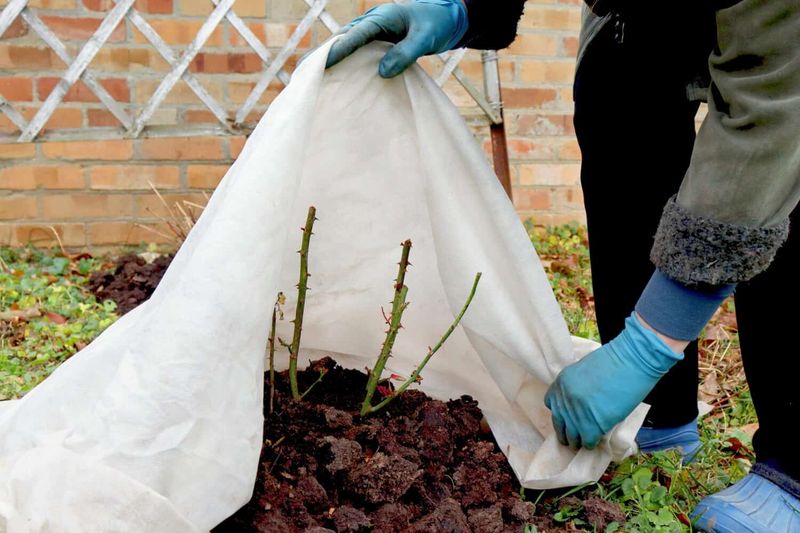
Cozy blankets are not just for people in October, because roses appreciate a warm layer before the cold settles in. Many extension services recommend mounding soil or compost around the base after the ground starts to freeze lightly.
A mound about ten to twelve inches high protects the graft union, the knobby spot where many roses were joined. Bring in fresh soil rather than scraping it from around the plant, which could expose delicate roots.
Watering deeply before the ground freezes matters more than many people realize, especially after a dry autumn. Well hydrated canes handle drying winter winds much better than thirsty ones, which can crack and shrivel.
Stop feeding your roses with fertilizer by late summer or early fall, since nitrogen encourages tender new shoots. Feeding in October creates the same problem as heavy pruning, pushing out growth that frost will quickly damage.
Climbing roses benefit from having their long canes tied loosely to supports, so harsh winds cannot whip them around. Soft garden twine or stretchy plant ties work well, since thin wire can cut into the bark.
Potted roses need extra help, because their roots sit above ground where cold air surrounds them on every side. Moving containers into an unheated garage or a sheltered corner can help protect their roots through winter.
A little effort this month sets the stage for a strong comeback, without a single fall pruning cut needed. Tuck your roses in gently now, then let them rest until those yellow forsythia blooms call you back.