Missouri Gardeners Are Slipping Tiny Bags Over Fading Flowers And Saving Next Year’s Garden
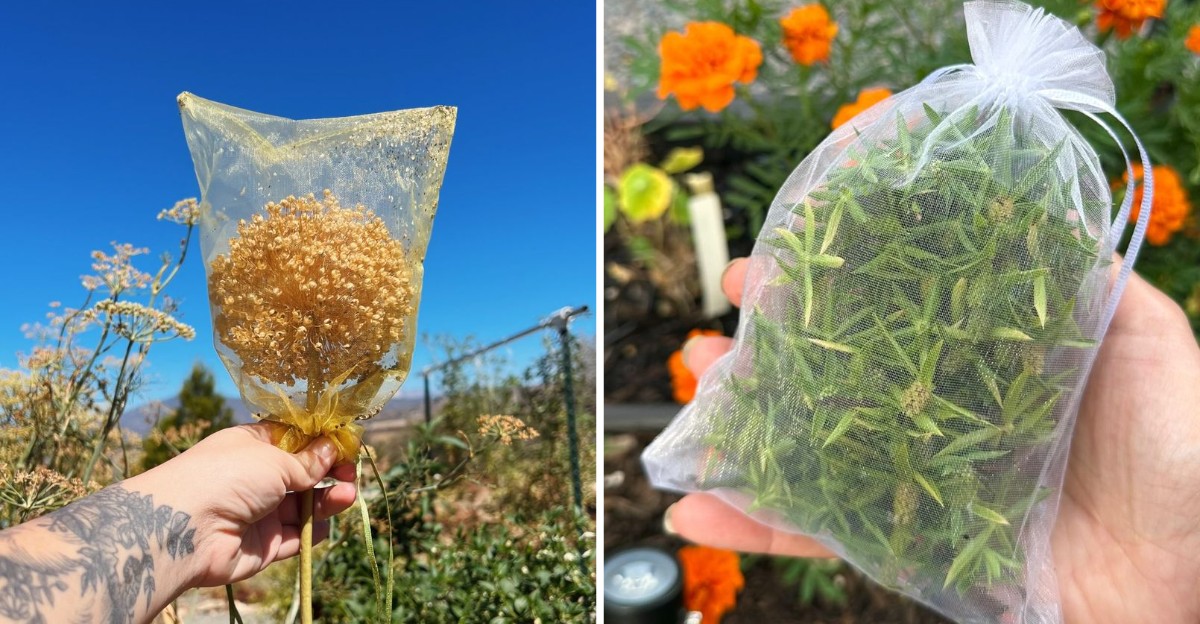
A scrap of wedding favor fabric, the sheer kind that holds candy almonds, can help you save seeds for next year’s flower bed. Missouri gardeners tie these little pouches on stems throughout the fall, and the trick takes almost no effort.
The idea sounds fussy at first, yet it takes about the same time as pouring a cup of coffee. You simply cover a fading bloom, walk away, and let the plant finish its quiet work alone.
I like how the crinkly brown heads rattle softly in the cool wind while the fabric hugs them close. Birds hop nearby with hopeful eyes, but the treasure inside stays safely tucked away from their busy beaks.
Across Missouri, fall weather swings from warm sunny days to chilly rain, so timing matters more than you think. A few minutes of attention now can fill your spring beds for just a few dollars.
I believe the smartest garden tools are often the cheapest ones hiding in a craft drawer at home. So which faded blooms in your own yard are quietly holding next year’s garden right now?
Your Fading Blooms Need A Breathable Little Pouch
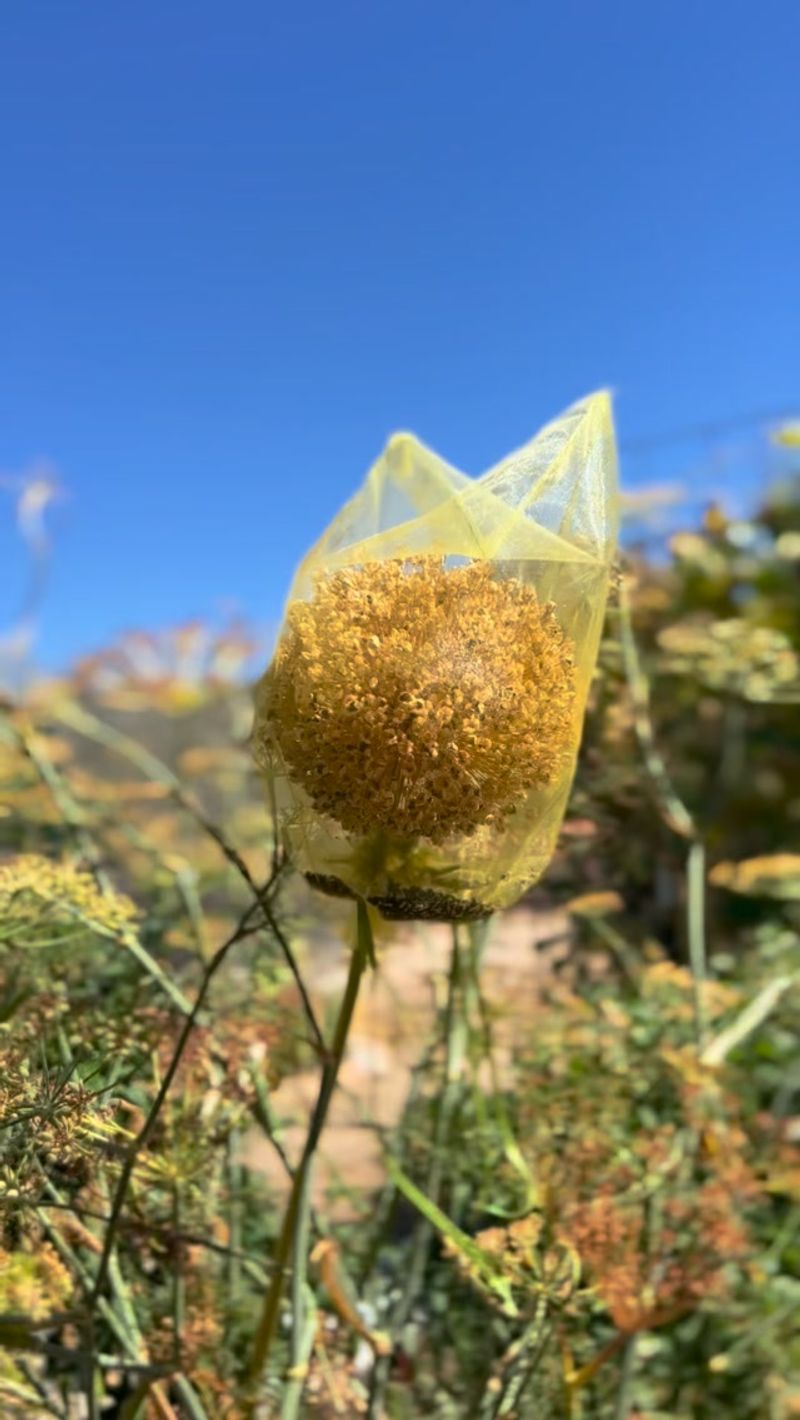
Gardeners have a sneaky habit each fall, and it involves tiny drawstring bags made of sheer, airy fabric. Slip one over a spent flower head, cinch it gently, and the plant keeps ripening its seeds inside.
Many flowers scatter seeds the moment their pods split open, which sends your future plants flying across the lawn. A mesh pouch catches those seeds as they drop, so you collect them later with almost zero effort.
University extension programs, including the University of Missouri, encourage letting seeds mature on the plant before harvest. Seeds picked too early often lack stored food, and they may struggle to sprout when spring arrives.
Breathable fabric matters because air moves through the tiny holes and keeps moisture from building up inside. Damp seeds can turn moldy fast, especially during the foggy mornings that roll in during autumn.
Craft stores sell these pouches in big packs, since people use them for party favors and jewelry. A pack of fifty costs very little, and the bags can be reused for many seasons.
Once you try the trick on a single coneflower, you will likely want to cover half the garden. It feels a bit like wrapping small gifts that your plants hand back to you next year.
Flowers Worth Bagging In Your Missouri Fall Garden
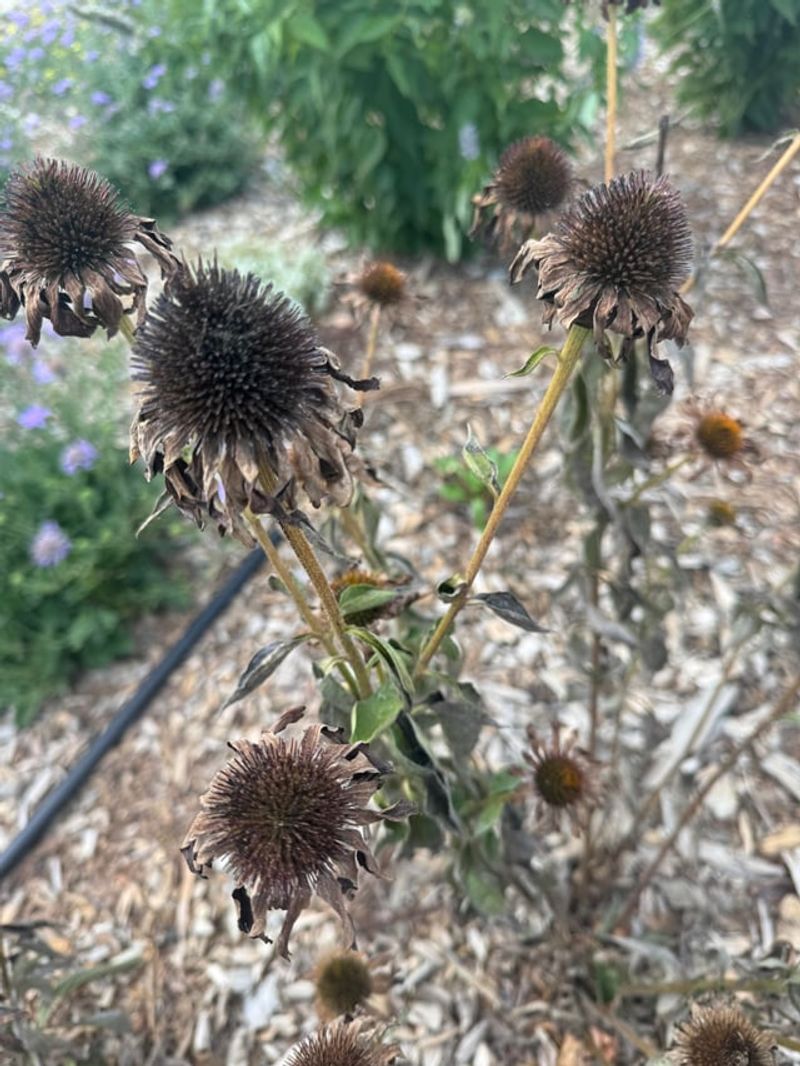
Purple coneflowers stand tall in October, their spiky brown centers packed with seeds that birds adore. Native to the region, they are one of the easiest flowers for beginners to save from seed.
Black-eyed Susans come next on my list, with dark cones that hold dozens of tiny seeds each. The seeds are small and slim, so a fine mesh bag keeps them from slipping out the sides.
Zinnias and marigolds also work well, though hybrid types may produce seedlings that look different from the parent. Heirloom or open-pollinated kinds give the most reliable results if you want the same colors again.
Your Missouri Garden Changes Every Week. Your Plan Should Too.
Gardening in Missouri changes quickly throughout the season. Every Friday you’ll receive a simple weekly plan showing exactly what to plant, prune, fertilize, harvest, and protect so you never miss the right timing.
Native blazing star also ripens its fluffy seeds in fall, and the Missouri Department of Conservation praises it for pollinators. Those feathery seeds float away on the breeze, so a pouch keeps them close to home.
Cosmos is another fun choice, since its long, needle-shaped seeds turn dark brown when they are ready. Plants often keep blooming until the first hard frost, giving you several good chances to collect.
Sunflowers deserve a mention too, although their heavy heads usually need a larger bag than tiny pouches. Many gardeners use old pantyhose or a paper sack to shield those giant faces from hungry visitors.
Start with the flowers you loved most this year, because those memories make the extra effort feel worthwhile. Your favorite colors and heights can return next season, shaped by plants that already proved themselves here.
Your Best Moment To Tie A Bag Over A Seed Head
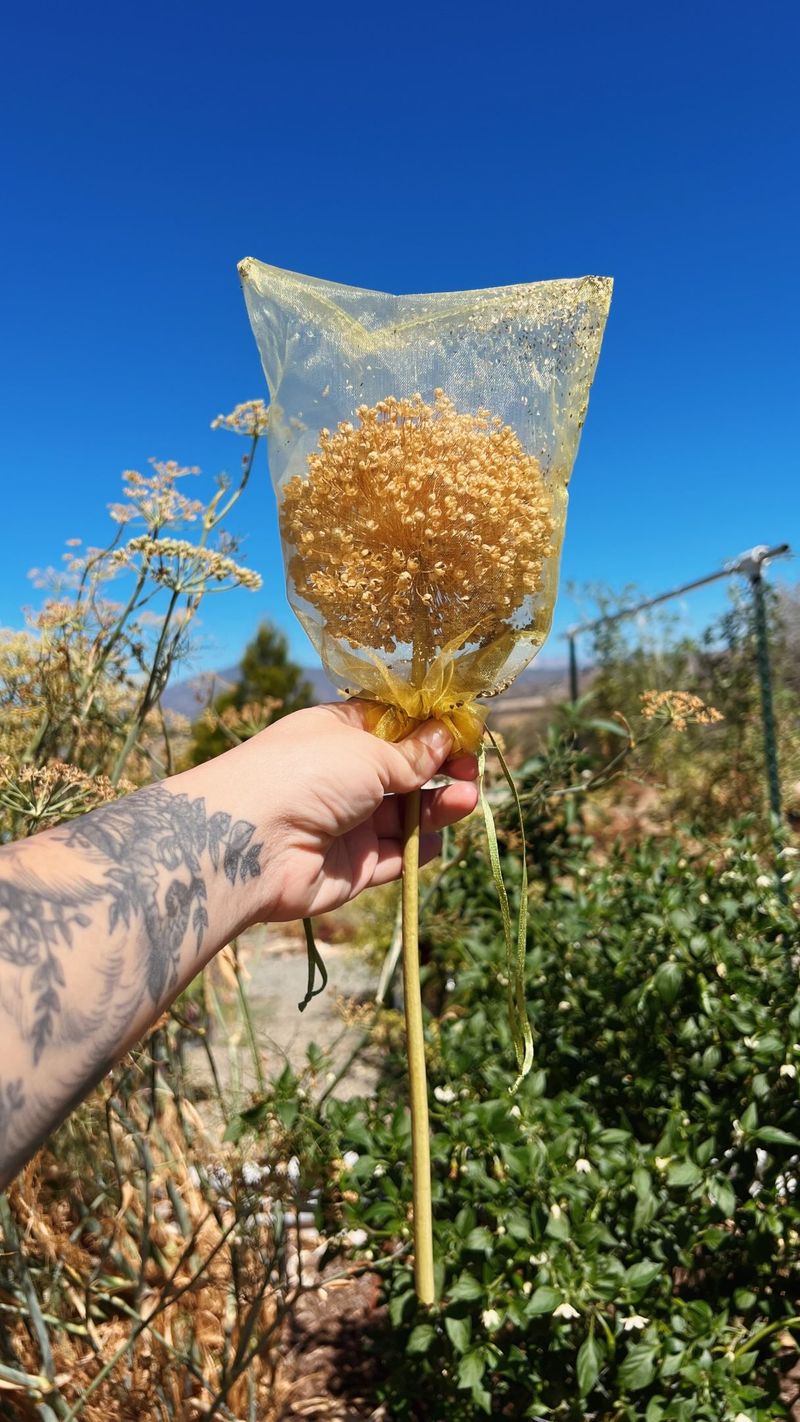
Timing feels tricky at first, but the flower itself gives clear clues if you watch closely each week. The best window opens when petals fade, drop, or curl, and the center starts turning brown.
Bag the head at this stage, before it fully dries and starts scattering seeds onto the soil below. Waiting too long means birds or wind may claim the best seeds before you even notice.
Bagging while the petals are still fresh offers little benefit, since seeds are not yet forming and the bag just hides the bloom. Waiting until the petals fade gives the plant time to finish its display first.
In Missouri, the first fall frost arrives anywhere from early October in the north to early November in the southeast. Seeds already inside a bag before that chill have a better shot at ripening fully on the stem.
Pick a dry afternoon for tying, since wet flower heads trapped in fabric can stay soggy for days. Morning dew usually burns off by lunch, which makes early afternoon a comfortable time to work outside.
Pull the drawstring snug around the stem, but leave enough room so the stem does not get pinched. A loose knot that still blocks gaps works best, letting you slide the bag off easily later.
Harvest time arrives once the stem turns brown and the seed head feels crispy between your fingers. Snip the stem below the bag, carry it indoors, and shake the seeds loose over a bowl.
You Will Want Organza Over Plastic For Drier Seeds
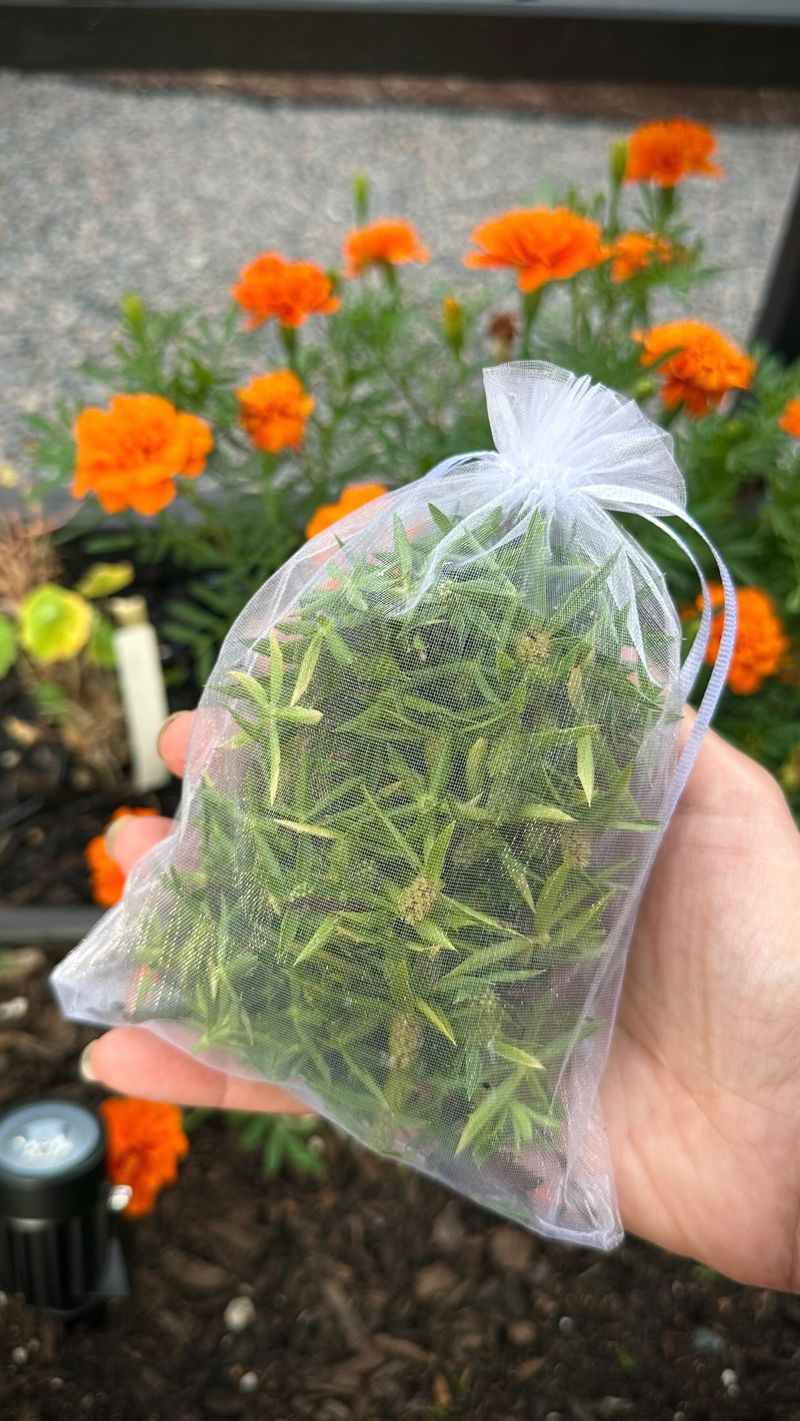
Plastic sandwich bags seem handy, yet they trap moisture like a tiny greenhouse sitting on your flower stem. Sunlight heats the air inside, water droplets form, and seeds can soon turn moldy or start sprouting early.
Organza is a thin, see-through fabric with a loose weave, which lets fresh air pass right through. Rain drains out quickly, and the seed heads dry naturally just like they would without any cover.
Seed experts at many extension offices stress that dry storage is the key to keeping seeds viable. That drying process starts on the plant, so a breathable cover gives your seeds a strong head start.
Another perk is visibility, because you can peek through organza and see seeds browning without opening anything. Checking progress becomes a quick glance during your evening stroll, with no fumbling over knots or ties.
Missouri autumns can bring heavy rain one week and bright sunshine the next, testing any covering material. Organza handles those swings well, drying out within hours instead of holding puddles around your precious seeds.
Old nylon stockings or cheesecloth also work in a pinch, as long as air moves freely through them. Cut a square, wrap it around the seed head, and secure it with a twist tie.
Organza fabric has a long history, and it was originally woven from silk along ancient Asian trade routes. Today most organza is polyester, which makes it cheap, sturdy, and handy for outdoor garden jobs.
You Can Outsmart Hungry Goldfinches With A Simple Barrier
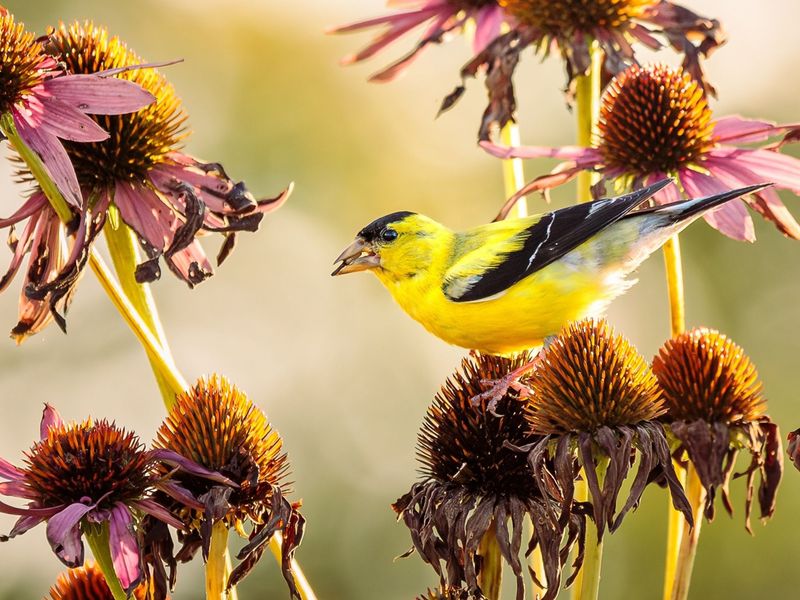
American goldfinches look sweet perched on a coneflower, but a small flock can empty a seed head in a day or two. Their bright yellow summer feathers fade to olive brown in fall, so you might not notice them.
Goldfinches eat mostly seeds, according to the Cornell Lab of Ornithology, and they adore coneflowers and sunflowers. They are common across Missouri all year, which means fall seed heads attract plenty of hungry visitors.
A mesh pouch blocks their sharp little beaks from reaching the seeds, while still letting the plant breathe. Birds may poke at the fabric for a moment, then move on to an uncovered flower nearby.
Sharing is part of the fun, so I suggest bagging only a few heads per plant each fall. The rest can stay open as a natural bird feeder that brings cheerful activity to your yard.
Winter birds rely on standing seed heads for food, and conservation groups encourage leaving some plants uncut. Many dry stems also shelter overwintering native bees, giving your garden extra value through the cold months.
Squirrels and chipmunks sometimes chew through thin fabric, especially when sunflower seeds are tucked inside the bag. For those bold critters, a double layer of mesh or sturdier netting usually slows them down nicely.
Watching a goldfinch hop around a bagged flower can be pretty funny, like a kid eyeing a locked cookie jar. You get your seeds, the birds get their snacks, and everyone leaves the garden reasonably happy.
Your Seeds Belong In Paper Envelopes Until Spring
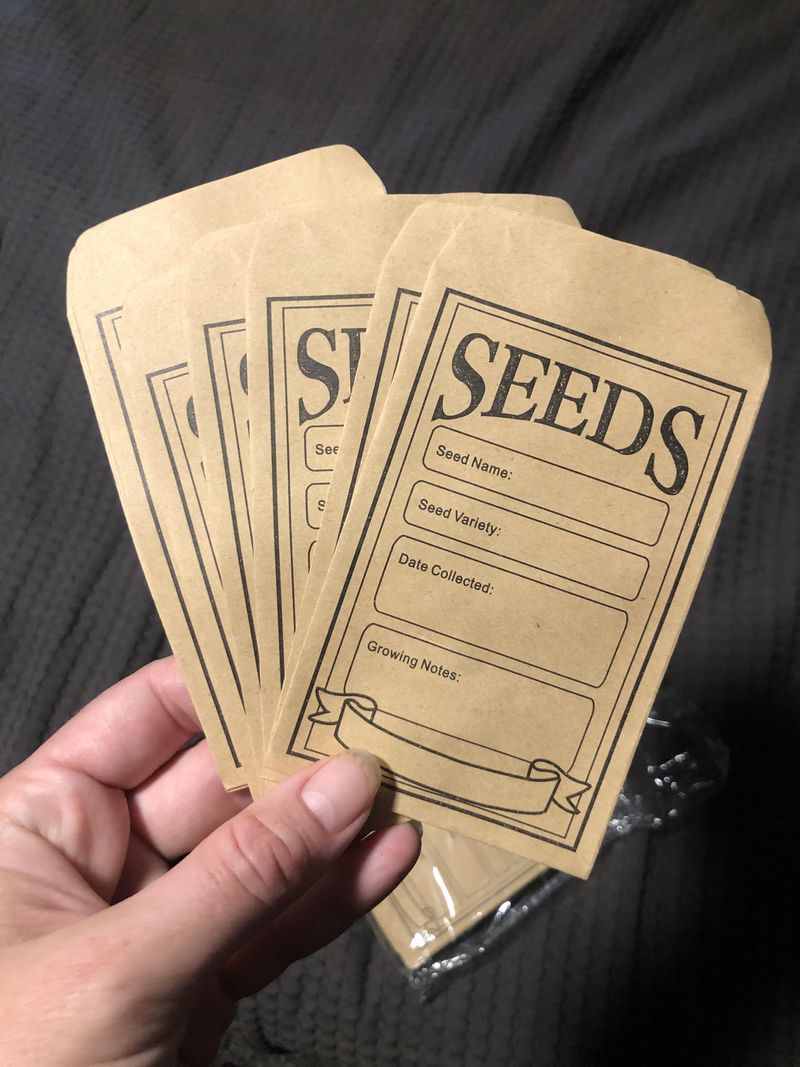
Labeled paper envelopes might be the most underrated garden supply sitting in your kitchen drawer right now. Paper absorbs small amounts of leftover moisture, which helps protect seeds from mold during the long winter.
Before sealing anything, spread fresh seeds on a plate or screen for about one to two weeks. Keep them in a dry room away from sunlight, and stir them gently every few days.
Pick out bits of petals, stems, and chaff, since leftover plant pieces can hold moisture and invite pests. A gentle breath across a shallow dish often blows away the lightest chaff without losing good seeds.
Write the flower name, color, and harvest date on each envelope, because memory fades faster than seeds. Come March, you will thank yourself when every packet clearly tells you exactly what grows inside.
Extension specialists recommend storing seeds somewhere cool, dark, and dry, where temperatures stay fairly steady all winter. Many gardeners tuck their envelopes into a sealed jar with a small silica packet inside the refrigerator.
Most flower seeds stored this way stay viable for at least a few years, giving you backups. Extra packets also make thoughtful gifts for neighbors, teachers, or friends starting their very first garden.
Many native Missouri wildflower seeds need a cold period before sprouting, so some gardeners sow them outdoors in late fall. Others wait for spring planting, letting those paper envelopes hold the promise of next year’s colorful blooms.