Signs Of Take-All Root Rot In California Lawns Before It Is Too Late
Some lawn problems announce themselves immediately. Others work quietly for months, leaving no obvious trace until warm weather exposes the damage all at once.
One of the stealthiest operates entirely below ground, during a season when most gardeners assume their turf is resting comfortably.
By the time trouble appears, the cause may have taken hold long before, in conditions that seemed perfectly ordinary.
Certain lawns face far more risk than others, and a handful of soil and feeding habits can tip the odds dramatically.
The clues are there for anyone willing to look closely, from subtle color changes at the surface to telltale details hidden among the roots.
Catching them early leaves time for the patient fixes that actually work.
1. Circular Patches With Purple Edges Signal Trouble
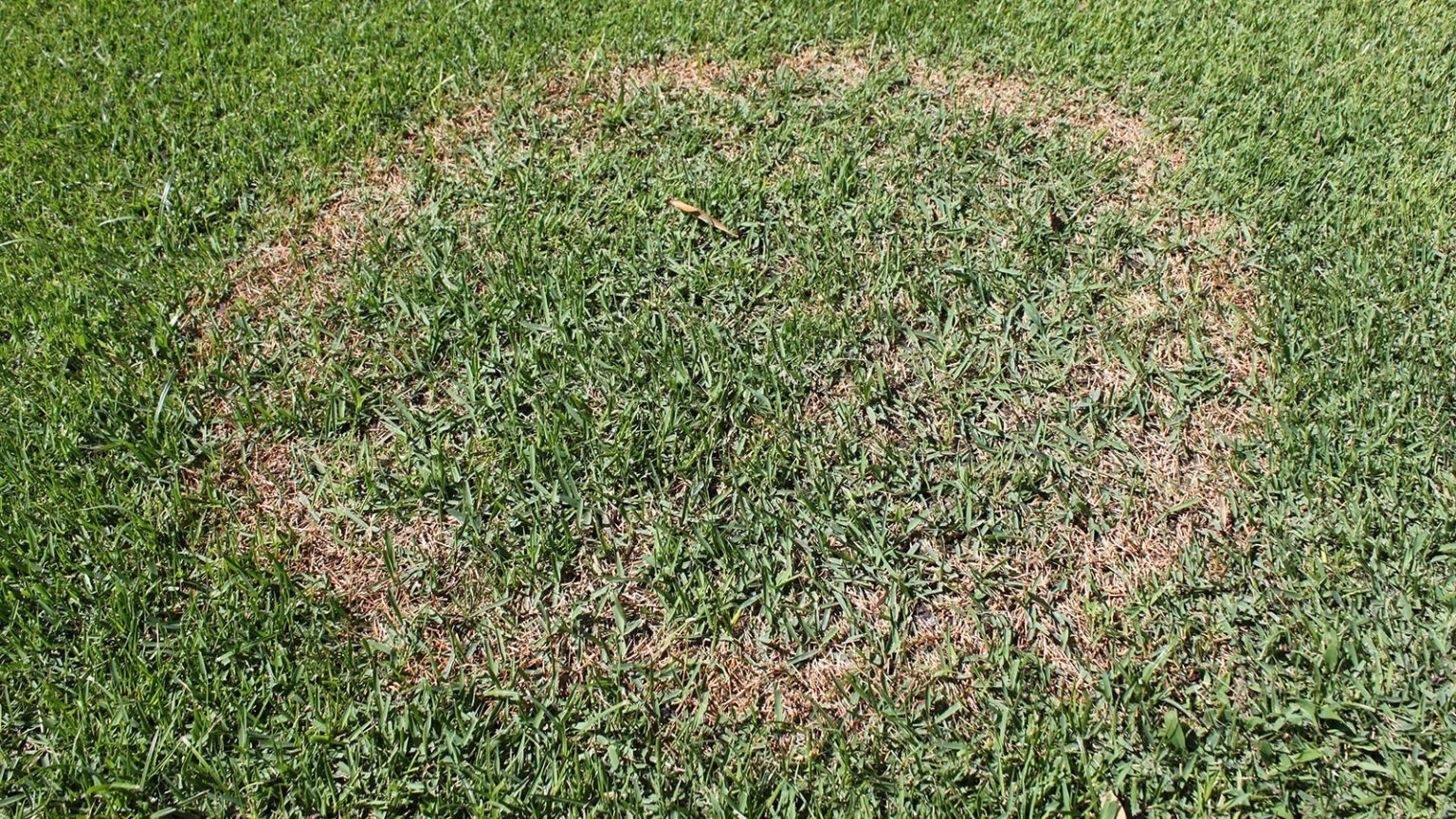
From the porch, a bentgrass lawn may look fine. A closer look reveals round patches of thin, yellowing turf, some only a few inches wide, the first clue of take-all patch.
This root disease, caused by the fungus Gaeumannomyces graminis var. avenae, mainly targets bentgrass, so fine lawns, putting greens, and bentgrass blends face the most risk.
The outer edge of each patch deserves careful study. On bentgrass, the advancing margin often carries a purplish or bronze tinge where the fungus pushes into healthy grass.
The center usually looks tan, straw-colored, or simply sparse.
Many homeowners blame the dog, a clogged sprinkler head, or a fertilizer spill. Those problems leave brown spots too, though they rarely create a tidy purple rim.
Photos taken in morning light, when color shows most clearly, make comparisons over a week or two much easier.
Older patches often fill in with weeds or coarse grasses. A weedy center surrounded by a purple ring offers a strong hint, since annual bluegrass and broadleaf weeds love open ground.
A golf tee or small flag beside each patch makes tracking spread simple.
Other turf diseases can look similar at first, so guessing is best avoided. A plant disease diagnostic lab can examine a sample and confirm the cause.
That confirmation saves money and time, since the wrong fix can leave the real problem untouched.
2. Rings Or Crescents Appear In Turf
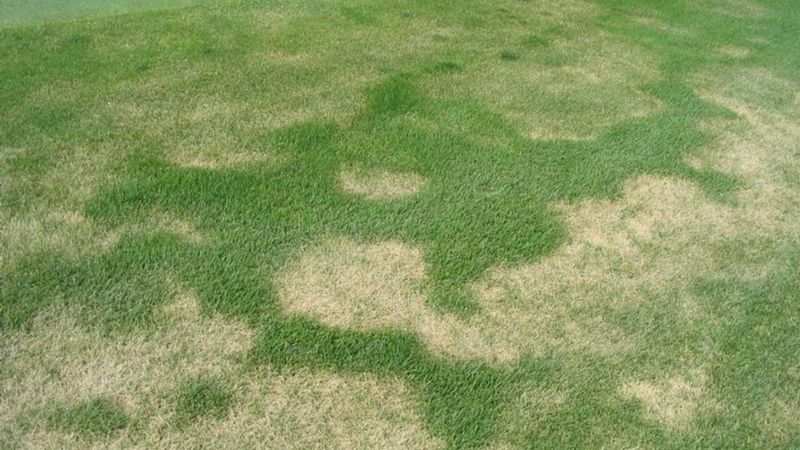
Some lawns end up looking like a giant bowl of breakfast cereal. Instead of solid spots, damage forms rings or half-moon crescents, sometimes with greener grass recovering in the middle.
Size offers a helpful clue. According to UC IPM, affected areas range from a few inches to 3 feet or more across.
A small ring in December can grow noticeably wider by late spring when conditions stay favorable.
The hollow look has a simple explanation. As the fungus moves outward, weeds or tougher grasses creep into the older center, while the newest damage forms a band at the edge.
Crescents often appear near walkways, slopes, or lawn borders. A patch bumping into a sidewalk or driveway may look like a broken circle rather than a full ring.
That odd shape can mislead, though the cause often stays the same.
Your California Garden Changes Every Week. Your Plan Should Too.
Gardening in California changes quickly throughout the season. Every Friday you’ll receive a simple weekly plan showing exactly what to plant, prune, fertilize, harvest, and protect so you never miss the right timing.
A tape measure and a quick note every two weeks track each ring’s width. Steady growth suggests active disease, while fixed sizes may point to buried debris or a dry spot.
Fairy ring can also create circles, which makes a lab test especially valuable here.
A sample taken from the edge of the ring, where activity is freshest, gives diagnosticians the best chance at an accurate answer.
Photos of the whole lawn alongside close-ups of each ring help the lab understand the overall pattern.
3. Roots Turn Black And Rotten
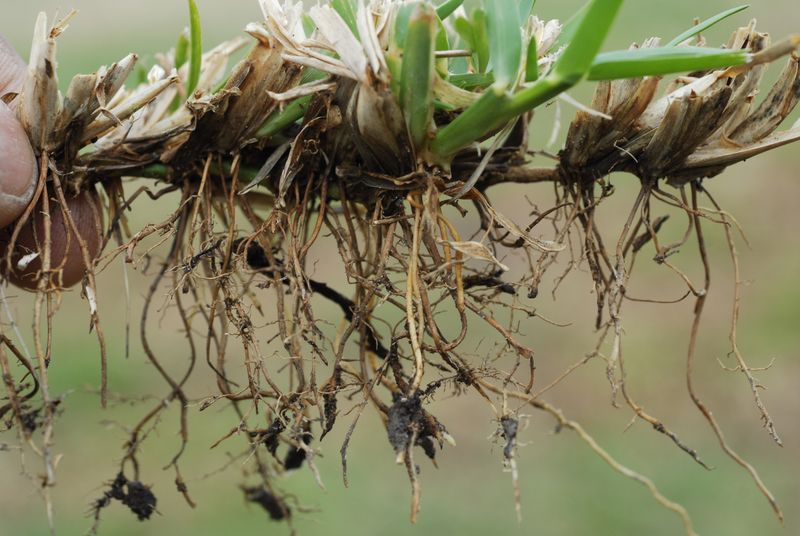
A gentle tug on healthy turf meets resistance from a dense web of white roots. Turf hit by take-all patch often lifts away like a loose piece of carpet.
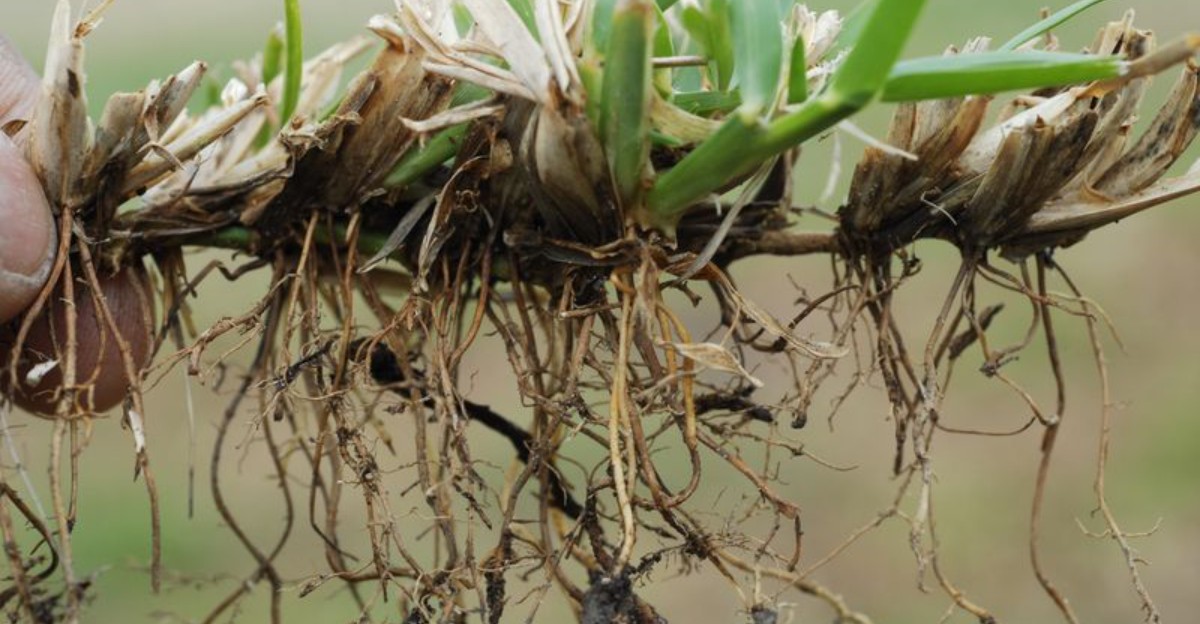
Flipped over, that piece reveals short, brown to black roots that feel soft or brittle rather than firm and pale. In severe cases, barely any roots remain.
Rotted roots explain nearly every other symptom. Without working roots, grass can’t pull up water or nutrients, so blades yellow, thin, and fade even with good watering.
Extra water rarely helps, since the plant’s plumbing itself is broken.
A side-by-side test makes the comparison clear. A small plug pulled from healthy lawn a few feet away, rinsed alongside the damaged sample in a bucket, often shocks with the difference.
Crowns and lower stems can darken too as rot creeps upward. Grass in that condition may stay partly green for a while, misleading owners into expecting a quick rebound.
Unfortunately, rotted roots rarely regrow quickly. Damaged areas usually need reseeding once the underlying causes are addressed.
A few of these samples deserve bagging for testing. Kept cool and slightly moist rather than soggy, they’re best delivered to a diagnostic lab within a day or two.
Clear labels noting where each sample came from, plus the date, help the lab interpret results.
Pulling samples gently, with a trowel rather than bare hands, keeps the root system intact for examination.
4. Dark Fungal Strands Coat The Roots
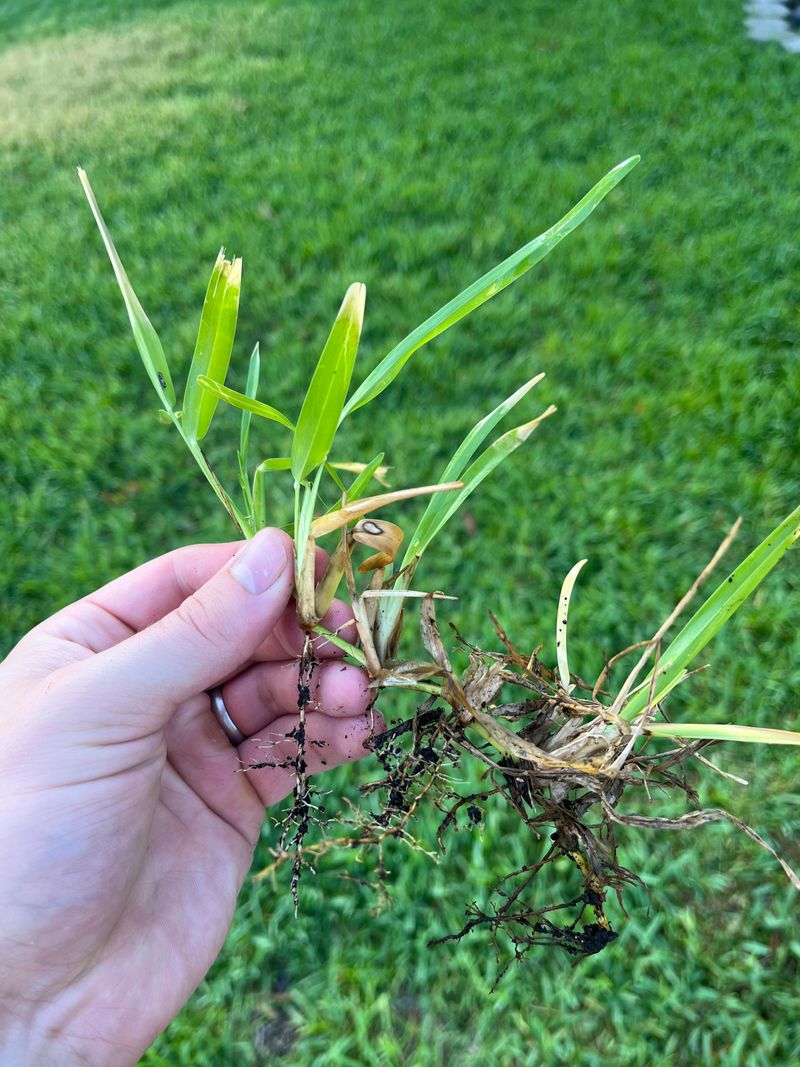
The next clue calls for a magnifying glass or hand lens, since it’s tiny. Take-all patch leaves dark strands of fungal growth running along the surface of infected roots.
Gently rinsing soil from a root sample comes first. Laid on a white plate or paper towel, the roots show contrast clearly.
Thin, dark brown to black threads clinging to roots like stray hairs signal the fungus itself.
Called runner hyphae, those threads travel along roots and spread infection from plant to plant. Their presence ranks among the strongest signs separating take-all from simple drought stress.
Sharp eyes may spot something even smaller. UC IPM notes that tiny black fruiting bodies sometimes form on infected tissue, visible with a hand lens.
They resemble specks of ground pepper near the base of the plant.
Finding these clues at home isn’t required. Fungal strands can be hard to see without practice or a microscope, and diagnostic labs have the tools and training to confirm them.
Searching for the strands still pays off. Seeing them firsthand clarifies what’s happening underground and makes for a more informed conversation with a lab or turf professional.
Photos taken through a hand lens with a phone camera can also accompany a lab sample, adding helpful detail.
Clean hands and tools afterward help avoid carrying soil from infected patches to healthy areas of the lawn.
5. Symptoms Show Up Under Heat Stress
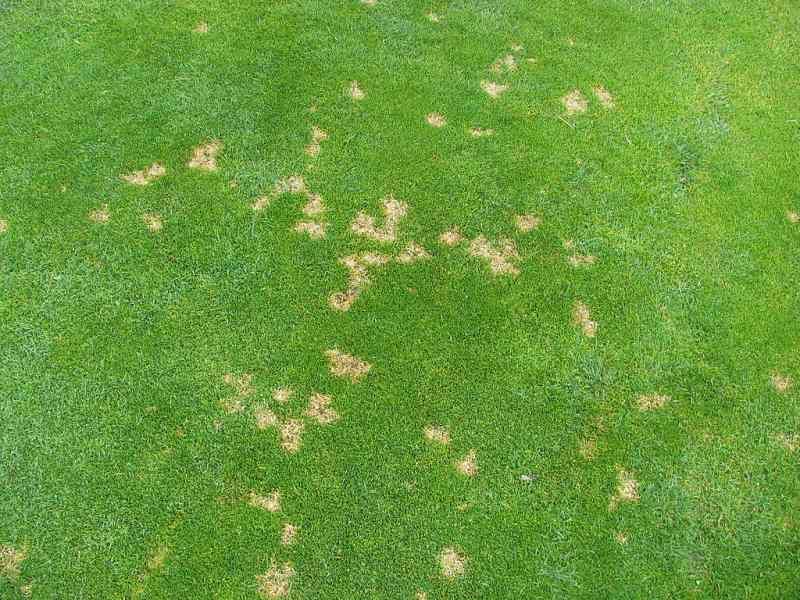
A lawn can look great in March, then sprout round brown patches during the first hot week of May. Plenty of California homeowners experience exactly that surprise.
Take-all patch works as a patient troublemaker. The fungus infects roots during cool, wet months, while the damage often stays hidden.
Once heat or drought arrives, turf with rotted roots simply can’t keep up with its water needs.
The pattern resembles a car with a slow radiator leak. On a cool day, nothing seems wrong, yet a long uphill climb in summer heat overheats the engine fast.
Symptom timing can therefore mislead. Many owners blame the heat or a broken sprinkler, then increase watering.
Extra water may keep grass green a little longer, though it does nothing to fix the underlying root problem.
Overwatering can also create the soggy conditions the fungus favors when temperatures cool again.
A simple lawn diary helps stay ahead. Notes on when patches first appear, the weather that week, and how much water went on reveal useful patterns.
Patches showing up every year during the first warm spell offer a strong hint.
Root inspections make sense whenever odd patches appear during hot weather. A pulled sample checked for darkened tissue, then sent for testing, provides early confirmation.
That confirmation allows planning fall fixes rather than guessing all summer, since the most effective treatments happen during the cooler months.
6. Late Fall Rain Starts The Infection
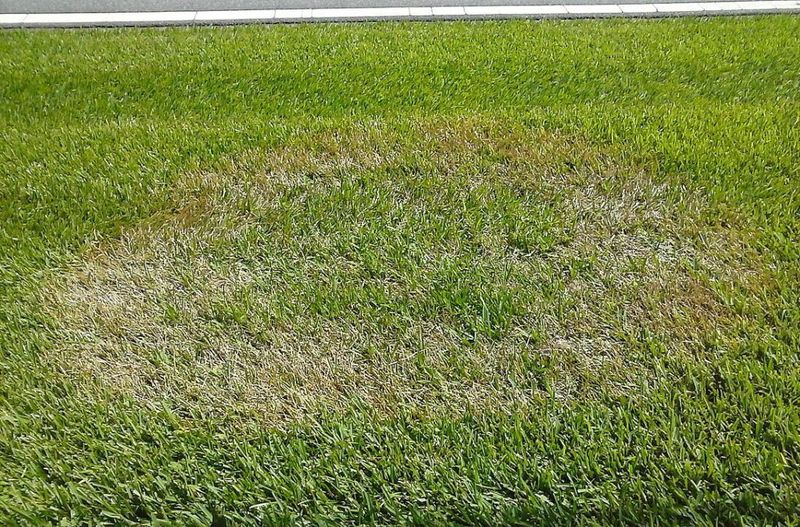
California’s first real rains feel like a gift. Lawns green up, dust settles, and gardeners relax, yet the take-all fungus welcomes that weather just as eagerly.
UC IPM explains that the disease principally occurs in late fall and winter, when air temperatures between 50 and 60 degrees Fahrenheit pair with wet or moist soil.
Roots grow actively then, giving the fungus easy targets.
Rainy stretches that keep soil soggy for days pose particular risk. Poorly drained spots, low corners, and areas near downspouts stay wet longest.
Those zones deserve the first look when scouting for trouble the following spring.
Irrigation can make matters worse. Many owners forget to cut back watering once fall rains begin, and switching off the system or adding a rain sensor keeps soil from staying waterlogged.
New lawns deserve extra attention. Freshly seeded or sodded bentgrass on fumigated or recently disturbed soil can be especially vulnerable.
Fewer competing soil microbes may give the fungus room to spread.
The cool season makes good planning time. A drainage check after a heavy storm, noting where water puddles for more than a few hours, reveals problem spots.
Fixing those areas before the next wet winter can spare a great deal of reseeding the following summer.
Mid-October, before steady rains arrive, offers a timely window to adjust irrigation controllers and plan drainage improvements.
7. High Soil pH Makes It Worse
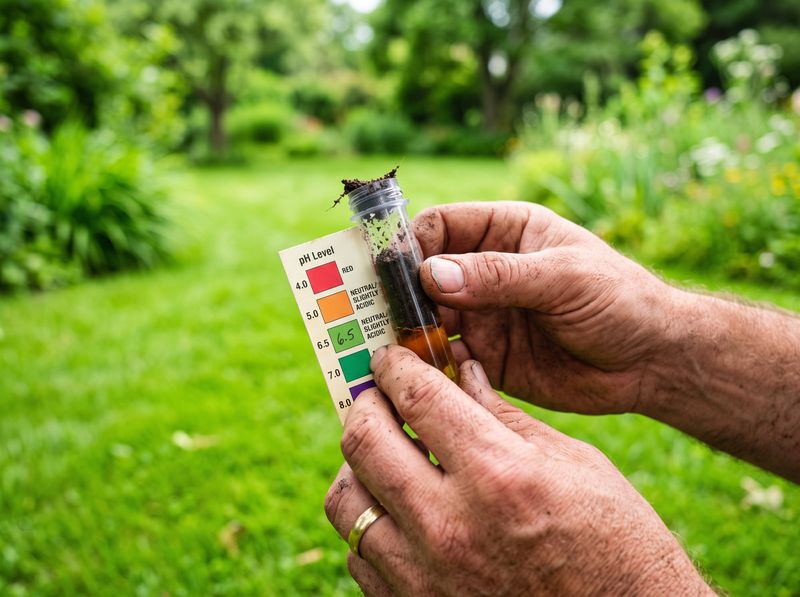
Soil chemistry sounds dull until it starts damaging a lawn. Take-all patch thrives in certain soils, and pH ranks near the top of the list.
Alkaline ground practically rolls out the welcome mat.
UC IPM lists several conditions favoring the disease, including high soil pH, low or unbalanced fertility, light soil texture, low organic matter, and high moisture.
Many California yards check more than one of those boxes.
Most California home lawns are tall fescue or bermudagrass rather than bentgrass, so the disease shows up mainly on specialty lawns and golf greens.
Sandy soils drain fast and hold few nutrients, leaving roots hungry, while low organic matter means fewer helpful microbes competing with the fungus.
Alkaline irrigation water, common across much of California, can push pH upward year after year.
Testing is inexpensive and simple. A home kit gives a quick reading, while a soil lab offers more detail on pH, nutrients, and organic matter.
Testing every few years, or whenever patches appear, keeps the picture current.
Lime represents one common mistake. Some people spread it out of habit, yet many California soils are already alkaline, and adding lime to high-pH ground can worsen take-all patch.
Recorded results deserve a safe spot. A pH above 7 points to where the fall plan should focus.
Knowing the numbers turns guesswork into a clear strategy, far better than chasing symptoms around the yard.
8. Fall Feeding With Ammonium Sulfate Helps
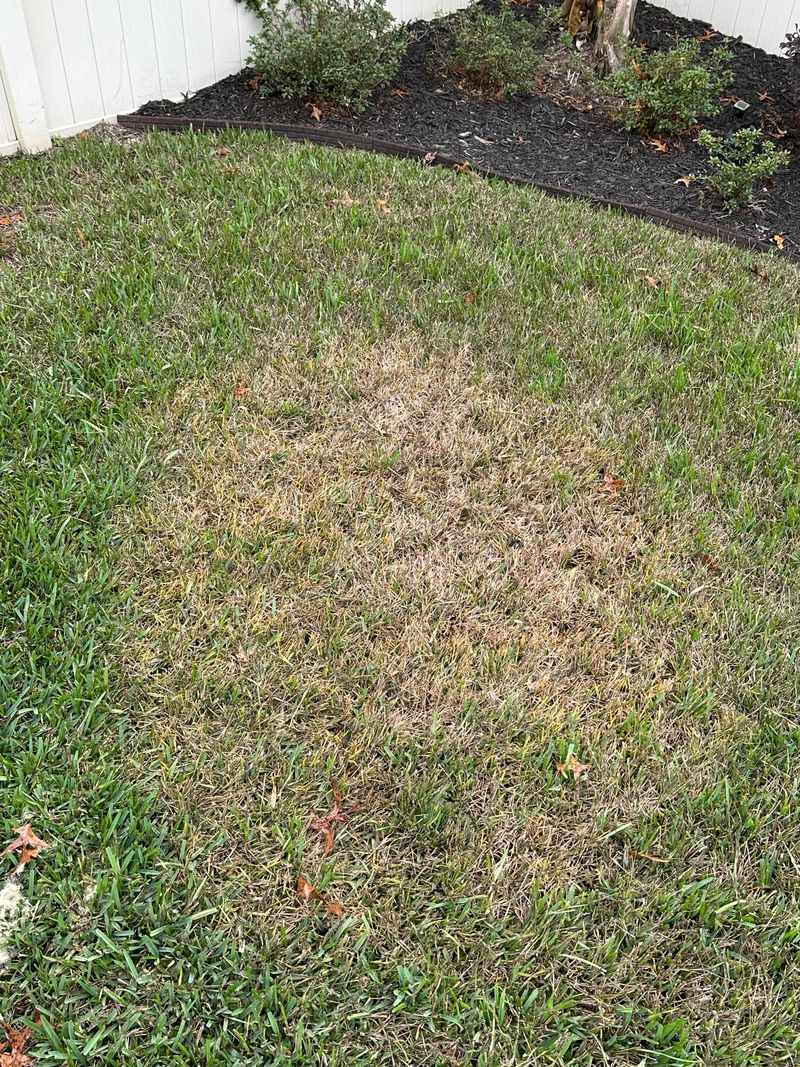
Recovery is possible. UC IPM points to simple cultural fixes rather than a rush to fungicides, and with patience, a lawn can regain its footing one root at a time.
Confirmation comes first. A diagnostic lab should verify take-all patch before any treatment, followed by a soil pH check, since the first fix depends on that number.
A pH above 7 calls for elemental sulfur to lower it. Modest amounts based on soil test advice work best, since too much at once can burn turf.
Bringing pH down gradually makes life harder for the fungus.
Fall fertilizing with ammonium sulfate comes next. This nitrogen source tends to slightly acidify the zone around roots, which discourages the disease.
Feeding in fall also helps grass build strength before the cool, wet season, and balanced phosphorus and potassium, guided by the soil test, support recovery.
Drainage matters just as much. Aerating compacted areas, fixing low spots, redirecting downspouts, and trimming irrigation during rainy months all reduce infection chances.
Drier soil means fewer opportunities for the fungus to spread.
Badly damaged patches may need reseeding or resodding. Recovery tends to be slow, so improvement usually comes over a season or two rather than a few weeks.
Steady effort, with regular soil testing, gradually rebuilds a healthy root system and keeps the problem from returning year after year.
Mid-October through November offers an ideal window for that first fall feeding.