Your Virginia Rhododendrons Need This October Care For A Showstopping Spring
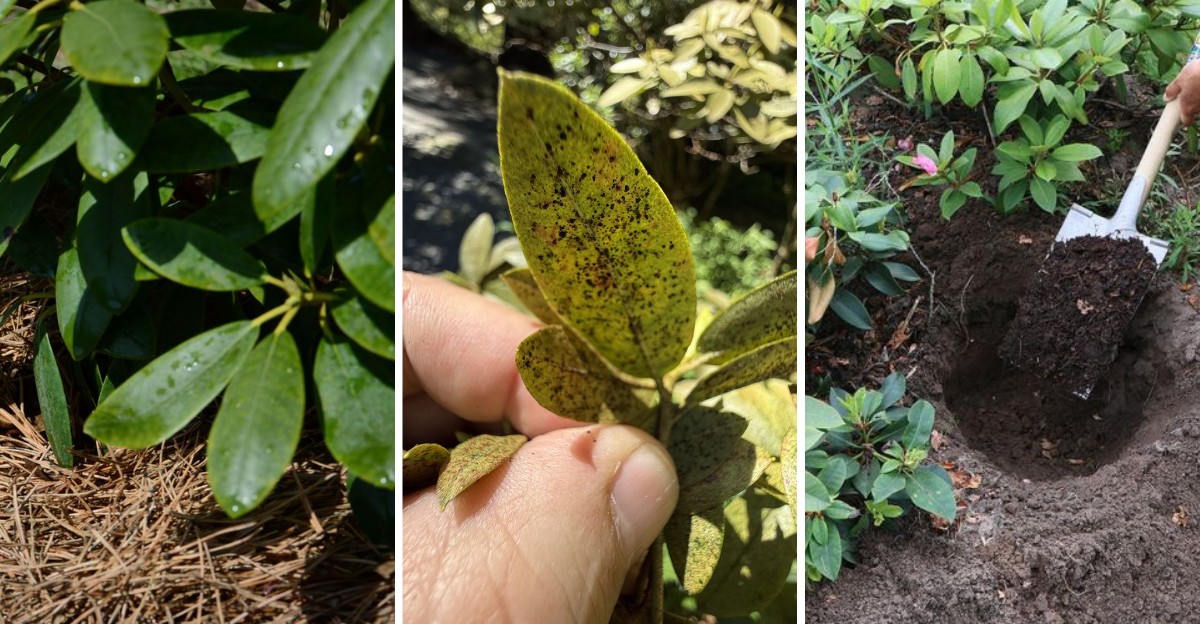
On the coldest winter mornings, rhododendron leaves curl up tight like little cigars. It’s a clever survival trick, and old-timers swear you can read the temperature by how tightly they roll.
That toughness has limits, though. Dry roots, harsh winds, and a few common fall mistakes can leave your shrubs struggling by spring.
October is the month Virginia gardeners can make the biggest difference. Next year’s flower buds are already sitting at the tip of every branch, waiting to open.
A few simple chores now can protect those buds, roots, and leaves through the cold months ahead. Most take less than an afternoon.
1. Give Them A Deep Drink Before The Ground Freezes
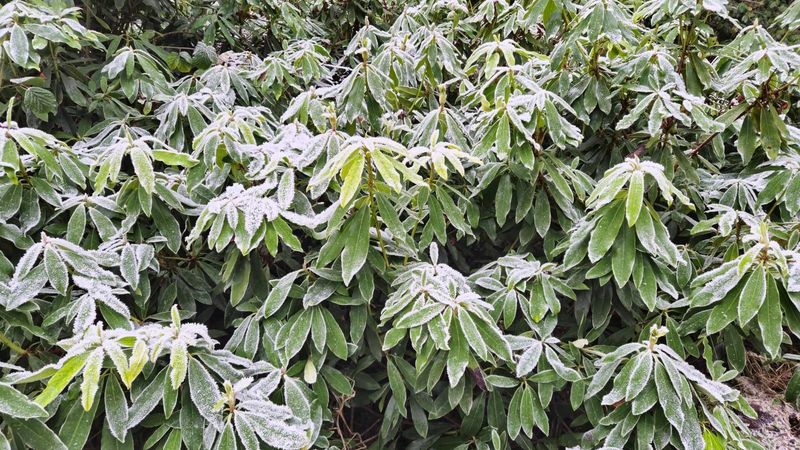
Picture a sponge left on the counter for a week. Dry roots act much the same way, shrinking and cracking when cold weather arrives.
Rhododendrons keep their leaves all winter, so they lose water even in January. Those leaves need moisture stored in the roots to stay healthy until spring.
Fall rain in Virginia can be spotty and unreliable. Some weeks bring a soaking storm, while others pass by with barely a sprinkle.
Aim for about one to two inches of water each week. A slow, deep soaking once a week works better than quick daily splashes.
Shallow watering only wets the top layer of soil. Deep watering pushes moisture down where the fine roots actually live and feed.
A soaker hose or a slow-running garden hose does the job nicely. Let it trickle at the base for twenty to thirty minutes.
Not sure if your plant needs a drink? Push a finger about two inches into the soil near the drip line.
Dry soil at that depth means it is time to water. Damp soil means you can wait a few more days.
Gardeners sometimes call fall drought damage freezing dry. Dry roots plus frozen ground can lead to brown, scorched leaves by late winter.
Keep watering until the ground freezes solid. A well-hydrated shrub heads into the cold season ready to protect its precious flower buds.
2. Refresh Mulch To Protect Shallow Roots
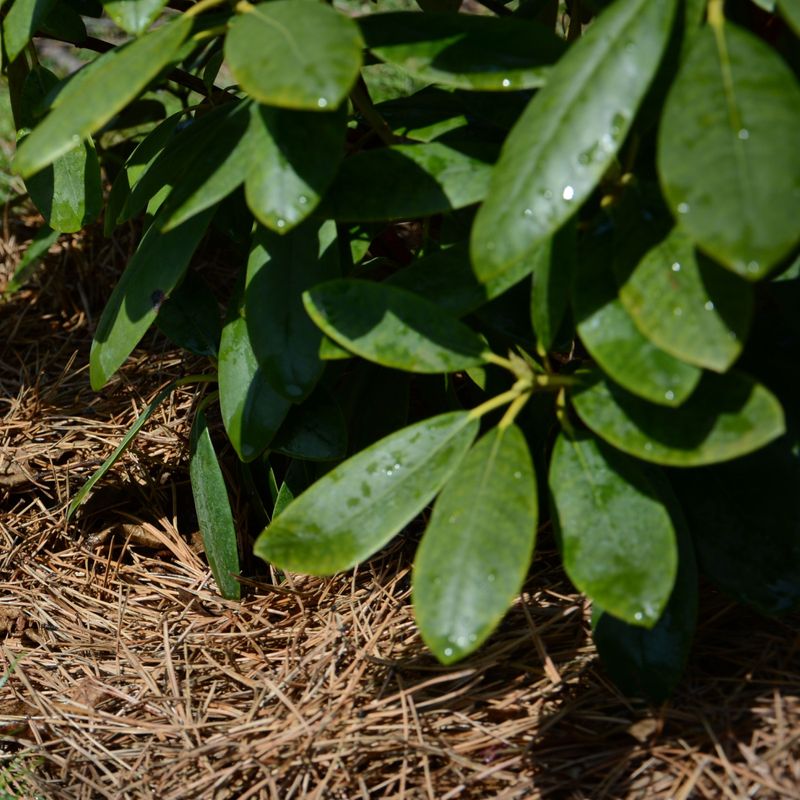
Rhododendron roots are a bit like sunbathers who never wander far from the beach. Most of them sit in the top few inches of soil.
Shallow roots feel every chill and every dry spell. A good blanket of mulch keeps them cozy and steady through the colder months.
Spread fresh mulch about two to four inches deep. October or early November, before the first hard frost, is ideal timing.
Mulch does more than insulate. It holds moisture in the soil, blocks weeds, and slowly feeds the ground as it breaks down.
Good choices include pine needles, shredded bark, wood chips, or chopped oak leaves. Many yards already have free oak leaves piling up.
Pine needles are a favorite for these shrubs. They stay fluffy, let water through easily, and look right at home around acid lovers.
Here is one rule worth following. Leave a gap of a few inches between the mulch and the main stem.
Your Virginia Garden Changes Every Week. Your Plan Should Too.
Gardening in Virginia changes quickly throughout the season. Every Friday you’ll receive a simple weekly plan showing exactly what to plant, prune, fertilize, harvest, and protect so you never miss the right timing.
Mulch piled against the trunk traps moisture against the bark. That damp spot invites rot, fungus, and hungry critters looking for shelter.
Think doughnut, not volcano. A flat ring with an open center gives roots protection while letting the trunk breathe freely.
Run a lawn mower over leaves first to shred them. Whole leaves can mat down and block water, while shredded ones stay airy.
3. Put The Pruners Away Because Next Year’s Buds Are Set
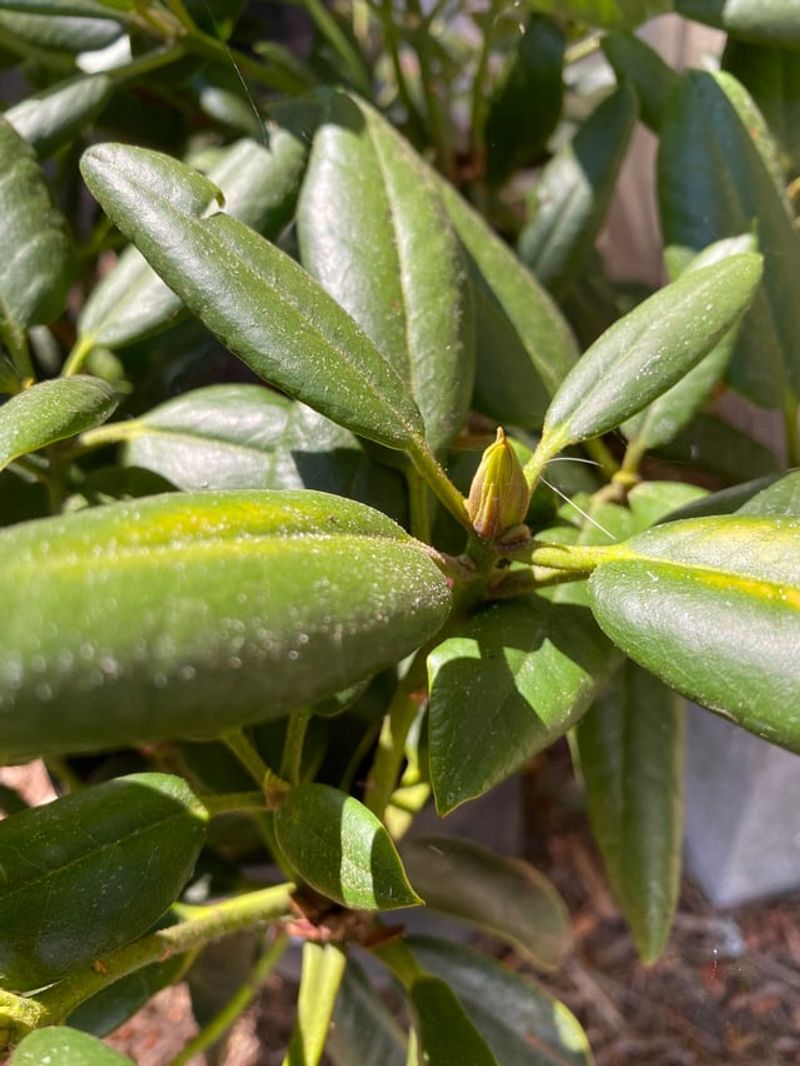
Grab a branch tip and take a close look. See that plump, pointed bud sitting above the leaves?
That little package is next spring’s flower cluster. Rhododendrons build these buds in mid to late summer, long before fall arrives.
Fall cleanup fever hits many of us in October. We rake, trim, and tidy, hoping to make the yard look neat for winter.
Snipping rhododendron branches now cuts off those finished buds. Each clip could mean one less bloom cluster when spring finally rolls around.
Flower buds look different from leaf buds. Flower buds are fat and round, while leaf buds are skinny and pointed.
Comparing them is a fun activity with kids. Count the fat buds on your shrub and guess how many blooms you will get.
So when should you prune? The best time comes right after the flowers fade in late spring or early summer.
Pruning then gives the plant plenty of weeks to grow new shoots. Those shoots will then set fresh buds for the following year.
Small fixes are still fine in fall. Removing a broken or diseased branch will not hurt anything and keeps the shrub healthy.
Just leave the shaping and size control for later. Your patience now pays off with a shrub dripping in color next May.
4. Skip Fertilizer Until Spring

Feeding a plant seems like a kind thing to do. In October, though, fertilizer can do your rhododendrons more harm than good.
Fertilizer, especially the nitrogen kind, tells a plant to grow. Fresh, soft shoots pop out quickly after a fall feeding.
Those tender shoots have no time to toughen up. The first hard freeze can brown them, leaving ugly damage behind.
Gardeners call this toughening process hardening off. Plants need several weeks of shorter days and cooler nights to get ready for winter.
A late feeding interrupts that natural slowdown. The shrub ends up confused, pushing growth when it should be resting quietly.
Extra fertilizer can also burn delicate roots. Rhododendrons have fine, hairlike roots that react poorly to too much salt in the soil.
Most experts suggest no nitrogen after late June. That timing gives summer growth plenty of chances to firm up before cold weather.
So what can you do instead? Let your fresh mulch slowly feed the soil as it breaks down over winter.
Mark your calendar for early spring. A light feeding with a fertilizer made for acid-loving plants works well as buds begin swelling.
Store that bag somewhere dry until then. Your plants will reward your restraint with sturdy stems and healthier blooms.
5. Check Leaves For Lace Bug Damage
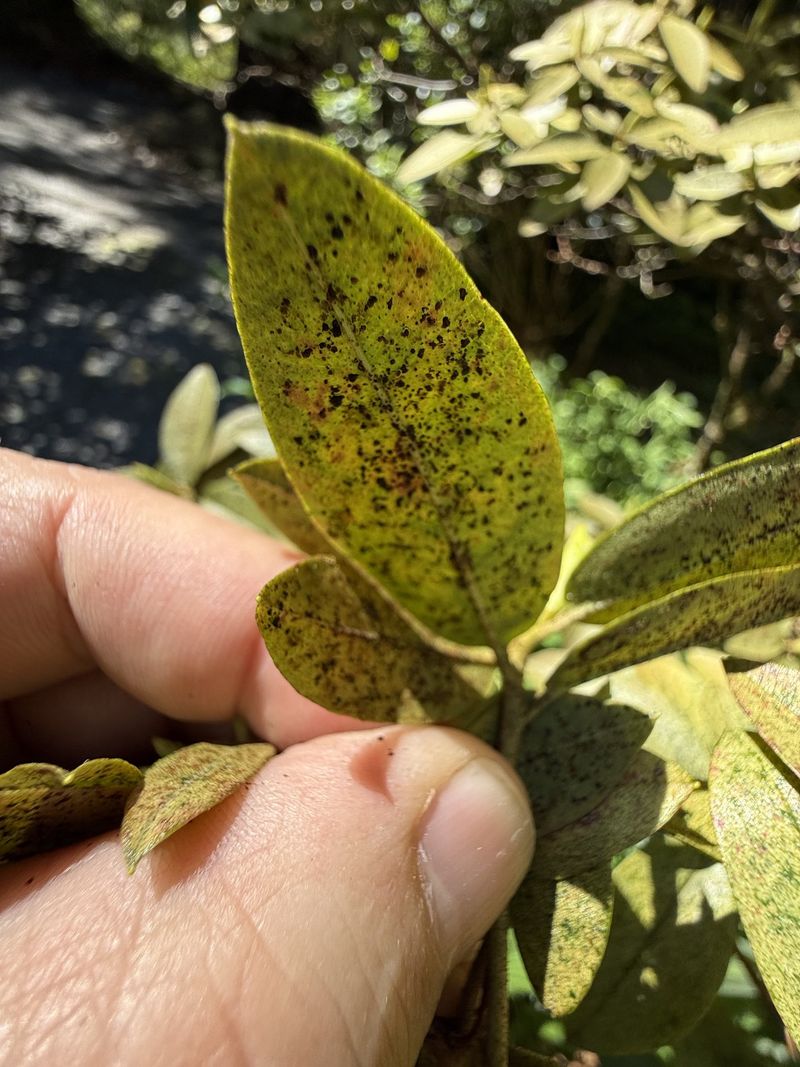
Tiny bugs with wings like lace curtains might be living on your shrubs. Lace bugs are one of the most common rhododendron pests in Virginia.
These insects feed on the undersides of leaves. Their damage shows up as yellow or white speckles on the top surface.
From a distance, a damaged shrub looks dull or faded. Up close, the leaves look like someone sprinkled them with salt.
Flip a speckled leaf over to confirm the culprit. Look for dark, sticky-looking spots that resemble dried varnish or tar.
Those spots are actually bug droppings. You may also find tiny shed skins left behind as the young bugs grow.
Fall is a smart time to check. Adult lace bugs hang around into autumn and lay eggs on leaf undersides.
Those eggs sit through winter and hatch around May. Spotting trouble now helps you plan treatment for next spring.
Heavily damaged leaves can turn brown and drop early. Picking off the worst ones in fall removes some of the overwintering eggs.
Sunlight plays a big role here. Shrubs in full sun usually suffer more lace bug damage than those growing in partial shade.
Healthy, well-watered plants also fight back better. Good fall watering is your first defense against these sneaky little sap suckers.
6. Shield Exposed Plants From Drying Winter Winds
Ever had chapped lips after a windy winter walk? Rhododendron leaves go through something very similar.
Big evergreen leaves lose water all winter long. Strong winds and bright sun pull moisture out faster than frozen roots can replace it.
The result is called winter burn. Leaves turn brown at the edges or look scorched by late February.
Shrubs on open hillsides or windy corners are most at risk. In Virginia, the cold winter winds usually blow from the west and northwest.
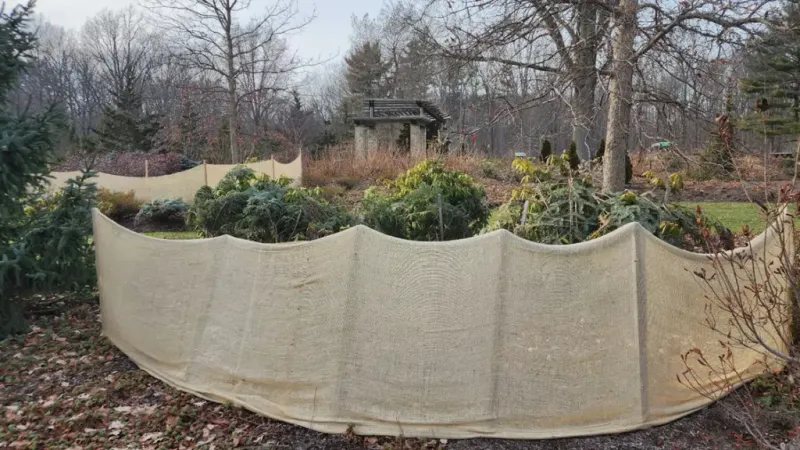
A simple windbreak works wonders. Pound a few wooden stakes into the ground and wrap burlap around them on the exposed sides.
Leave the top open so air and light reach the plant. Keep the burlap a few inches away from the leaves.
Snow fencing or garden lattice also works. These let some wind pass through while slowing the harshest gusts.
Young shrubs planted this year need extra care. An anti-transpirant spray in late fall coats leaves and helps slow moisture loss.
Follow the label and spray on a mild, dry day. Temperatures should be above freezing so the coating dries properly.
Planning a new bed? Pick a spot with partial shade and some shelter from buildings or trees for natural, year-round protection.
7. Curled Leaves In Cold Weather Are Normal
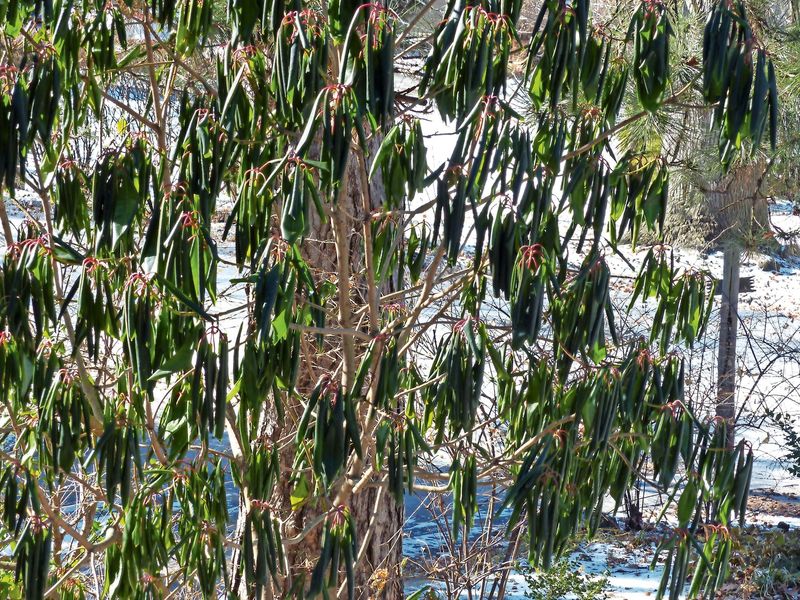
One frosty morning, you peek outside and gasp. Your rhododendron leaves are rolled up like skinny cigars and drooping toward the ground.
Take a deep breath, because this is good news. The shrub is protecting itself, not struggling.
Scientists call this movement thermonasty. It sounds fancy, but it simply means a plant moving in response to temperature.
Curling usually starts around 25 degrees Fahrenheit. Below 20 degrees, the leaves roll even tighter and hang lower.
Rolled leaves expose less surface to wind and sun. That helps them hold onto precious moisture during frozen days.
Curling may also help protect leaf cells as they thaw. A slower warm-up reduces damage when the sun hits frozen leaves.
Some old-time gardeners use rhododendrons as outdoor thermometers. Tightly curled leaves mean it is bundle-up weather outside.
Watch the leaves on a warmer afternoon. They usually relax and flatten out again once temperatures climb above freezing.
Keep an eye out for real trouble, though. Leaves that turn brown, crispy, or stay curled during mild weather may have winter burn.
Drought stress can also cause curling that does not bounce back. A deep fall watering helps your shrub tell the difference between cold and thirst.
8. Test Soil To Keep It Nicely Acidic
Rhododendrons are picky eaters with a sour tooth. They grow best in acidic soil with a pH below 6.0.
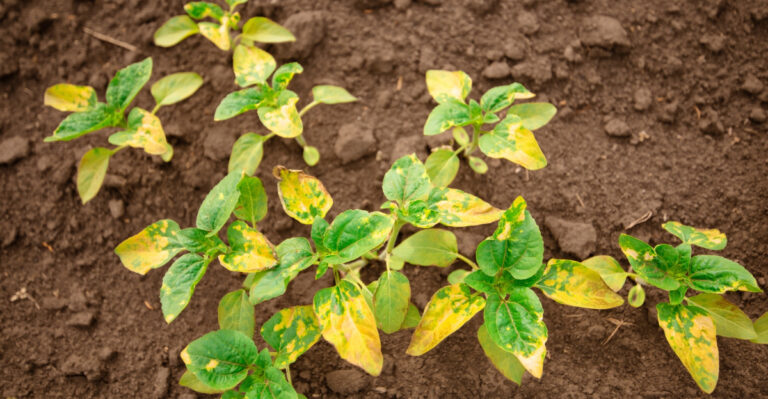
When soil turns too alkaline, nutrients like iron get locked up. Leaves may turn yellow between the green veins, a sign of hungry roots.
Guessing about pH rarely works well. A simple soil test gives you real numbers and saves money on the wrong products.
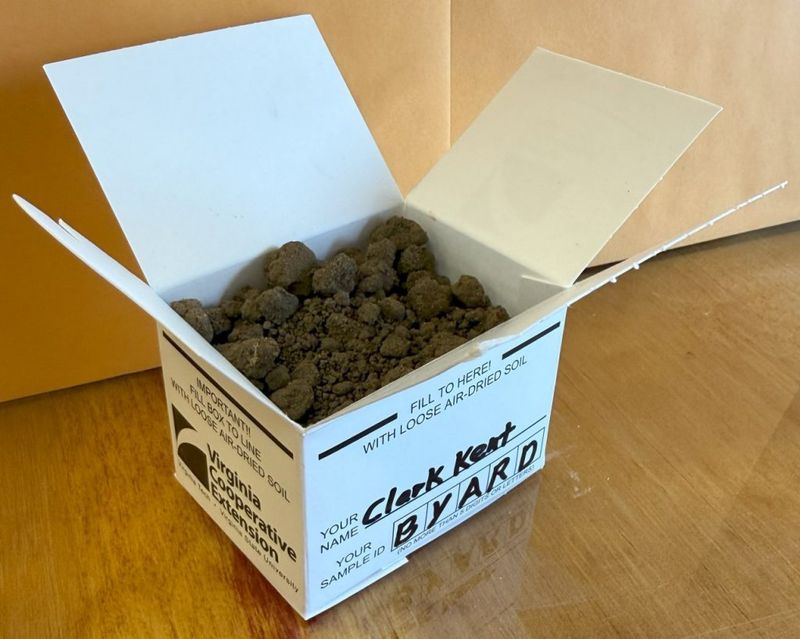
Virginia Cooperative Extension offers affordable soil test kits. Your local extension office can help you mail samples to the Virginia Tech lab.
Fall is a handy time to test. Results arrive with plenty of time to make changes before spring growth starts.
Collect soil from several spots around the drip line. Dig about four to six inches down and mix the samples together.
If your pH runs high, soil sulfur can gently bring it down. Cottonseed meal is another slow, natural option.
Pine needle mulch makes a nice match, though it won’t change your pH much on its own. For a real shift, soil sulfur does the heavy lifting.
Skip aluminum sulfate, even though it works quickly. Aluminum can build up in soil and harm rhododendron roots over the years.
Watch for lime nearby too. Concrete foundations and sidewalks can leach lime and raise soil pH close to your shrubs.
9. Fall Is A Great Time To Plant New Ones
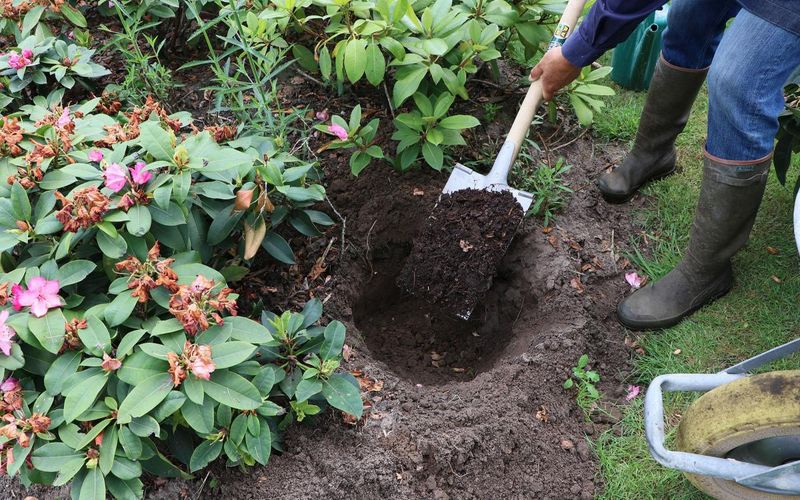
Garden centers often mark down shrubs in October. That bargain rhododendron might be the smartest buy you make all year.
Cool air and warm soil make a perfect team. Roots keep growing in fall, even while the top of the plant rests.
A shrub planted now gets months to settle in. By the time summer heat arrives, its roots are already spreading.
Aim to plant from early fall through mid-November. Later than that, roots have less time to grab hold before the ground freezes.
Choose a spot with morning sun and afternoon shade. Shelter from strong winter winds will help a young shrub too.
Dig a hole two to three times wider than the root ball. Keep it no deeper than the roots themselves.
Set the top of the root ball even with the ground or slightly higher. Planting too deep can lead to root and trunk rot.
Gently loosen circling roots with your fingers before planting. Store-bought shrubs often have roots wrapped tightly around the pot.
Water deeply right after planting, then keep checking weekly. New shrubs dry out faster than established ones during fall dry spells.
Finish with a ring of pine needle mulch. Next spring, you get to watch your newest addition join the flower show.