Why Your Beets Are All Leaves And No Roots (And How To Fix It Next Time)
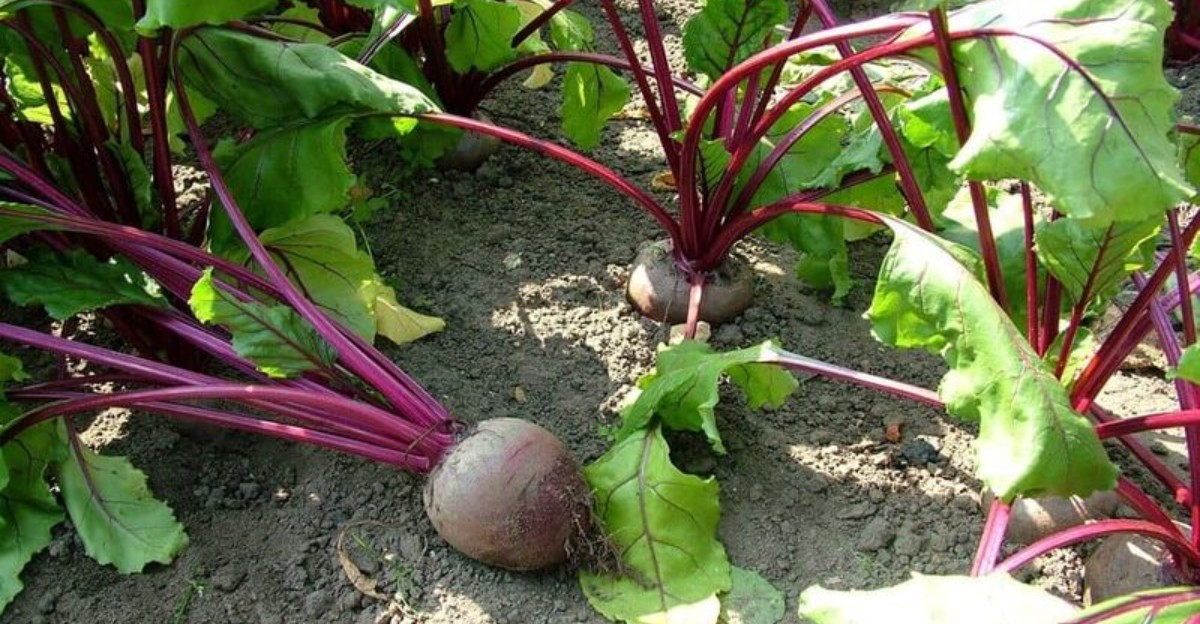
A single wrinkled seed of this crop can sprout two to four seedlings, all crammed into one tiny spot. I learned that the hard way after pulling up a row of lush greens with roots like skinny pencils.
You probably felt that same letdown when your tug produced a red stub no bigger than a marble. The leaves looked so proud and glossy, waving in the breeze like they had done everything right.
I believe most of these flops come down to a few small choices made weeks before harvest day. The soil under your boots sends signals to the plant, and it listens more closely than most gardeners expect.
October is a month to figure out what went wrong, while the cool garden beds are still easy to read. So which sneaky mistake do you think turned your sweet underground treasure into a salad bar?
Too Much Nitrogen Feeds The Tops First
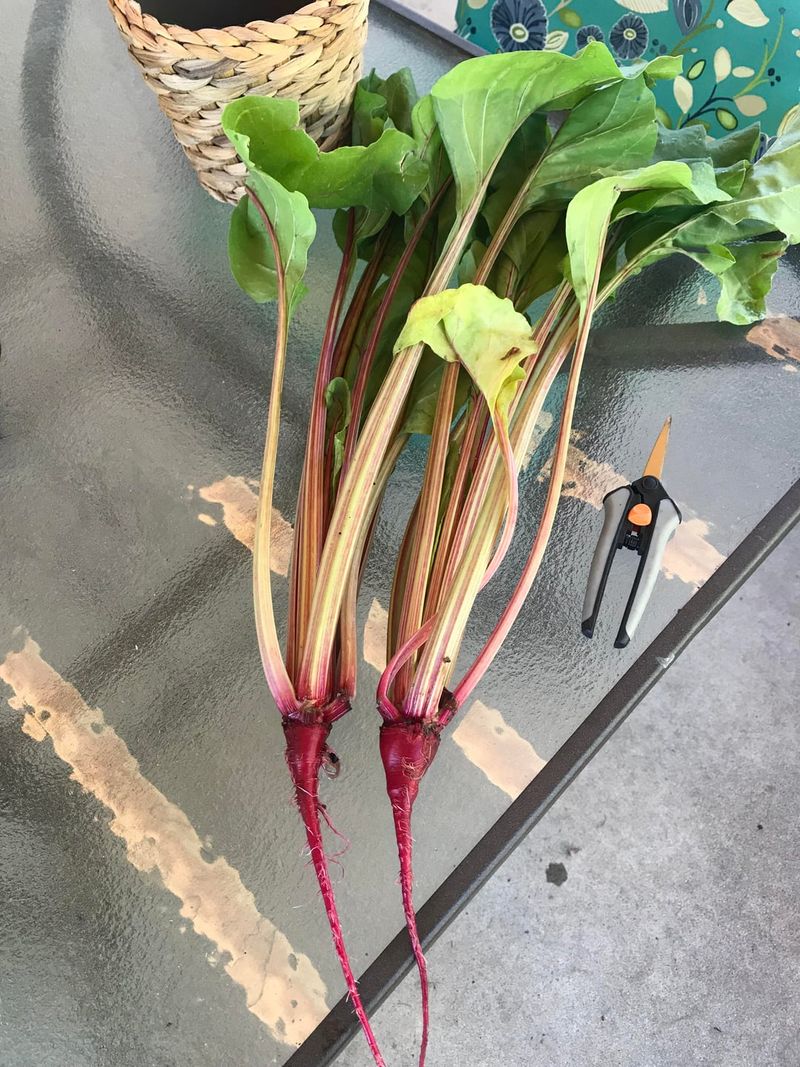
Lush, dark green leaves feel like a victory, yet they often signal that your soil had too much nitrogen. Nitrogen pushes leafy growth hard, so the plant spends its energy on tops instead of the swelling root.
University extension gardeners often point to heavy fertilizing as a top reason beets grow big greens with tiny roots. Fresh manure, lawn fertilizer, or extra blood meal can easily tip the balance toward leaves in a single season.
Roots need phosphorus and potassium to bulk up, so a soil short on either one can leave you with handsome foliage above a skinny red stub.
Boron also plays a role, since low levels can cause dark, corky spots inside the root called black heart. Beets need more boron than many crops, but too much can harm plants, so test first.
I like to think of beets as quiet eaters that want a balanced plate rather than a helping of nitrogen. Working in mellow, aged compost before planting usually gives them enough food without overloading the leafy side.
If your bed held heavy feeders like corn this year, you may have added extra fertilizer that lingered behind. Jot down every product you used this season, because that simple record makes next spring’s planning much easier.
For your next crop, skip the high nitrogen products and look for a fertilizer with a lower first number. Those three numbers on the bag stand for nitrogen, phosphorus, and potassium, listed in that same order.
Crowded Seedlings Steal Each Other’s Root Space
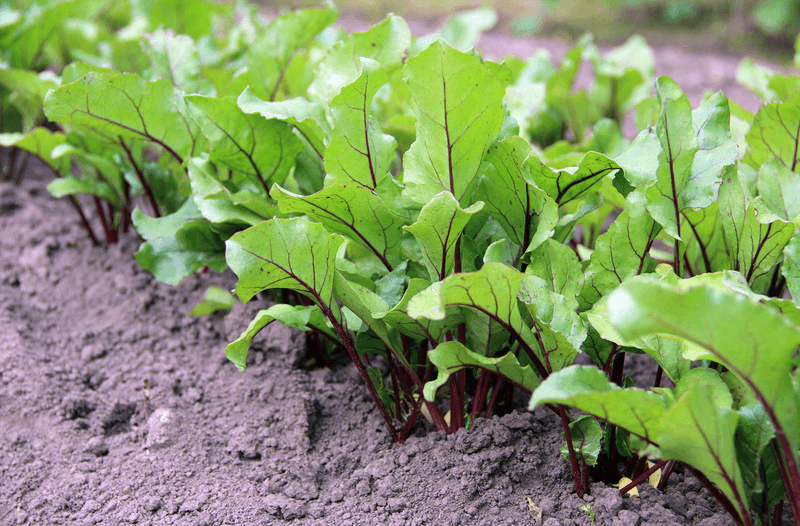
Each lumpy beet seed is really a dried fruit cluster holding several true seeds packed tightly together. Plant one, and you might get a little bouquet of three or four seedlings popping up in one spot.
Those crowded sprouts look cheerful at first, but they quickly start competing for water, nutrients, and space below ground. Leaves can still grow tall in a tight crowd, while the roots stay thin because they cannot expand outward.
Thinning feels a bit heartless, I know, but it remains one of the best fixes for leafy, rootless beets. Most extension guides suggest spacing plants about three to four inches apart once the seedlings reach two inches tall.
Snip extra seedlings at the soil line with small scissors instead of yanking them out by hand. Pulling can tear the tender roots of the keeper plant, and that damage may slow its growth.
The thinnings are not wasted, either, because baby beet greens taste mild and tender in a fresh salad. I like tossing them with a little olive oil, which makes the chore feel like a tiny harvest party.
Some gardeners thin in two rounds, first to about one inch, then again to the final spacing later. That second pass gives you slightly bigger greens to eat while the remaining roots get room to swell.
Next season, look for monogerm seed varieties, which usually produce only one seedling from each planted seed. Varieties such as Moneta and Solo are bred this way, so your thinning job becomes much lighter work.
Your Beets Crave More Sun Than You Think
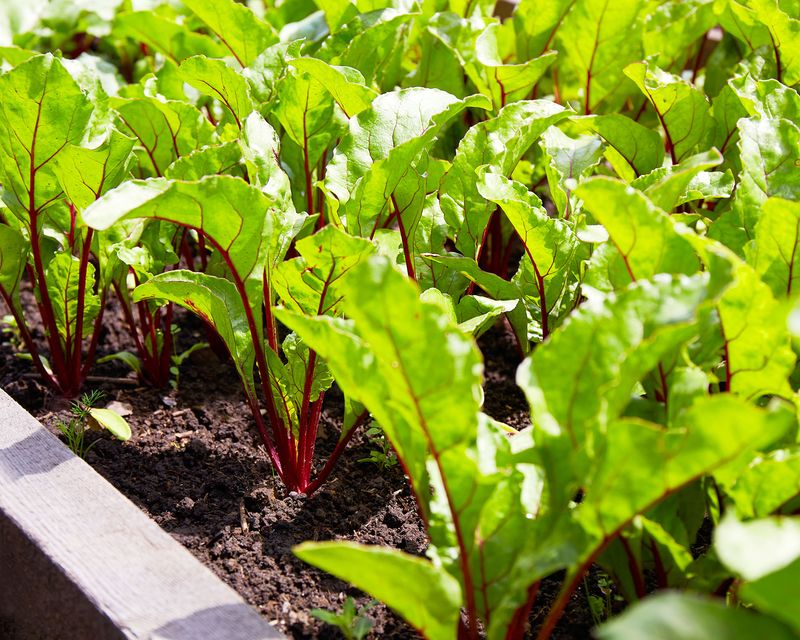
Beets will tolerate a bit of shade, but leaves often stretch while roots stay small when sunlight runs short. Most extension services recommend at least six hours of direct sun each day for well-formed, sweet roots.
Leaves act like little solar panels, turning sunlight into sugars that the plant stores down in its root. With weak light, the plant makes fewer extra sugars, so very little gets saved below the soil line.
Fall shadows sneak up on gardeners, because the sun sits lower in the sky as October rolls along. A bed that felt bright in June might now sit under a fence or tree shadow for hours.
Water matters too, since uneven moisture can lead to woody, cracked, or stunted roots in many garden beds. Beets usually do best with about one inch of water each week, delivered slowly and soaked in deeply.
Hot spells can also slow root growth, since beets prefer cool weather and soil that stays evenly moist. That preference makes autumn a friendly time for them, as long as the days still offer decent light.
Spend one sunny afternoon this month watching your garden, and note where shadows land each passing hour. I find a quick phone photo every couple of hours shows the light pattern better than memory can.
Use those notes to pick a brighter spot for next year, ideally one with open sky to the south. Pair that sunny location with a soaker hose or a steady watering habit, and your roots get a fair chance.
Hard Packed Soil Leaves Little Room To Swell
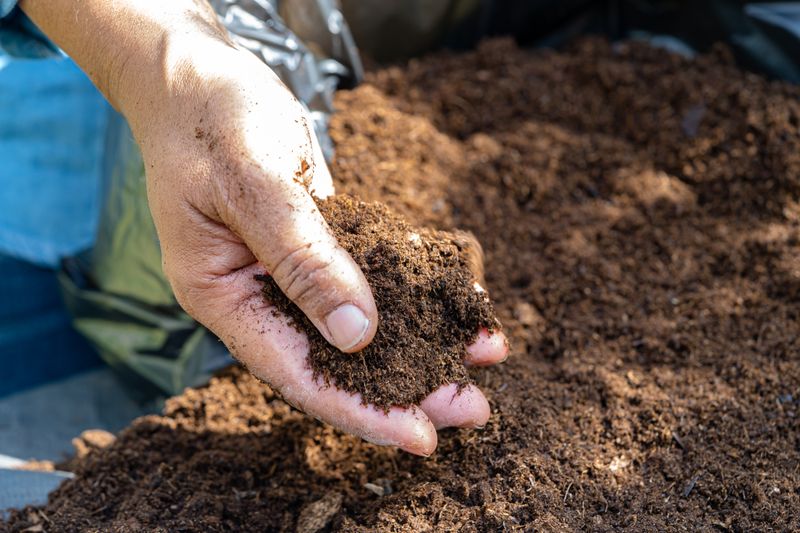
Run a garden fork into your beet bed, and listen closely for the scrape of stubborn, packed earth. Heavy clay or soil that gets walked on often can press tightly together, leaving little room for swelling roots.
Beet roots grow outward as they fatten, and tight soil pushes back against that growth like a snug belt. The leaves above ground keep going strong, which explains the odd mix of big tops and puny bottoms.
Rocks and old roots in the bed can cause trouble too, often creating forked or twisted beets underground. Clearing those obstacles before planting gives each young root a smoother path to grow round and full.
Soil pH matters as well, since beets usually prefer a range of roughly 6.0 to 7.5 for healthy growth. Very acidic soil can lock up nutrients, so the plant struggles even when food is present in the ground.
October is a sweet time to fix structure, because cool weather makes digging pleasant and the beds sit empty. Spread two or three inches of compost or shredded leaves over the bed, then work it gently into the top.
Fallen leaves cost nothing this time of year, and they break down over winter into a crumbly layer worms adore. Earthworms tunnel through that softened soil, opening tiny paths for air, water, and future roots next season.
Raised beds offer another smart fix, especially if your native soil stays soggy or heavy after rain. Fill them with loose, loamy soil at least eight inches deep, and stay off the growing area.
You Can Still Rescue Some Of This Fall Crop
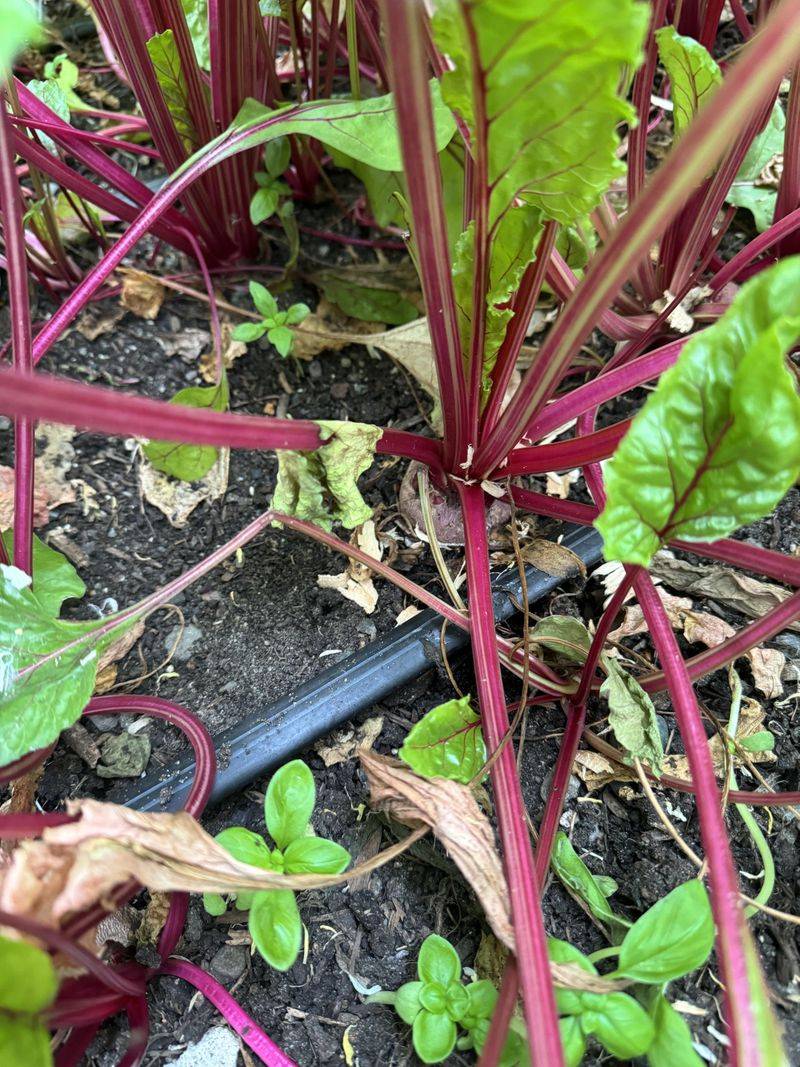
Got a bed of leafy beets sitting in the garden right now, with roots that seem stuck in place? Patience might help a little, since beets often keep slowly growing through cool October days before hard freezes arrive.
Beets handle light frost fairly well, and many gardeners notice the roots taste sweeter after a chilly night. Covering the bed with straw or a frost blanket can stretch the season by a few extra weeks.
Gently brush soil away from a few plants to peek at the roots without pulling anything up. If you spot crowded clumps, thin them now so the remaining beets get a final burst of space.
Hold off on adding more fertilizer this late, because fresh nitrogen would mostly feed even more leaves. Steady moisture is the better gift, so water deeply during dry spells while the ground is still workable.
Some plants simply will not form good roots this year, and that honest outcome is perfectly okay. Those leafy tops are still a real harvest, packed with flavor and closely related to Swiss chard.
I can’t imagine tossing a basket of beet greens when they taste so good sauteed with garlic and lemon. Pick the younger inner leaves for the most tender bite, and leave a few to keep the plant growing.
Small roots can be tasty too, so roast those marble-sized beets whole with a drizzle of honey. Treat this season as a tasty experiment, and take notes on which rows performed best before the cold settles in.
A Simple Soil Test Sets Up Next Year’s Harvest
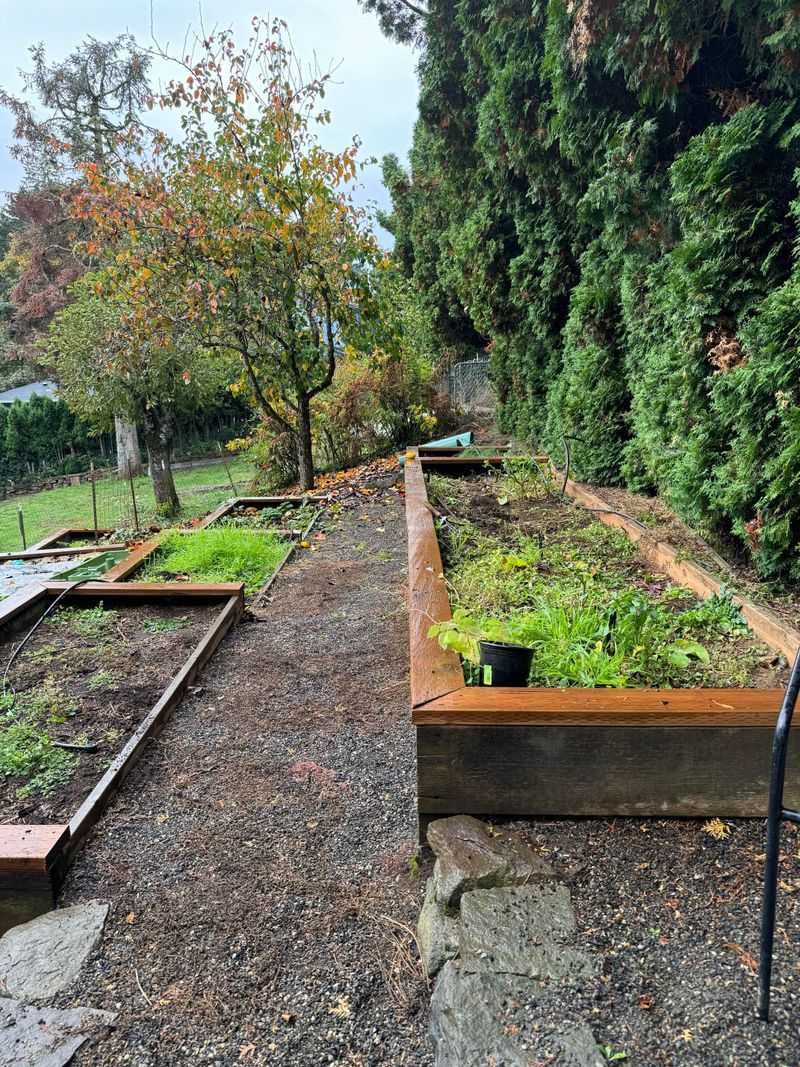
Guessing about fertilizer is how many of us ended up with leafy beets in the first place. A soil test replaces that guesswork with real numbers, and fall is one of the best times to take one.
Many state university extension offices offer affordable soil testing, often with clear advice written for home gardeners. Results usually show pH along with phosphorus and potassium levels, which points to what your beets may be missing.
Gather samples from several spots in the bed, digging about six inches deep with a clean trowel. Mix those scoops together in a bucket, let the soil air dry, then send in the requested amount.
Testing in October gives you time to adjust pH, since lime takes months to change soil chemistry. Adding lime now, if your results call for it, lets the soil shift slowly before spring planting arrives.
A cover crop like cereal rye or crimson clover can also protect bare beds through the colder months. Turn it under a few weeks before planting, and it adds organic matter that loosens the soil.
Rotating crops helps too, so try planting beets where lighter feeders grew instead of a heavily fertilized corn patch. Keep a simple garden notebook, because your future self will thank you for every little detail you record.
Next year’s beets have a much better chance of pushing up round, ruby shoulders right at the soil line. A little planning this fall can turn that leafy letdown into a basket of sweet, earthy roots.