9 Native Alternatives To The Invasive Plants Still Sold At Garden Centers
Some shrubs sold at garden centers are actually banned in a few states, yet they sit there on sale. I nearly bought one last fall, drawn in by those glowing red leaves under the bright parking lot lights.
Many popular picks escape our yards when birds eat their berries and drop the seeds deep in nearby woods. Over time, those runaways crowd out local plants that insects and songbirds depend on for food and shelter.
I believe you can keep the beauty you love while giving your backyard critters something more useful to eat. October is a great month for planting, since cool air and warm soil help new roots settle in quickly.
You’re in for a surprise when you see how many native swaps look just as showy as the troublemakers. So which familiar favorite in your own yard might be quietly sneaking over the fence right now?
1. Virginia Sweetspire Gives You Crimson Leaves Without The Spread
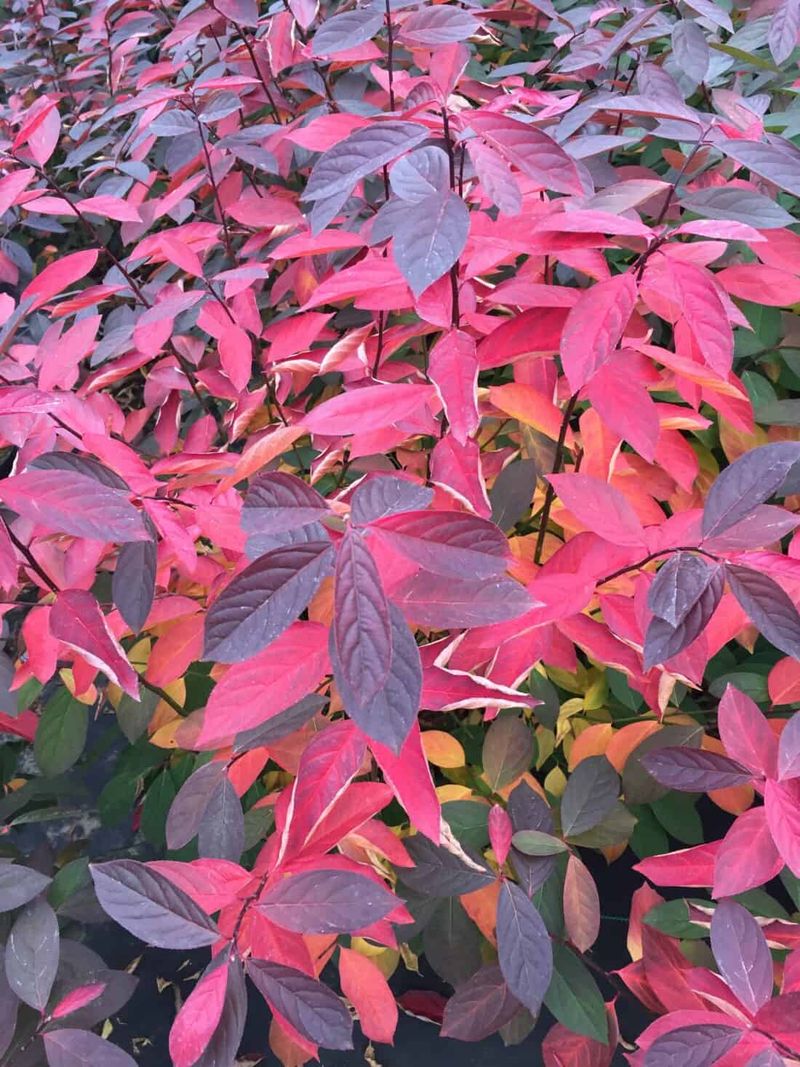
Burning bush earns its name every October, but its bright red leaves hide a problem that spreads into forests. Birds eat the small orange seeds, then plant new shrubs far away in shady woods where they form thickets.
Massachusetts and New Hampshire have banned its sale, yet you can still find it at many stores elsewhere. Virginia sweetspire is a native shrub that delivers a similar fall show in shades of crimson and plum purple.
In early summer, it also offers drooping white flower spikes that smell sweet and attract plenty of busy bees. Its leaves often hang on well into late fall, giving your yard color after many other shrubs go bare.
Sweetspire grows about three to five feet tall and handles sun or part shade with surprising ease and grace. It even tolerates soggy spots, so that low corner where water puddles after rain could finally have a purpose.
October is a smart time to plant, because cooler air reduces stress while the soil stays warm for roots. Water it deeply once a week until the ground freezes, then add a few inches of shredded leaf mulch.
Look for compact varieties like Little Henry if you have a smaller bed near a walkway or front porch. Henry’s Garnet is another popular choice, known for especially rich red fall leaves and longer white flower clusters.
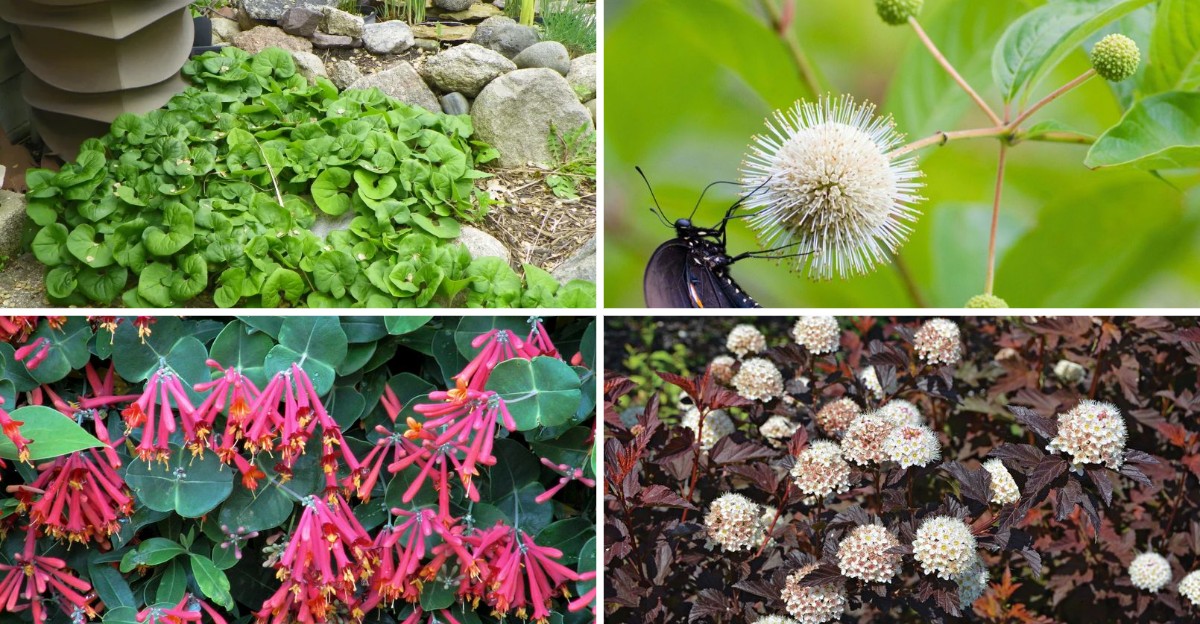
2. Ninebark Gives You A Tidy Hedge Without The Barberry Worries
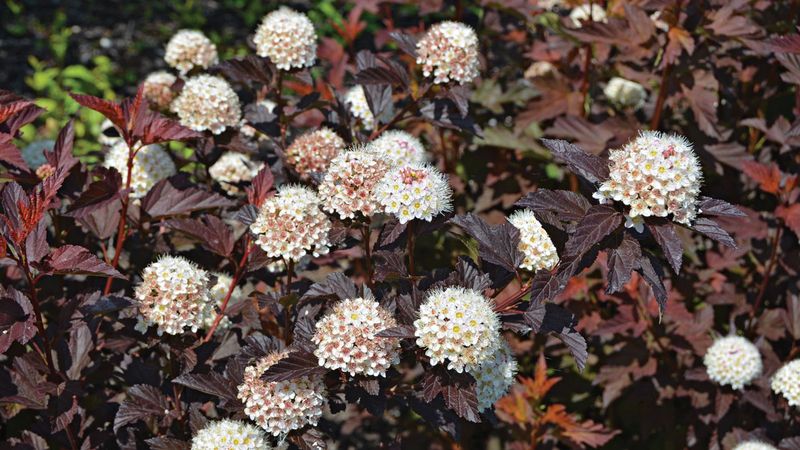
Japanese barberry looks tidy in a front hedge, but its thorny stems hide a surprising link to tick problems. Researchers in Connecticut found that dense barberry thickets often hold more ticks than areas without it.
Several states, including New York and Pennsylvania, now restrict its sale, though rules differ from place to place. Common ninebark is a native shrub that offers a similar dense, rounded look without the spreading worries.
Cultivars like Diabolo and Little Devil are well known for their dark purple leaves that glow in low sun. The name comes from its peeling bark, which flakes off in thin papery layers that look lovely in winter.
The “nine” in the name stands for the many layers of bark rather than an exact count. Its round clusters of white or pale pink flowers turn into reddish seed pods that add color through late summer.
Ninebark is tough as old boots, handling clay, drought, cold winters, and full sun with very little fuss. Plant it this October, and you can shape it lightly next year right after the flowers fade away.
If you are removing old barberry, wear thick gloves and dig out the roots so new sprouts stay limited. Then tuck your ninebark into the same sunny spot and enjoy a hedge that actually supports local pollinators.
3. Serviceberry Gives You Spring Blooms Without The Pear Problems
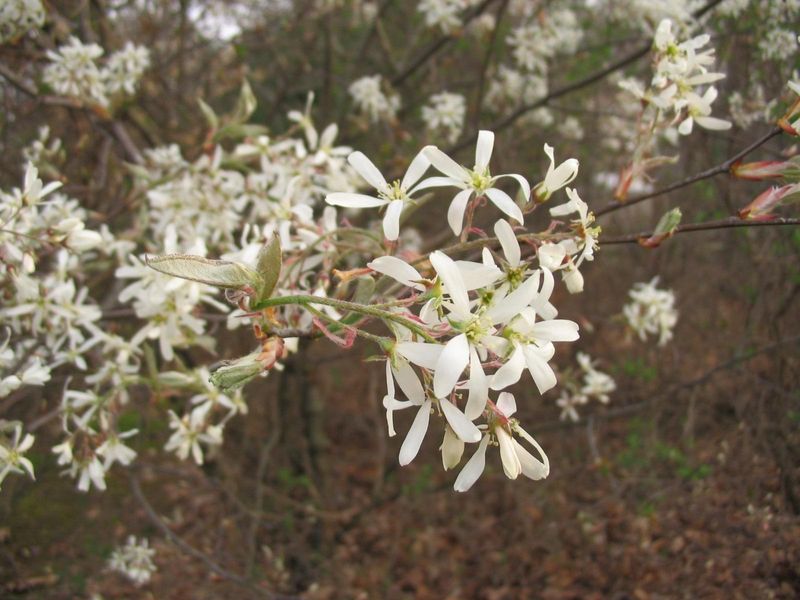
Every spring, roadsides across the East turn white with blooms, and many of those trees are runaway Callery pears. Bradford pear was sold as sterile, but it cross pollinates with other varieties and produces seeds birds happily spread.
Ohio banned its sale in 2023, and South Carolina and Pennsylvania have taken similar steps in recent years. The flowers also carry a funky smell that many people compare to old fish, which is hardly a selling point.
Serviceberry is a native small tree that bursts into white blossoms in early spring, often before its leaves appear. By early summer, it offers sweet purple berries that taste a little like blueberries with a hint of almond.
Robins, cedar waxwings, and catbirds often race you for the fruit, so pick quickly if you want a snack. Right now in October, the leaves put on their own show in glowing shades of orange, gold, and red.
Most serviceberries grow fifteen to twenty five feet tall, which fits nicely in a front yard or side bed. Unlike Bradford pears, they rarely split apart in storms, since their branches grow with stronger, more open angles.
Some states even offer swap programs where you trade a removed Callery pear for a free native tree. Check with your local extension office this fall, because a serviceberry swap might cost you next to nothing.
4. Red Maple Offers You Shade Without The Norway Baggage
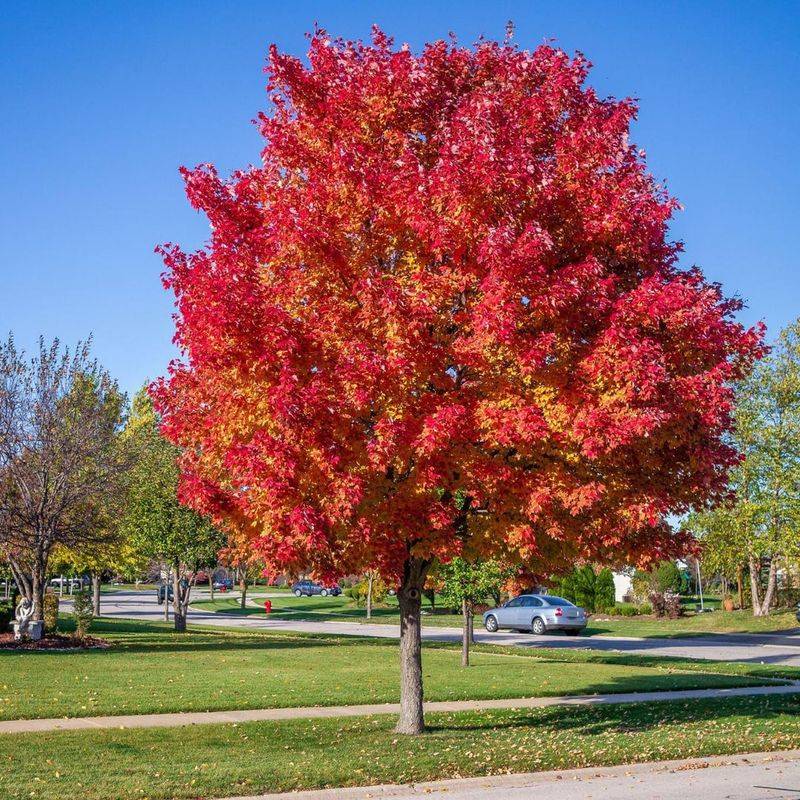
Walk under a Norway maple in summer, and you will notice almost nothing grows beneath its heavy shade. Its dense leaves and shallow roots crowd out wildflowers, and its winged seeds sprout readily in nearby woodlands.
Massachusetts and New Hampshire prohibit its sale, but nurseries in many other states still stock popular purple cultivars. Red maple is a native tree that gives you dependable shade plus some of the brightest fall color around.
Few trees announce autumn louder, with leaves that flash scarlet, orange, or yellow depending on the tree’s genetics. Even in late winter, its tiny red flowers give early bees a much needed snack on chilly sunny days.
Red maples also host hundreds of caterpillar species, according to research by entomologist Doug Tallamy at the University of Delaware. Those caterpillars feed baby songbirds, so one tree can help feed nesting chickadees and wrens nearby.
For reliable color, choose named varieties like October Glory or Red Sunset from a local nursery you trust. Red maple handles wet soil well, though it can struggle in very alkaline ground, showing pale yellowing leaves.
Fall planting gives roots several months to grow before summer heat arrives, which helps young trees settle faster. Keep mulch a few inches away from the trunk, and water deeply each week until the ground freezes solid.
5. Wild Ginger Covers Shady Ground Without The Ivy Takeover
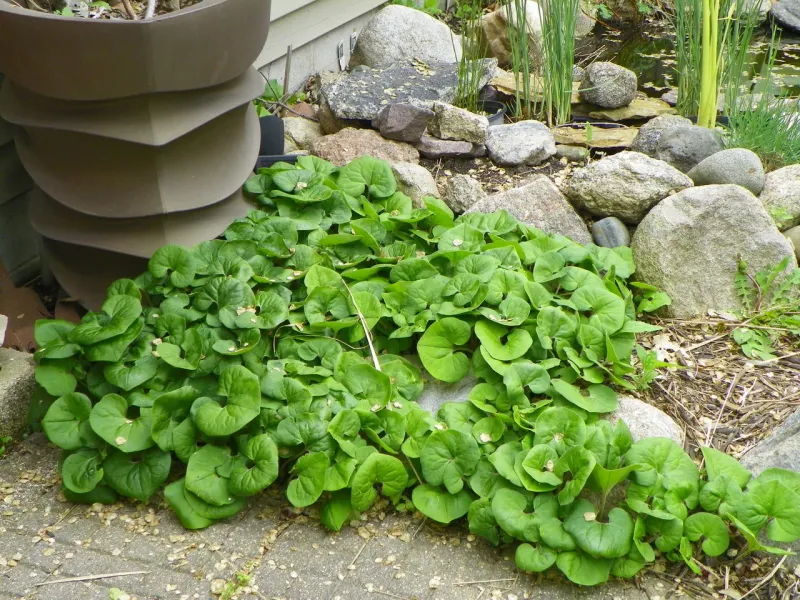
English ivy seems harmless creeping across a shady bed, until it climbs trees and smothers them under heavy vines. Once it reaches sunlight, it produces berries, and birds carry the seeds into forests far beyond your property line.
Oregon lists it as a noxious weed and restricts its sale, yet it remains common in many garden centers. Canadian wild ginger makes a lovely native swap, spreading slowly into a soft carpet of heart shaped leaves.
Kids love hunting for its hidden flowers, which are small brownish purple cups tucked right at ground level. Some botanists think beetles and flies help pollinate them, since they crawl along the soil looking for early food.
Ants also carry the seeds away to their nests, which is a neat trick called seed dispersal by ants. The roots smell faintly spicy when crushed, but this plant is not the same ginger you buy for cooking.
Wild ginger thrives in moist, rich soil under trees, where many lawns and other groundcovers struggle to grow. It does lose its leaves in winter, so pair it with evergreen ferns if you want year round green.
Pulling ivy is easier in cool October weather, especially after a soaking rain loosens the soil around roots. Cut climbing vines at waist height on tree trunks, then plant your ginger in the cleared ground nearby.
6. American Wisteria Gives You Lavender Blooms Without The Runaway Vine
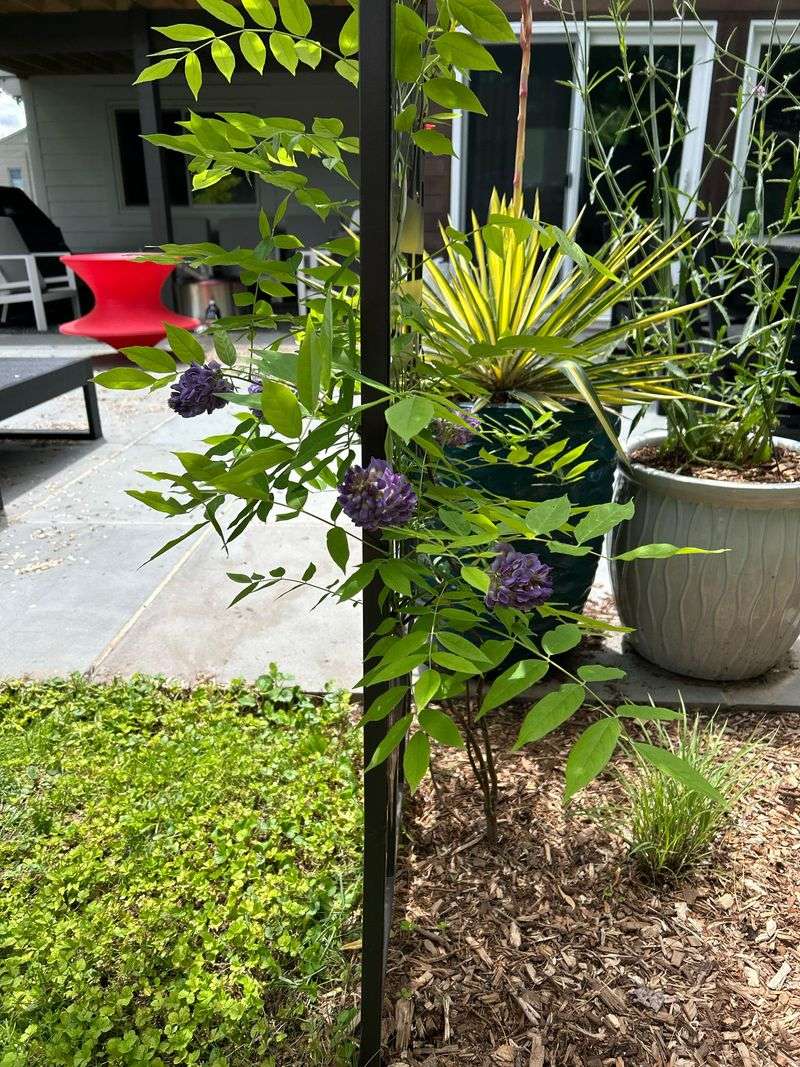
Chinese and Japanese wisteria can swallow a pergola in a few seasons, then wander off to climb nearby trees. Their woody vines can girdle trunks and grow heavy enough to topple weak branches or even small structures.
American wisteria is the friendlier cousin, a native vine found naturally in wet woods across the Southeast. It grows slower and smaller, so a sturdy trellis or arbor can usually handle it without bending or cracking.
Its lavender flower clusters are shorter than the Asian kinds, but they show up after leaves emerge in late spring. That later timing helps the blooms dodge early frosts, so you are less likely to lose your flower show.
Many plants rebloom lightly in summer too, giving bees and skipper butterflies a second round of sweet nectar. The vine also feeds caterpillars of the silver spotted skipper, a native butterfly with flashy silver wing patches.
Look for the variety Amethyst Falls, which blooms young and stays manageable on a fence or mailbox post. Give it full sun for the most flowers, and prune long side shoots back during late winter each year.
October is a fine month to remove Asian wisteria, since you can spot the thick vines as leaves start dropping. Cut stems near the ground and dig out runners, because new shoots tend to pop up for several seasons.
7. Buttonbush Draws Butterflies Without The Buddleia Spread
Butterfly bush sounds like a gift to pollinators, yet the story gets more complicated once you look closer. Adult butterflies sip its nectar, but native caterpillars rarely eat its leaves, so it feeds only half the life cycle.
Oregon and Washington list it as a noxious weed, because seeds spread along rivers and roadsides with ease. Some newer sterile cultivars produce little seed, though experts still debate how well they behave over many years.
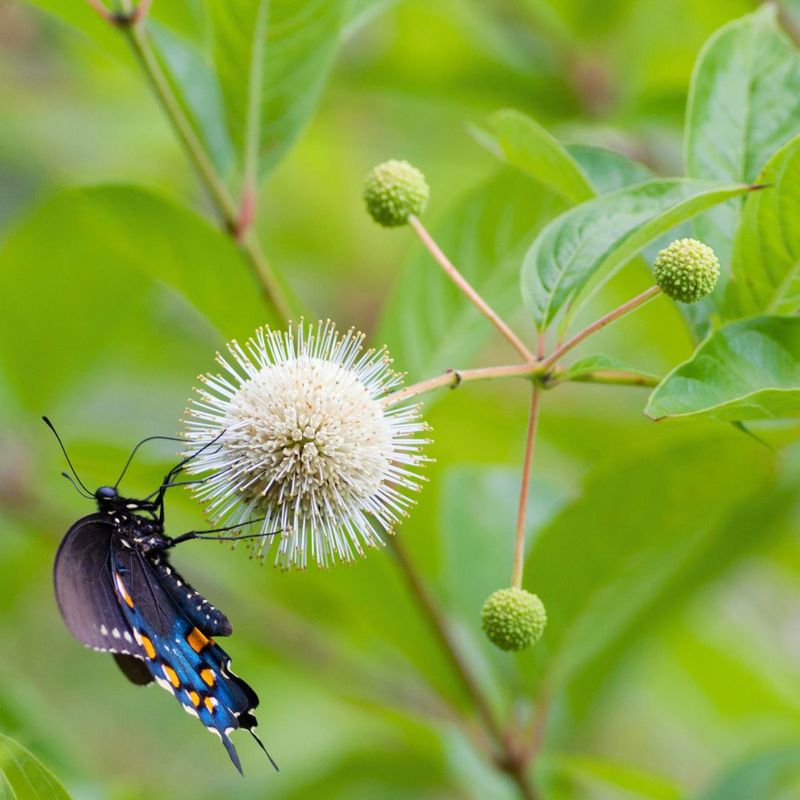
Buttonbush is a quirky native shrub whose round white flowers look like tiny spiky ping pong balls. Swallowtails, bumblebees, and hummingbirds crowd around those blooms in midsummer, making the whole plant hum with busy activity.
By fall, the flowers turn into hard reddish seed balls that ducks and other water birds eat during migration. Its leaves also host caterpillars of several sphinx moths, giving you the full life cycle in one handsome shrub.
Buttonbush loves wet feet, so it shines beside ponds, rain gardens, or mushy low spots in the lawn. It also adapts to regular garden soil, as long as you water it well during long dry summer spells.
Full size plants can reach eight feet or more, but the compact Sugar Shack stays about four feet tall. Plant one this October, and next summer you may count more butterflies than your old buddleia ever attracted.
8. Coral Honeysuckle Feeds Hummingbirds Without The Tangle
That sweet honeysuckle scent from childhood summers often comes from Japanese honeysuckle, a vine that rarely knows when to stop. It twines around shrubs and young trees, shading them out and forming tangled mats across fields and forest edges.
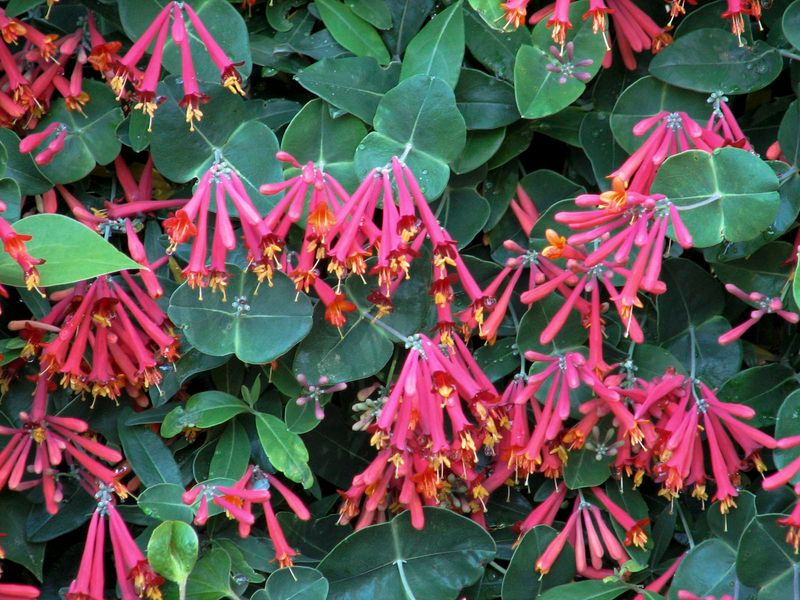
Coral honeysuckle is the native version, and it behaves much better on a fence, mailbox, or garden arch. Its tubular red flowers are shaped perfectly for hummingbirds, who visit them again and again for nectar.
Blooms often appear in spring right as hummingbirds return, then pop up off and on into the fall. Even now in October, you might catch a few late flowers alongside small bright red berries that songbirds enjoy.
To be honest, the flowers have little scent compared to the Japanese kind, so this vine wins on looks. Popular varieties include Major Wheeler, a heavy bloomer, and John Clayton, which offers cheerful yellow flowers.
Give it at least six hours of sun for the best flowers, though it tolerates a bit of afternoon shade. It is not evergreen in colder regions, but it may keep leaves through mild Southern winters with little trouble.
To tell the two apart, look at the leaves just below the flowers, which fuse into one round disk. Japanese honeysuckle lacks that fused leaf, so you can pull the right vine with confidence this fall.
9. Little Bluestem Delivers Fall Color Without The Silvergrass Spread
Chinese silvergrass waves feathery plumes every fall, and those fluffy tops can release thousands of seeds into the wind. It has escaped into roadsides and meadows in many eastern states, where it can form dense clumps that crowd out native plants.
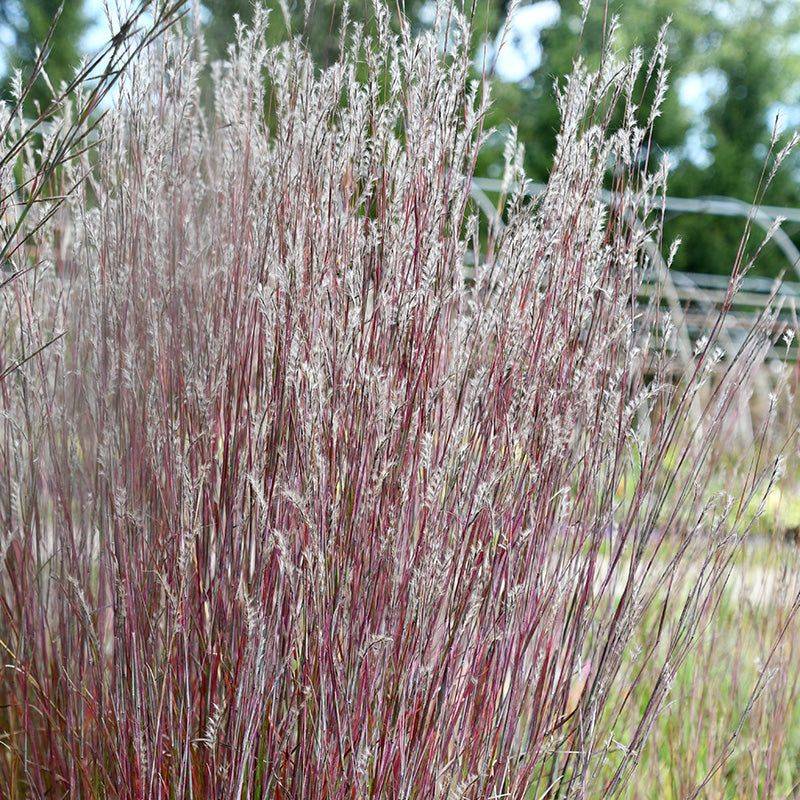
Not every variety seeds equally, and some extension services note certain cultivars spread less, but the risk varies. Little bluestem is a native prairie grass that steals the show in October with copper and rusty orange tones.
During summer, its slender blades look blue green, then they slowly blush pink and bronze as nights cool down. Fuzzy silver seed heads catch the low autumn light, and they sparkle beautifully after a frosty morning.
Small birds like juncos and sparrows pick at those seeds through winter, so hold off on cutting it back. Several skipper butterflies also lay eggs on its leaves, which makes this grass a quiet nursery for caterpillars.
At two to four feet tall, it fits neatly in borders without towering over your flowers like some silvergrass does. Plant it in full sun with lean, well drained soil, since rich soil can make the stems flop over.
Cultivars like Standing Ovation and The Blues offer sturdier stems and extra color for small yards. Shop for potted plants this fall, then cut last year’s growth down to a few inches in late winter.