What Can You Overwinter In An Indiana Greenhouse?
Some leafy crops can stiffen with frost overnight in an unheated hoop house and perk back up once the sun warms them. I learned that trick from Purdue Extension growers, and I still grin every time the leaves relax in the sun.
An Indiana winter can swing from mild gray drizzle to single digits in the same week of January. Your greenhouse becomes a cozy pocket of shelter where green things keep living while the yard sleeps outside.
October is the perfect month to plan, because cool soil and shorter days shape what will thrive next. I believe the right choices matter more than fancy heaters, since many hardy crops only need a layer of shelter from the cold.
An Indiana greenhouse can hold a surprising mix of crops through the cold months. So which tender favorites and tough little survivors deserve a spot on your benches this year?
1. Spinach For Steady Winter Harvests
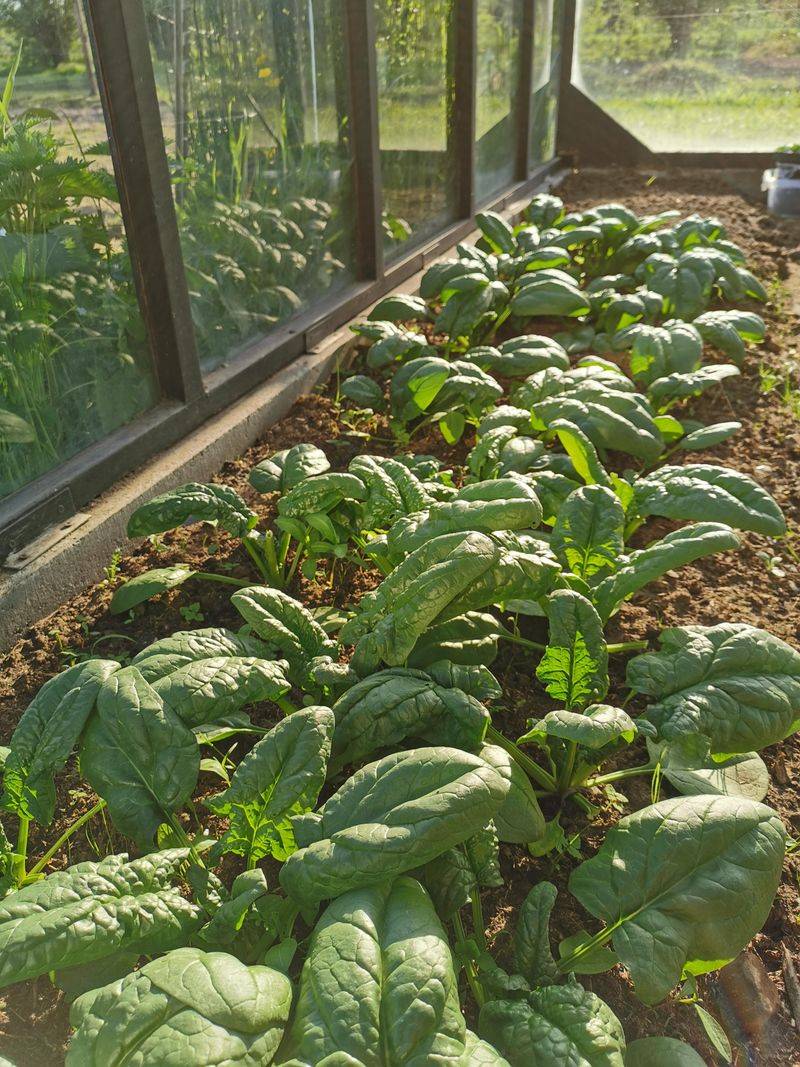
Few crops shrug off a hard freeze like spinach, which can handle nights in the teens under plastic cover. Purdue Extension notes that cold-hardy greens like this one fit well in unheated high tunnels across Indiana.
Timing matters a lot, since spinach grows very slowly once daylight drops below about ten hours a day. Many growers call this the winter slow period, and it usually runs from late November into January.
Plants sown in September should be well established by now, with full leaves ready to hold through winter. If you sow seeds in early October, expect smaller plants that wake up and grow again in February.
Harvest outer leaves only, leaving the center crown alone so the plant keeps pushing out new growth. Picking frozen leaves causes mushy damage, so wait until midday when the plants have thawed and softened.
A layer of row cover inside the greenhouse adds several degrees of protection on the coldest, clearest nights. Pull it back on sunny days, because trapped heat and moisture can invite mold on tender leaves.
Varieties such as Giant Winter and Space are popular choices for cold seasons in a protected house. They handle chilly soil well and resist bolting once the longer, brighter days return in early spring.
Water lightly in winter, since cold soil dries slowly and soggy roots struggle far more than thirsty ones. A handful of fresh spinach in January feels like a small reward every gardener deserves to enjoy.
2. Kale That Grows Sweeter In The Cold
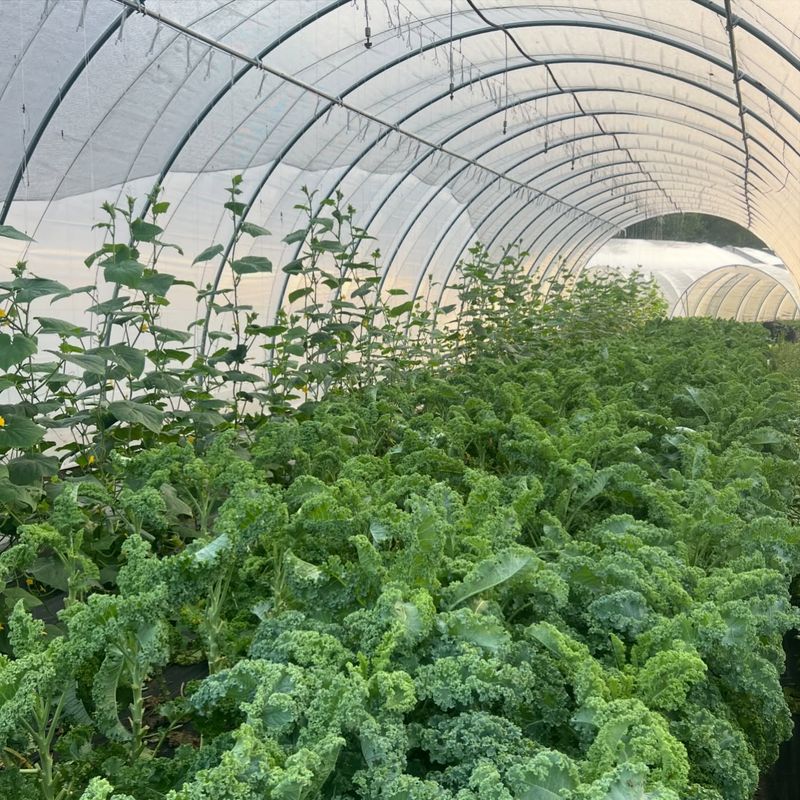
Kale has a sneaky trick up its sleeve, because cold weather pushes the plant to store extra sugar. That sugar works like a natural antifreeze, and it makes the leaves taste noticeably sweeter after frost.
In an Indiana greenhouse, kale often keeps producing leaves well into December before slowing down for winter. Mature plants can tolerate temperatures near ten degrees, especially when a row cover adds extra shelter.
Transplants set out in late summer are your best bet, since they reach good size before short days. Smaller October plantings still help, but they mostly sit quietly until the light returns in late winter.
Your Indiana Garden Changes Every Week. Your Plan Should Too.
Gardening in Indiana changes quickly throughout the season. Every Friday you’ll receive a simple weekly plan showing exactly what to plant, prune, fertilize, harvest, and protect so you never miss the right timing.
Curly types like Winterbor hold up well, while Lacinato, also called dinosaur kale, brings bumpy blue-green leaves. Red Russian is another tender option that looks lovely with its purple stems glowing under winter sun.
Pick the lower leaves first and let the top rosette keep growing, almost like a tiny palm tree. Your plants can stretch surprisingly tall by spring, which often makes visitors laugh at the funny shape.
Watch for aphids hiding under leaves, because warm greenhouse days can let small colonies build up quickly. A strong spray of water or insecticidal soap usually keeps these sap-sucking pests under good control all season.
Kale also bounces back fast in February, giving you fresh greens weeks before the outdoor garden wakes. Toss a few leaves into soup on a gray day, and you will taste exactly what cold weather built.
3. Lettuce For Fresh Winter Salads
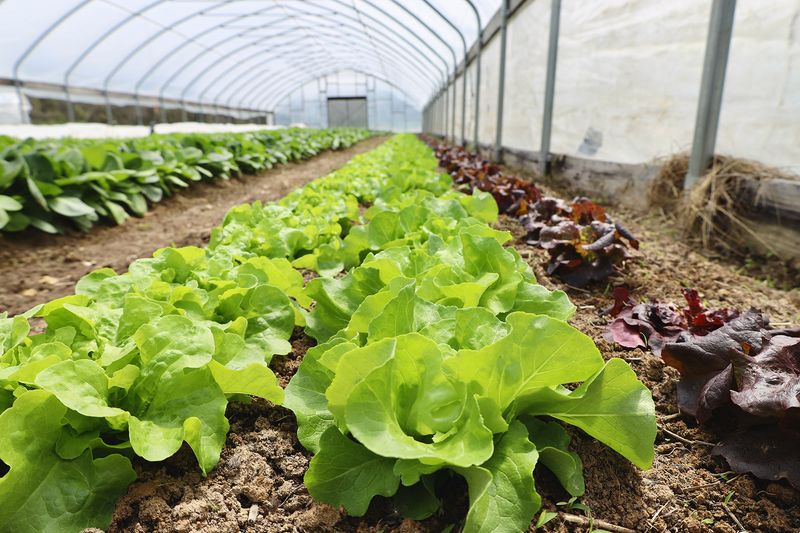
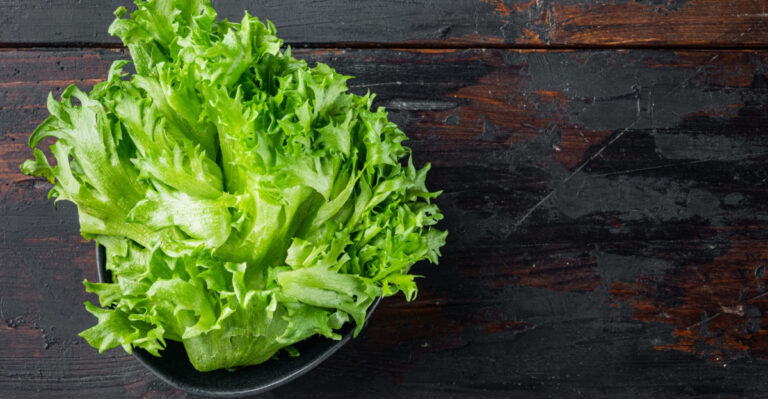
Fresh salad in the middle of winter sounds like a luxury, yet lettuce makes it surprisingly easy. Leaf lettuce handles light frost well, though it is less tough than spinach or kale in deep cold.
Most types start to struggle when temperatures dip into the low twenties without any extra row cover. For that reason, Indiana growers often pair a greenhouse with a second layer of fabric on frigid nights.
Cold-tolerant varieties make a real difference, so look for names like Winter Density or Arctic King. Red leaf types such as Rouge d’Hiver also handle chilly weather and add a lovely pop of color.
Sow seeds in early October for baby leaves, and try small batches every couple of weeks for variety. Lettuce germinates nicely in cool soil, which makes fall a friendly season for getting new rows started.
Cut-and-come-again harvesting works beautifully here, since you snip outer leaves and let the center keep growing. Growth slows a lot in December, so plan to harvest lightly and let the plants rest through January.
Good airflow helps prevent gray mold and downy mildew, which love damp air and crowded leafy beds. Open vents on mild sunny afternoons, and water early in the day so the leaves dry before evening.
I still remember my first January salad, crisp and cold, picked while snow piled up outside the door. That simple bowl of greens felt special, and it convinced me that winter gardening is worth the effort.
4. Carrots Sown For Sweet Winter Roots
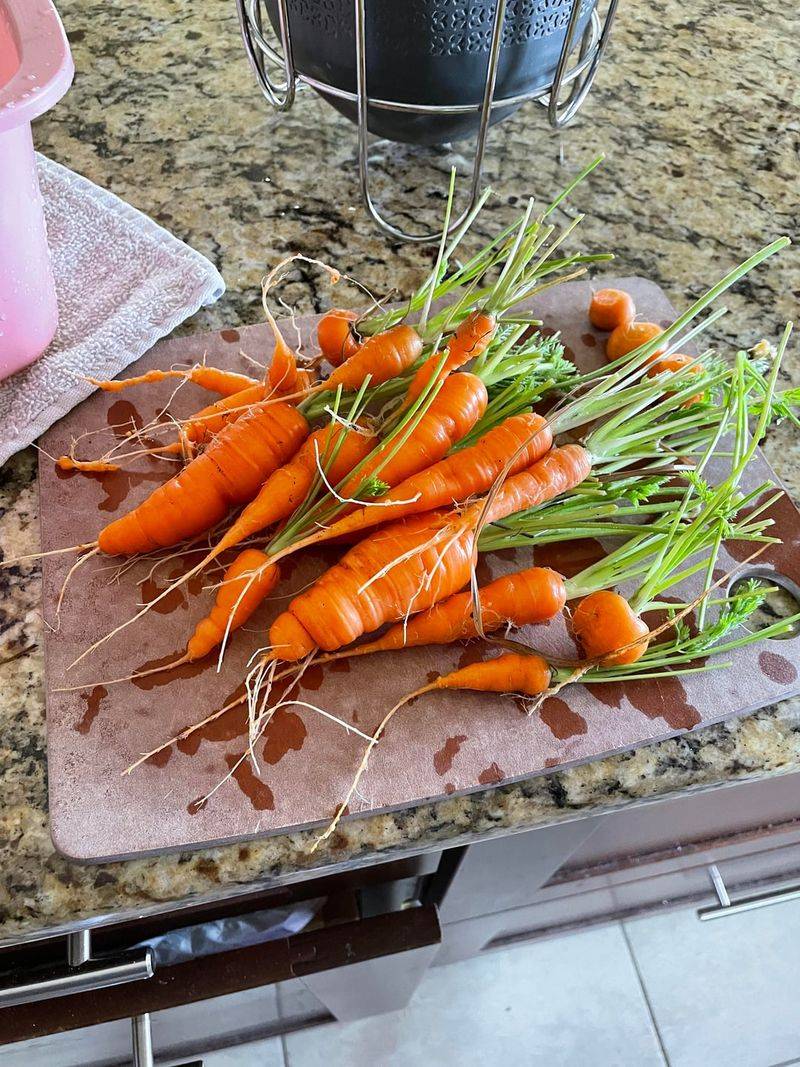
Did you know that carrots left in cold ground can taste noticeably sweeter by midwinter? Chilly temperatures cause the roots to convert starch into sugar, which protects cells and sweetens every crunchy bite.
Carrots grow slowly, so most greenhouse plantings for winter go in from August through early September. By October, those roots are sizing up nicely and will hold in the cold soil for months.
Seeds sown in October often stay small through winter, then race to finish once days lengthen in February. That gives you an early spring crop, which is a sweet reward after a long Indiana winter.
Keep the seedbed evenly moist, because carrot seeds are tiny and can take two weeks to sprout. A board or burlap laid over the row holds moisture well, but remove it once seedlings appear.
Loose, deep soil helps roots grow straight, so work in compost and remove stones before you plant. Nantes types like Napoli and Bolero are favorites for winter growing because they handle cold very well.
Thin seedlings to about two full inches apart, or the crowded roots will twist around each other. Snack on the thinnings, since baby carrot greens and tiny roots taste fresh and slightly earthy in salads.
On harvest days, loosen the soil with a fork before pulling, especially when the ground feels stiff with cold. Rinse them off, take a bite, and notice how much sweeter they taste than store-bought carrot bags.
5. Pansies For Winter Color
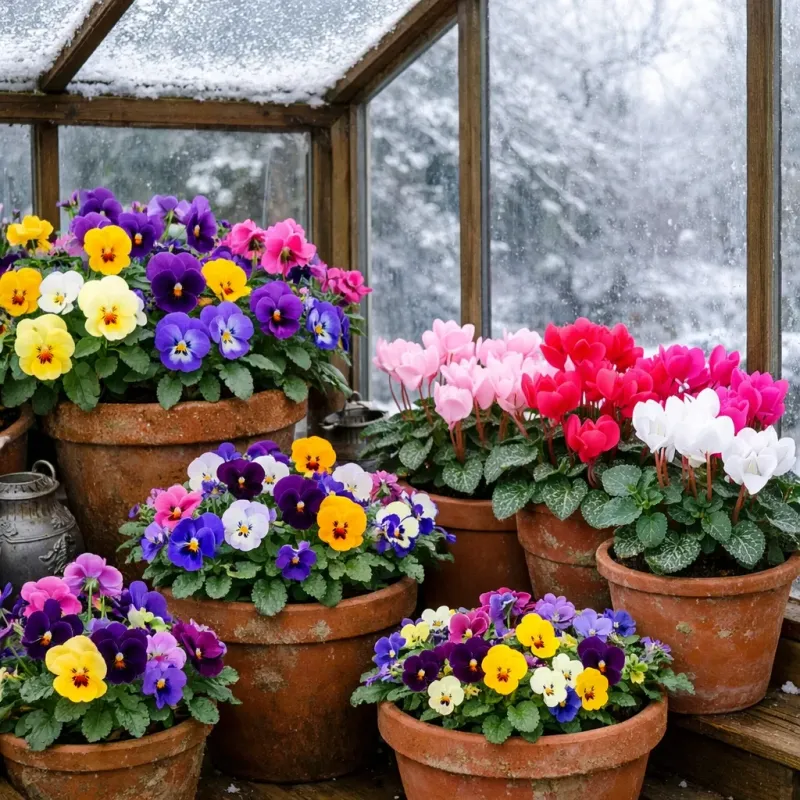
Bright little faces peeking out on a frosty morning can lift your mood faster than hot cocoa. Pansies are tough cool-season flowers, and they often bloom on and off through winter under cover.
Inside a cold greenhouse, they can handle temperatures in the teens once their roots are well established. Plant them in early to mid October, so they have several weeks to settle before hard freezes arrive.
Series like Cool Wave and Matrix are bred for vigor, and many gardeners trust them for winter color. Violas, their smaller cousins, are often even hardier and produce loads of cheerful blooms in cold weather.
Pinch off faded flowers regularly, because removing old blooms encourages the plant to keep making new buds. Spent blooms left behind can also turn moldy, especially when greenhouse air stays damp for days.
Water pots in the morning and let the soil surface dry slightly between drinks to protect the roots. A light feeding with a diluted liquid fertilizer once a month keeps the foliage green during short days.
Many Indiana gardeners move their greenhouse pansies outdoors in March, giving porches a head start on color. Those plants are already sturdy and blooming, so they settle in much faster than fresh nursery transplants.
As a fun bonus, pansy and viola flowers are edible and look charming scattered over a winter salad. Just skip any blooms that were treated with pesticides, and rinse them gently before you serve them.
6. Rosemary With A Little Extra Protection
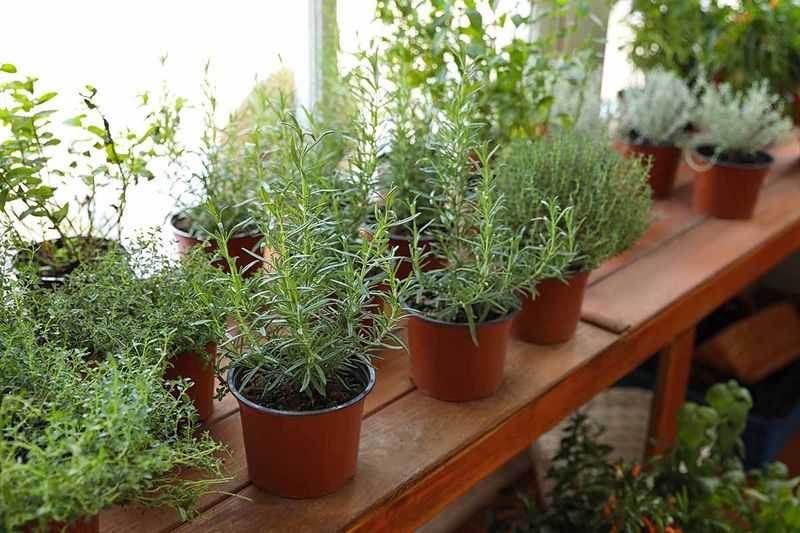
Rosemary carries the sunny scent of the Mediterranean, but its roots were not built for Midwest winters. Most varieties are only hardy to about zone seven, while much of Indiana sits in zones five and six.
An unheated greenhouse helps, but frigid nights can still freeze potted roots solid and cause serious damage. Plan to keep rosemary above about twenty degrees, and slightly warmer is even better for steady health.
Bring potted plants inside the greenhouse in October, before the first hard freeze sneaks in some clear night. Group the pots together on a bench, since raised shelves keep roots away from the coldest floor air.
Wrapping containers in bubble wrap or burlap gives extra insulation, and a frost blanket helps on bitter nights. A small heater set just above freezing can also make a big difference during deep cold snaps.
Overwatering is the most common winter problem, because cool roots sit soggy and start to rot quickly. Let the top inch of soil dry out between waterings, but keep the root ball from turning bone dry.
Watch closely for powdery mildew, which shows up as a white dusty coating on the needle-like leaves. Good airflow and plenty of sunlight reduce the risk, so avoid crowding pots too tightly on the bench.
Arp and Madeline Hill are known as hardier varieties, though they still benefit from greenhouse shelter in winter. Brushing your hand across the branches on a gray afternoon releases a piney scent that feels like summer.
7. Geraniums In A Heated Greenhouse
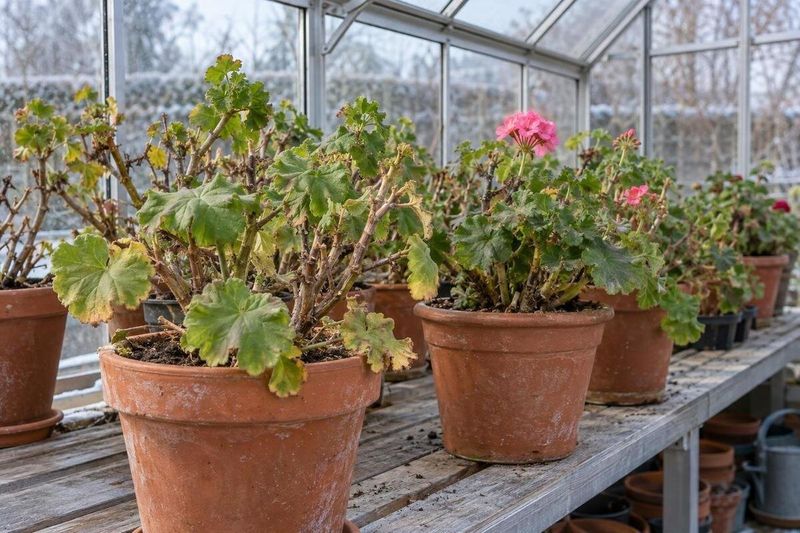
My grandmother kept her red geraniums going for years, and I later learned a greenhouse makes that easy. Zonal geraniums are tender perennials from South Africa, so frost harms them quickly without any steady heat.
Keep night temperatures around forty-five to fifty-five degrees, which lets plants rest without suffering cold injury. Warmer settings encourage more blooms, but they also raise your heating bill during the darkest Indiana months.
Bring plants in before the first frost, which often arrives in October across much of the state. Check leaves and stems carefully for whiteflies or aphids, because tiny hitchhikers spread fast in warm spaces.
Cut leggy stems back by about one-third, which keeps plants compact and easier to fit on benches. Those trimmed pieces root easily in moist potting mix, giving you free plants for next year.
Geraniums like to dry out between waterings, so water deeply and then wait until the soil feels dry. Soggy pots in cool weather invite root rot and botrytis, a fuzzy gray mold that spreads on damp leaves.
Give them the brightest spot available, since weak winter light can make stems stretch and leaves turn pale. Skip heavy feeding until late winter, when longer days signal the plants to start growing actively again.
Old plants can grow woody and thick after a few seasons, almost like small shrubs in clay pots. Some gardeners love that rustic look, and a well-kept geranium can easily become a cherished family heirloom.
8. Potted Citrus With Steady Warmth
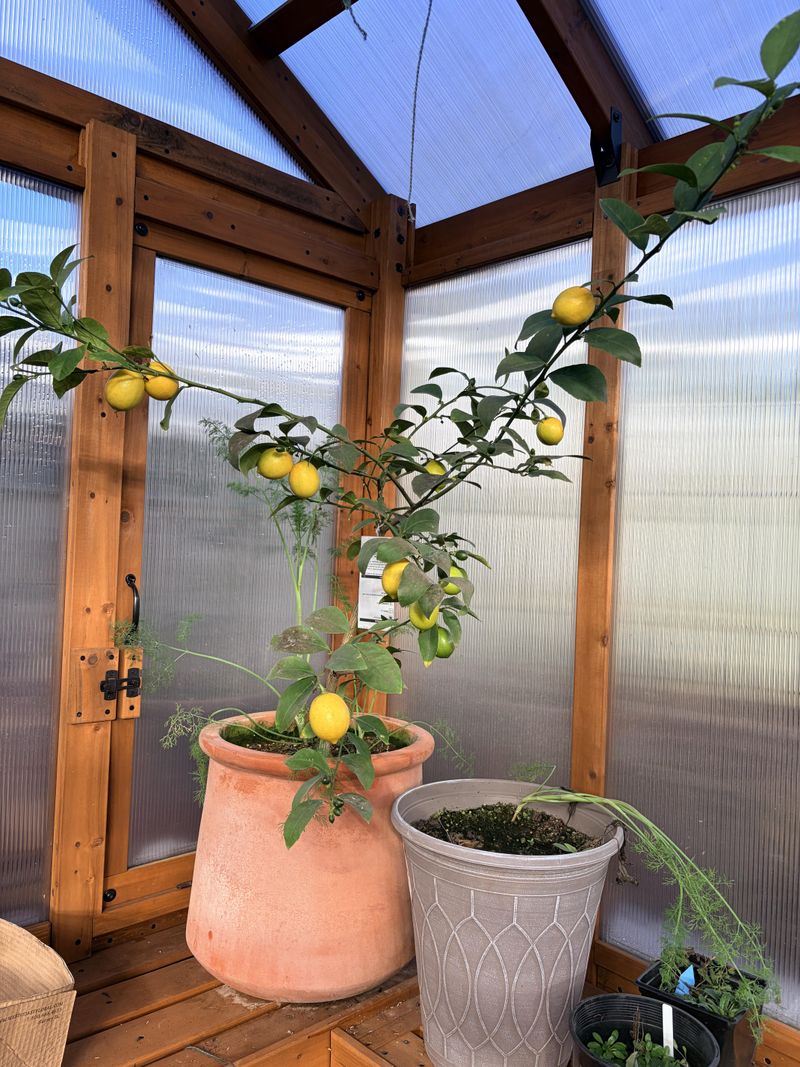
Growing lemons in the Midwest sounds a little wild, yet potted citrus can thrive with steady winter warmth. Meyer lemons and kumquats are popular choices because they stay fairly compact and fruit well in containers.
Most citrus suffers damage below about thirty-two degrees, so an unheated greenhouse rarely works through deep winter. Aim for nights between forty-five and fifty-five degrees, with daytime temperatures climbing into the sixties or seventies.
Move pots inside in October before nights dip below fifty, since sudden chills can cause heavy leaf drop. Hose down the leaves before the move, because scale insects and mites love to ride along indoors.
Citrus wants as much light as possible, so place the pots in your sunniest corner facing south. Water only when the top inch of soil feels dry, since cool roots sit wet for a long time.
Heated greenhouse air often turns dry, and low humidity can make citrus drop leaves or tiny flower buds. Setting pots on trays filled with wet pebbles adds gentle moisture without leaving the roots in standing water.
Feed lightly with a citrus fertilizer during winter, since these trees need nitrogen and micronutrients like iron. Yellow leaves with green veins often point to a nutrient shortage, especially when the soil stays cold.
Meyer lemons often bloom in late winter, filling the greenhouse with a sweet perfume that feels almost tropical. Gently brush pollen between flowers with a small paintbrush, since bees are scarce inside a closed winter greenhouse.