8 Indiana-Friendly Plants Rabbits Usually Leave Alone And Wow The Neighbors
Rabbits will ransack your Indiana garden without a second thought. You step outside on a crisp morning to find your entire border of tender annuals reduced to stubs overnight.
That sting pushes you to rethink everything. Have you been growing food for the rabbits this whole time?
The solution turns out to be hiding in plain sight all along. Nature has quietly engineered certain flowers, herbs, and shrubs to taste bitter, smell sharp, or feel unpleasant to grazing animals.
No plant is completely rabbit-proof, especially when rabbits are hungry or plants are young, but Indiana gardeners have a surprisingly long roster of these natural defenders to choose from. Some of them bloom in colors that stop foot traffic cold.
Others release fragrances so rich they double as garden perfume. Growing rabbit-resistant options does not have to mean sacrificing beauty for practicality.
Both can absolutely coexist in the same garden bed. Why keep replanting doomed favorites when jaw-dropping beauty has been waiting in your backyard all along?
1. Lavender
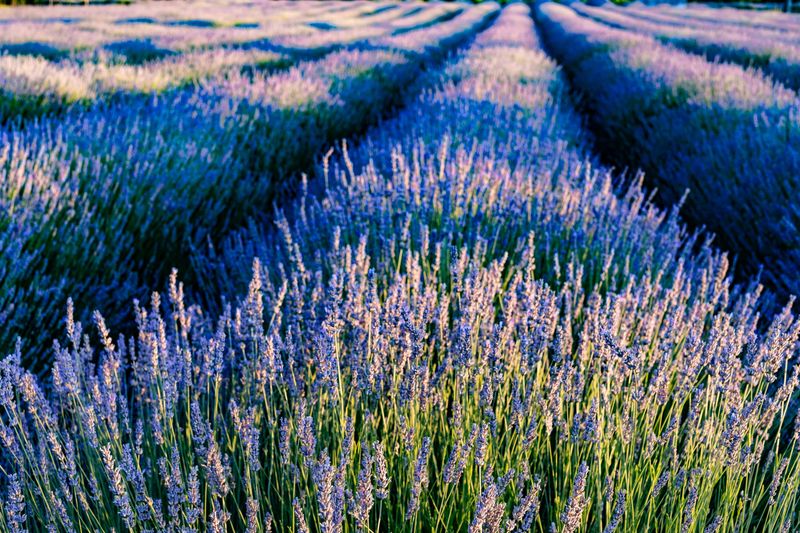
Lavender is basically a no-entry sign for rabbits. This classic herb produces oils so strong and pungent that most garden pests simply turn around and find someone else’s yard to raid.
Plant it along borders or near vegetable beds, and you create a natural barrier that works around the clock.
Lavender can thrive in full sun and well-drained soil, which makes it a wonderful match for Indiana’s warm summers.
It does not need much water once established, so forgetful gardeners will find it surprisingly forgiving. The silver-green foliage stays attractive even when the purple blooms fade, giving your garden year-round texture.
Pollinators go absolutely wild for lavender, so expect bees and butterflies to visit constantly throughout the season. That buzzing, fluttering activity adds a lively energy to any backyard space that no store-bought decoration can match.
Choose compact varieties like ‘Munstead’ or ‘Hidcote’ for smaller beds, or let ‘Vera’ stretch out in a wide open spot.
Harvest the stems in midsummer and hang them to dry indoors for sachets, cooking, or simple home fragrance.
Lavender is one of those rare plants that works overtime for you, repelling pests, feeding pollinators, and filling your home with a calming scent. Once you plant it, you will wonder how your garden ever survived without it.
2. Russian Sage
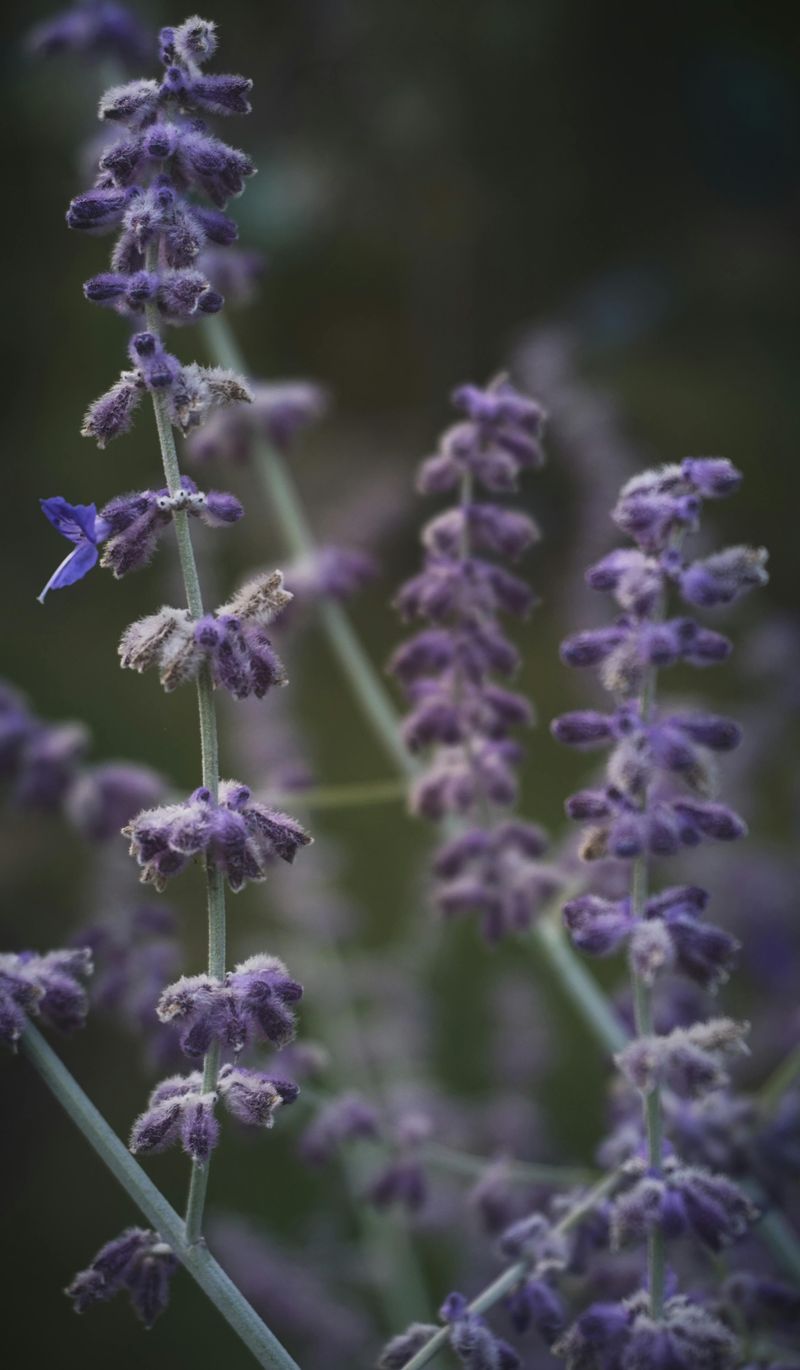
Russian sage stops you cold the moment afternoon light hits those wispy blue-purple spires. Rabbits want nothing to do with it, largely because the stems and leaves carry a sharp, medicinal scent that makes the plant deeply unappealing as a snack.
For gardeners dealing with persistent nibbling, this plant is practically a miracle worker. Russian sage grows tall, often reaching four feet or more, which makes it perfect for the back of a border where it can show off without crowding shorter plants.
It loves full sun and tolerates dry spells with impressive grace, asking for very little in return for months of color. Indiana summers can be brutal, but this plant barely blinks.
Your Indiana Garden Changes Every Week. Your Plan Should Too.
Gardening in Indiana changes quickly throughout the season. Every Friday you’ll receive a simple weekly plan showing exactly what to plant, prune, fertilize, harvest, and protect so you never miss the right timing.
The silvery stems add a ghostly, elegant texture even before the flowers open, giving your garden visual interest from late spring onward.
Once the blooms appear, they attract hummingbirds and pollinators in impressive numbers, turning your yard into a buzzing, fluttering paradise. Pair it with ornamental grasses or coneflowers for a combination that looks effortlessly designed.
Cut it back hard in early spring to keep the shape tidy and encourage fresh, vigorous growth. Russian sage is one of those plants that rewards minimal effort with maximum drama, which is exactly the kind of gardening math most of us appreciate.
Plant it once, and it will come back stronger every season, quietly guarding your garden while looking absolutely spectacular.
3. Catmint ‘Walker’s Low’
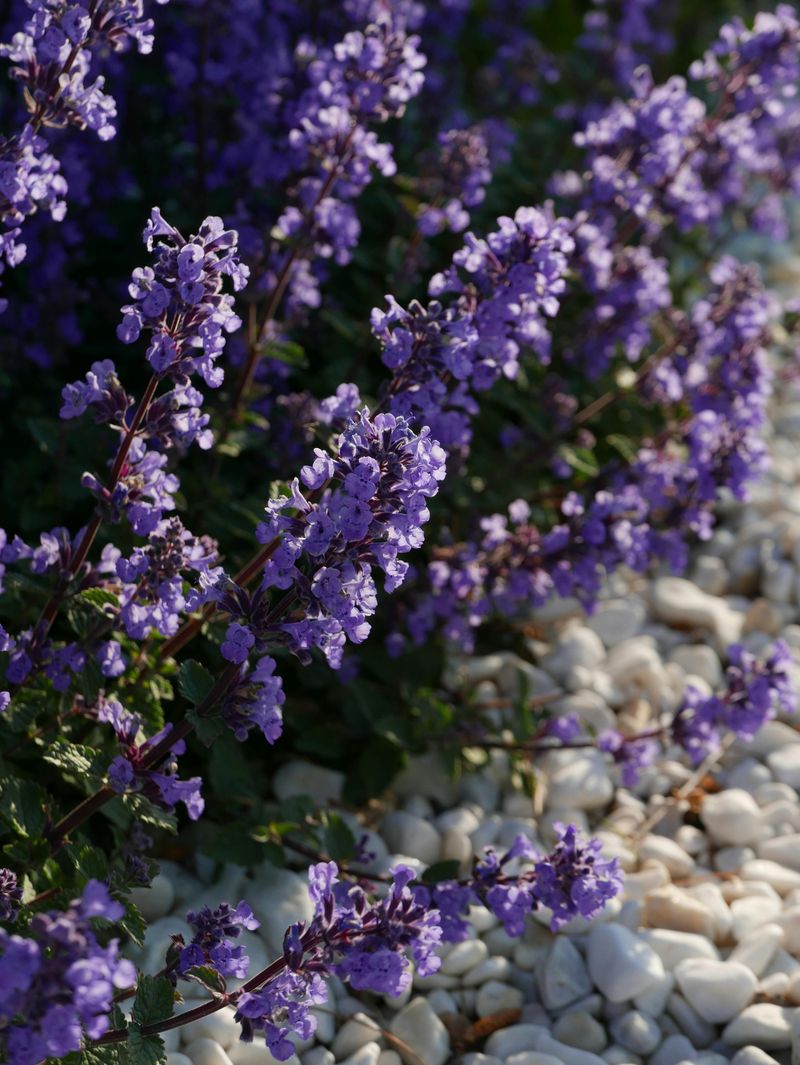
Walker’s Low’ catmint spills over garden edges in lush, cascading mounds that look anything but low. Rabbits find the strong minty scent completely repulsive, which means this plant pulls double duty as both a showstopper and a garden guardian.
It blooms in waves of lavender-blue from late spring through fall, giving you color for months without much effort at all.
Shear it back by about half after the first big flush of blooms, and within a few weeks it rebounds with a fresh round of flowers.
That kind of repeat performance is rare, and gardeners who discover it tend to add catmint to every bed they own. Full sun and average soil are all it needs to thrive, making it an easy win for beginners and veterans alike.
Bees are absolutely obsessed with catmint, and a blooming patch will hum with activity from morning until evening on warm days.
The soft gray-green foliage smells pleasantly minty when brushed, which is a bonus for anyone who walks near the garden regularly.
Plant it along pathways or at the front of a border where the cascading habit can really shine. Indiana winters do not bother ‘Walker’s Low’ at all since it is reliably hardy and returns each spring with enthusiasm.
For gardeners who want a low-maintenance, rabbit-resistant plant that never stops performing, this is the one to reach for first. Your garden edges will look polished and purposeful all season long.
4. Salvia ‘May Night’
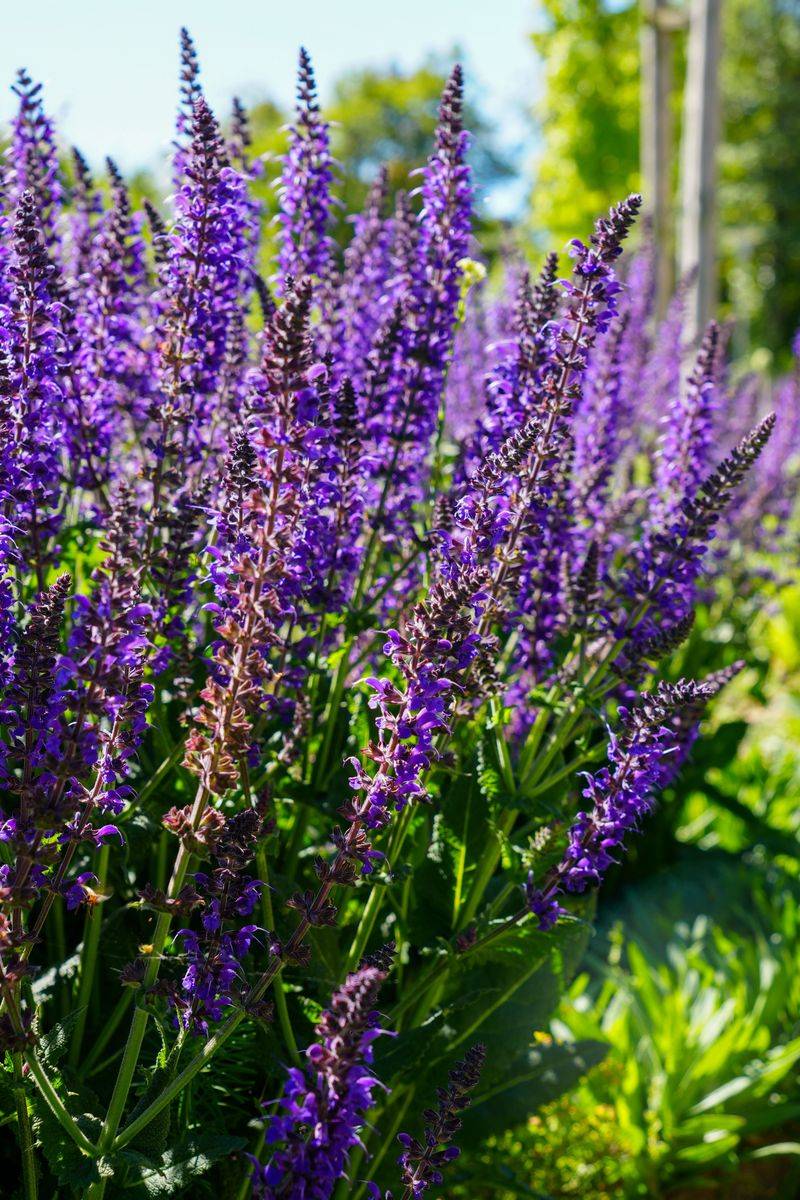
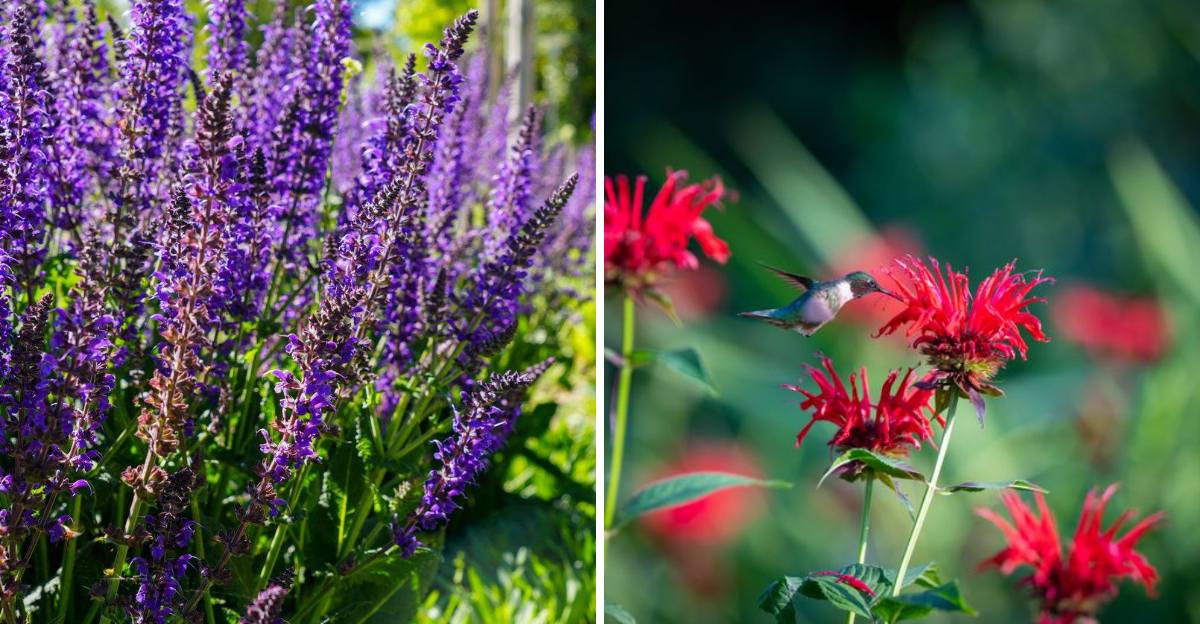
‘May Night’ salvia does not ease into spring. It arrives in deep indigo-purple spikes and makes itself known.
Rabbits avoid salvias almost universally because the aromatic leaves contain oils that taste bitter and smell sharp to their sensitive noses.
For Indiana gardeners who have lost hostas or annuals to rabbit damage, switching to ‘May Night’ feels like a revelation.
This plant earned the Perennial Plant of the Year award back in 1995, and it has been earning fans ever since.
It blooms heavily in late spring, then rebounds after a trim for a second show in late summer. Full sun and well-drained soil keep it happy, and it handles dry stretches without complaint.
The dark flower spikes pair beautifully with yellow coreopsis or orange geum, creating a color contrast that looks intentional and sophisticated.
Hummingbirds and bumblebees treat ‘May Night’ like a favorite restaurant, returning again and again throughout the blooming season. That wildlife activity brings a natural energy to the garden that photographs cannot fully capture.
Cut the spent flower stems back to the basal foliage after each bloom cycle to encourage fresh growth and a tidy appearance.
This salvia stays compact, reaching about eighteen inches tall, which makes it versatile enough for containers, borders, or mass plantings.
Gardeners who plant it once rarely stop at just one clump, because the performance is simply too good to keep contained to a small space.
5. Coneflower
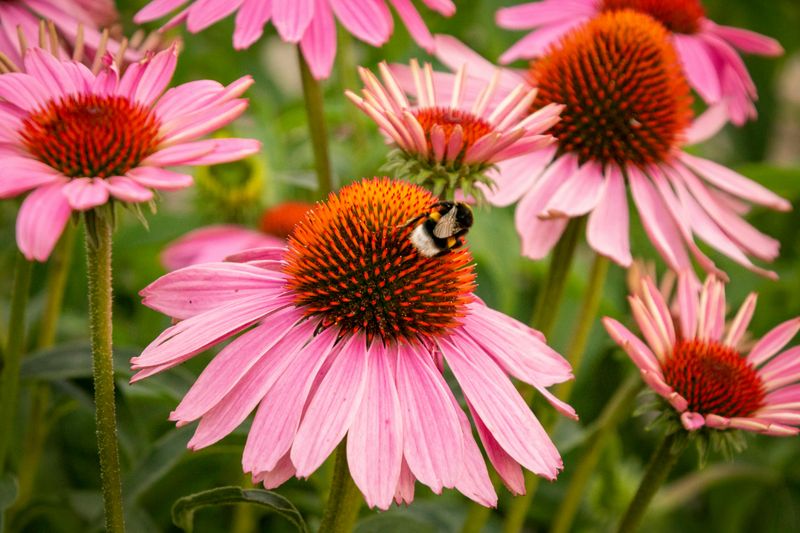
Coneflowers are built for the long game and rabbits know it. The coarse, slightly scratchy foliage and strong-scented leaves make coneflower a less appealing snack for rabbits.
Young plants can still attract nibbling, so a little protection while they settle in goes a long way.
Blooms range from classic rosy-pink to deep red, golden yellow, and creamy white, so there is a shade to suit every garden palette.
Native to the prairies of the central United States, coneflowers are perfectly adapted to Indiana’s climate and soil conditions.
They handle summer heat and occasional drought without drama, bouncing back from tough conditions that would send more delicate plants into retreat.
Plant them in full sun or light afternoon shade for the best bloom production throughout the season.
Goldfinches are famously devoted fans of coneflower seed heads. Leave the spent blooms standing through winter and you feed local birds while adding sculptural interest to the garden.
That combination of wildlife value and low maintenance makes coneflowers a staple in naturalistic and traditional gardens alike.
They spread slowly by self-seeding, gradually filling in gaps and creating a full, lush look over time. Pair coneflowers with black-eyed Susans and little bluestem grass for a native plant combination that looks stunning from July through frost.
These rabbit-resistant plants bring color, texture, and wildlife activity to any yard without demanding constant attention. A coneflower patch basically takes care of itself, which is the kind of gardening everyone can get behind.
6. Black-Eyed Susan
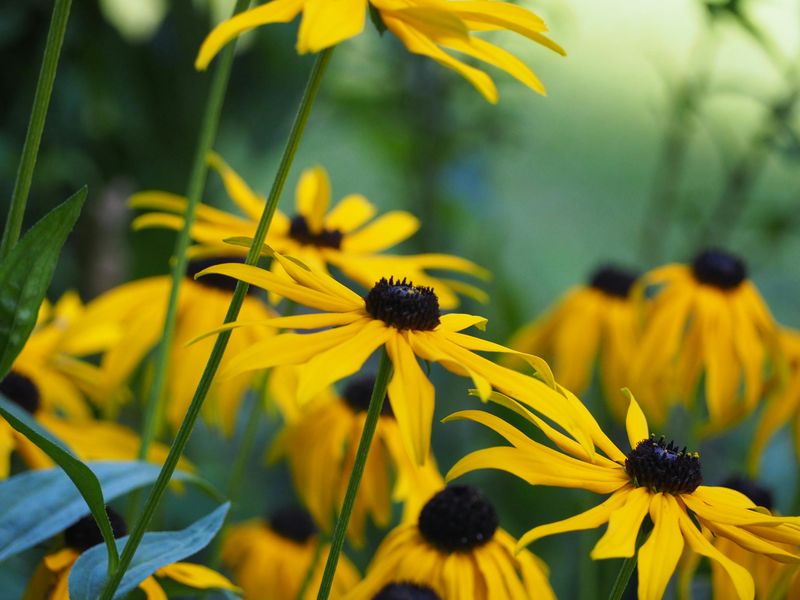
Few summer flowers punch above their weight quite like black-eyed Susans. Rabbits tend to leave established plants alone because the hairy, rough-textured stems and leaves are far less appealing than tender garden annuals.
That said, newly planted black-eyed Susans are more vulnerable, so some protection while they settle in is a smart move.
For gardeners who want big, reliable color without the heartbreak of finding their plants chewed to the ground, this native wildflower delivers.
Black-eyed Susans bloom from midsummer into fall, filling the gap when spring perennials have faded and the garden can start to look tired.
They thrive in full sun and tolerate poor, dry soil with remarkable ease, making them a go-to choice for tough spots in the yard.
Once established, they spread steadily by seed, gradually naturalizing into a swaying, golden mass that looks effortlessly wild.
Butterflies, bees, and other beneficial insects flock to the blooms throughout the season, turning a simple planting into a lively pollinator hub.
The seed heads that follow the flowers attract songbirds in late fall and winter, extending the plant’s value well beyond its bloom time.
Leave those seed heads standing and let nature take care of the winter bird feeding for you.
Pair black-eyed Susans with purple coneflowers or blue salvia for a color combination that practically glows in the afternoon sun.
These rabbit-resistant plants are native to Indiana, which means they support local ecosystems while making your yard look absolutely stunning.
Few plants work as hard and ask for as little, making them an almost unfair advantage for any gardener willing to give them a try.
7. Bee Balm
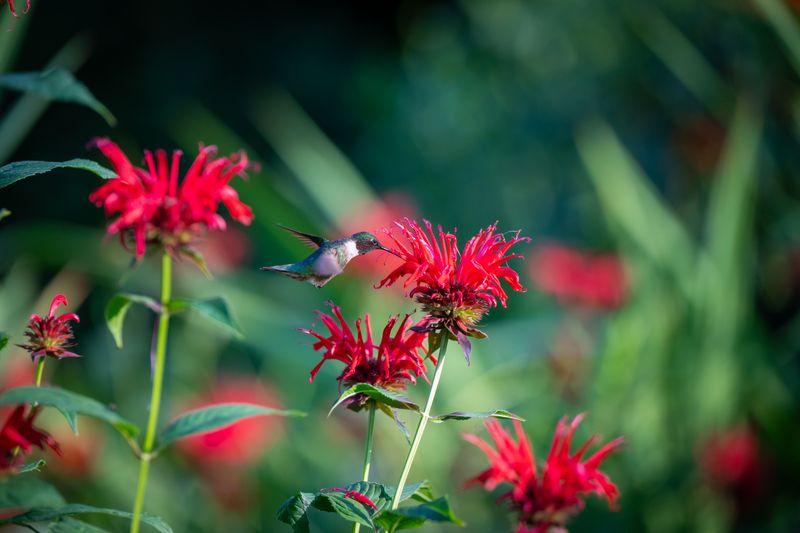
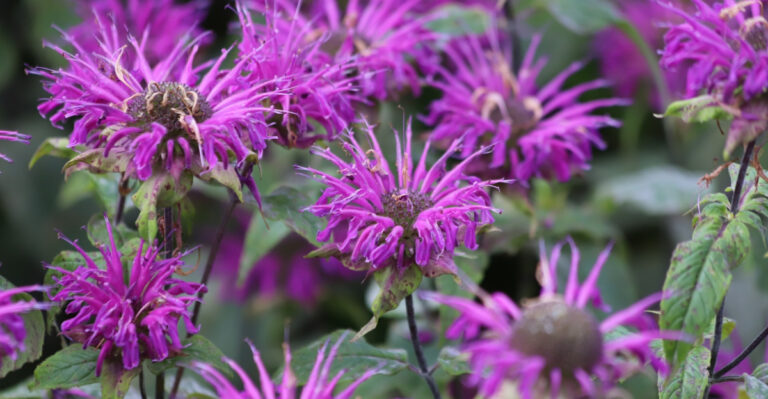
Bee balm hits you before you even see it. That spicy, oregano-like fragrance is completely irresistible to you, but rabbits want nothing to do with it.
The strong aromatic oils in the leaves make this plant one of the most effective natural deterrents you can add to a garden bed.
Hummingbirds, bumblebees, and sphinx moths treat a blooming patch of bee balm like a neighborhood gathering spot. That constant flutter and buzz makes the garden feel alive in a way that no ornament or fountain can replicate.
Bee balm prefers moist, well-drained soil and performs best in full sun to partial shade, which gives it flexibility across different garden conditions.
Good air circulation helps slow powdery mildew. It remains a real challenge in Indiana’s humid summers, even with resistant varieties.
Space plants about eighteen to twenty-four inches apart and divide clumps every few years. Bee balm spreads steadily by rhizomes and can take over a bed if left unchecked.
Look for mildew-resistant varieties like ‘Jacob Cline’ or ‘Raspberry Wine’ for the best results with the least hassle.
The dried leaves make a pleasant herbal tea, connecting your garden to your kitchen in a satisfying and practical way.
Bee balm blooms from midsummer into early fall, bridging the gap between early perennials and late-season color. For rabbit-resistant plants that also attract wildlife and offer kitchen-friendly benefits, bee balm is genuinely hard to beat.
8. Little Bluestem
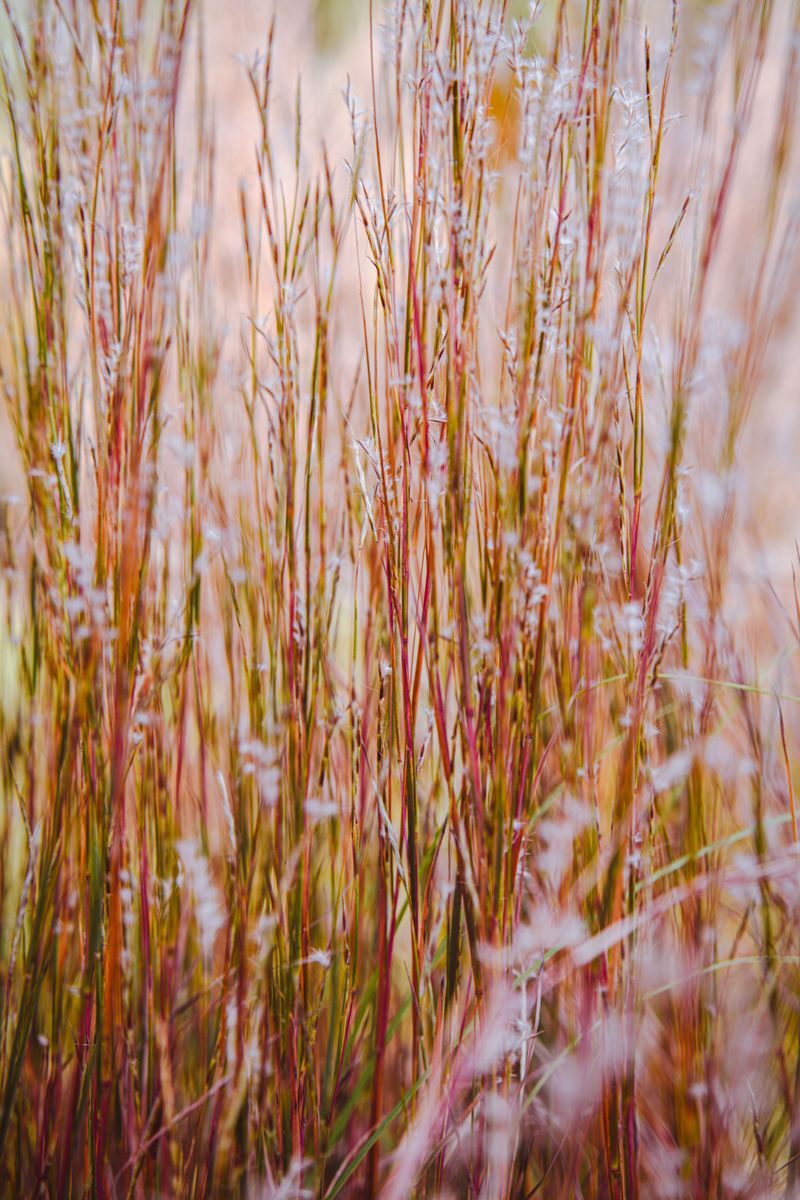
Little bluestem saves its best for last. Come fall, it blazes copper, orange, and burgundy.
Rabbits rarely bother ornamental grasses, and little bluestem is no exception because its tough, fibrous blades simply do not appeal to nibbling wildlife.
For gardeners who want four-season interest with minimal upkeep, this native grass is a genuine standout.
Little bluestem is native to the tallgrass prairies that once covered much of the Midwest, which means it is perfectly at home in Indiana’s climate.
It tolerates poor, dry soil, full sun, and summer heat with the kind of quiet resilience that makes other plants look high-maintenance by comparison.
Once established, it rarely needs watering, feeding, or fussing. That process typically takes one to two years, but the payoff is well worth the wait.
The fluffy silver seed heads that appear in late summer catch the light beautifully. That soft, shimmering texture contrasts wonderfully with the bold colors of coneflowers and black-eyed Susans.
Songbirds feed on those seeds throughout the winter months, so leaving the clumps standing is both wildlife-friendly and visually rewarding. A garden with little bluestem in it never looks bare, even in January.
Cut the clumps back to about four inches in late winter before new growth begins, and that is genuinely all the care this plant needs.
For rabbit-resistant plants that also anchor a native plant garden with bold seasonal color, little bluestem earns its place every single year. Plant it once, step back, and watch it quietly steal the show season after season.