Plant These Flowers In October For A Stunning Spring Display
Bulbs planted this fall can give you blooms that stand out come April. You give tulips and hyacinths the long chill they need to flower.
Set them before the ground turns icy, and you gain a head start. Daffodils turn away squirrels, but bulbs harm pets and children if eaten.
Squirrels still love tulips, so you should lay wire mesh over the bed. Place each bulb pointed end up and you earn sturdy stems.
Parrot tulips give you ruffled petals, and hyacinths perfume a whole porch. Crocuses greet you early, sometimes peeking through late snow.
Dig a hole deeper than you expect, since shallow bulbs grow weaker and fade sooner. Warm climates need chilled bulbs, planted later.
Water the bed well, then let the cold do your work. Choose the right bulb, and your street will ask for your secret.
1. Tulips Bring Bold Cups Of Color
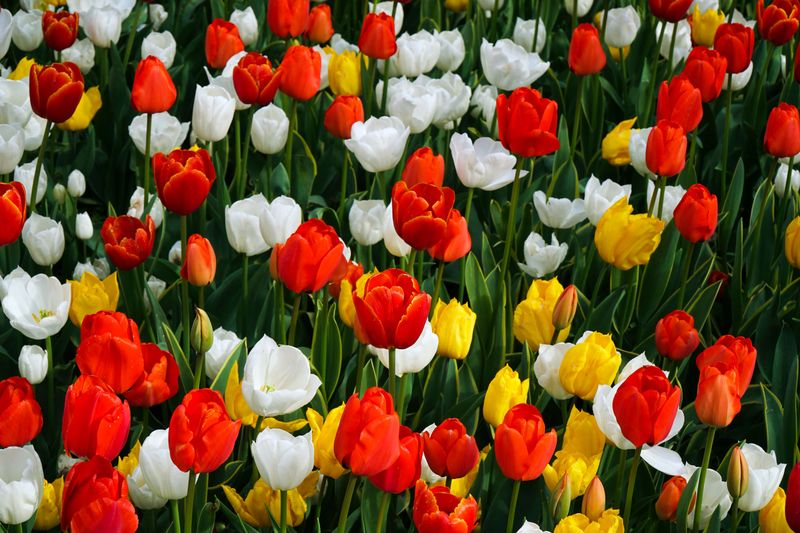
Back in the 1630s, a few rare tulip bulbs in Holland reportedly cost as much as houses. You can grab a whole bag for a modest price at garden centers.
Tulips love a cold winter nap before they bloom. October planting gives the bulbs time to grow roots while the soil still holds a little warmth.
Dig a hole about three times as deep as the bulb is tall. For most standard tulips, that means roughly six to eight inches down into the soil.
Set each bulb pointy side up, like a tiny onion wearing a party hat. Space them about four to six inches apart for a full look.
Pick a sunny spot with soil that drains well after rain. Soggy, heavy ground can make bulbs gradually soften and decay before spring even shows up.
Squirrels dig up bulbs, and deer nibble shoots and blooms. Chicken wire laid over the whole bed blocks squirrels, while deer need fencing or repellent.
For a bold display, plant in big groups of ten or more instead of neat single rows. Mixing early, middle, and late types stretches the show over several weeks.
After blooming, let the leaves turn yellow before you cut them back. Those leaves feed the bulb, though many hybrids bloom less later on.
Colors range from snowy white to nearly black, with stripes and ruffles too. Choose a few favorites and get ready for a garden that looks like candy.
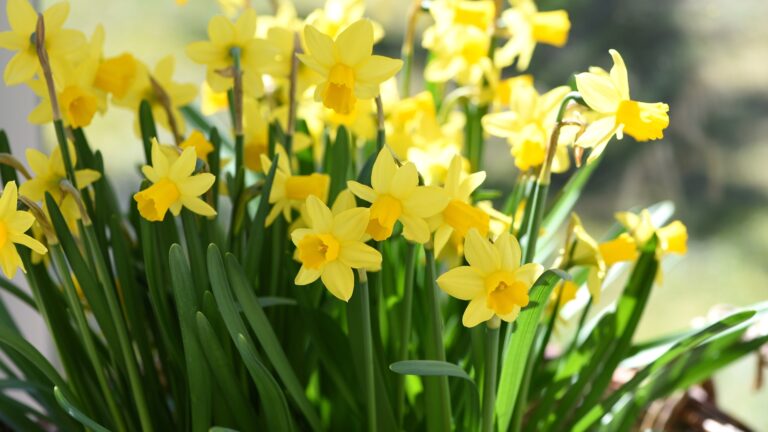
2. Daffodils Add Cheerful Golden Trumpets
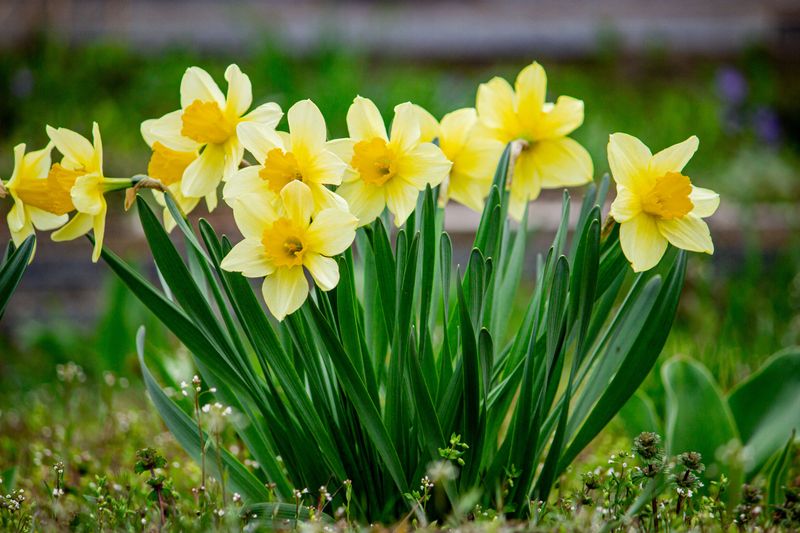
Ask any gardener to name a no-fuss bulb, and daffodils usually top the list. They shrug off cold snaps, poor soil, and even forgetful owners.
Their biggest trick is a natural toxin, harmful to pets and people if eaten. Deer, rabbits, and voles usually avoid them and move on elsewhere.
October is a sweet spot for planting because roots need several weeks to settle in. Aim to finish about a month before the ground freezes hard.
Plant each bulb about six inches deep with the pointed tip facing the sky. Leave around five inches between bulbs so they have room to multiply.
Multiply they will, too, since daffodils make little baby bulbs underground each year. A small patch today can grow into a larger drift over several years.
Full sun gives the best flowers, but light shade under bare trees works fine. Trees leaf out after daffodils finish, so the blooms still get plenty of light.
Try planting them in loose, curvy drifts across a lawn edge or slope. One easy trick is to toss a handful gently and plant them wherever they land.
Varieties go beyond basic yellow, with white petals, orange cups, and even pale pink centers. Some types, like Tete-a-Tete, stay short enough for pots and window boxes.
Once blooms fade, leave the leaves alone for about six weeks. Braiding or cutting them early removes food the bulbs need for next spring.
3. Crocuses Open The Show With Early Spring Color
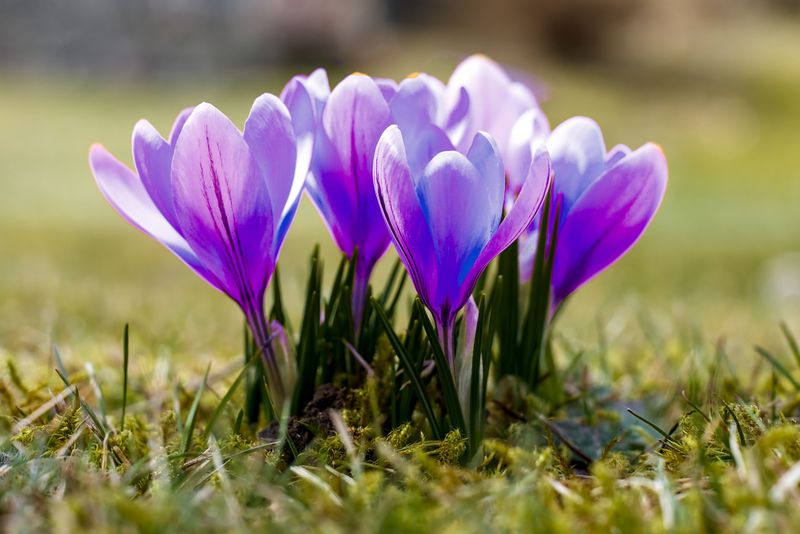
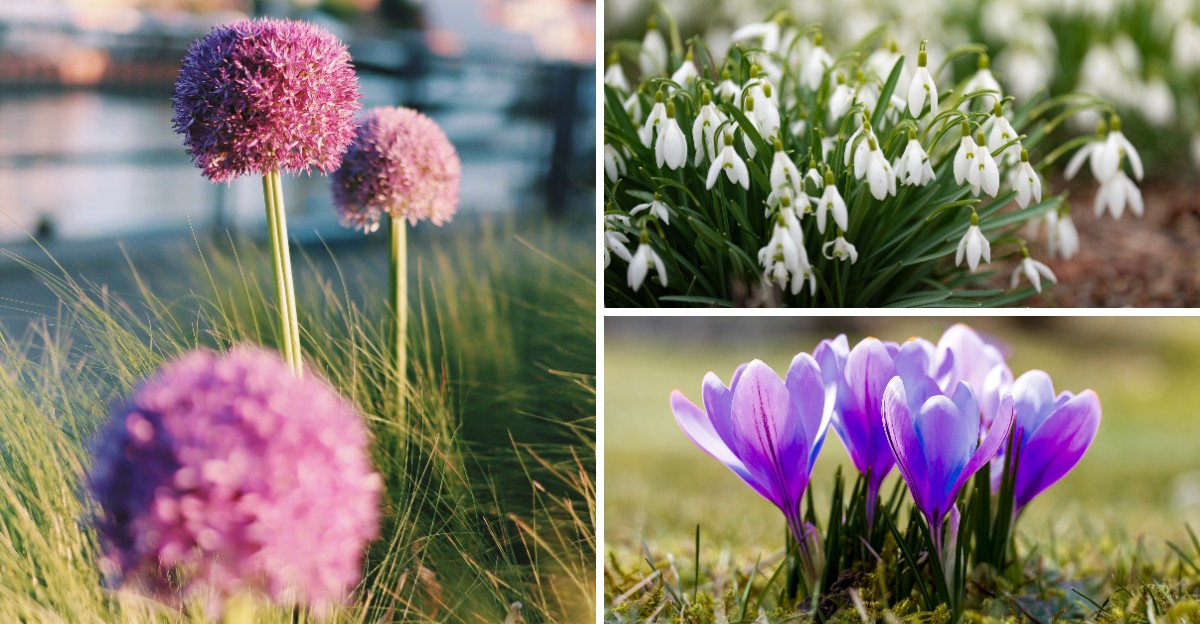
Picture a patch of snow, and then a purple cup poking straight through it. Crocuses are the eager kids of the garden, among the first each spring.
They often bloom in February or March, weeks before most other flowers wake up. That early color is a very welcome sight after a long, gray winter.
Bees love them too, since crocuses offer some of the first pollen of the year. A hungry bumblebee buzzing inside a crocus cup is a sweet sight.
Planting is quick and easy because the corms are small, about the size of a grape. Set them three to four inches deep, flat side down.
Group them closely, about three inches apart, for a carpet look. Twenty or thirty in one spot make a bigger impact than a few scattered around.
A clever idea is planting crocuses right into a sunny patch of your lawn. They bloom early, so wait to mow until their leaves turn yellow in late spring.
Crocuses need sun to open their petals wide. On cloudy, chilly days they stay closed up tight, as if they are pouting about the weather.
Squirrels can dig them up, so cover the area with wire mesh until shoots appear. Some gardeners report that planting daffodils nearby helps keep the critters away.
Colors include purple, white, yellow, and striped mixes with bold, painted-looking petals. The pricey spice saffron actually comes from the fall-blooming Crocus sativus.
4. Hyacinths Fill The Air With Sweet Perfume
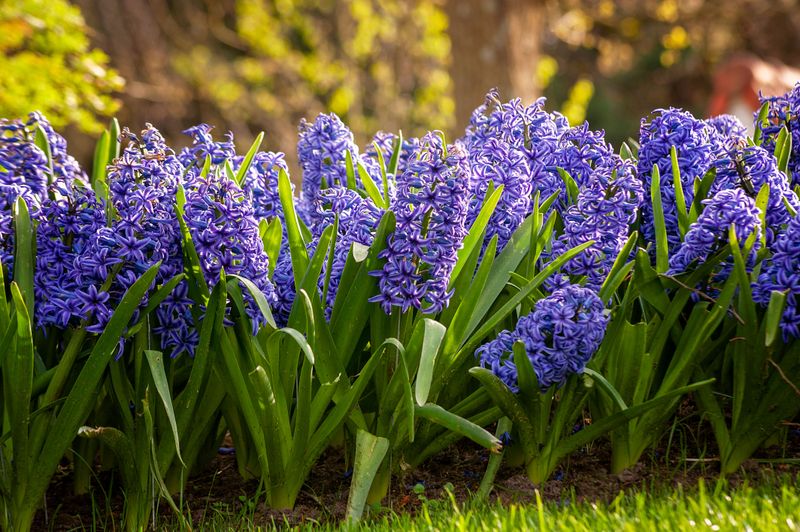
Walk past a blooming hyacinth in April and your nose will notice before your eyes do. Their scent is rich, sweet, and strong enough to fill a whole porch.
Many people remember them from grandma’s front steps or an Easter table. Planting a few now can bring that cozy memory right to your own door.
Each bulb sends up one thick stalk packed with dozens of star-shaped flowers. Colors include deep purple, sky blue, pink, white, and even soft peach.
Plant bulbs about six inches deep and five inches apart in October. A sunny spot with loose, well-drained soil keeps them happy and healthy.
Wear gloves while handling the bulbs, since their papery skin can make hands itchy. Washing up afterward is a smart habit for kids and adults alike.
Put them near walkways, doors, or windows you open in spring. Since the fragrance is the star, you want it close enough to enjoy daily.
Hyacinths also shine in containers on a patio or balcony. Use a pot with drainage holes and fill it with good potting mix.
Expect the first year’s blooms to be the biggest and fullest. In later years, the stalks get looser and more relaxed, which has its own charm.
Pair them with tulips or daffodils for a layered spring look. The mix of shapes and scents makes any garden feel like a cheerful celebration.
Want more blooms indoors? Chilled bulbs can also be forced in water jars for winter flowers.
5. Giant Purple Pom-Poms Rise From Alliums
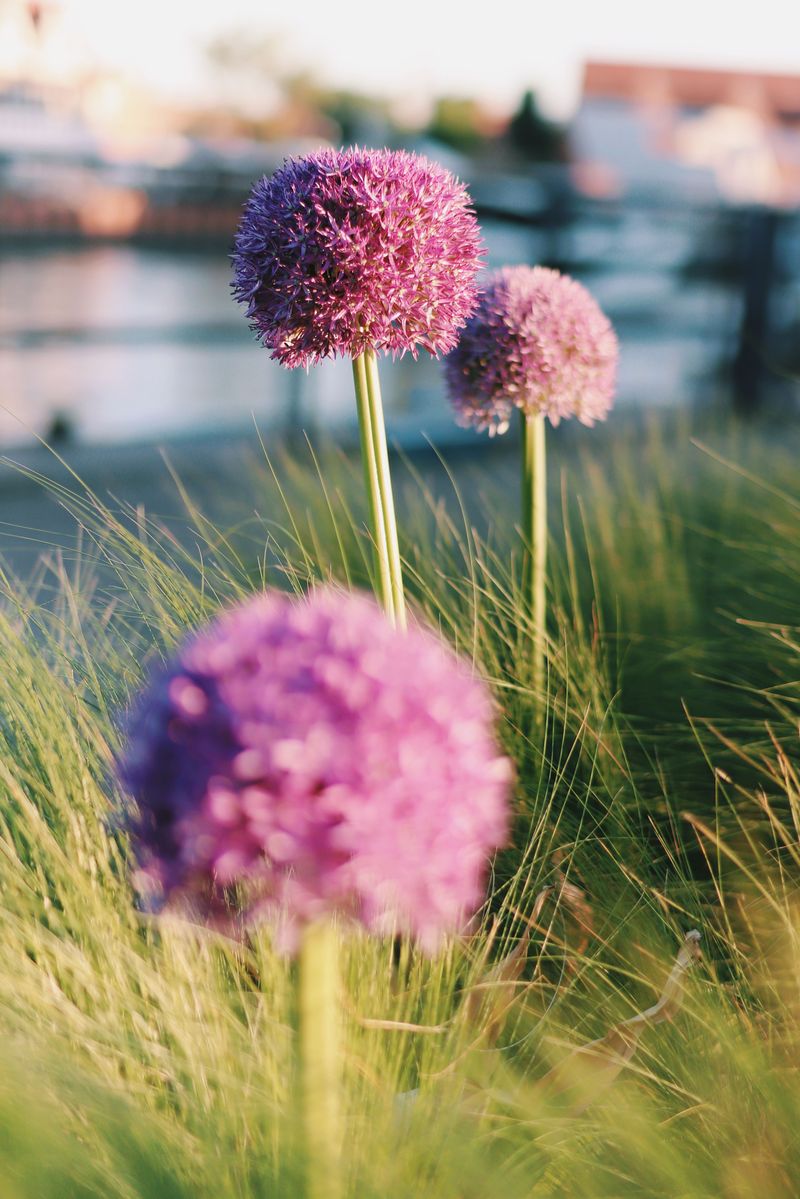
Dr. Seuss would feel right at home in a garden full of alliums. Their round purple heads float on tall stems like balloons at a parade.
Alliums belong to the onion family, which surprises plenty of people. Crush a leaf and you will catch a faint oniony smell.
That smell is a bonus, because deer, rabbits, and squirrels usually leave them alone. Your bulbs can sleep safely all winter without becoming a midnight snack.
Bloom time is late spring, which fills the gap after tulips fade. Some giant types grow flower heads as wide as a softball or bigger.
Plant bulbs about three times as deep as they are tall. Large bulbs may go eight inches down, while smaller ones need only four.
Pick a sunny spot with soil that drains well after heavy rain. Soil that stays wet in winter is the main thing alliums dislike.
Their leaves often turn yellow and floppy right as the flowers open. Hide them by planting alliums behind leafy perennials like catmint or hostas.
Pollinators are drawn to them, so expect bees and butterflies to visit often. Watching a fuzzy bee circle a purple globe is a rewarding sight.
Even after the color fades, the dried seed heads look like starry sculptures. Leave them standing for interest or snip them for indoor arrangements.
Popular choices include Globemaster, Purple Sensation, and the spiky Schubert allium. Buy a few different kinds for a staggered, playful skyline in your beds.
6. Tiny Blue Carpets Spread From Grape Hyacinths
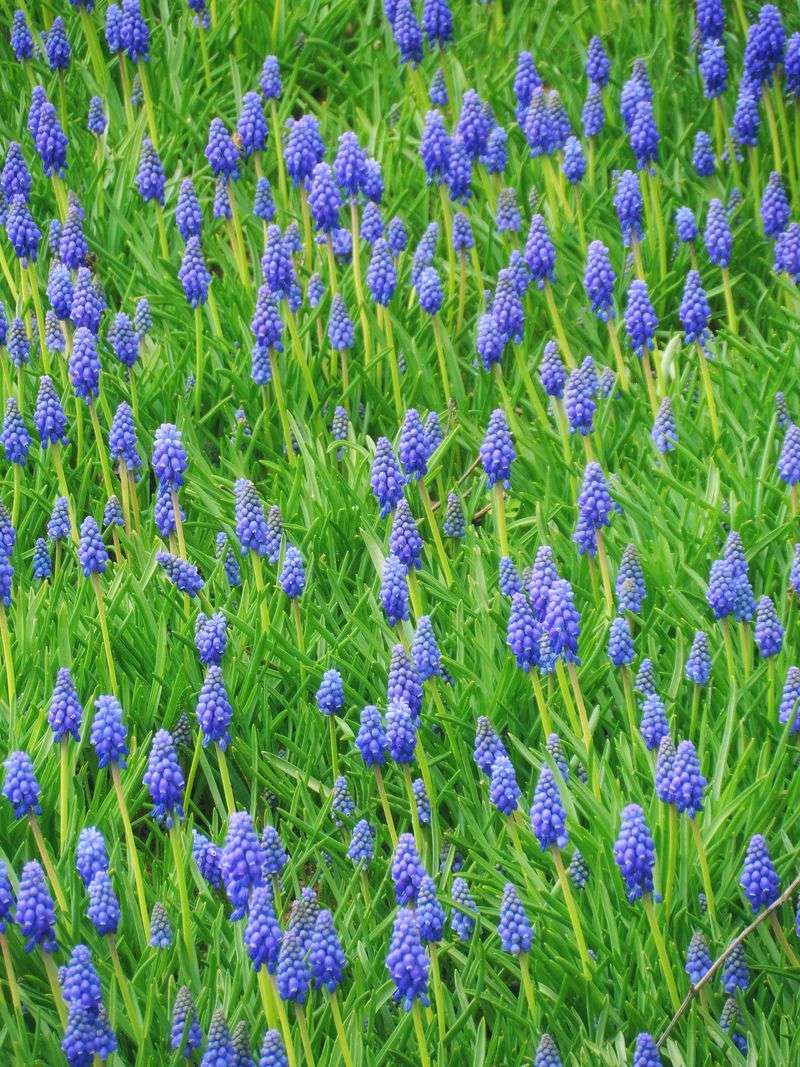
Small but mighty, grape hyacinths look like tiny bunches of blue grapes turned upside down. They may only reach six inches tall, yet they make an impact.
Their proper name is Muscari, and they come from the Mediterranean region. Some even give off a light, sweet smell that reminds people of grape soda.
Bulbs are cheap, so you can buy a big bag without emptying your wallet. Planting fifty or a hundred creates a river of blue that flows across beds.
Set each bulb about three inches deep and two inches apart. Clusters look best, so dig a wide hole and drop in ten at once.
They handle sun or part shade and adapt to most soil types. That easygoing attitude makes them a smart pick for first-time gardeners.
One odd habit is that they sprout leaves in fall. No need to worry, since the leaves are tough and survive winter just fine.
Grape hyacinths spread over time by seeds and new bulbs. A handful planted today can fill a border edge fast, so give them room.
Try tucking them beneath taller tulips or along a path. The blue makes yellow and orange flowers glow even brighter by contrast.
Kids especially enjoy them because the flowers look like something from a fairy tale. Let young helpers plant a patch and watch their faces light up in April.
Deer and rabbits tend to skip them, too. Fewer hungry visitors means more blue bells for you to enjoy each spring.
7. Pansies Keep Fall And Winter Color Going
Not every October flower hides underground until spring. Pansies give you color right away, then return with fresh growth when spring warms.
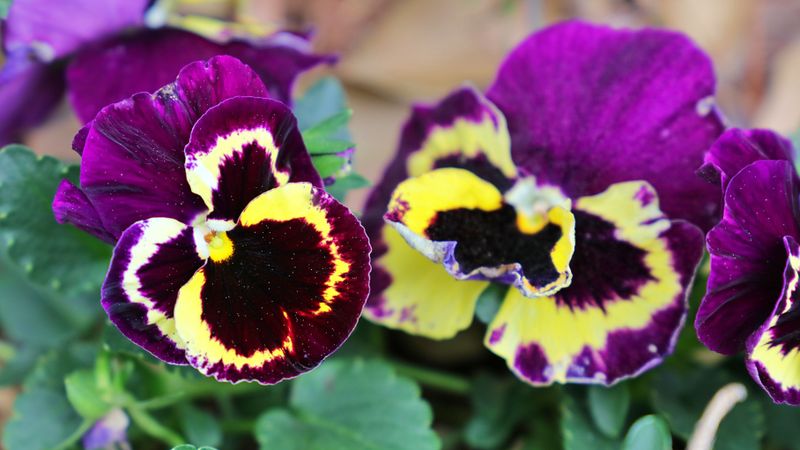
Their cheerful faces seem to smile at you, thanks to dark markings in the center. Kids often say they look like little cats or puppies.
Pansies are tougher than they look and can handle frost and even light snow. In mild areas they keep blooming on and off through winter.
In colder places, they may pause during deep freezes and rest. Once spring arrives, they bloom again with full, vigorous growth and color.
Plant them in October so roots settle while the soil is still warm. Buy healthy starter plants with green leaves and plenty of buds.
Space plants six to eight inches apart in sun or light shade. Water well after planting and add a thin layer of mulch to hold moisture.
Pansies look great tucked right on top of a bed of freshly planted spring bulbs. They hide bare soil now and frame tulips beautifully later.
Pinch off faded flowers to keep fresh ones coming. That quick habit stops the plant from making seeds too early.
Colors cover nearly every shade, from lemon yellow to deep velvet purple. Even better, chemical-free petals are edible and look adorable on cupcakes or salads.
Violas, their smaller cousins, work the same way and bloom even more freely. Mixing both gives you a patchwork quilt of color by the front door.
8. Snowdrops Light Up Late Winter
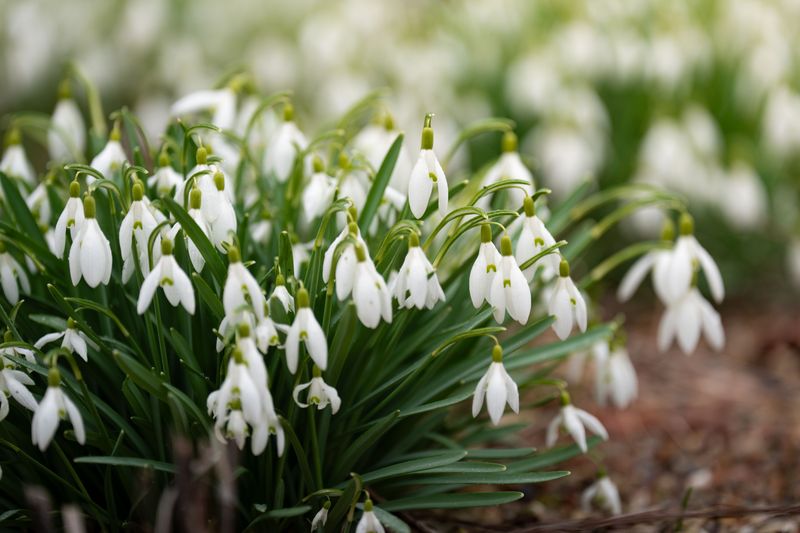
Long before the robins return, snowdrops nod their tiny white heads above frozen ground. They feel like a quiet promise that spring is on its way.
In parts of England, people hold snowdrop festivals and walk through woods carpeted in white. Fans of these flowers even have a nickname, galanthophiles.
Snowdrops bloom as early as January or February in many areas. Each flower hangs down like a little lantern with green tips on the inner petals.
Plant the small bulbs about three inches deep and three inches apart. Do this in October so roots form before winter settles in.
Soak dry bulbs first to help roots form faster. Leafy plants sold in the green go in right after flowering.
They prefer part shade and soil rich with fallen leaves, much like a woodland floor. Under a deciduous tree is an ideal home for them.
Snowdrops slowly form clumps and spread over the years. Many gardeners dig and divide crowded clumps right after blooming to share with friends.
Deer and rodents tend to leave them alone, which brings peace of mind. They also handle cold very well, even deep winter freezes.
Plant them where you can see them from a window, since you may not linger outside in February. A cluster by the kitchen door brightens chilly mornings too.
Pair snowdrops with winter aconites for a cheerful white and yellow combo. Together, they bring an early sparkle that makes cold days feel lighter.