8 Things To Avoid In Your Garden This October
This guide is written for gardeners in the Northern Hemisphere with cold winters. You are about to shortchange next spring’s blooms with a tidy pair of clippers. Cleanup feels responsible, so you grab the rake, the shears, and the leaf blower.
Beneath that mess, you are sheltering beneficial insects inside hollow stems and curled foliage. Clear those stems and you remove next summer’s pollinators before they hatch.
Cut some perennials to the ground and you may expose crowns to January thaws. Mulch piled against your trunks can invite voles to nibble bark through winter.
Fertilizer you apply now pushes tender growth that frost will bruise. Your lawn loses nutrients when you bag the leaves instead of shredding them.
Shredded leaves feed the soil you rely on and suppress weeds by spring. Timing outranks effort, and you control it. Spring’s first green shoots mark the exact day you can finally lift those clippers again.
1. Leave Your Perennial Stems Standing
Picture a snowy January morning with a goldfinch perched on a brown coneflower head, snacking happily. That charming scene disappears if you cut every perennial back to the ground in October.
Many gardeners feel a strong itch to make beds look neat and bare before winter. Still, those faded stems and seed heads do important work during the cold months.
Hollow stems give shelter to native bees and helpful insects that spend winter tucked inside. Seed heads on plants like black-eyed Susans and asters feed hungry birds for weeks.
Standing foliage also catches falling leaves and snow, which acts like a cozy blanket for roots. That extra layer helps protect crowns from harsh freeze and thaw cycles.
Some perennials, such as mums and lavender, survive winter better when their old growth stays put. Cutting them hard now can leave tender crowns open to cold and soggy rot.
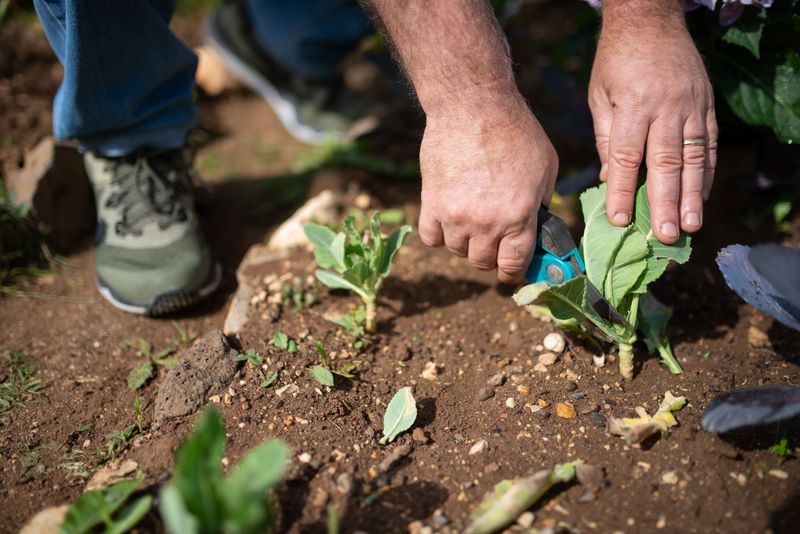
Of course, you do not have to leave everything standing like an untidy bed. Plants with disease problems, like peonies with leaf spots or bee balm with mildew, should come down.
Toss those infected leaves in the trash rather than tossing them onto the compost pile. Otherwise, the spores may hang around all winter and cause the same trouble next year.
For everything else, wait until early spring when new green shoots begin to peek out. Your garden will look wild for a while, but the birds will treat it like a buffet.
2. Fallen Leaves Are Free Fertilizer
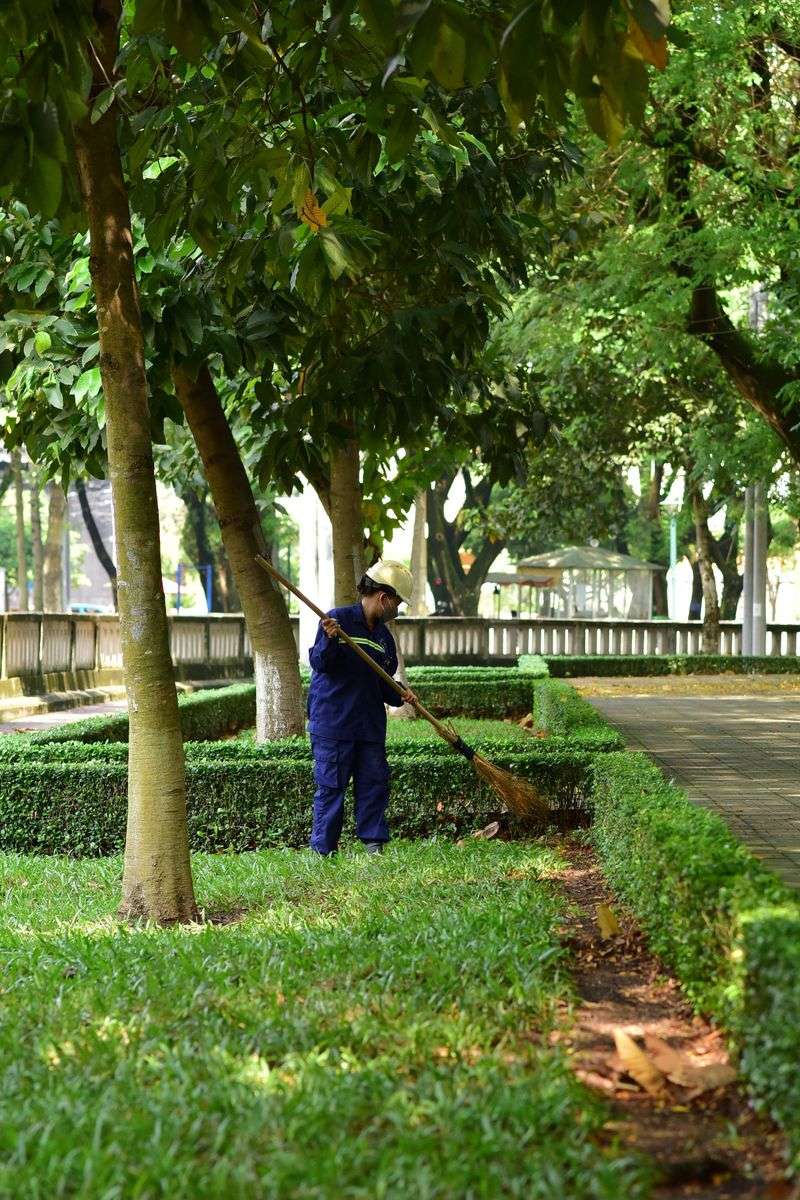
Nature spends all summer growing a free supply of fertilizer, then drops it right on your lawn. Bagging every leaf and dragging it to the curb is like tossing out free compost.
Fallen leaves contain minerals and organic matter that trees pulled from deep in the soil. When they break down, they feed earthworms and improve the soil in your beds.
Leaf litter is also a winter home for many small creatures. Fireflies, butterflies, and ground beetles often spend the cold months hiding in that crunchy layer.
That does not mean you should let a thick, soggy mat cover your grass. Heavy piles can block sunlight and invite mold, leaving brown patches by spring.
Run your mower over light layers of leaves to chop them into small bits. Those shreds slip down between grass blades and break down quickly over winter.
Bigger piles make wonderful mulch for flower beds, vegetable gardens, and the base of shrubs. Spread about two or three inches, keeping leaves a few inches away from stems.
Extra leaves can go into a compost bin or a simple wire cage in a corner. In a year or two, you will have leaf mold, a crumbly soil amendment that plants benefit from.
Gardeners in England have long valued leaf mold as a rich soil booster. It holds water like a sponge and helps sandy or clay soil feel lighter.
Keep sidewalks, driveways, and storm drains clear so nobody slips or floods the street. Everywhere else, let those golden leaves stay on the job.
3. Trees And Shrubs Still Need A Drink
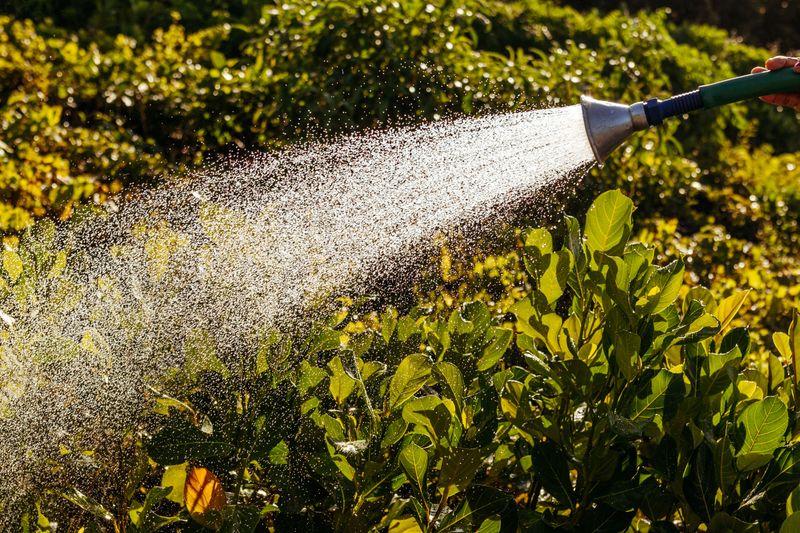
Trees keep growing roots long after their leaves turn gold and drop. In fact, root growth often continues until the soil temperature falls below about 40 degrees Fahrenheit.
Many people coil up the hose the moment the weather cools down. Unfortunately, a dry autumn can leave trees and shrubs thirsty right before a long, cold winter.
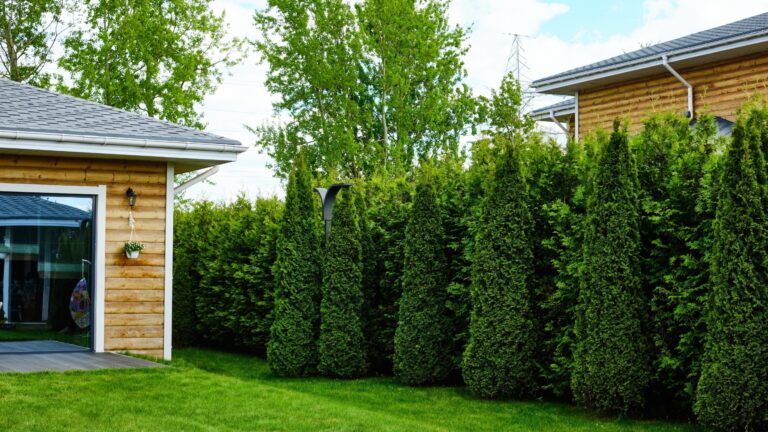
Evergreens are especially at risk because their needles keep losing moisture all winter long. Cold, dry winds pull water out, and frozen ground cannot refill their supply.
The result is often called winter burn, with brown, crispy needles or leaves showing up in spring. Boxwoods, arborvitae, and rhododendrons are commonly affected in many neighborhoods.
Newly planted trees and shrubs need extra attention because their roots have not spread out yet. Anything planted in the last year or two should stay on your watering list.
Give plants a deep, slow drink about once a week if rain has been scarce. A soaker hose or a bucket with tiny holes works well for this job.
Aim to soak the soil several inches down, not just wet the surface. Water in the morning or midday so the moisture sinks in before nighttime chill.
Keep going until the ground starts to freeze in your area. A layer of shredded bark mulch around the base helps lock that moisture in place.
Keep it a few inches from the trunk, since mulch piled against bark shelters voles. Wondering whether it is time to water again? Push a screwdriver into the soil, and if it slides in hard, grab the hose.
4. Why Fall Pruning Costs You Spring Blooms
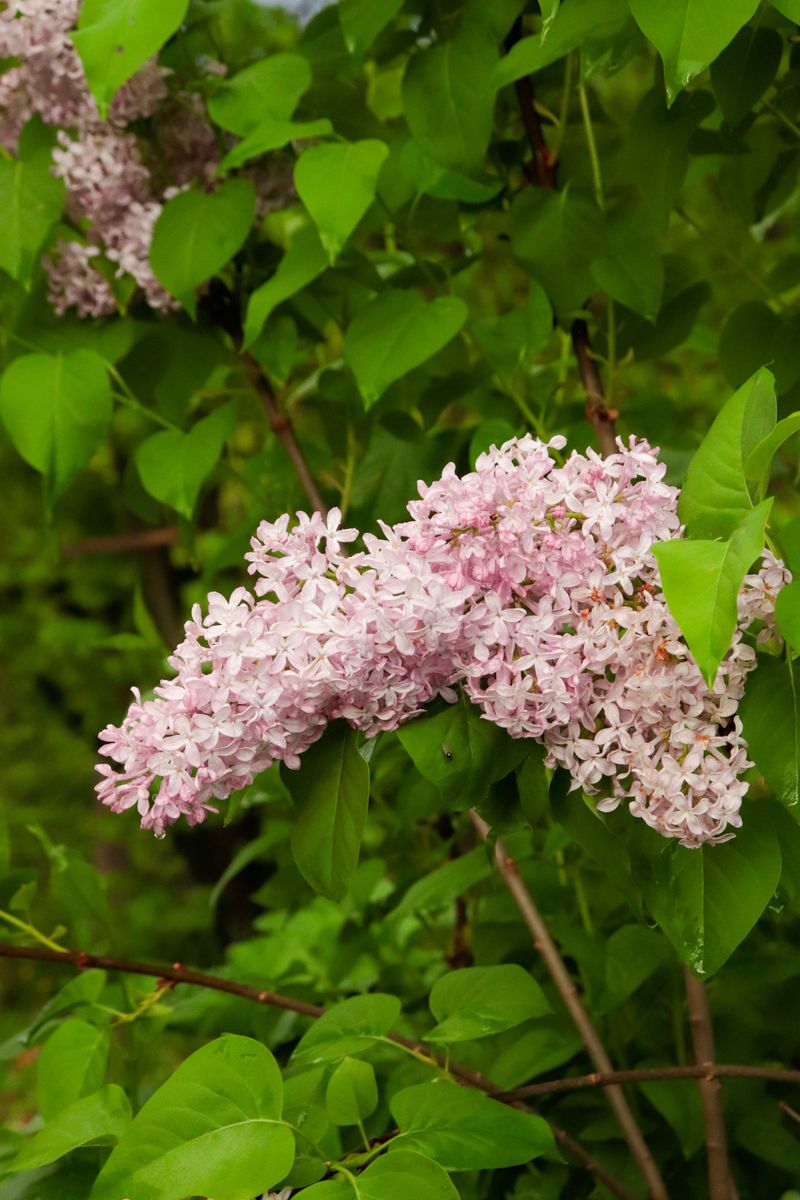
Picture a gardener giving a lilac a tidy October haircut, feeling proud of the neat work. Next May, the bush stands green and leafy, without a single purple bloom.
Those snips removed the flower buds for the year. Spring-blooming shrubs form next year’s buds during the summer, so they are already waiting on the branches now.
Lilacs, forsythia, azaleas, rhododendrons, and many hydrangeas follow this pattern. Cutting them in fall means trading a season of flowers for a pile of twigs.
Pruning in early autumn can also wake up a plant at the wrong moment. Fresh cuts may encourage tender new shoots that are too soft to handle freezing temperatures.
Those weak shoots often turn black and brittle after the first hard frost. The plant then spends energy repairing damage instead of resting through winter.
The best time to prune spring bloomers is right after their flowers fade. That gives them all summer to grow fresh branches and set new buds.
Summer-blooming shrubs, like many roses and butterfly bushes, are usually better pruned in late winter. Waiting keeps them safe and lets you see which stems survived the cold.
You can still snip broken, rubbing, or diseased branches any time of year. Clean, sharp pruners make smooth cuts that heal faster and keep germs away.
If you are unsure what kind of shrub you have, take a photo to a local garden center. The staff there can help you figure out the right pruning schedule.
5. Skip The Nitrogen On Trees, Shrubs, And Perennials

Feeding your plants a big meal in October is like handing a toddler candy right before bedtime. Instead of settling down, everything gets wired at exactly the wrong moment.
Fertilizers high in nitrogen push plants to grow lots of soft, leafy shoots. That fresh growth has no time to toughen up before frost arrives.
Tender stems and leaves can freeze and break, leaving plants weaker going into winter. Damaged spots may also become an easy entry point for pests and disease.
Trees, shrubs, and perennials are trying to slow down and store energy in their roots now. A dose of nitrogen interrupts that natural slowdown.
Check the three numbers on any fertilizer bag before using it this month. The first number stands for nitrogen, so a high first number means leafy growth.
Lawns are a bit different, especially cool-season grasses like fescue and Kentucky bluegrass. Lawn care guidelines from university extension services suggest a light fall feeding for grass, timed to your local recommendations.
Even then, follow label directions closely and do not overdo it. Extra fertilizer can wash into streams and lakes, feeding algae instead of your yard.
For garden beds, compost is a smarter choice right now. It feeds the soil slowly and gently without forcing a sudden growth spurt.
Spread an inch or two over empty vegetable beds and around perennials. By spring, worms will have mixed it in, and your soil will be ready.
Save the bigger feeding for spring when plants wake up hungry. Your patience will pay off with healthier growth and brighter blooms.
6. Tender Bulbs Belong Indoors For Winter
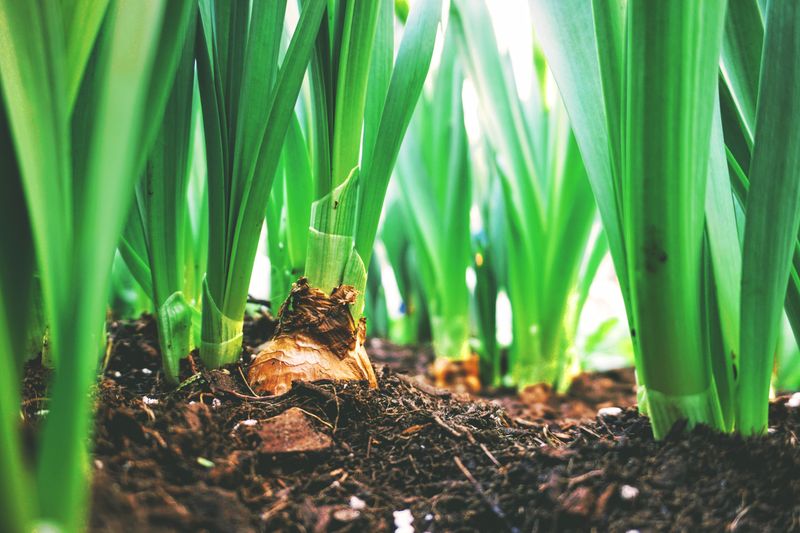
Picture a cardboard box of dahlia tubers in a basement all winter, labeled in shaky pencil. Each spring, those knobby lumps turn into dinner-plate blooms all over again.
Dahlias, cannas, gladiolus, and elephant ears come from warm places and cannot handle frozen soil. In colder regions, leaving them in the ground usually means losing them.
Frozen water inside the tubers and corms turns them into soft, rotted lumps. Replacing them every year can get expensive, especially for fancy dahlia varieties.
For dahlias, wait until the first light frost blackens the leaves, then cut stems back to about six inches. Dig gladiolus earlier, about six weeks after they bloom.
Gently lift the clumps with a garden fork so you do not damage them. Shake off loose soil and let the bulbs dry in a shady, airy spot for several days. A garage or covered porch works well, as long as it stays above freezing.
Once dry, store them in boxes filled with peat moss, wood shavings, or slightly damp sand. Keep the boxes somewhere cool and dark, around 40 to 50 degrees Fahrenheit for dahlias and a bit warmer, about 50 to 60, for cannas and elephant ears.
Check on them once a month during winter. Toss any that feel soft or moldy, and lightly mist any that look shriveled.
Label each variety so you remember colors and heights come spring. A simple marker on a paper bag can save lots of guessing later.
Gardeners in warm southern zones may be able to leave tender bulbs in the ground with heavy mulch. Everyone else should treat digging day like a fall harvest tradition.
7. Plant Spring Bulbs While The Soil Is Workable
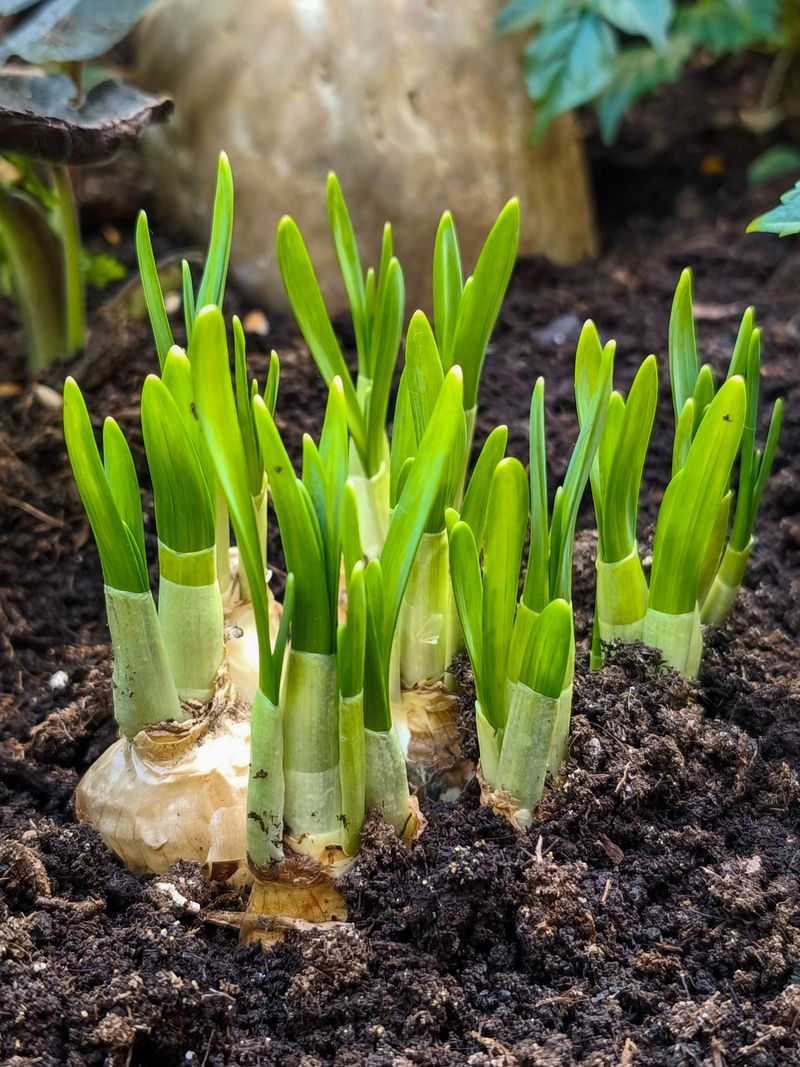
Those cheerful tulips you admire every April got their start on a chilly autumn afternoon. Bulbs need a long cold period underground before they will bloom.
Waiting until December can shorten root growth, and leaving the bag in the garage until spring can reduce results. Bulbs left out too long can dry up, sprout weakly, or rot.
October is the sweet spot in many regions because the soil is still soft and workable. Planting now gives roots several weeks to settle in before the ground freezes.
Tulips, daffodils, crocuses, hyacinths, and alliums all love a fall planting. Daffodils are especially handy because squirrels, rabbits, and hungry deer usually leave them alone.
A simple rule is to plant bulbs about three times as deep as they are tall. Set them with the pointy end up and the flat roots facing down.
Group them in clusters of ten or more for a bold splash of color. Single rows can look a little sparse.
Tulips caused a famous craze in the Netherlands in the 1630s. Some rare bulbs reportedly sold for very high prices, though historians think the story is exaggerated.
Water bulbs well right after planting to help them start growing strong roots. If squirrels dig in your yard, lay chicken wire over the bed before adding mulch.
Snap a quick photo of where you planted so you do not dig them up later. Then forget about them and let winter do the rest of the work.
8. Winterize Hoses And Tools Before The First Hard Freeze
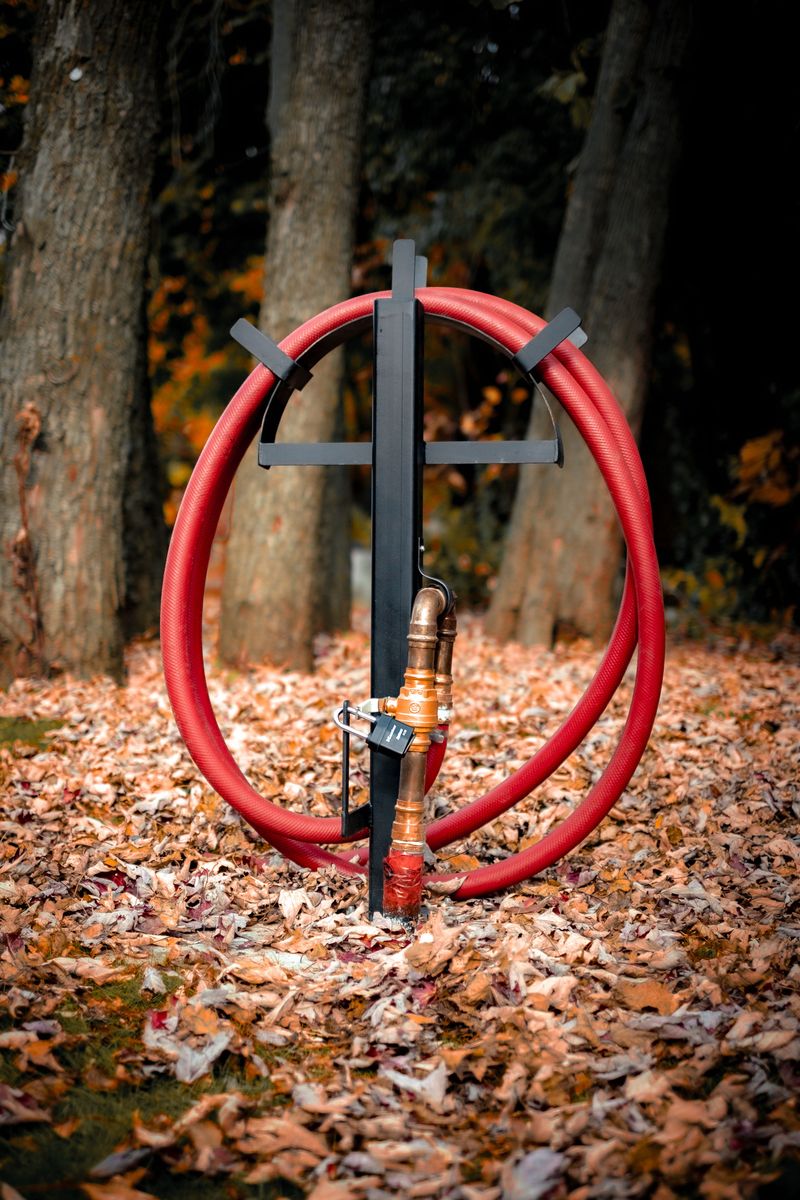
A garden hose left full of water on a freezing night can crack open. Come spring, you may discover a leaking hose instead of a useful tool.
Water expands as it freezes, which puts pressure on hoses, sprinklers, and pipes. Outdoor faucets can crack too, causing hidden leaks inside your walls.
Disconnect hoses from spigots before the first hard freeze hits your area. Drain them by stretching them out on a slope, then coil them loosely.
Store hoses in a shed, garage, or basement to keep sunlight and cold from cracking the rubber. If your home has a shutoff valve for outdoor faucets, close it and drain the line.
Hand tools deserve some care too before they disappear into the shed for months. Dirt left on shovels and pruners holds moisture, which leads to rust.
Scrub off soil with a stiff brush and dry each tool with an old towel. Wipe metal parts with a light coat of mineral or camellia oil.
Sharpen pruners and hoes now so they are ready when spring fever strikes. A small file or sharpening stone does the job in just a few minutes.
Empty clay and ceramic pots and bring them indoors, since trapped water can crack them. Plastic pots can stay outside, but stack them upside down to stay dry.
Drain gas from small engines or add fuel stabilizer, following the owner’s manual. A tidy shed in October makes the first spring workday feel like a party.