Why Your Pennsylvania Poinsettia Is Dropping Leaves
That short walk from the store to the car might not seem like a big deal. For a poinsettia, it can be.
These holiday favorites come from the warm hillsides of Mexico, and they’re far more sensitive to cold than most people realize. Just a few minutes of exposure to Pennsylvania’s chilly winter air can shock the plant.
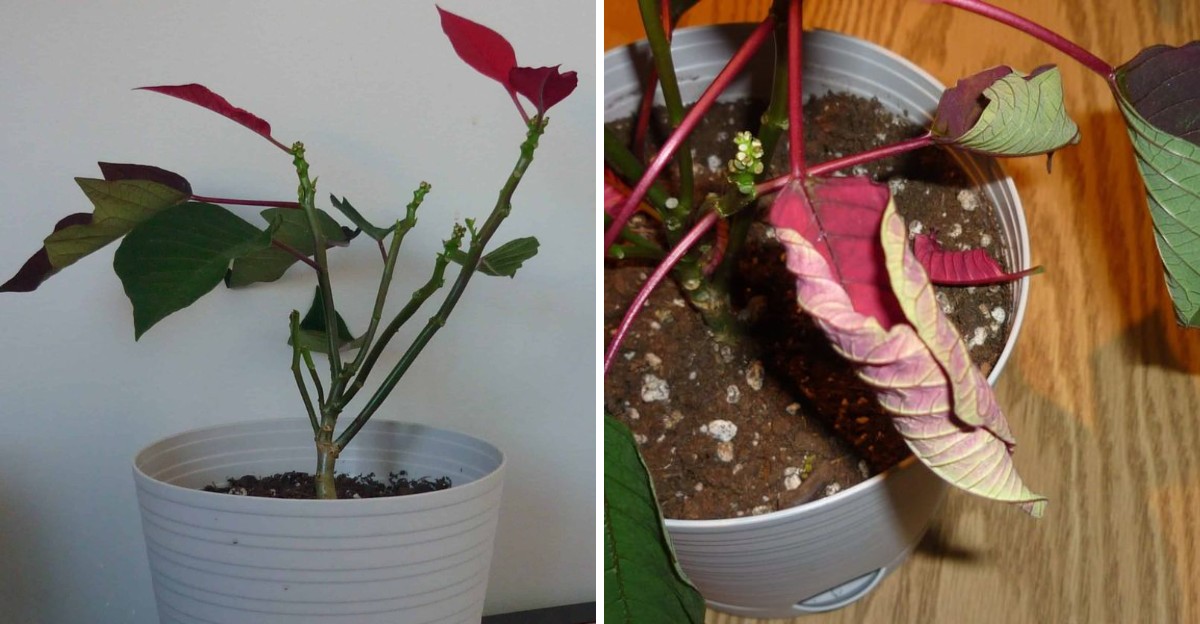
The damage often doesn’t show right away. A few days later, leaves start yellowing, curling, and dropping to the floor, leaving bare stems behind.
Cold isn’t the only culprit. Drafty doorways, blasts of heat from a vent, soggy soil trapped inside a foil wrapper, and dim corners can all cause the same frustrating leaf loss.
With a little detective work, you can figure out what’s bothering your plant and help it hold on to its leaves through the holidays and beyond.
1. It Got Chilled On The Way Home
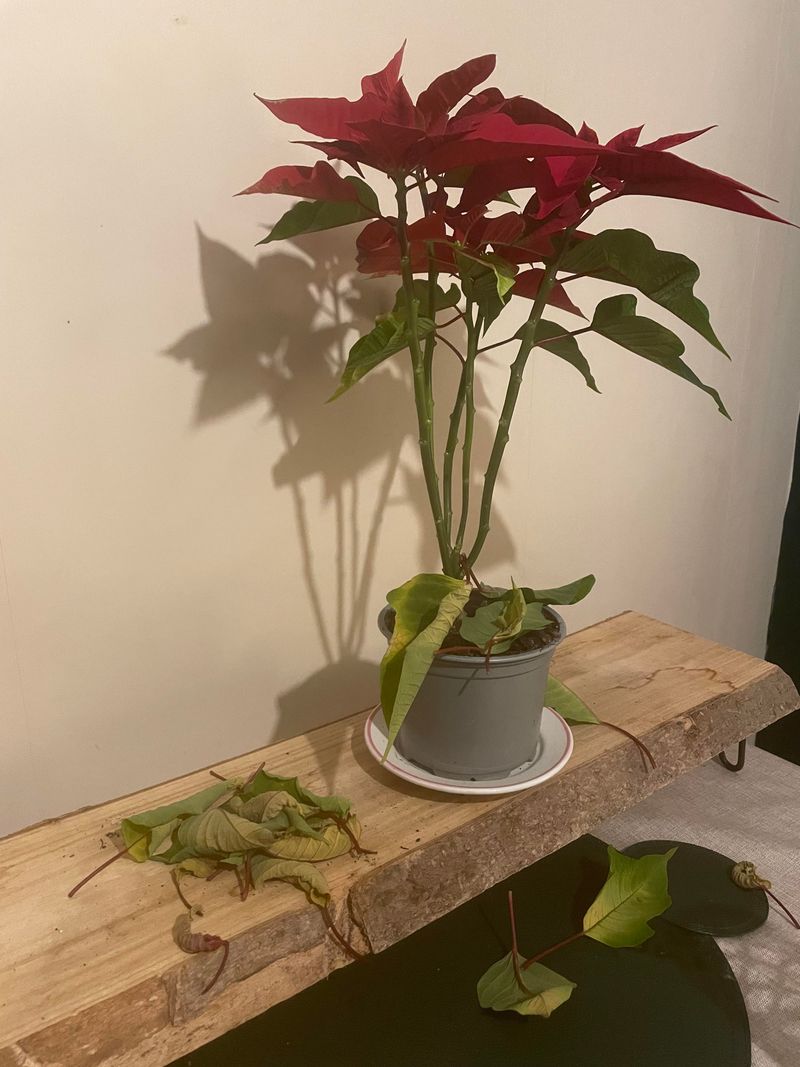
Ten seconds in the cold can matter more than you think. Poinsettias grow wild in warm parts of Mexico, where frost is rare. To them, a snowy Pennsylvania parking lot feels like a shock.
Here is the tricky part. Cold damage often does not show up right away. Your plant may look perfect when you set it down at home, but leaves can start falling three or four days later.
Temperatures below 50 degrees can harm a poinsettia. Even a quick walk from the store to your car in December can hurt the leaves.
A cold car that sits for a while makes things worse. If you stop at a few more shops on the way home, the plant chills even more.
So how do you protect it? Ask the store for a plastic or paper sleeve before you leave. Many garden centers have them ready at the register. The sleeve traps a little warm air around the leaves.
Warm up your car before you load the plant. Place it on the floor or a seat, not in a freezing trunk. Make the poinsettia your last stop so it goes straight home.
Once inside, take off the sleeve gently. Leaving it on too long can make leaves droop from trapped moisture.
Fun fact: poinsettias are named after Joel Poinsett, the first U.S. minister to Mexico. He brought them to America in the 1820s, and he likely never had to haul one through a Pittsburgh snowstorm.
If your plant already got chilled, do not panic. Keep it warm and cared for, and new growth may still look healthy.
2. It’s Near A Cold Draft Or Heat Vent
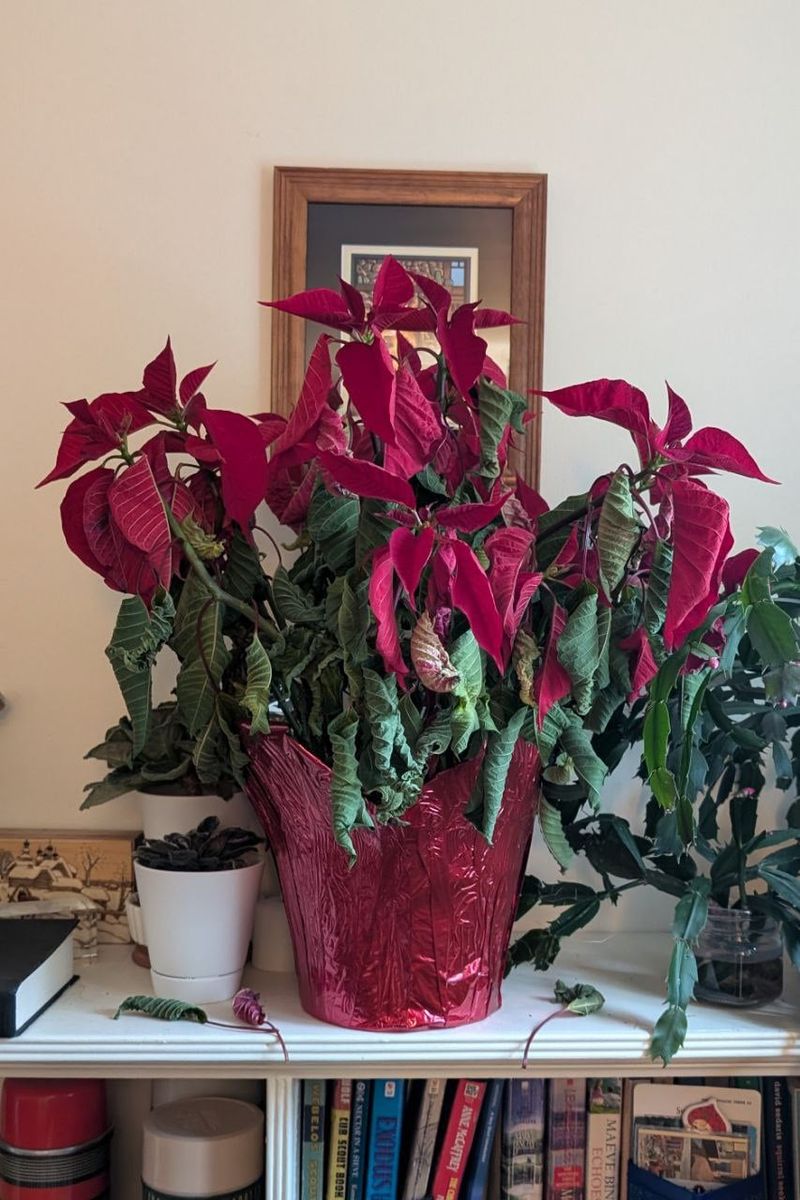
Ever sit near a door that keeps opening on a windy day? You grab a blanket fast. Your poinsettia feels the same way, except it cannot move.
Spots near doors and old windows let in cold blasts every time someone comes or goes. In a busy Pennsylvania household during the holidays, that might happen dozens of times a day. Each chilly gust stresses the plant a bit more.
Heat can cause trouble too. Furnace vents, radiators, and fireplaces blow hot, dry air. That air pulls moisture from leaves and soil quickly. The plant gets confused by the sudden swings and starts dropping leaves to protect itself.
Your Pennsylvania Garden Changes Every Week. Your Plan Should Too.
Gardening in Pennsylvania changes quickly throughout the season. Every Friday you’ll receive a simple weekly plan showing exactly what to plant, prune, fertilize, harvest, and protect so you never miss the right timing.
Poinsettias like steady comfort. Aim for a room that stays between 60 and 70 degrees during the day. At night, a little cooler is fine, as long as it stays above 55 degrees.
Try this quick test. Hold your hand near the spot where you want to place the plant. If you feel any breeze, hot or cold, pick another spot.
Good places include a side table in the middle of a room, a shelf away from the front door, or a stand a few feet from a bright window. Avoid tops of TVs and refrigerators, since they give off warmth.
Remember that heating patterns change at night. Your thermostat may kick on more after dark, so check the area in the evening too.
A little planning goes a long way. Once your plant finds a calm, steady home, it will reward you with bright color for weeks.
3. Its Roots Are Sitting In Water
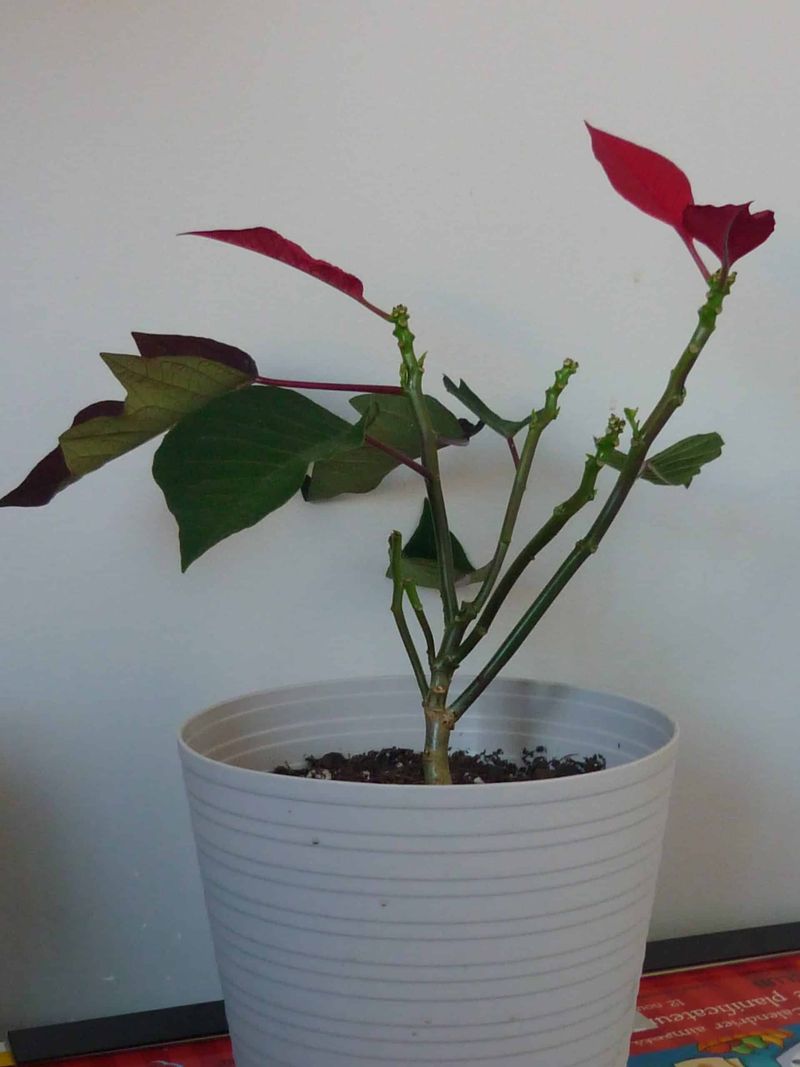
That shiny gold foil looks festive, but it hides a sneaky problem. Most poinsettias are sold wrapped in colorful foil or plastic. It makes them look like gifts, yet it also acts like a bowl that holds water.
When you water, the extra liquid drains out the bottom of the pot. With nowhere to go, it pools inside the foil. The roots end up sitting in a soggy puddle day after day.
Roots need air as much as they need water. Wet soil pushes out the air, and roots begin to rot. Rotting roots cannot feed the plant, so leaves turn yellow and fall off. Luckily, the fix takes about two minutes. You have a few choices:
Poke several small holes in the bottom of the foil with a pencil. Set the pot on a saucer to catch drips. This keeps the pretty look while letting water escape.
Another option is to carry the plant to the sink before watering. Remove the foil, water well, and let it drain for about ten minutes. Then slip the foil back on.
Check the saucer after each watering. If water is sitting there after fifteen minutes, pour it out.
Watch for warning signs too. Soil that smells sour or stays wet for many days means the roots are struggling. Mushy stems at the base are another red flag.
A dry bottom and moist soil are the goal. Treat the foil like a fancy coat, not a swimming pool, and your plant will stay much happier.
4. It’s Too Dry
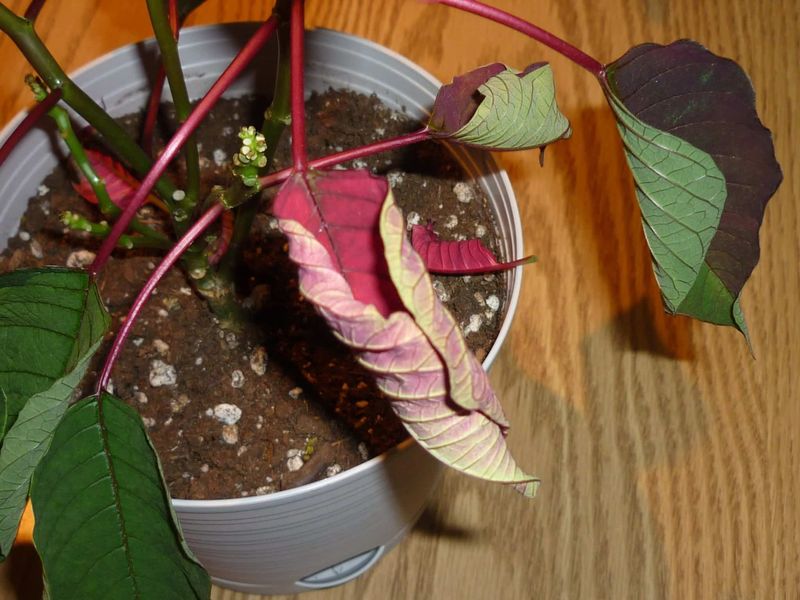
Busy holiday weeks make it easy to forget a thirsty plant. Between parties, shopping, and travel, watering slips off the list. Sadly, poinsettias do not forgive dry soil for long.
When the soil dries out completely, the plant wilts. Leaves droop, curl, and then fall. Pennsylvania homes make this worse in winter, since furnaces dry out indoor air quickly.
So how often should you water? There is no set schedule, because every home is different. The best tool is your own finger.
Press a fingertip about an inch into the soil every day or two. If it feels dry, it is time to water. If it still feels damp, wait another day.
Water thoroughly when you do it. Pour slowly until water runs out the bottom of the pot. That way, all the roots get a drink, not just the top layer.
Let the extra water drain away. Remember the foil tip from earlier, since too much water causes its own trouble.
Lift the pot now and then too. A dry pot feels light, while a watered one feels heavy. Over time, you will learn the difference just by picking it up.
Going away for a few days? Water well before you leave and move the plant to a slightly cooler spot away from sun. It will use water more slowly there.
A wilted poinsettia can often bounce back if you catch it early. Give it a good soak, and the leaves may perk up within hours.
5. It’s Not Getting Enough Light
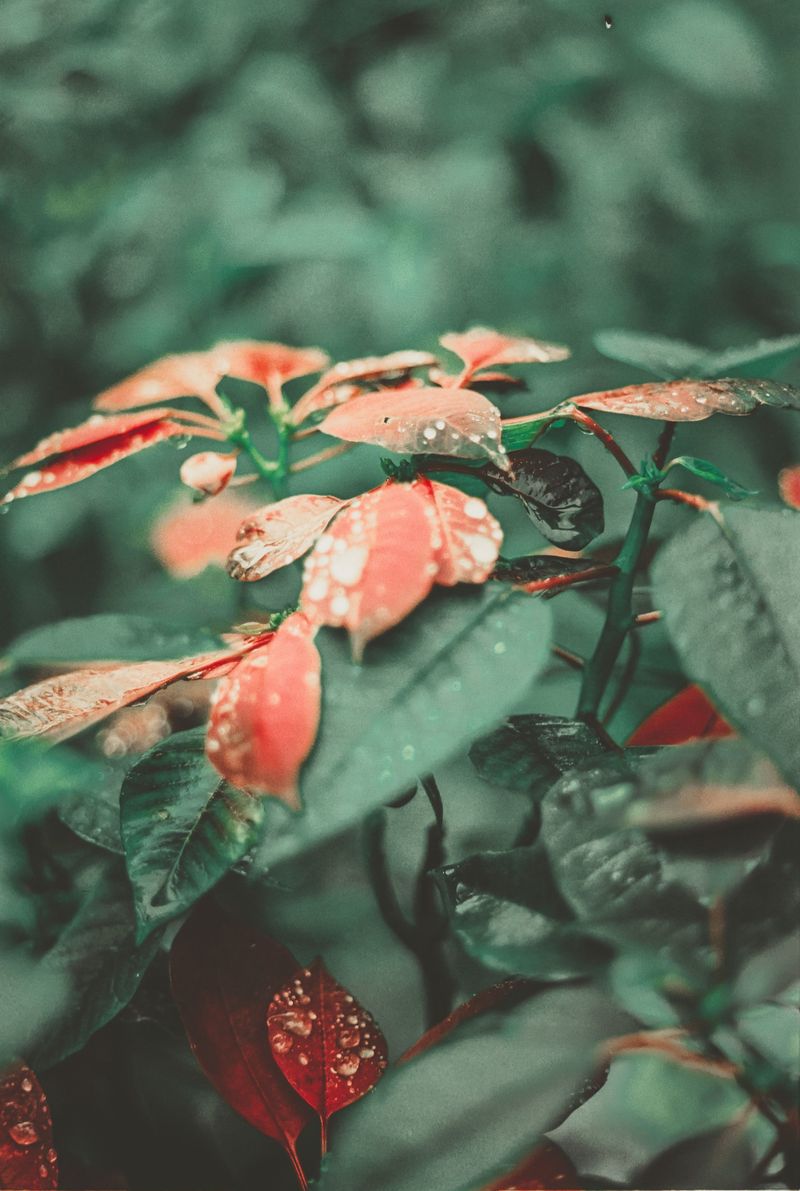
Pennsylvania winters are known for gray skies. Some weeks, the sun barely peeks through the clouds. People feel gloomy, and plants do too.
Poinsettias need bright, indirect light for about six hours a day. Light is their food source, since leaves turn sunlight into energy. Without enough of it, the plant starts shedding leaves it cannot support.
A dark corner might look like a great spot for holiday decor. Unfortunately, it slowly starves the plant. You may notice lower leaves turning yellow first, then dropping.
Find the brightest window in your home. In most houses, south, east, or west windows work best. Set the plant close enough to soak up light, but not right in harsh afternoon rays.
Be careful about the glass. Window panes get very cold on winter nights, especially in older homes. If leaves touch the glass, they can get chilled and fall off. Leave a few inches of space.
On extra gloomy days, a simple lamp can help. A regular LED bulb placed a foot or two away gives a nice boost. Some folks use small grow lights, which are cheap and easy to find.
Turn the pot a little every few days. Plants lean toward light, and turning keeps growth even on all sides.
Here is a cool bit of trivia. Those colorful red parts are not flowers at all. They are special leaves called bracts, and the real flowers are the tiny yellow buds in the center.
6. It’s Sitting Near A Fruit Bowl
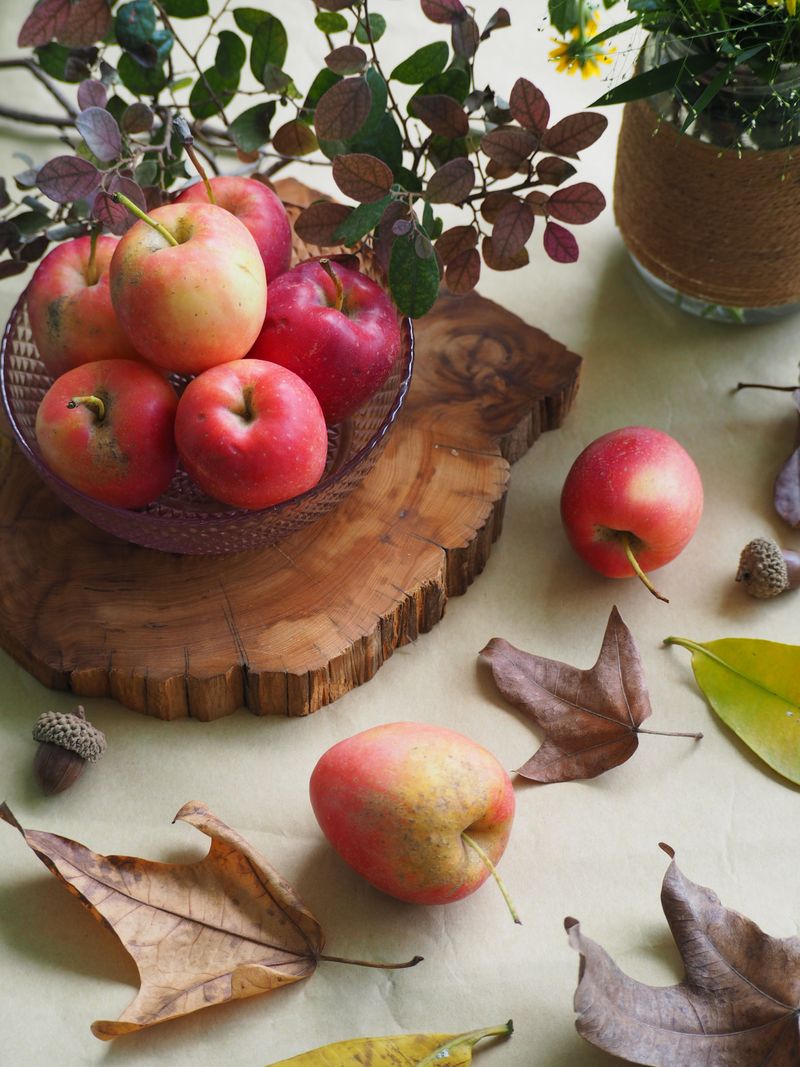
Who knew a banana could cause holiday drama? It sounds silly, but your fruit bowl might be the reason your poinsettia looks sad.
Ripening fruit gives off a natural gas called ethylene. You cannot see it or smell it. Still, plants can sense it, and poinsettias are very sensitive.
Apples, bananas, pears, and tomatoes are some of the biggest ethylene makers. As they ripen, they release more and more gas. A poinsettia sitting nearby may droop, curl, and drop leaves faster than normal.
Farmers actually use ethylene on purpose to ripen fruit. That is why a paper bag with a banana inside speeds up ripening for an avocado. The same trick works against your poinsettia.
The kitchen counter is a common trouble spot. It seems like a cheerful place for a holiday plant, right near family meals. Yet that is usually where the fruit lives too.
Move your poinsettia to another room, or at least across the house from the fruit. A dining table without a fruit centerpiece, a living room shelf, or an entryway stand can all work well.
Watch out for gift baskets too. Holiday baskets often pair fruit with plants, which is a recipe for early leaf loss. Separate them as soon as you unpack.
Kitchens also have other stressors, like oven heat and steam. Keeping the plant away helps in more than one way.
It is a small swap with a big payoff. Keep the apples in one spot and the poinsettia in another, and both can shine.