10 Herbs and Plants Virginia Gardeners Use to Keep Stink Bugs Away
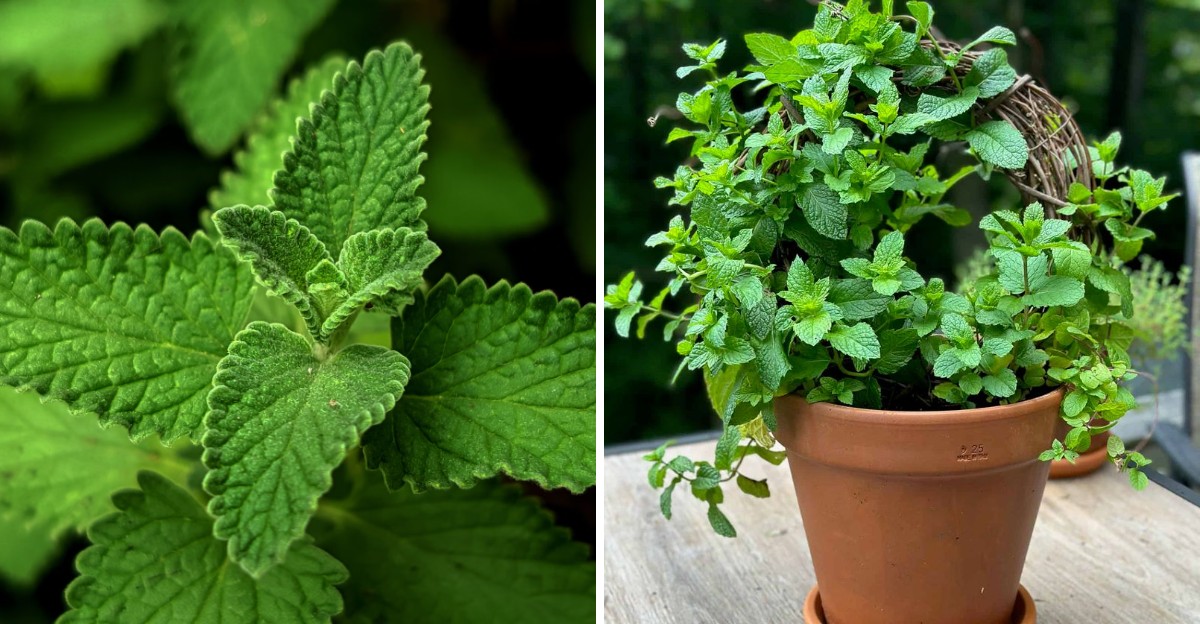
Something sneaky is crawling up my sunny porch wall right now, and it smells awful up close. October in Virginia brings these shield-shaped squatters out in crowds, all hunting for a warm winter hideout.
I have swept them off screens and plucked them off tomatoes more times than I can count. Sprays help a little, but I wanted my garden beds to do some of the heavy lifting too.
Certain kitchen herbs and garden flowers carry strong scents that many insects seem to dislike quite a bit. Science on this topic is still young, so I treat these plants as helpers rather than magic shields.
Fellow Virginia gardeners deserve honest tips, plus a few fun surprises about plants already growing in many backyards. My favorite pick on this list might be the one resting quietly in your spice rack today.
1. Garlic
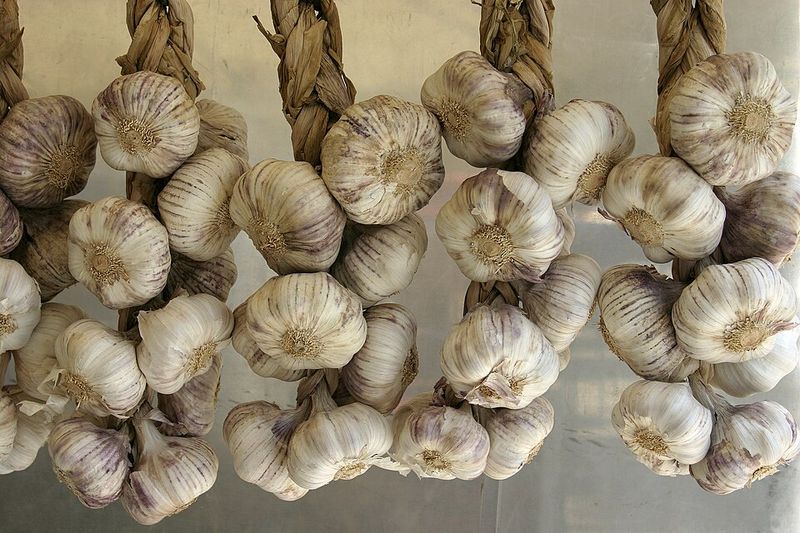
October is planting month for garlic around here, and I love tucking cloves into cool soil before frost. That same pungent bulb brings a sulfur punch that many garden insects seem to find rather unpleasant.
Allicin forms when garlic cells get crushed, and it creates the sharp smell that clings to your fingers. Some gardeners soak crushed cloves in water overnight, then spray the strained liquid on leaves as a deterrent.
Research on garlic and stink bugs is limited, so I see it as one helper rather than a cure. Planted along bed edges, it adds a smelly border while you wait for a tasty summer harvest.
Softneck types often suit warmer eastern areas, while hardneck types handle chilly mountain winters quite well. Plant cloves pointy side up, about two inches deep, then cover them with a cozy layer of straw.
I like that garlic asks for very little attention through the cold gray months ahead of us. You get a pest-unfriendly border now, plus fat bulbs for your kitchen when early summer finally rolls around.
Keep beds weeded around young shoots, since garlic dislikes competing with pushy neighbors for water and food. A light feeding in early spring helps those bulbs swell into something truly worth bragging about.
2. Catnip
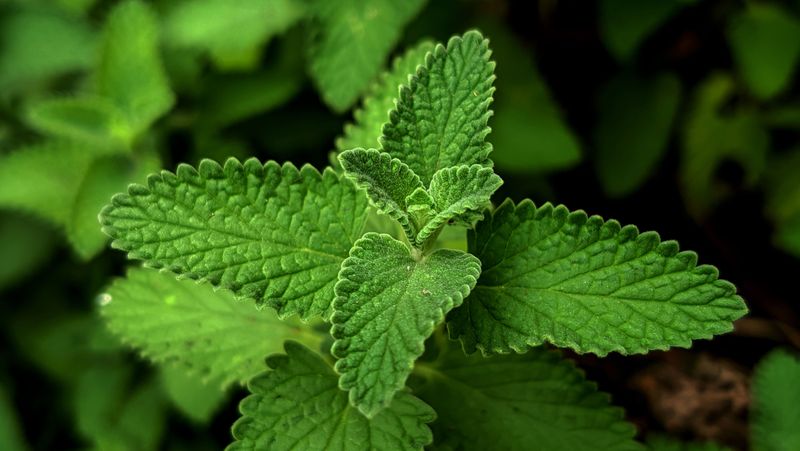
Cats roll in it with joy, but plenty of insects want nothing to do with this fuzzy gray herb. Catnip earns its spot because its leaves hold nepetalactone, an oil that researchers have studied as a bug repellent.
Studies show that oil can push away mosquitoes and some other pests, which makes gardeners hopeful about stink bugs. Proof for stink bugs specifically remains thin, so enjoy catnip as a helpful bonus rather than a guarantee.
As a mint family member, catnip has square stems and soft gray-green leaves that smell sharp and minty when rubbed. It handles cold winters well and often returns each spring with fresh, bushy growth near the same spot.
Early October is a fine time to trim tired stems and collect seeds before they scatter across your yard. Catnip self-sows freely, so snipping faded flower spikes keeps surprise seedlings from popping up in odd garden places later.
Your Virginia Garden Changes Every Week. Your Plan Should Too.
Gardening in Virginia changes quickly throughout the season. Every Friday you’ll receive a simple weekly plan showing exactly what to plant, prune, fertilize, harvest, and protect so you never miss the right timing.
Full sun and well-drained soil suit it best, though a little afternoon shade rarely bothers this tough little plant. I’m sure the local cats will visit, so place it where a flattened patch will not bug you at all.
3. English Lavender
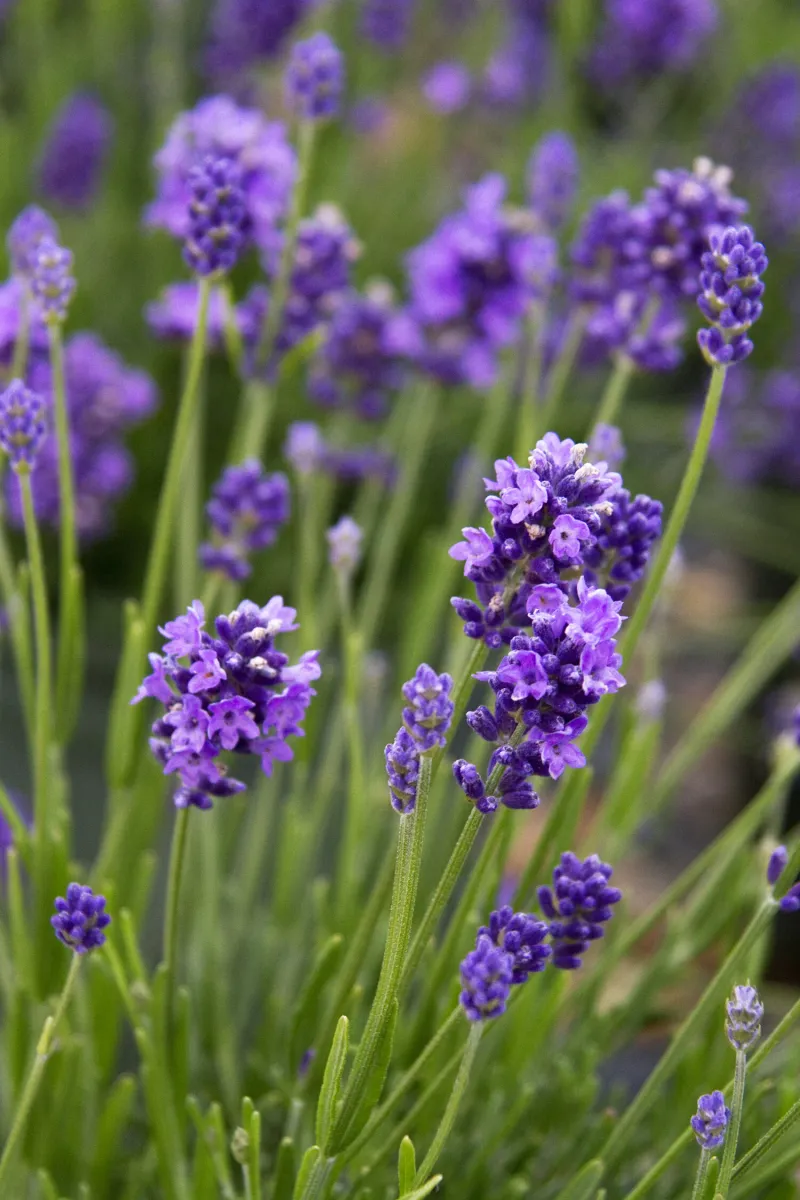
Brush your hand across a lavender bush on a cool October morning, and the scent follows you right back inside. People adore that perfume, yet many garden insects appear to steer clear of its strong and oily fragrance.
Linalool is one of the main compounds in lavender oil, and it shows up in many natural bug products. English lavender, known as Lavandula angustifolia, is the type most gardeners here grow for scent and reliable winter toughness.
Heavy clay soil is lavender’s biggest problem across much of Virginia, because soggy roots tend to rot over winter. Raised beds or a sunny slope can give those roots the sharp, quick drainage they truly crave all year.
A light tidy trim is fine in early fall, but avoid cutting into old woody stems without leaves. I believe a gentle shaping now keeps plants neat without stressing them before the colder weather settles in for good.
Scientists have not proven that lavender alone keeps stink bugs off your crops, so plant it as a fragrant helper. Bees adore its purple spikes during the bloom season each year, which makes it a friend to your garden anyway.
4. Common Thyme
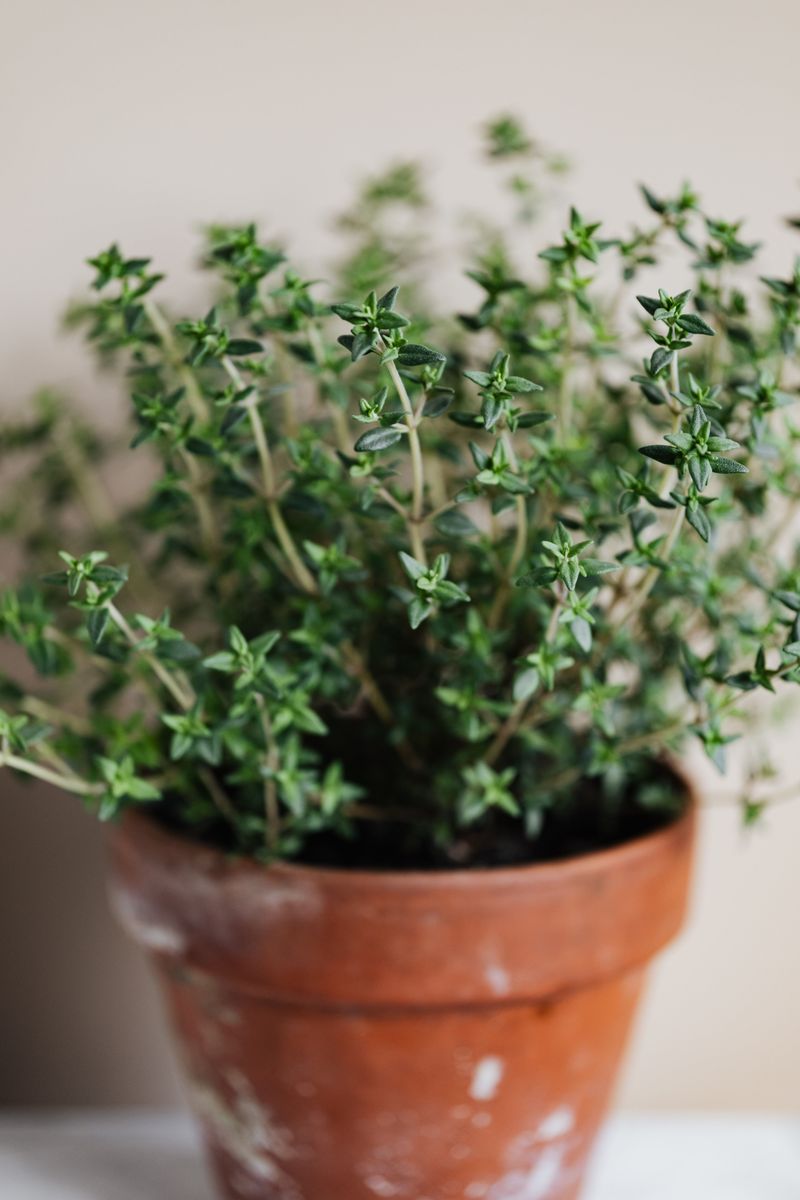
Tiny leaves can pack a surprisingly loud punch, and thyme proves it every time you crush a sprig between fingers. That sharp, savory smell comes from thymol, a natural compound used in some popular mouthwashes and household cleaning products.
Thymol has been studied for its ability to bother many kinds of insects, which explains thyme’s spot here on our list. Research tying garden thyme directly to fewer stink bugs is limited, so think of it as gentle backup support.
Common thyme, or Thymus vulgaris, stays low and woody, making it a lovely edging plant along paths and beds. Its creeping cousins can even fill gaps between stepping stones, releasing scent whenever someone gently walks right past it.
Good drainage matters more than rich soil, since thyme sulks in wet clay much like its lavender neighbor does. A sunny spot with gritty soil keeps the plant compact and fragrant through the chilly months that lie ahead.
October harvests are a treat, because the leaves hold strong flavor even as nights turn crisp and cool outside. I can’t imagine a pot of fall soup without a few sprigs snipped fresh from the backyard garden bed.
5. Garden Chrysanthemum

Garden centers burst with potted mums every October, and those cheerful domes bring more than color to your porch. Their family history includes a famous natural insecticide, which gives this fall favorite a rather surprising little backstory for gardeners.
Pyrethrum originally comes from dried flowers of a daisy-like relative once grouped with chrysanthemums, now officially called Tanacetum cinerariifolium. Ordinary garden mums are not a reliable source, so their power against stink bugs is likely modest at best.
Mums still pull their weight, since open blooms can feed small beneficial insects like hoverflies late in the season. Their young feed on aphids and similar pests, so a flowering border supports a busier and happier natural control crew.
Hoping to see them again next year, plant potted mums in the ground early so roots settle before hard frost. Many garden mums are hardy in zones 5 through 9, which matches our state’s climate rather nicely.
Leave the old stems standing through winter, because they help shelter the crown from icy wind and soggy cold. I’m sure your porch will look happier with a few mums, even if stink bugs ignore the hint.
6. French Marigold
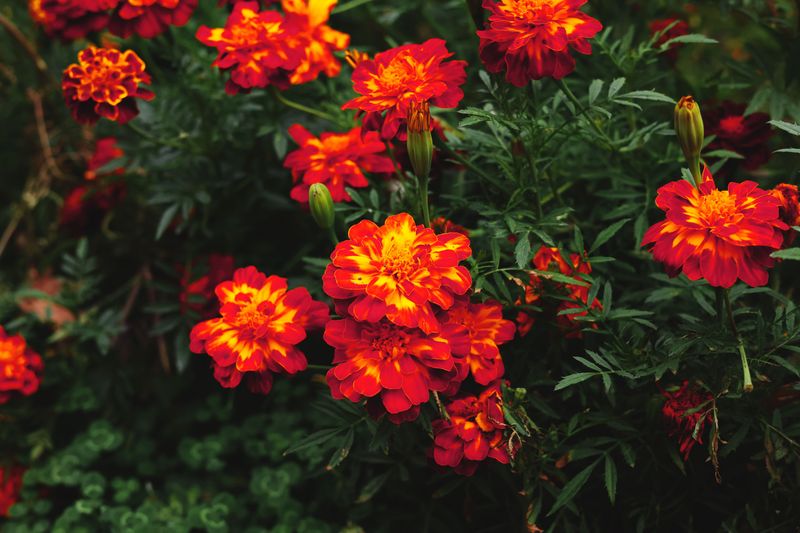
Bright orange pom-poms in October feel like the garden’s last party, and French marigolds rarely miss the invitation. Rub one leaf between your fingers, and you’ll notice a musky, bitter smell that many plant-eating bugs seem to dislike.
Tiny oil glands dot the foliage of Tagetes patula, and those glands release that pungent scent when brushed lightly. Marigolds are better known for helping manage certain soil nematodes, which scientists have studied for quite a few decades now.
Their effect on stink bugs is less certain, so mix them among vegetables as a colorful helper, not a cure-all. Plenty of pollinators also stop by the blooms, which gives your fall garden a lively buzz on sunny afternoons.
As annuals, French marigolds will fade after the first hard frost, which often arrives in late October or November. Before that happens, let a few flower heads dry on the plant so you can save seeds for free.
Pull apart the papery heads, and you’ll find slim black seeds with pale tips ready for next spring planting. I wonder how many generations of marigolds have traveled from one gardener’s envelope to another’s sunny backyard bed.
7. Mint
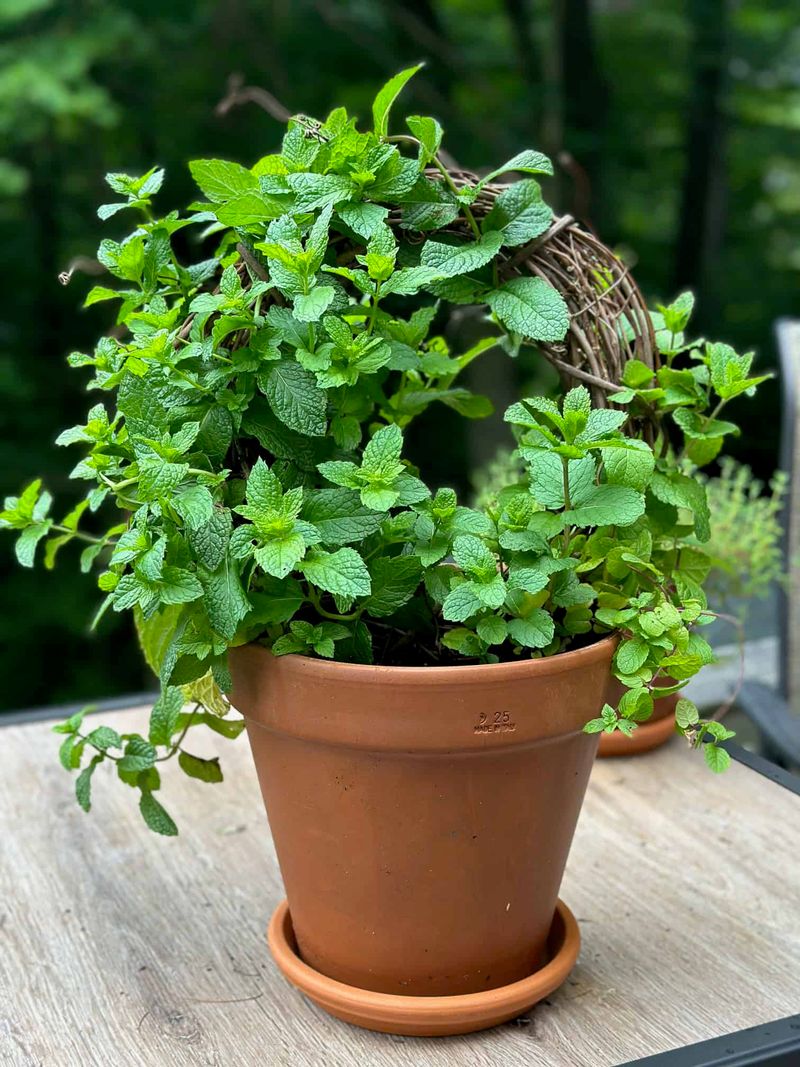
Mint has a reputation as the garden’s pushiest houseguest, spreading wherever its underground runners can quietly sneak next. That bold personality comes with a cool, sharp scent that many gardeners hope will keep hungry pests guessing all season long.
Menthol and menthone give peppermint its icy bite, and both compounds appear in many natural store-bought bug sprays. Strong smells like these may confuse insects searching for food, though field proof against stink bugs remains rather limited.
Containers are your best friend here, since mint planted into a bed can take over within a season or two. Sink a pot into the soil, leaving the rim above ground, so runners stay politely contained and out of trouble.
Spearmint and peppermint handle our winters with ease, usually going dormant and then returning with fresh shoots in spring. Early fall is a smart time to divide crowded pots and share extra clumps with fellow herb lovers nearby.
Place a few pots near doors or patio seating, where brushing past releases that refreshing smell into the air. You definitely need a sprig in your October tea, because fresh mint makes chilly evenings feel a bit brighter.
8. Bay Laurel
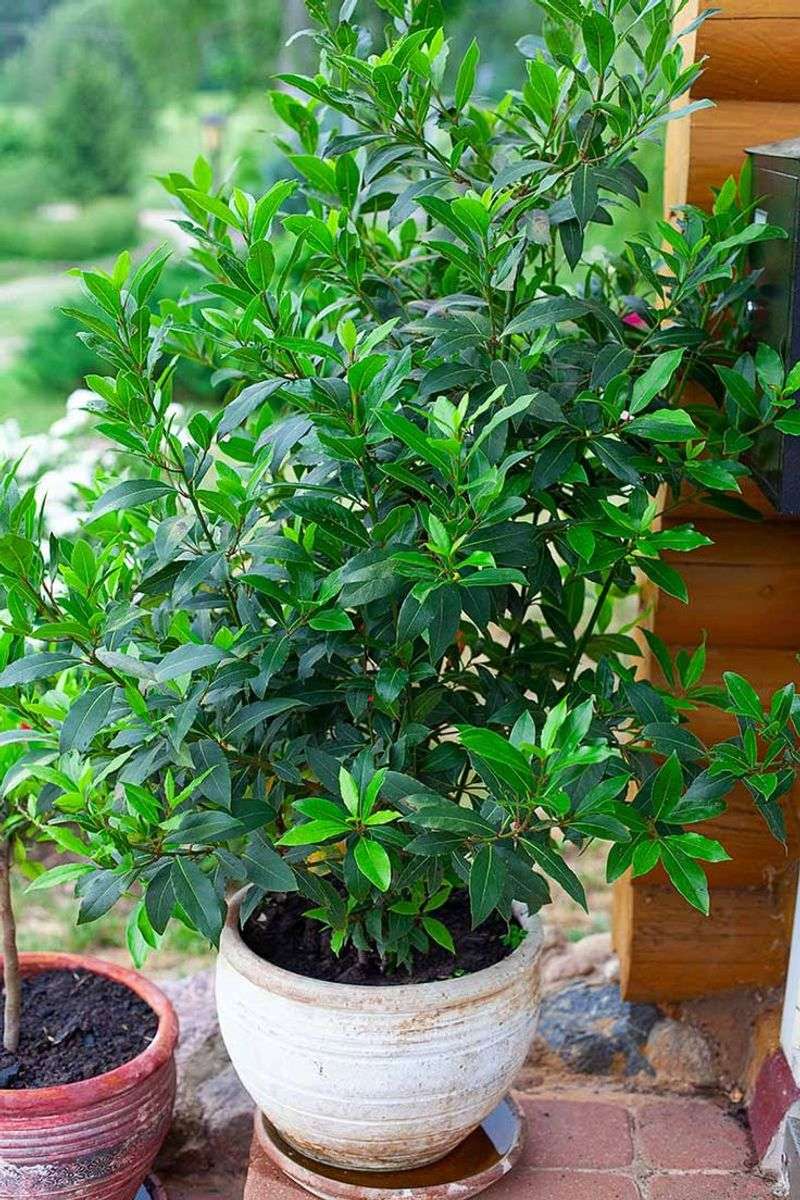
Ancient Greeks wove bay leaves into crowns for champions, and today those same glossy leaves flavor our stews. Many cooks also tuck dried leaves into flour bins, hoping the sharp scent keeps sneaky pantry pests far away.
Laurus nobilis leaves carry oils like eucalyptol and linalool, which give off that clean and almost medicinal smell. Those compounds explain why bay shows up on repellent lists, though stink bug studies on living plants are scarce.
Bay laurel is hardy only in zones 8 through 10, so most Virginia gardeners grow it in a large pot. Southeastern coastal yards may get away with planting it outdoors, especially near a sheltered brick wall that holds heat.
Early October is the moment to plan its move indoors, before nighttime temperatures dip close to freezing for good. Check under the leaves for hitchhiking bugs first, because nobody wants surprise guests crawling across the kitchen windowsill later.
A bright, cool window suits it through winter, and watering only when the top inch feels dry prevents soggy roots. I love that one shrub can serve as a scented porch plant and a lifelong supply of soup leaves.
9. Oregano
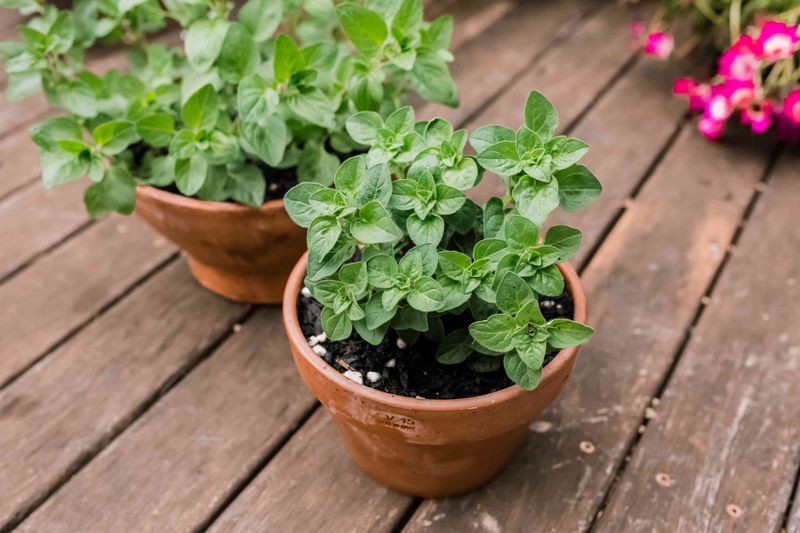
Pizza night owes a lot to oregano, but this herb also pops up in stink bug conversations among researchers. Lab studies have tested several plant oils on brown marmorated stink bugs, a major invasive pest in the Mid-Atlantic.
Oregano oil is rich in carvacrol and thymol, two compounds that often show strong effects on insects in lab tests. Lab results rarely translate perfectly to a breezy backyard, so expect a mild nudge rather than a shield.
Origanum vulgare loves full sun and lean, well-drained soil, and it actually tastes stronger when you skip fertilizer. Hardy through zones 4 to 10, it shrugs off winters across the state and returns each spring with fresh green growth.
Early autumn is perfect for cutting stems back by about a third and drying the trimmings for winter cooking. Hang small bundles in a dark, airy room, and the leaves will crumble easily within a couple of weeks.
Low, spreading clumps also make handy ground cover near your vegetable beds, crowding out some weeds along the way. I believe oregano is one of the easiest herbs a beginner can grow, which makes this experiment nearly risk-free.
10. Lemon Verbena

Saving the brightest scent for last feels right, because lemon verbena smells like a lemon that went to finishing school. Gardeners sometimes call it the queen of lemon-scented herbs, and one sniff explains that fancy royal nickname quickly.
Aloysia citriodora leaves hold citral and other citrus compounds, which many insects seem to find rather off-putting near our crops. Studies on live plants keeping stink bugs away are lacking, so its role here is hopeful rather than proven.
Native to South America, this shrub is hardy only in zones 8 through 11, so frost hits it hard here. Most growers in Virginia treat it as a summer annual or keep it in a pot they can move.
October nights turn cold fast here, and this tender plant dislikes even a light brush of early frost. Bring the pot indoors to a sunny window, or snip cuttings and root them in water for next year.
Expect leaves to drop indoors, because lemon verbena often rests over winter and can look like bare sticks. Water sparingly until spring, and new growth usually returns, ready for iced tea and another season watching over your beds.