Cold Front Coming: What Every Texas Gardener Should Bring Indoors Tonight
Tonight’s forecast just dropped a few chilly numbers, and my patio pots are suddenly looking very nervous. I wonder how many Texas gardeners will wake up to droopy leaves and a sinking feeling tomorrow morning.
Our state swings from sweaty afternoons to shivering nights faster than most of us can find a jacket. One October front can catch tropical favorites off guard, and they rarely hide their displeasure for long.
I believe a little effort this evening saves months of regret and a pile of crispy brown foliage. A few plants on this list surprised me with how quickly their summer swagger fades in chilly air.
Texas weather loves a plot twist, so your living room may need to become a temporary greenhouse. My own sunny windowsills are about to get crowded, and honestly, I think yours deserve the same honor.
1. Bougainvillea
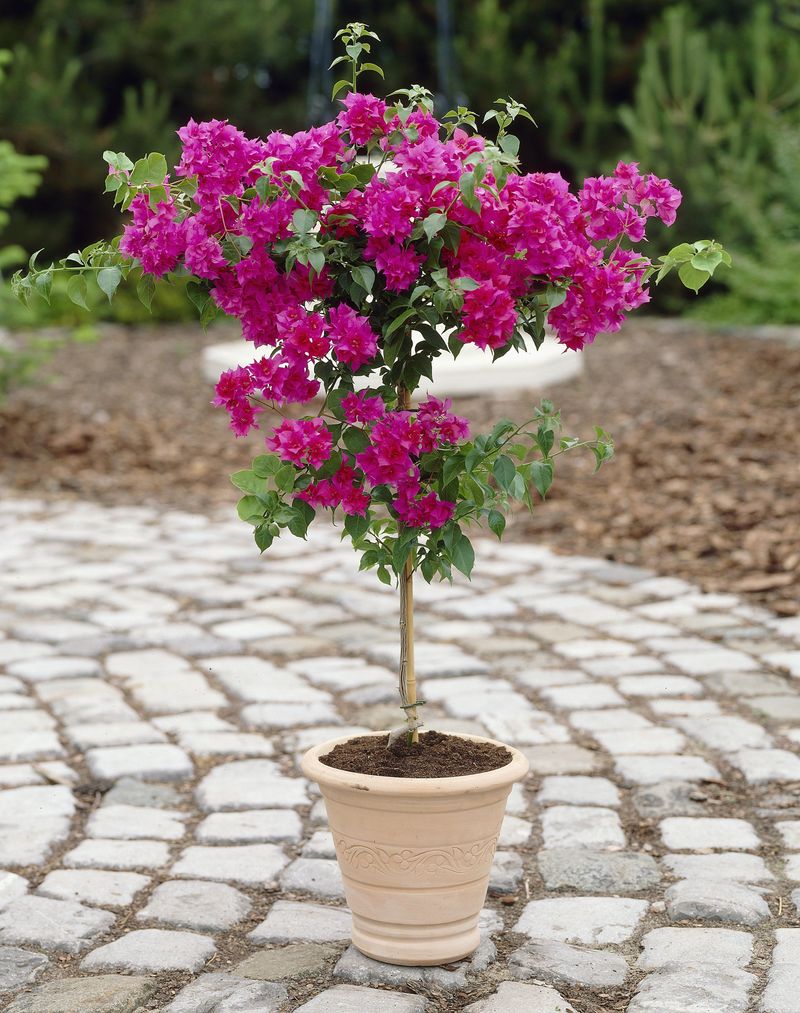
Those blazing pink petals on your bougainvillea are not petals at all, but colorful papery leaves called bracts. The real flowers are tiny white tubes tucked in the middle, and most people walk right past them.
That showy vine comes from South America and feels most at home in warm, frost-free places like Brazil. Potted plants feel the chill faster than ground plants, since their roots have no warm soil blanket.
Growth slows noticeably once temperatures sit in the fifties, and real frost can scorch tender stems quickly. I suggest moving your container inside whenever the forecast shows nights dropping into the low forties.
Before hauling it through the door, trim back long, thorny canes so the plant fits your space comfortably. Wear sturdy gloves for this job, because those hidden thorns grab sleeves and fingertips with surprising enthusiasm.
Find the sunniest window you own, ideally facing south, and expect some leaves to drop during the move. That shedding looks dramatic on the floor, yet it is mostly a normal reaction to lower indoor light.
Water sparingly through winter, letting the soil dry out well between drinks to encourage a restful pause. Soggy roots in a cool room cause far more trouble than a slightly thirsty plant ever will.
Bougainvillea also blooms best when it feels a bit root-bound, so skip the bigger pot for now. Come warmer weather, that patient rest pays off with fresh bracts glowing against your fence once again.
2. Tropical Hibiscus
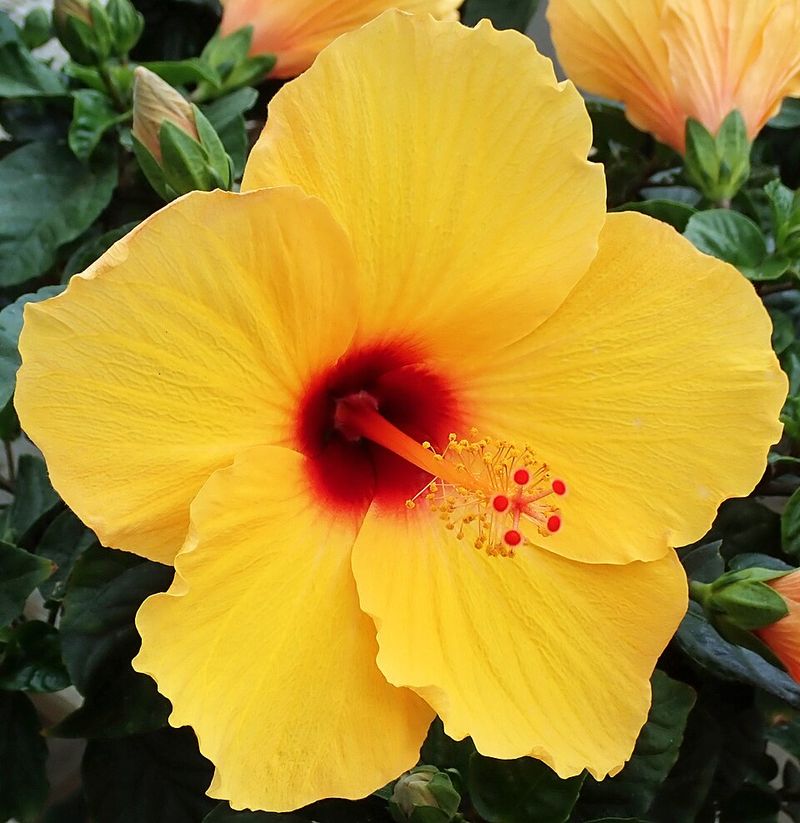
Each dinner-plate hibiscus bloom usually lasts about one day, which makes every flower feel like a tiny celebration. You wake up, find a fresh blossom, and by evening it gently curls closed like a sleepy umbrella.
The tropical type, Hibiscus rosa-sinensis, is different from the hardy hibiscus that returns from its roots each year. Glossy dark leaves are your clue, while hardy types usually have duller foliage and much larger flowers.
Tropical hibiscus starts sulking when nights fall below about fifty degrees, and frost can scorch it badly. I would rather carry a heavy pot inside than watch those shiny leaves turn limp and spotted.
Your Texas Garden Changes Every Week. Your Plan Should Too.
Gardening in Texas changes quickly throughout the season. Every Friday you’ll receive a simple weekly plan showing exactly what to plant, prune, fertilize, harvest, and protect so you never miss the right timing.
Before the move, check the undersides of leaves for whiteflies and aphids that love hitching a free ride. A firm spray from the garden hose knocks off many pests and saves you a headache indoors.
A light trim helps the plant fit your space, and it reduces the amount of foliage that suddenly yellows. Some yellow leaves will still appear during the first weeks, so try not to panic over them.
Place your hibiscus in the brightest window available, since lower light means fewer buds through the winter. Keep it away from heater vents, because dry blasts of air can make buds drop before opening.
Water once the top inch of soil feels dry, and hold off on fertilizer until days lengthen again. With patience, your tropical friend should return to the patio ready to throw more one-day parties.
3. Dwarf Citrus
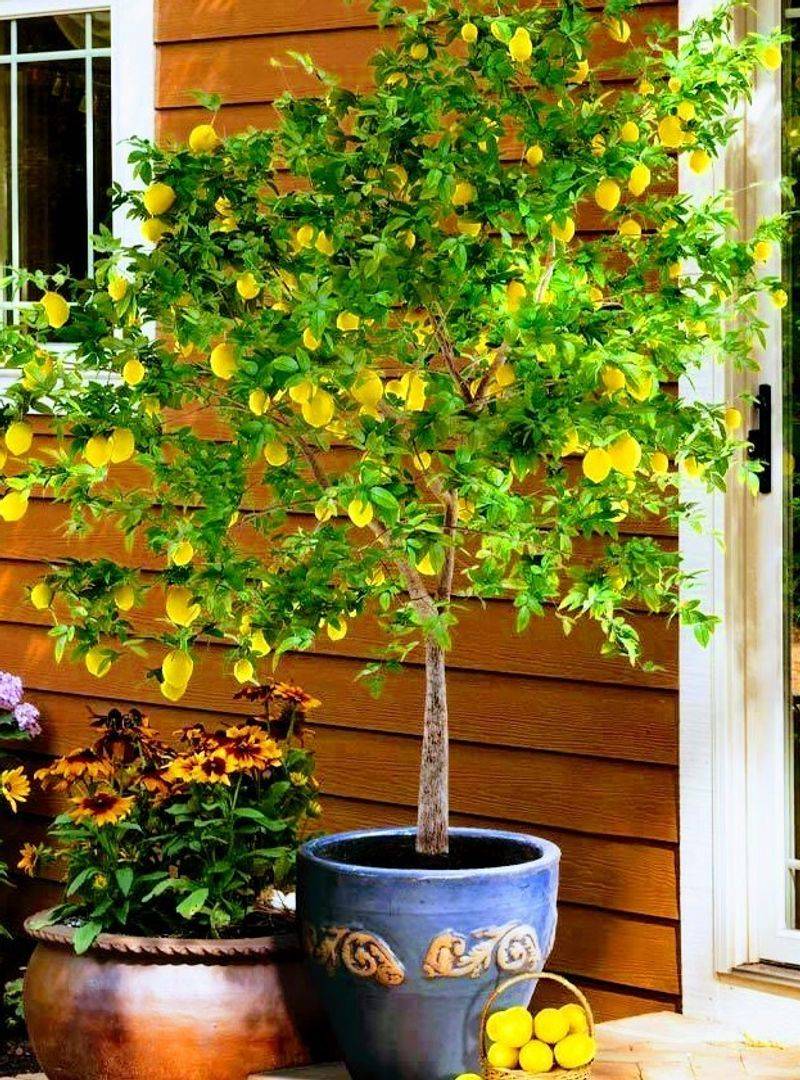
Few things beat plucking a lemon from your own patio tree, and the blossoms smell like pure sunshine. Potted citrus can carry flowers and ripening fruit at the same time, which feels a little like magic.
Popular choices like Meyer lemon and Key lime are often grafted onto dwarfing roots that keep them pot-sized. Key limes rank among the most cold-sensitive citrus, while kumquats and satsumas handle chilly nights much better.
Even tougher types struggle in pots, because chilly air reaches the roots from every side of the container. I recommend bringing yours inside once nights head toward the mid-thirties, well before any frost arrives.
A south-facing window gives citrus the strong light it craves, and a grow light can fill gaps nicely. Low light often triggers leaf drop, which can look alarming even though the tree usually bounces back.
Indoor air in winter tends to run dry, and citrus leaves appreciate a pebble tray filled with water. Set the pot on top of the pebbles, not in the water, so roots stay comfortably dry.
Water deeply but less often, waiting until the top couple of inches of soil feel dry to your finger. Wet feet in a cool house invite root rot, which troubles citrus far more than brief thirst does.
Blossoms that open indoors may need your help, since bees are not buzzing around your living room. Gently dab pollen between flowers with a small paintbrush, and you might enjoy homegrown fruit next year.
4. Tender Succulents
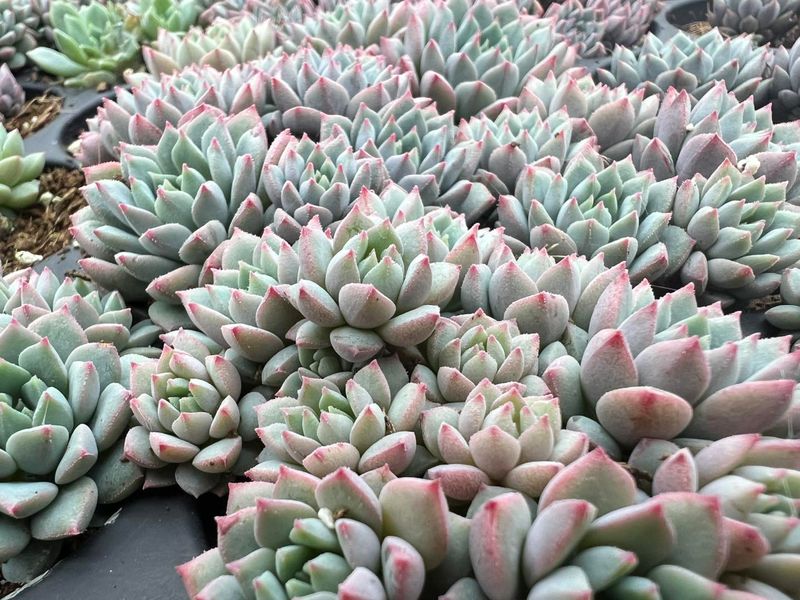
Those plump rosettes look tough enough to survive anything, yet a single frosty night can turn them to mush. Their thick leaves hold lots of water, and that stored water can freeze and rupture the cells.
Echeveria, the classic hen-and-chicks lookalike, comes mostly from Mexico and nearby regions where hard freezes are rare. Jade plants and many aloes share that same dislike of icy air, so gather them up together.
Cold combined with wet soil causes the biggest trouble, so a rainy front deserves extra attention from you. I suggest moving these pots inside once nights dip toward forty degrees or lower on your weather app.
Bright light matters more than anything else indoors, because dim corners make succulents stretch toward the glass. That leaning, pale growth even has a name, etiolation, and it rarely returns to its compact shape.
A south window works well, though a simple grow light on a timer can rescue darker homes nicely. Rotate each pot every week or so, and your rosettes will grow evenly instead of leaning sideways.
Water rarely through winter, letting the soil dry fully before gently giving the roots another thorough soak. Pots with drainage holes and gritty cactus mix keep moisture moving, which keeps rot from sneaking in.
Peek between the leaves for mealybugs, those fuzzy white specks that love hiding in tight rosette centers. A dab of insecticidal soap usually clears them out before they spread to your other plants.
5. Mandevilla
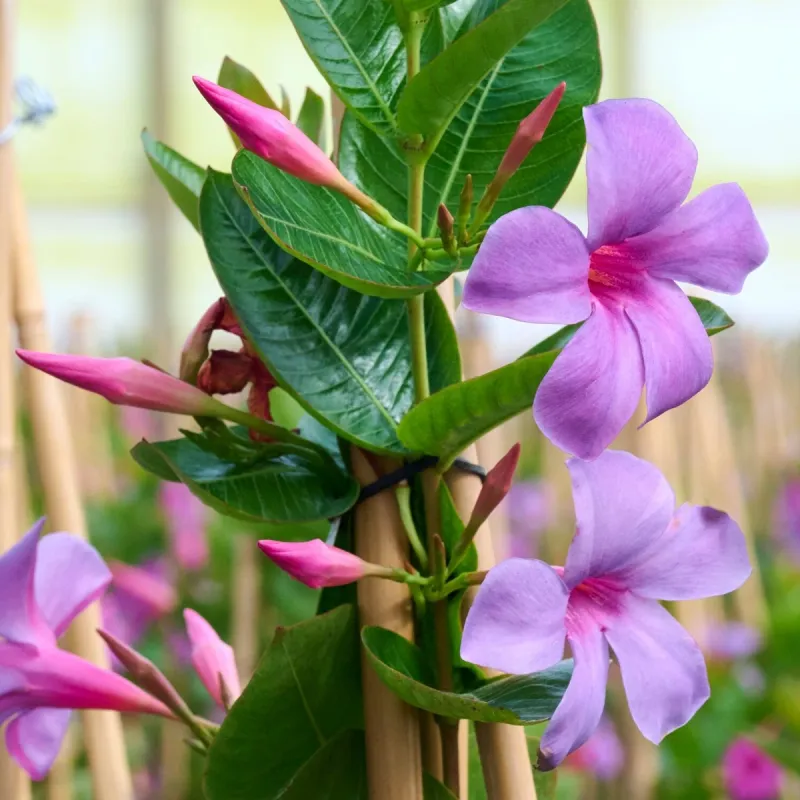
Trumpet-shaped mandevilla flowers can bloom from late spring until frost, which makes this vine a hardworking patio star. Hummingbirds and butterflies often stop by for a sip, giving you a free show from your porch chair.
Native to Central and South America, mandevilla loves heat and grows as a perennial only in frost-free zones. Most Texas yards outside the far southern tip see enough cold to make outdoor winters risky.
Leaves start to suffer when nights slip below about fifty degrees, and frost blackens the foliage fast. You definitely need to move it before tonight’s front arrives, especially if it lives in a hanging basket.
Untangle the vine from its trellis carefully, or simply cut it back by up to half its length. Expect a little milky sap from the cuts, so wear gloves if your skin tends to react.
Bright, indirect light suits it best inside, and a sunroom or east window can work quite well. Some yellowing and leaf drop usually follows the move, and that reaction is mostly the plant adjusting.
Let the soil dry noticeably between waterings, since growth slows down a lot during short winter days. Spider mites enjoy warm, dry rooms, so mist the leaves or rinse them gently every couple of weeks.
Skip fertilizer until you spot fresh shoots, then slowly return the vine to brighter outdoor light later. I’m sure those pink trumpets will look even sweeter after a winter spent snug in your house.
6. Zonal Geranium
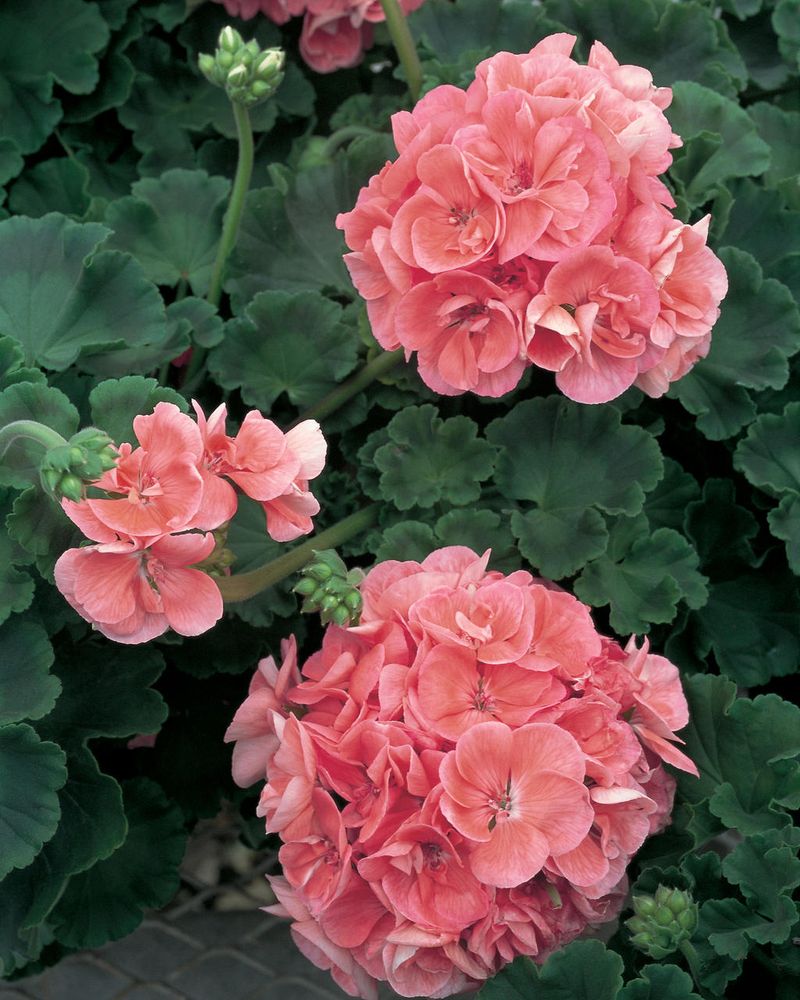
Your cheerful zonal geranium is not a true geranium at all, which surprises plenty of experienced gardeners. Botanists place it in the genus Pelargonium, and most of its wild ancestors grow in southern Africa.
That faint dark ring on many leaves gives the zonal type its name, and it looks like a fingerprint. Rub a leaf gently, and you will notice a spicy, earthy scent drifting up from your fingers.
Fall is often prime time for geraniums in warmer regions, since they bloom best once brutal heat fades. Frost still damages them quickly, so a sudden cold snap can end that lovely second act early.
Geraniums actually tolerate cooler rooms than many tropicals, and they rest happily around fifty to sixty degrees. A bright window in a cool spare room or enclosed porch can make an ideal winter hideout.
Warm rooms with weak light produce long, floppy stems, and those stretched plants rarely bloom well indoors. Trimming the plant back by about a third before moving it keeps the shape tidy and compact.
Those trimmed stems are not trash, because four-inch cuttings root easily in small pots of moist mix. I love that one favorite plant can quietly turn into several new ones on a kitchen windowsill.
Water only when the soil feels dry, because soggy geranium roots rot quickly in cool indoor conditions. Hold back fertilizer during this resting stretch, and your plants should be ready for another colorful encore.
7. Coleus
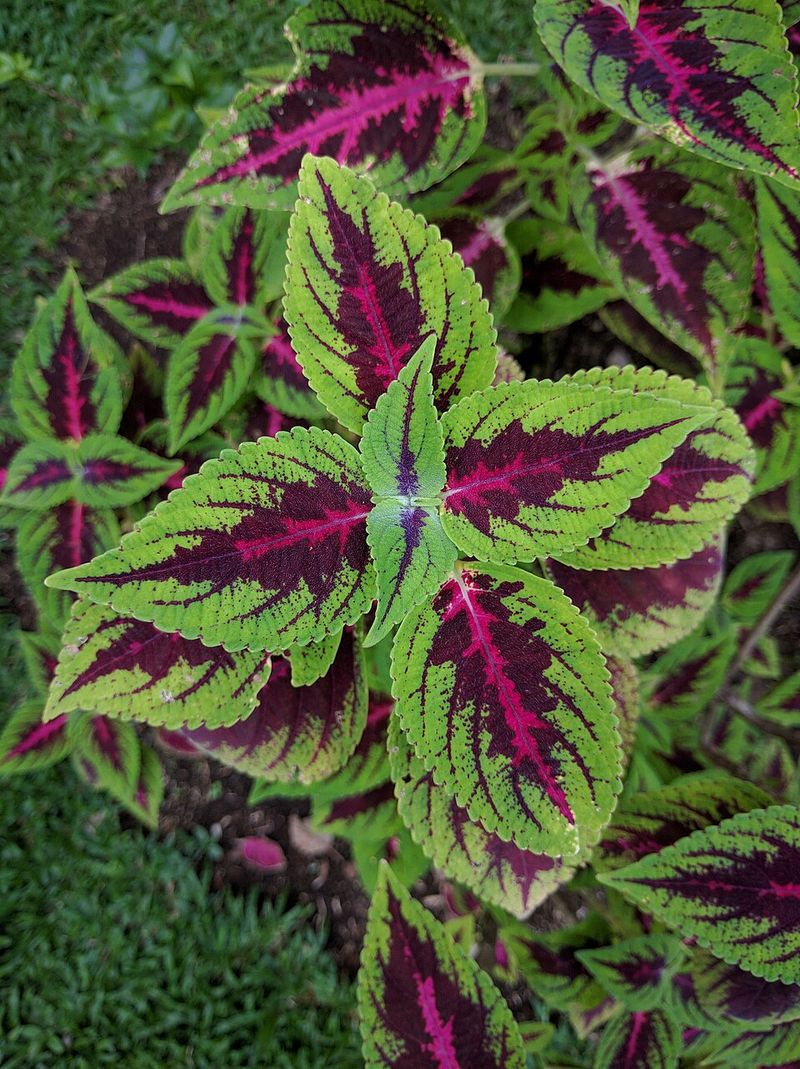
Run your fingers down a coleus stem and you will feel four distinct corners instead of a smooth round shape. That square stem reveals a fun family secret, because coleus belongs to the mint family alongside basil.
Gardeners grow it for the wild leaves, with colors ranging from electric lime to deep velvety burgundy. Its native roots trace back to tropical Southeast Asia, so chilly air feels foreign to this plant.
Coleus often sulks once nights fall into the fifties, and frost turns the leaves black almost overnight. I can’t imagine losing those painted leaves to one cold evening, so rescue them before temperatures tumble.
Large garden plants rarely fit indoors gracefully, so many gardeners take cuttings instead of moving whole pots. Snip four-inch stem tips and strip off their lower leaves before setting them in a jar of water.
White roots usually appear within a couple of weeks, and watching them grow feels like a small science project.
Pot the rooted pieces in fresh mix, and you will have bushy houseplants without hauling heavy containers.
Bright, indirect light keeps the colors rich indoors, while dim corners often fade them into muddy greens. Water when the surface feels dry, since cool soggy soil invites root trouble and sudden leaf drop.
Pinch off flower spikes whenever they appear, because blooming tends to slow down fresh leafy growth. Regular pinching of stem tips also keeps your coleus full and ready for a bold return outdoors.
8. Sweet Potato Vine
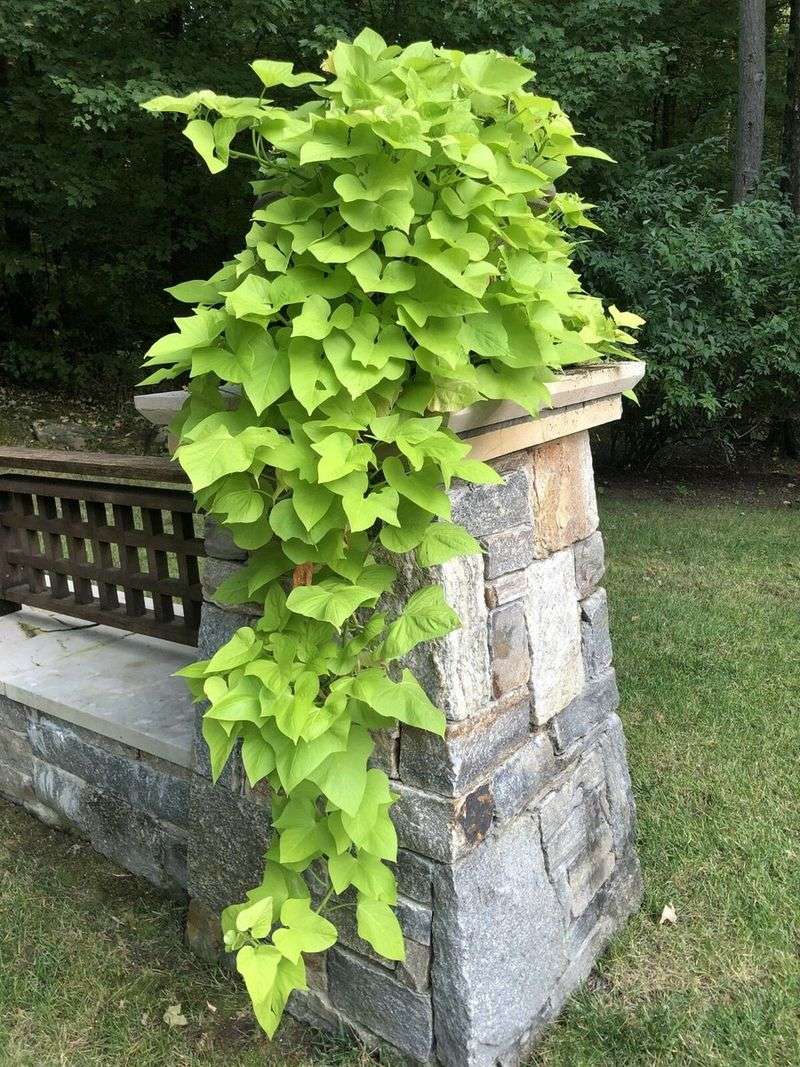
That trendy chartreuse vine spilling from your planter is the same species as the sweet potatoes at the store. Ornamental types like Marguerite were bred for showy leaves, and their tubers are not prized for flavor.
Its scientific name is Ipomoea batatas, which also makes it a cousin of morning glories climbing nearby fences. Dark purple and lime varieties share the same tropical love of heat and strong dislike of chilly nights.
Leaves start looking tired once nights drop into the fifties, and frost blackens them almost immediately. Many gardeners treat it as an annual, yet saving a favorite color is easy and costs nothing.
Cuttings are my favorite trick, since six-inch stem pieces root quickly in a jar of plain water. Set the jar in a bright window, and those trailing stems can grow happily as houseplants all winter.
Another option involves digging up the tubers before frost arrives and storing them somewhere cool and dry. Keep them above about fifty-five degrees, since cold storage can cause the tubers to rot or shrivel.
Whole potted vines can come indoors too, though they grow fast and may need regular haircuts. Trim long runners back before moving them, and let the soil dry slightly between each watering.
Watch for whiteflies on the leaf undersides, because these tiny pests love warm indoor spaces during winter. By the time warm weather returns, you could have a whole tray of free vines ready to spill.
9. Gerbera Daisy
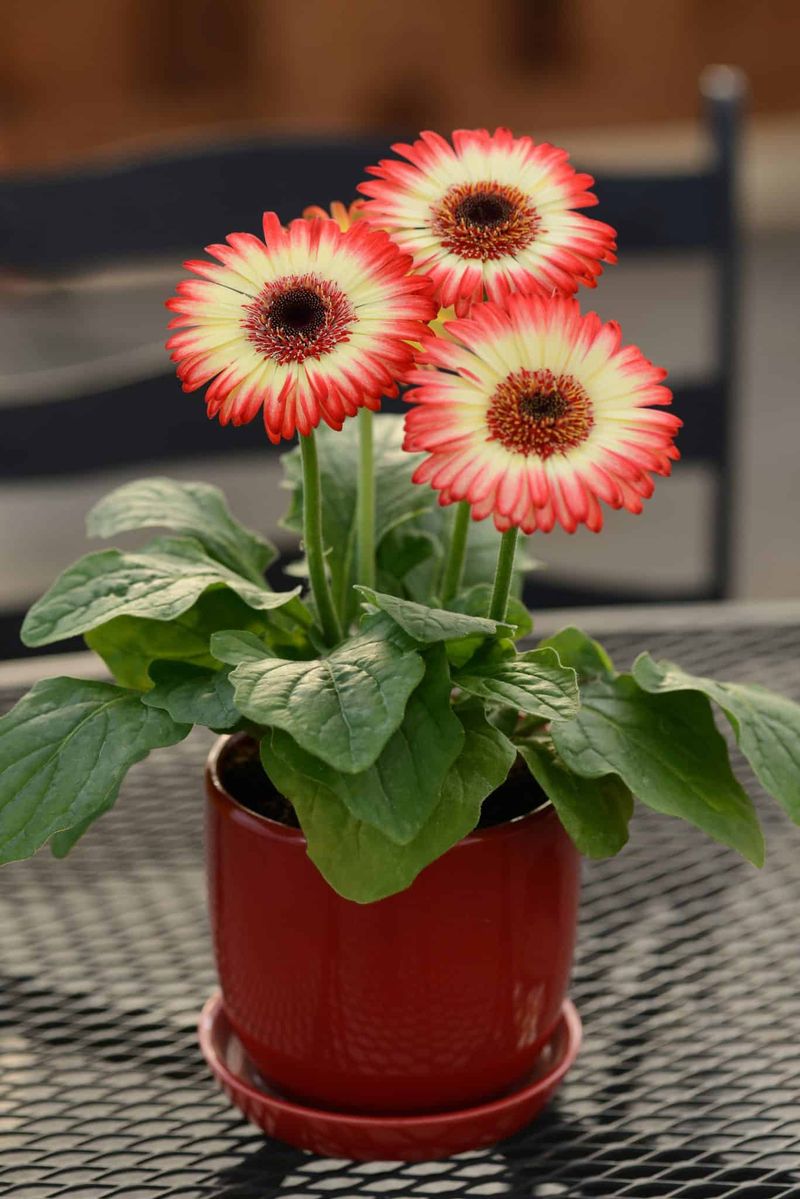
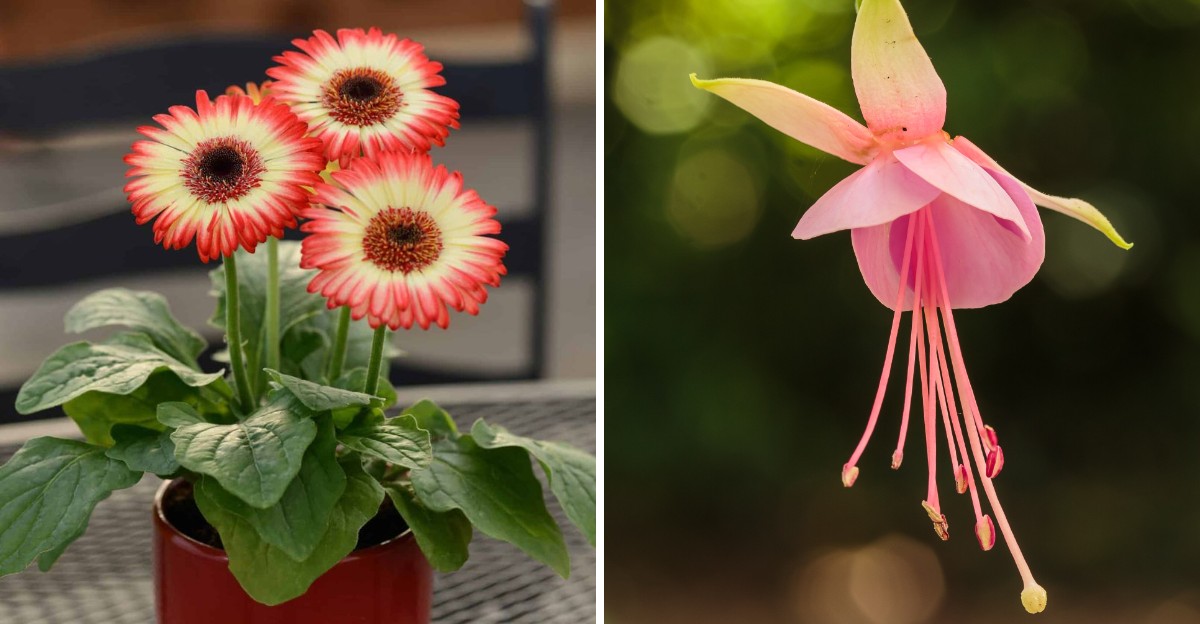
Few flowers look quite as cheerful as a gerbera, with tidy petals circling a bold, button-like center. Each bloom is actually many tiny florets packed tightly together, the same clever trick sunflowers use.
Their wild ancestor, often called the Barberton daisy, grows in South Africa where it enjoys warm sunny grasslands. Modern hybrids come in nearly every warm shade, and florists love them because cut stems last quite long.
Light frost can scorch the leaves, and a hard freeze often damages the crown where new growth starts. Potted gerberas deserve a spot inside once forecasts show nights sliding toward the low forties or below.
Indoors, they crave several hours of bright light, so a sunny south or west window works nicely. Blooms may slow down in winter, but healthy green leaves still mean your plant is doing fine.
Gerberas really dislike wet crowns, so plant them slightly high and water around the base, not overhead. Let the top inch of soil dry before watering again, since soggy roots rot surprisingly fast indoors.
Good airflow also matters, because powdery mildew loves still, humid rooms and leaves a dusty white film. A small fan running nearby on low can help keep the foliage clean and the plant comfortable.
Snip faded flower stalks at the base, and the plant will put energy into fresh buds instead. I believe a single gerbera bloom on a gray winter morning can brighten an entire kitchen table.
10. Fuchsia
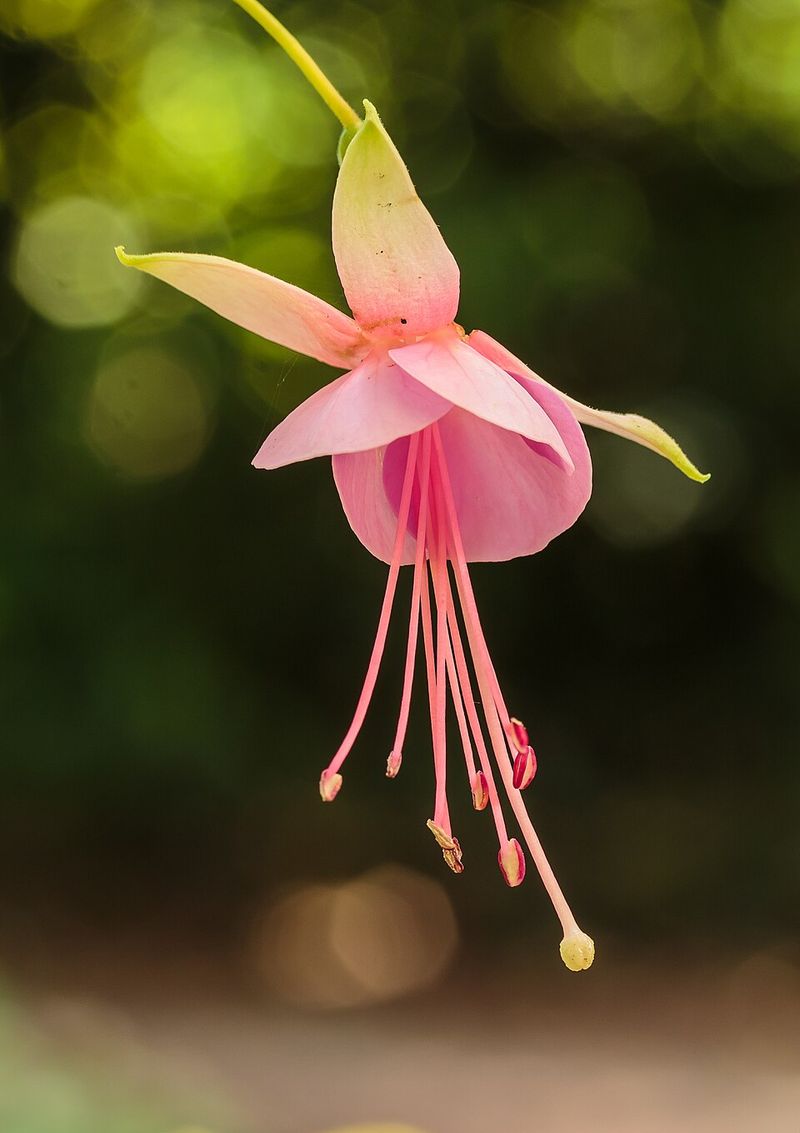
Dangling fuchsia blooms look like tiny ballerinas twirling in skirts, and hummingbirds find them almost impossible to resist.
The genus honors Leonhart Fuchs, a German botanist from the 1500s, though he lived long before its discovery.
Most garden fuchsias trace back to high, cool mountain forests scattered across Central and South America. That background explains why they struggle in our blazing summers yet still dislike frost on autumn nights.
Many Texas gardeners grow them in shady hanging baskets, where milder fall weather often helps flowering pick up. Most hybrids need shelter before frost, so a chilly forecast means it is time to unhook that basket.
You can keep a fuchsia growing as a houseplant in bright, indirect light with a bit of extra humidity. Warm, dry homes can stress them, so a cool room around the low sixties often suits them better.
Another route lets the plant rest in a cool, dark spot like an unheated garage that stays above freezing. For that dormant method, cut stems back by about half and remove the remaining leaves first.
Dormant fuchsias need only an occasional light drink, just enough to keep the roots from drying out fully. Check the soil every few weeks, because a bone-dry root ball rarely recovers well once spring arrives.
Whiteflies adore fuchsias, so inspect leaf undersides carefully before any plant crosses your doorstep this week. I’m sure those dancing blossoms will feel even more magical once hummingbirds find them again next year.