8 Unlucky Plants Floridians Should Never Bring Indoors
Some of the prettiest pots at the garden center carry a secret that nobody prints on the price tag. I learned to read past the glossy leaves after years of digging in sandy Florida soil.
October brings cooler mornings, and plenty of us start hauling patio favorites inside before the first chilly snap arrives. That habit feels cozy, yet a few common greens can cause real trouble for curious kids and pets.
I wonder how many Florida living rooms hold a stunning troublemaker right now, sitting quietly beside the couch. Several on this list are bestsellers, which makes their hidden quirks even more surprising to discover.
One of them could be soaking up sunshine on your own windowsill this very minute, looking innocent. I believe a little know-how lets you keep the beauty while lowering the risk for everyone at home.
1. Sago Palm
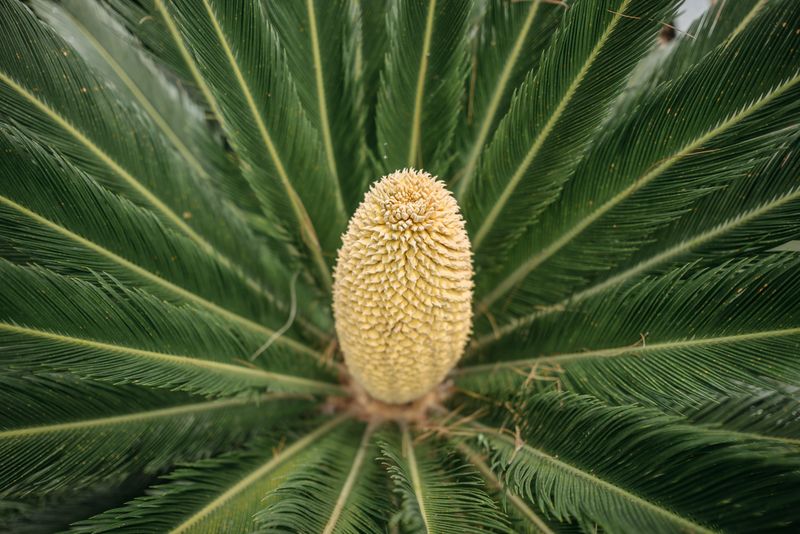
Those stiff, glossy fronds look like a tiny tropical vacation sitting in a pot by your front door. You would hardly guess this tidy little plant ranks among the most toxic choices in any yard.
Despite the name, sago palm is not a palm at all but an ancient cycad. Its relatives were growing on Earth long before flowering plants showed up, which is a fun fact for history buffs.
Every part of the plant contains toxins, and the seeds hold the highest amount of a compound called cycasin. Dogs seem drawn to those bright orange seeds, which sadly makes them the biggest worry indoors.
Symptoms can include severe vomiting and serious liver damage, according to veterinary sources like the ASPCA. Signs may not show up right away, sometimes taking a day or more to appear after a pet chews.
Even with fast treatment, some animals do not recover, so prevention matters far more than any cure. Kids face real risk too, since a bright seed can look a lot like a toy or snack.
Outdoors, this cycad grows happily in USDA zones 8 through 11 and handles our sunny yards with ease. Keep it planted in a spot away from play areas, and pick up fallen seeds quickly.
If you already own one indoors, early fall is a smart time to rethink its location before holiday guests arrive. Moving it to a fenced patio keeps the look while reducing those risky encounters.
2. Castor Bean
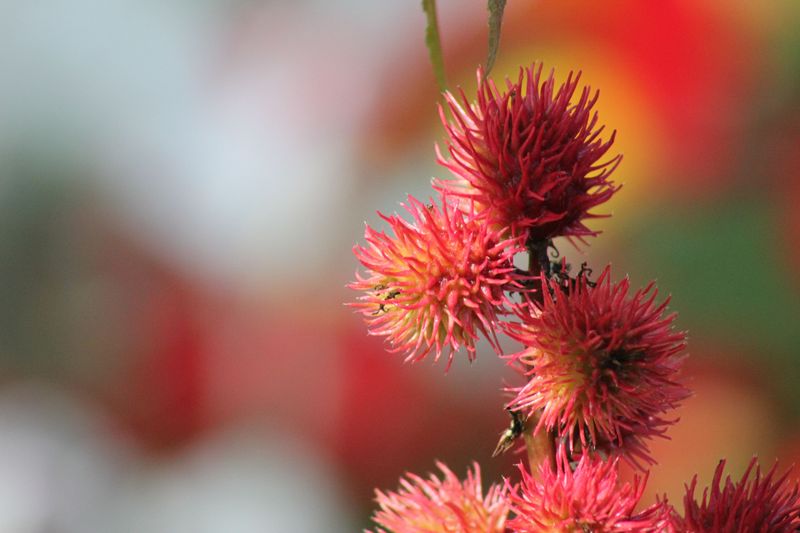
Few plants look as dramatic as a castor bean, with giant star-shaped leaves that blush red or deep purple. Gardeners admire the bold color, yet the spiky seed pods hide one of nature’s strongest poisons.
Those mottled seeds contain ricin, a toxin so potent that chewing just a few can be life-threatening. Both people and animals are at risk, which makes this plant a poor match for any living room.
Even touching the plant can bother some folks, since the sap may cause skin irritation after contact. Its pollen also triggers allergy symptoms in sensitive people, so sniffling near it is no coincidence.
Your Florida Garden Changes Every Week. Your Plan Should Too.
Gardening in Florida changes quickly throughout the season. Every Friday you’ll receive a simple weekly plan showing exactly what to plant, prune, fertilize, harvest, and protect so you never miss the right timing.
I’m sure plenty of folks have spotted these tall shrubs growing wild along roadsides and empty lots. Castor bean has naturalized across warm regions, and the Florida Invasive Species Council lists it as Category II invasive.
That label means it spreads beyond gardens and can crowd out native plants in natural areas. Bringing seeds home or into the house only adds more chances for them to escape or be swallowed.
By early October, many seed capsules have turned brown and begin splitting open on their own. You definitely need gloves if you plan to pull plants now, before more seeds scatter across the ground.
Bag the pods carefully and toss them in the trash instead of the compost pile, where seeds may sprout. Washing your hands afterward is a simple habit that adds another layer of protection.
3. Dieffenbachia
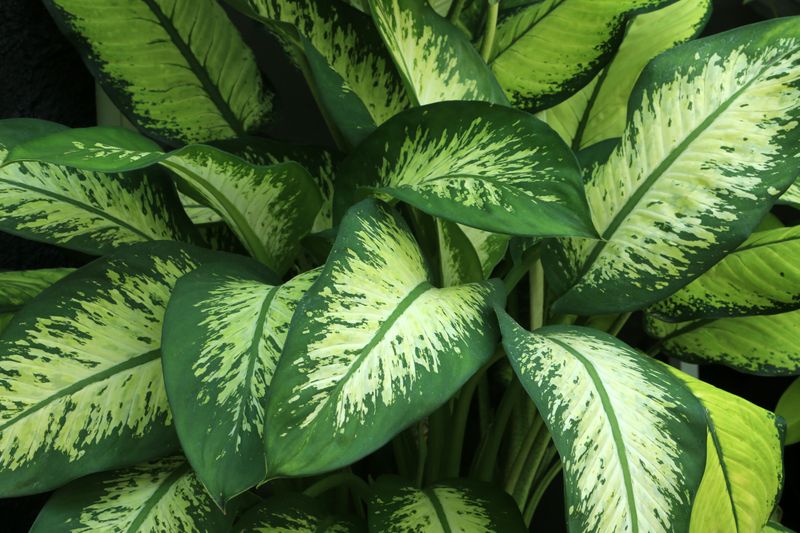
Talk about a nickname that tells a story, because dieffenbachia is widely known as dumb cane. One bite of the stem can leave a person struggling to speak clearly for a while, which explains everything.
The culprit is a batch of tiny, needle-shaped calcium oxalate crystals packed inside the sap. When chewed, they jab the soft tissue of the mouth, causing burning pain and noticeable swelling right away.
Swelling in the tongue or throat can make swallowing hard, so a quick call to poison control is wise. Pets that nibble the leaves often drool heavily and paw at their faces in obvious discomfort.
Its sap may also cause a rash on sensitive skin, especially when you cut stems during pruning. Wearing gloves and keeping your hands away from your eyes makes trimming sessions much safer.
Honestly, I understand why people love it, since the big leaves splash cream and yellow across bright green. Some varieties stretch six to eight feet tall, turning a plain corner into a little jungle.
It prefers bright, indirect light and steady warmth, which is why it shows up in so many homes. Those cozy indoor conditions also put it right at nose level for toddlers and curious cats.
If you keep one, place it on a high stand or in a room that pets rarely visit. Fallen leaves should be picked up quickly, since a dropped leaf is easy for little hands to grab.
4. Philodendron
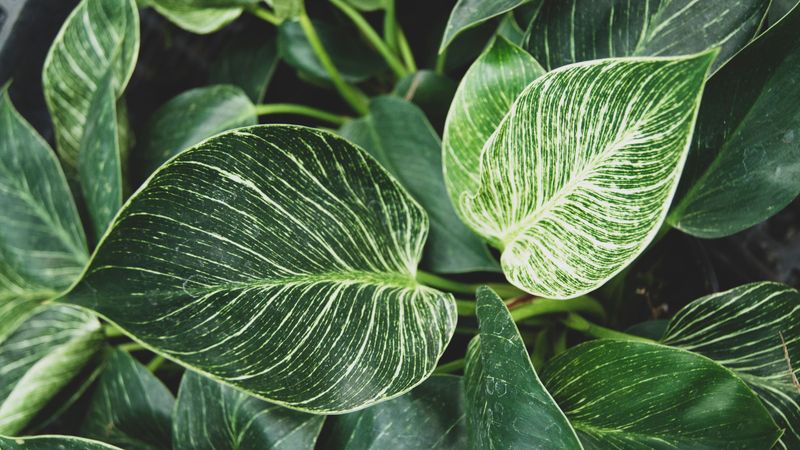
Heart-shaped leaves spilling over a bookshelf might be the most popular houseplant look of the past decade. Philodendrons earned that fame by forgiving missed waterings, but their friendly reputation hides a prickly secret.
Every part of the plant contains insoluble calcium oxalate crystals, the same irritants found in several cousins on this list. Their effect is mostly mechanical, like tiny splinters, rather than a chemical poisoning inside the body.
Chewing a leaf usually brings intense burning of the lips and tongue, along with heavy drooling. Vomiting and trouble swallowing can follow, especially in cats who love batting at dangling vines from shelves.
Many people confuse the split-leaf philodendron with monstera, which is a separate plant with similar oversized leaves. Both belong to the aroid family, so caution makes sense with either one in your home.
Outdoors, many types grow happily in zones 9b through 11, climbing trees in shady backyards across South Florida. Indoors, they adapt to lower light, which explains why nearly every plant shop stocks several kinds.
Trailing types create the biggest risk, since long vines drift down where pets can reach them easily. Trimming those strands in fall keeps the plant tidy while removing temptation from the floor area.
Hanging baskets near the ceiling are a clever solution, and they show off cascading growth beautifully. Toss trimmed pieces in a covered bin rather than leaving them on the counter for a nibbling cat.
5. Caladium
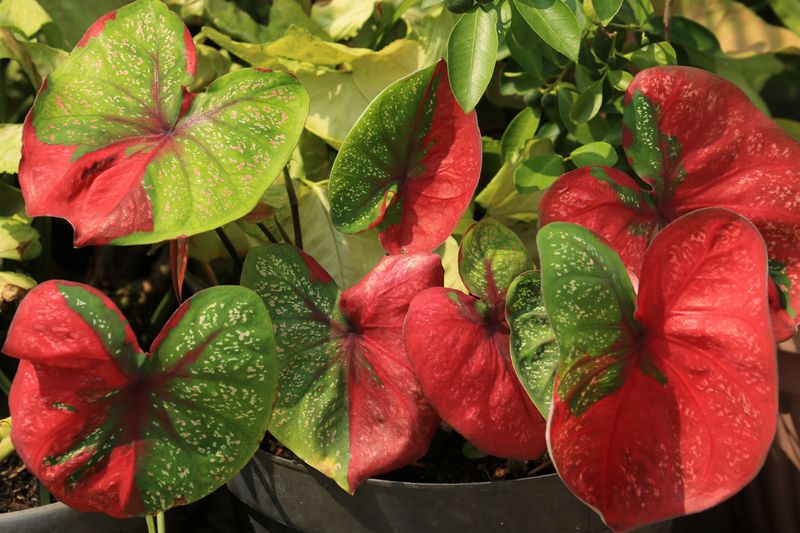
Caladium leaves look painted by hand, with bold splashes of pink and red streaking across paper-thin green. No wonder shoppers grab a pot or two whenever they spot those brilliant hearts at the store.
Sadly, all parts of this showy plant are poisonous to people and animals alike, according to plant safety experts. Calcium oxalate crystals inside the tissue cause painful irritation as soon as they touch the mouth.
Ingestion may lead to a swollen tongue along with heavy drooling in pets or small children. Vomiting and diarrhea can follow, so watching for these signs after a nibble is a smart move.
The tubers deserve extra care, since they are considered especially potent compared with the colorful leaves. Many gardeners dig tubers in fall to store them, which puts concentrated toxins right inside the house.
Early October is prime digging time in central and northern parts of the state, as leaves begin fading. Store cleaned tubers in a labeled box high on a garage shelf, well away from kids and pets.
Caladiums prefer temperatures around seventy degrees along with high humidity, which suits our steamy climate nicely. Grown in zones 9 through 11, they shine in shady beds rather than crowded indoor shelves.
I can’t imagine a more cheerful plant for a porch planter, so enjoy them outside instead. Wear gloves when handling tubers, and wash up before touching snacks or rubbing your eyes afterward.
6. Crown Of Thorns
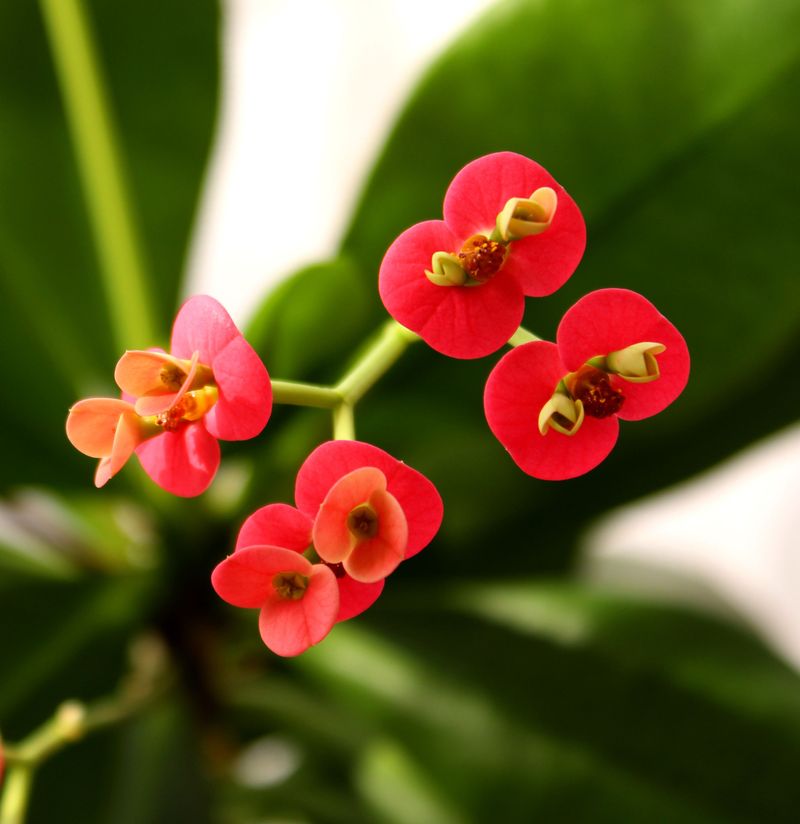
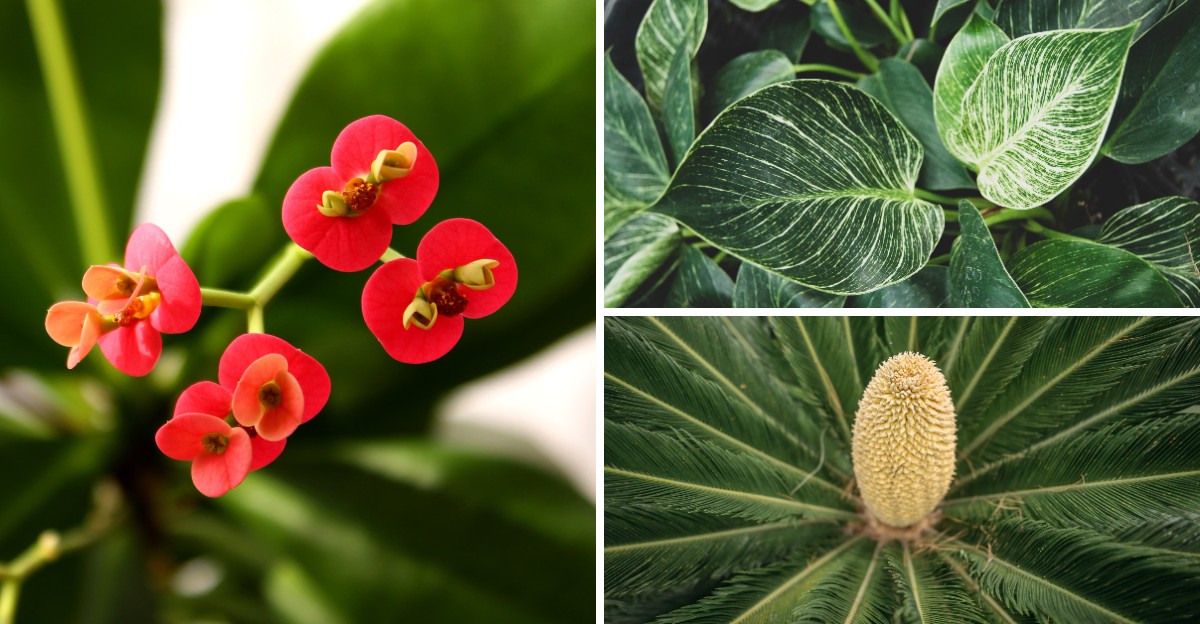
Ouch is the first word most people say after brushing against a crown of thorns. Those sharp spines line nearly every stem, turning a quick reach for a fallen leaf into a painful lesson.
This woody succulent comes from Madagascar, and it has become a favorite in sunny southern gardens. Its cheerful red or pink blooms are actually colorful bracts surrounding tiny true flowers in the center.
Snap a stem, and a milky white sap oozes out almost immediately from the wound. That sap can irritate skin and eyes on contact, so protective gloves and eyewear make pruning much safer.
Mouths react badly too, which means a chewing pet may end up with irritation and an upset stomach. Thorns add a physical hazard, especially for toddlers who crawl near low pots on the floor.
Indoors, the plant also struggles to bloom well, because it wants four to six hours of direct sun daily. Most living rooms simply cannot offer that much light, so flowers often fade and leaves drop.
Outdoors in zones 9 through 11, it thrives in hot, sunny spots with sandy, well-drained soil. Many Florida homeowners use it as a low hedge, where its spines quietly discourage unwanted foot traffic.
If yours spent the warm months outside, resist the urge to bring it in just because October feels cooler. It handles our mild fall weather nicely, and you avoid sap accidents on carpets and furniture.
7. Snake Plant
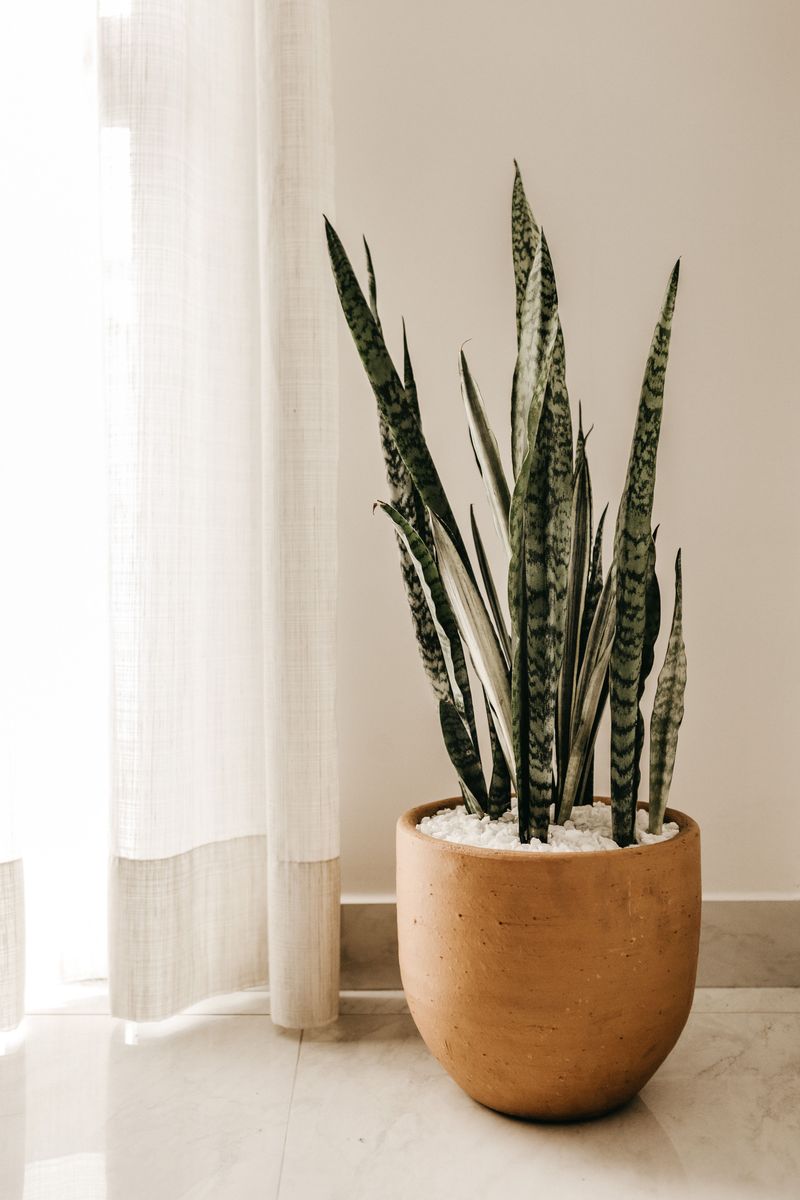
Ask ten plant lovers for an easy houseplant, and at least half will probably name the snake plant. Its upright, sword-like leaves seem nearly unstoppable, yet this tough beauty still comes with a few catches.
Botanists now call it Dracaena trifasciata, though many nursery tags still use the older name Sansevieria. Folks also call it mother-in-law’s tongue, a playful nickname inspired by those sharp, pointed leaves.
The leaves contain saponins, natural compounds that can upset a pet’s stomach when chewed or swallowed. Vomiting and diarrhea are common signs, and they tend to be milder than reactions from other plants here.
Its biggest indoor problem may be kindness, since owners often water far more than the plant needs. Soggy soil leads to root rot, turning firm leaves mushy and yellow near the base surprisingly fast.
Let the soil dry out between drinks, and water even less as days shorten through fall and winter. A pot with drainage holes and gritty mix helps prevent the soggy roots that cause so much trouble.
Outside, it thrives in zones 10 and 11, and it can spread aggressively through creeping underground stems. Some related species have escaped into natural areas in the state, so planting it outdoors deserves careful thought.
Keep indoor pots on a shelf that dogs cannot reach, and avoid tossing divisions into wooded lots. Sharing extra pups with friends is a kinder way to handle a plant that multiplies quickly.
8. Schefflera
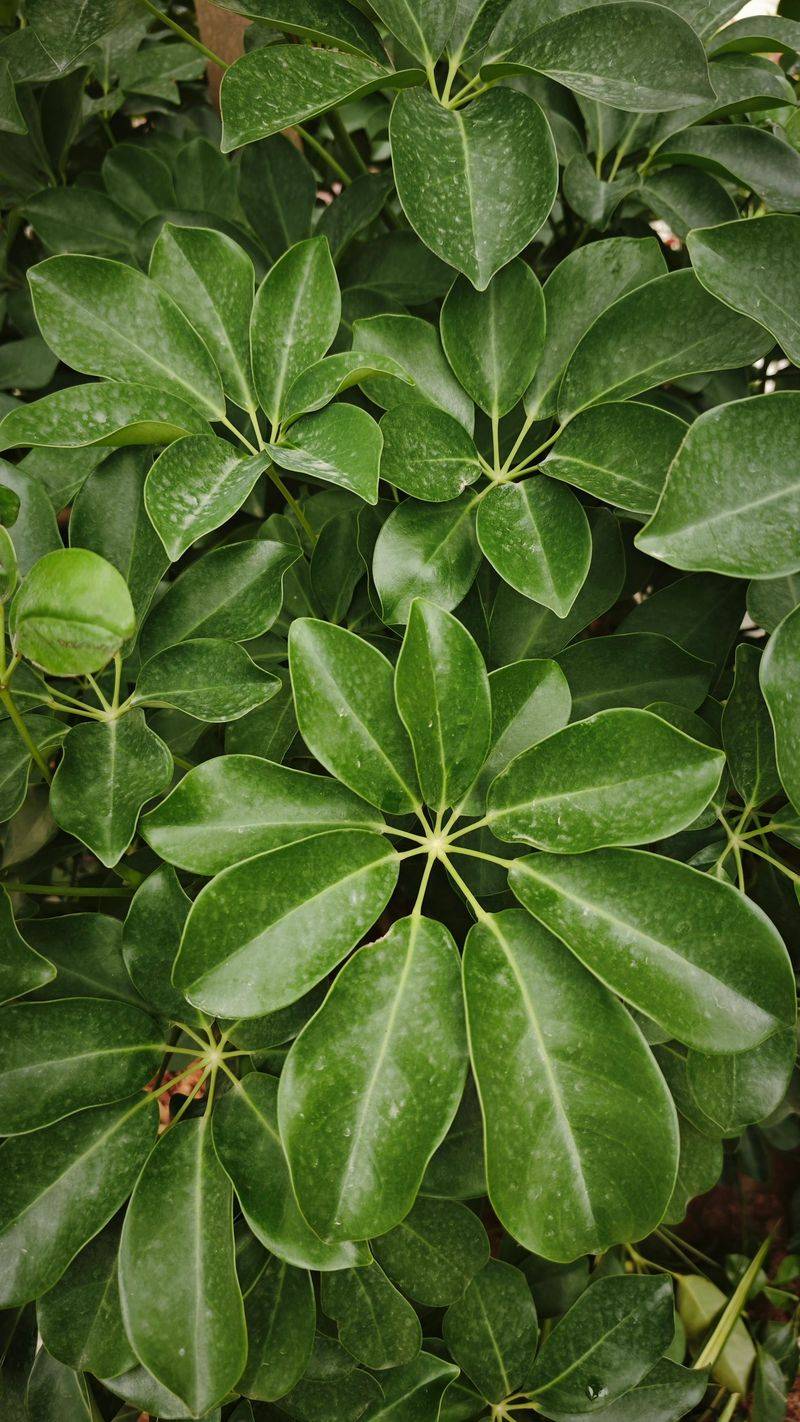
Spin a schefflera leaf in your fingers, and you will see a tiny umbrella with glossy spokes radiating outward. That charming shape makes dwarf umbrella trees a common gift, especially for new homeowners and office desks.
Hidden inside those leaves are calcium oxalate crystals, making the plant toxic to cats and dogs. A curious nibble can cause burning in the mouth along with heavy drooling and trouble swallowing afterward.
Pets that chew the leaves may paw at their mouths or refuse food for a short while. Calling your veterinarian quickly is the best step if you notice those signs after an encounter.
Indoor growing brings its own headaches, because this plant needs bright, indirect light to stay full. Dim corners lead to leggy stems and dull variegation, leaving the plant looking tired and stretched out.
Overwatering is another frequent mistake, often showing up as yellow leaves that drop without warning. Soil that stays wet for days invites root rot, which is tough to reverse once it starts.
The dwarf type, Schefflera arboricola, grows well outdoors in Florida’s warm climate and forms dense, shrubby hedges. Its larger cousin, the umbrella tree Schefflera actinophylla, is listed as invasive, so check labels carefully.
Early fall is a great time to move potted scheffleras onto a bright, screened porch instead of indoors. Your pets stay safer, and the plant enjoys the extra light during our pleasant October weather.