How To Get Rid Of Stink Bugs In Your House Without Making Them Smell

You press the shield-shaped guest, and your living room fills with a sharp cilantro tang. Your squeeze triggers scent glands on the bug’s underside, releasing defensive compounds into the air.
These tips apply mainly to the brown marmorated stink bug, an invasive species that spends winter indoors.
Warm siding on your home sends them searching for gaps as narrow as one eighth of an inch. Inside, you will find them clustering behind baseboards and attic insulation.
Heated rooms trick them into waking and wandering toward your lamps and screens. Vacuuming has a downside too, because your machine may hold that odor for days.
A jar of soapy water gives you a clean exit. Sealing gaps before the next arrival also protects your home.
Some people also try scents like mint and clove to nudge them away. Timing decides whether you face a lone visitor or a large group in a wall void. Outsmart them by finding the entrance you overlooked today.
1. Seal The Cracks Around Windows And Doors
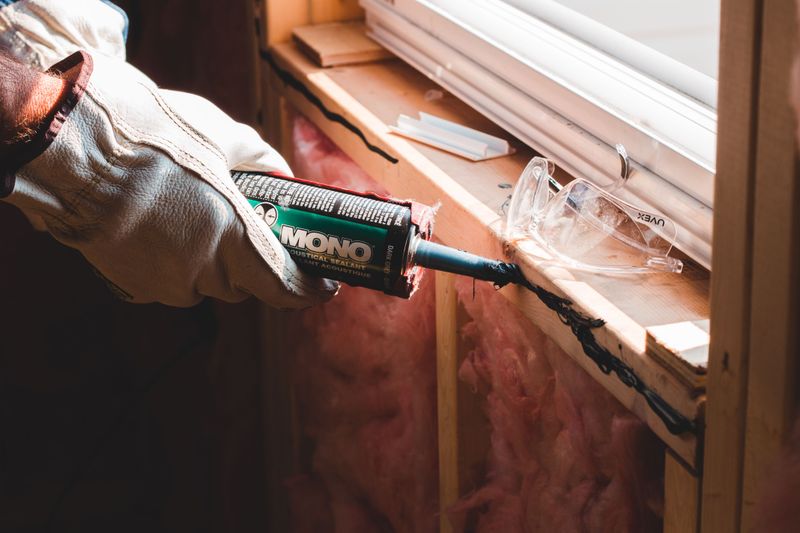
My neighbor once found forty of them lined up in a neat row on her window frame. Many of them had squeezed through a gap as narrow as one eighth of an inch.
Blocking the way in is an effective first step, because a bug outside is unlikely to bring odor into your kitchen. Fall is prime time, since they are hunting for winter shelter right now.
Gaps often hide near utility lines, chimney bases, and where siding meets the foundation. Check those areas first.
Grab a tube of clear silicone caulk from any hardware store. Run a thin bead along cracks around window frames, door trim, and baseboards.
Choose a dry, mild day for caulking, since the bead cures better and stays flexible through temperature swings.
Next, check the bottom of any outside door for daylight peeking through. A cheap rubber door sweep closes that gap in about ten minutes.
Pay attention to spots where pipes, cables, or wires enter the walls. Expanding foam or steel wool tucked into those holes makes a sturdy barrier.
Weatherstripping around windows helps too, and it lowers your heating bill as a bonus. Your wallet and your nose will both thank you this winter.
Do a quick walk around the house on a sunny afternoon to spot bugs gathering. Wherever they cluster, there is probably a tiny opening nearby that needs sealing.
Sealing often takes one weekend afternoon and can pay off for several seasons. Think of it as locking the front door on uninvited guests.
2. Drop Them Into A Jar Of Soapy Water
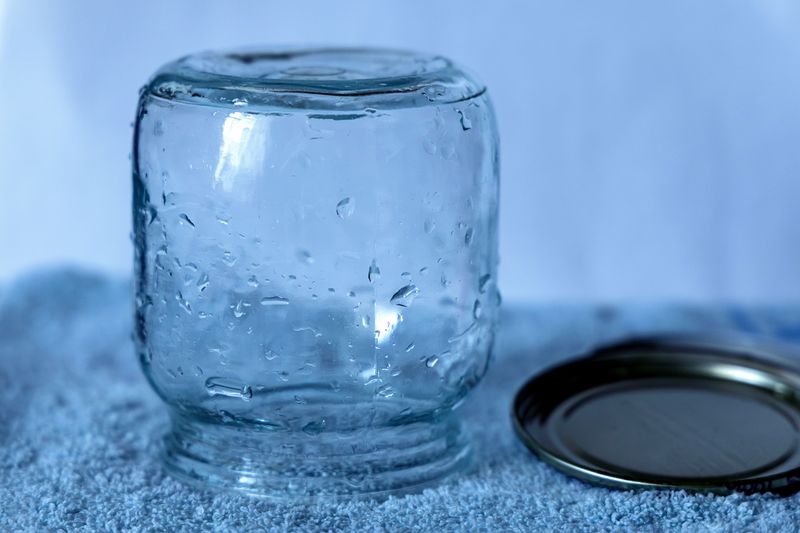
Picture a small dish of soapy water that your unwanted guest has trouble climbing out of. That is the basic idea behind a very simple method.
Fill a jar or plastic bottle about halfway with warm water. Add a big squirt of dish soap and swirl it gently.
Pick a clear jar so you can see how many visitors arrive. Watching the count rise feels satisfying.
Soap breaks the surface of the water so the bug sinks instead of floating. It also wets their breathing openings, so they struggle to escape.
Hold the jar just under the bug and tap it lightly with a pencil or card. When startled, they tend to drop straight down rather than fly away.
That drop reflex is the reason this method works reliably in many homes. Because you skip touching or squeezing them, they have little reason to release their smell.
A small funnel placed in the mouth of the jar helps keep wandering bugs from flying back out.
Keep a jar on the windowsill in rooms where they show up often. A lid with a small hole cut in it helps trap any odor inside.
Once the jar fills up, empty the contents into an outdoor trash can or drain and refill it. Kids often enjoy being the official bug catcher, so let them help.
Wash the jar with hot water once a week or so. Fresh soapy water keeps the trick working through the season.
3. Vacuum Them With A Nylon Stocking Trick
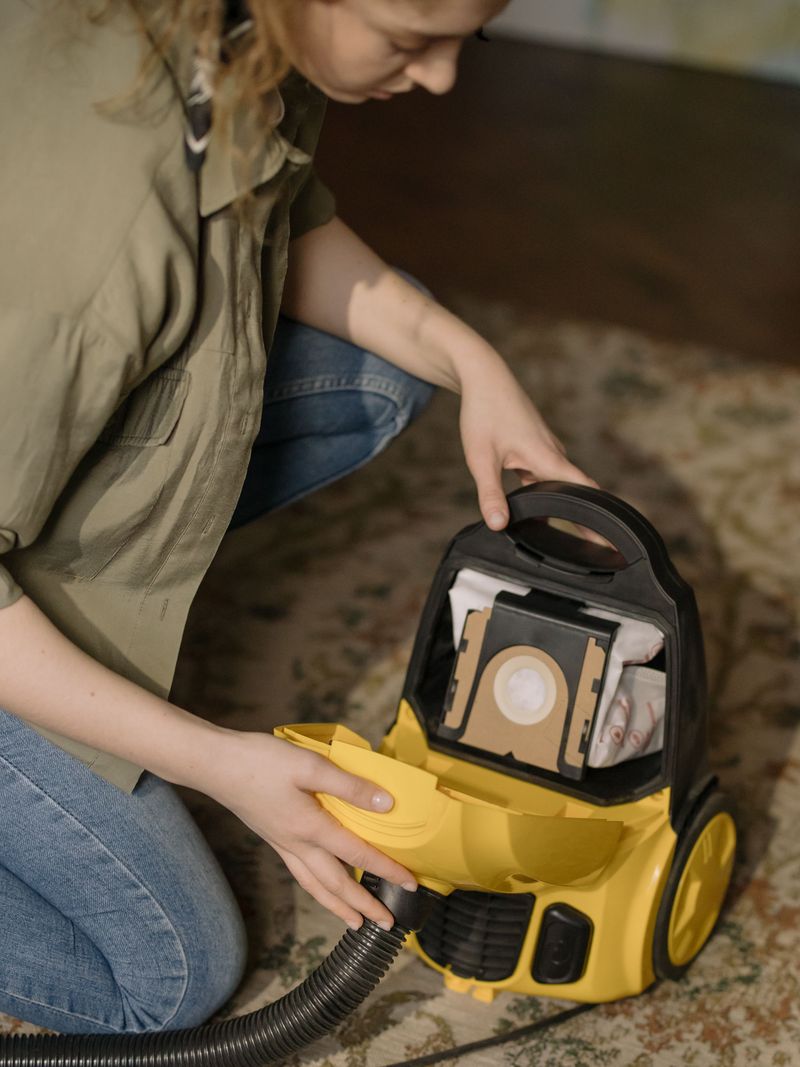
Ever sucked one up with the vacuum and then smelled it for days? Plenty of people learn that lesson the hard way, usually in October.
The bug gets pressed inside the bag or canister, and the odor spreads when you clean. Luckily, an old knee-high stocking fixes the problem.
Push the stocking into the end of the vacuum hose and fold the top over the edge. Secure it with a rubber band so it stays put.
Choose a stocking in a neutral color, because you will want to see the bugs inside before emptying.
Now the bugs get pulled into the stocking but stop before reaching the motor. They stay whole, which means far less smell.
Use a long crevice tool to reach bugs on ceilings, curtains, and high window corners. Move slowly so the suction catches them before they fly.
Replace the stocking when it fills up, and keep a few spares in a drawer near the vacuum. When you finish, turn off the vacuum while holding the stocking closed. Pull it out, tie a knot, and toss it in an outdoor trash can.
Some folks prefer to drop the knotted stocking into soapy water first. Either way, the bugs leave your house quickly.
Keep a small handheld vacuum just for bug duty if the smell bothers you. That way your main vacuum stays fresh for regular cleaning.
4. Build A Simple Light Trap For Nighttime

Like moths, these bugs struggle to resist a glowing light in a dark room. Research suggests they are drawn to warmth and brightness when hunting for shelter.
You can use that habit against them with a homemade trap. You will need a desk lamp, a shallow pan, and some soapy water.
Fill the pan with water and a few drops of dish soap. Set it on the floor in a dark room where bugs gather. Position the lamp low, so bugs that land nearby can wander toward the water.
Aim the lamp so it shines over the water, and keep the lamp and cord well clear of the pan so nothing can splash or tip in. At night, turn off the other lights in the room and close the door.
Dim the room slowly and give the bugs a few quiet hours, since they stay active in the evening.
The bugs fly toward the glow, bump into the lamp, and tumble into the pan. By morning, you may find a surprising crowd floating there.
Store-bought light traps work the same way and come with sticky pads inside. They cost a bit more but look tidier in a living room.
Place traps in attics and spare bedrooms, since those quiet, warm rooms often attract larger groups. Check them each morning and empty the pans outdoors.
Keep pets and little ones away from the water and cords. A safe, tidy setup makes this nighttime trick both handy and low-stress.
5. Scoop Them Up With Tape Or A Cup

Sometimes the simplest tools work best, and a roll of packing tape is proof. This is an old household method that predates modern gadgets.
Wrap a strip of wide tape around your hand with the sticky side out. Gently press it onto the bug and lift it away.
Wear a thin glove if you like, since it adds a layer between your skin and the bug.
Fold the tape over so the bug is sealed inside like a tiny envelope. Toss it in the outdoor trash, and the smell stays trapped.
Gentle pressure is key here, so keep your touch light and quick. Pressing too hard can trigger that famous odor right in your palm.
Prefer not to get that close? Slide a clear cup over the bug, then slip a piece of stiff paper underneath. Check the cup before bedtime, because a bug left inside may slowly crawl out through a tiny gap.
Tip the catch into soapy water, because bugs released outside often find their way back in. If you prefer to release them, seal entry points first. Some people dump the catch into soapy water instead.
Both methods are cheap, quiet, and perfect for catching one or two stragglers. They also work well on curtains and lampshades where vacuums feel clumsy.
Keep a cup and paper near the windows that see lots of visitors. Quick action means the bug has less time to wander into hiding.
6. Fix Torn Screens And Vent Covers
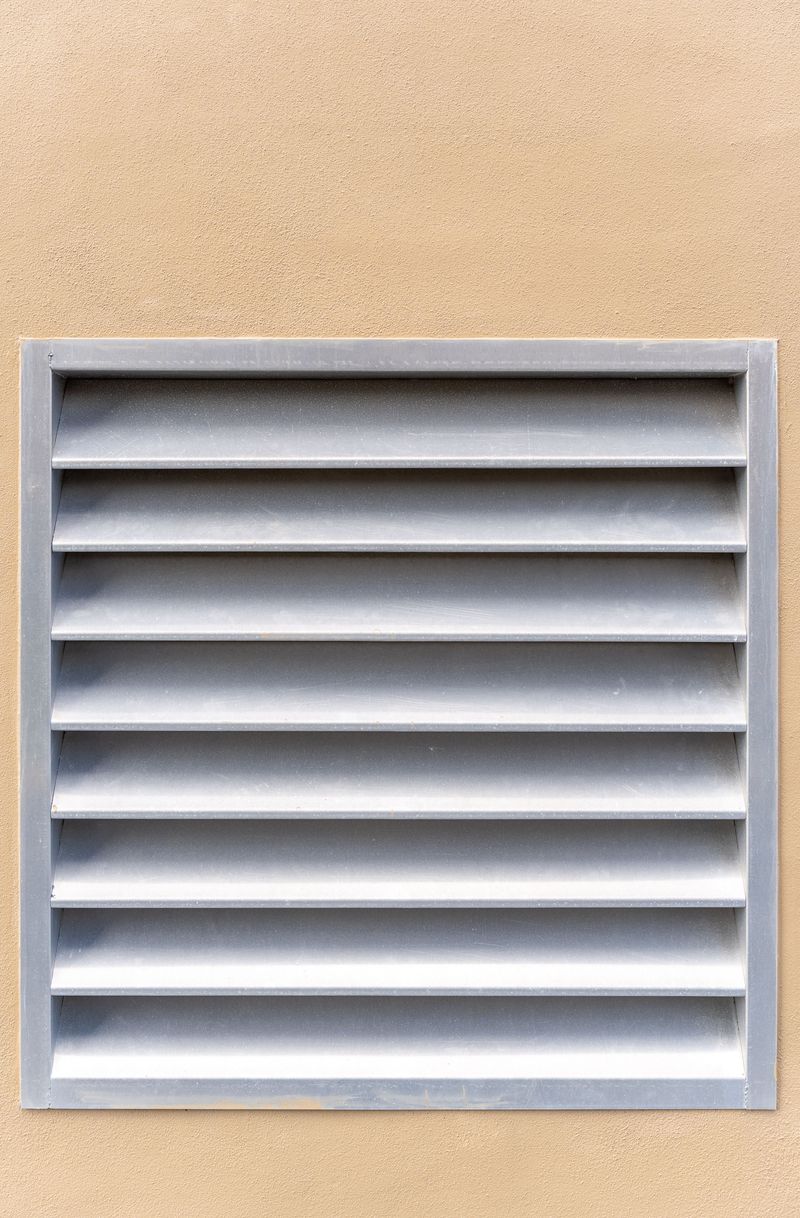
A hole the size of a pencil eraser can serve as an entry point for these shield-shaped visitors. Torn window screens are a common route inside.
Walk around your house and inspect the screens on windows and doors. Look closely at corners, since tears often start where the frame meets the mesh.
Hold a flashlight behind the screen in a dim room, and a hidden tear may show more light than the mesh around it.
Small holes can be patched with a screen repair kit from the hardware store. Bigger rips may need a whole new piece of mesh.
Use clear sealant around the edges of frames, since it dries discreetly and keeps your view wide open.
Next, check vents for the dryer, bathroom fan, and attic. Many vents have gaps or broken flaps that let bugs crawl right in.
Cover attic and soffit vents with fine metal mesh held in place by staples. Make sure air can still flow, because vents need to breathe.
Chimneys deserve attention too, especially during fall. A chimney cap with screening keeps out bugs, birds, and even curious squirrels.
Window air conditioners left in place can also leave hard-to-spot gaps around the edges. Pull them out for winter, or seal the sides with foam strips.
Repairs like these take an afternoon but protect your home for many seasons. Plus, fewer bugs inside means fewer surprise smells during movie night.
7. Try A Homemade Mint Spray

Strong smells may seem like an odd tool against a smelly bug, and the evidence is limited. Some people report that these pests avoid scents such as mint, garlic, and clove, though this is a home remedy rather than a tested method.
Mix a few drops of peppermint oil into two cups of water. Add a squirt of dish soap to help the oil blend in.
Peppermint oil from a garden shop or pharmacy works, though cheaper blends may smell weaker and fade sooner.
Pour the mix into a spray bottle and shake it well before each use. Mist window frames, door edges, and other spots where bugs sneak in.
Garlic spray is another choice, though your house may smell like an Italian kitchen for a while. Blend a few garlic cloves with water, strain it, and spray outdoors.
Cotton balls dabbed with the mixture can sit on windowsills, giving you a gentle and low-effort scent barrier.
Sprays like these push bugs away rather than trapping them. Think of them as a polite sign telling guests to try another house.
Reapply every few days, because the scent fades quickly. Test a small hidden spot first to make sure the oil does not stain paint or fabric.
Keep essential oils away from cats, since some oils can upset their health. Dogs can be sensitive too, so ask your vet if you are unsure.
Used alongside sealing and traps, a mint spray may add a small extra layer of help. Your home stays free of odor.
8. Clear Out Clutter And Warm Hiding Spots

Boxes stacked in the attic look like an appealing shelter to a bug searching for winter warmth. Once settled, they stay quiet until warmth from the sun or your heating wakes them up.
Clearing clutter gives them fewer places to hide and makes them easier to spot. Start with attics, closets, basements, and storage rooms.
Seal gaps around attic hatches and crawl spaces, since warm air from the house can draw bugs upward.
Swap cardboard boxes for plastic bins with tight lids. Bugs love the folds and gaps in cardboard, but smooth plastic offers few cozy corners.
Outside, trim plants and branches that touch your walls or roof. Those leafy bridges give bugs an easy path straight to your windows.
Vacuum or dust window tracks and sills during autumn, so fewer bugs find soft places to tuck away.
Firewood piles are best stored well away from the house, with as much distance as your yard allows. Bring in only the wood you plan to burn that day.
Check curtains, lampshades, and behind picture frames once a week during fall. Those warm, quiet spots are common hiding places for bugs.
If you find a few, use the soapy jar or tape trick right away. Catching them early keeps one or two visitors from becoming a crowd.
A tidy home is not just nicer to live in, it is harder to enter. In the weeks ahead, you may notice fewer surprise guests on the walls.