Should You Cut Back Perennials In October? Here’s What To Trim And What To Leave
You are about to snip the stems that shelter next year’s bees. Pruners feel productive in October, but your plants may disagree.
Hollow stems shelter stem-nesting bees through winter, tucked inside until spring warms them. Seed heads feed goldfinches and chickadees when snow covers the ground.
Meanwhile, your peonies and bee balm gain from cleanup before disease spores settle in. Hostas left standing turn slimy and shelter slugs through the cold months.
Leave your sedum, asters, and ornamental grasses upright, and you gain winter structure. Cut the wrong shrub and you may trade summer’s blooms for a tidy bed.
Spring work gets lighter when you sort plants correctly now. Timing matters too, since hard frost changes which stems deserve your attention.
Birds benefit from your choices before spring. Soon you will know which perennials are shaping next spring’s display now.
1. Clear Away Mushy Hosta Leaves
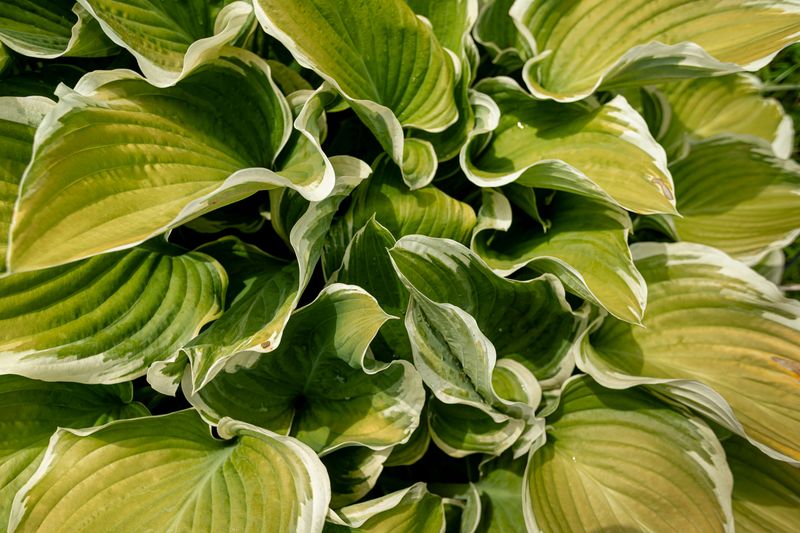
After the first hard frost, hosta leaves soften into a slimy, brown mat almost overnight. That soggy pile is basically a sheltered spot for slugs and their eggs.
Cutting hostas back in October is a helpful move for many gardeners. Slugs that hide in old leaves can lay eggs that hatch beside your plants next spring.
Wait until the leaves turn yellow or get damaged by frost before you start. Adjust dates for your climate. Green leaves are still sending energy down to the roots, so give them time to finish that job.
Use clean pruners or simply pull the soft leaves away by hand. Cut stems down to about one or two inches above the soil line.
Toss the leaves in the trash or a hot compost pile if they show any spots. Healthy leaves can go into regular compost without worry.
Clear leaf litter around the crown too. Better airflow helps the soil dry after autumn rain, which discourages rot.
Finish with a thin layer of shredded bark. It insulates roots during freezing spells and slowly feeds the soil, so hostas return fuller.
Here is a fun bonus for tidy gardeners who like quick results. Hostas are among the fastest plants to clean up, so you can finish a whole bed in minutes.
2. Peonies Deserve a Fall Cleanup
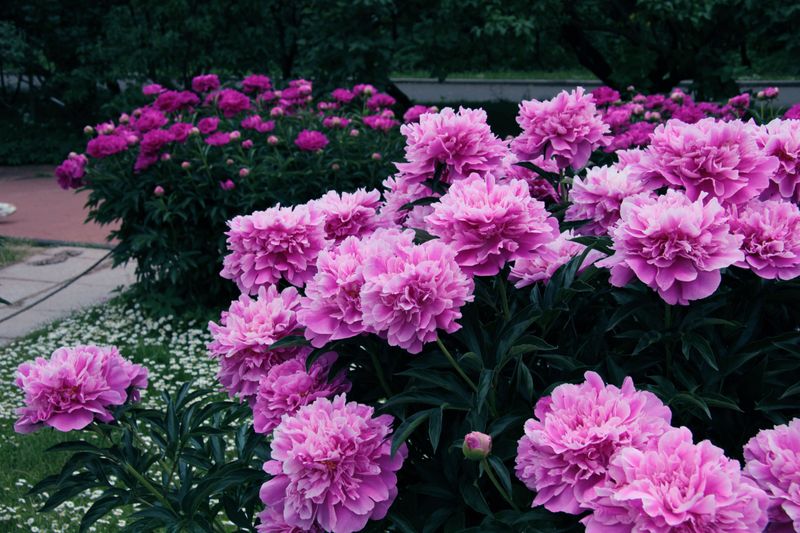
Grandma’s peonies may bloom for fifty years or more, and fall care helps make that possible. Their leaves often carry a fungus called botrytis that lingers through winter.
October is a good time to cut herbaceous peonies down to the ground. Removing the old stems helps reduce disease spores splashing onto fresh shoots in spring.
Look for leaves that have turned bronze, brown, or spotty first. Then trim each stem to about an inch tall, leaving the soil around the crown undisturbed.
Be careful not to dig or rake too hard near the base. Small pink or red buds, called eyes, are already waiting just below the surface for next year.
Tree peonies are a different story, so leave their woody stems alone. They bloom on old wood, and cutting them would cost you next season’s flowers.
Good drainage matters here. If water pools around the crown in winter, roots can rot, so check that soil slopes gently away.
Skip fertilizer in October. Fresh feeding pushes tender growth at the wrong moment, so wait for spring shoots and then add compost.
Bag up peony leaves instead of composting them, especially if you notice gray mold. That simple step keeps your favorite spring bloomer looking fresh and strong for decades.
3. Bee Balm and Phlox With Powdery Mildew
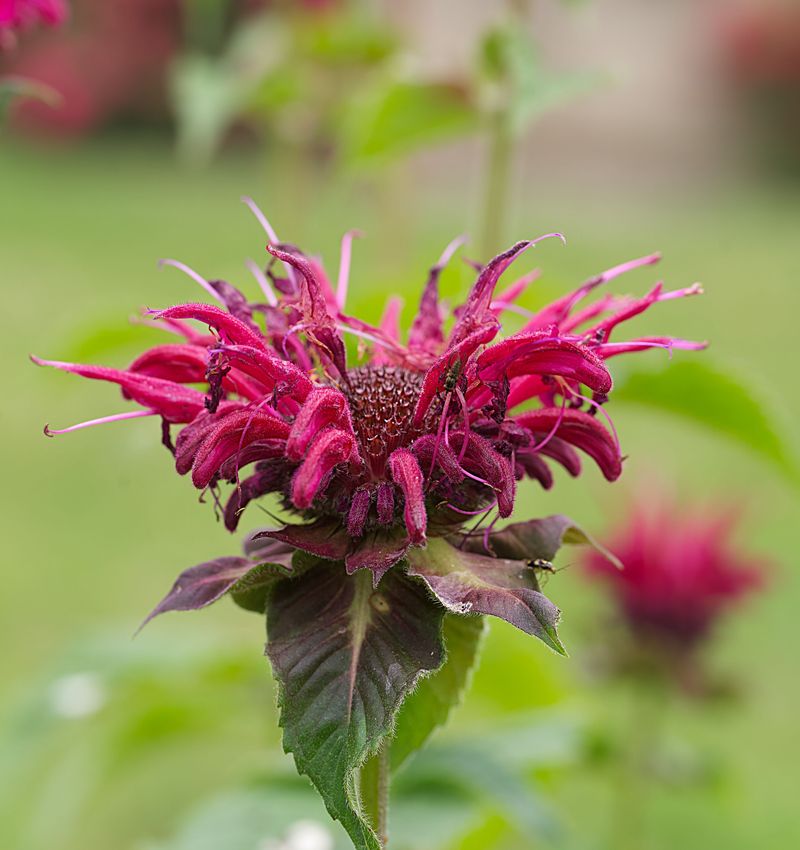
Ever notice a dusty white coating on your phlox leaves by late summer? That fuzz is powdery mildew, and it loves to stick around if you let it.
Bee balm and garden phlox are especially prone to this fungus. Cutting them back in October removes much of the problem before it settles in for winter.
Trim stems down to two or three inches above the ground. Clean your pruners with rubbing alcohol between plants so you do not spread spores around.
Do not add these infected stems to your compost pile at home. Many backyard piles may not get hot enough to neutralize the fungus fully.
Next spring, give these plants more space so air can move between them. Good airflow is one of the best ways to keep mildew from returning.
Cut back the whole clump, since healthy stems can still carry spores. Bag the clippings and dispose of them away from your garden.
Put these two sentences in separate paragraphs, then join the setup line to its payoff. Native peoples used bee balm first, and colonists later brewed it as Oswego tea.
4. Daylilies Get a Tidy Trim
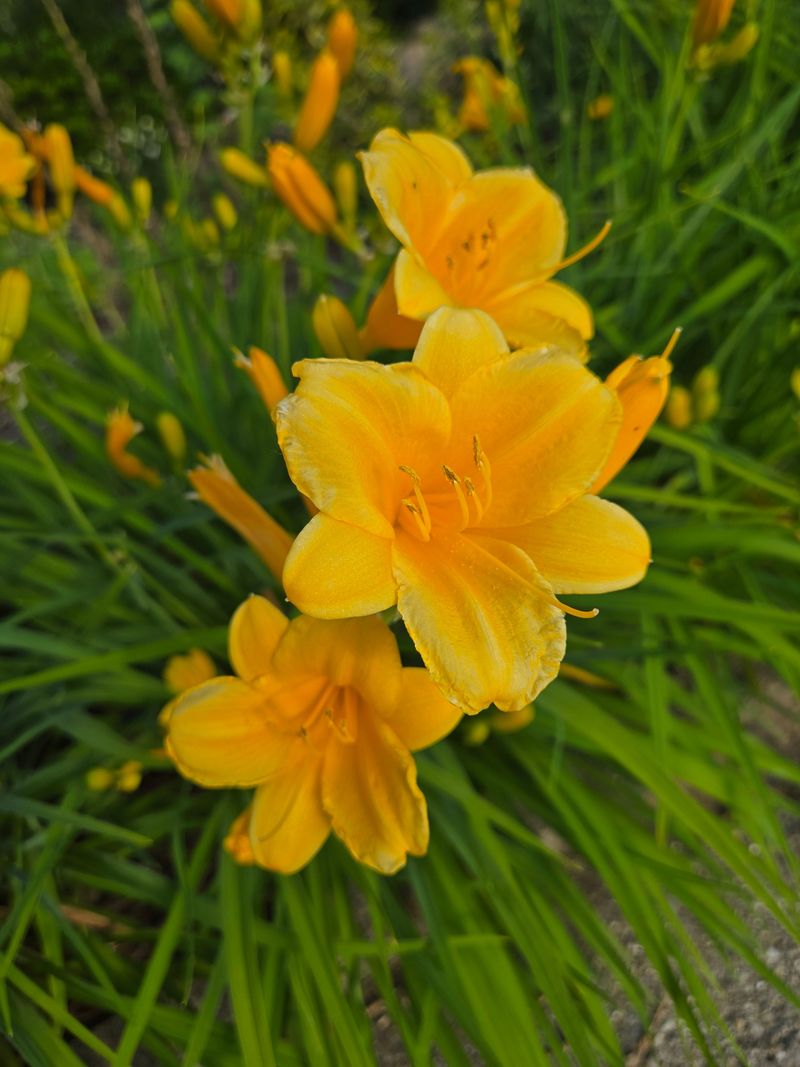
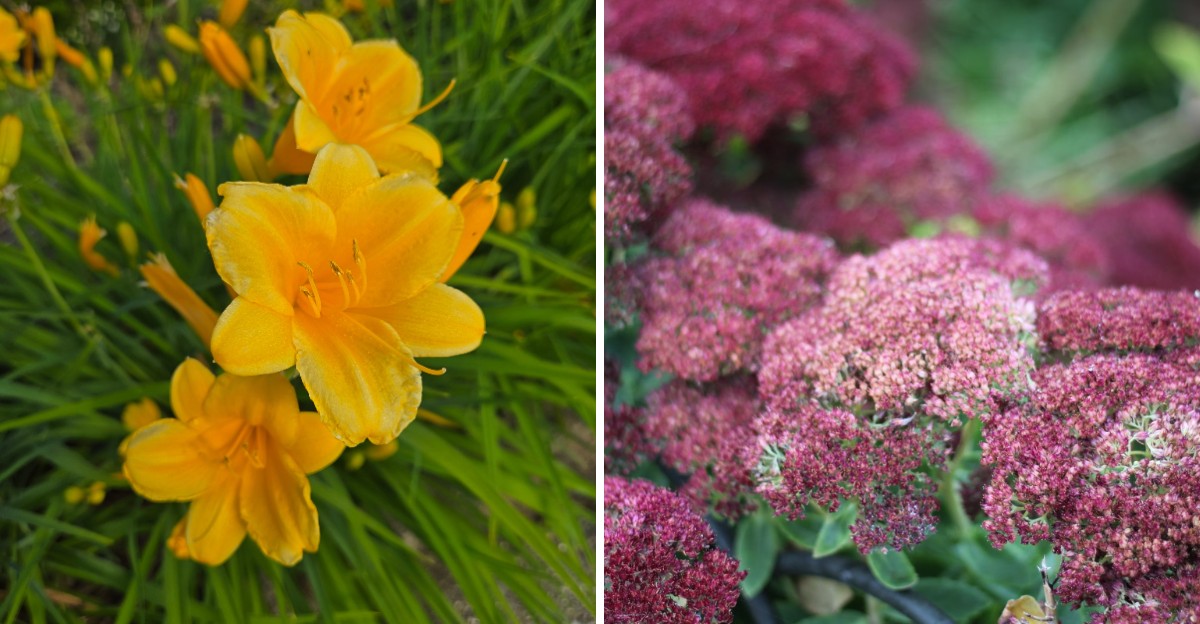
Daylilies are hardy and low-maintenance, and they tolerate a lot of neglect. Still, their floppy fall leaves can make a garden bed look untidy and overgrown.
Once the foliage turns yellow and mushy, go ahead and cut it back. A trim to about three inches keeps the clump neat and discourages hiding pests.
Some gardeners skip this step and simply pull spent leaves off in spring. Both choices work, so pick whatever fits your schedule and your patience.
Fall trimming makes life easier if your daylilies sit near a path or patio. Soggy, slick leaves in November can make walking there tricky.
Reblooming types like Stella de Oro may still have green leaves in October. Leave those standing until frost knocks them down, since they are still feeding the roots.
Autumn suits dividing too, ideally about six weeks before the ground freezes. If blooms thinned this summer, lift the clump, split the roots with a sharp spade, and replant at the same depth.
Water new divisions well and add light mulch. Cool weather lets them settle in.
Each daylily flower lasts just one day, which explains the plant’s charming name. A healthy clump makes up for it by producing dozens of buds each summer.
5. Bearded Iris Fans Need Attention
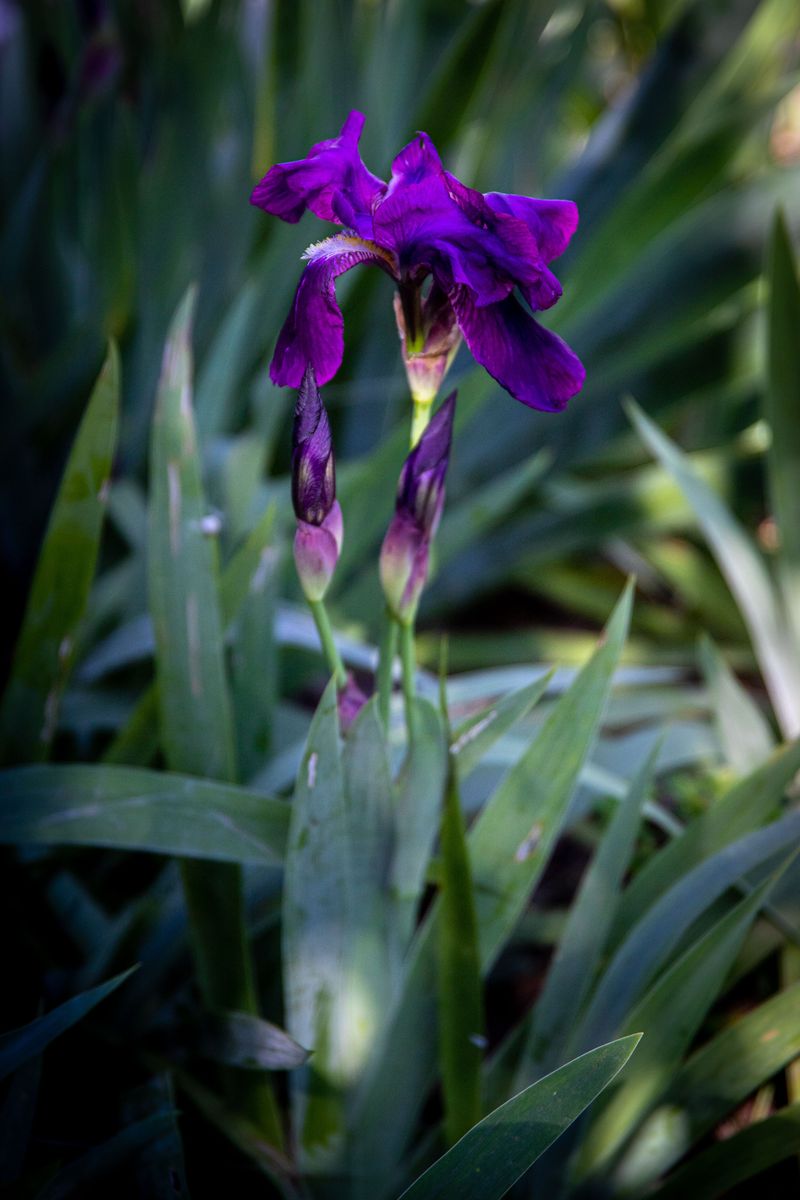
Picture a bearded iris as a little sunbather lying on top of the soil. Its thick roots, called rhizomes, like to stay dry and warm.
In October, trim iris leaves into short fans about six inches tall. This lets sunlight reach the rhizomes and removes places where iris borers lay eggs.
Iris borers are moth caterpillars that tunnel down into the roots. Their eggs spend winter on old leaves, so cleaning up helps reduce their numbers.
Pull away brown or spotted leaves fully. Check for soft, smelly rhizomes too, because rot can spread quickly through a crowded clump.
Do not pile mulch over the top of these plants. Iris rhizomes can rot when buried, even in chilly winter weather.
Send trimmed leaves to the trash rather than the compost bin, since borer eggs can survive in a pile.
Brush soil or fallen leaves off the rhizome tops. Sunbaked rhizomes tend to bloom more reliably in spring.
The name iris comes from the Greek goddess of the rainbow. That fits perfectly, since these flowers come in nearly any color you can imagine.
6. Coneflowers And Black-Eyed Susans Stay Standing

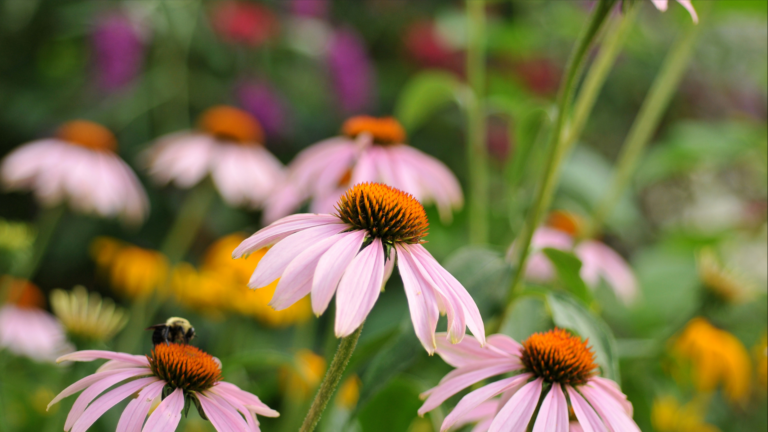
A flash of yellow lands on a dried coneflower, and suddenly your garden is a bird cafe. Goldfinches adore those prickly seed heads through winter.
Leave coneflowers and black-eyed Susans standing through October and beyond. Their seeds provide free food for birds when other meals grow scarce.
Hollow stems also give shelter to helpful insects, including some native bees. Many of them sleep inside these stems until warm weather returns.
The dark seed heads look lovely dusted with frost or snow, too. Your garden keeps its shape and character instead of turning into flat, bare dirt.
Wait until early spring to cut these plants back. When daytime temperatures stay above fifty degrees, many sleeping insects have already woken up and moved out.
Think of leftover stems as a winter home. In spring, leave a few about a foot tall so nesting insects can finish their cycle.
Cut removed stems into short pieces and leave them on the bed. They return nutrients to the soil.
As a bonus, some seeds may drop and sprout into new plants. You may find free seedlings popping up around the bed next year, though hybrids may look different.
7. Ornamental Grasses Shine Through Winter
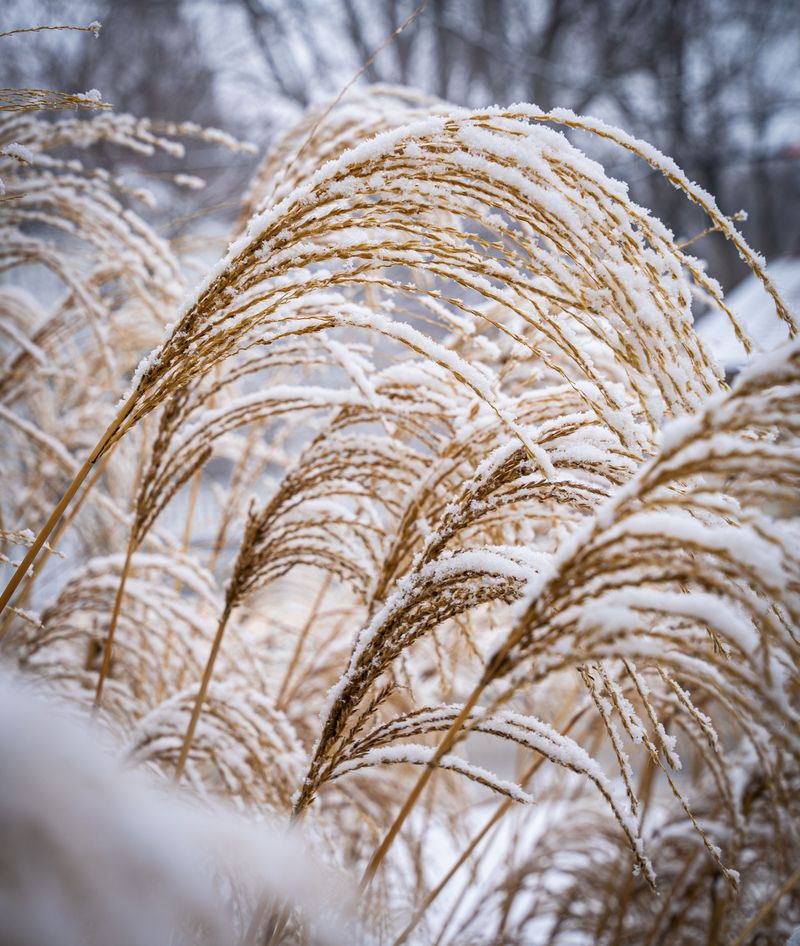
Golden grass plumes look striking in low autumn sunlight. Ornamental grasses are just getting started with their show when October rolls around.
Hold off on cutting grasses like switchgrass, little bluestem, and Indiangrass. Their tall leaves protect the crown from severe cold and soggy winter weather.
Grasses also add movement and sound to a quiet winter yard. Watching them sway and rustle in the wind is surprisingly relaxing.
Small birds and insects hide in the dense clumps during cold snaps. Your grasses become a safe little shelter while the rest of the bed looks empty.
Cut them back in late winter, before new green shoots appear. Tie the clump with twine first, then cut it down for an easy cleanup.
Frost turns grass blades into silver lines, and low winter sun lights the plumes from behind. That show costs you little as long as you wait.
Cool-season grasses wake earlier than warm-season ones, so look for fresh green at the base before you choose a trimming date.
Evergreen grasses like blue fescue need only a light comb in spring. Run gloved fingers through them to pull out the worn blades.
8. Sedum Makes A Sturdy Winter Sculpture
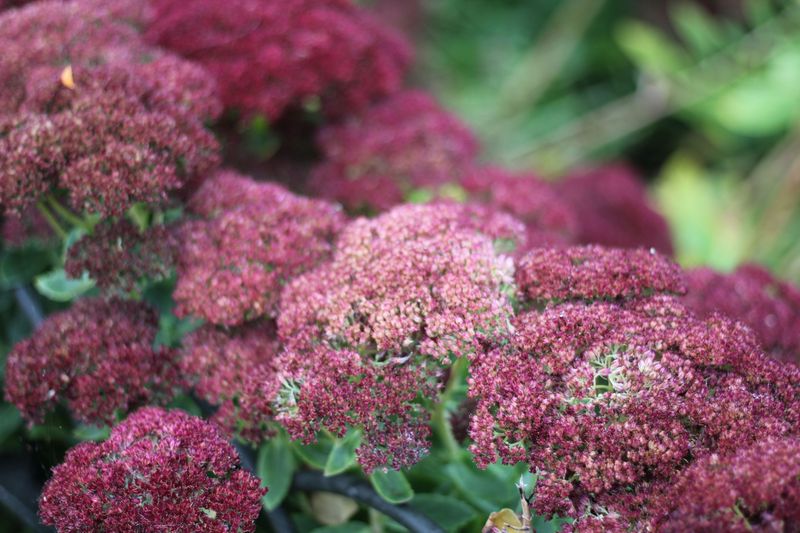
Autumn Joy sedum earns its name each fall. Its flower heads shift from pink to rusty red, then fade to a rich chocolate brown.
Leave those sturdy stems standing through October and winter. The dried flower clusters catch snow beautifully, like tiny trays holding frosting.
Sedum stems are thick and strong, so they tend to stay upright. Even after a heavy storm, they often keep their rounded shape in full sun.
Bees and butterflies love sedum blooms in late summer and early fall. Leaving the plant alone afterward also gives overwintering insects a place to rest.
In spring, look closely at the base for tiny green rosettes. Snip the old brown stems just above them, and the new growth will take off quickly.
Tall varieties sometimes open up in the center after summer rain. Pinching stems back in early summer keeps the clump compact.
Lean soil, full sun, and sharp drainage keep sedum strong. Skip rich compost, which can make stems stretch and flop.
Sedum is so tough that broken pieces often root on their own. Some gardeners call it stonecrop because it grows happily among dry rocks.
9. Mums, Lavender, And Other Plants To Prune In Spring
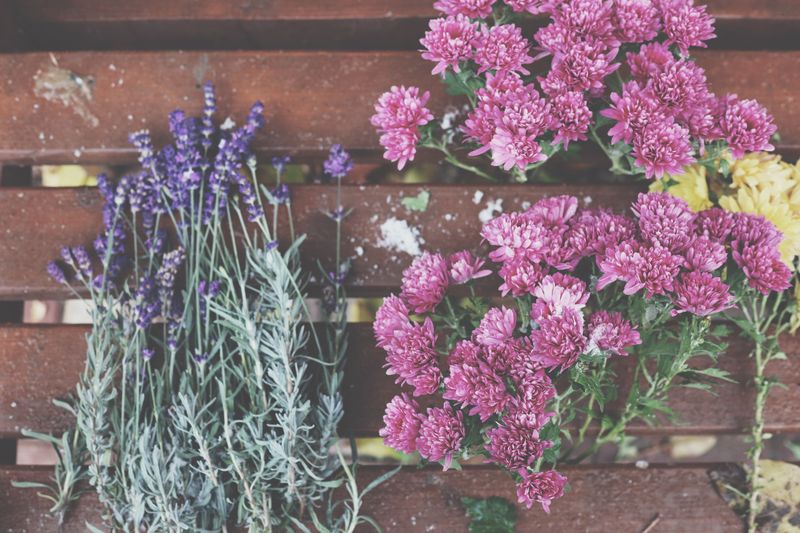
Hardy mums sometimes fail to return after winter, and early pruning is one possible culprit. Old stems actually help these plants survive the cold.
Leave garden mums untouched in October, even after their blooms fade. The old stems trap leaves and snow, which acts like a warm blanket.
Lavender, Russian sage, and bluebeard also dislike fall cuts. These woody plants can sustain serious winter damage if you trim them too late in the year.
Fresh cuts encourage new tender growth that cannot handle freezing nights. That soft growth often fails, and sometimes the whole plant declines along with it.
Instead, add a light mulch around Russian sage and bluebeard after the ground cools. Shredded leaves or pine straw work nicely and cost very little.
Plant mums early in the season so roots settle in before frost. Lavender prefers gravel or sandy soil. Soggy winter ground harms it faster than cold does, so keep mulch away from the stems.
Wait until spring, when new buds appear along the stems, to prune. Then you can see exactly which parts survived and which need to go.
10. Evergreen Perennials Keep Their Leaves
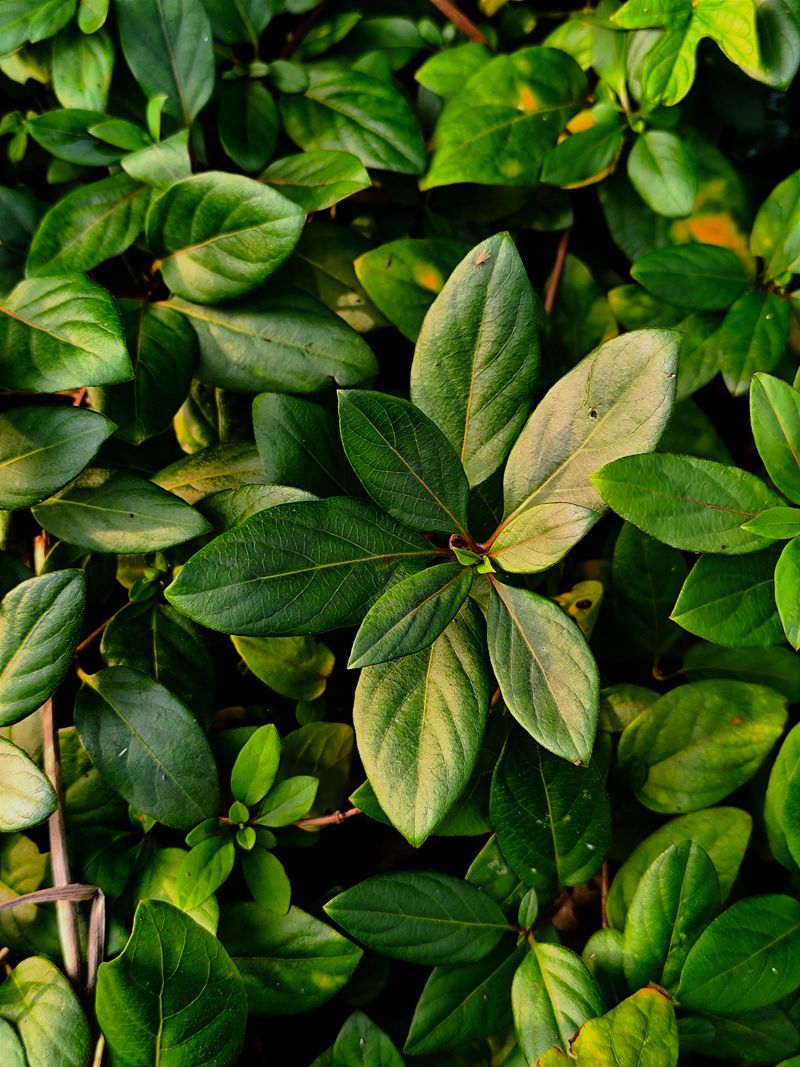
Not all perennials go to sleep looking brown and bare. Some plants stay green and colorful straight through the coldest months.
Coral bells, hellebores, and creeping phlox should keep their leaves this fall. Those leaves protect the crown and help the plant stay strong.
Coral bells come in bold shades of purple, lime, and caramel. Their foliage can brighten a gray winter yard with welcome color.
Hellebores are sometimes called Christmas roses or Lenten roses. They often bloom in late winter, when few other plants are flowering.
In early spring, trim only the tattered or damaged leaves. On hellebores, cutting old leaves just before buds open lets the flowers really stand out.
Winter sun and wind can scorch evergreen leaves. A loose cover of pine boughs cuts the drying wind while letting air circulate.
Check these plants on warm winter days. If leaves look flattened under snow, shake them clear gently.
Keep fallen tree leaves from covering these plants during autumn. A gentle rake or quick brush with your hand keeps them breathing easy until spring.