How To Keep Fall Plantings Alive When Your North Carolina Town Limits Watering
Water restrictions can feel like a rule against gardening. They are not. They only change how you do it.
New fall plants need moisture most in their first few weeks, which is exactly when a long drought makes water scarce. The goal is to use every drop where it counts. Deep, slow watering reaches roots far better than frequent sprinkles.
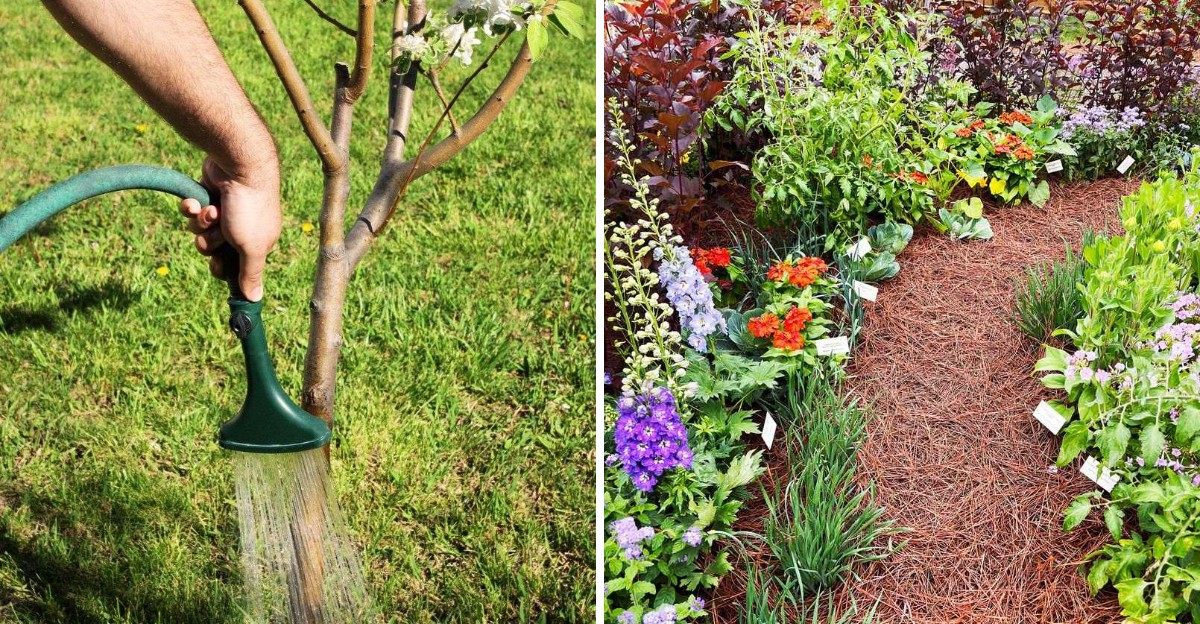
Mulch holds that moisture in the soil. Timing matters too, since early morning watering loses less to evaporation. Some restrictions allow hand watering or drip lines, though rules vary by town, so check yours first.
Smart plant choices also help, because tough natives need far less help than thirsty ornamentals. A few careful habits can keep your new plantings healthy through a dry fall without breaking any rules.
1. Know Your Town’s Current Restriction Stage
Your next-door neighbor and your cousin across the county might be living under completely different watering rules.
In North Carolina, each town and water system sets its own limits based on how much water it has stored. One place may simply ask people to save water, while another may ban sprinklers entirely.
Before you turn on a hose, find out where your town stands right now. Visit your water provider’s website or give them a quick call and ask for the current conservation stage. Most systems post clear charts that explain what each stage means for outdoor watering.
Write down the details that matter for your yard. Which methods are allowed, such as hoses, drip lines, or sprinklers? Are there certain days or hours when watering is permitted, and does your address follow an odd or even schedule?
Keep checking, too, because stages can change quickly. When reservoir levels drop, rules often get stricter, and when steady rain returns, they may ease up. A quick check once a week helps you stay on track and avoid surprise fines.
Recent news shows why this step matters so much. Greensboro moved into voluntary Stage 1 conservation in mid October 2026, and other water systems across the state have had stricter rules during this year’s drought.
Rules in one town tell you nothing about the rules in the next. Knowing your stage also helps you plan smarter.
Once you understand the limits, you can pick the right tools, set a schedule, and give your new plants exactly what they need without breaking any rules. A little homework now saves a lot of stress later.
2. Use The Methods Most Rules Still Allow
Sprinklers usually get the blame during a drought, and for good reason. They spray water into the air, onto sidewalks, and across driveways, where much of it never reaches a single root.
That waste is why many North Carolina water shortage plans ban sprinklers and spray irrigation at higher stages.
Hand watering often gets a pass, though. Many plans still allow hand-held hoses, watering cans, buckets, drip irrigation, and tree or shrub watering bags. These tools send water straight to the roots, so far less of it disappears.
Your North Carolina Garden Changes Every Week. Your Plan Should Too.
Gardening in North Carolina changes quickly throughout the season. Every Friday you’ll receive a simple weekly plan showing exactly what to plant, prune, fertilize, harvest, and protect so you never miss the right timing.
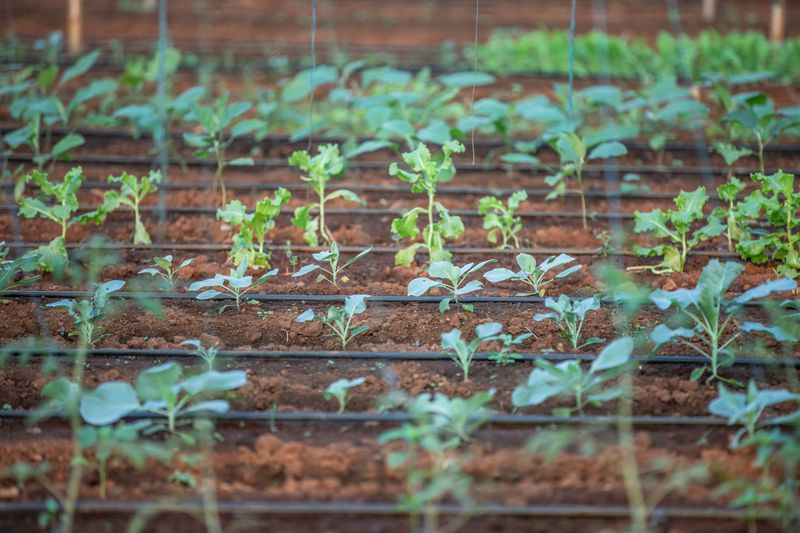
Switching your setup can be easier than you think. Drip lines and soaker hoses snake along the ground and let water seep out slowly right beside each plant.
Watering bags zip around young tree trunks and release water over several hours, which is perfect for busy families.
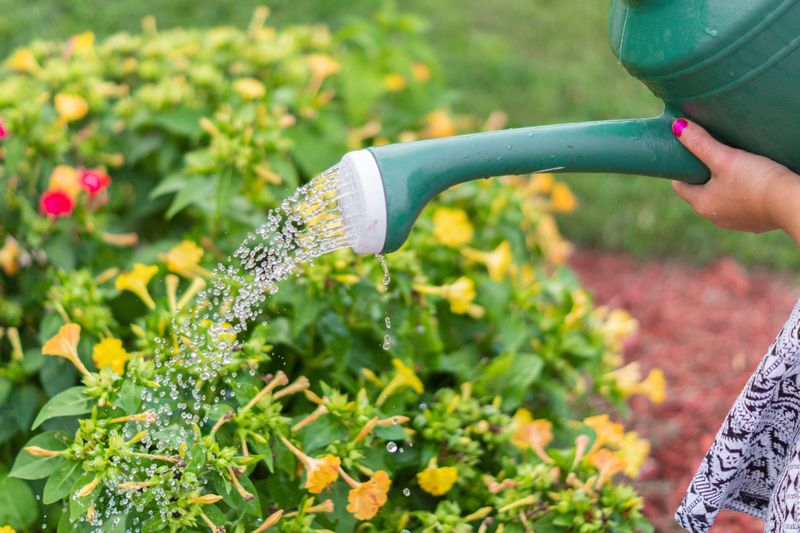
For smaller beds, a simple watering can works wonders. Aim at the base of each plant instead of splashing the leaves. Leaves don’t drink much, but the soil around the stem leads right to the roots.
Always double check that your chosen method fits your town’s current stage. Some plans allow drip systems only on certain days, while others limit how long a hose can run. Reading the fine print keeps you from guessing.
Here’s the bright side. Even when sprinklers are off limits across much of North Carolina, these targeted methods often remain allowed.
That means your new azaleas, hollies, and young trees can keep getting a drink while lawns across the neighborhood wait for rain. Small tools, used well, can carry a fall garden through a dry season.
3. Water Early In The Morning
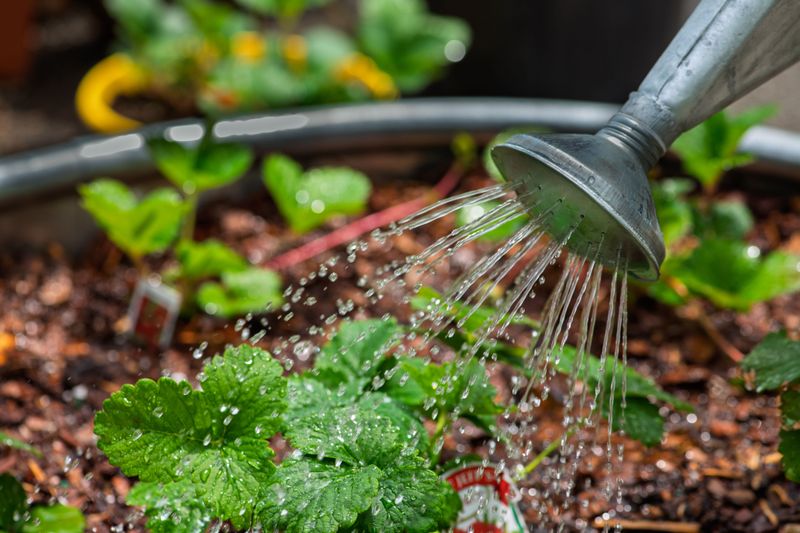
Sunrise might be the most valuable hour in your whole gardening day. Cool air, calm breezes, and low sunlight mean water has time to sink into the soil before it can float away. When every drop counts, timing becomes one of your best tools.
Evaporation works fast once the day warms up. Water poured onto hot soil at 2 p.m. can vanish into the air before roots get much of it. In the early morning, more of that same water soaks down to where roots can actually use it.
State experts agree. North Carolina’s Department of Environmental Quality has advised limiting outdoor watering to before 10 a.m. during the drought. That simple shift helps both your plants and your town’s water supply.
So set your alarm a little earlier, grab a cup of coffee, and head outside. Water your new plantings first thing, and make sure you follow any specific hours your town has set. Some places name exact windows, so check those before you start.
Wind is another sneaky problem. On breezy afternoons, water from a hose can blow sideways, land on the patio, or dry up before touching the ground. Calm mornings keep the water right where you aim it.
Fall in North Carolina can fool people. October and even November afternoons can still feel warm and sunny, and that warmth pulls moisture from the soil surprisingly fast. Morning watering gives roots a full day of moisture before the heat kicks in.
Plus, there’s something peaceful about a quiet garden at dawn, with birds chirping and the day just getting started.
4. Put New Plants First, Not The Lawn
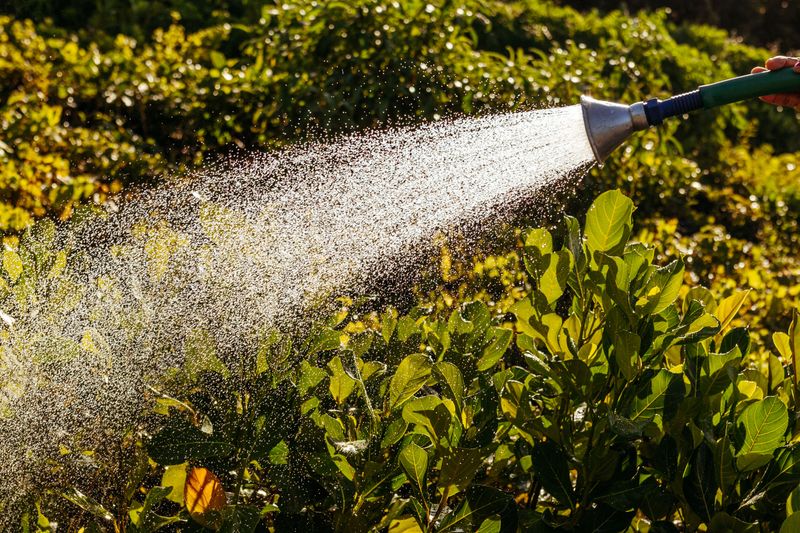
A brown lawn in October is not a crisis. Grass is tougher than it looks, and established lawns can go dormant during a drought, then green up again when rain and cooler weather return. Your new plants don’t have that same safety net.
Freshly planted trees, shrubs, and perennials have small root systems. Those tiny roots can only reach a little bit of soil, so they depend on regular moisture through their whole first year. Skipping water for too long can set them back badly or cause them to fail.
Think of your water like a small budget. Spend it first on fall trees and shrubs, since they cost the most and take the longest to replace. Next come fall vegetables, like collards and lettuce, plus any new perennials.
Let the established lawn rest if you need to. A tan yard may not look pretty for a few weeks, but it can bounce back. Your neighbors are likely in the same boat anyway.
Thinking about buying more plants this fall? Be honest about whether you can water them regularly under current rules. If not, waiting until restrictions ease or rain returns is a smart move, and many garden centers keep stock into late fall.
This advice fits North Carolina especially well right now. Fall is prime planting time here because cool air and warm soil help roots grow, yet much of the state remains in drought.
Putting your newest plants at the top of the list gives them the best shot at thriving next spring, when they’ll reward you with fresh leaves and blooms.
5. Water Deeply At The Root Ball
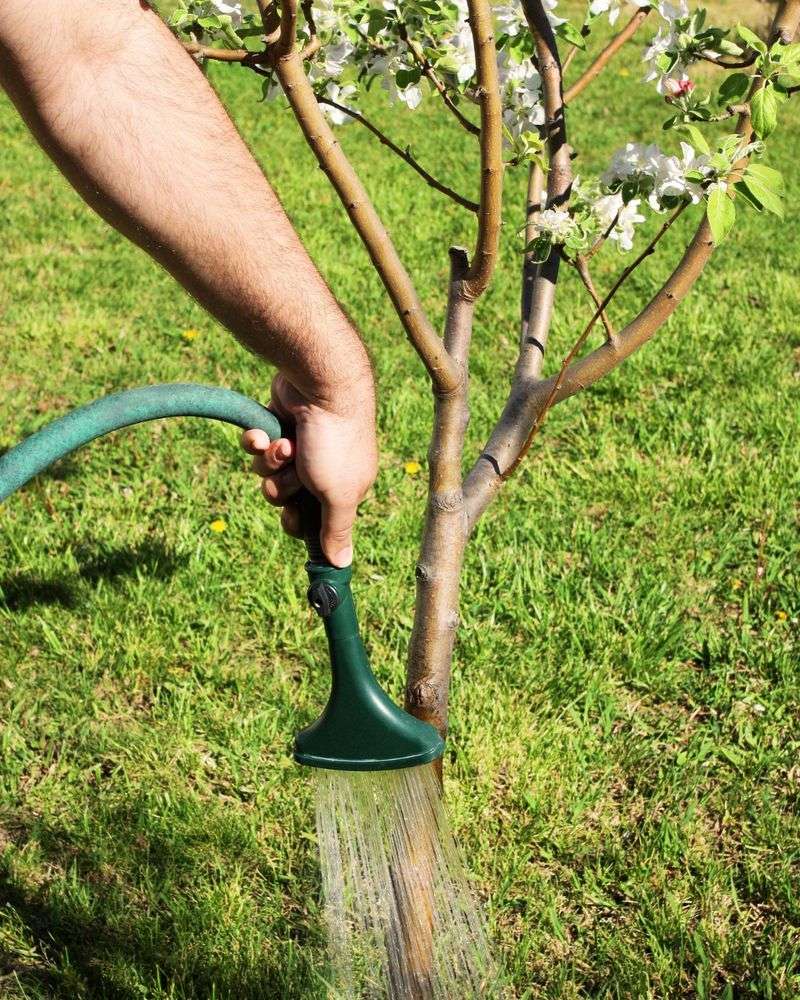
Hidden under every new shrub sits a little island of soil called the root ball. It’s the chunk of dirt that came out of the nursery pot, and for the first months, that’s where your plant drinks almost all its water.
Here’s the tricky part: the root ball often dries out faster than the ground around it. That’s why light sprinkling over a wide area doesn’t help much.
The water spreads thin and may never reach the roots that need it most. Slow, deep watering aimed right at the root ball works far better.
Go slowly when you water. A gentle trickle soaks in, while a fast blast tends to run off and puddle somewhere else. Patience truly pays off here.
Wondering if your plant is thirsty? Push a finger a couple of inches into the root ball itself, not the soil nearby. If it feels dry, it’s time to water.
Deep watering about once or twice a week usually beats a light splash every day for new plants. Deep soaks encourage roots to grow downward, where moisture lasts longer. Shallow daily watering keeps roots lazy near the surface.
For trees and shrubs, try building a small ring of soil around the planting area, about 2 to 3 inches high. This little wall acts like a bowl and holds water in place while it sinks down.
North Carolina gardeners know all about stubborn clay. When it’s dry, that red clay can shed water like a tabletop if you pour too quickly. Slow, targeted watering and a simple soil ring help every gallon go where it belongs.
6. Mulch To Hold On To Moisture
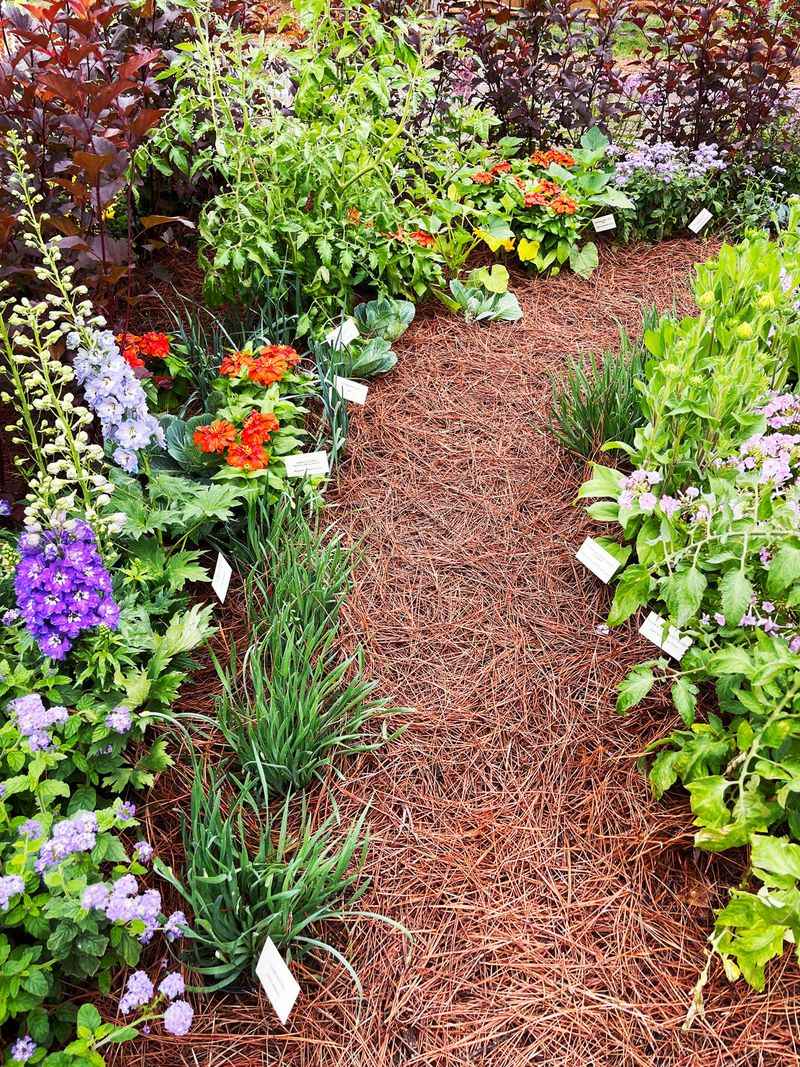
Mulch is like a cozy blanket for your garden, and it works hard even when you’re not around. A good layer slows evaporation, keeps roots cooler, and cuts down on weeds. All of that means the water you add stays in the soil longer.
Weeds and grass are thirsty competitors. They grab moisture that your new plants badly need. A thick mulch layer blocks many of them before they can even sprout.
Aim for 2 to 3 inches of mulch around new plantings. Shredded bark, pine straw, and shredded fall leaves all do a great job. Spread it wide enough to cover the root zone and a little beyond.
Leave some breathing room, though. Keep mulch a few inches away from stems and trunks so moisture doesn’t sit against the bark. Piling mulch up like a volcano around a tree may look neat, but it can invite rot and pests.
Take a minute to clear away grass around new trees and shrubs too. A ring of bare, mulched ground keeps turf roots from stealing water. It also makes mowing easier, since you won’t bump into young trunks.
Here’s a happy bonus for North Carolina gardeners. In October, fallen leaves cover yards across the state, from oaks in the Piedmont to maples in the mountains. Run them over with a mower to shred them, and you’ve got free mulch in minutes.
Pine straw is another local favorite, especially in the Sandhills and eastern parts of the state. However you choose to cover the soil, mulch quietly stretches every drop you give.
7. Collect And Reuse Water Where Allowed
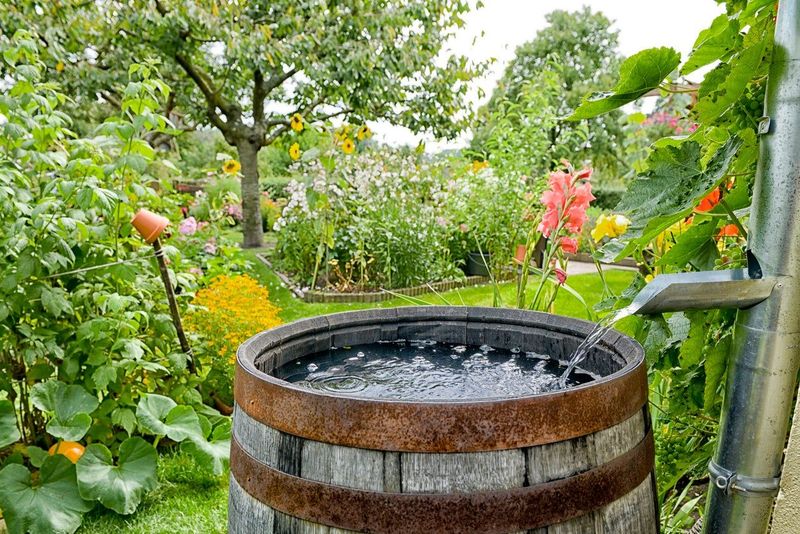
Ever notice how much cold water runs down the drain while you wait for a warm shower? That water is perfectly good for plants. Catching it is one of the easiest ways to help your garden without pulling extra water from the tap.
Rain barrels are a great place to start. Placed under a downspout, a barrel collects runoff from your roof every time it rains. Even a light shower on a typical roof can fill a barrel faster than most people expect.
Inside the house, small habits add up. Keep a bucket in the shower to catch that cold water, and set a bowl in the kitchen sink when you rinse fruits and vegetables. By evening, you may have a few gallons ready for your new plants.
Be choosy about what you collect, though. Avoid water with soap, bleach, or other cleaning chemicals, since these can harm roots and soil life. Clean rinse water is the safest bet.
Rules matter here too. Some towns have guidelines about outdoor water use from any source, so check with your water provider before you start. Most places welcome rain barrels, but it’s smart to confirm.
Many families even make a game of it, seeing who can save the most water in a week. Kids often love carrying the watering can out to their favorite plant.
In North Carolina, every bit of saved water helps new plantings during restrictions. A few buckets here and a barrel there can keep young roots happy until steady rain returns. Your garden gets a drink, and your town’s supply gets a break.