Powdery Mildew On North Carolina Plants In April And How To Stop It Before It Spreads
Powdery mildew can show up earlier than many North Carolina gardeners expect, sometimes appearing as soon as April when conditions start to warm up. At first, it may look like a light dusting on leaves, easy to overlook or brush off.
But this fast spreading issue can quickly move across plants if it is not handled early. North Carolina’s mix of mild temperatures, humidity, and crowded spring growth creates the perfect setup for it to spread.
Plants that looked healthy one week can start showing signs of stress the next. The good news is that catching it early makes a big difference.
With a few simple steps, you can slow it down and protect the rest of your garden. Understanding why it appears and how it spreads is the first step toward keeping your plants looking clean, healthy, and strong as the season moves forward.
1. Powdery Mildew Starts Early In Spring On Popular North Carolina Plants
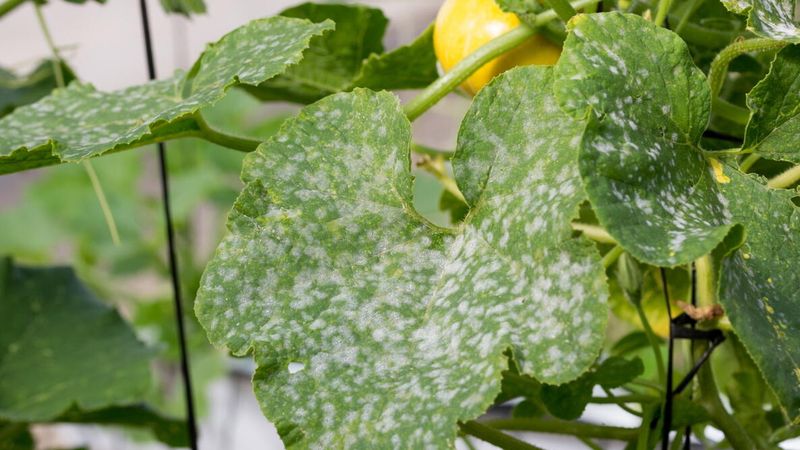
April in North Carolina has a way of sneaking up on gardeners. The weather feels mild and inviting, but those cool nights combined with warm afternoons create the perfect setup for powdery mildew to take hold.
Fungal spores that survived the winter on old plant debris become active again right around this time.
Plants like phlox, monarda, and dogwood are among the first to show signs of infection in North Carolina gardens each spring. These plants are naturally prone to the disease, especially when growing conditions are a little too cozy for fungal activity.
Spotting the problem early on these popular species gives you a real head start.
The good news is that April is actually the best month to catch this disease before it becomes a serious problem. Gardeners who check their plants regularly at the start of the season can stop the spread quickly.
A simple walk through your garden every few days goes a long way toward keeping mildew from taking over your beds and borders throughout the season.
2. The White Powdery Coating Is The Easiest Way To Spot It
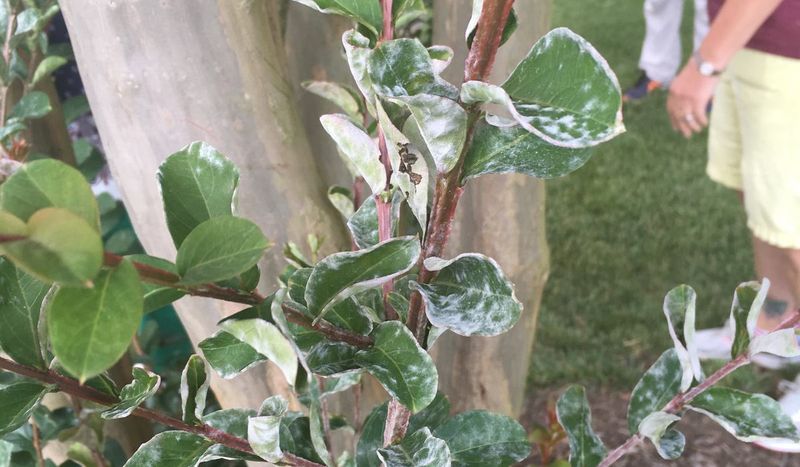
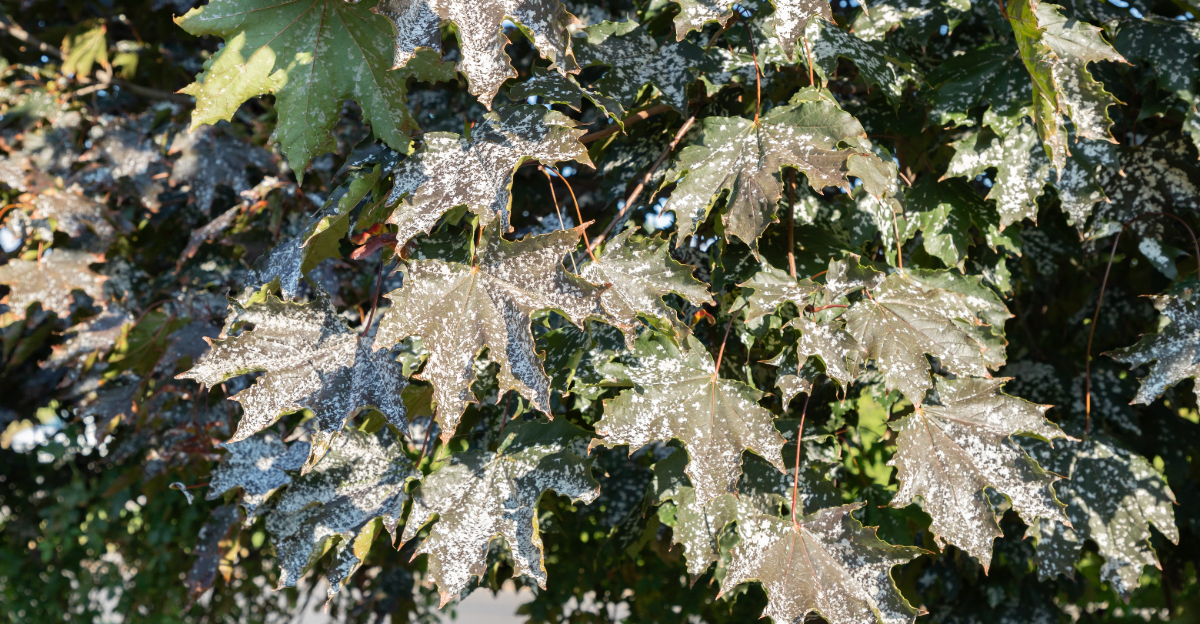
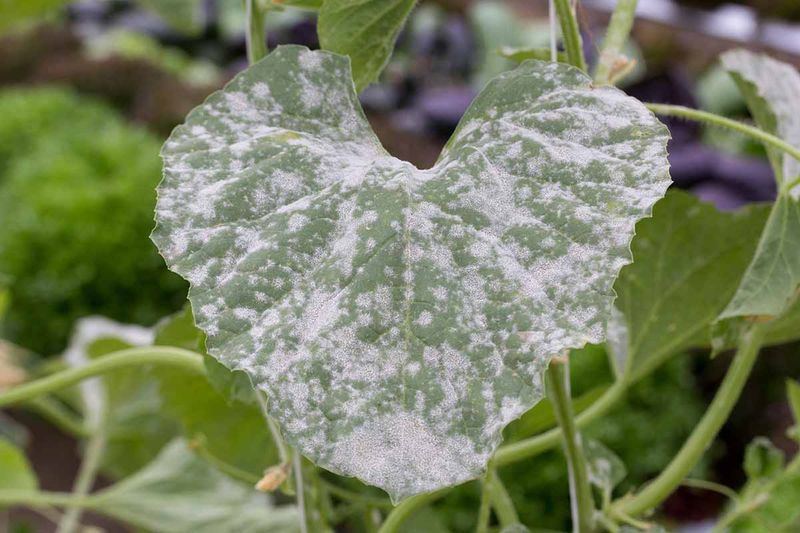
That strange white dust on your plant leaves is not fertilizer residue or morning frost. Powdery mildew produces a very distinctive coating that looks almost like someone sprinkled baking powder across your foliage.
Once you recognize it, you will never confuse it with anything else again. The fungal growth typically starts as small, round white spots on the upper surface of leaves. Over time, those spots expand and merge until entire leaves look gray or chalky.
Stems, buds, and even flower petals can get coated as the infection spreads through the plant.
North Carolina gardeners should pay close attention to new growth in April because young, tender leaves are especially vulnerable. The coating may look harmless at first glance, but underneath it the leaf tissue is being weakened.
Plants that stay infected for weeks can develop yellowing leaves, twisted growth, and reduced flowering. Catching that first powdery patch early and acting on it immediately is the smartest move any NC gardener can make this spring.
Your North Carolina Garden Changes Every Week. Your Plan Should Too.
Gardening in North Carolina changes quickly throughout the season. Every Friday you’ll receive a simple weekly plan showing exactly what to plant, prune, fertilize, harvest, and protect so you never miss the right timing.
3. Humid Air Is All It Needs, Not Wet Leaves
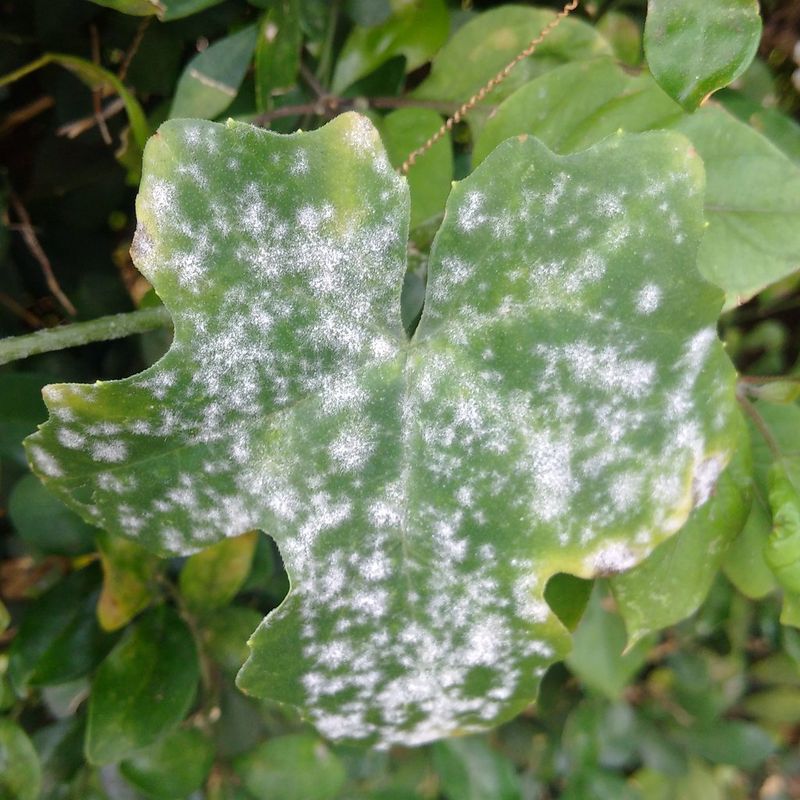
Most people assume that fungal diseases need rain or standing water to spread, but powdery mildew plays by different rules.
This particular fungus actually thrives in dry to slightly humid conditions, which makes it especially tricky to manage in a state like North Carolina.
April humidity levels in the Piedmont and coastal regions of North Carolina create an almost ideal environment for spore germination and spread. The fungus does not need water droplets sitting on leaves to infect a plant.
Instead, it feeds off the moisture already present in the surrounding air, which means even dry-looking gardens can still develop serious infections.
Many gardeners make the mistake of thinking their watering habits are to blame, but the real culprit is often just the regional climate. Understanding this helps you focus your prevention efforts in the right direction.
Instead of cutting back on watering completely, focus on improving airflow around your plants and reducing humidity in dense planting areas.
Simple changes like thinning out crowded beds can make your North Carolina garden much less welcoming to this persistent fungal problem.
4. Crowded Plants Are An Open Invitation For Mildew To Spread
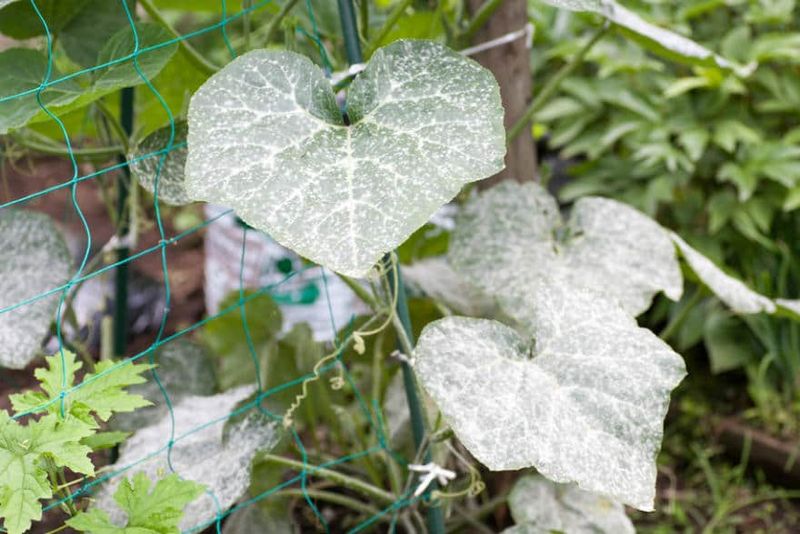
Picture a garden bed where plants are packed in tight, leaves overlapping, stems brushing against each other. Sounds lush and full, right?
Unfortunately, that kind of crowding is exactly what powdery mildew loves most in North Carolina spring gardens.
When plants grow too close together, air cannot move freely between them. Moisture from the soil and from the plants themselves gets trapped in that still, warm pocket of air.
Fungal spores settle in and find perfect conditions to multiply rapidly before you even notice a problem forming.
Thinning out crowded areas of your garden in early April is one of the most effective preventive steps you can take.
Remove any weak or excess stems from bushy perennials, give shrubs a light trim to open up their centers, and make sure neighboring plants have at least a few inches of breathing room between them.
North Carolina gardeners who invest a little time in spacing adjustments at the start of spring often end up with far healthier plants by summer. Good airflow is one of your best natural defenses against this disease spreading through your entire garden.
5. Too Much Shade Puts Your Plants At Higher Risk

Shade-loving gardens have a quiet, peaceful charm that many North Carolina homeowners adore. But growing plants in too much shade comes with a real trade-off when it comes to powdery mildew risk.
Shaded areas tend to stay cooler, hold more moisture in the air, and receive less direct sunlight to help dry leaf surfaces naturally.
Sunlight is actually a natural suppressant for many fungal diseases. When plants get several hours of direct sun each day, leaf surfaces dry out faster and the overall microclimate around the plant stays less favorable for fungal growth.
Shaded spots under trees or along north-facing fences in North Carolina yards are especially vulnerable during the cool, damp weeks of April.
If you have shade-garden plants that struggle with mildew every spring, consider whether you can prune nearby trees to let in a little more light. Even one or two extra hours of morning sun can make a noticeable difference.
Choosing plant varieties that are specifically bred for shade tolerance and disease resistance is another smart move for North Carolina gardens dealing with both limited sunlight and recurring mildew problems each spring season.
6. Removing Infected Leaves Right Away Slows The Whole Problem Down
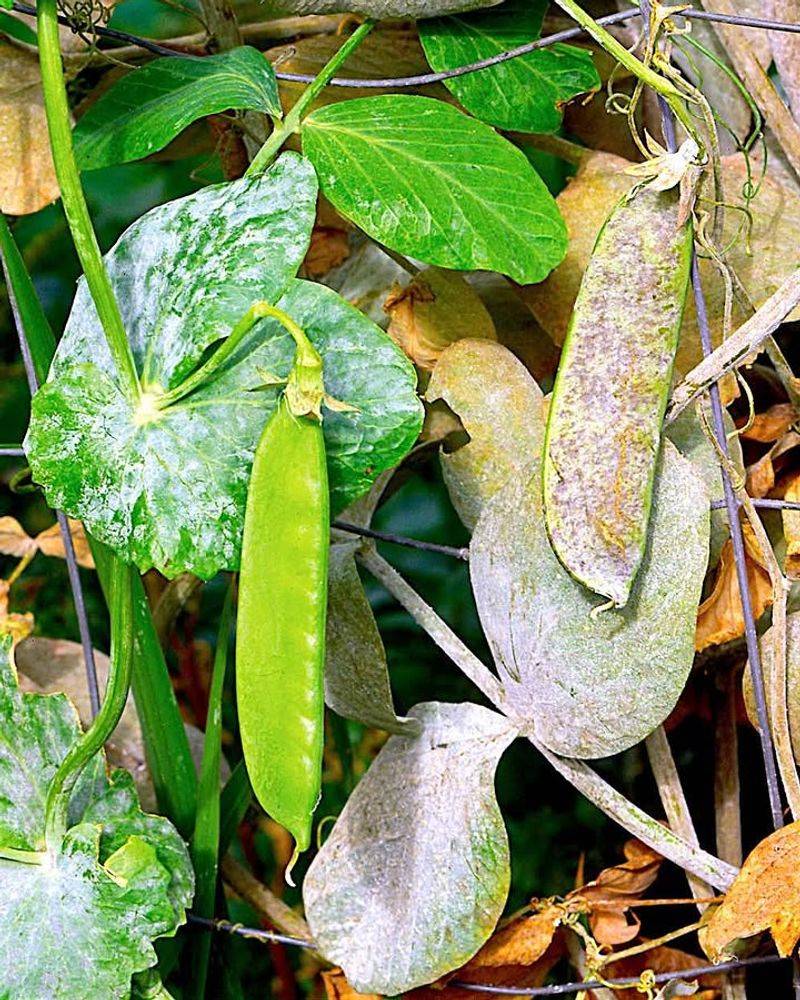
Speed matters more than most people realize when powdery mildew first appears. The moment you spot that telltale white coating on a leaf, that leaf is already releasing spores into the surrounding air.
Every hour it stays on the plant increases the chance of nearby leaves getting infected too. Carefully pinching off affected leaves and disposing of them in a sealed bag or trash bin is one of the fastest and most effective responses available to any North Carolina gardener.
Avoid tossing infected material into your compost pile, because the spores can survive and spread back into your garden later in the season.
After removing affected leaves, wash your hands and any tools you used before touching other plants. Spores travel easily on skin and gardening gloves, so a quick rinse can prevent accidental spread to healthy nearby plants.
North Carolina gardeners who make this a habit in April often find that small outbreaks stay small instead of turning into full-blown infestations.
Acting fast and being thorough with removal is genuinely one of the most powerful tools in your spring gardening toolkit this time of year.
7. Watering At The Base Of Your Plants Keeps Leaves Drier And Safer
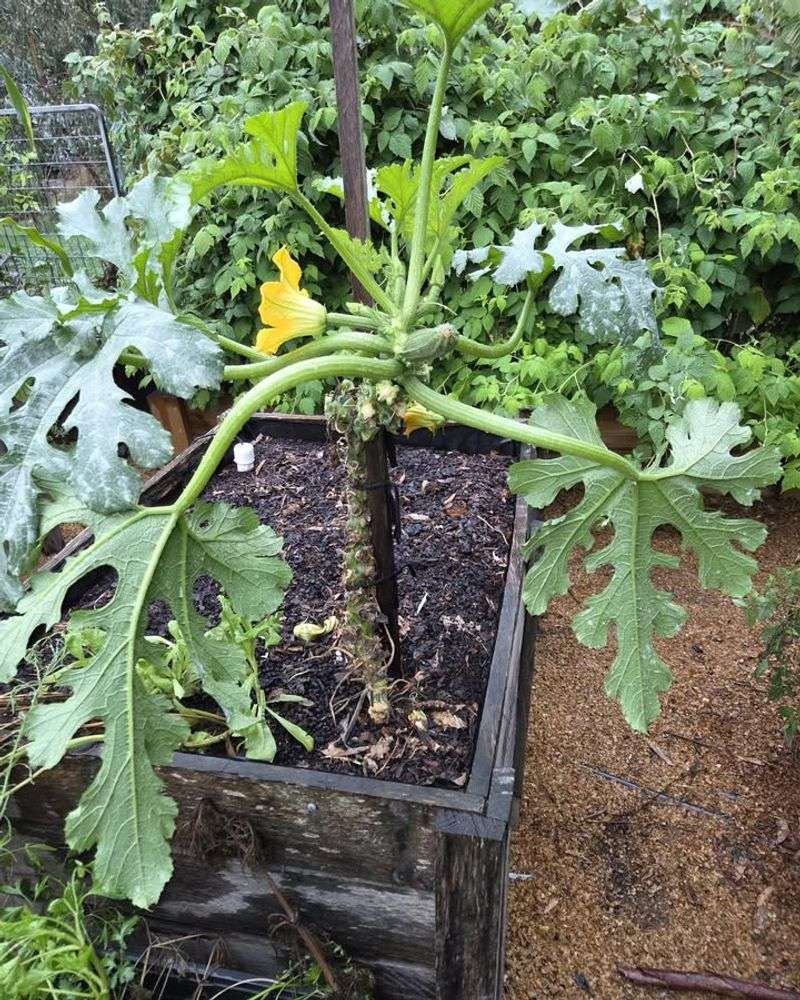
How you water your garden matters just as much as how often you do it. Overhead sprinklers that shower water across leaves and stems might look satisfying, but they create exactly the kind of moist surface environment that encourages fungal growth throughout the season.
Switching to drip irrigation or soaker hoses delivers water directly to the root zone where plants actually need it. Leaves stay dry, and the soil gets a slow, deep soak that promotes healthy root growth.
This approach is especially valuable in North Carolina during April, when the combination of warm days and cool nights already pushes humidity levels higher than ideal for disease-free gardening.
If you do not have drip irrigation set up yet, try watering by hand at the base of each plant using a watering can or a hose with a gentle flow setting. Water in the morning so any accidental splashing on lower leaves has time to dry off before evening.
North Carolina gardeners who shift their watering habits early in the spring season often report noticeably fewer mildew problems on roses, zinnias, and vegetable crops like squash and cucumber throughout the entire growing season ahead.
8. Better Plant Spacing And Airflow Are Your Long-Term Defense
Good garden design is not just about looks. The way you arrange your plants has a direct impact on how well they resist diseases like powdery mildew, especially in a humid state like North Carolina where spring conditions favor fungal growth.
When plants have enough space between them, air moves freely through the garden and carries away excess moisture before it can build up around leaves and stems.
This simple principle of airflow is one of the most overlooked aspects of disease prevention in home gardens across the state. A well-spaced garden bed is a healthier, more resilient garden bed by every measure.
As a general guideline, most perennials and shrubs benefit from at least twelve to eighteen inches of open space between plants, though larger species need even more room.
If your beds are already established and crowded, consider dividing overgrown clumps in early spring and replanting them with better spacing.
North Carolina gardeners who take the time to redesign problem areas of their gardens in April often see dramatic improvements in plant health by midsummer.
A little planning now saves a lot of frustration later when mildew season hits its peak in the warmer months ahead.
9. Mildew-Resistant Plant Varieties Are A Smart Choice For NC Gardens
Plant breeders have done some incredible work over the past few decades developing varieties that stand up to powdery mildew far better than older cultivars.
For North Carolina gardeners tired of fighting this disease every spring, choosing resistant varieties is one of the most satisfying long-term solutions available.
Newer phlox cultivars like David and Jeana are well known for their strong resistance to powdery mildew and perform beautifully in North Carolina landscapes.
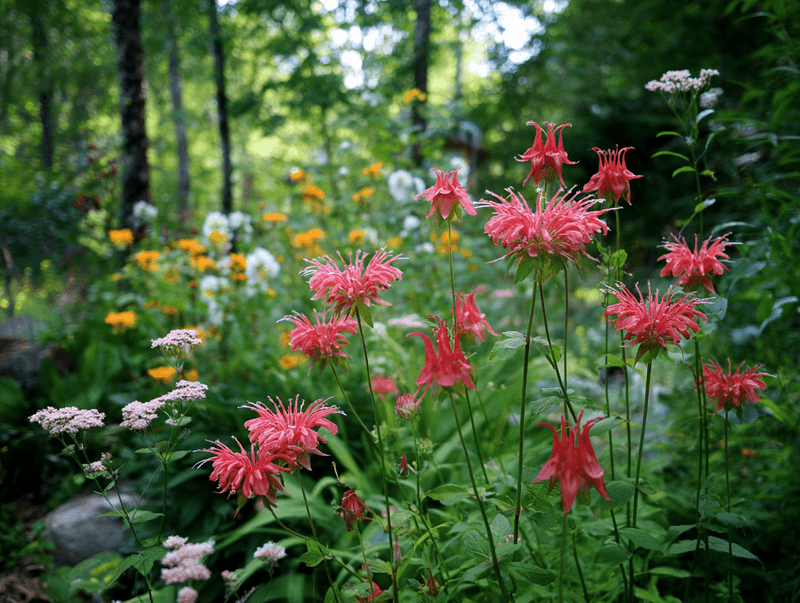
Bee balm varieties such as Raspberry Wine and Jacob Cline also offer improved resistance compared to older types that used to get coated in white fuzz every single summer.
Crape myrtles bred for disease resistance are another excellent option for NC yards and streetscapes.
When shopping for plants at your local North Carolina nursery this April, ask specifically about mildew-resistant options. Many nurseries in the state now label resistant varieties clearly because local demand for them has grown so much in recent years.
Starting with the right plants from the beginning means you spend less time treating problems and more time enjoying a garden that looks great from spring through fall.
Resistant varieties are truly one of the best investments a North Carolina gardener can make for the long-term health of their landscape.
10. Early Treatment With Fungicides Or Organic Sprays Works Best
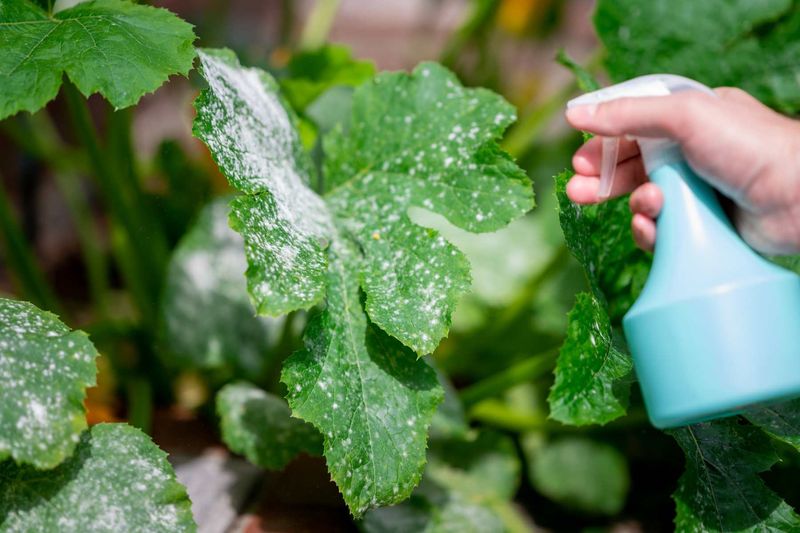
Waiting until powdery mildew has taken over half your plant before reaching for a treatment is one of the most common gardening mistakes in North Carolina.
Treatments of any kind, whether chemical or organic, work dramatically better when applied at the very first sign of infection rather than after the disease has spread widely.
Organic options like neem oil, potassium bicarbonate, and diluted baking soda sprays have all shown real effectiveness against powdery mildew when used early and consistently.
These products are widely available at garden centers across North Carolina and are safe to use around children and pets when applied according to label directions.
Neem oil in particular works well because it both treats existing infections and creates a surface that discourages new spore germination.
For more stubborn cases, conventional fungicides labeled specifically for powdery mildew are available and can be very effective when used correctly. Always read the product label carefully and follow all application instructions to protect yourself and your garden.
North Carolina gardeners who combine early treatment with the cultural practices mentioned throughout this article, like better spacing, base watering, and removing infected leaves, create a powerful multi-layered defense that keeps mildew from ruining the spring and summer growing season year after year.