Mistakes To Avoid When Growing Hostas In Northern California Shade
Shady corners across Northern California hold a promise. Under trees and along north-facing walls, a few broad-leaved plants can turn a dim patch lush and inviting.
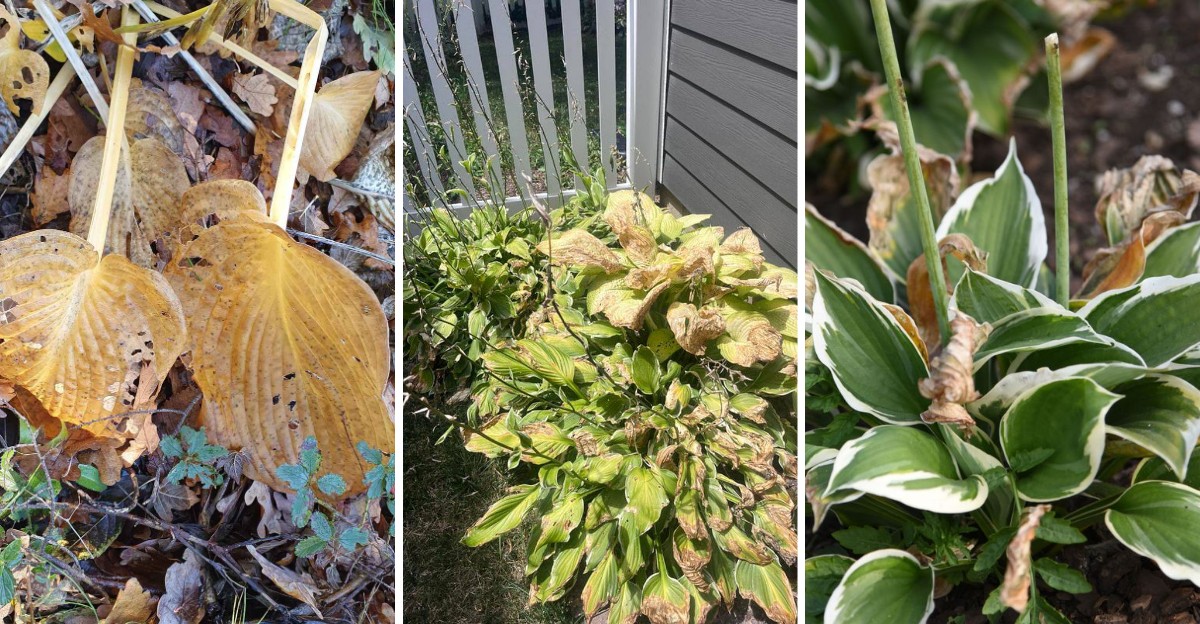
By midsummer, though, the picture sometimes shifts. Leaves fray, edges brown, and clumps that once looked bold start leaning or fading.
The causes usually trace back to a handful of small missteps.
Region plays a big role here. Foggy coastal towns and blazing inland valleys ask very different things of the same plant.
Most of these problems are easy to spot once the clues become familiar, and fixing them costs little.
With a few adjustments, a shady bed can settle into years of steady, graceful growth. The shade itself turns out to be the easy part.
1. Planting Where Hot Afternoon Sun Hits
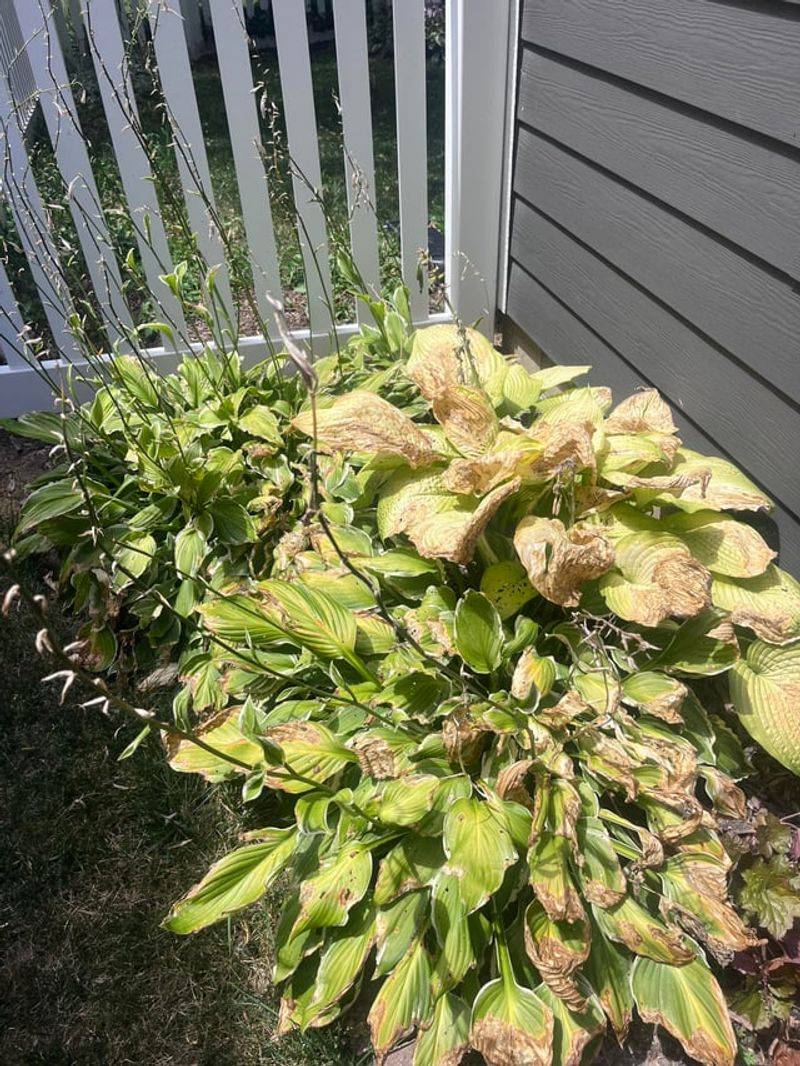
Bleached patches and crispy brown edges tell the story quickly. A hosta in hot afternoon sun suffers something close to a daily sunburn.
Those wide leaves lose water fast, and the plant struggles to keep up.
Inland Northern California makes the problem worse. Summer afternoons in Redding, Chico, or the Sacramento Valley can climb past 100 degrees.
Even a few hours of that direct light can scorch tender leaves.
Blue and thin-leaved types tend to suffer most, while some thicker or golden varieties handle a bit more light.
Morning sun is a different story. Gentle early light is usually fine and can even help colors look richer.
Trouble starts after lunch, when the sun turns harsh and the air dries. Bright shade, filtered light under trees, or the east side of a house suits hostas best.
Coastal gardeners get more wiggle room, since fog and cool breezes soften the sun near the ocean. A spot that would roast a hosta in Red Bluff might suit Half Moon Bay.
Watching the yard through a full summer day before digging reveals where shade truly falls.
A hosta already planted in the wrong spot can move in early fall or early spring, when temperatures stay mild.
Added shade from a taller shrub, a lattice panel, or shade cloth also helps considerably, and the leaves usually recover with the next flush of growth.
2. Ignoring Snails And Slugs
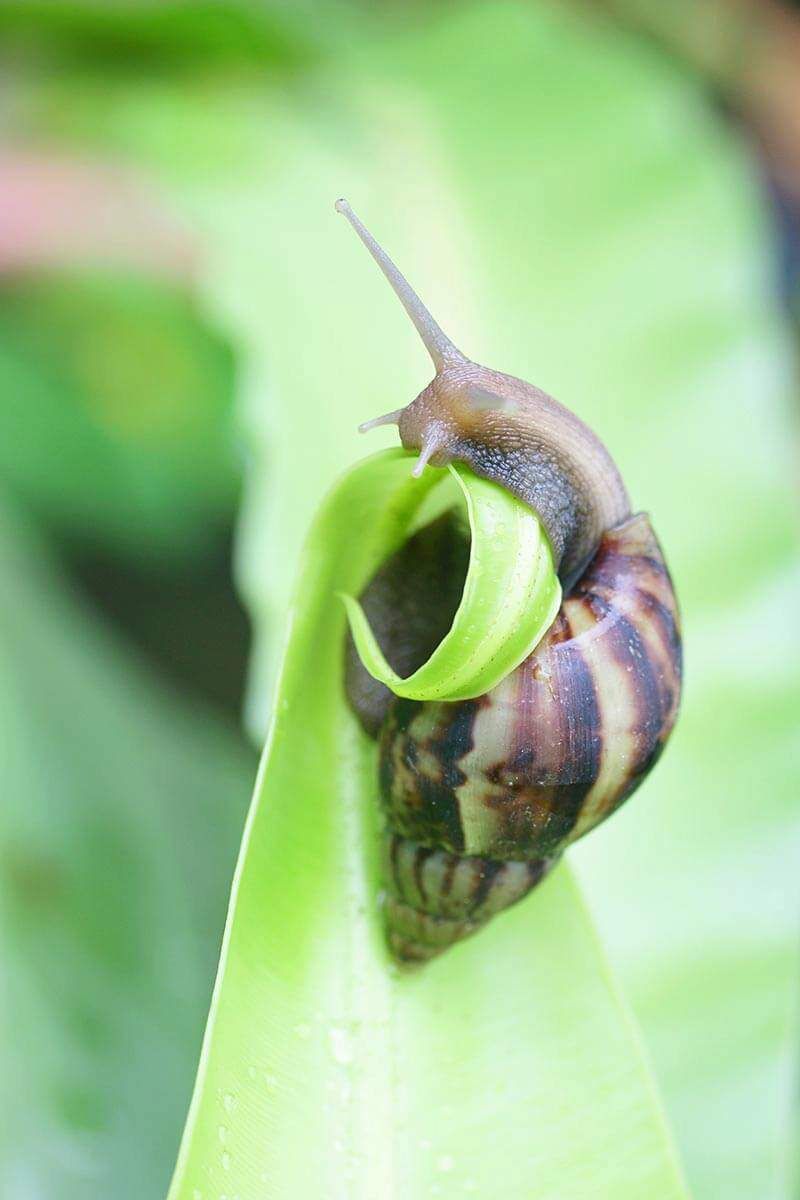
Shiny silver trails across the patio give the problem away. Snails and slugs favor hostas over almost any other garden plant, sliding out at night to chew ragged holes.
By sunrise, they’ve hidden again.
Northern California gives these pests a cozy home. Mild winters, damp springs, and watered shade gardens keep them active much of the year.
UC IPM notes that the brown garden snail was introduced to California from Europe in the 1850s and has spread widely since.
Simple habits make a strong start. Evening rounds with a flashlight allow snails to be hand-picked and removed from the garden.
A few nights in a row can thin the crowd quickly.
Removing hiding spots helps next. Boards, leaf piles, and dense ground covers near hostas give pests daytime shelter.
Copper bands wrapped around raised beds or pots can also discourage snails from crawling in.
Your California Garden Changes Every Week. Your Plan Should Too.
Gardening in California changes quickly throughout the season. Every Friday you’ll receive a simple weekly plan showing exactly what to plant, prune, fertilize, harvest, and protect so you never miss the right timing.
For bait, UC IPM recommends iron phosphate products, which are much safer around pets and wildlife than older metaldehyde baits.
A light scattering on moist soil in the evening, following label directions, works best.
Spring and fall bring the best timing, when young snails are hungry and growing. Fall rains often trigger a surge of activity in October and November.
Steady effort turns holey leaves into history over a season or two.
Deer also browse hostas, so fencing helps in foothill gardens.
3. Letting The Soil Dry Out
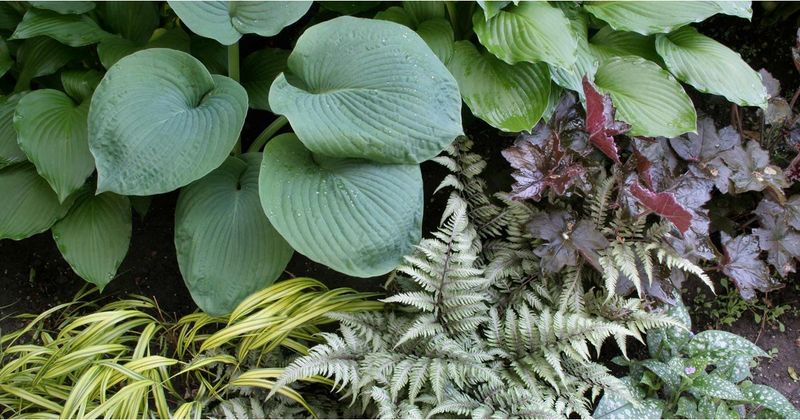
A hot August week in Walnut Creek, with watering skipped for a few days, can leave hostas drooping like wet laundry. Leaves curl, edges brown, and clumps look deflated.
Hostas crave steady moisture. Their big leaves release plenty of water, especially on warm, breezy days.
Northern California summers bring almost no rain, so irrigation supplies nearly every drop. Shade helps, yet it can’t replace a regular watering plan.
Evenly moist soil, like a wrung-out sponge, suits them best. Deep watering beats quick sprinkles, encouraging roots to grow downward where soil stays cooler.
A finger pushed a couple of inches into the ground offers the best test, with dry soil at that depth signaling time to water.
Drip irrigation or soaker hoses deliver water slowly at the roots and keep leaves dry, which reduces leaf problems. Morning watering works best before afternoon heat.
Two to three inches of shredded bark or leaf mulch holds moisture, cools roots, and cuts weeds, as long as it stays pulled back slightly from the crown.
Within five feet of the house in designated fire areas, Zone 0 rules exclude bark mulch.
Native oaks deserve special care. Summer water near their trunks can encourage root diseases, so hostas fit better well outside an oak’s dripline or in containers.
Thirsty roots of other large trees, such as maples, can steal water from nearby hostas, so those plants may need extra attention.
4. Planting Crowns Too Deep
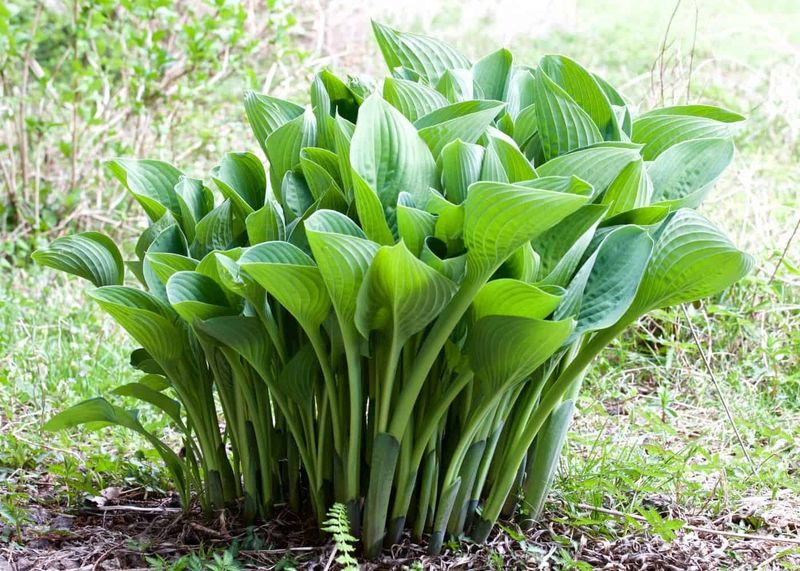
This mistake hides underground. A hosta planted too deep may look fine at first, then grow slowly, look weak, or start rotting at the base weeks later.
The crown is the spot where leaf stems meet the roots, essentially the center of the plant.
UC ANR planting guidance for perennials recommends setting the crown at the same level it grew in the nursery pot. Burying it traps moisture against the stems.
A hole about twice as wide as the root ball, but no deeper, gives the best start. Loosened soil around the sides lets roots spread easily.
Once the plant is set in place, a quick height check and gentle backfill keep the top of the root ball level with surrounding ground.
Soil settles after watering, so a second look a week later helps. A sunken crown can be lifted carefully, with a little soil added underneath.
Mulch can cause the same trouble, since piling it against the crown acts like planting deeper. A small ring of bare soil, an inch or two wide, prevents problems.
Divided clumps follow the same rule. Each replanted crown belongs right at the soil line.
Fall planting works well across much of Northern California, since warm soil and coming rains help roots settle before winter.
Hostas planted at the right depth stand tall and grow strong for years.
5. Crowding Plants Too Close
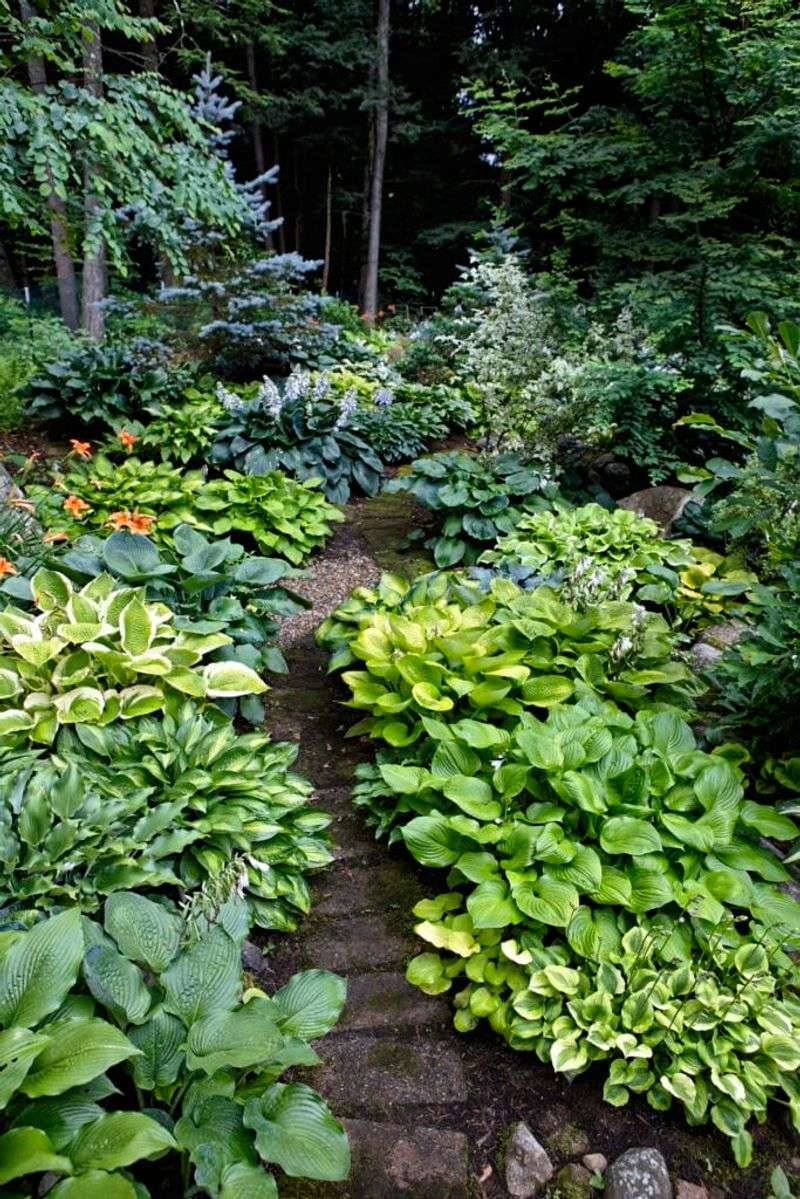
Small nursery pots can mislead. A tiny hosta in a one-gallon container may grow two to four feet wide within a few years in good conditions.
Several planted close together soon end up elbowing each other for room.
Crowded hostas face several problems. Leaves overlap, air can’t move, and moisture lingers longer after watering.
Damp, tangled foliage gives snails and slugs perfect hiding places and can encourage fungal leaf spots and crown rot.
The plant tag usually lists mature width, and spacing based on that number works better than spacing based on current size.
Small varieties may need about a foot between them, while large ones, such as many blue giants, may need three feet or more.
Empty space looks bare at first, and that’s fine. Shade-loving annuals such as impatiens, or a layer of mulch, can fill gaps for a season or two.
Once hostas fill in, the fillers come out.
An existing jungle benefits from division in early spring, as new shoots emerge, or in early fall. A sharp spade slices dug clumps into sections.
Each piece needs some roots and at least a few growing points, plus a spade wiped with household disinfectant between clumps.
Divisions replanted with plenty of breathing room, or shared with neighbors, keep beds healthy. Fewer well-spaced plants often look fuller than a packed bed.
6. Using Heavy Soggy Soil
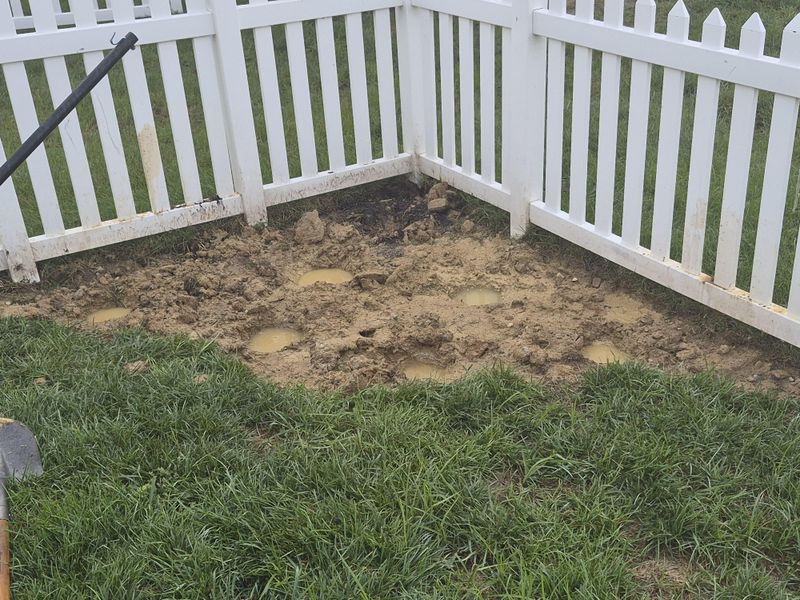
Squish, squish. A soggy bed in February often signals trouble, since many Northern California yards sit on dense clay that holds water for days after a winter storm.
Hostas like moisture but dislike wet feet. Roots need air as much as water, and in waterlogged clay, air pockets fill and rot can set in.
UC ANR notes that poor drainage ranks as a leading cause of root and crown rot in many garden plants.
A simple drainage test helps before planting. A hole about a foot deep, filled with water, allowed to drain, then filled again, reveals how quickly the soil moves water.
Water lingering more than several hours means the spot needs help.
Compost mixed into the planting area improves clay over time, loosening soil and adding air space. A few inches worked across a wide area works far better than one small hole.
A lone pocket of rich soil in clay can act like a bathtub and collect water.
Raised beds or low mounds offer another smart option. Lifting roots six to eight inches above the surrounding ground makes a real difference.
Large containers with drainage holes also work well in tricky spots.
Wet clay is best left alone, since working it packs soil into hard clumps. Digging can wait until the soil crumbles easily in hand, often a few dry days after rain.
7. Overfeeding With Nitrogen
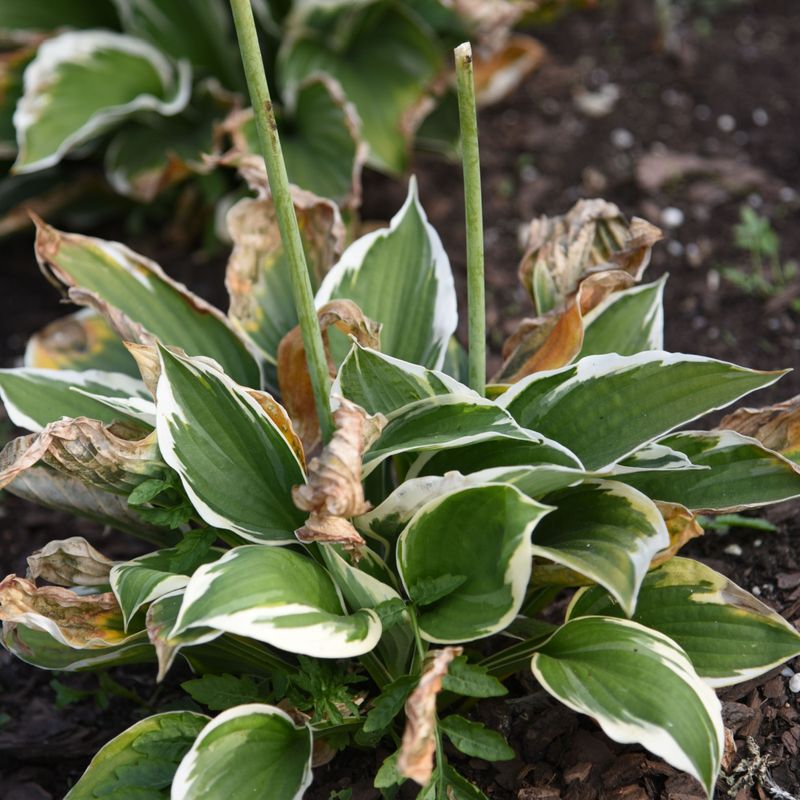
More food might seem to promise bigger, better plants. With hostas, piling on high-nitrogen fertilizer often backfires, and the results can get surprisingly messy.
Excess nitrogen pushes soft, fast, floppy growth. Those tender leaves act like candy for snails and slugs, scorch more easily in heat, and flop over in wind.
Fertilizer salts can also build up and burn roots, leaving brown edges that resemble drought stress.
Hostas aren’t heavy feeders. In compost-rich soil, many grow well with little extra food.
UC ANR guidance often favors building healthy soil first and fertilizing lightly only when plants show a need, such as pale growth.
Feeding, when needed, works best kept simple. A balanced, slow-release fertilizer in early spring as new shoots appear does the job, applied toward the lower label rate.
Watering well before and after feeding keeps fertilizer from sitting against dry roots.
Late summer and fall feeding is best skipped. New growth that late has little time to toughen before cooler weather arrives.
Inland gardens with cold winters especially benefit from letting plants slow down naturally.
Compost offers the gentle option. A thin layer each spring feeds soil slowly and improves texture at the same time.
Like dessert, a little fertilizer works as a treat, while too much leaves hostas weaker rather than stronger.
October, when growth slows, makes a good moment to plan next spring’s light feeding.
8. Cutting Back Before Leaves Fade Naturally
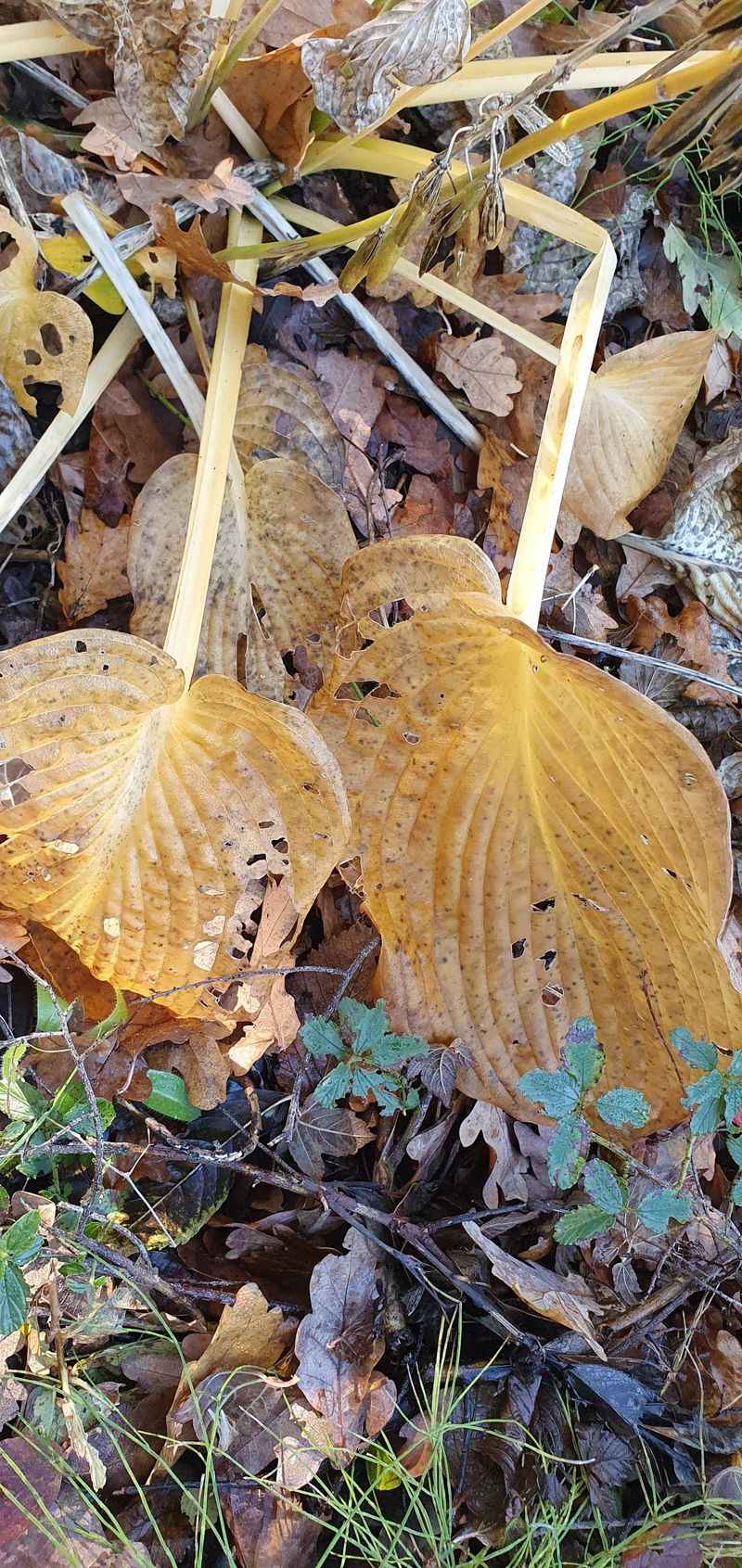
Autumn arrives, and once-glossy leaves start turning yellow and limp. The urge to tidy everything up can feel strong, yet a little waiting helps.
Fading leaves are still working. As they slowly change color, the plant pulls nutrients and stored energy back into its roots and crown.
That saved energy fuels fresh, healthy growth next spring, so cutting green or half-green leaves too early robs the plant of its supply.
Trimming works best once foliage turns fully yellow or brown and flops over. Cuts near the base, without nicking the crown, finish the job.
Old leaves belong out of the bed, since leftover piles give snails, slugs, and fungus a cozy winter home.
Northern California adds a twist. In colder inland and mountain areas, hostas go dormant on schedule after the first frosts.
In mild coastal gardens, some plants hold their leaves much longer and rest less deeply, so each plant sets its own pace.
A small stake or label marking dormant clumps prevents accidental digging, since bare winter ground makes them easy to forget.
Light watering helps if winter rains run scarce.
The ASPCA lists hostas as toxic to cats and dogs, so curious pets do best kept away from fallen leaves during cleanup.
Patience pays off. When spring returns, tight shoots push up through the soil like green spears, rested and ready for another strong season.