What California Vegetable Gardens Need In Late April For A Stronger Start
Late April is when a California vegetable garden can start looking full of possibility and slightly chaotic at the same time. Seedlings are in, watering routines are getting real, and the weeds seem to have shown up like they got an invitation.
This is usually the point when a garden either settles in nicely or starts slipping off track before summer even gets going. That is why late April matters so much. It is not just about planting and hoping for the best.
Gardens need a few smart adjustments right now, especially as temperatures rise, growth speeds up, and young plants begin putting on serious size. Little things done at this stage can make the whole space easier to manage in the weeks ahead.
Some jobs are easy to overlook because they do not seem urgent yet. A few of the most important ones are exactly the things that can shape how well your vegetables handle the stretch into May and beyond.
1. Harden Seedlings Before Planting
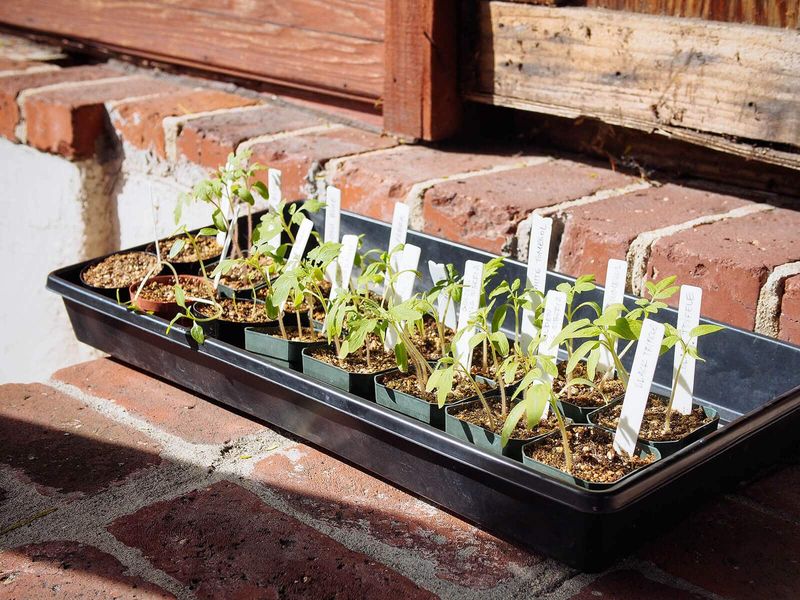
Seedlings that have been growing indoors under grow lights or in a greenhouse are not quite ready to face the full California sun right away. Even in mild climates like those found across Southern California and the Bay Area, the jump from indoor conditions to outdoor life can stress young plants badly.
Hardening off is the process of gradually introducing seedlings to outdoor conditions over the course of one to two weeks, and skipping this step is one of the most common mistakes home gardeners make.
Start by placing your seedling trays outside in a shaded, sheltered spot for just two to three hours on the first day. Each day after that, add another hour or two of outdoor time and slowly move the trays into brighter light.
Protect them from strong afternoon sun and any unexpected late-April winds, which can be surprisingly harsh in parts of Northern California.
By the end of the hardening period, your seedlings should be spending full days outside without any signs of wilting or leaf curl. Hardened seedlings develop thicker cell walls and stronger stems, which means they bounce back faster after transplanting.
This one extra step gives your tomatoes, peppers, squash, and other warm-season crops a genuine head start that shows up in stronger growth and earlier harvests throughout the California growing season.
2. Check Soil Temperature Before Planting
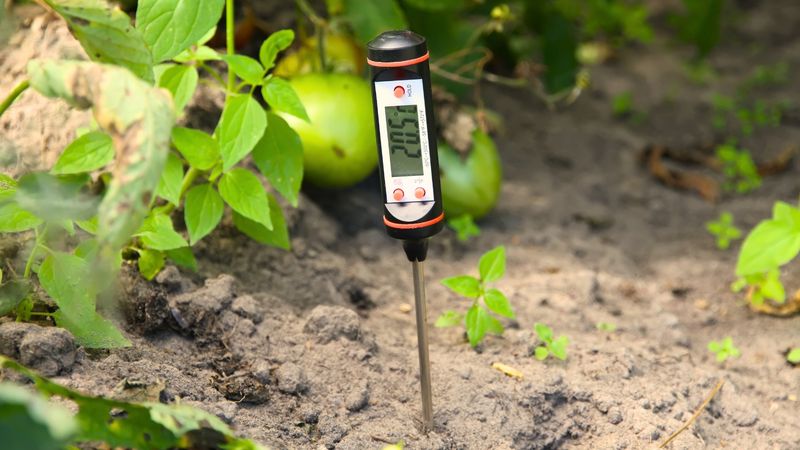
Soil temperature is something a lot of new gardeners never think to check, but experienced California growers know it is one of the most reliable indicators of planting success. Air temperature can be warm and sunny while the soil just a few inches below the surface stays surprisingly cool, especially in coastal regions of Northern California where marine air keeps things chilly well into spring.
Most warm-season vegetables need soil temperatures of at least 60 degrees Fahrenheit to germinate and establish properly. Tomatoes and peppers prefer even warmer soil, ideally between 65 and 70 degrees.
Planting into cold soil does not speed things up. In fact, seeds may rot before they sprout, and transplants can sit dormant for weeks, wasting your time and effort.
Your California Garden Changes Every Week. Your Plan Should Too.
Gardening in California changes quickly throughout the season. Every Friday you’ll receive a simple weekly plan showing exactly what to plant, prune, fertilize, harvest, and protect so you never miss the right timing.
A simple soil thermometer costs just a few dollars at any garden center and gives you an accurate reading within seconds. Check the temperature in the morning at a depth of two to four inches, since that is where root activity happens.
In many inland Southern California valleys, late April soil is often warm enough for a wide range of warm-season vegetables. In cooler coastal areas, you may need to use black plastic mulch or a raised bed to warm things up a bit faster.
Knowing your soil temperature takes the guesswork out of planting schedules and helps every crop you put in the ground get the strongest possible start.
3. Inspect Roots When Planting
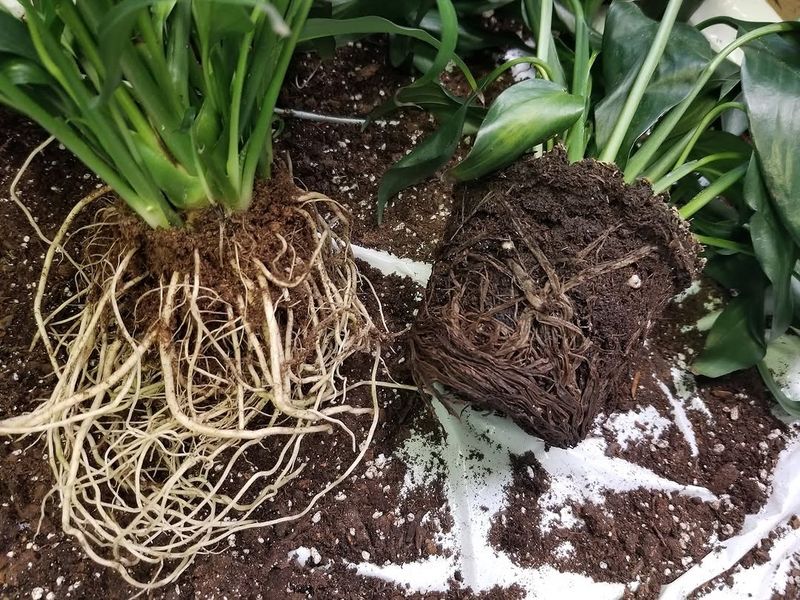
Most gardeners focus on what they can see above the soil, but the roots tell the real story of a plant’s health. Before you drop any transplant into the ground this late April, take a moment to look at what is happening underneath.
Gently slide the plant out of its container and examine the root ball closely. What you find there will help you make smarter decisions right from the start.
Healthy roots are white or light tan in color and should have a firm, slightly moist feel. If the roots are brown, mushy, or have a sour smell, the plant may have root rot caused by overwatering or a fungal issue.
Those plants are better left at the nursery. Roots that are tightly wound in circles around the bottom of the pot are called root-bound, and this is a very common issue with seedlings that have been sitting in small containers too long.
Root-bound plants need a little help before going into the ground. Use your fingers to gently tease the outer roots loose, or score the root ball lightly with a knife so the roots can spread outward into the surrounding soil.
In California’s fast-draining sandy soils and dense clay soils alike, this step encourages outward root growth and better water uptake from the very beginning. A few extra seconds spent on roots during planting can translate into weeks of stronger, more productive growth throughout your California garden season.
4. Mulch To Conserve Water
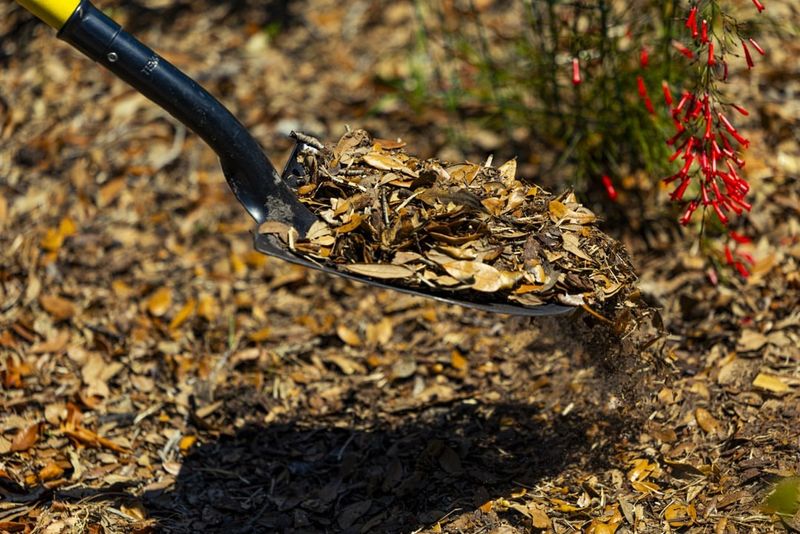
Water conservation is always a priority in California, and late April is the perfect time to get serious about it. As temperatures climb and rain becomes less frequent across most of the state, the soil in your vegetable garden can lose moisture surprisingly fast.
Applying a good layer of organic mulch is one of the simplest and most effective things you can do to keep that moisture right where your plants need it most.
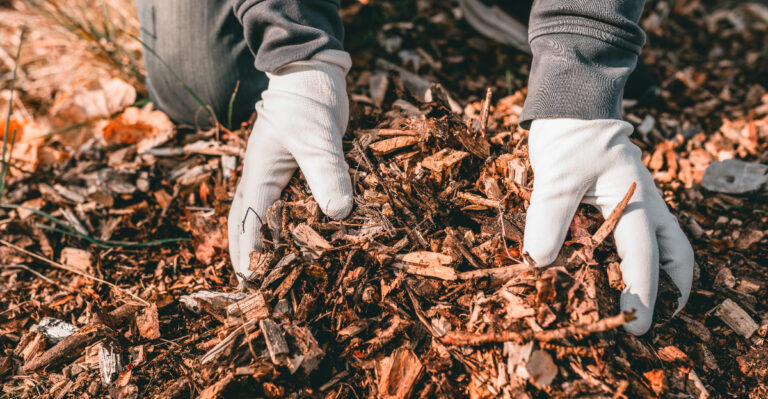
Spread two to three inches of straw, wood chips, shredded leaves, or other organic material around your plants, keeping the mulch a couple of inches away from the base of each stem to prevent rot. This layer acts like a blanket for the soil, slowing evaporation during the warm afternoon hours that are typical across Southern California and the Central Valley in late spring.
Mulched garden beds generally retain moisture longer than bare soil, which can mean less frequent watering for you.
Beyond water savings, mulch also moderates soil temperature and slowly breaks down over time, adding organic matter and nutrients back into the ground. It forms a physical barrier that makes it harder for weed seeds to sprout, saving you time on maintenance later in the season.
For California gardeners dealing with water restrictions or high utility bills, mulching is a low-cost strategy with a genuinely impressive return on investment all season long.
5. Maintain Drip Irrigation
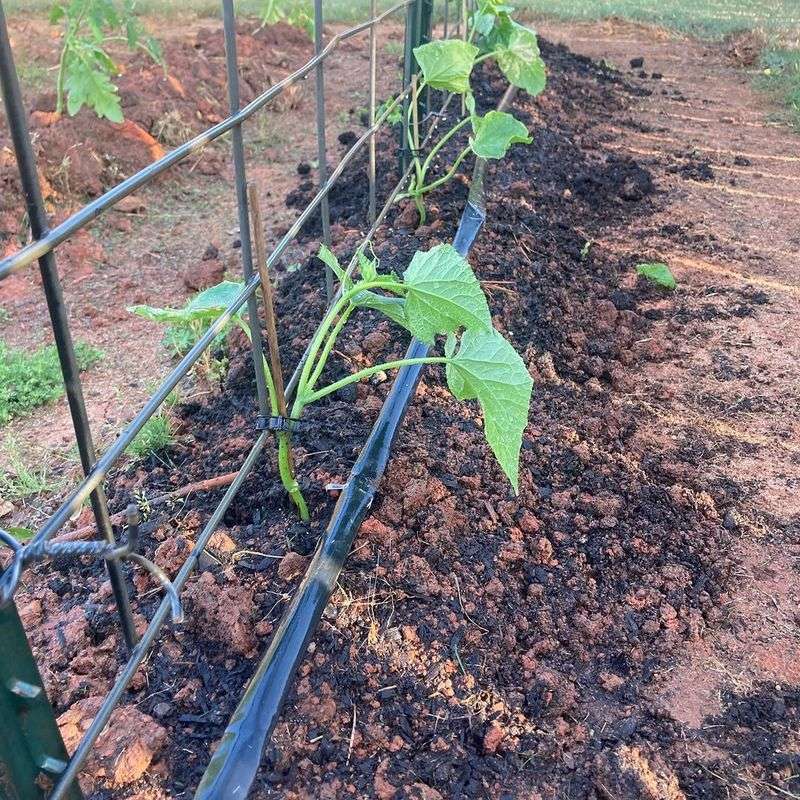
Drip irrigation is the gold standard for California vegetable gardens, and late April is the right moment to make sure your system is ready for the season ahead. Before the real heat arrives, take time to walk your entire irrigation setup and check every component carefully.
A well-maintained drip system delivers water directly to the root zone, reducing waste and keeping foliage dry, which helps prevent fungal problems that can spread quickly in warm weather.
Turn on your system and watch for clogged emitters, which often show up as dry patches in your garden even after a watering cycle. Flush the lines to clear any mineral buildup or debris that may have collected over winter.
Check all the connections and fittings for leaks, since even a small drip at a joint can waste gallons of water over the course of a week. Replace any emitters that are not delivering a consistent flow.
Once everything is running properly, adjust your timer settings to match late April conditions. Early morning watering works best in California because it reduces evaporation and gives foliage a chance to dry before evening.
As temperatures increase through May and June, you will need to dial up the frequency and duration of your watering cycles. A reliable, well-maintained drip system is the backbone of a productive California vegetable garden, giving every plant exactly the moisture it needs without wasting a single drop during the state’s increasingly dry growing season.
6. Remove Weeds Early
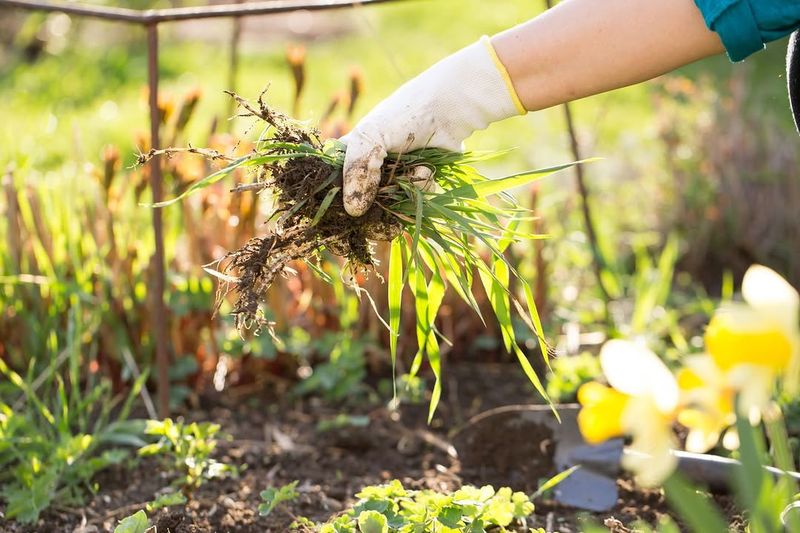
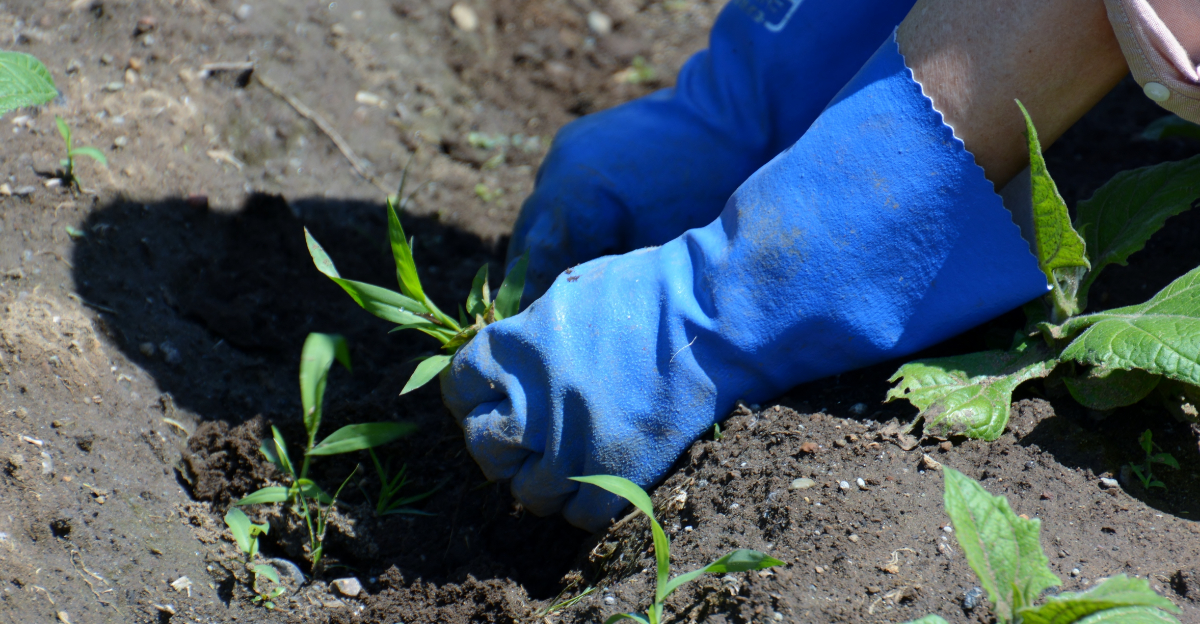
Anyone who has ever let weeds get out of hand knows how quickly a tidy garden bed can turn into a tangled mess. Late April is the ideal time to get ahead of the problem, because weed seedlings are small, shallow-rooted, and easy to pull before they have had a chance to flower and set seed.
One weed plant left to go to seed can scatter hundreds of new seeds into your soil, creating a much bigger problem later in the summer.
California’s warm, dry springs create perfect conditions for fast-growing annual weeds like purslane, spurge, and pigweed. These opportunistic plants compete directly with your vegetables for water, nutrients, and sunlight.
In a state where water is precious and garden space is often limited, letting weeds take hold is a real setback for your crops. Young tomatoes, peppers, and squash are especially vulnerable to weed competition during their first few weeks in the ground.
Hand-pulling works well when the soil is moist, such as the day after watering. A long-handled hoe lets you work standing up and makes quick work of larger patches between rows.
Avoid tilling deeply, since that can bring buried weed seeds up to the surface where they will sprout. Once you have cleared the bed, applying mulch right away creates a barrier that slows new weed germination significantly.
Staying on top of weeds in late April means far less work throughout the rest of the California growing season.
7. Support Vining And Heavy Crops
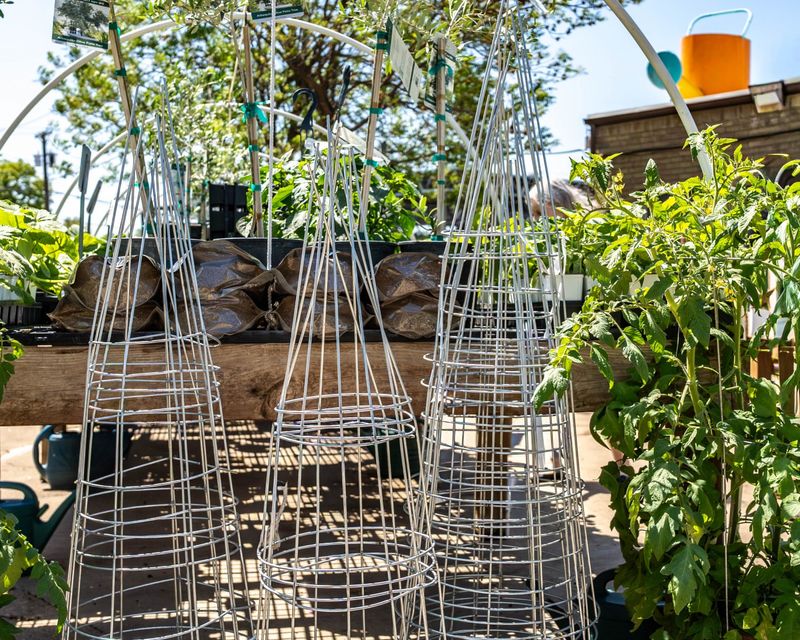
There is something satisfying about watching a tomato plant grow taller every week, but that satisfaction fades fast if the plant tips over, breaks a stem, or sends fruit sprawling on the ground where pests can reach it. Setting up support structures at planting time, rather than after plants are already large and tangled, is one of the smartest habits a California gardener can build.
Late April is the perfect moment to get stakes, cages, and trellises into position.
Tomatoes, cucumbers, pole beans, and winter squash all benefit from vertical support. Indeterminate tomato varieties, which are incredibly popular in California home gardens, can easily reach six feet or taller by midsummer.
A sturdy cage or a set of heavy-gauge stakes with soft ties will keep the plant upright and allow air to circulate through the foliage, which reduces the risk of fungal diseases in humid coastal climates.
For vining crops like cucumbers and pole beans, a simple trellis made from bamboo poles and garden twine does the job beautifully. Train young vines toward the trellis early so they grab on naturally as they grow.
Heavy fruiting crops like melons and winter squash may need additional support under individual fruits as they develop, using fabric slings tied to the trellis. Getting these structures in early also protects plant roots, since hammering stakes into established beds can damage the root systems that your California vegetables have worked so hard to develop.
8. Side-Dress Nitrogen After Seedlings Establish
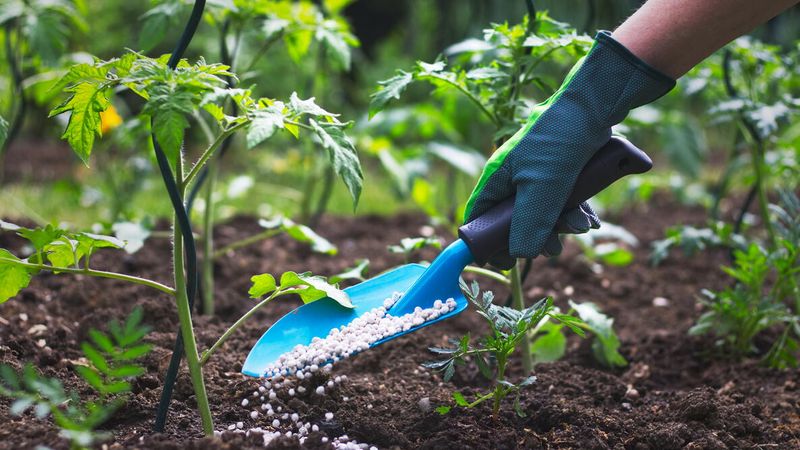
Once your seedlings have been in the ground for two to three weeks and you can see clear signs of new growth, it is time to give them a nutritional boost. Side-dressing with nitrogen is a targeted fertilizing technique where you apply a nitrogen-rich amendment in a shallow trench or band around each plant, rather than broadcasting it across the whole bed.
This gets the nutrients close to the root zone where plants can actually use them efficiently.
Nitrogen is the nutrient most responsible for leafy, vigorous green growth, and California’s fast-draining soils can lose it quickly through leaching, especially after irrigation. Organic options like blood meal, feather meal, or composted chicken manure are popular choices among California gardeners because they release nitrogen steadily over time rather than all at once.
Synthetic granular fertilizers with a higher nitrogen number on the label also work well and act a bit faster if your plants look pale or stunted.
Apply the amendment about four to six inches away from the main stem, scratch it lightly into the top inch of soil, and water it in well. Avoid piling fertilizer directly against the stem, since concentrated nitrogen can burn tender plant tissue.
Corn, leafy greens, and heavy-feeding crops like tomatoes respond especially well to this mid-spring feeding. Done correctly, side-dressing in late April gives California vegetable gardens the sustained nutritional foundation they need to grow strong, productive plants all the way through the long summer harvest season.