8 Things Arizona Homeowners Do That Accidentally Invite Scorpions Indoors in Winter
Cooler nights in Phoenix and Tucson feel like a gift after a long, blazing summer. Bark scorpions feel the same relief, but they also start hunting for a warm, quiet place to wait out the chill.
Many homeowners make small, everyday choices that point those scorpions straight to the front door. Here are eight common habits to rethink before you find an unwelcome guest in your slipper.
1. Leaving Gaps and Cracks Unsealed
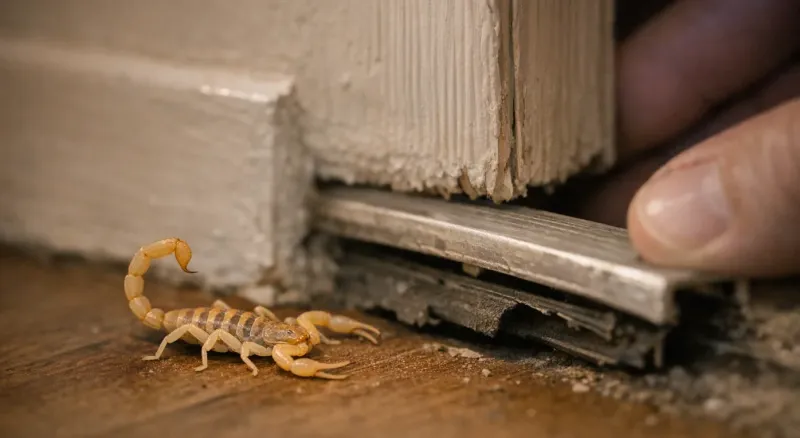
Picture a credit card sliding under your front door. If that card fits, a bark scorpion can probably fit too, since these slim climbers can squeeze through gaps around 1/16 of an inch wide.
Arizona homes take a beating from heat, and stucco and block walls often develop hairline cracks over time. Add worn weather stripping, a sagging door sweep, or a missing seal on the garage-to-house door, and you have a whole menu of entry points.
When nighttime temperatures drop below about 70 degrees, scorpions go looking for steady warmth, and your living room offers exactly that.
Walk your home’s outside edge on a mild winter afternoon with a flashlight and a tube of exterior caulk. Check where plumbing, gas lines, and electrical conduits enter the walls, since those openings are often left rough.
Weep holes in block walls can be covered with fine mesh so moisture still escapes.
Indoors, look under sinks and behind appliances where pipes pass through drywall. Replacing a tired door sweep costs only a few dollars and can reduce traffic dramatically.
Sealing up will not make a home scorpion-proof, but it can make it much less inviting, and winter is the most comfortable time to do the work.
2. Stacking Clutter and Debris Against the Foundation
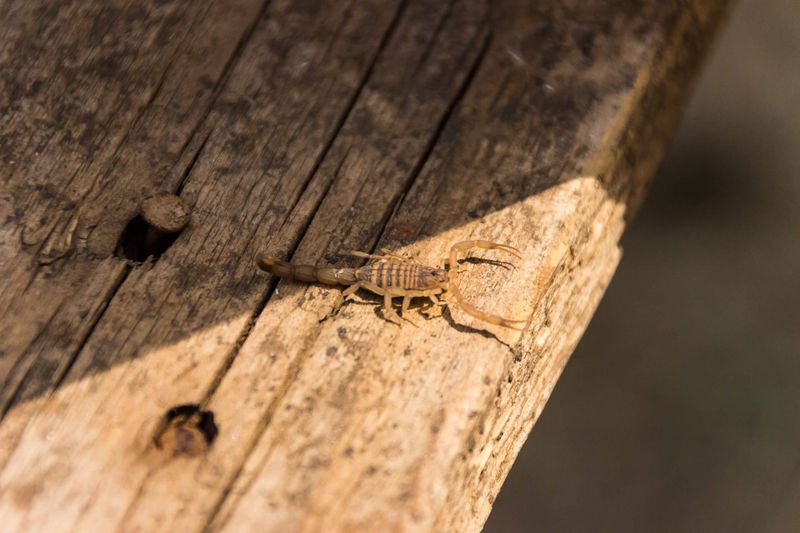
Firewood season in the desert is short, but that neat stack beside the back wall can turn into a scorpion apartment complex. Wood piles, extra pavers, loose bricks, and drifts of leaf litter give scorpions dark, snug crevices to rest during the day.
Location matters more than the pile itself. When debris sits right against the foundation, scorpions only need to take a few steps to reach a crack, weep hole, or gap under a door.
Think of it as a waiting room parked next to the entrance.
A simple shift can help a lot. Keep firewood raised off the ground on a metal rack and at least several feet from exterior walls.
Store spare landscape rock and pavers in a spot away from the house, and rake up fallen mesquite or palo verde leaves before they pile against stucco.
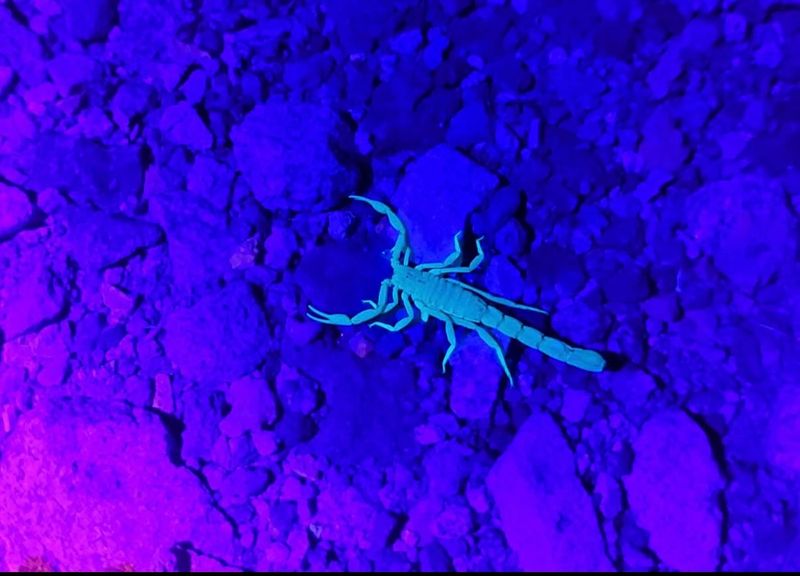
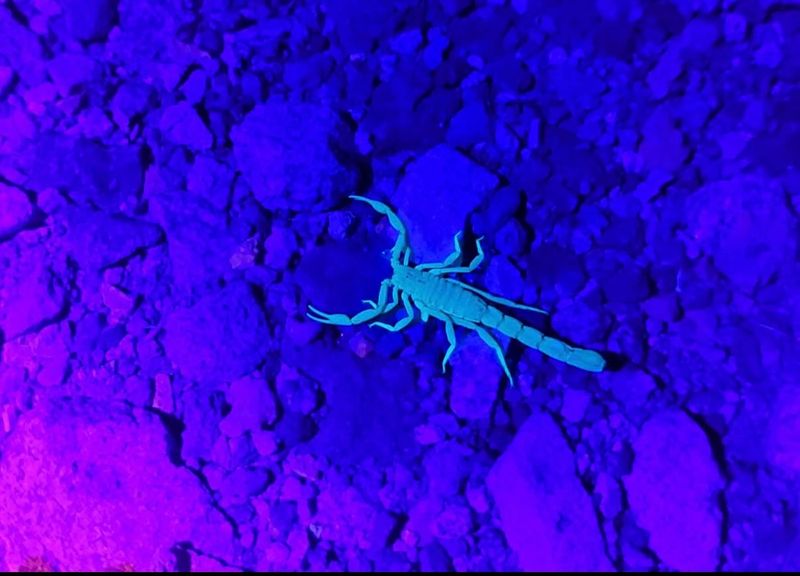
Pruned branches, old pots, and forgotten tarps deserve the same treatment. When you do move things, wear thick gloves and use a blacklight at dusk, since scorpions glow a bright greenish blue under UV light.
Clearing a tidy buffer zone around the home may not remove every scorpion in the yard, but it can make the path indoors far less convenient.
3. Letting Plants Touch Walls and Rooflines
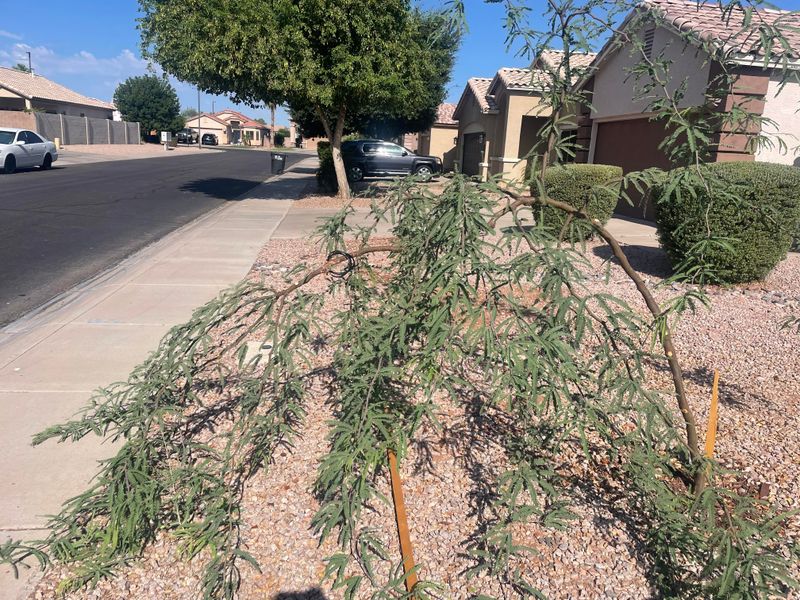
Bark scorpions are the rock climbers of the desert. Unlike many other species, they can scale stucco, tree bark, and even some walls with ease, which is how they end up in attics and ceiling corners.
Your Arizona Garden Changes Every Week. Your Plan Should Too.
Gardening in Arizona changes quickly throughout the season. Every Friday you’ll receive a simple weekly plan showing exactly what to plant, prune, fertilize, harvest, and protect so you never miss the right timing.
Shrubs pressed against the house and tree limbs draped over the roof work like ready-made bridges. A palo verde branch resting on your tile roof gives a scorpion a quiet path to vents and gaps in the eaves.
Dense hedges hugging the foundation also hold shade and moisture, creating cozy hideouts just inches from the walls.
Winter happens to be a smart window for light pruning of many desert trees and shrubs. Trim branches so they stay a few feet away from the roofline, and cut back plants like bougainvillea, Texas sage, or lantana so air and light can reach the wall behind them.
When planning new beds, place shrubs a bit farther from the house and choose open, airy natives like desert marigold or penstemon near the foundation. Mature mesquites and desert willows still give wonderful shade when planted with some breathing room.
The goal is not a bare yard, just a little space between your plants and your home.
4. Overwatering Near the Foundation
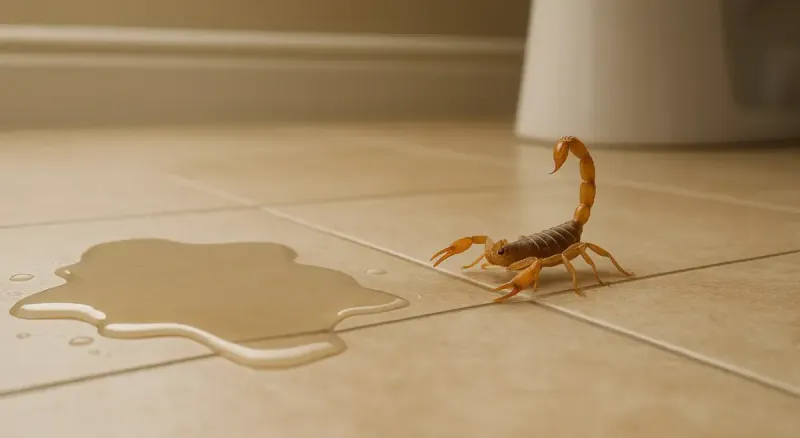
Here is a desert truth that surprises newcomers: water is the most valuable thing in your yard, for people and for pests alike. Scorpions can go a long time without drinking, yet they still drift toward damp spots, especially when crickets and roaches gather there too.
Winter watering needs drop sharply in the low desert, but many irrigation timers stay stuck on summer settings. The result is soggy soil along the foundation, leaky drip emitters, and planters that never dry out.
A dripping hose bib can create a tiny oasis right next to the wall.
Start by cutting your schedule back for the cool season. Most established native plants, like agave, brittlebush, and desert spoon, need very little water from December through February.
Let the soil dry between cycles so the surface does not stay moist.
Next, run your system and watch for puddles, broken emitters, or overspray hitting the stucco. Fix outdoor faucets that drip and make sure downspouts carry water away from the house.
These small fixes can make the area less inviting to scorpions and their prey, and they also trim your water bill, which is a nice bonus in a dry state.
5. Using Bright White Porch Lights
Scorpions are not drawn to light themselves. They are drawn to dinner, and dinner loves light.
Bright white bulbs near doors, garages, and patios attract moths, beetles, and other flying insects after dark. Crickets and spiders soon follow the buffet, and scorpions are never far behind their food.
Before long, your welcoming porch light becomes a hunting ground right beside the gap under the front door.
On mild winter evenings, insects are still active, especially during warm stretches that Arizona gets even in January. A few easy changes can help.
Swap white or cool-toned bulbs for warm yellow or amber versions, which tend to attract fewer bugs. Motion-activated fixtures keep lights off until you need them, and mounting lights on a post away from the door can pull insect traffic farther from the house.
Fun fact: on a dark night, a blacklight flashlight turns scorpions into glowing little neon signs, thanks to compounds in their outer shell. Take a quick UV walk around the porch after switching bulbs, and you may notice fewer visitors over time.
Less light at the doorway can mean fewer insects, and fewer insects can mean fewer reasons for scorpions to linger.
6. Letting Indoor Clutter Pile Up
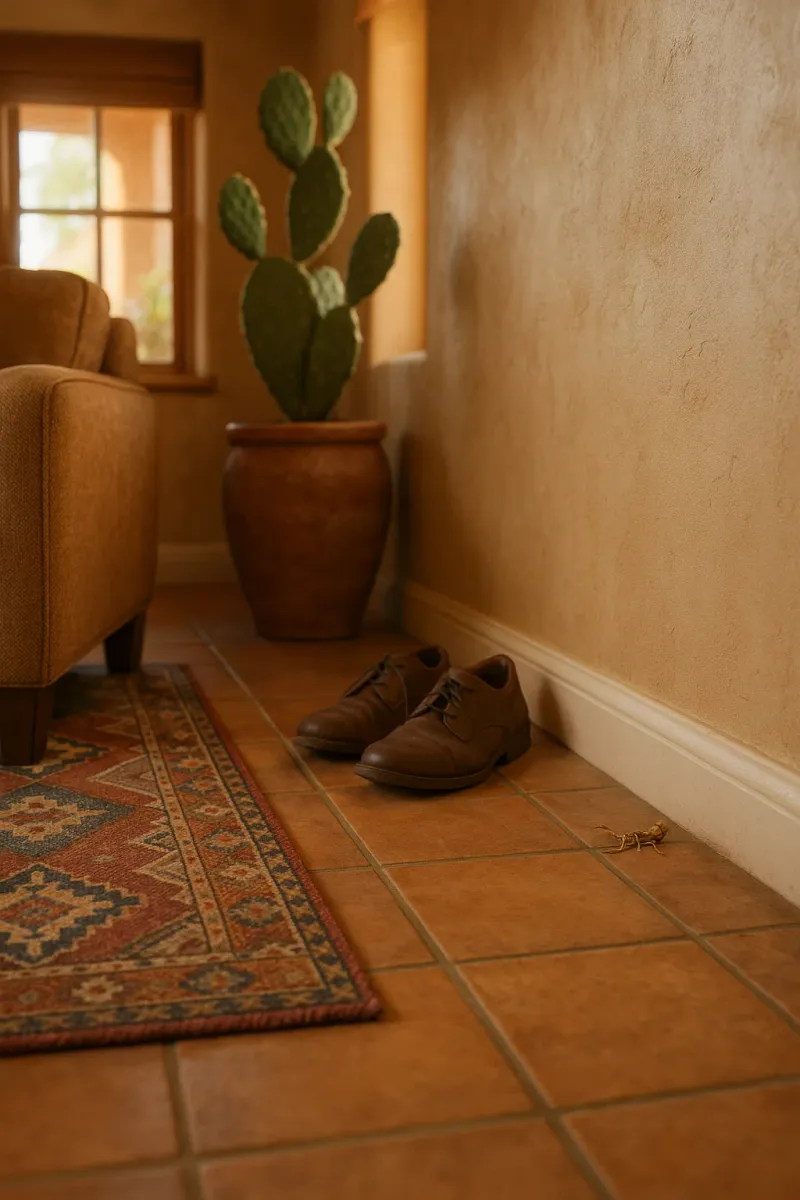
Holiday boxes, a heap of laundry, three pairs of shoes by the garage door. Sound familiar?
Once a scorpion slips inside, those cozy piles become perfect hiding places.
Scorpions prefer tight, dark, undisturbed spaces. Cardboard boxes on garage floors are a favorite, partly because roaches and silverfish also like munching on the cardboard.
Laundry rooms, storage closets, and spaces under beds give scorpions the quiet they want while they wait out cooler weather in a slow, resting state.
Winter tends to make clutter worse, since decorations come down from shelves and boxes sit around for weeks. Swapping cardboard for sealed plastic bins with tight lids is one of the simplest upgrades you can make.
Keep bins on shelves rather than directly on the floor, and leave a small gap between storage and the walls.
Inside the house, try to keep clothes, towels, and shoes off the floor. Shake out shoes and jackets before putting them on, especially if they have been sitting in the garage.
Pull beds slightly away from walls and keep bedding from touching the floor. A tidy home will not stop every intruder, but it gives a wandering scorpion far fewer places to settle in.
7. Leaving Pet Bowls Outside Overnight
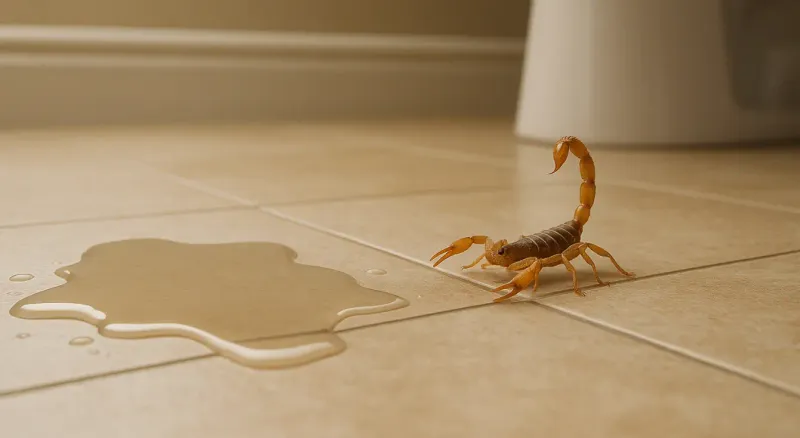
Your dog’s water bowl might be the friendliest watering hole on the block. In a place where rain is rare, a full bowl sitting on the patio overnight can attract insects, rodents, and, yes, scorpions looking for a sip.
Food bowls create a second problem. Leftover kibble draws ants, roaches, and crickets, which then pull hungry scorpions in for an easy meal.
When those bowls sit right beside the back door, the whole little food chain ends up camped at your entry point.
The fix is pleasantly simple. Bring food and water dishes inside at night, or at least move them well away from walls and doors.
Rinse bowls daily so spilled food and slime do not build up, and sweep crumbs off the patio.
If your pets spend long days outside, a shaded water station set away from the house can work during the day. Just make it part of the evening routine to bring it in when the sun goes down.
Scorpions are night hunters, so removing that late-night snack bar may make your patio a less appealing stop. Your pets get fresh water, and your doorway gets a little quieter.
8. Ignoring the Pet Door
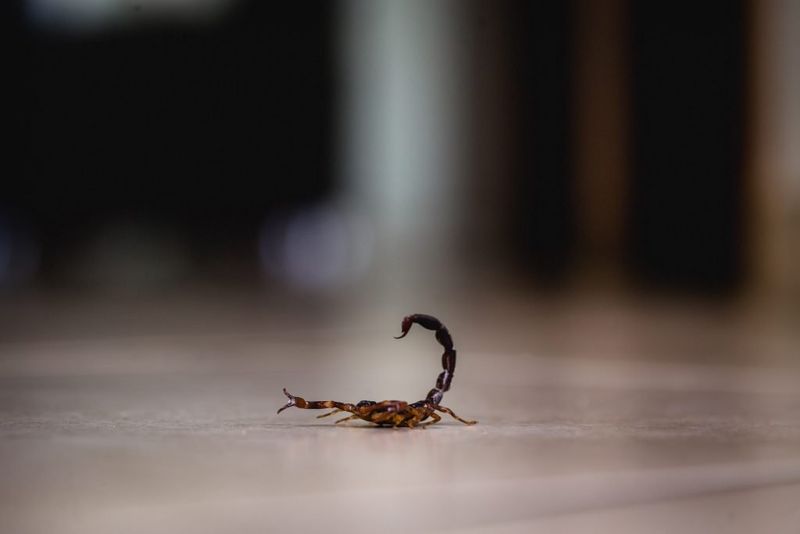
Doggy doors are a dream for busy pet owners. Unfortunately, they can also be a wide-open invitation for any scorpion searching for a warm hallway on a chilly desert night.
Over time, pet door flaps warp, magnets weaken, and brush seals wear thin. Even a small gap at the bottom or sides can let a bark scorpion stroll right in.
Since many pet doors lead into laundry rooms or kitchens, a scorpion can reach a cozy hiding spot within seconds.
Take a few minutes to inspect yours this winter. Look for light shining around the edges when the flap is closed.
Many models allow you to replace the flap or add weather stripping, and some newer doors seal tightly with stronger magnets. Lock the pet door overnight when possible, since that is when scorpions are most active.
A sticky insect trap placed just inside the pet door can also act as an early warning system. If you start catching scorpions there, it tells you exactly where they are getting in.
Pairing a well-sealed pet door with the other habits on this list can go a long way toward keeping your home calm, comfortable, and much less inviting to eight-legged guests.