Why Pine Straw Is Still The Smartest Mulch For Georgia Yards This Fall
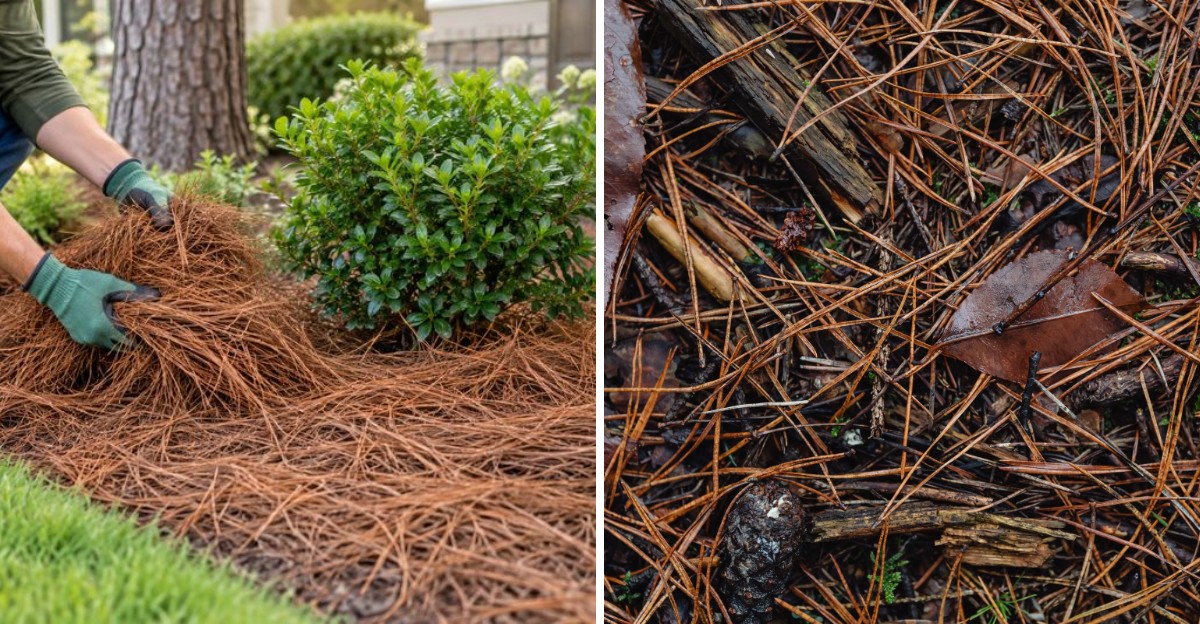
Longleaf pine needles can grow up to 18 inches long. That makes them some of the longest pine needles in North America.
I find that fact pretty wild.
Those same needles fall to the ground every year for free. Southern landowners rake and bale them by the millions.
Georgia ranks among the biggest producers of this humble yard cover.
Personally, I love how it smells after a fall rain. It feels soft underfoot and looks tidy in a flower bed. You need to see how it handles a steep slope to believe it.
The real magic happens below the surface.
Your plant roots get a cozy blanket for the cooler months. So why do so many local gardeners still trust a pile of old needles over fancy bagged options?
1. Your Plant Roots Are About to Get a Secret Winter Blanket
Cold snaps in the South can sneak up fast. A sunny 70-degree afternoon can turn into a frosty night with little warning.
Roots feel those swings, and they do not enjoy them.
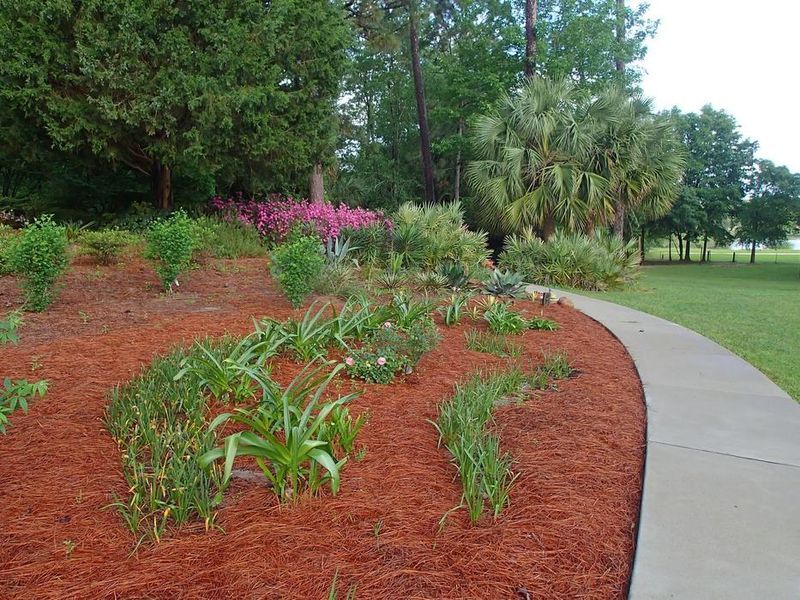
Pine straw helps calm things down. The long needles trap pockets of air between them.
That air acts like insulation, much like the stuffing in a puffy jacket. Soil under a good layer warms and cools more slowly, so roots face fewer sudden shocks.
Georgia winters are often mild, but they are also unpredictable. North Georgia mountain towns may see hard freezes, while coastal yards get only a few chilly nights.
Both regions benefit from steadier soil temperatures during these months.
Fall is a smart time to add this layer. Many shrubs and perennials keep growing roots after their leaves stop growing.
Protected roots can settle in and get stronger before spring arrives.
Pay extra attention to newly planted shrubs, young perennials, and pansies set out this season. Their roots are shallow and still finding their way.
A fluffy covering gives them a better shot at thriving when warm weather returns.
2. You Will Love How It Keeps Thirsty Soil From Drying Out
Most folks blame summer for dry soil. In reality, fall in Georgia often brings some of the driest weeks of the year.
September and October can pass with very little rain.
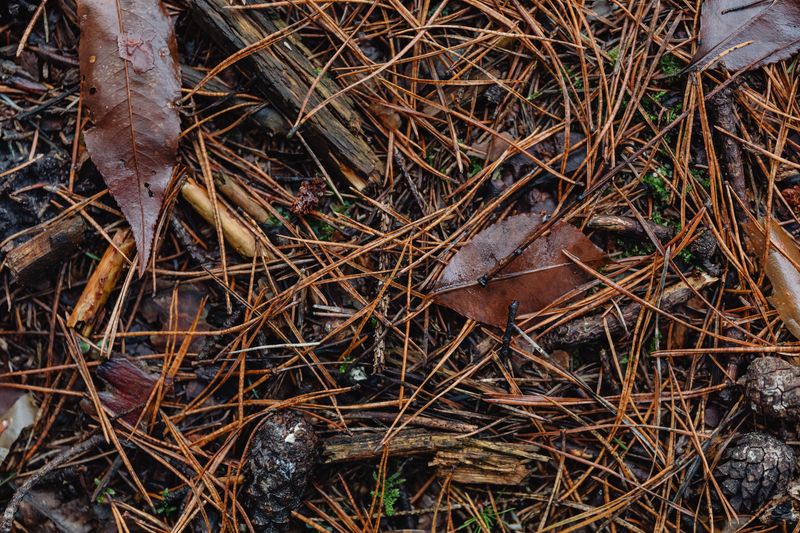
A layer of pine straw works like a shade umbrella for the ground. It blocks sun and wind from hitting bare dirt directly.
Less exposure means less water escapes into the air through evaporation.
Rain and irrigation still pass through easily. The needles are loose and airy, so water slips down instead of running off the top.
Some heavy wood mulches can form a crust, but pine straw rarely does.
I like how this cuts down on watering chores. You can often stretch the time between soaking sessions by a few days.
That saves water, time, and a little money on your bill.
Try a simple test this week. Push a finger into soil under your pine straw, then into a bare patch nearby.
The covered spot usually feels cool and damp, while the open dirt feels dusty. That small difference adds up for shrubs and perennials heading into their resting season.
Your Georgia Garden Changes Every Week. Your Plan Should Too.
Gardening in Georgia changes quickly throughout the season. Every Friday you’ll receive a simple weekly plan showing exactly what to plant, prune, fertilize, harvest, and protect so you never miss the right timing.
3. Sloped Beds Finally Have a Mulch That Stays Put
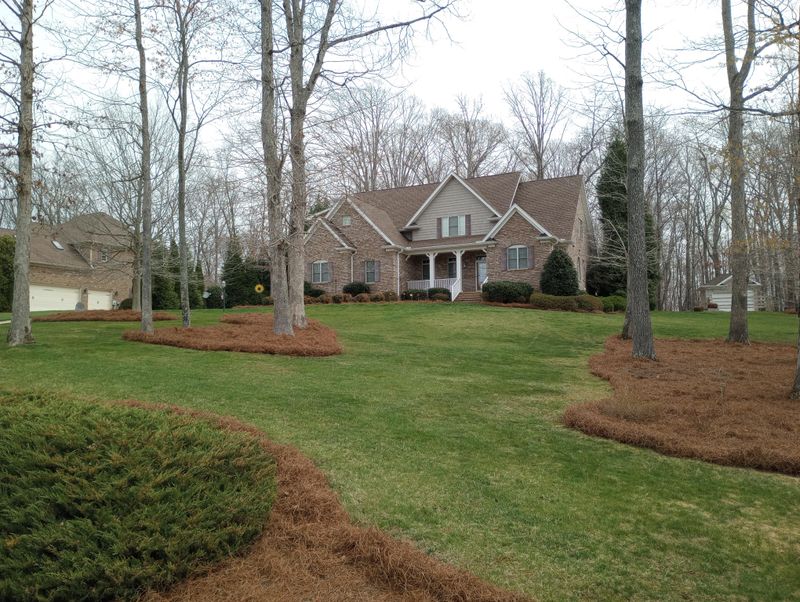
Anyone who has watched shredded bark wash into the driveway after a storm knows the frustration. Heavy rain plus a hill can turn mulch into a mess.
Pine straw handles that problem better than most choices.
The secret is in the shape of the needles. They are long and thin, so they overlap and knit together like a loose mat.
Once settled, that mat grips the ground and resists sliding.
Georgia gets plenty of rain in late fall and winter. Red clay soil on bare slopes can wash away quickly during those storms.
A woven blanket of needles slows down falling raindrops and moving water. Soil stays in place instead of ending up in the gutter.
Highway crews across the Southeast use pine straw on roadside banks for this very reason. It is cheap, light, and stays where it lands.
For the best hold, spread it a bit thicker on steep spots. Tuck the edges in along the bottom of the slope.
A light watering after spreading also helps the needles settle and lock together quickly.
4. Azaleas and Blueberries Feel Right at Home Under Pine Needles
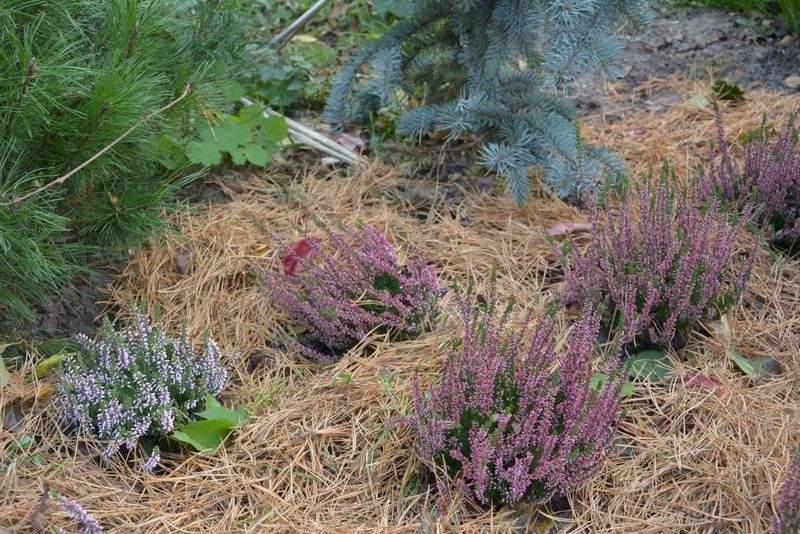
Walk through any old Southern garden and you will spot azaleas tucked under tall pines. That pairing looks natural for a good reason.
Many favorite Georgia plants prefer slightly acidic soil, just like the forests they came from.
Pine straw fits right into that picture. It mimics the needle layer found on a woodland floor.
Plants like azaleas, camellias, gardenias, rhododendrons, and blueberries often look happiest with it around their roots.
A quick reality check helps here. Experts like the University of Georgia Extension note that pine straw changes soil pH very little, if at all, over a single season.
The bigger benefit comes from moisture, cool roots, and slowly added organic matter.
So think of it as a good neighbor, not a soil fix. If your blueberries show yellow leaves with green veins, test your soil first.
Your county Extension office can run an affordable soil test and suggest the right adjustment.
Still, the match makes sense. These shrubs have shallow, delicate roots that dislike heat and dryness.
A soft needle cover keeps them comfortable and gives your beds that classic Southern woodland look.
5. Keeping Things Neat Takes Less Work Than You Expect
Here in the humid South, some mulches seem to vanish before your eyes. Fine shredded wood can break down and fade in a few months.
Pine straw tends to hang around longer than many expect.
Most landscapers find a good layer lasts about six months to a year. Higher quality longleaf needles often hold their color and shape the longest.
Many homeowners simply top it off once or twice a year.
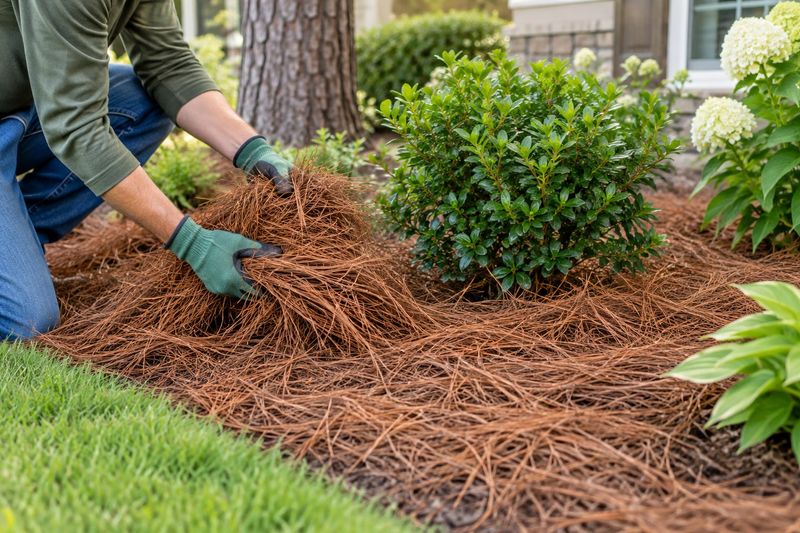
Freshening up is easy too. A quick fluff with a rake can revive flattened areas.
Then just sprinkle a thin new layer over the top. There is no need to dig out old material, since it slowly feeds the soil.
Bales are light and easy to carry. You do not need a wheelbarrow or shovel for small beds.
Just pull off flakes by hand and shake them into place.
Personally, I find the job almost relaxing on a cool fall morning. A tidy bed edge plus fresh golden needles makes a yard look cared for in under an hour.
Neighbors will notice the difference, and your back will thank you.
6. Fewer Weeds Next Spring Starts With What You Do Now
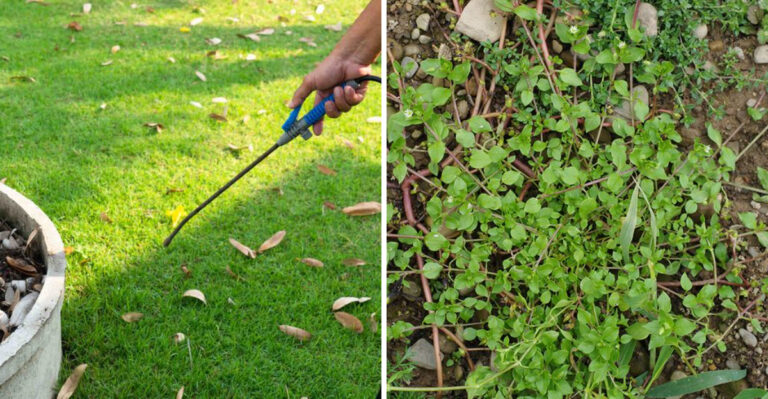
Weed seeds are sneaky little planners. Many winter weeds, like henbit and chickweed, sprout in fall and wait to explode in early spring.
Covering your beds now can slow that plan down.
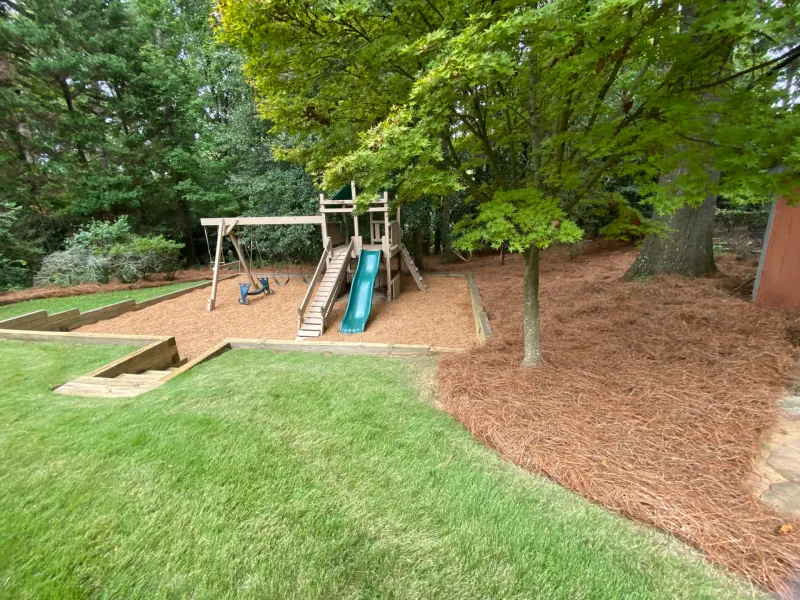
Pine straw works by blocking light. Most weed seeds need sunlight on the soil surface to sprout.
A thick layer of needles shades the ground and leaves many seeds stuck in the dark.
Weeds that do push through are usually easier to pull. The soil underneath stays loose and moist.
Roots slide out with a gentle tug instead of snapping off.
Thickness matters a lot here. A thin, patchy layer lets light sneak through gaps.
Aim for about three to four inches of fresh, fluffy straw, which settles to roughly two inches over time.
Pull existing weeds before you spread anything. Covering them up rarely works, since established plants can grow right through.
Clear first, then mulch, and you will likely see a calmer, cleaner bed come March. It is one of those simple fall jobs that pays you back with less kneeling and tugging later.
7. Spread It the Right Way and Your Beds Will Thank You
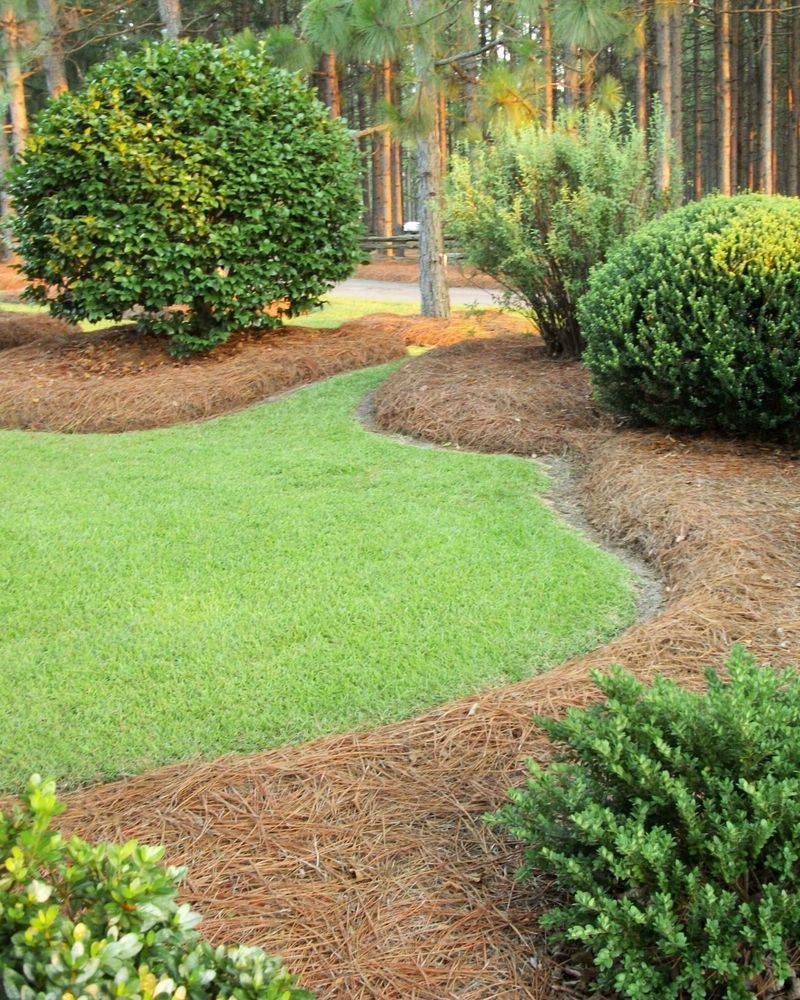
A few smart habits make a big difference with pine straw. Good timing comes first.
Late October through November works well in most of Georgia, after summer heat fades and before winter rains arrive.
Start by clearing weeds and fallen debris. Water dry beds a day ahead so the soil holds moisture under the new layer.
Edge your beds for a clean line that helps keep needles in place.
Next, grab a bale and pull off loose sections. Shake them out and spread them evenly, about three to four inches deep.
One standard bale usually covers around 50 square feet, though sizes vary by seller.
Keep needles a few inches away from tree trunks and shrub stems. Mulch piled against bark traps moisture and invites rot or pests.
Landscapers call those piles mulch volcanoes for a reason.
Tuck the edges with a rake or your hands for a polished border. Fire safety matters too.
Pine straw burns easily, so many experts suggest keeping it a few feet away from your house walls. Use rock or gravel right next to the foundation instead.
8. Local Beauty and Value Make This Choice Easy to Love
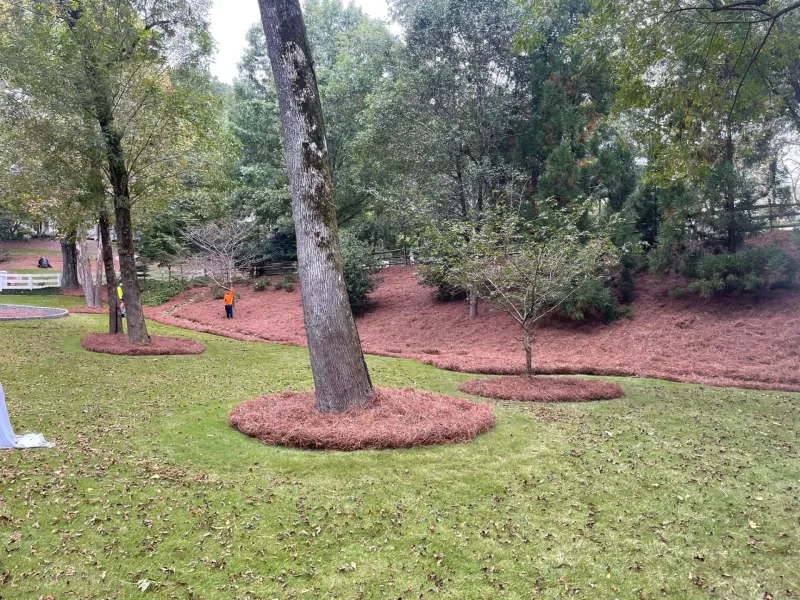
Few mulches come with a story quite like this one. In south Georgia, pine straw raking supports many family landowners and rural workers.
Needles fall from living trees, so no trees are cut to make it.
That makes it a renewable, homegrown product. Longleaf, slash, and loblolly pines drop fresh needles year after year.
Buying local bales often means fewer shipping miles and fresher material.
Price can be a pleasant surprise too. Costs vary by needle type and supplier, but pine straw is often affordable compared to bagged wood mulch.
It also covers a lot of ground for its weight.
Then there is the look. Golden brown needles give a warm, natural finish that matches Southern homes and woodsy yards.
They fade to a soft russet color over time instead of turning gray.
I believe a smart choice should feel good, look good, and work hard. Pine straw checks all three boxes for many yards across the state.
Visit a local garden center this fall, compare bale quality, and give your beds a fresh golden layer before the first frost.