Thousands Of Crows Are Swarming New York Towns, And It’s Seriously Creepy
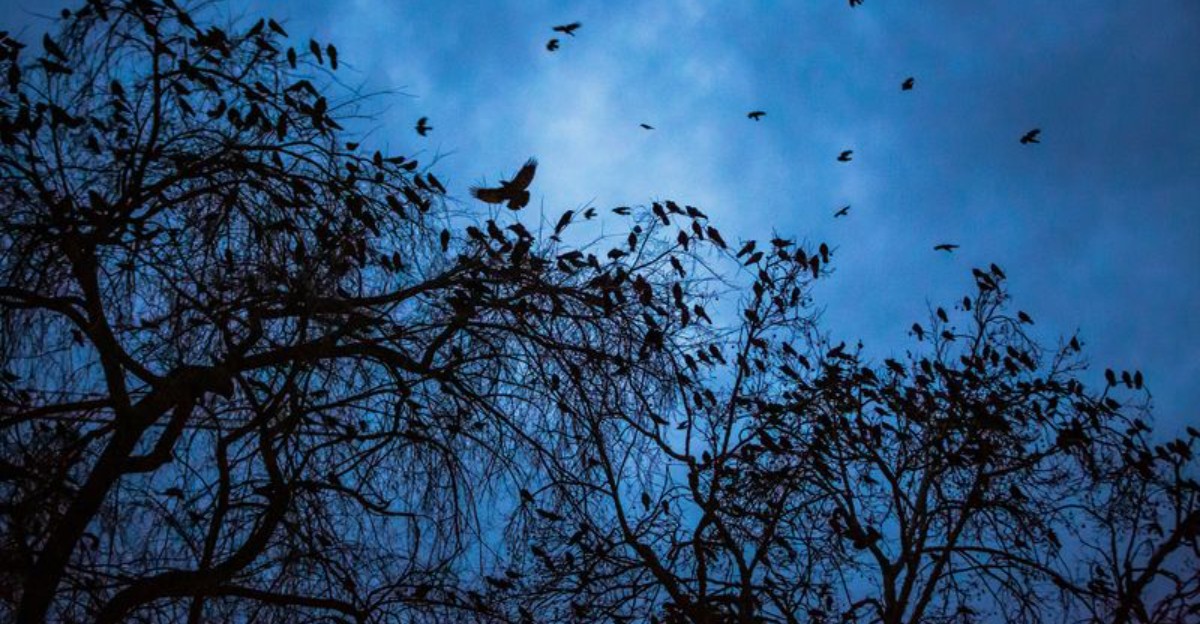
A cold winter evening, and the sky suddenly turns black with wings. Thousands of crows swirl overhead, cawing so loudly you can barely hear yourself think.
For many New Yorkers, it feels like a scene from Alfred Hitchcock’s The Birds. Yet there’s no movie crew, no scary soundtrack, and no reason to hide under the covers.
These gatherings are a real seasonal event, and they return to towns across the states every year. Some flocks are so big that people drive miles to watch, while others leave locals grumbling about messy sidewalks and noisy nights.
So why do so many crows pick the same towns, the same trees, and the same chilly months? The answers are surprising, a little funny, and pretty clever.
Crows Gather In Huge Communal Roosts In Cold Months
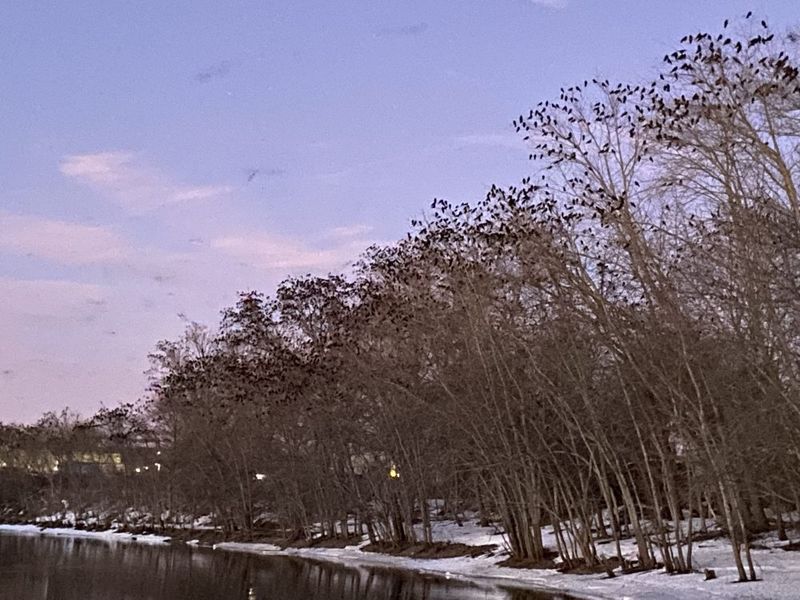
Summer crows act like quiet homeowners guarding their own backyards. Once the weather turns cold, they suddenly start acting like guests at one giant sleepover.
American Crows and Fish Crows usually begin gathering in big groups around October or November. These shared resting spots, called communal roosts, often last until February or March.
During warmer months, crows mostly stay in small family groups. Each family defends its own territory and chases away other crows that wander too close.
Winter changes the rules in a big way. Instead of fighting over space, the birds pile together on trees, rooftops, and other high places for the night.
Huddling close helps them hold on to precious body heat. On a freezing night, sitting near hundreds of warm neighbors works a bit like sharing a big blanket.
Before heading to the main roost, crows often meet in nearby spots called staging areas. You might see them crowding parking lots, fields, or treetops in the late afternoon.
Staging areas can get really loud and busy. The birds call, chase, and seem to catch up on the day before moving on together.
Here is a handy tip for curious watchers. If you notice crows collecting in one place around sunset, follow their flight path to find the main roost.
Arrive about an hour before dark for the best show. Dress warmly, bring binoculars, and enjoy one of nature’s most impressive evening routines.
Some Roosts Hold Tens Of Thousands Of Birds
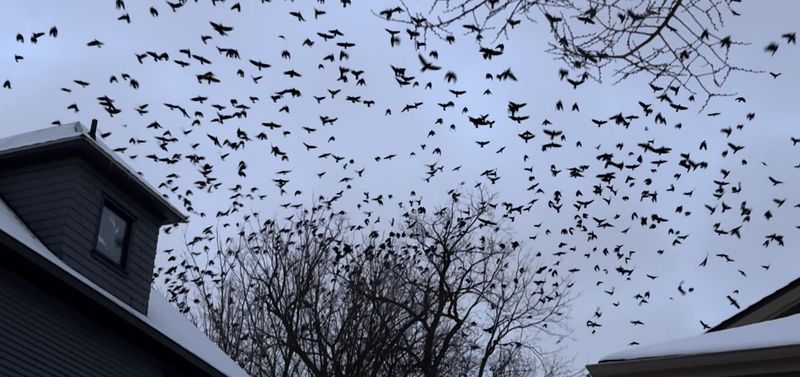
Sixty-three thousand eight hundred. That is how many crows bird counters tallied in one New York city roost back in 2005.
Big numbers like that are not rare across the state. Many cities host crowds so large they would fill a whole football stadium with feathers.
Poughkeepsie has a well-known roost that often tops 10,000 crows. It ranks among the biggest gatherings in the mid-Hudson Valley.
Rochester gets busy too, with up to 20,000 crows settling in each night during colder months. Imagine stepping outside and hearing that many birds chatting at once.
Albany has seen its roost range from about 13,230 to 30,500 birds. Nearby Troy once counted around 10,500 crows in a single winter gathering.
Across different New York cities, roost sizes have stretched from about 8,000 to more than 63,800 birds. Most roosts nationwide are smaller, though some places elsewhere report millions.
Your New York Garden Changes Every Week. Your Plan Should Too.
Gardening in New York changes quickly throughout the season. Every Friday you’ll receive a simple weekly plan showing exactly what to plant, prune, fertilize, harvest, and protect so you never miss the right timing.
Counting crows is tricky work, as you might guess. Volunteers often stand along flight paths and estimate birds in groups of ten or one hundred.
Want to help scientists learn more? Programs like the Audubon Christmas Bird Count welcome everyday people, even beginners who simply enjoy watching birds.
Joining a count is a fun way to spend a winter afternoon. You also add useful data that helps experts track how crow populations change over time.
Auburn Is Famous For Its Winter Crow Crowds
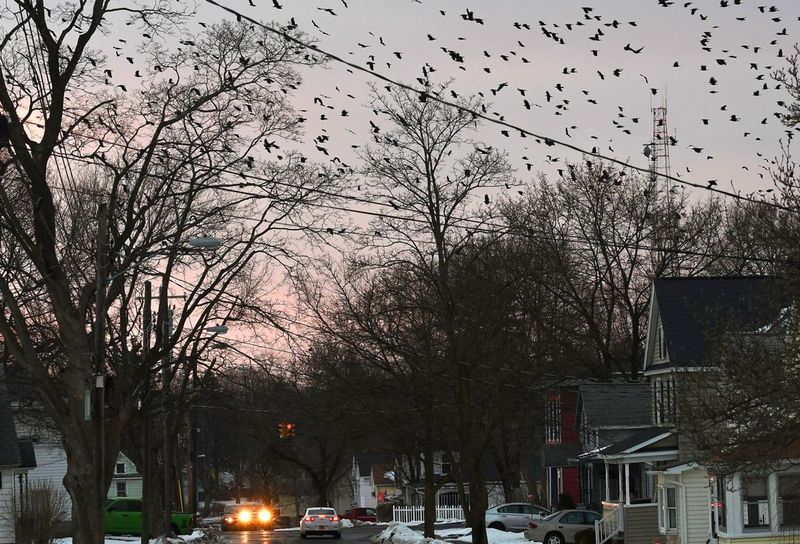
Some towns are famous for pizza or parades. Auburn earned its fame from something much louder and much more feathery.
From early November through late February, evening skies over Auburn fill with crows. Visitors often stop their cars just to stare at the swirling clouds of birds.
The 2005 count of 63,800 crows made Auburn home to the state’s largest crow roost then. That record still gets mentioned whenever people talk about New York crows.
Crows are not new arrivals here either. Records show they have gathered around Auburn since at least 1913, more than a century ago.
In the mid-1990s, the giant roost moved right into downtown. Suddenly, shoppers and workers had front-row seats to the nightly bird show.
Why Auburn? Experts point to nearby farm fields full of food, tall trees for sleeping, and the extra warmth of the city.
Instead of only complaining, the community found ways to celebrate its noisy guests. Events like the Crow Cawcus invite people to learn about and enjoy the birds.
Planning a trip? Check local tourism pages for event dates, since crow festivals often feature guided walks, talks, and family activities.
Bring a hat with a brim if you stand under roost trees. Trust us, a little planning keeps your visit fun and your hair clean.
City Lights And Warmth Draw Them Into Towns
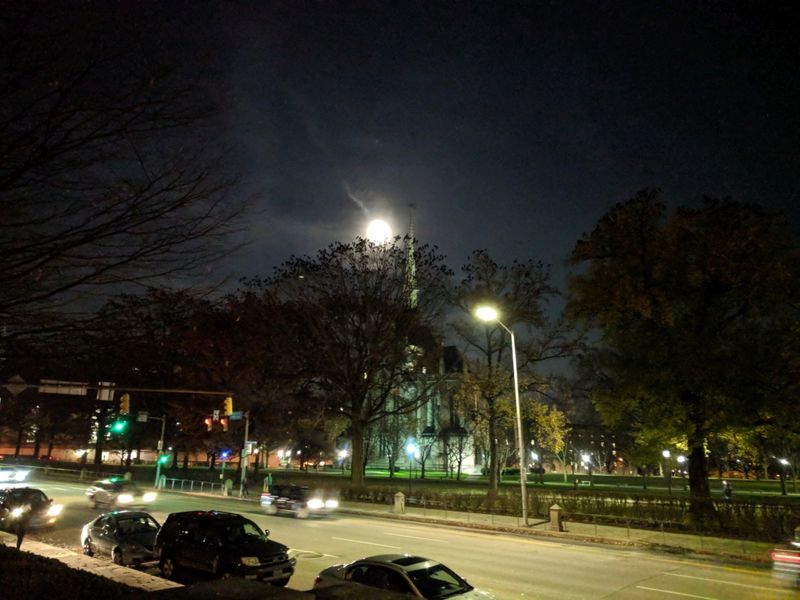
Ever wonder why crows skip quiet forests for busy downtown streets? Cities offer a surprising list of comforts that birds find hard to resist.
Warmth sits at the top of that list. Thanks to the urban heat island effect, cities stay several degrees warmer than the countryside.
Pavement, buildings, and cars soak up and release heat. Those extra degrees help crows save energy during long, freezing winter nights.
Lights matter too. Bright streetlamps make it easier for crows to spot great horned owls, which hunt quietly after dark.
Food is another big perk. Towns provide dropped snacks, overflowing trash cans, and plenty of tall trees for a good night’s rest.
Safety plays a role as well. Crows are less likely to be hunted inside city limits, so towns feel like a calmer place to settle.
Some scientists think city noise helps in a sneaky way. Traffic or rushing water might cover the soft sounds of an approaching owl.
Here is a smart tip for homeowners. Keep trash cans tightly closed, since easy food can make your street extra popular with crows.
Small habits like that will not chase every crow away. Still, they can reduce the crowd near your home while the birds enjoy other spots.
Roosting Together Helps Them Spot Predators
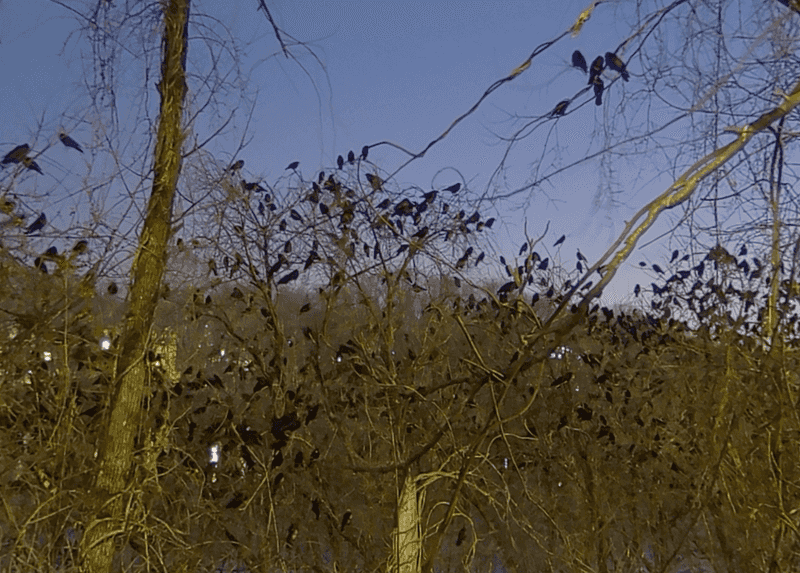
Think of a crow roost as a neighborhood watch with thousands of members. Every bird adds another pair of sharp eyes to the night shift.
Safety in numbers is a big reason crows sleep together. A single bird alone in a tree makes an easy target in the dark.
Great horned owls are the main threat to sleeping crows. These powerful hunters fly silently and do most of their hunting after sunset.
With so many birds around, one crow’s chances of being picked are much lower. It is a bit like being one face in a huge crowd.
More eyes also mean faster warnings. When one crow notices danger, loud alarm calls can wake the whole group within seconds.
Fun fact for you. Crows hold grudges against owls and often gang up on them during the day, a behavior called mobbing.
Mobbing involves dozens of crows diving and cawing at a resting owl. The goal is to annoy it enough that it moves somewhere else.
If you hear a sudden burst of angry cawing in the daytime, look closely. You might spot an owl or hawk hiding in the branches.
Following the noise is a great trick for beginner birders. Crows often lead you straight to birds you would otherwise walk right past.
They Scatter To Feed Each Morning
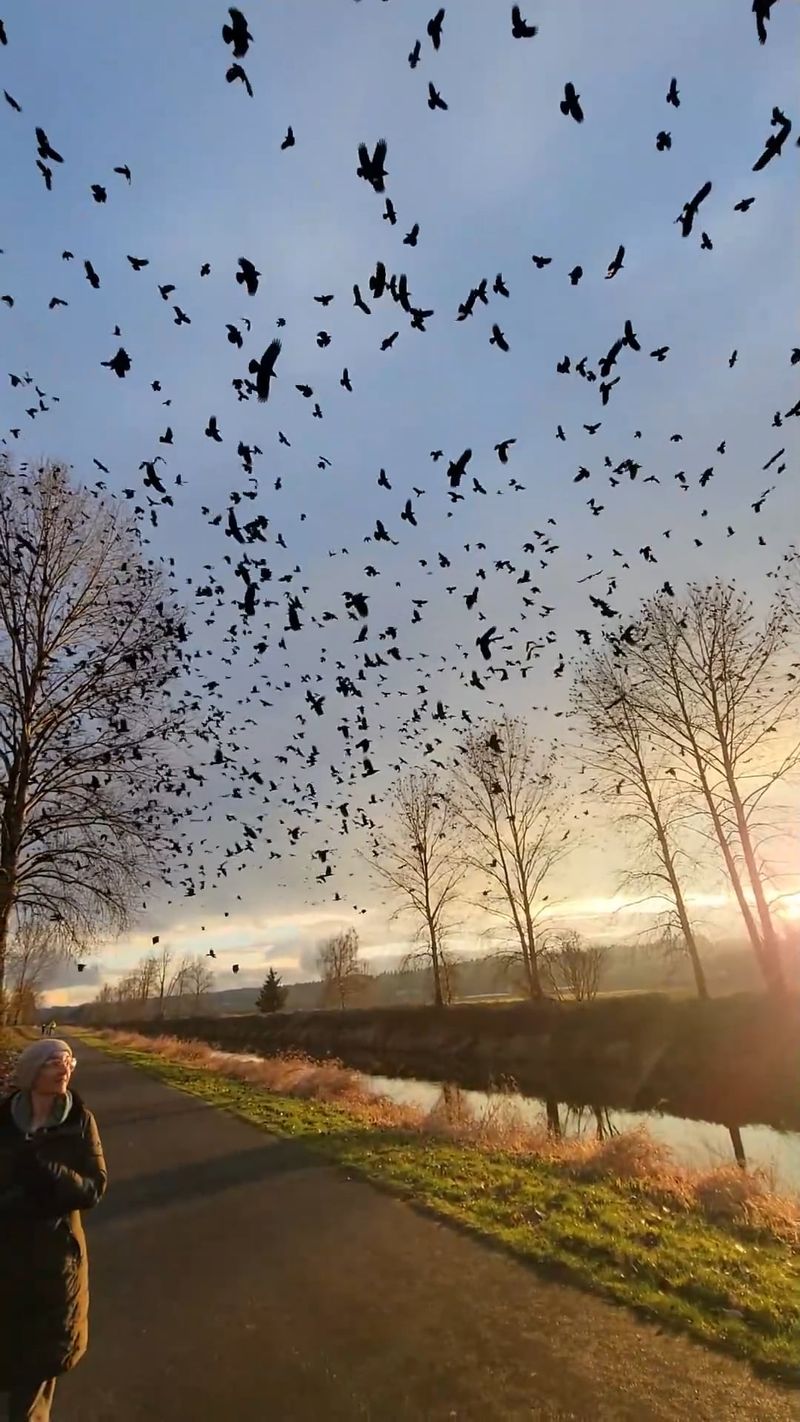
Dawn at a crow roost looks like a busy airport during rush hour. Birds lift off in waves, heading out in every direction at once.
Most crows leave right at or just before sunrise. By the time many people finish breakfast, the roost trees may look nearly empty.
Some birds travel surprisingly far for a meal. Certain crows commute up to 50 miles each way, which is longer than many human drives to work.
Their daily hunt covers all kinds of places. Crows search city streets, suburban lawns, farm fields, and wild areas for anything tasty.
Picky eaters they are not. Crows munch on grains, seeds, nuts, fruit, leftover animal remains, and human garbage.
That flexible menu helps them survive harsh winters. When one food runs low, they simply switch to something else.
Early risers get the best view of this morning rush. Find a spot near a known roost and arrive about 30 minutes before sunrise.
Watch which directions the biggest groups fly. Over a few mornings, you may notice the same flight paths used again and again.
Try keeping a small notebook of times and directions. It turns a chilly morning walk into a fun mini science project for the whole family.
Crows Are Highly Intelligent And Social
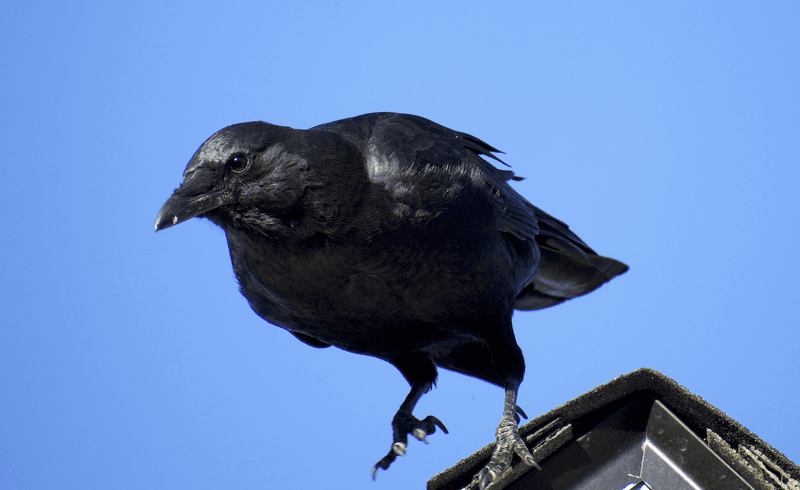
A crow once dropped a walnut onto a busy road and waited for a car to crack it. Clever moves like that are surprisingly common.
Scientists rank crows among the smartest animals on Earth. Their brainpower is often compared to that of chimpanzees.
Crows solve tricky puzzles and use tools to reach food. Some even shape sticks or wires into hooks, which is very advanced for a bird.
Their memory is impressive too. Crows remember human faces for years and can share that information with other crows.
So be kind to your local flock. A friendly face may earn trust, while a rude one could be remembered around the neighborhood.
Family life runs deep for these birds. Young crows often stay with parents for several years, helping raise younger brothers and sisters.
They communicate with many different calls and body movements. Researchers are still learning what all those caws, clicks, and rattles mean.
Crows also play, slide down snowy roofs, and appear to mourn lost flock members. Big winter roosts act like social clubs where birds swap news about food.
Want to test their smarts? Leave a few unsalted peanuts in the same spot daily, and watch how quickly local crows learn your schedule.
They’re Harmless, Though Noisy And Messy
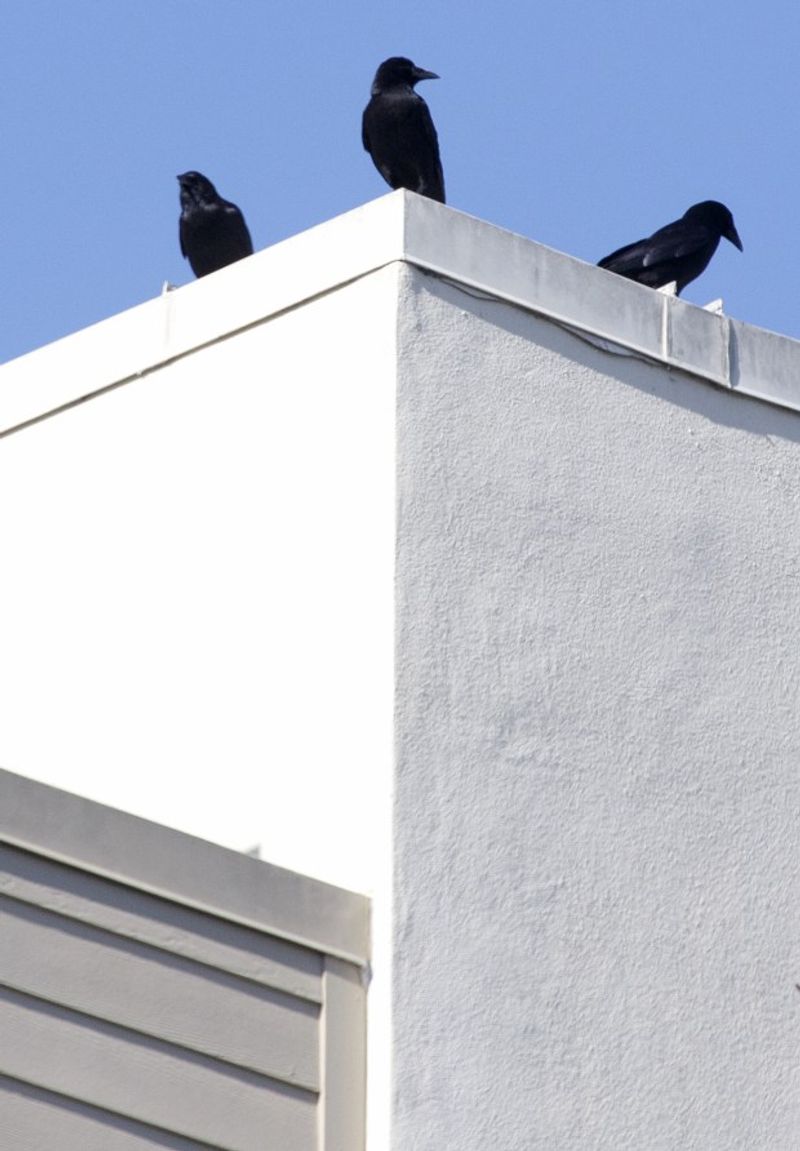
Good news first. Crows will not swoop down and carry off your little brother, no matter what horror movies suggest.
The birds pose no direct danger to people. Their biggest crimes are noise and mess, which can still test anyone’s patience.
Roosts get extremely loud, especially when crows arrive at dusk and leave at dawn. Light sleepers near roost trees often reach for earplugs.
Droppings create the bigger headache. Sidewalks, cars, and buildings can get covered, and large piles may give off a strong ammonia smell.
Some people worry about health issues like histoplasmosis linked to droppings. Wear gloves and a mask when cleaning large amounts, and wash up afterward.
Cities in New York, including Rochester and Troy, use gentle methods to move crows along. Lasers, special noisemakers, and pyrotechnics encourage birds to relocate.
None of these methods aim to harm the birds. The goal is simply guiding them toward spots where they cause fewer problems.
Opinions around New York stay split. Some residents love the nightly spectacle, while others just want a clean windshield in the morning.
A simple tip helps a lot. Park away from roost trees in winter, or use a car cover, and your vehicle will thank you.